 Dinosaur
Jurassic
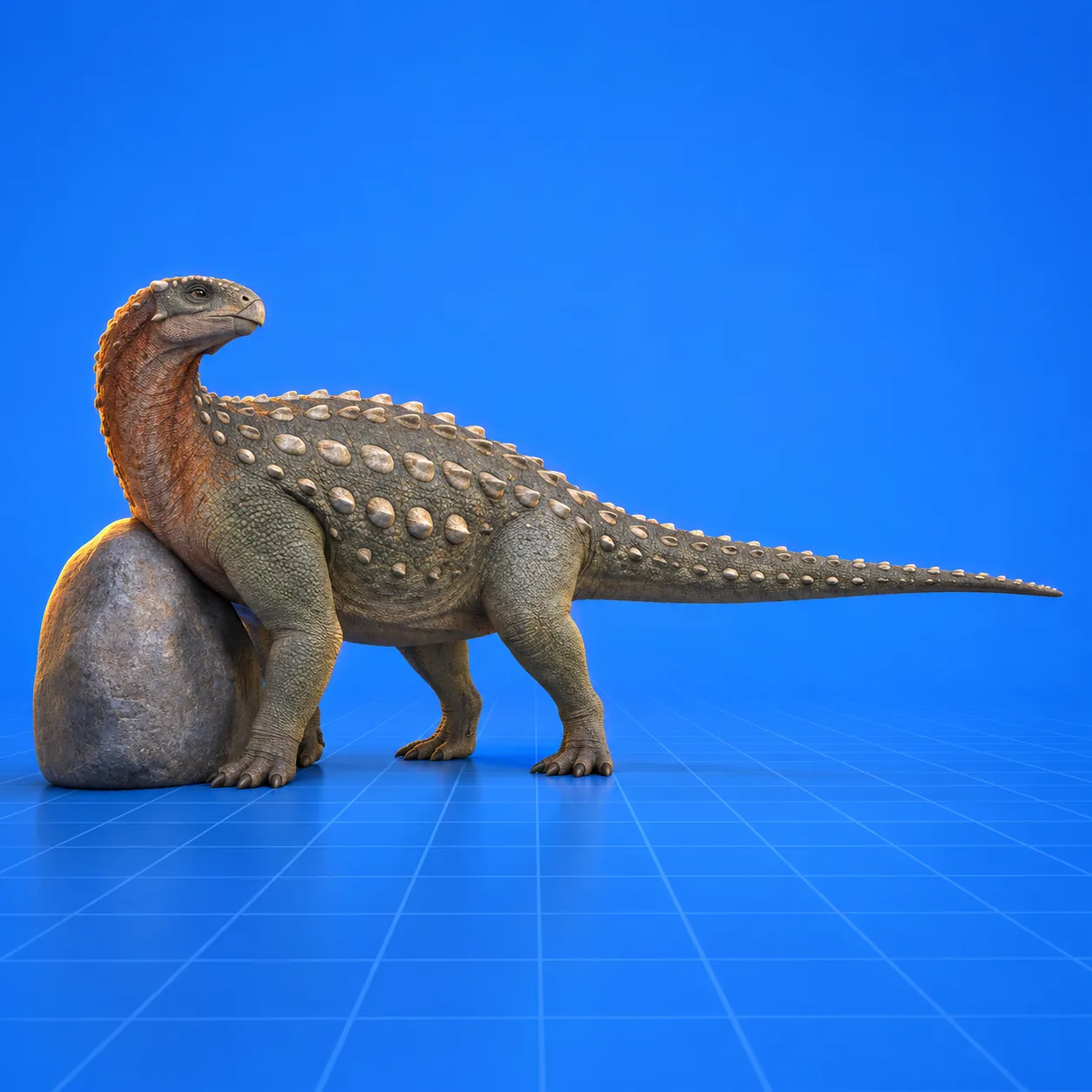
Emausaurus
Its small beak and leaf-shaped teeth helped it cut plants.
Meet Emausaurus Dinosgacha
The Dinosgacha encyclopedia
Discover dinosaurs, extinct plants, other animals and fictional game companions. Explore their stories and see all three stages of their artwork.
Showing 169–192 of 578 creatures
DinosaurJurassic
Its small beak and leaf-shaped teeth helped it cut plants.
Meet Emausaurus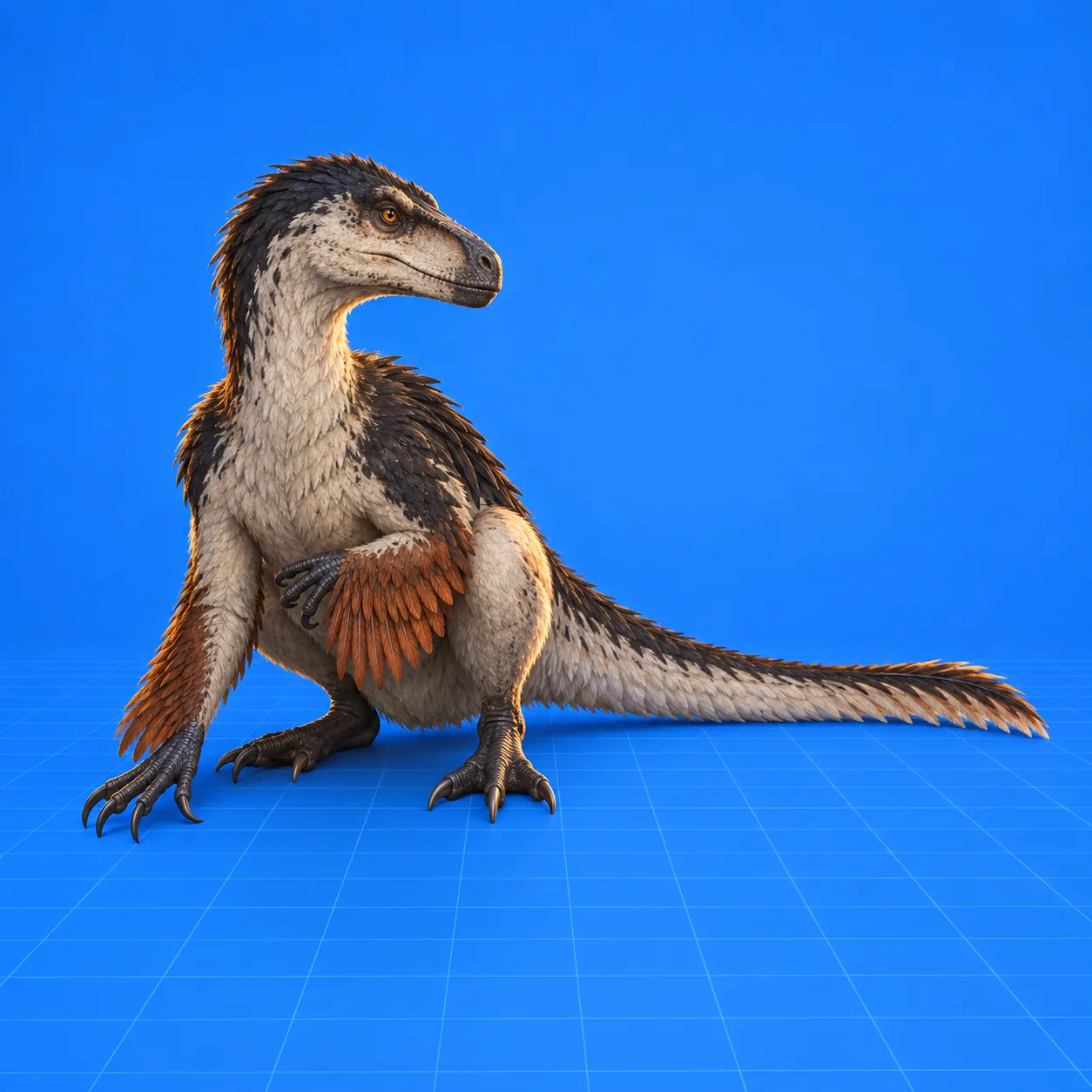 Dinosaur
Cretaceous
Its long, developed arms contrasted with the tiny arms of later tyrannosaurids.
Meet Eotyrannus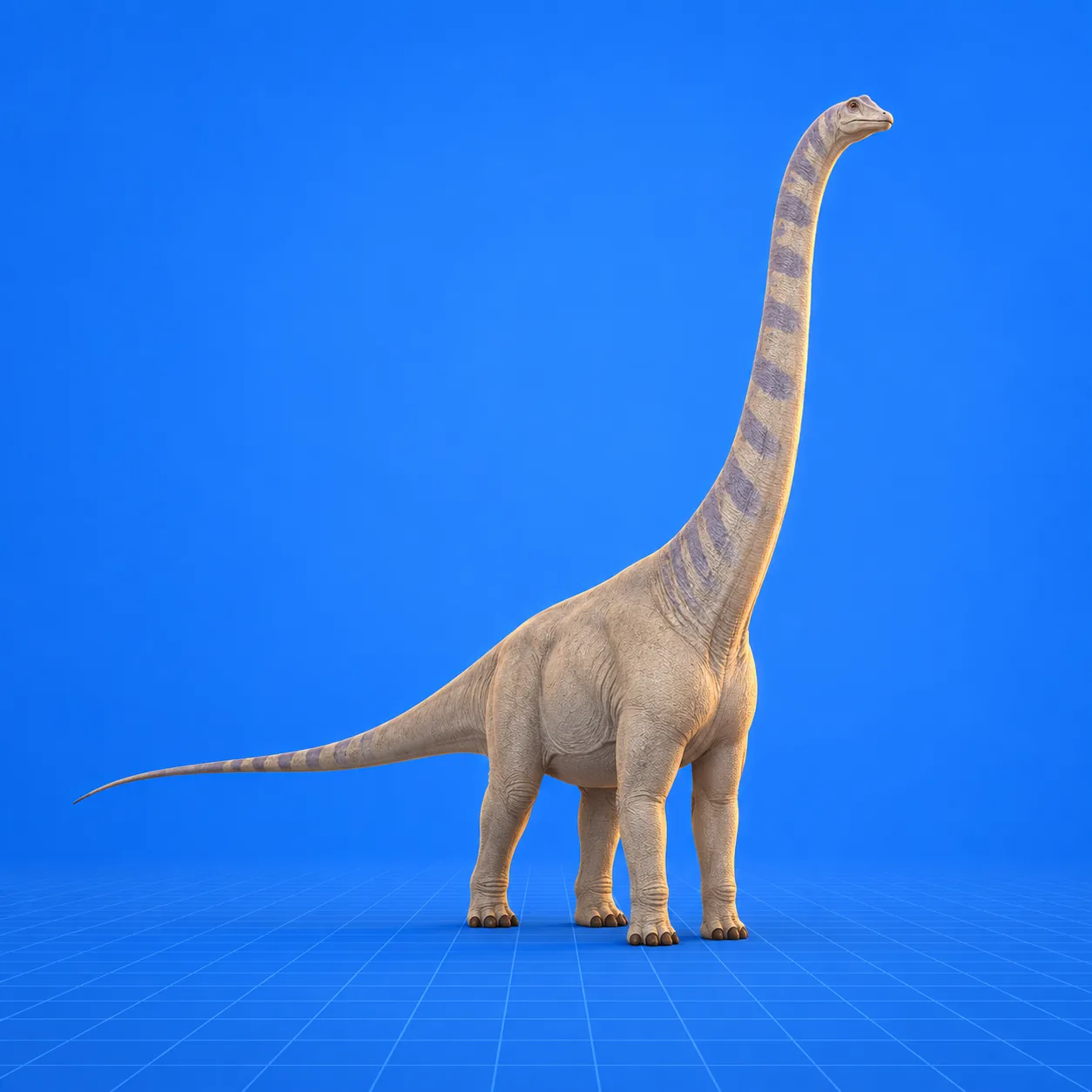 Dinosaur
Cretaceous
Its neck was unusually long; less is known about the proportions of the rest of its body.
Meet Erketu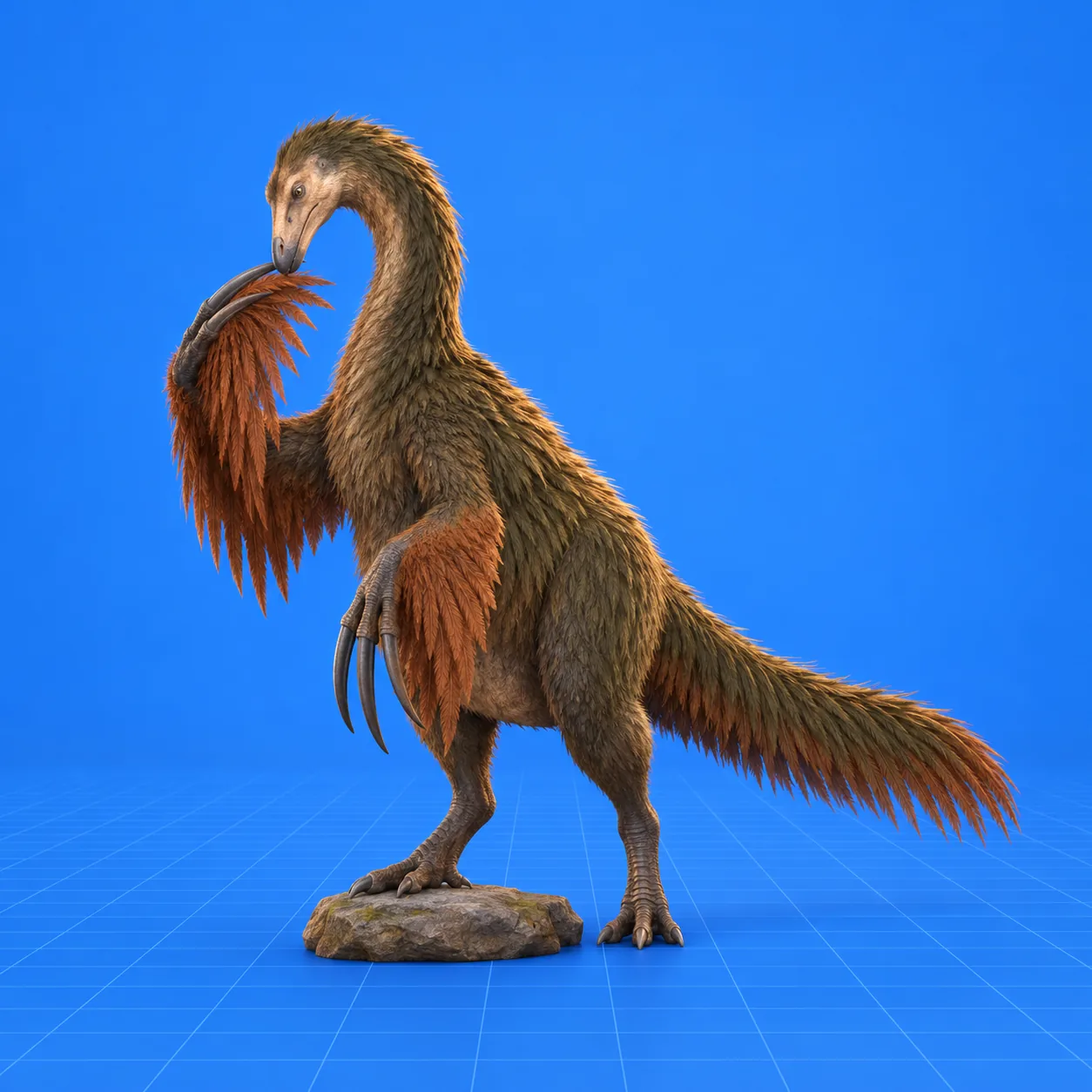 Dinosaur
Cretaceous
It had a beak at the front of its mouth and teeth further back.
Meet Erlikosaurus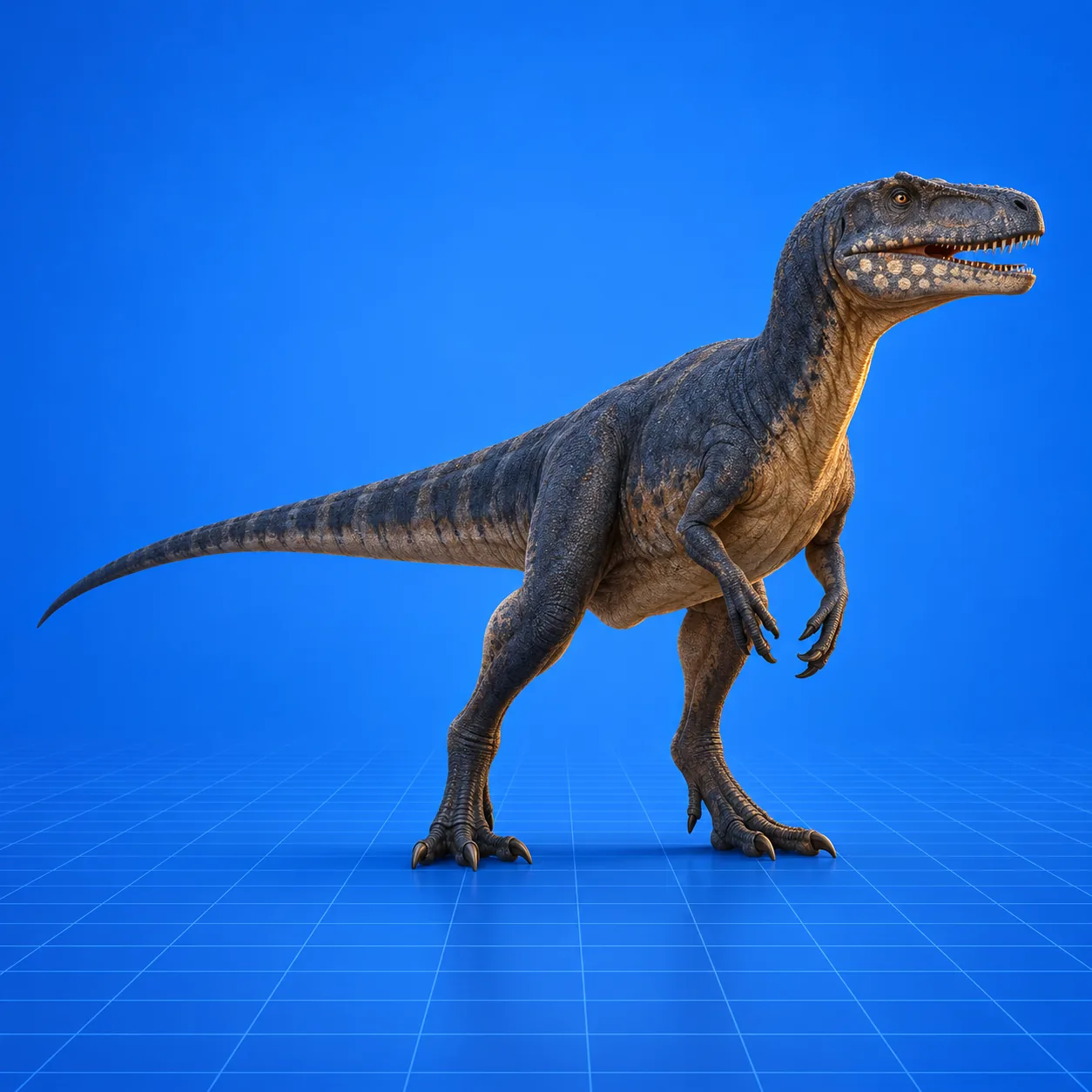 Dinosaur
Jurassic
It was a bipedal carnivore with strong hind legs and relatively small arms.
Meet Eustreptospondylus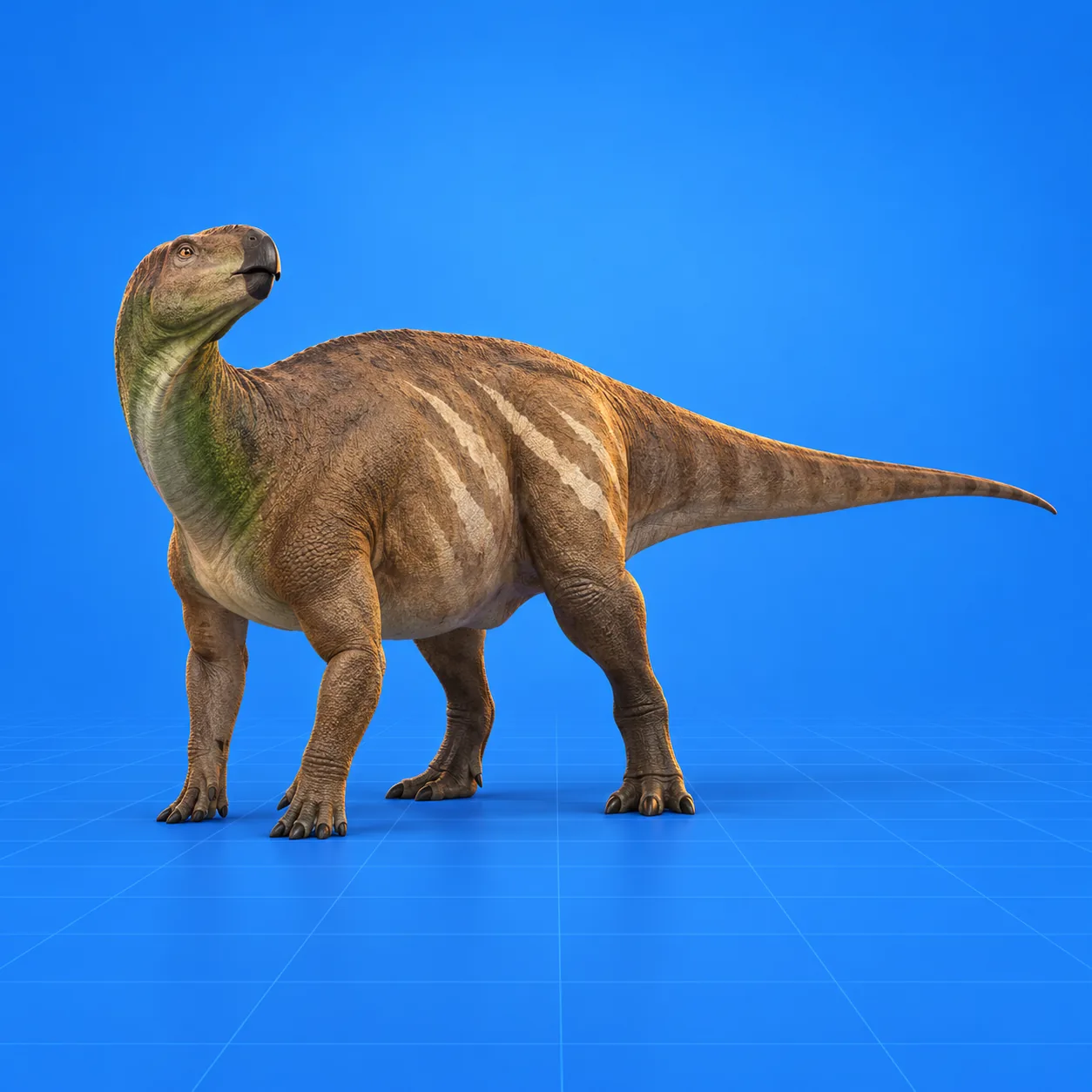 Dinosaur
Cretaceous
Its skull appeared in ancient river deposits of the Kitadani Formation.
Meet Fukuisaurus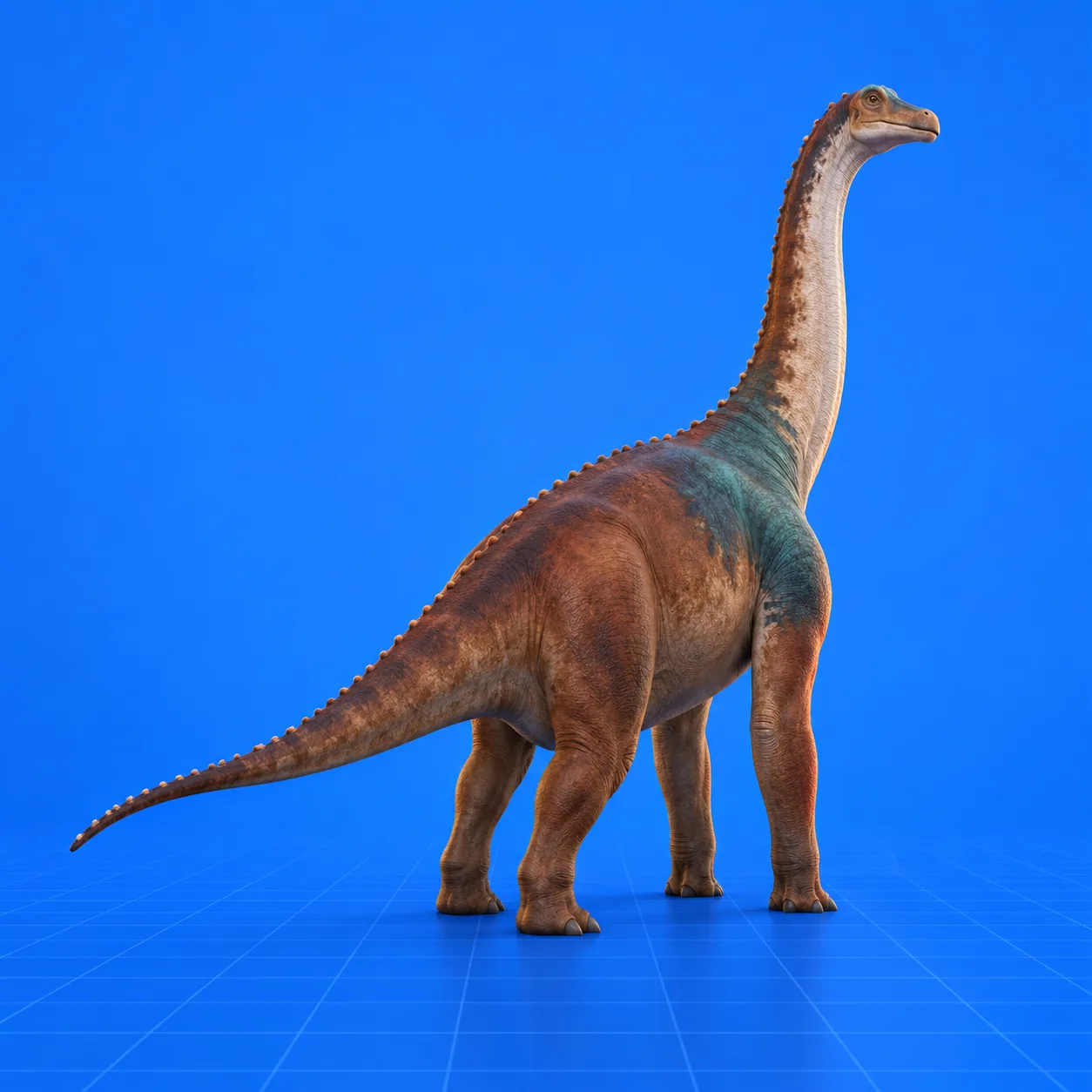 Dinosaur
Jurassic
Its small size is thought to be an example of island dwarfism: a species becoming smaller while living on an island.
Meet Europasaurus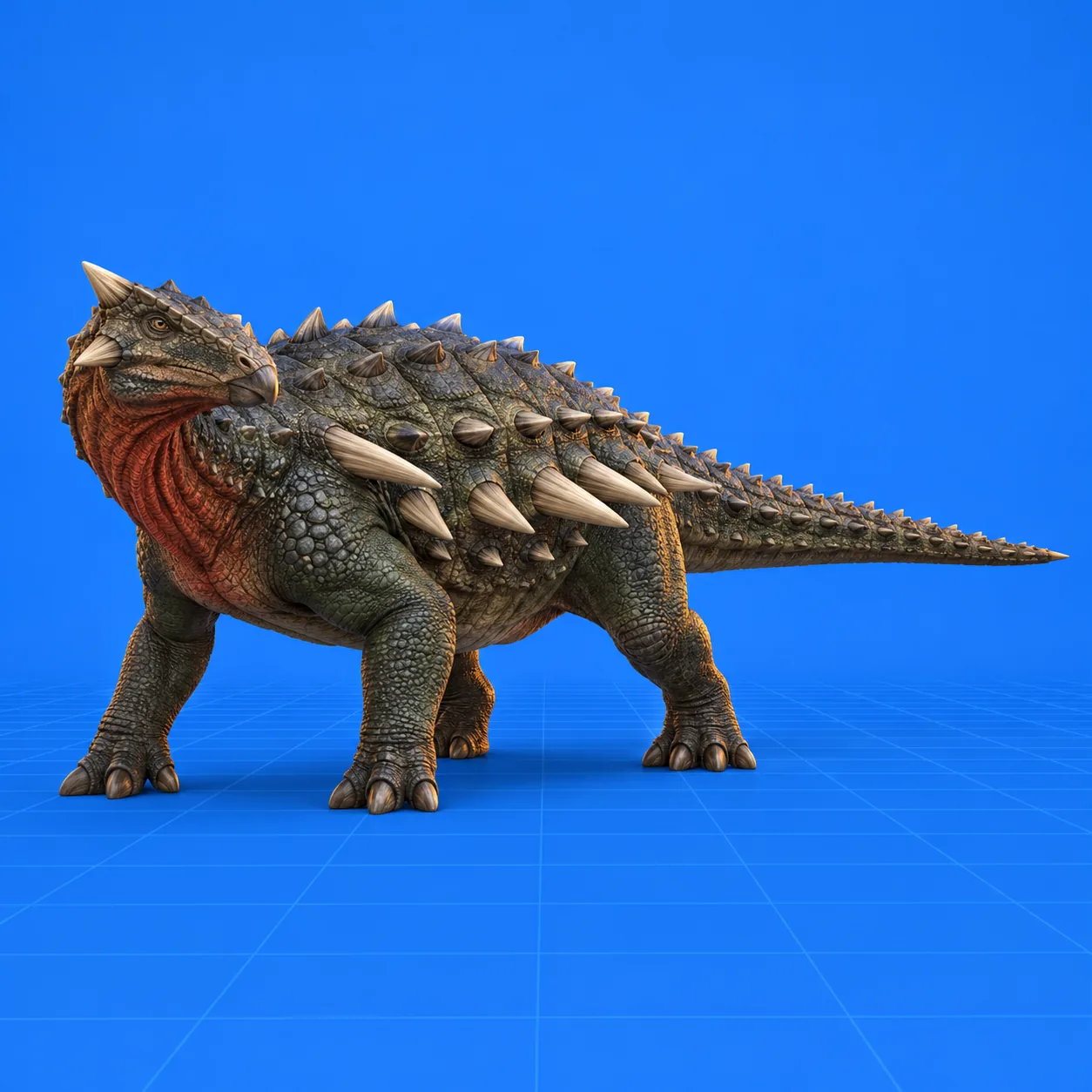 Dinosaur
Jurassic
It combined characteristics of early armored dinosaurs and later groups.
Meet Gargoyleosaurus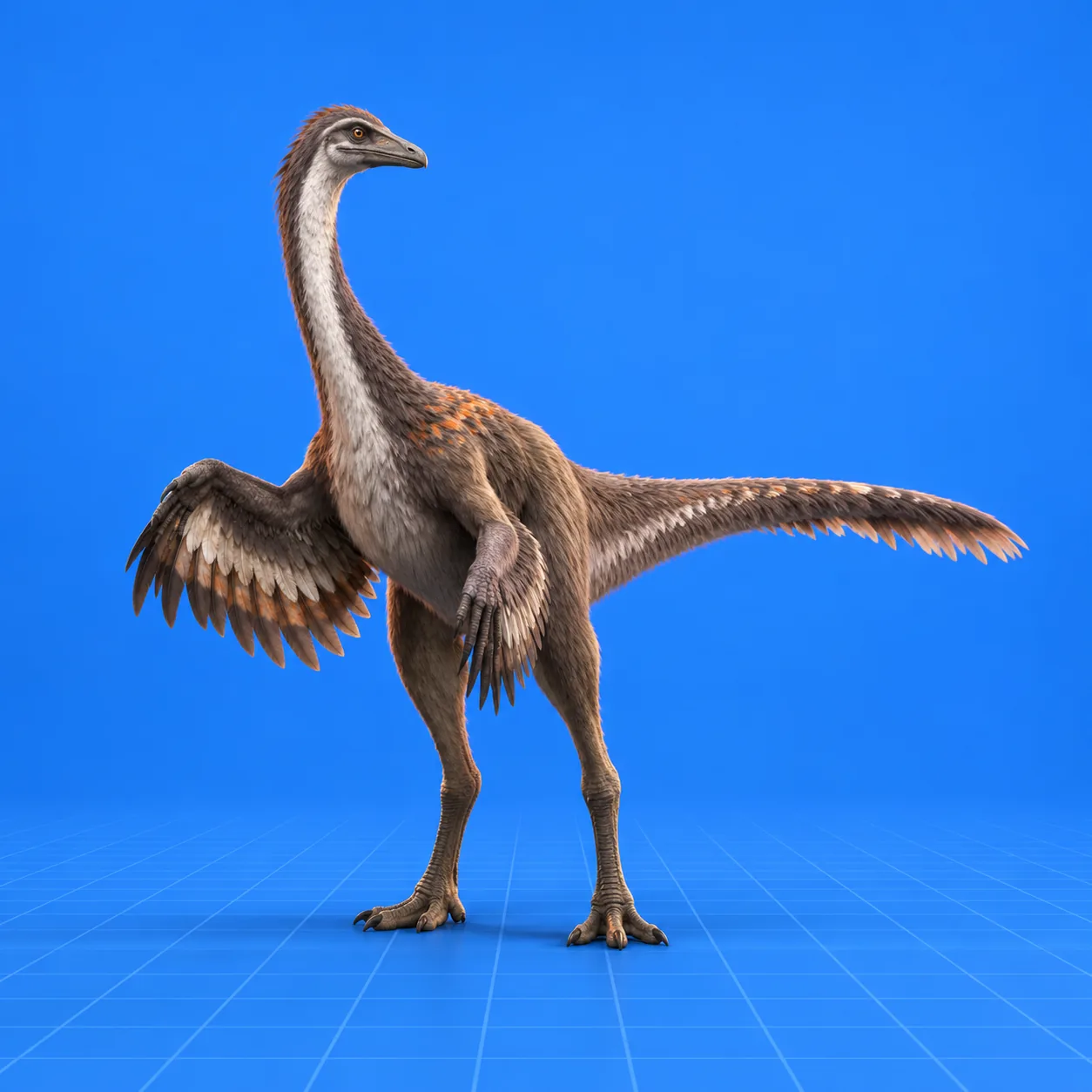 Dinosaur
Cretaceous
Its fossils come from the Mongolian locality of Bayshin Tsav.
Meet Garudimimus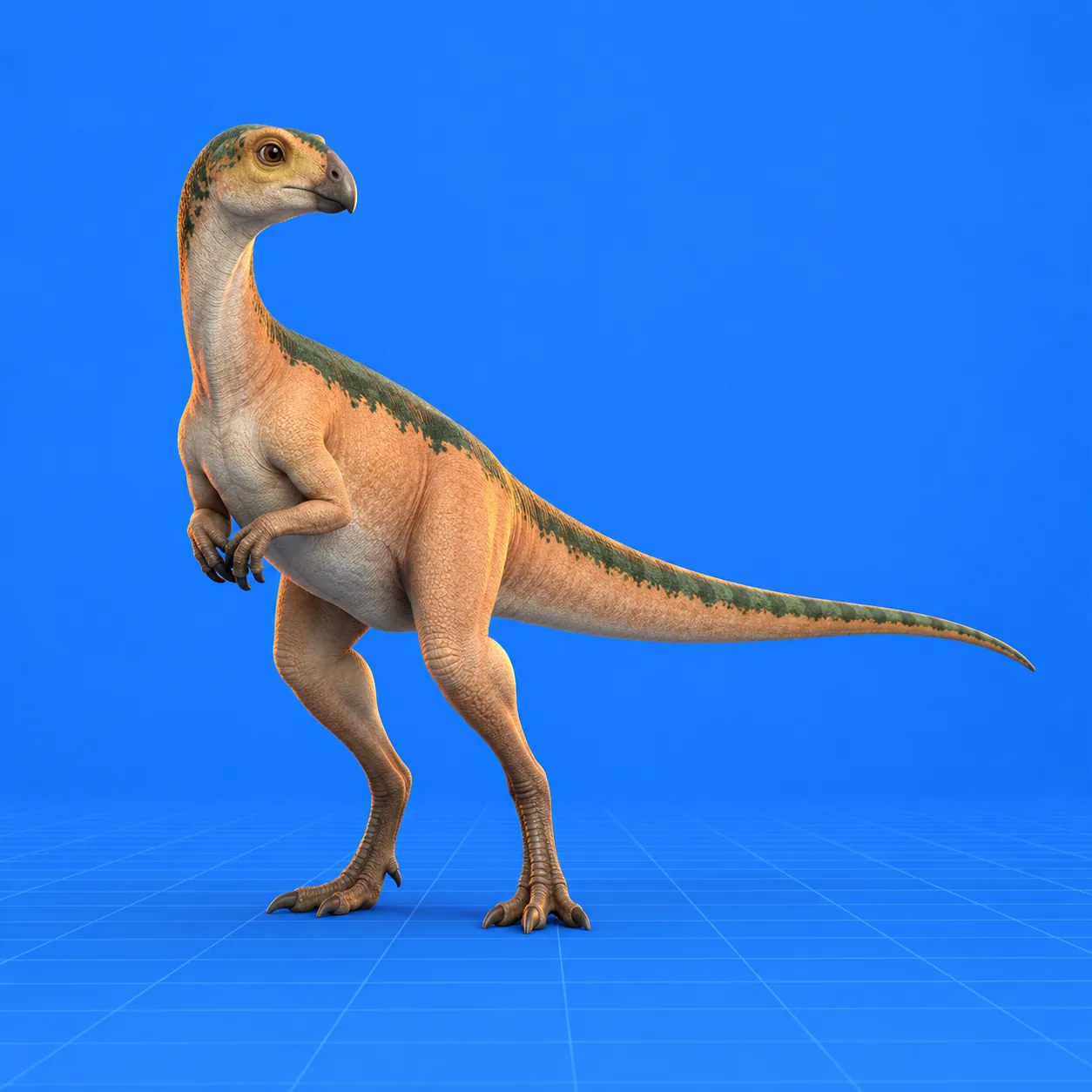 Dinosaur
Cretaceous
Its jaws had large teeth for processing vegetation.
Meet Gasparinisaura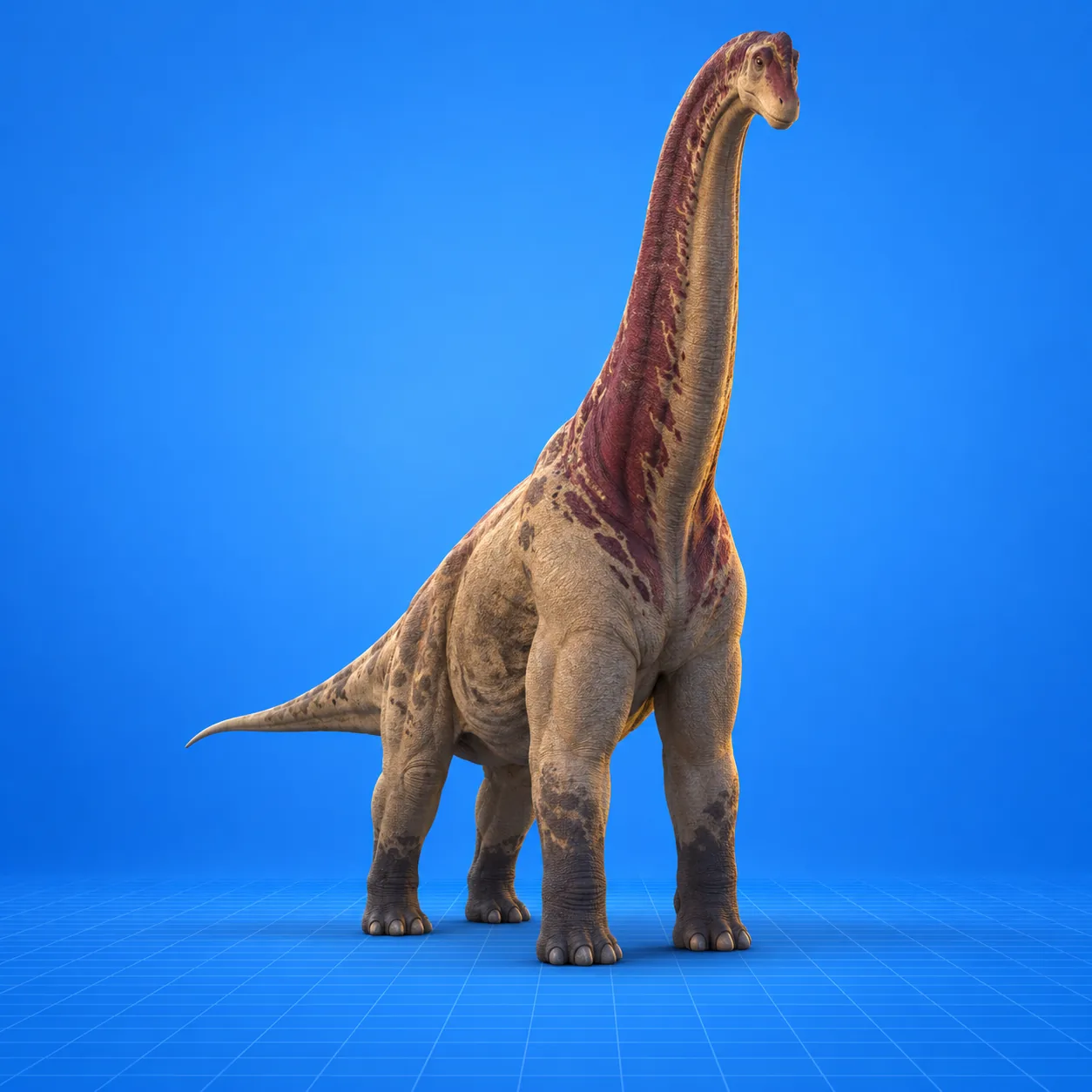 Dinosaur
Jurassic
It was one of the large sauropods that inhabited Africa.
Meet Giraffatitan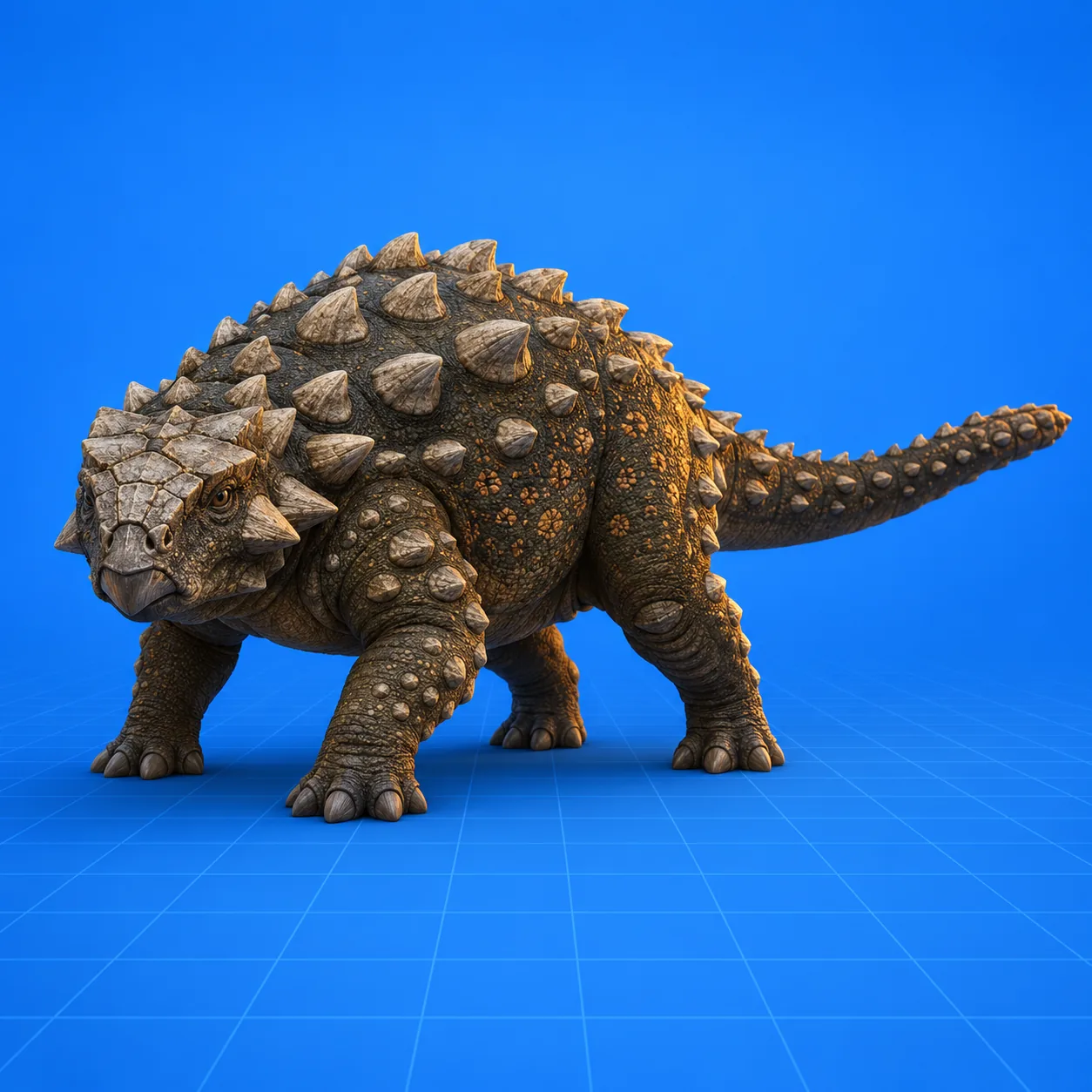 Dinosaur
Cretaceous
Its skull was almost as wide as it was long.
Meet Gobisaurus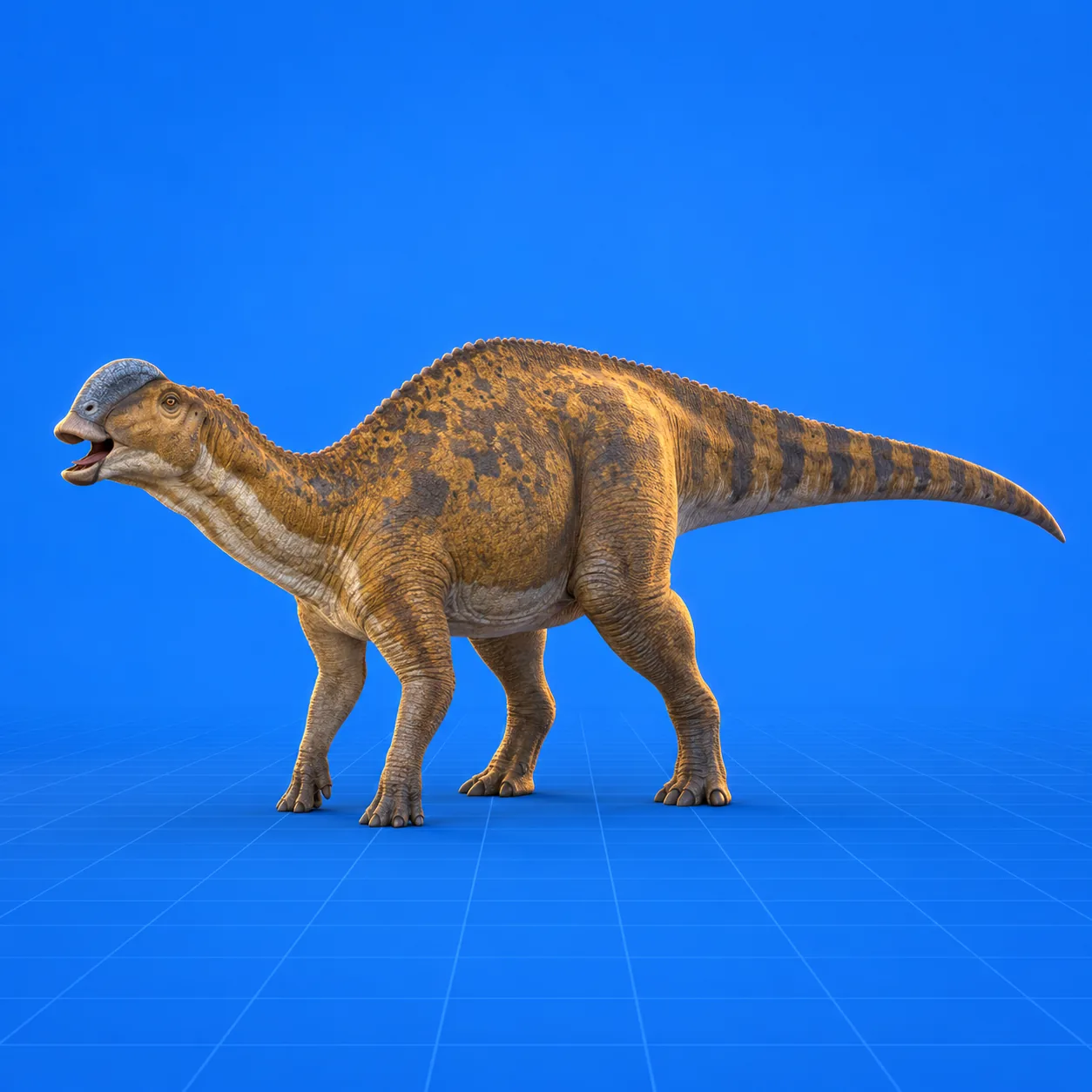 Dinosaur
Cretaceous
Some skin impressions show pyramid-shaped scales along its back.
Meet Gryposaurus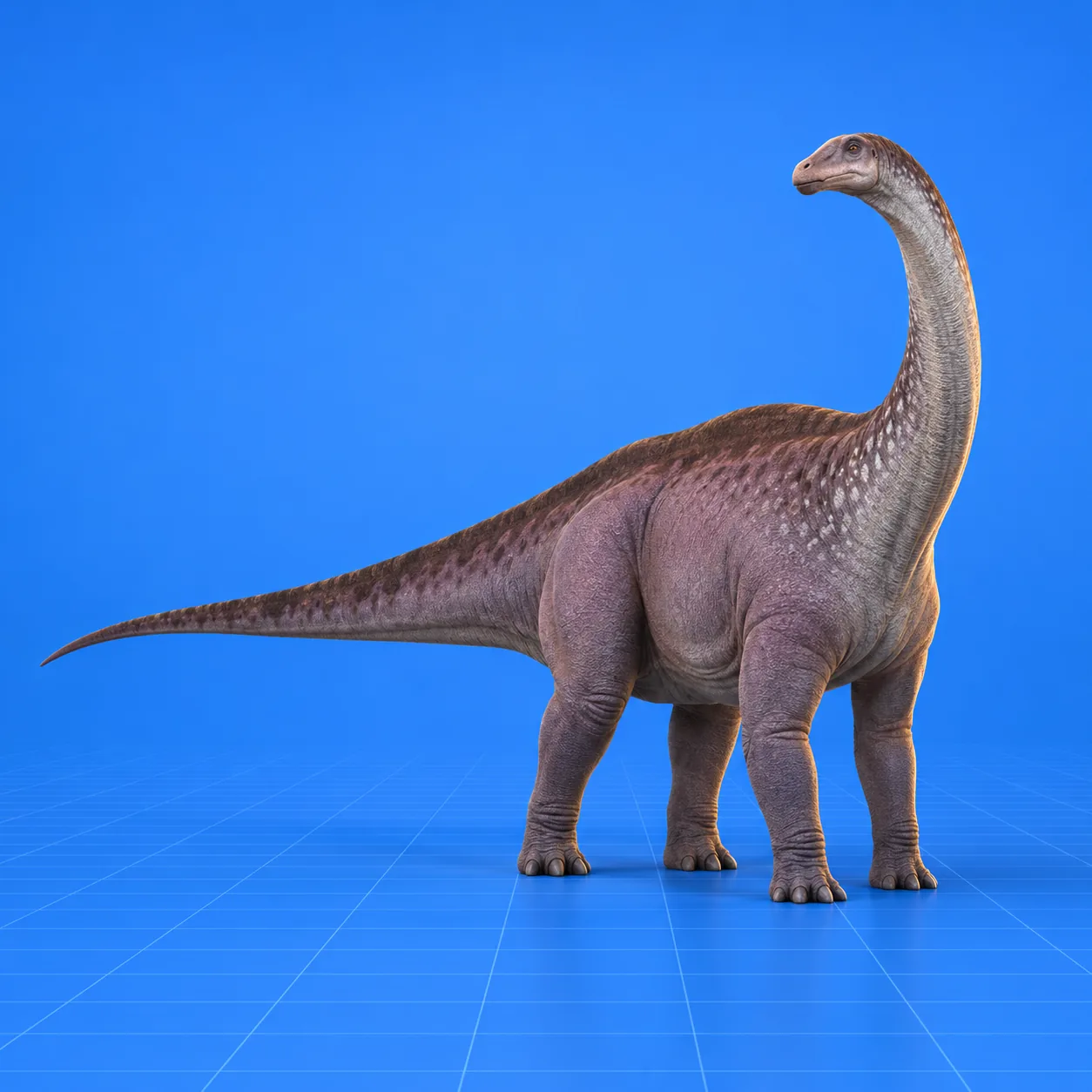 Dinosaur
Jurassic
Its name refers to simple vertebral spines, in contrast to the bifurcated ones of other sauropods.
Meet Haplocanthosaurus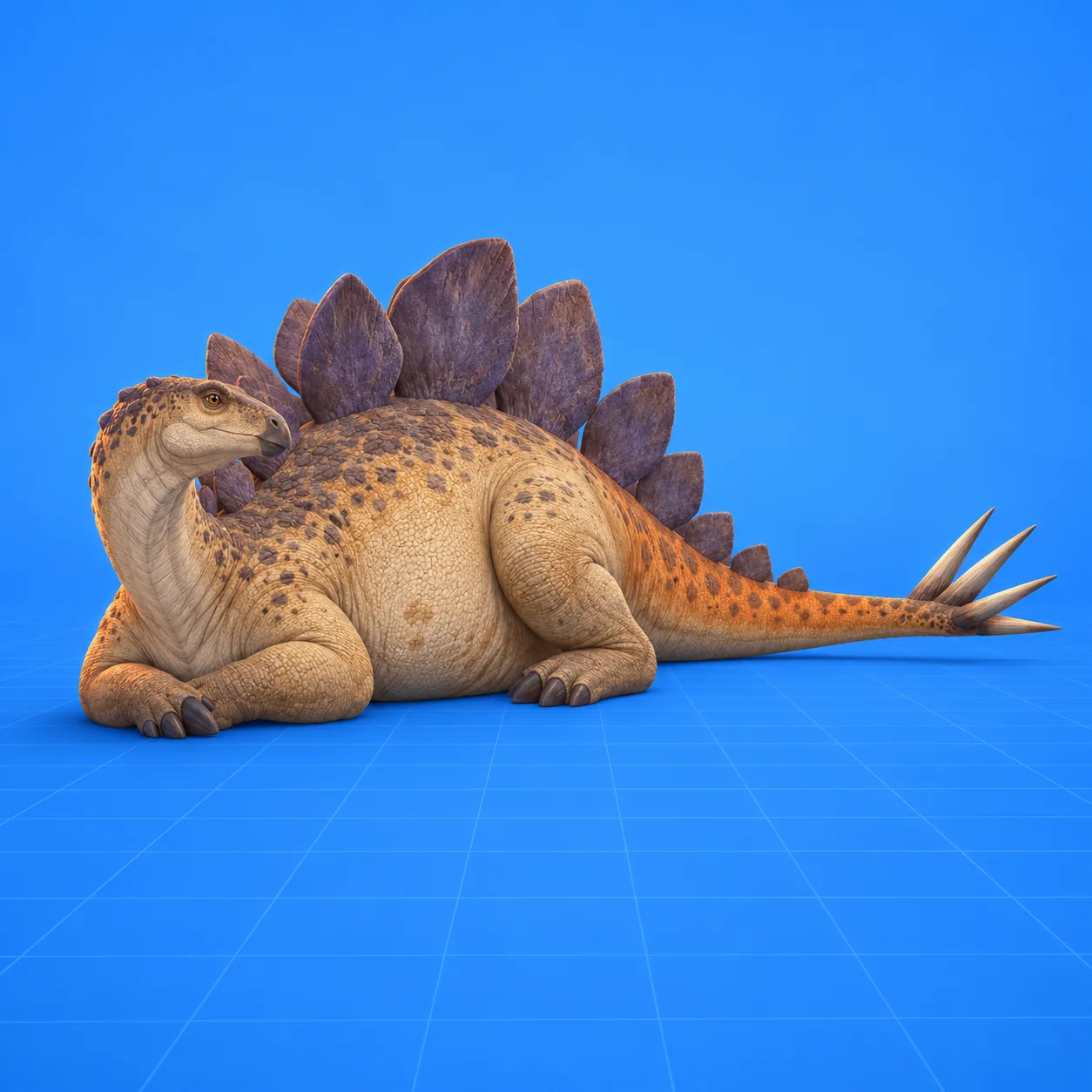 Dinosaur
Jurassic
The plates on its back were longer from front to back than they were tall.
Meet Hesperosaurus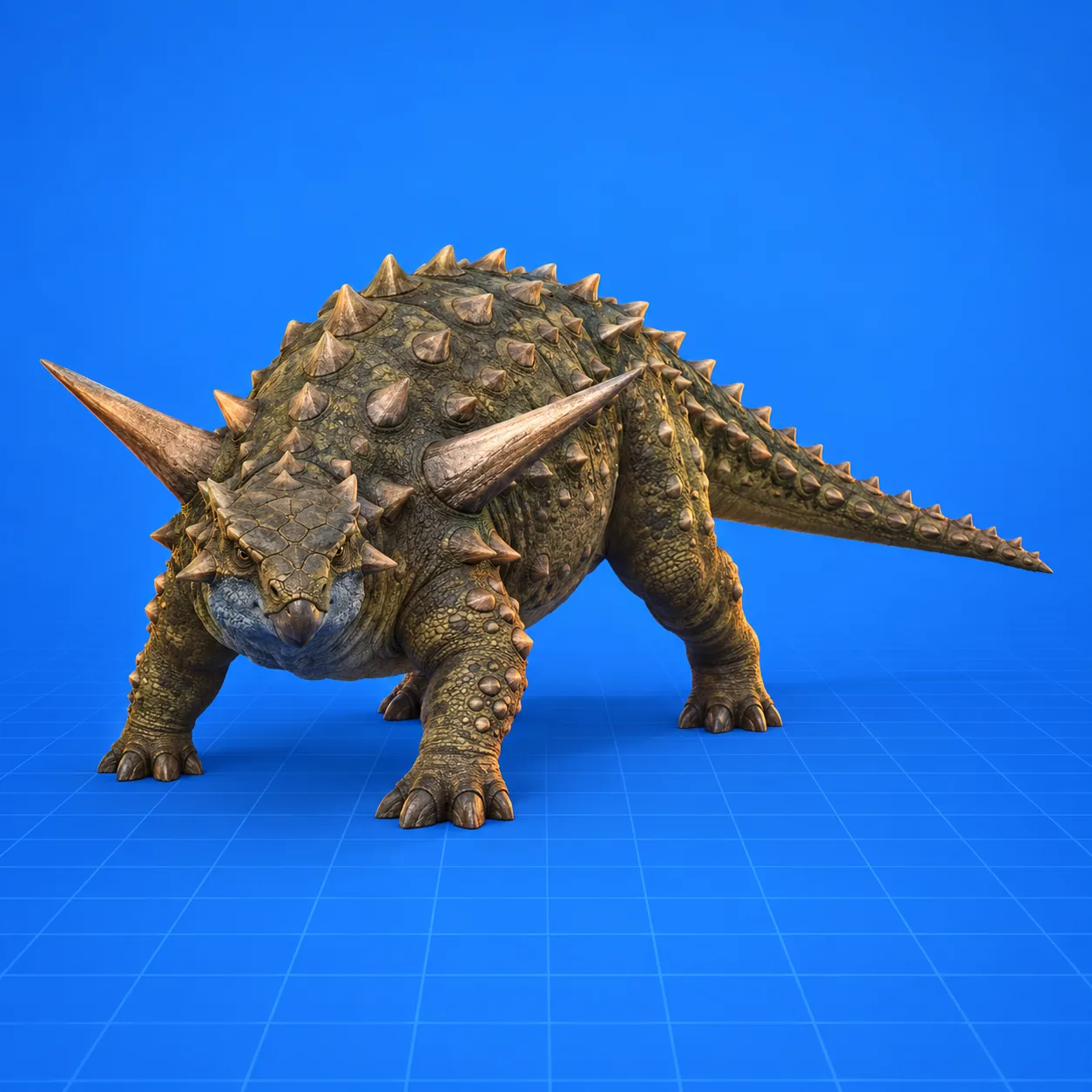 Dinosaur
Cretaceous
Gideon Mantell discovered it in 1832, among the first recognized dinosaurs.
Meet Hylaeosaurus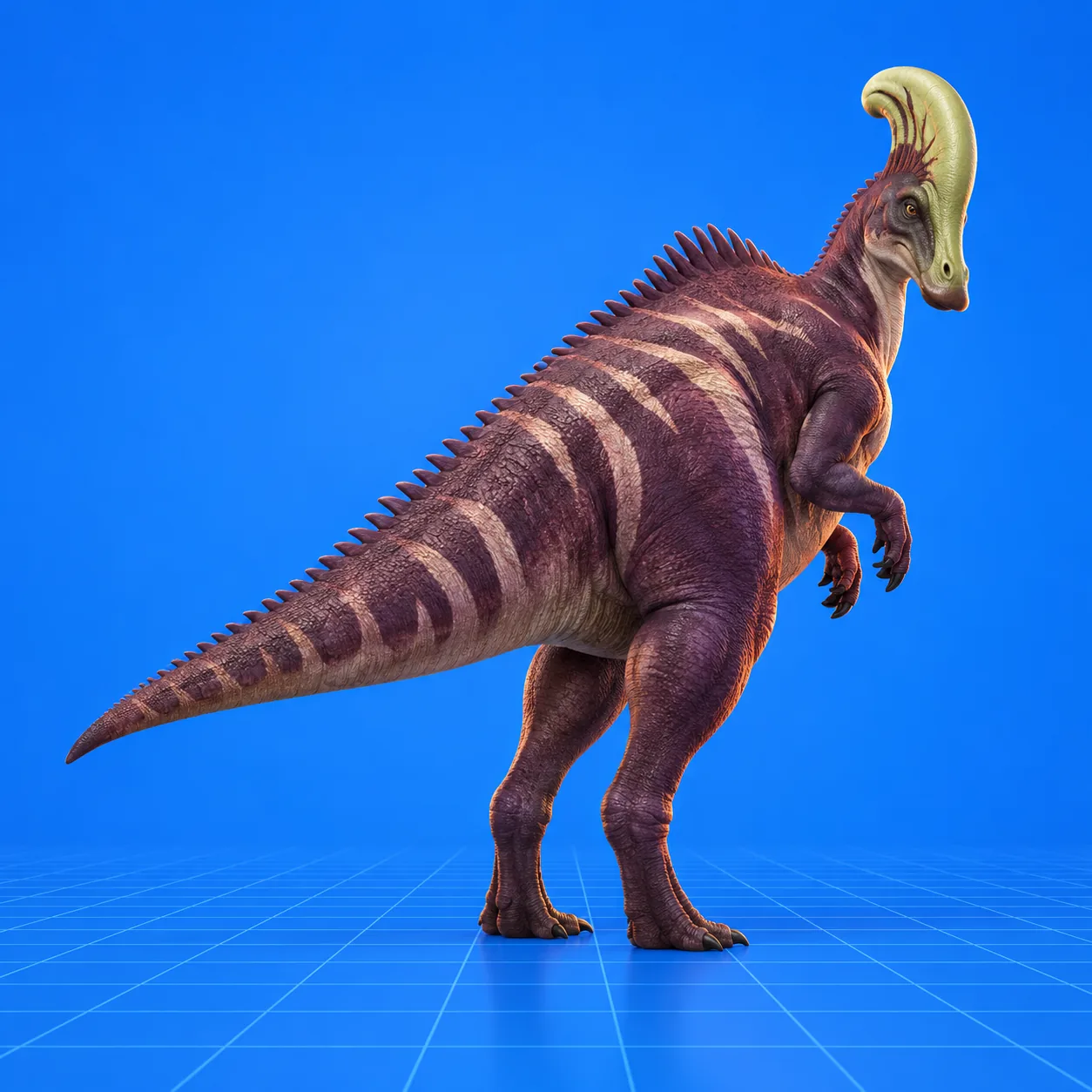 Dinosaur
Cretaceous
Its two species were described more than eighty years apart, in 1913 and 1994.
Meet Hypacrosaurus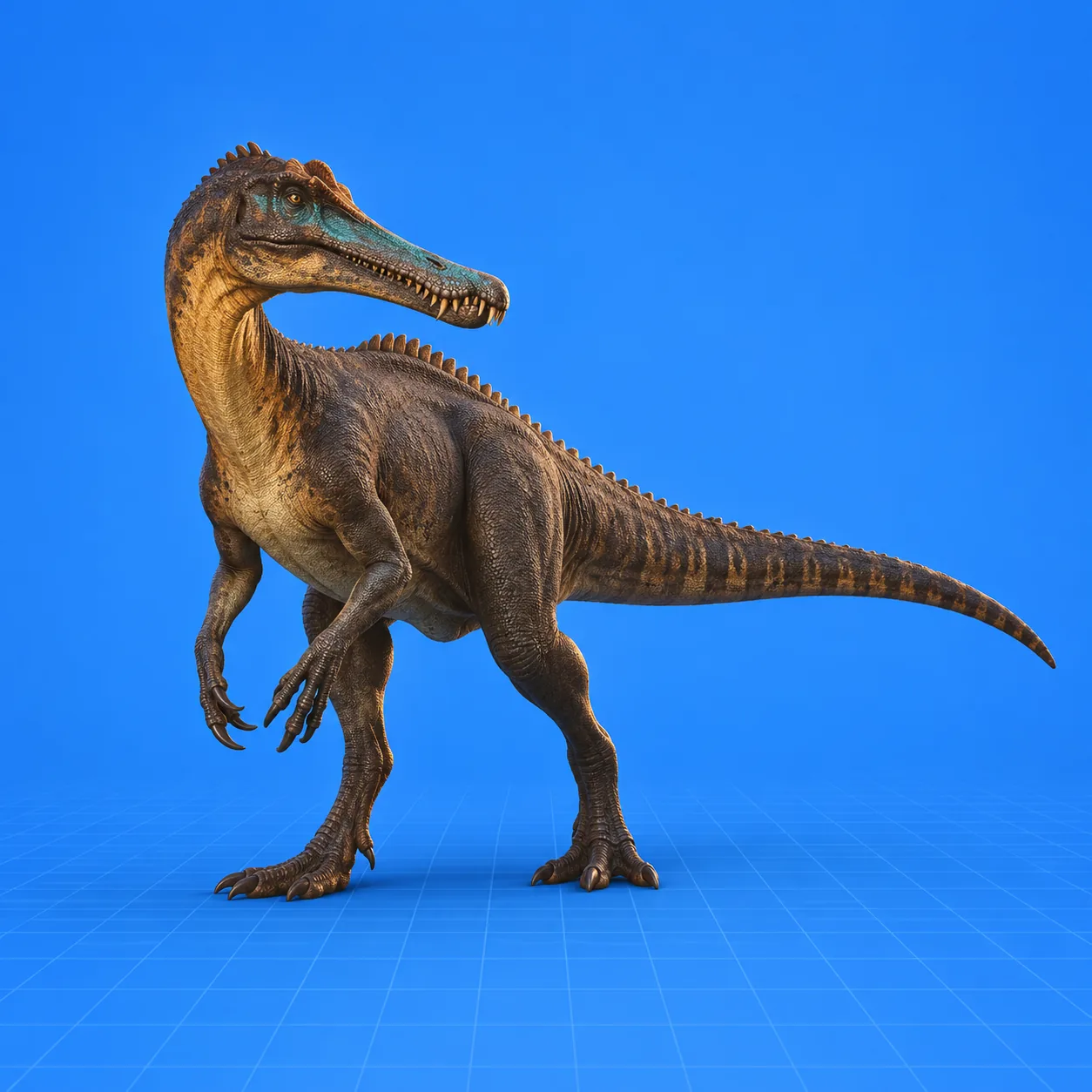 Dinosaur
Cretaceous
It is known from an almost complete skull from the Araripe basin in Brazil.
Meet Irritator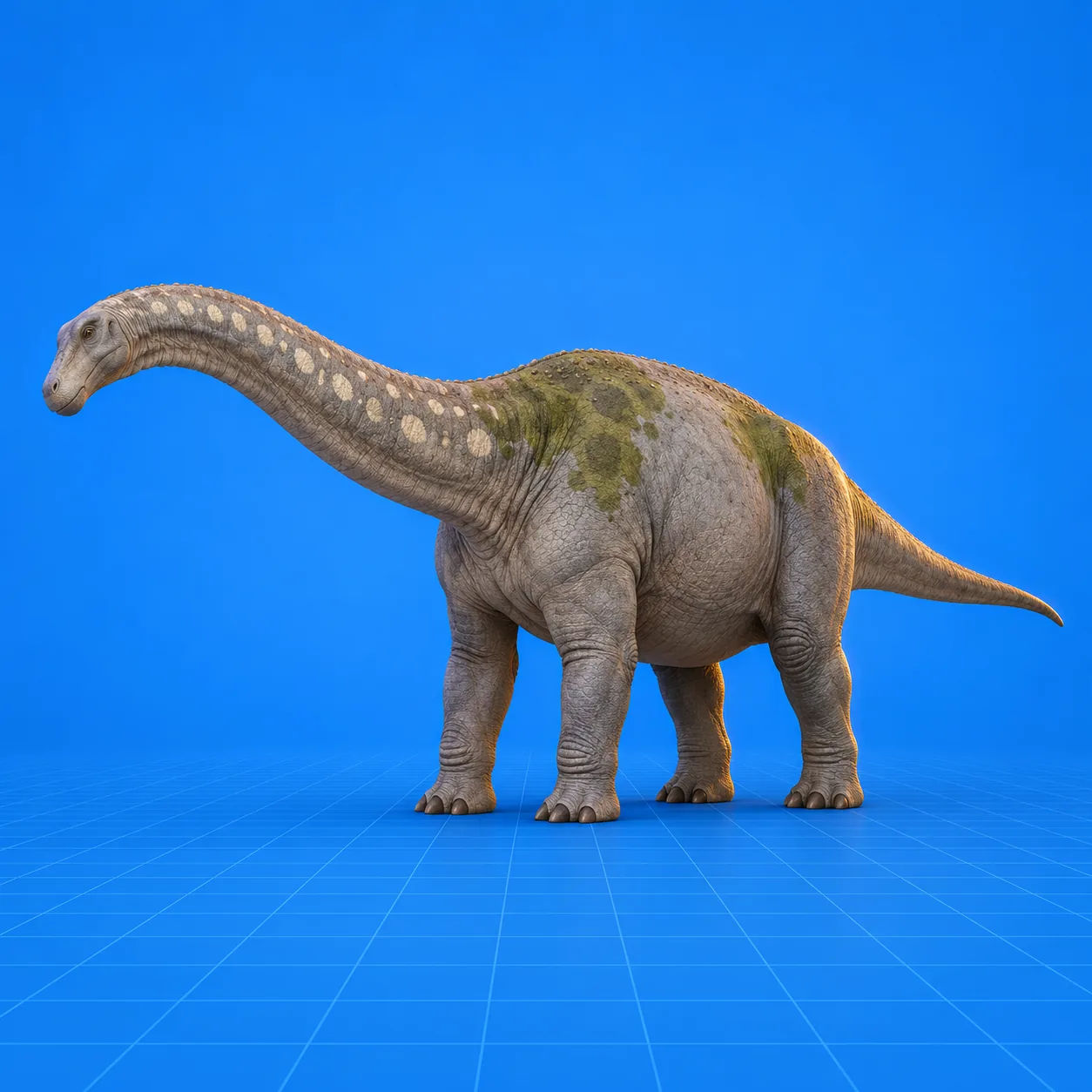 Dinosaur
Jurassic
Its teeth were spoon-shaped, and its neck had twelve bones called vertebrae.
Meet Jobaria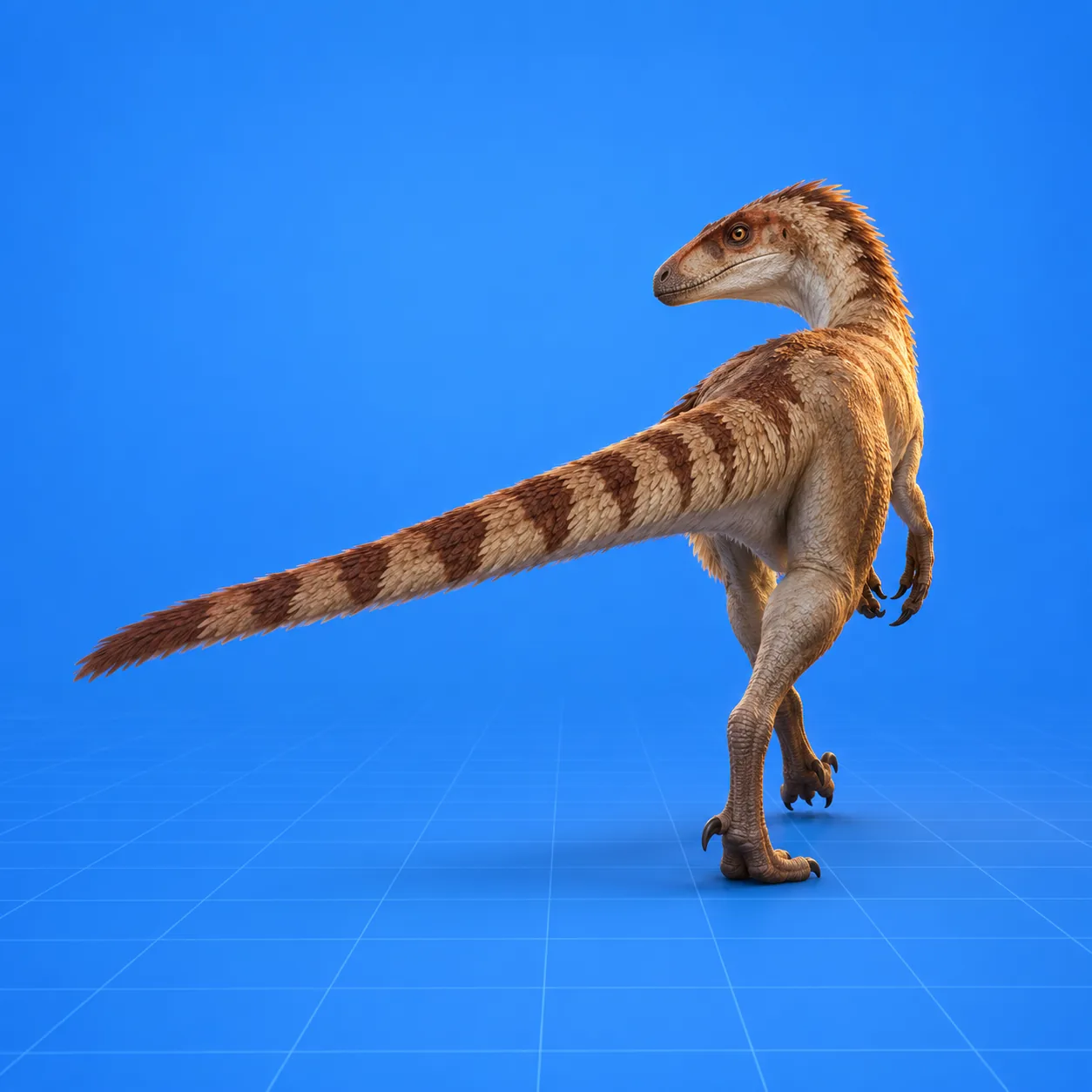 Dinosaur
Jurassic
It was found in the Jura mountains, in Germany.
Meet Juravenator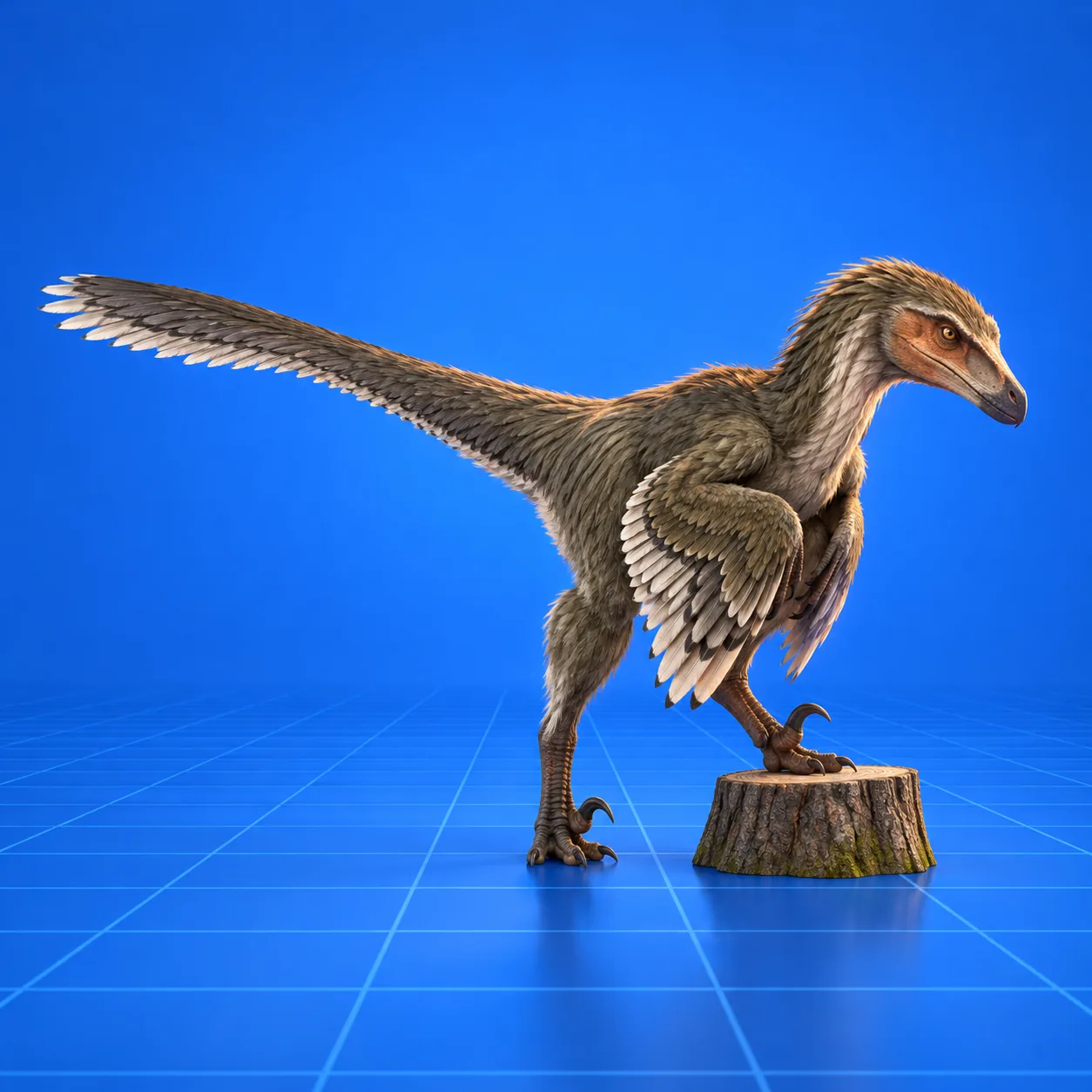 Dinosaur
Cretaceous
Its discovery in 1999 expanded the evidence for feathers in non-avian dinosaurs.
Meet Sinornithosaurus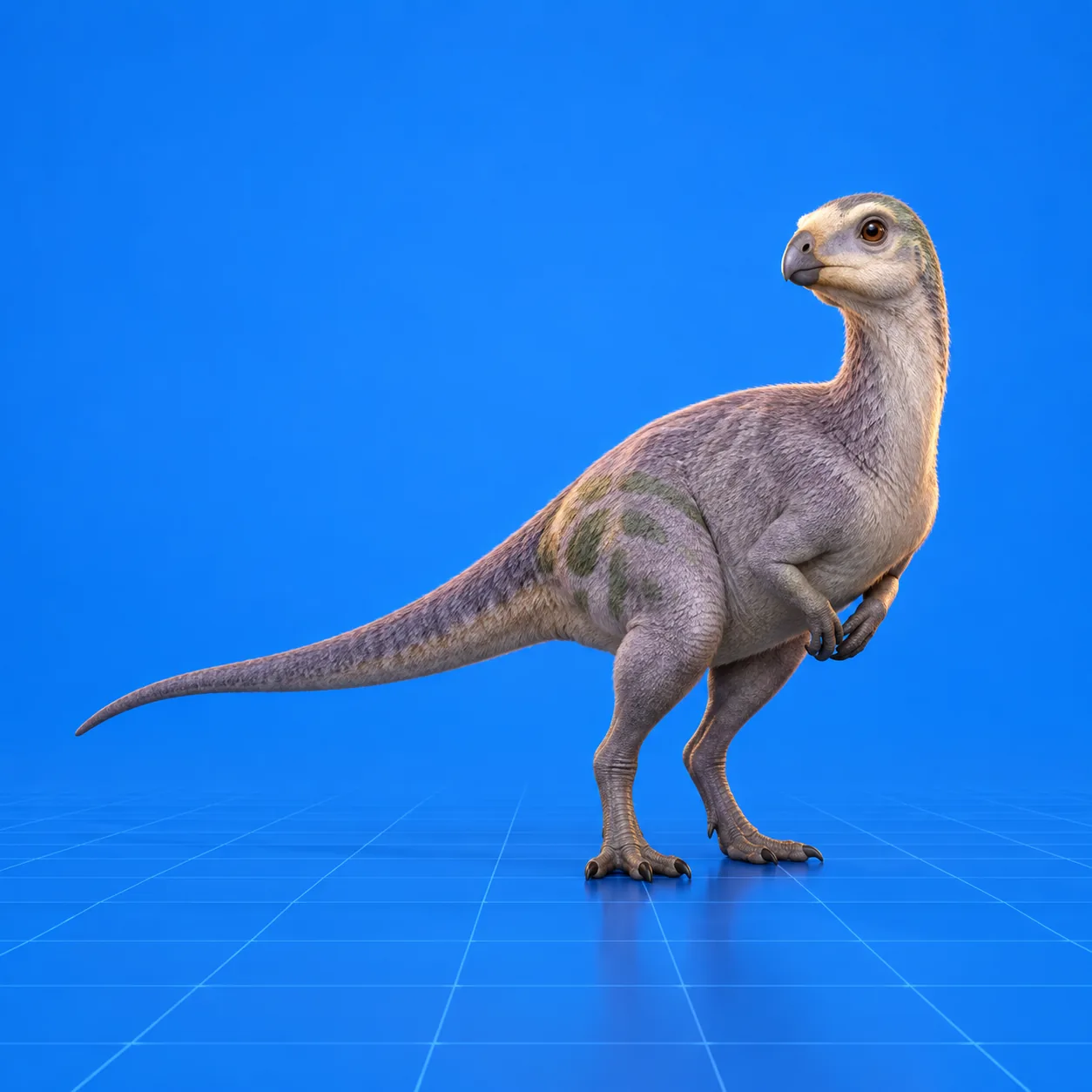 Dinosaur
Cretaceous
Unlike other ornithischians, it did not have ossified tendons that stiffened its tail.
Meet Leaellynasaura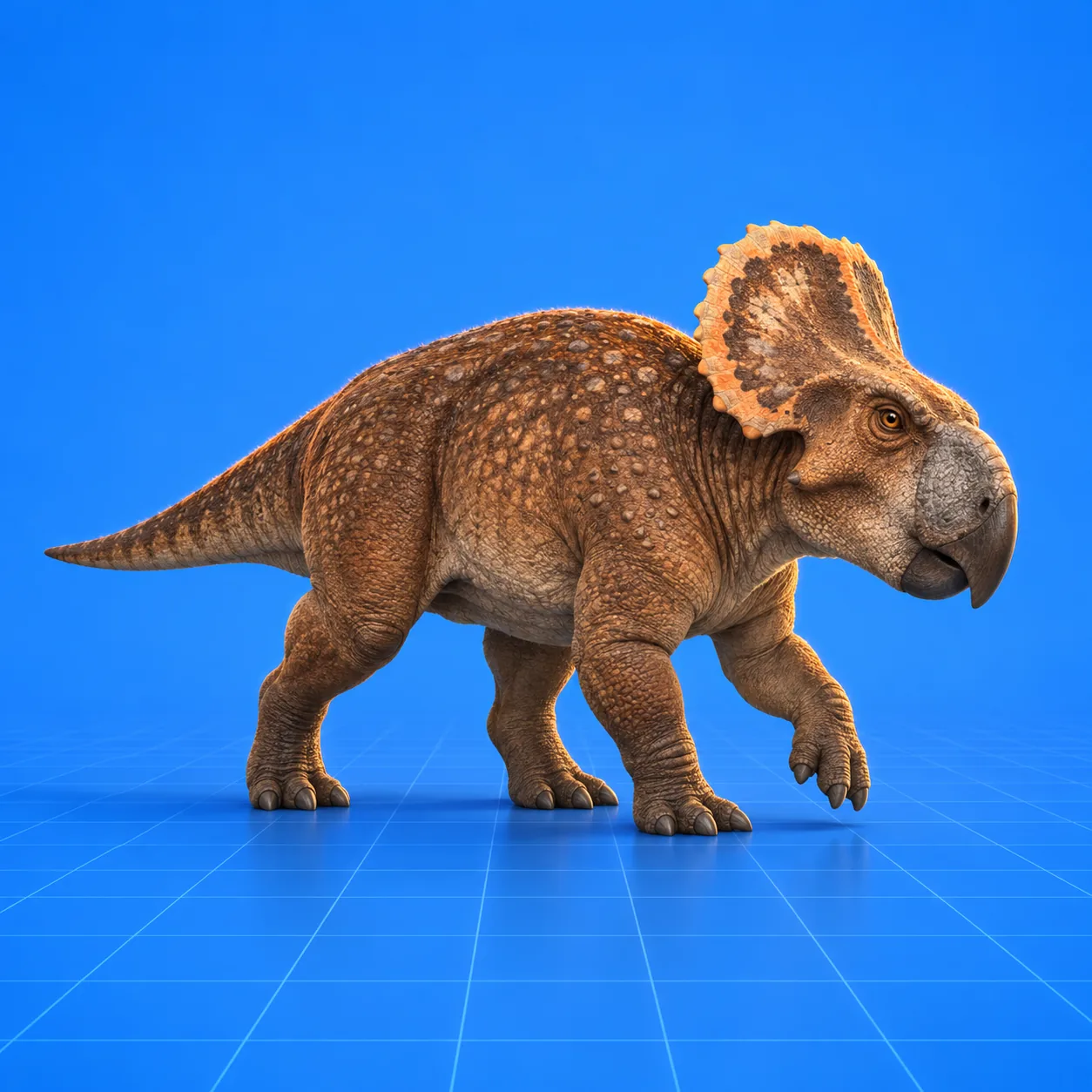 Dinosaur
Cretaceous
Its head lacked the large horns of ceratopsids such as Triceratops.
Meet Leptoceratops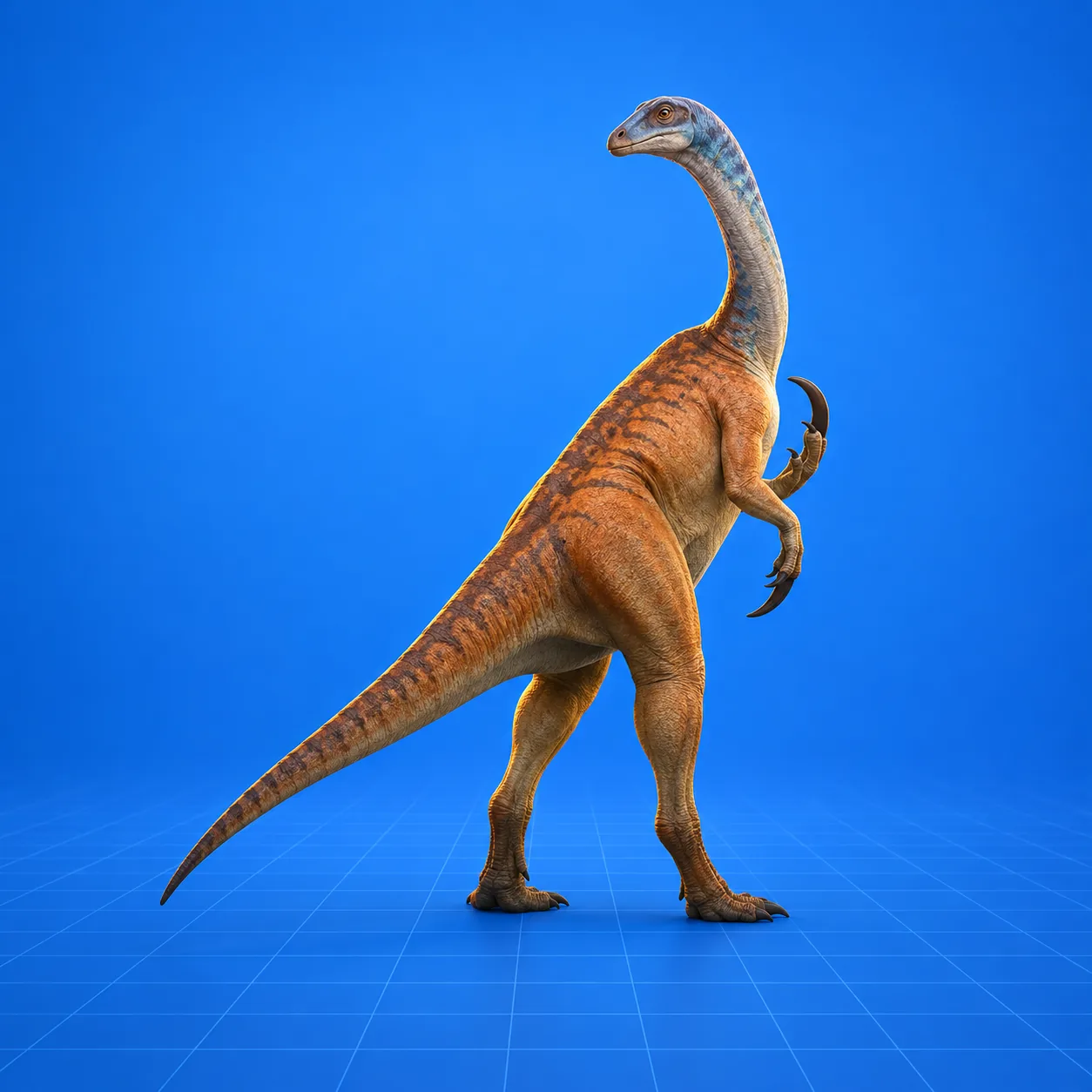 Dinosaur
Jurassic
The species Lufengosaurus magnus was distinguished by its larger size.
Meet LufengosaurusEach card identifies its kind of creature. Fictional characters are labeled and have their own game stories. AI-generated, stylized game illustrations. These designs and growth stages are imaginative, not scientific reconstructions.