 Mammal
Quaternary
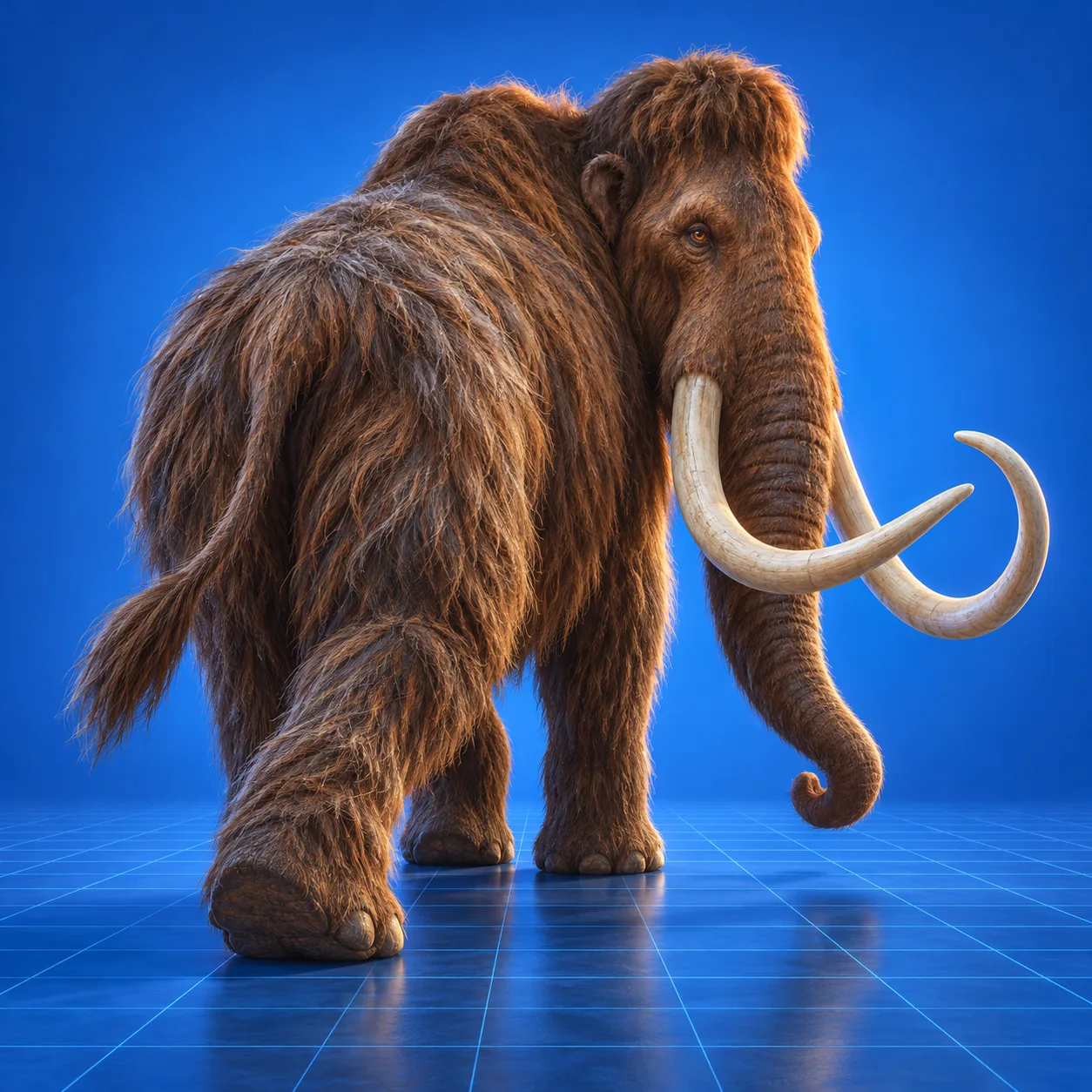
Woolly mammoth
The woolly mammoth was comparable in size to today's elephants.
Meet Woolly mammoth Dinosgacha
Explore the prehistoric world
Small early relatives and unmistakable giants. Discover the extinct mammals and mammal relatives represented in Dinosgacha.
Showing 1–24 of 84 creatures
MammalQuaternary
The woolly mammoth was comparable in size to today's elephants.
Meet Woolly mammoth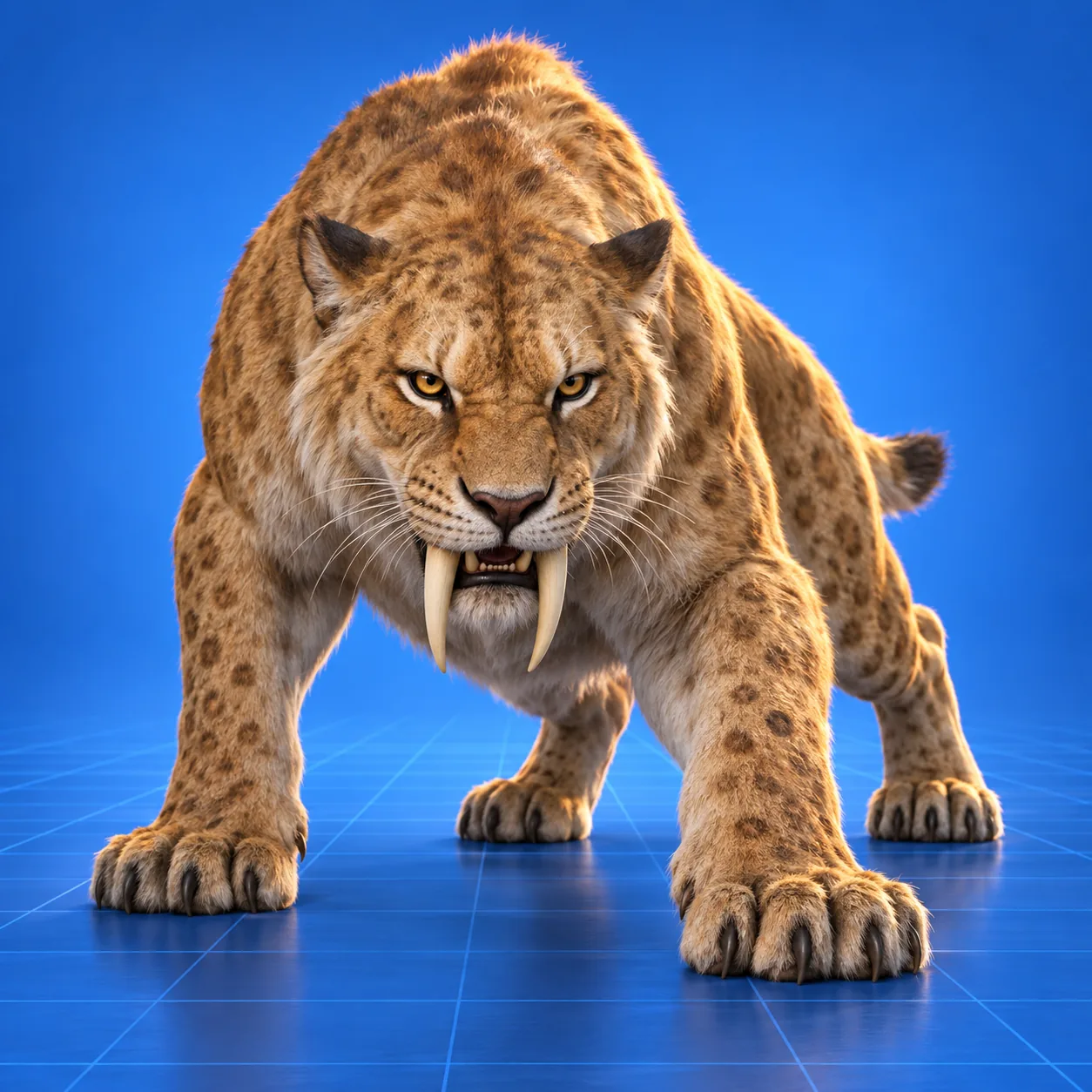 Mammal
Quaternary
Although it is called the "saber-toothed tiger," it was not a close relative of the modern tiger.
Meet Smilodon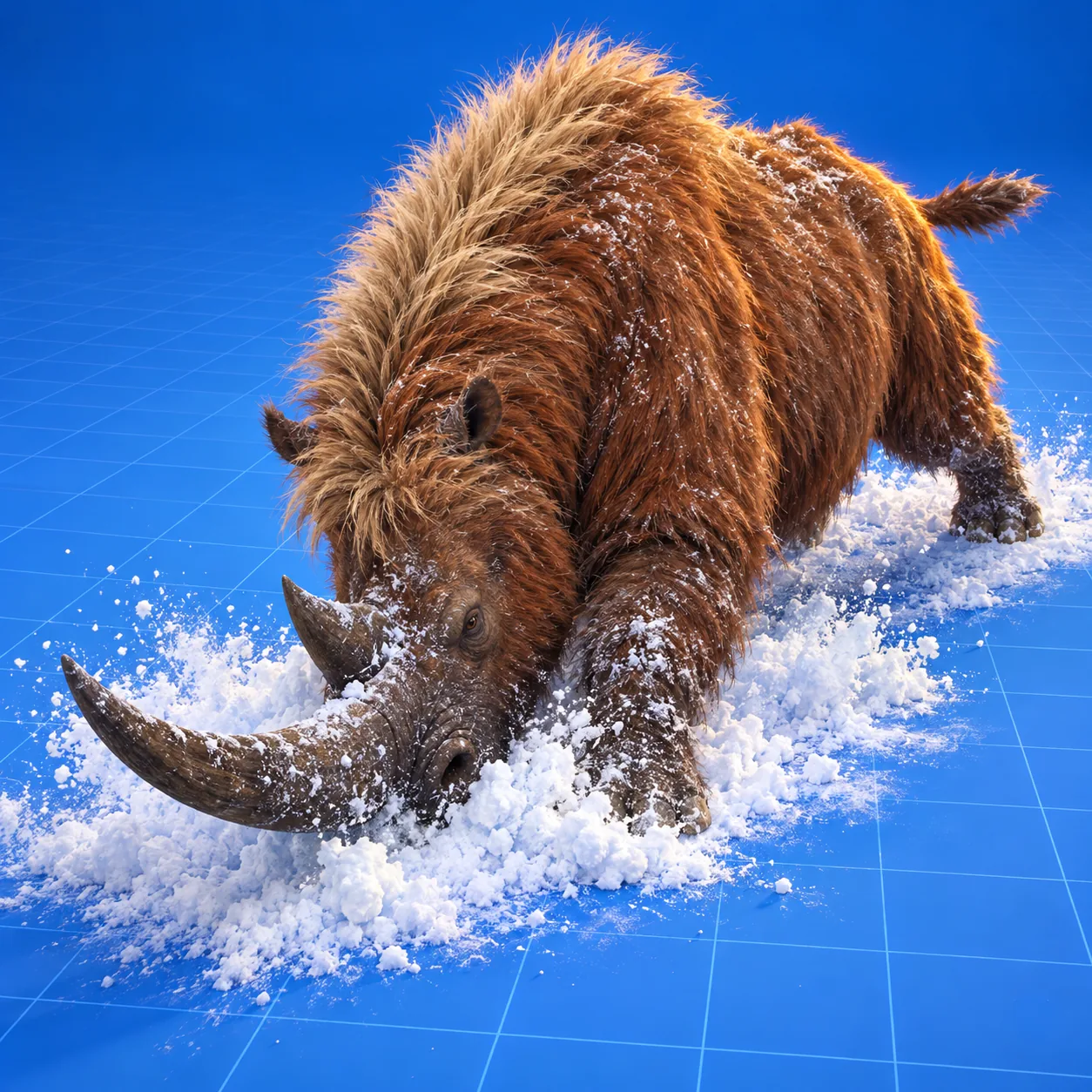 Mammal
Quaternary
In England, a Paleolithic human figure was found engraved on one of its ribs.
Meet Woolly rhinoceros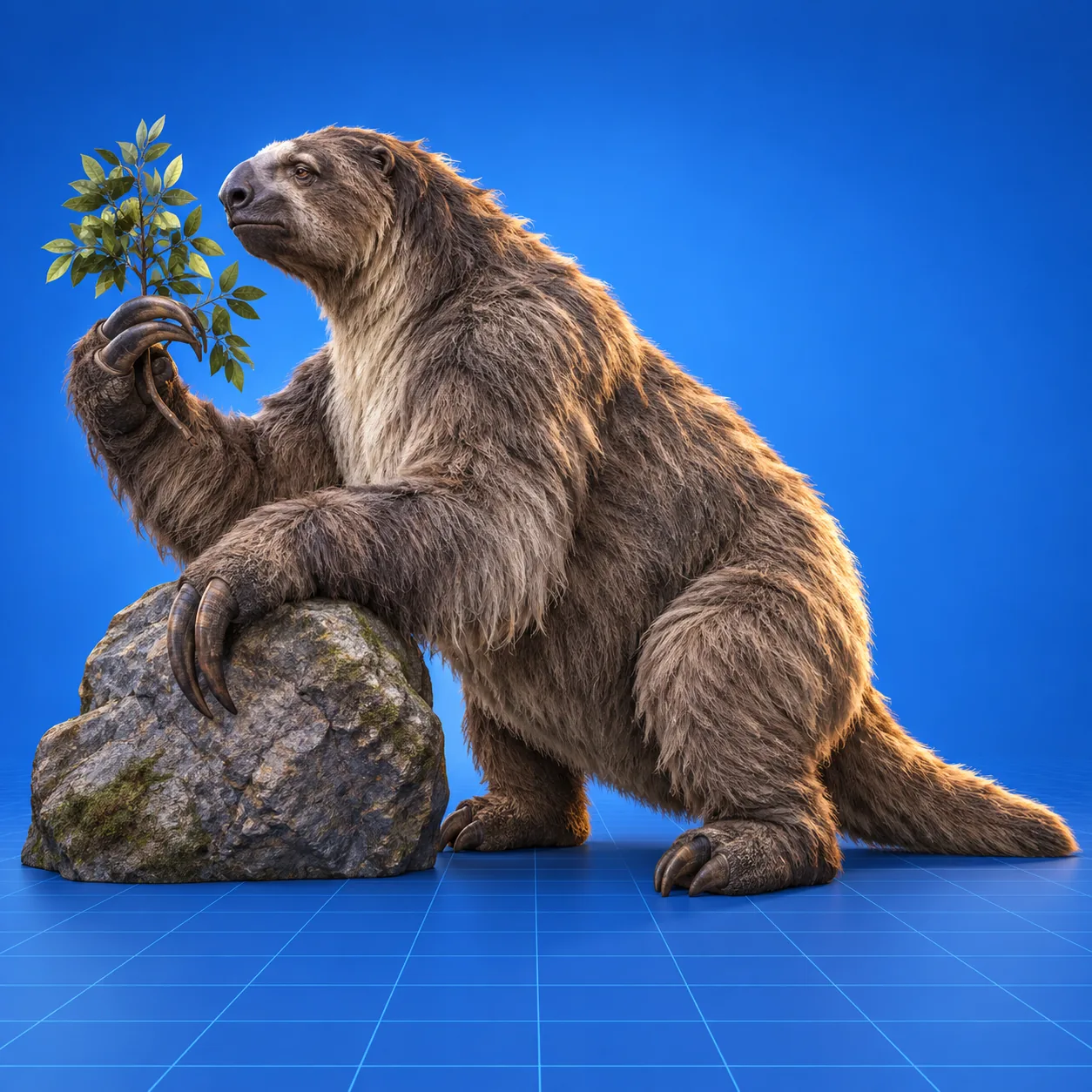 Mammal
Neogene / Quaternary
It was a giant ground sloth and a relative of today's small sloths.
Meet Megatherium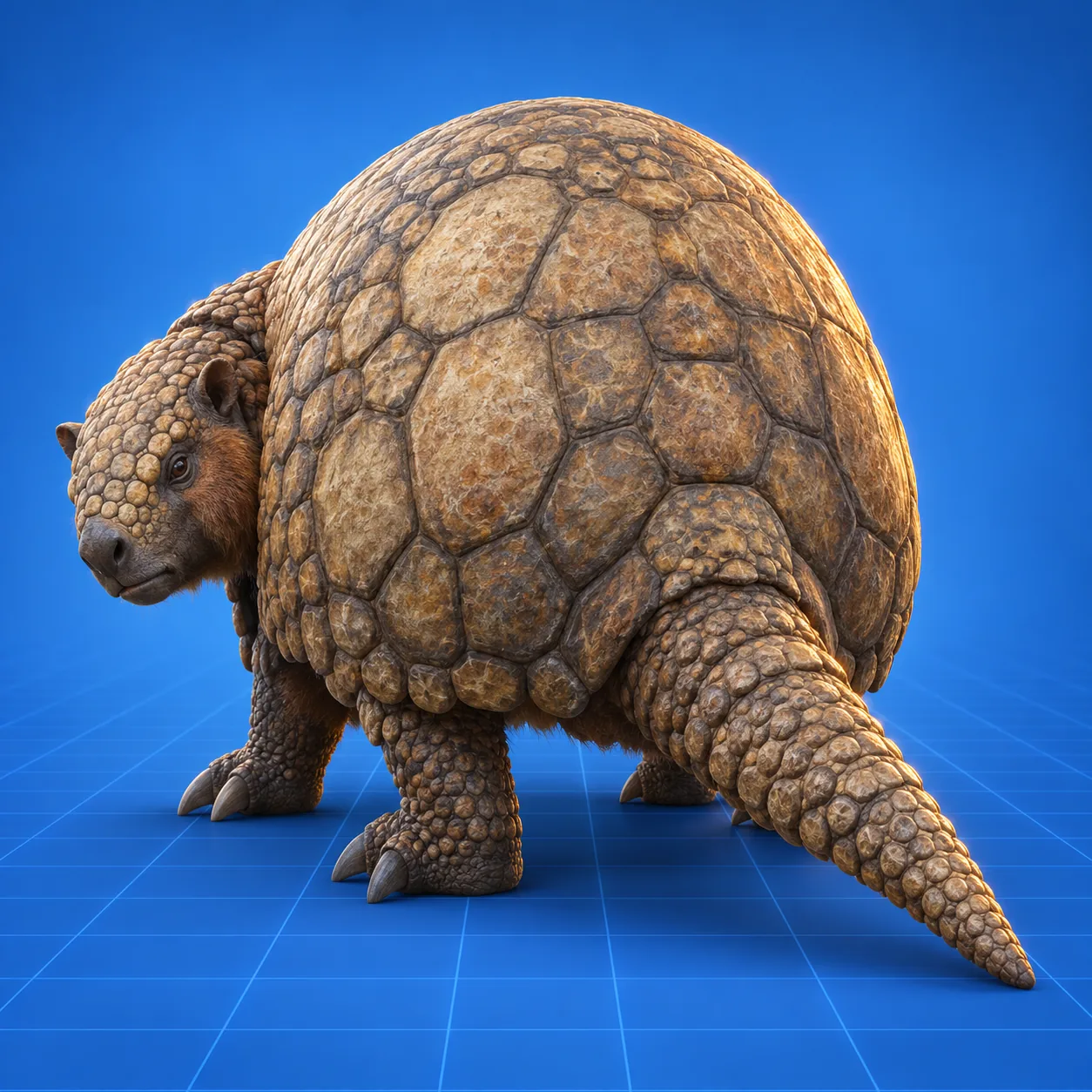 Mammal
Neogene / Quaternary
Its shell is reminiscent of that of a turtle, but that similarity appeared in very different lineages.
Meet Glyptodon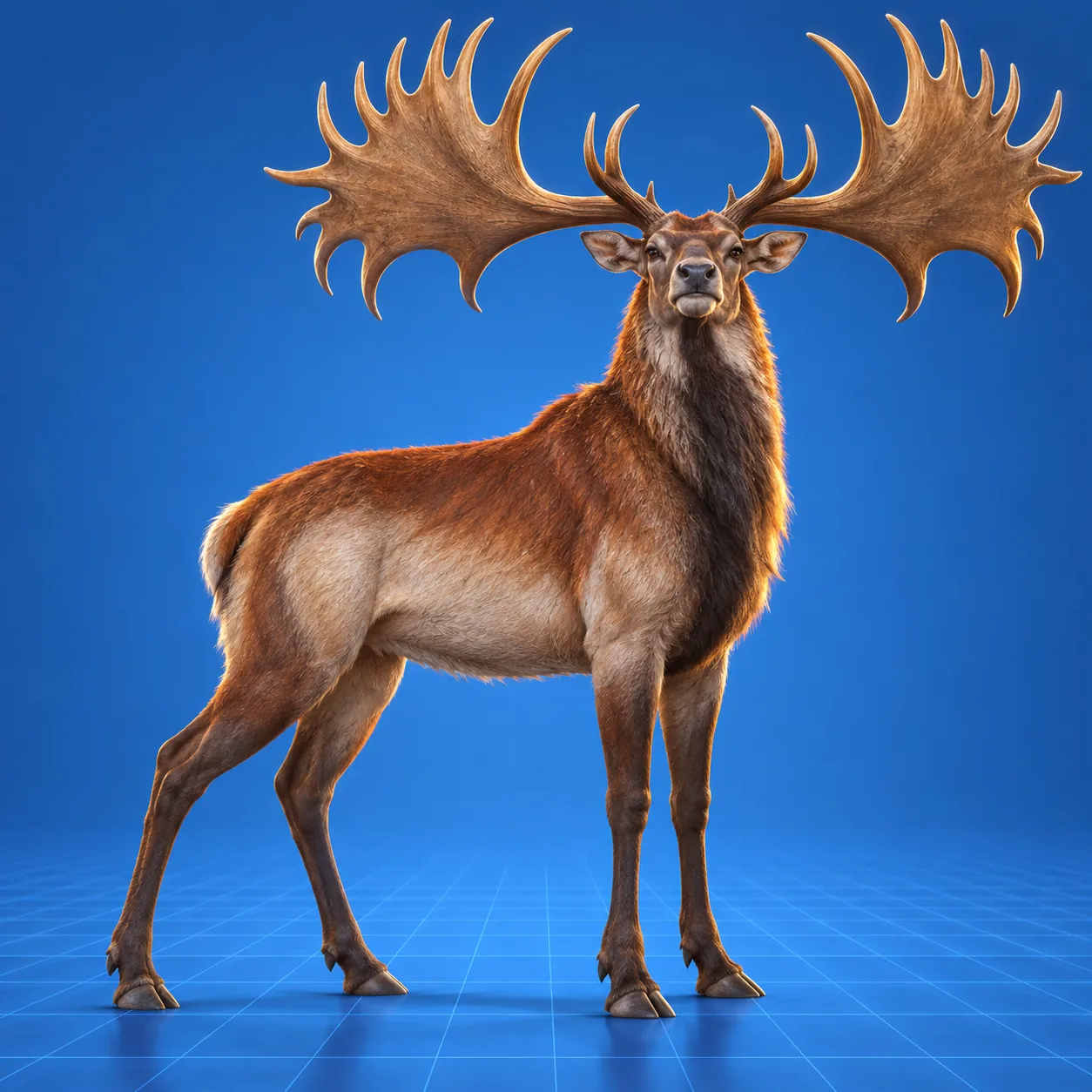 Mammal
Quaternary
Its closest living relatives are fallow deer.
Meet Megaloceros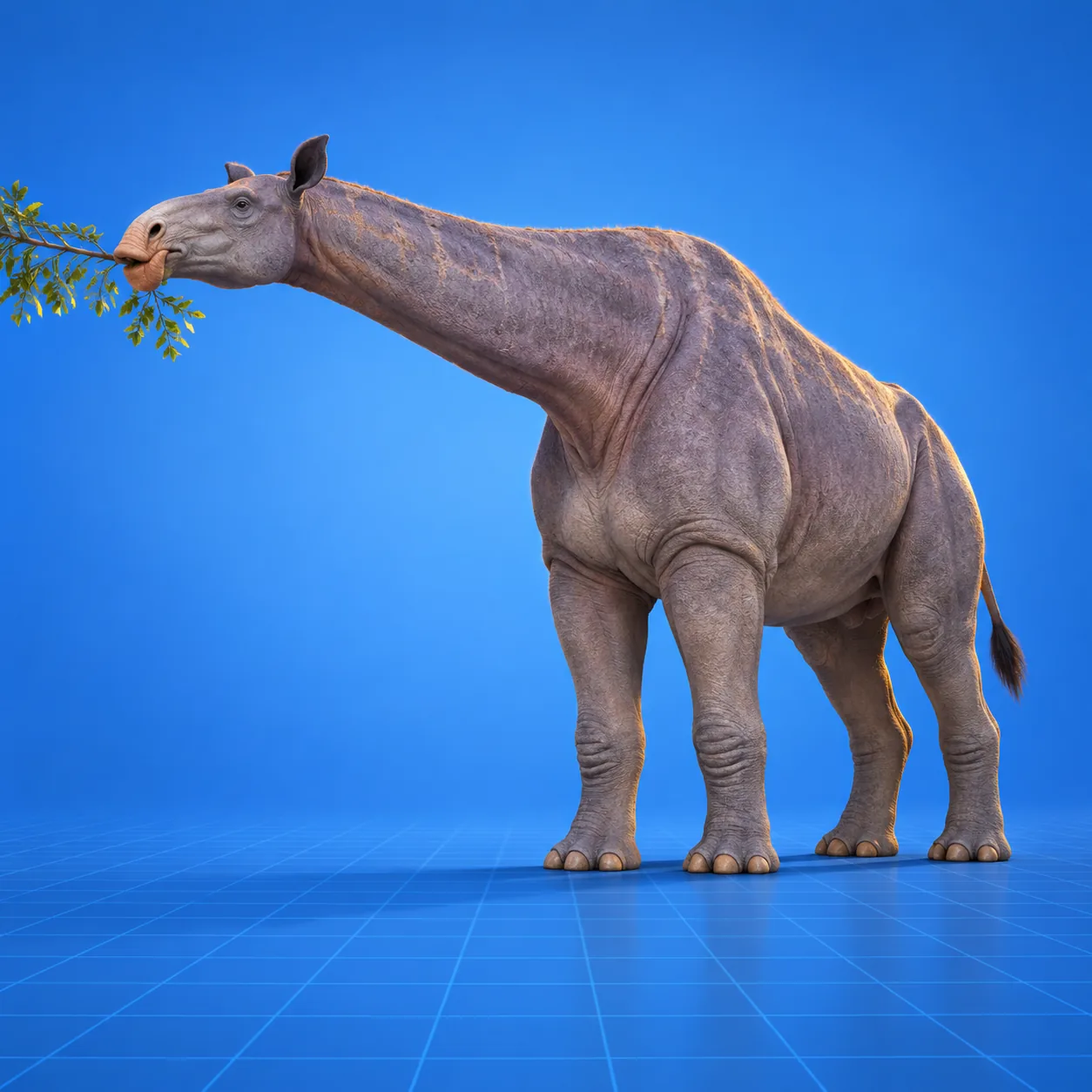 Mammal
Paleogene
Despite being related to rhinos, this enormous animal did not have horns.
Meet Paraceratherium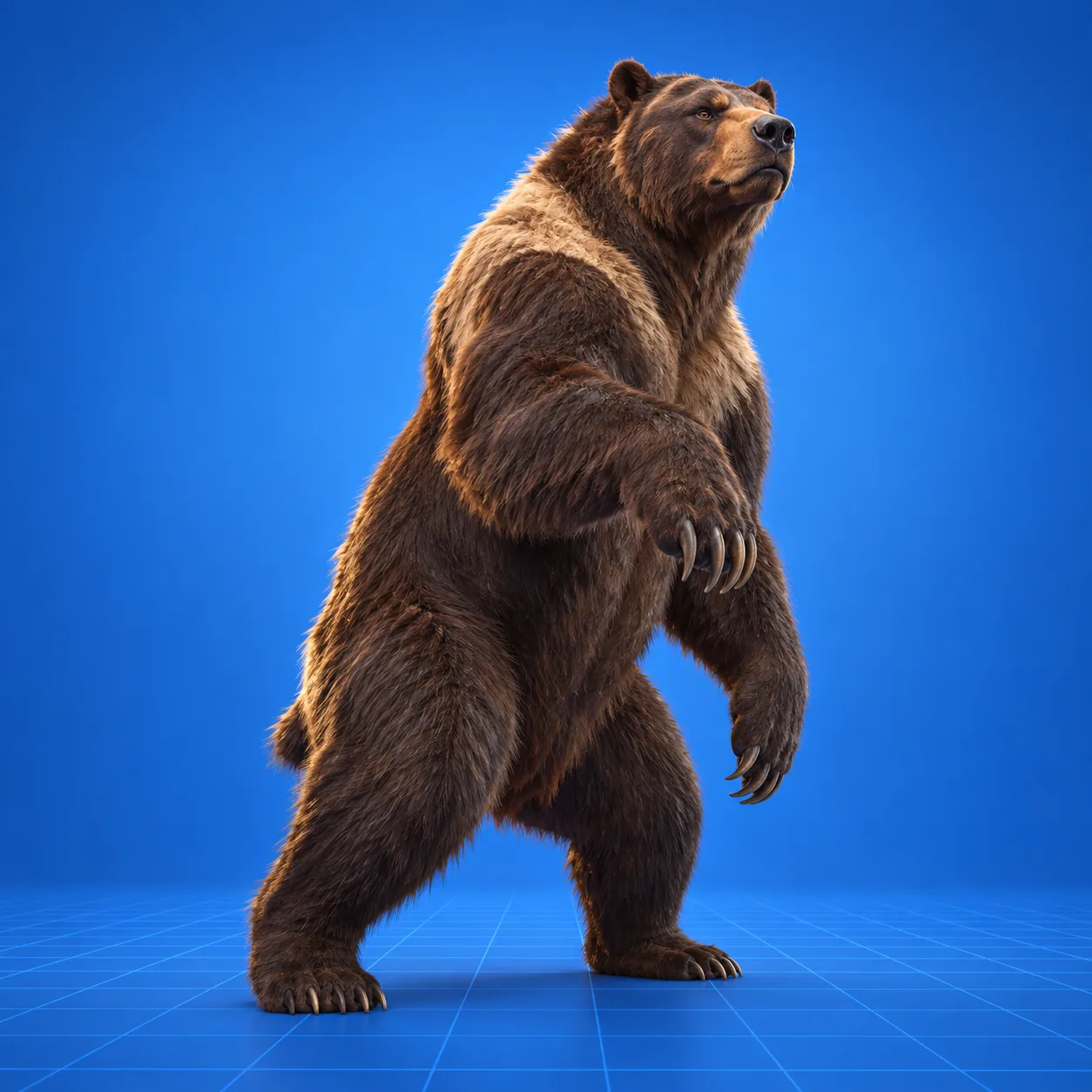 Mammal
Quaternary
The large Arctodus simus is interpreted as an omnivore, rather than an exclusive specialized hunter.
Meet Arctodus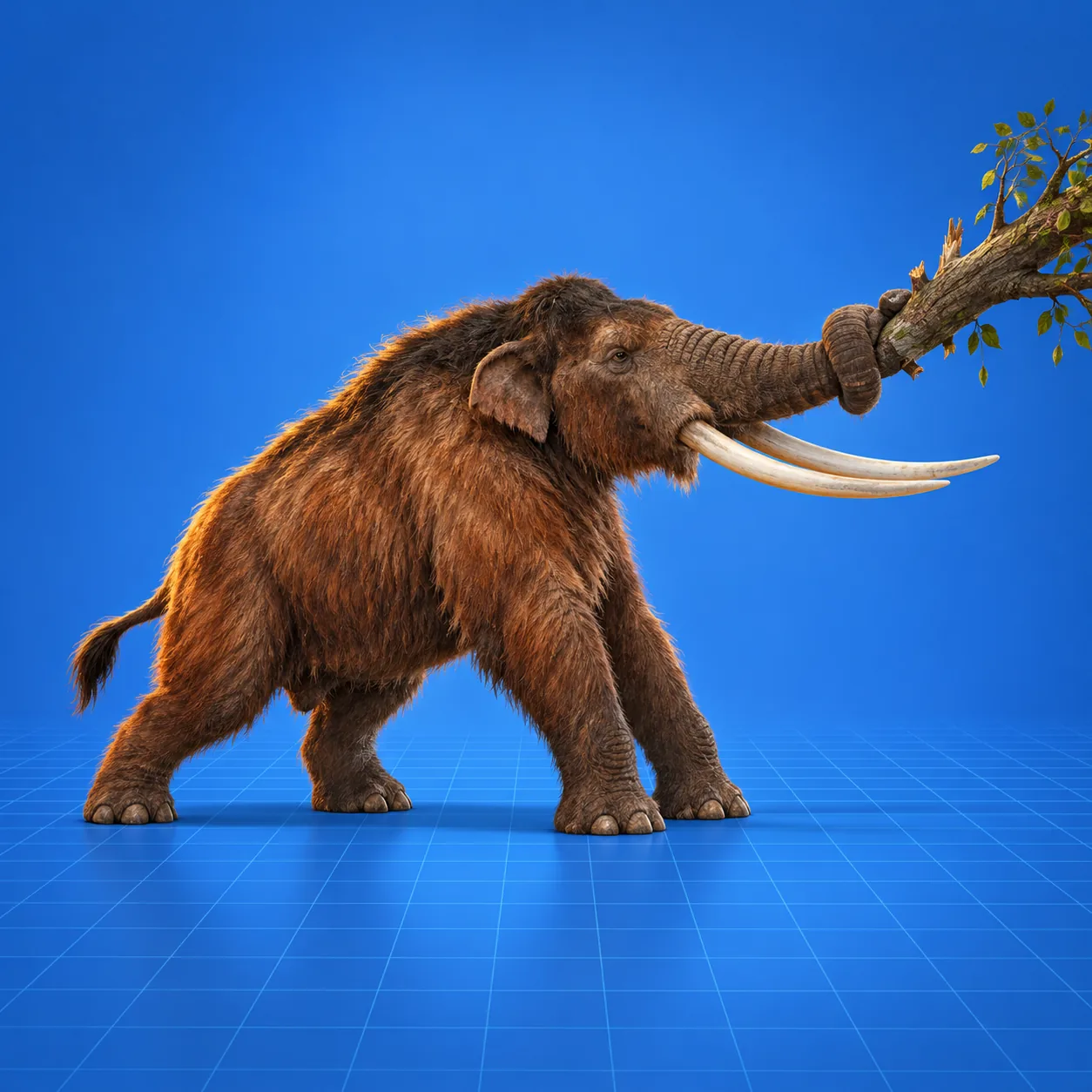 Mammal
Neogene / Quaternary
Its molars had ridges different from the tooth surfaces of elephants and mammoths.
Meet American mastodon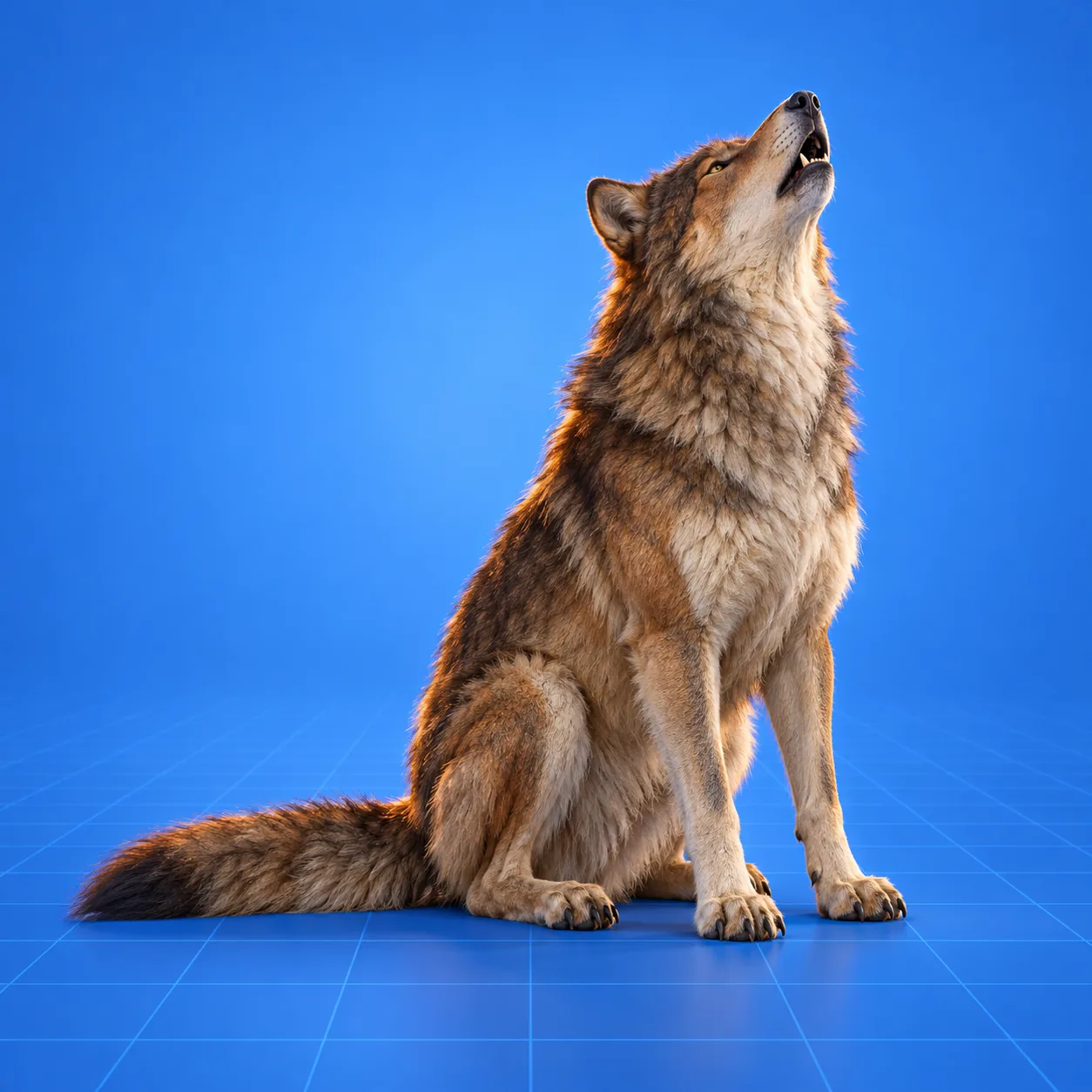 Mammal
Quaternary
The largest collection of its fossils comes from the tar pits of Rancho La Brea in Los Angeles.
Meet Dire wolf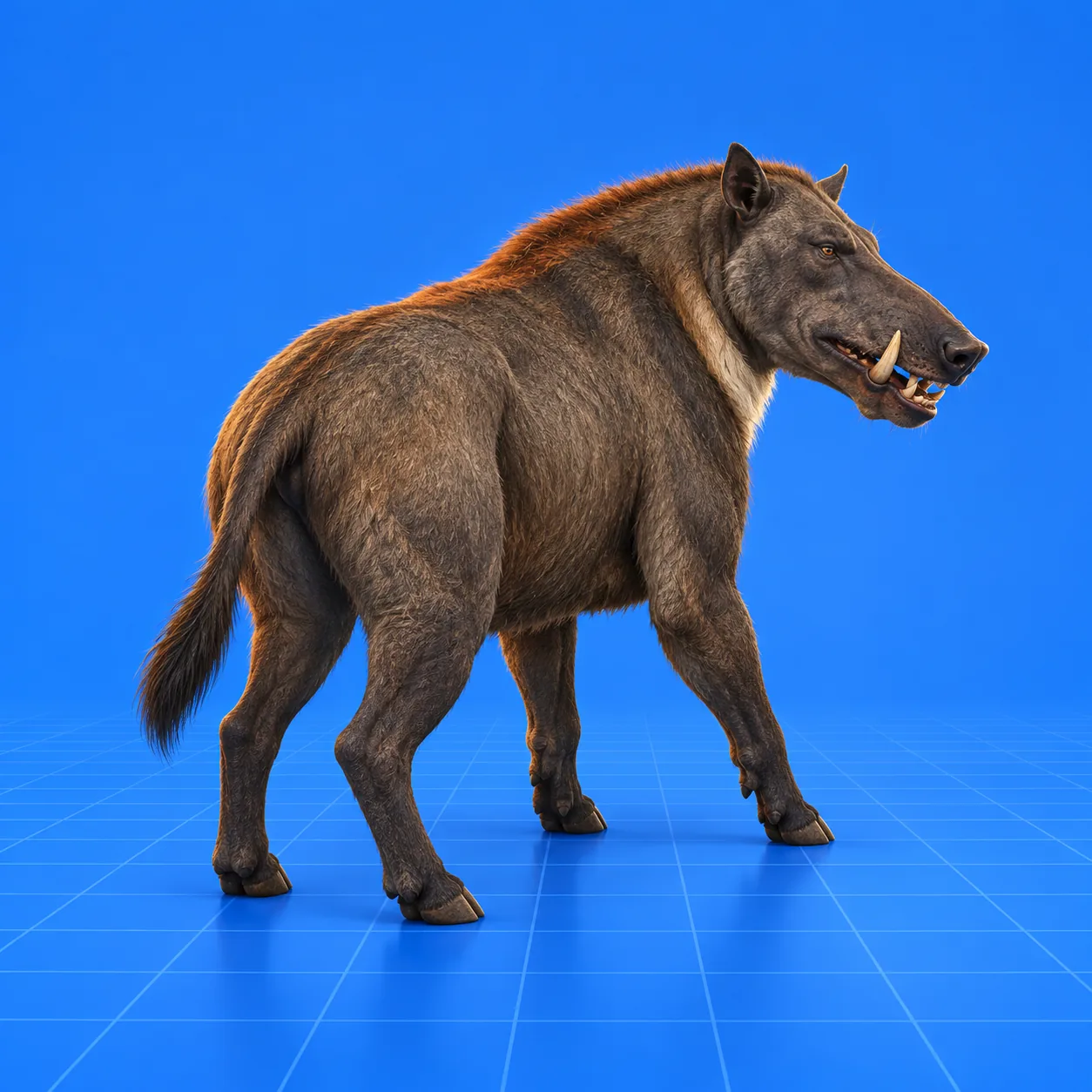 Mammal
Paleogene
The specimen that gave rise to its name is a large skull discovered in 1923.
Meet Andrewsarchus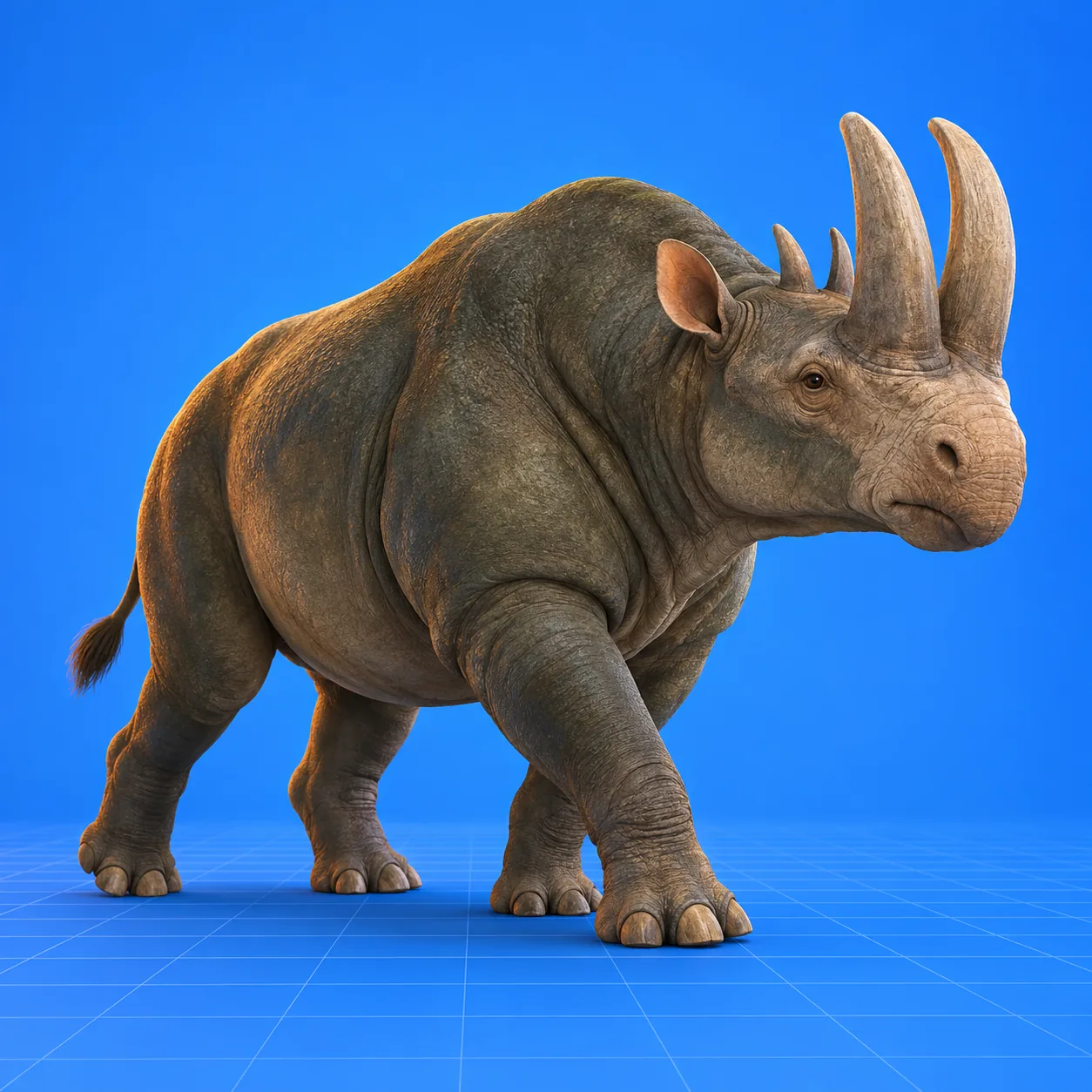 Mammal
Paleogene
It had a pair of large horns on its snout.
Meet Arsinoitherium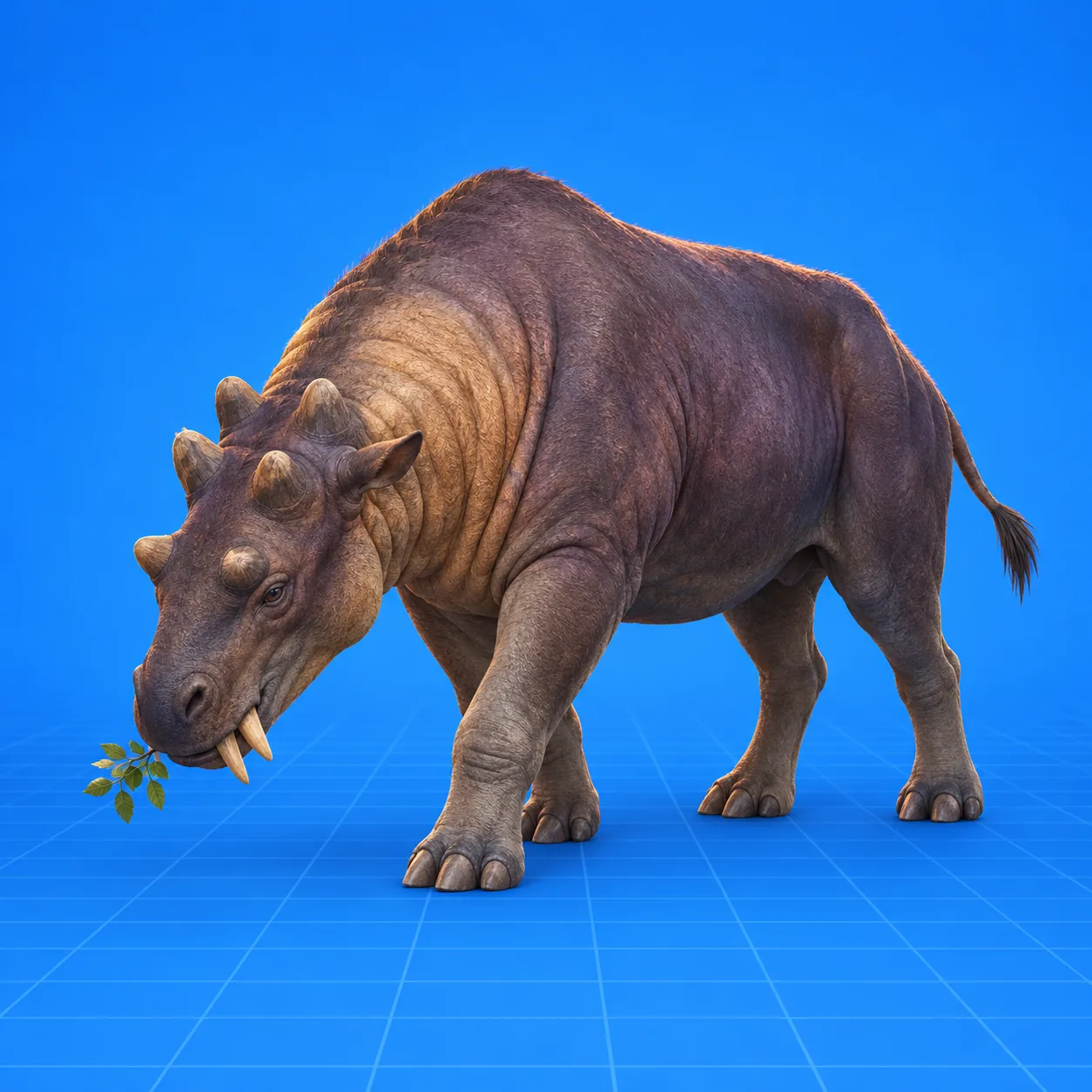 Mammal
Paleogene
Its long canine teeth did not make it a meat-eater: it ate plants.
Meet Uintatherium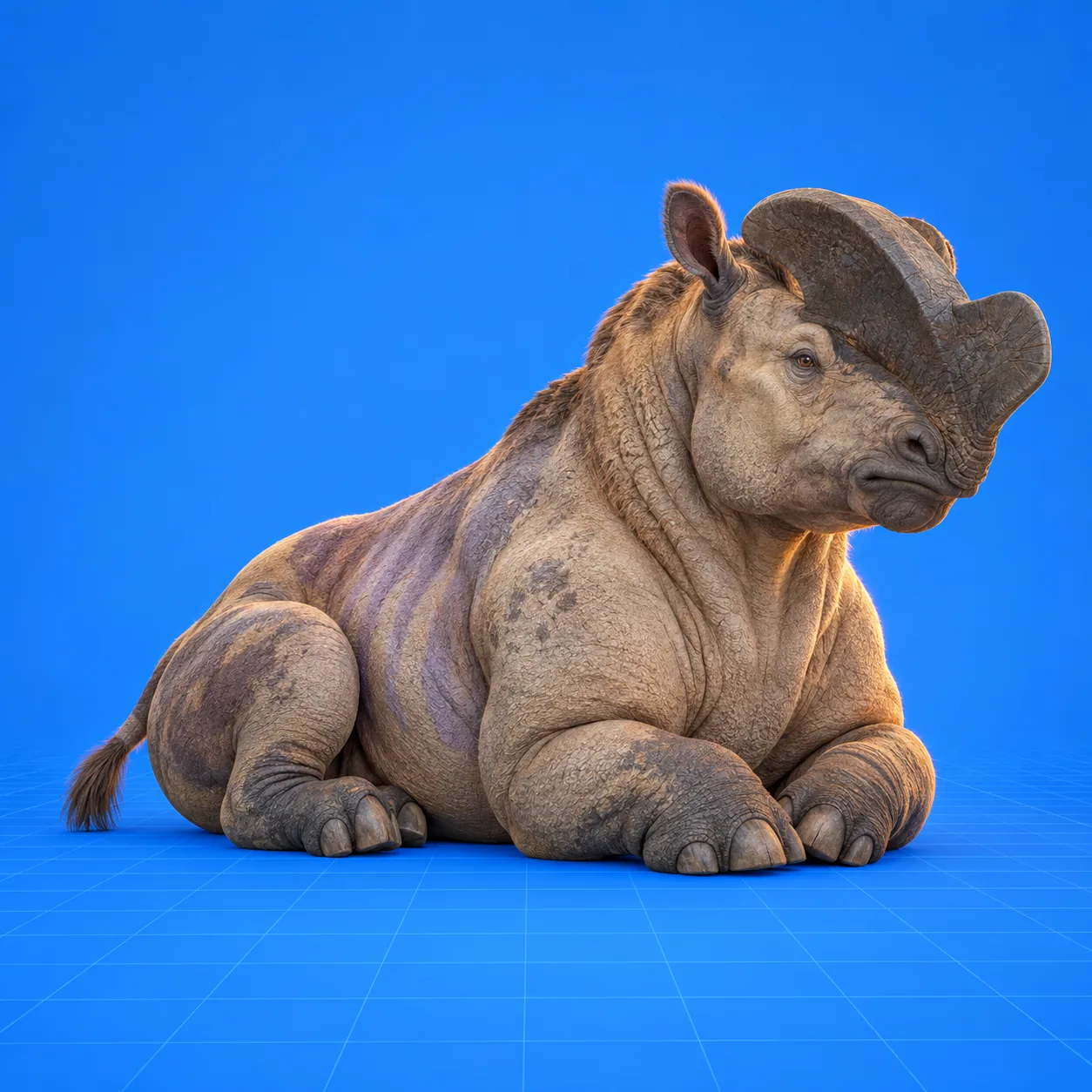 Mammal
Paleogene
It could reach about 2.5 meters in height at the withers.
Meet Embolotherium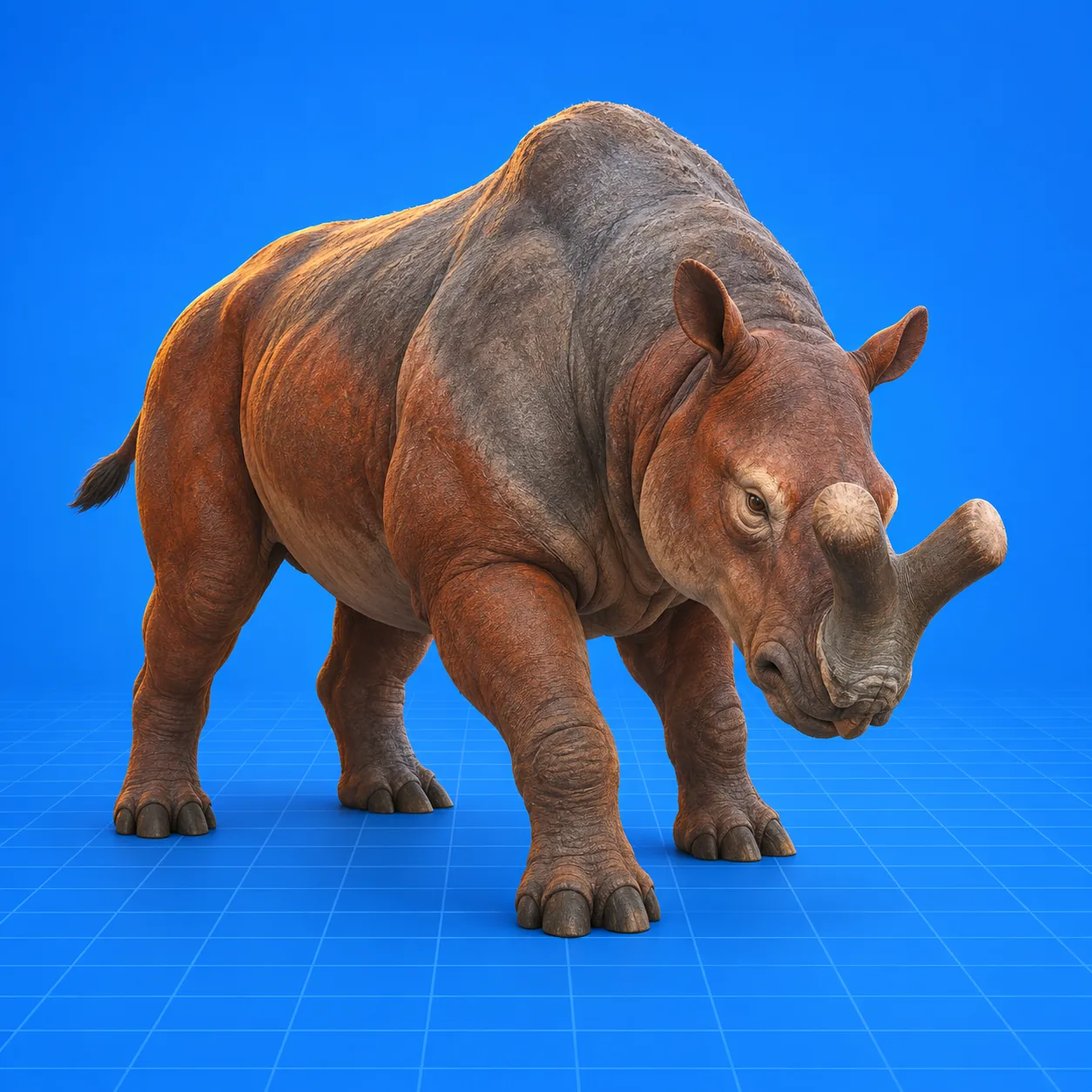 Mammal
Paleogene
Their horns were larger in males than in females, an example of sexual dimorphism.
Meet Megacerops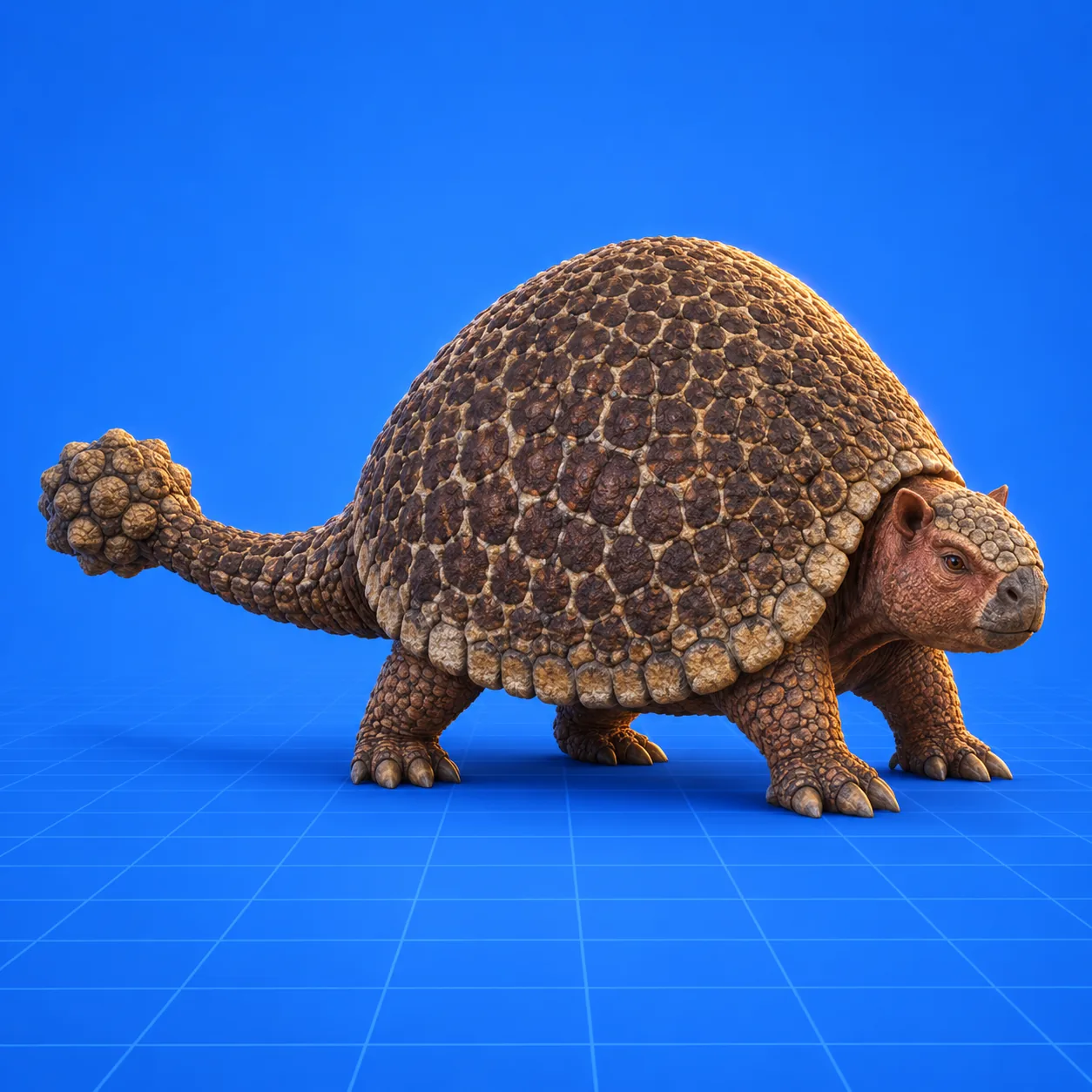 Mammal
Quaternary
Some cracks in fossil armor have been linked to tail blows from other animals in this group.
Meet Doedicurus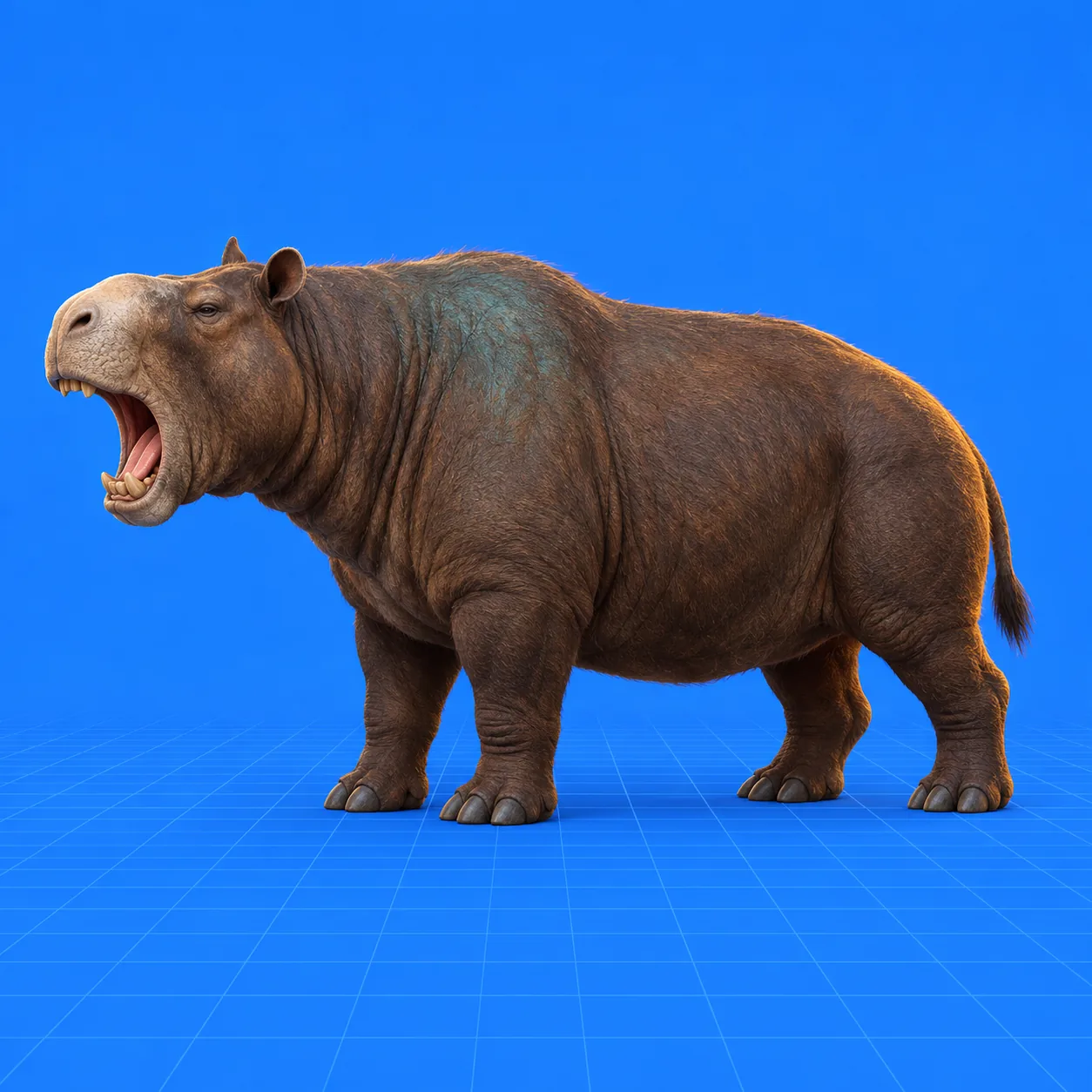 Mammal
Neogene / Quaternary
Its scientific name is also written as “toxodonte” in Spanish.
Meet Toxodon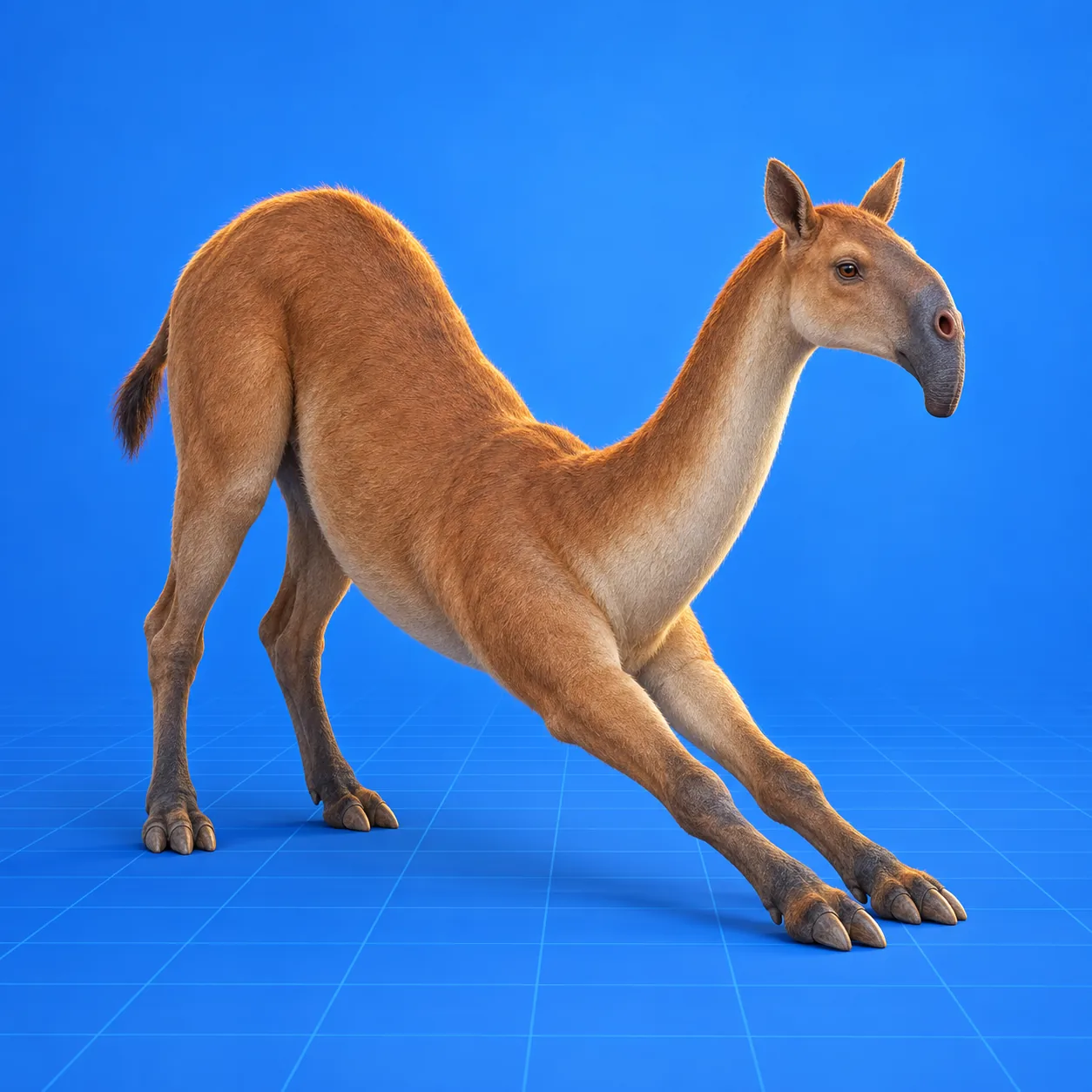 Mammal
Neogene / Quaternary
The best known species is Macrauchenia patachonica.
Meet Macrauchenia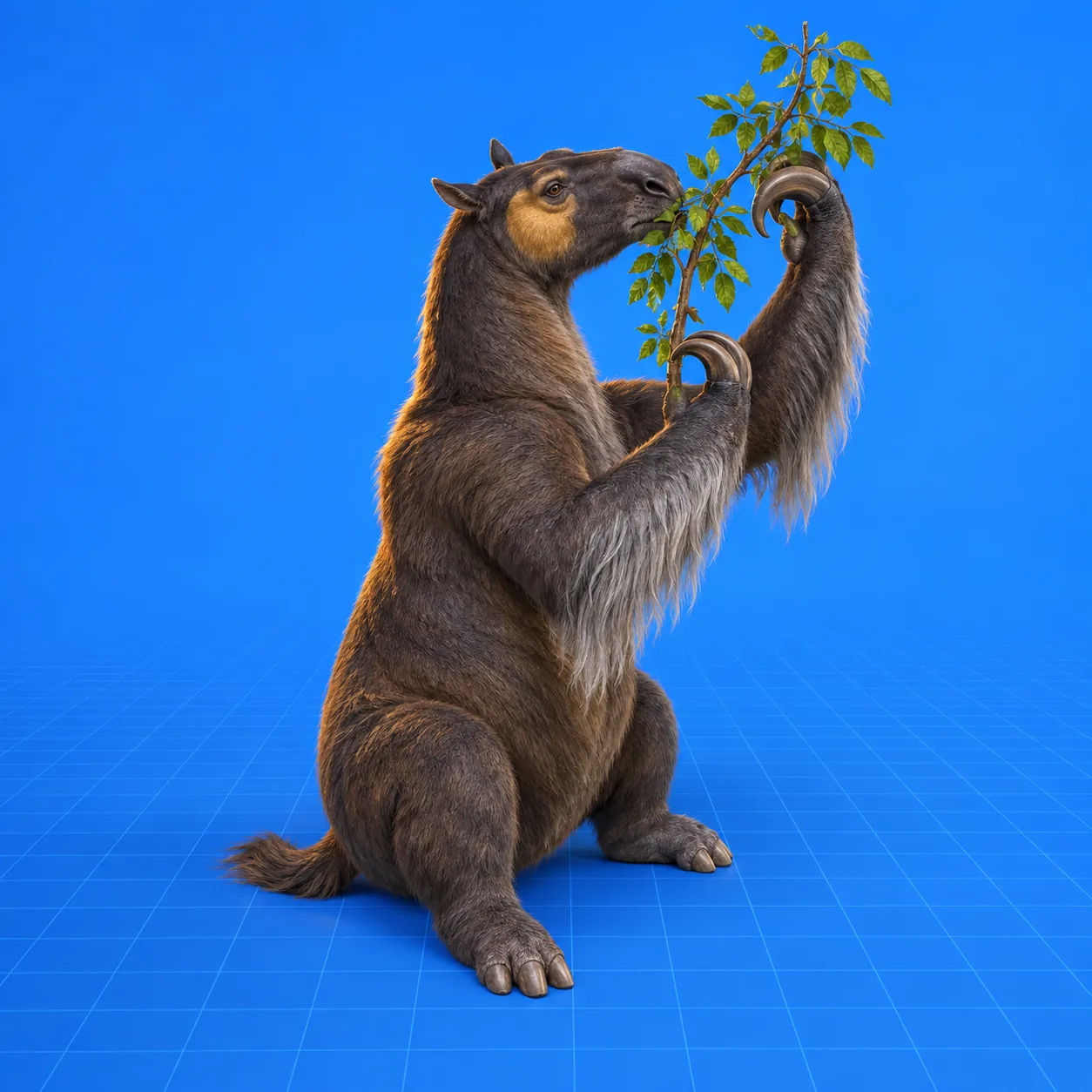 Mammal
Neogene
It ate plants and had long claws on its front feet.
Meet Chalicotherium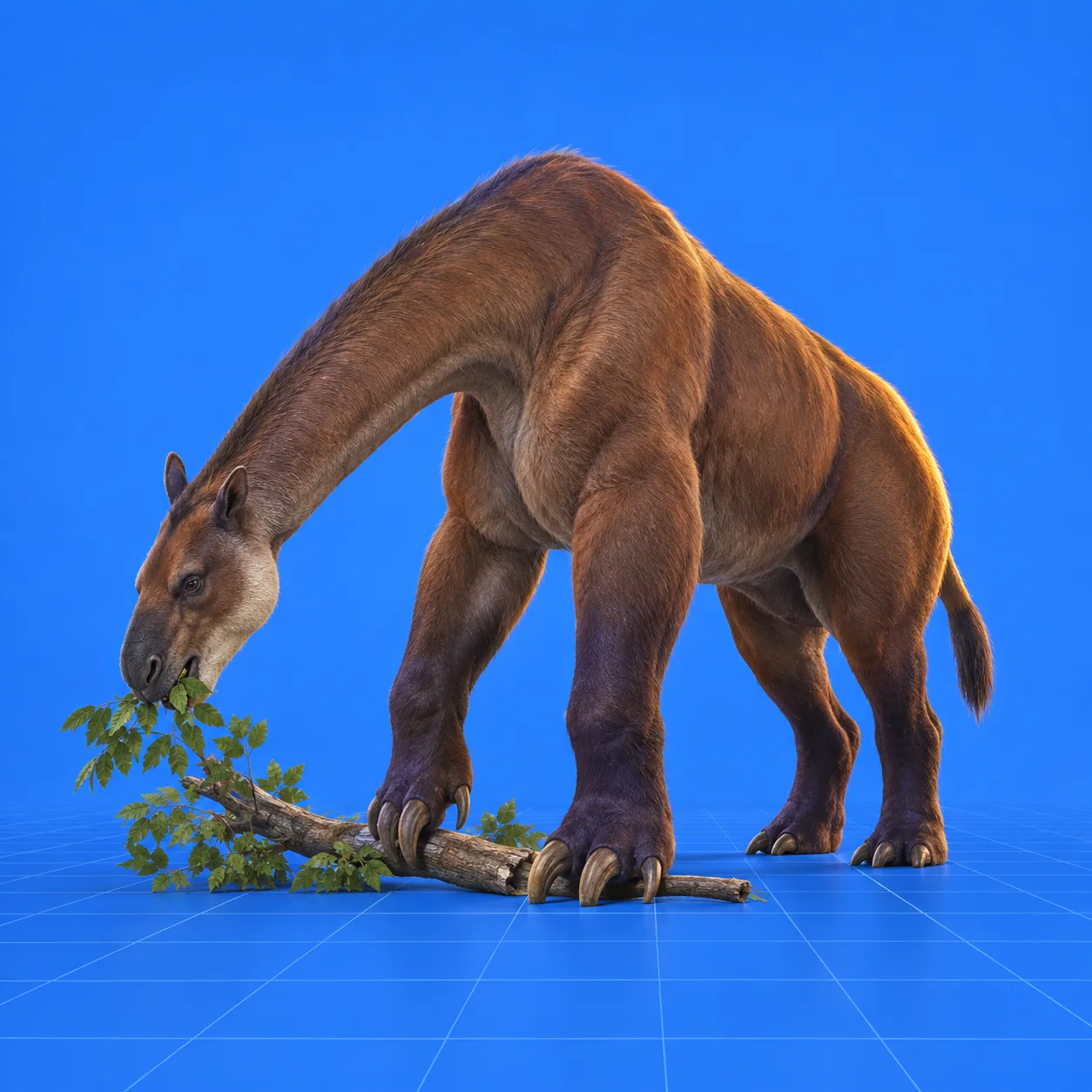 Mammal
Neogene
Its name means "slow foot", although the name alone does not demonstrate its speed.
Meet Moropus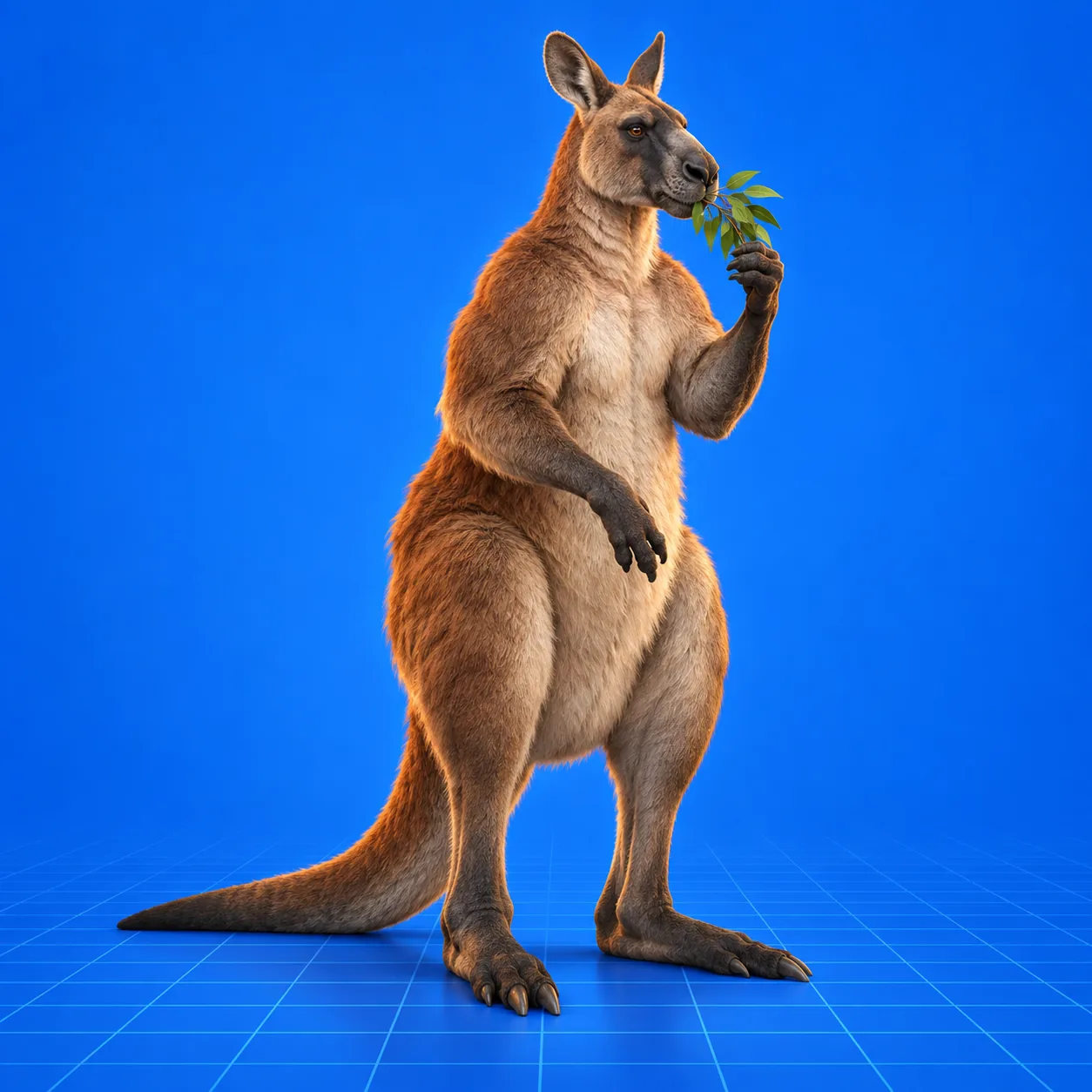 Mammal
Quaternary
Procoptodon goliah was the largest known kangaroo, although other species of the genus were much smaller.
Meet Procoptodon goliah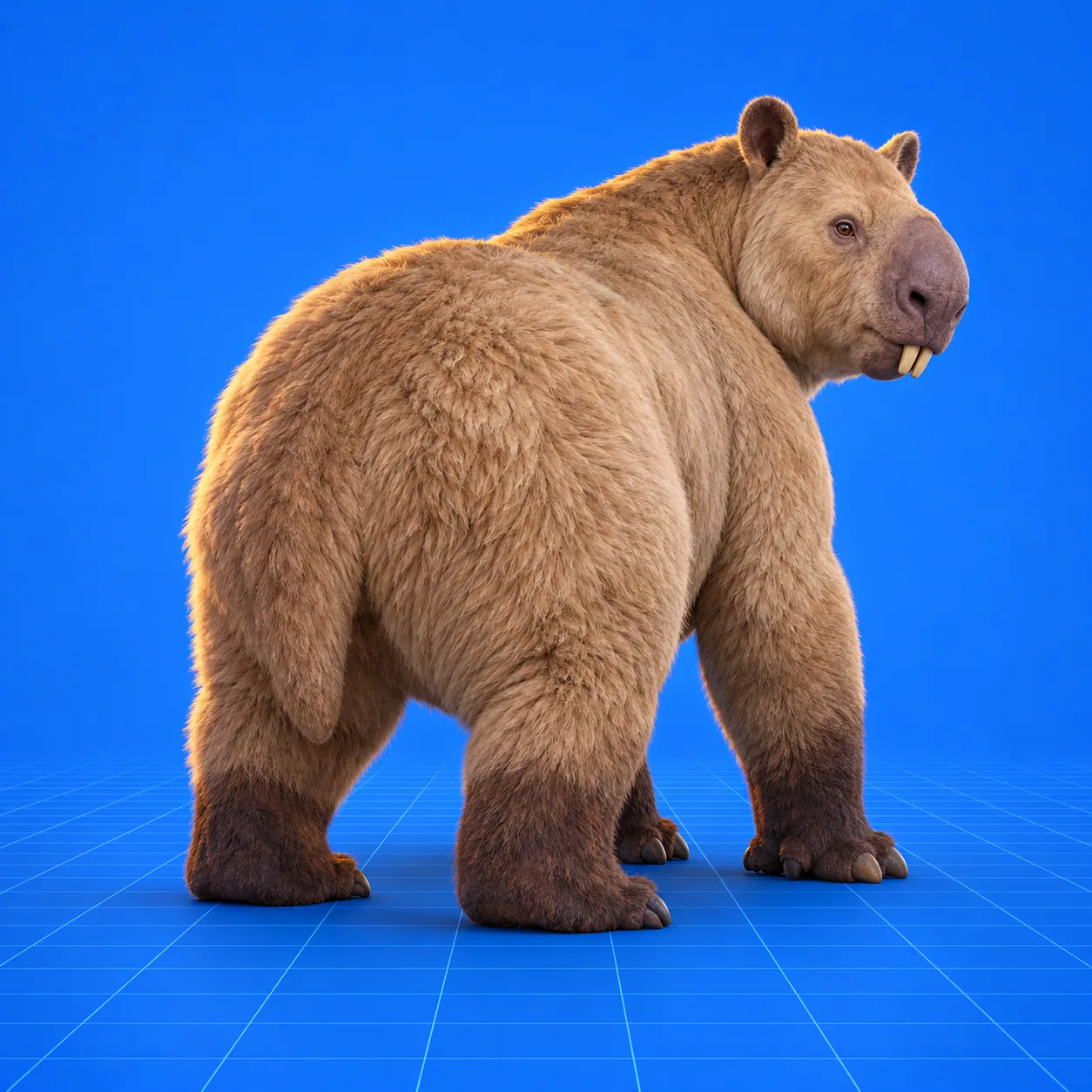 Mammal
Quaternary
It was related to today's wombats and koalas.
Meet Diprotodon optatum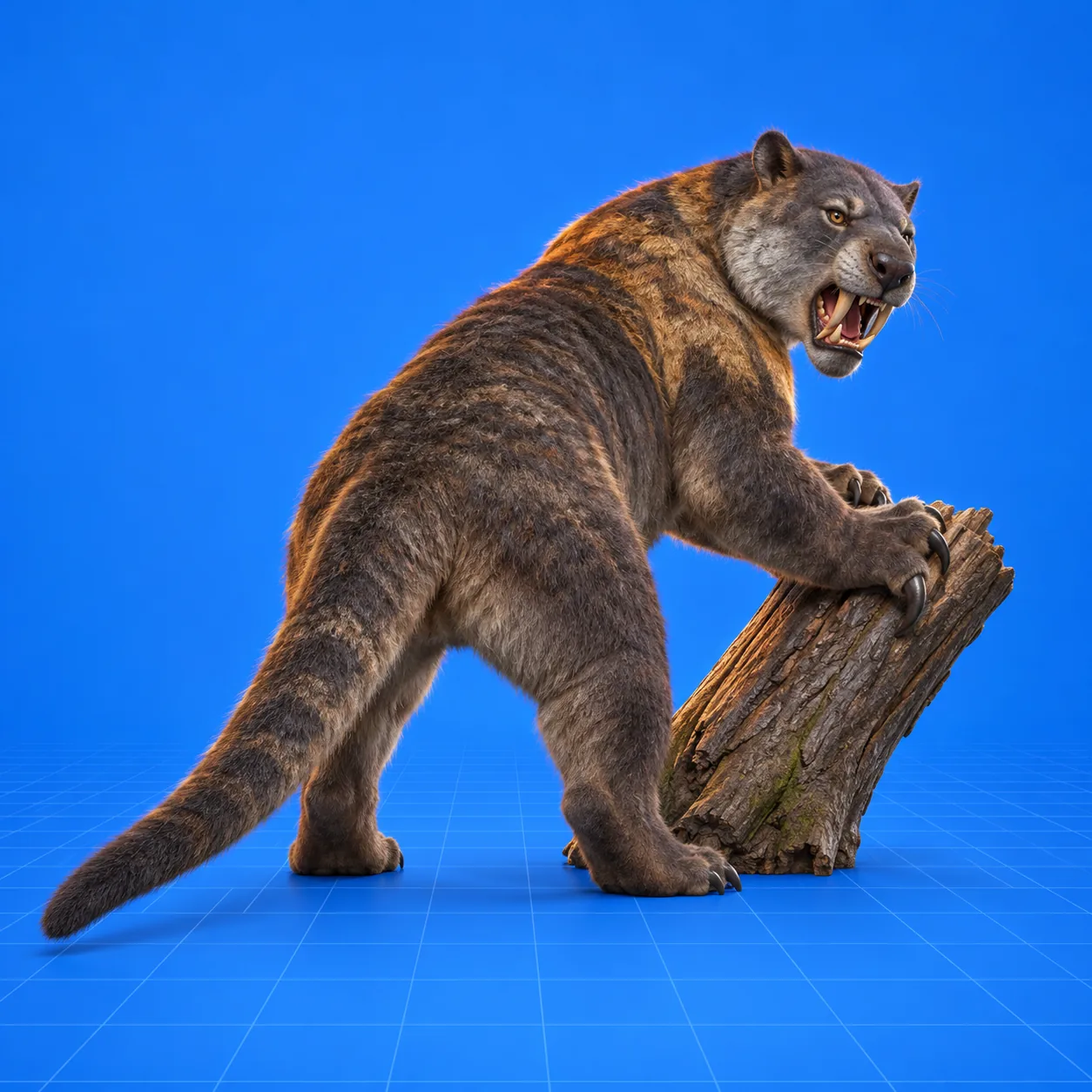 Mammal
Neogene / Quaternary
The so-called "marsupial lion" belonged to a different lineage than lions and other felines.
Meet Thylacoleo carnifex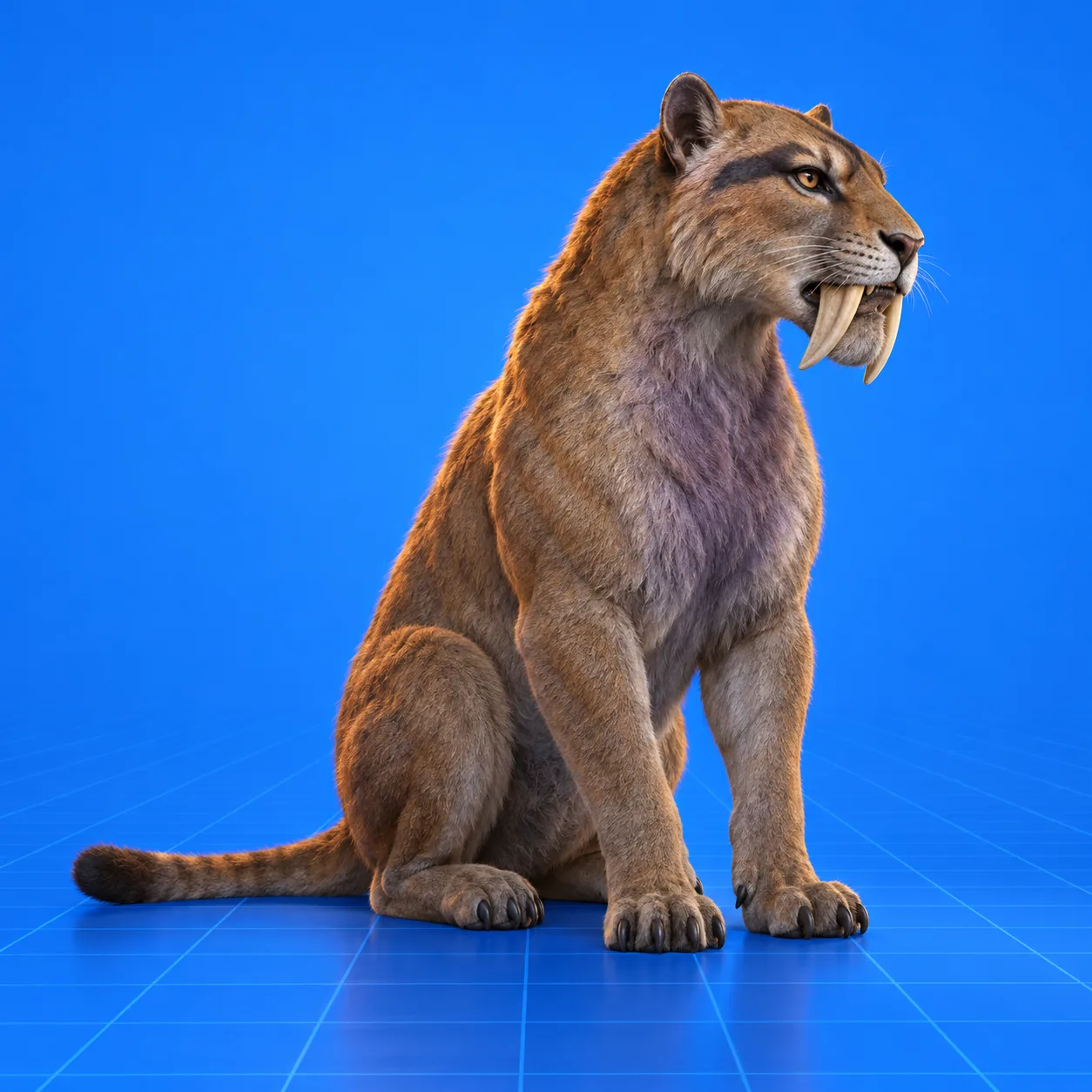 Mammal
Neogene
Its saber teeth appeared in a different lineage than felines.
Meet ThylacosmilusThis browsing group brings together the catalogue’s mammals and mammaliaforms. Mammaliaform is a broader label that includes early relatives outside some definitions of modern mammals; each profile keeps its own classification.
Prehistoric mammals span very different periods and environments. Check the individual profile before placing a creature in the Ice Age, alongside dinosaurs, or in the same habitat as another companion.
No. The collection includes mammals and early relatives from different parts of prehistory. The period shown on each profile gives more useful context than treating all extinct mammals as one Ice Age community.
AI-generated, stylized game illustrations. These designs and growth stages are imaginative, not scientific reconstructions. Open a profile for its fossil information and sources.