 Pterosaur
Cretaceous
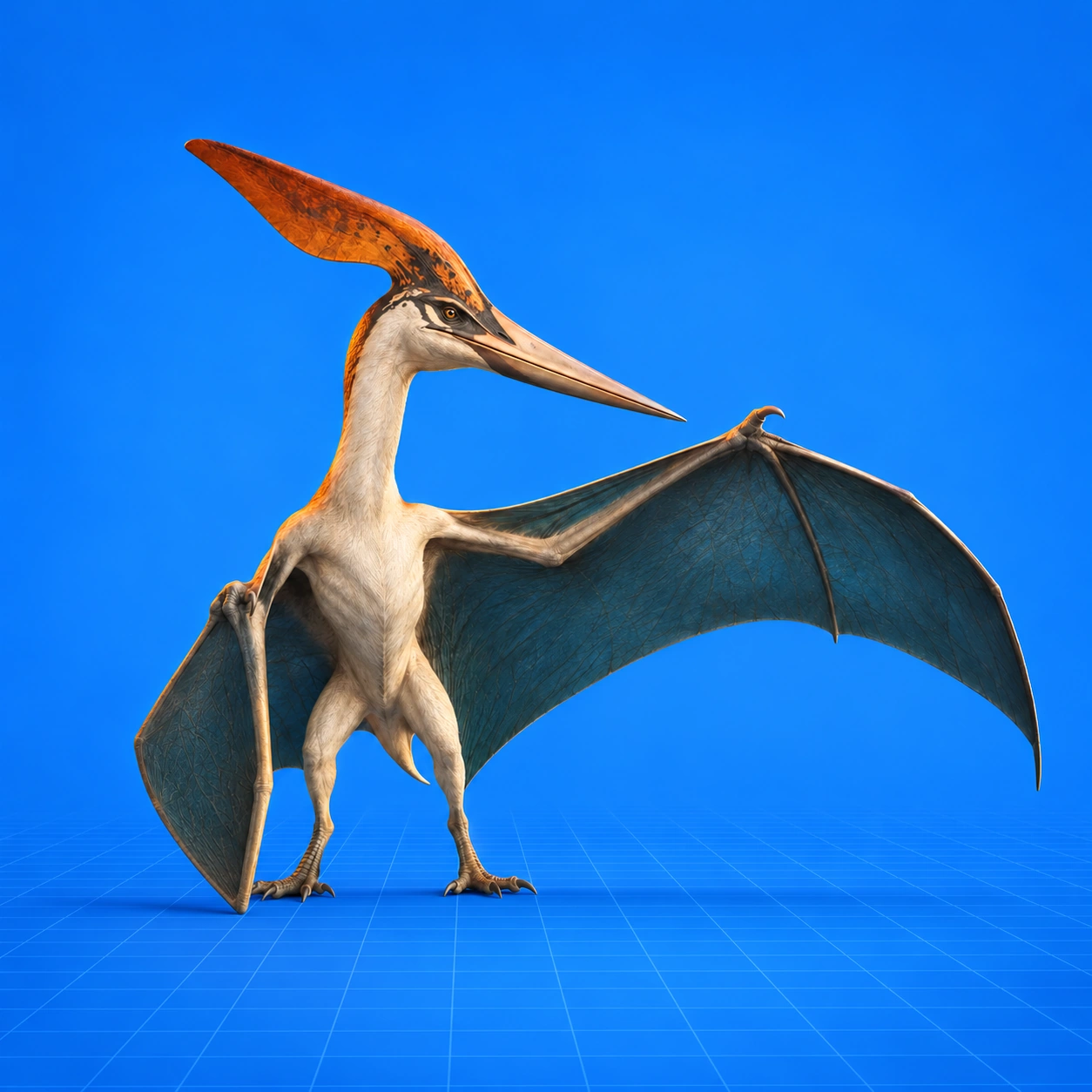
Pteranodon
More than a thousand fossil specimens are known, some with very well preserved skulls and skeletons.
Meet Pteranodon Dinosgacha
Explore the prehistoric world
Meet the flying reptiles that shared the prehistoric world with dinosaurs. Compare crests, jaws and wing shapes across the pterosaurs in our collection.
Showing 1–21 of 21 creatures
PterosaurCretaceous
More than a thousand fossil specimens are known, some with very well preserved skulls and skeletons.
Meet Pteranodon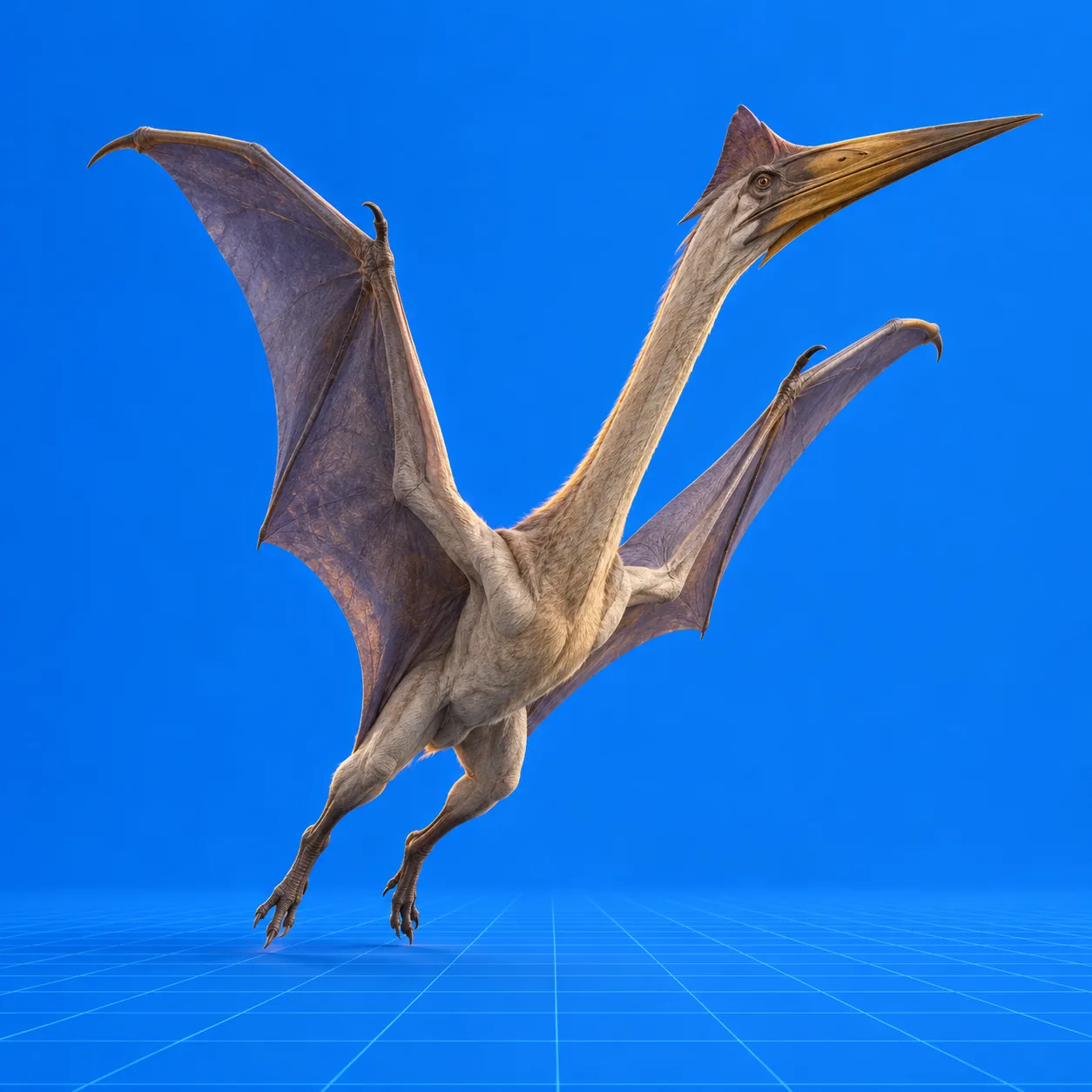 Pterosaur
Cretaceous
It had a very long neck and a toothless beak.
Meet Quetzalcoatlus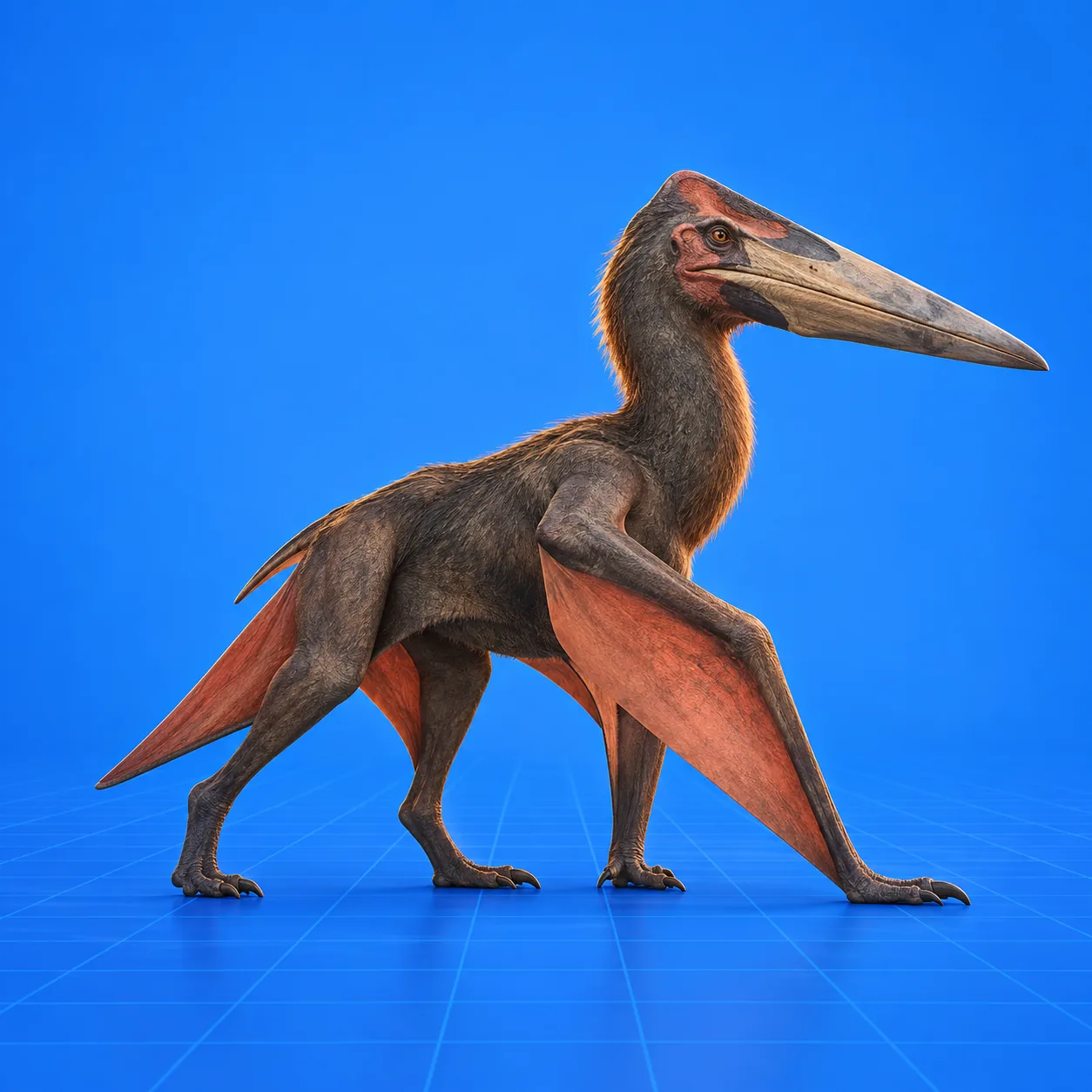 Pterosaur
Cretaceous
Its neck was shorter and more robust than that of other giant pterosaurs of the same group.
Meet Hatzegopteryx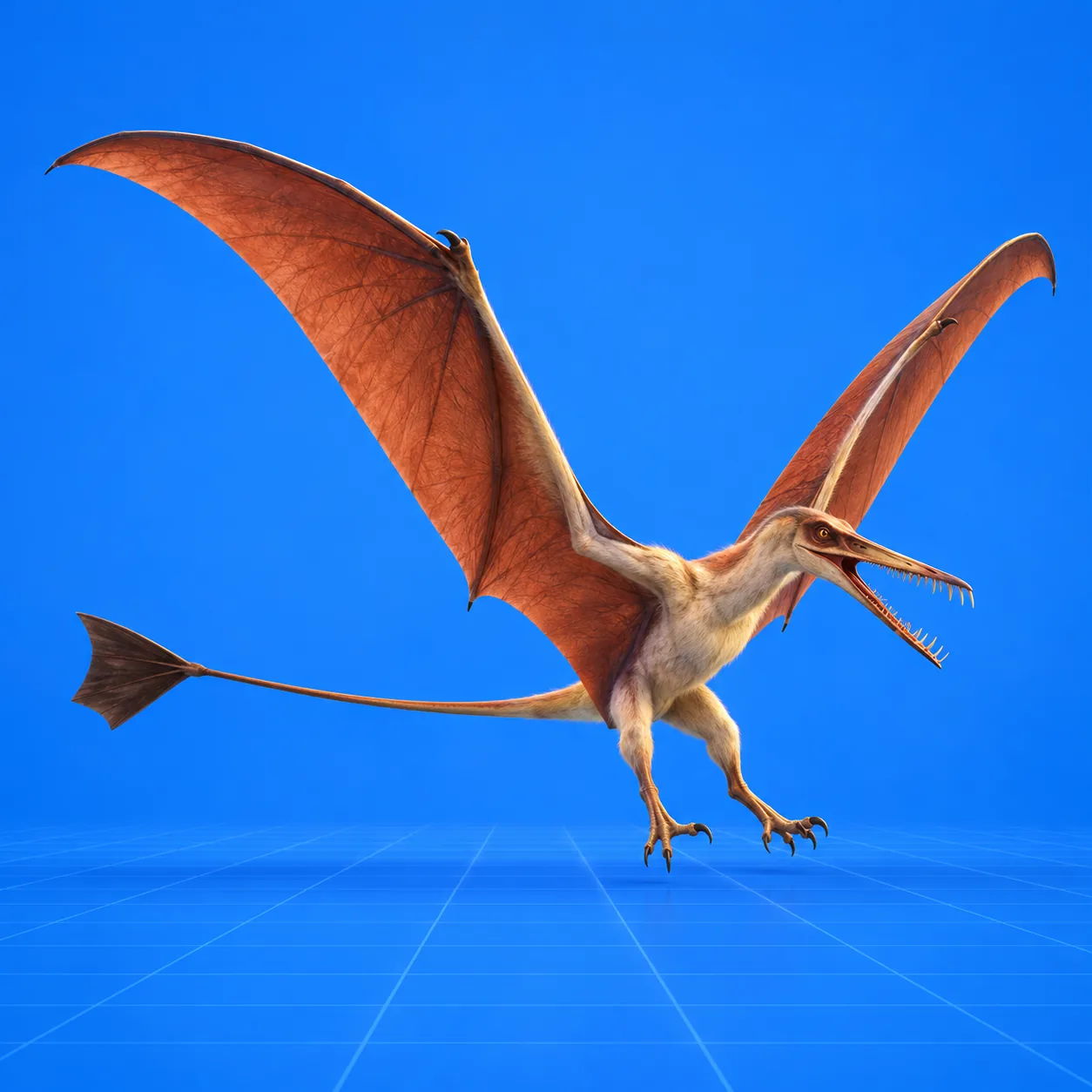 Pterosaur
Jurassic
It had long teeth pointing forward, but the tip of the beak was toothless.
Meet Rhamphorhynchus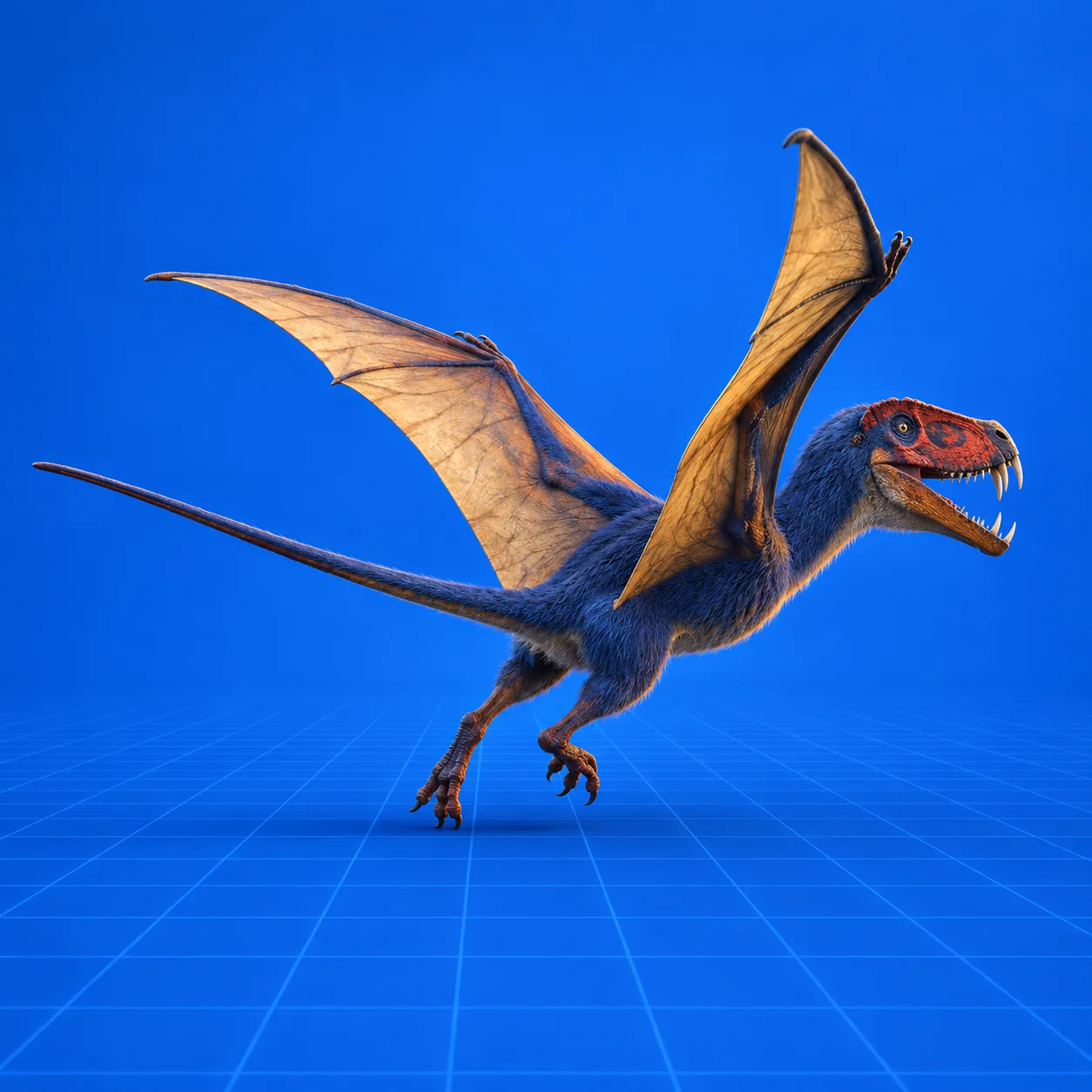 Pterosaur
Jurassic
Its name means "two forms of teeth", due to the different types of teeth in its jaws.
Meet Dimorphodon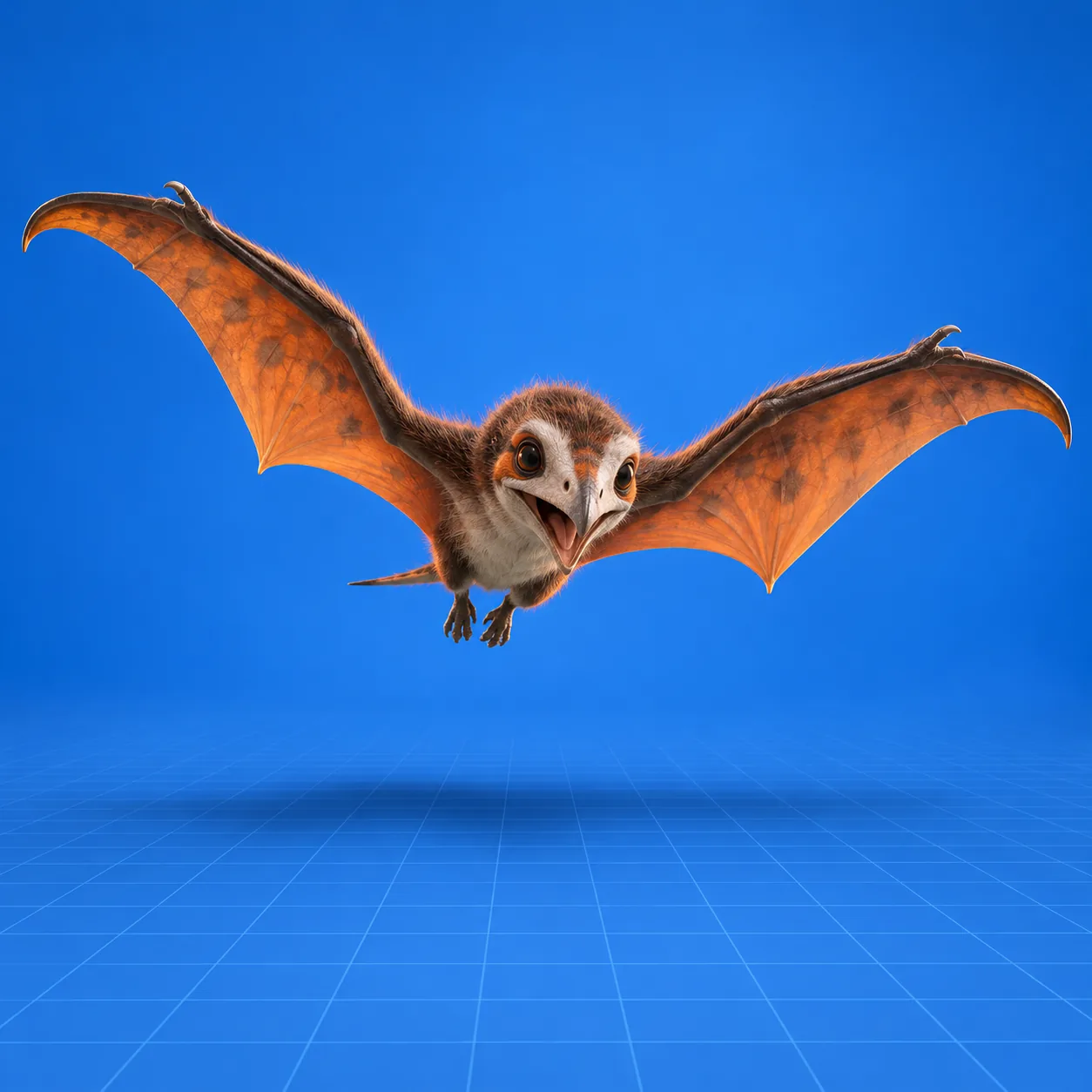 Pterosaur
Jurassic
Its tail was unusually short compared to that of other early pterosaurs.
Meet Anurognathus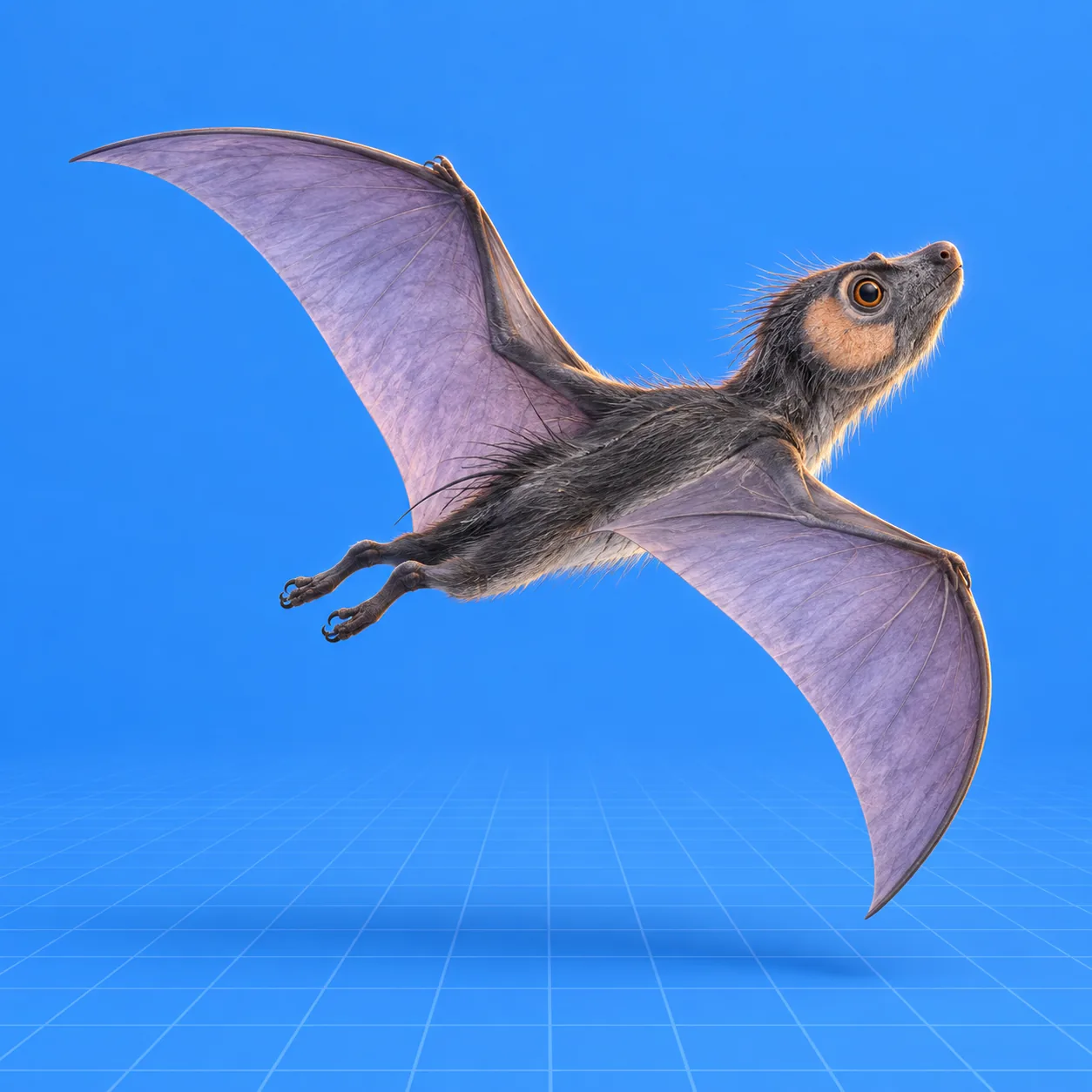 Pterosaur
Jurassic
Its fossil preserves remains of soft tissues, including body covering.
Meet Jeholopterus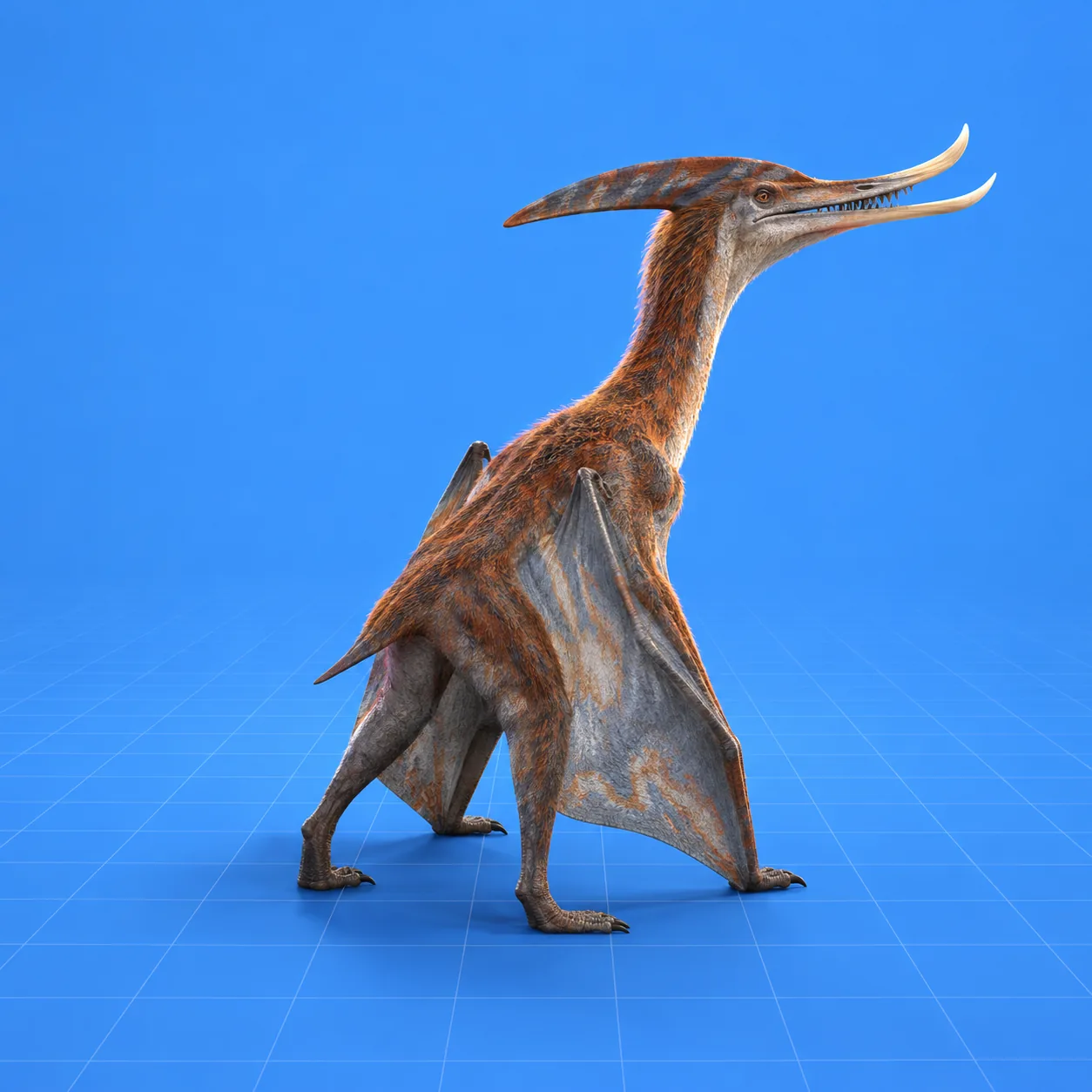 Pterosaur
Cretaceous
The front of its beak had no teeth; farther back, rounded teeth helped it crush food.
Meet Dsungaripterus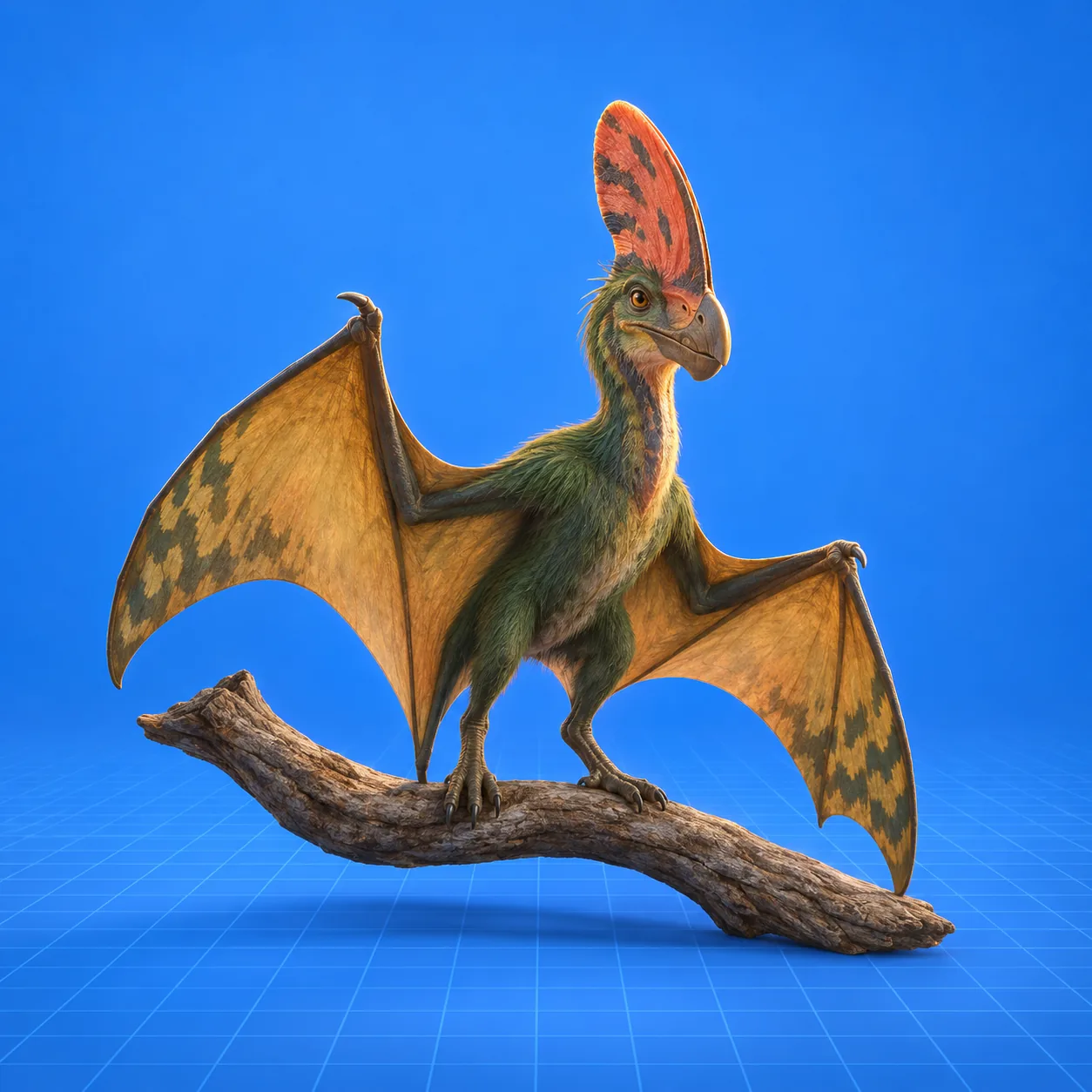 Pterosaur
Cretaceous
Its skeletons have been found in Brazil, in deposits associated with the Santana Formation.
Meet Tapejara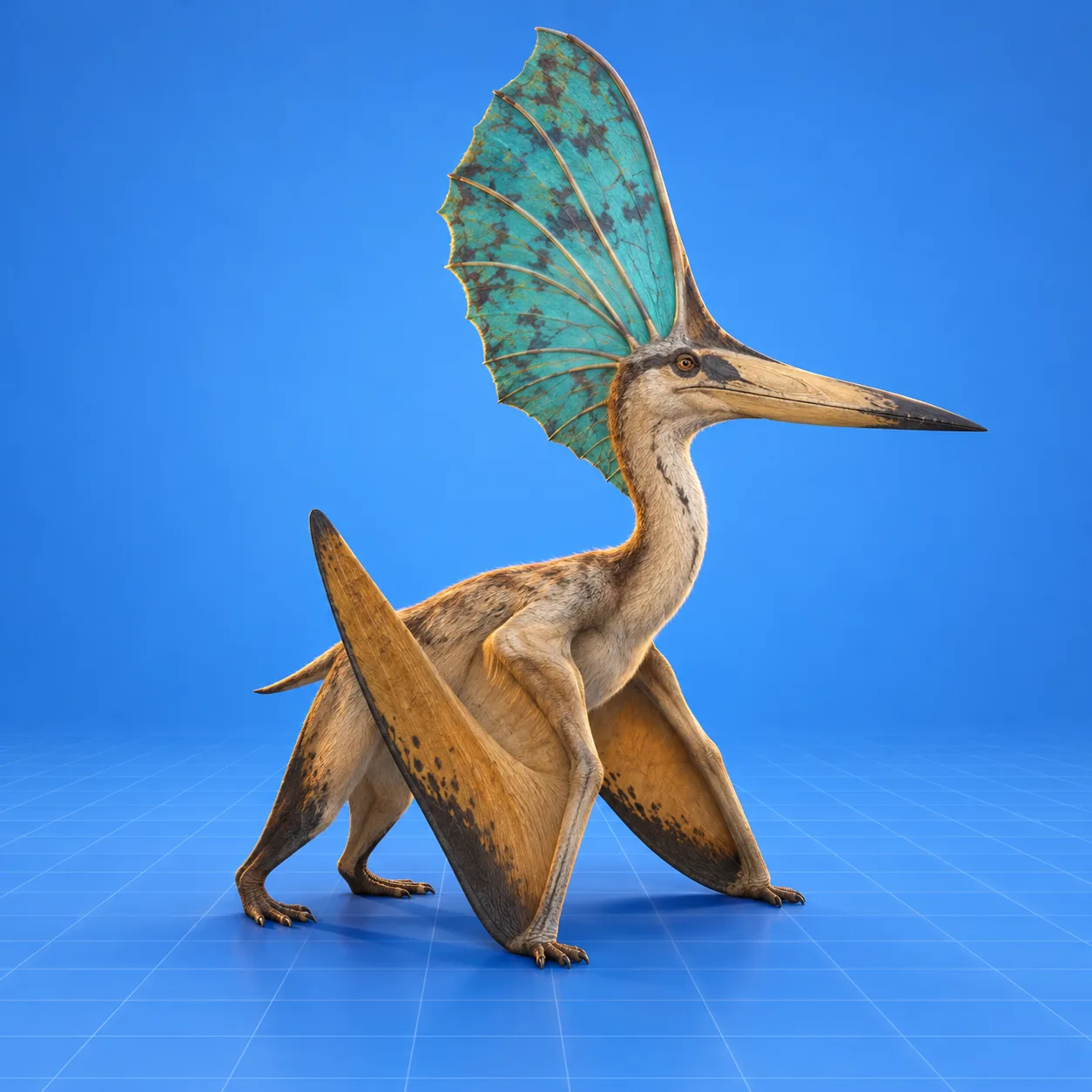 Pterosaur
Cretaceous
Its huge crest combined bony supports with a large area of soft tissue.
Meet Tupandactylus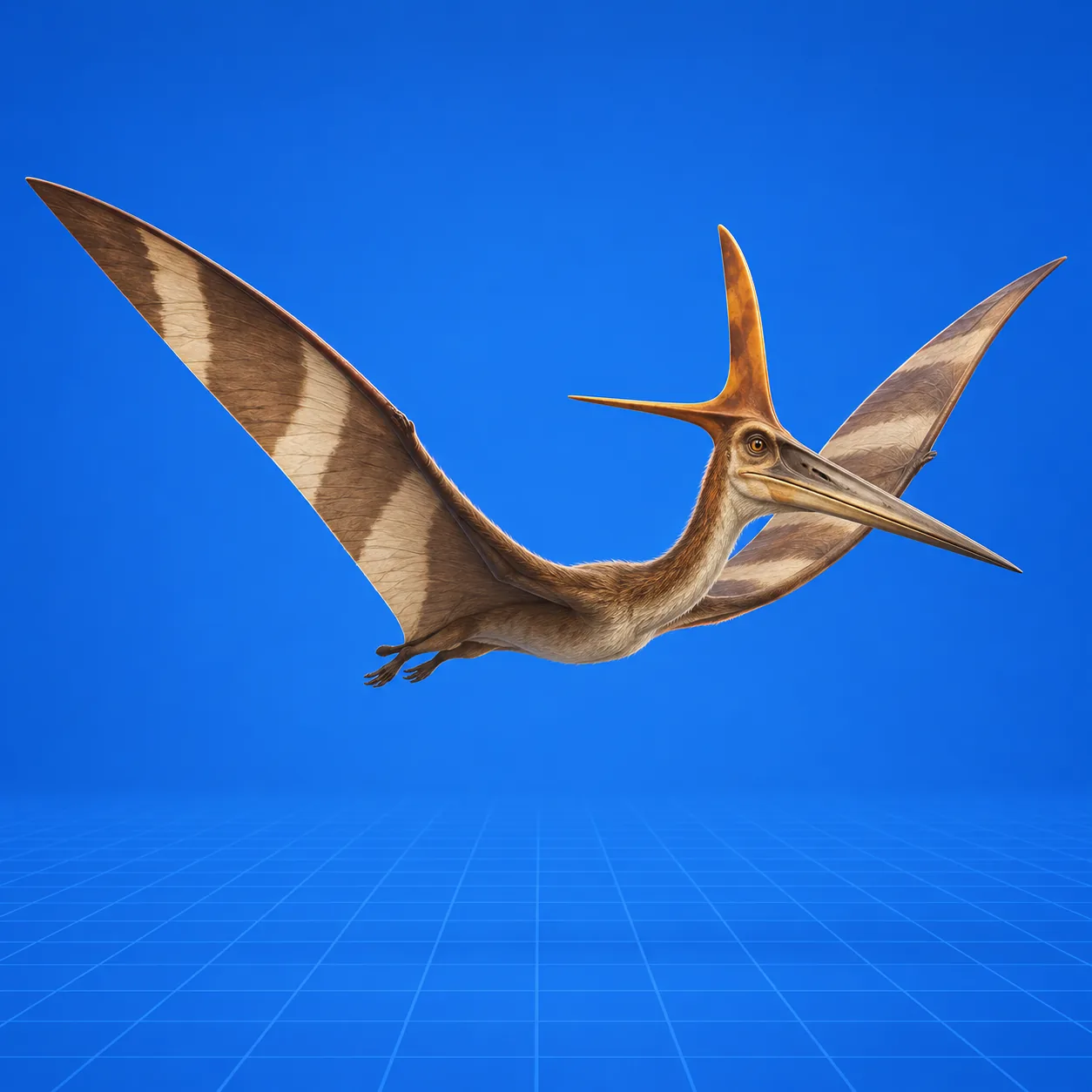 Pterosaur
Cretaceous
The validity of some of the species assigned to the genus remains disputed.
Meet Nyctosaurus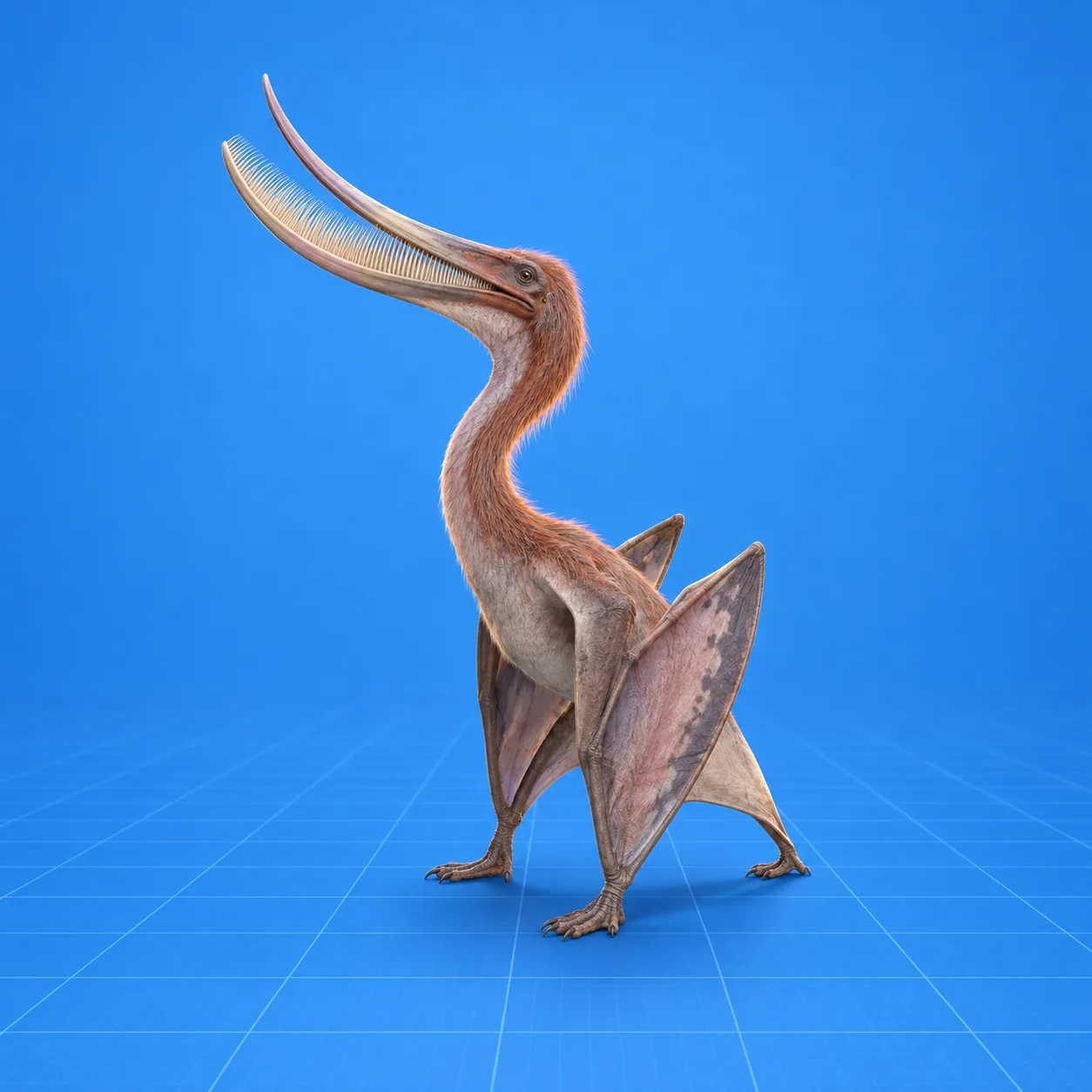 Pterosaur
Cretaceous
Its many long, thin teeth worked like a filter to catch tiny aquatic organisms.
Meet Pterodaustro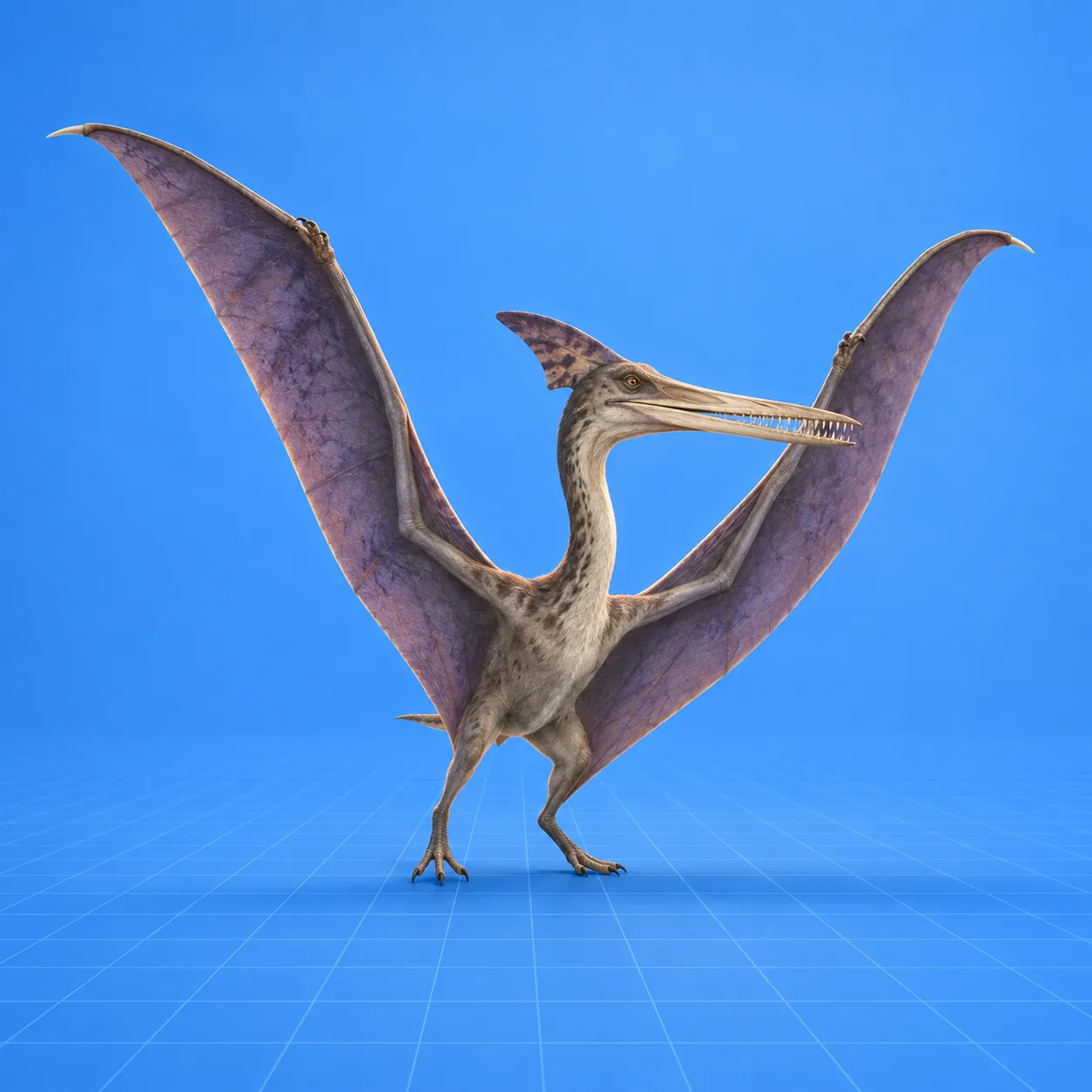 Pterosaur
Jurassic
An extremely long fourth finger supported most of the skin membrane of its wing.
Meet Pterodactylus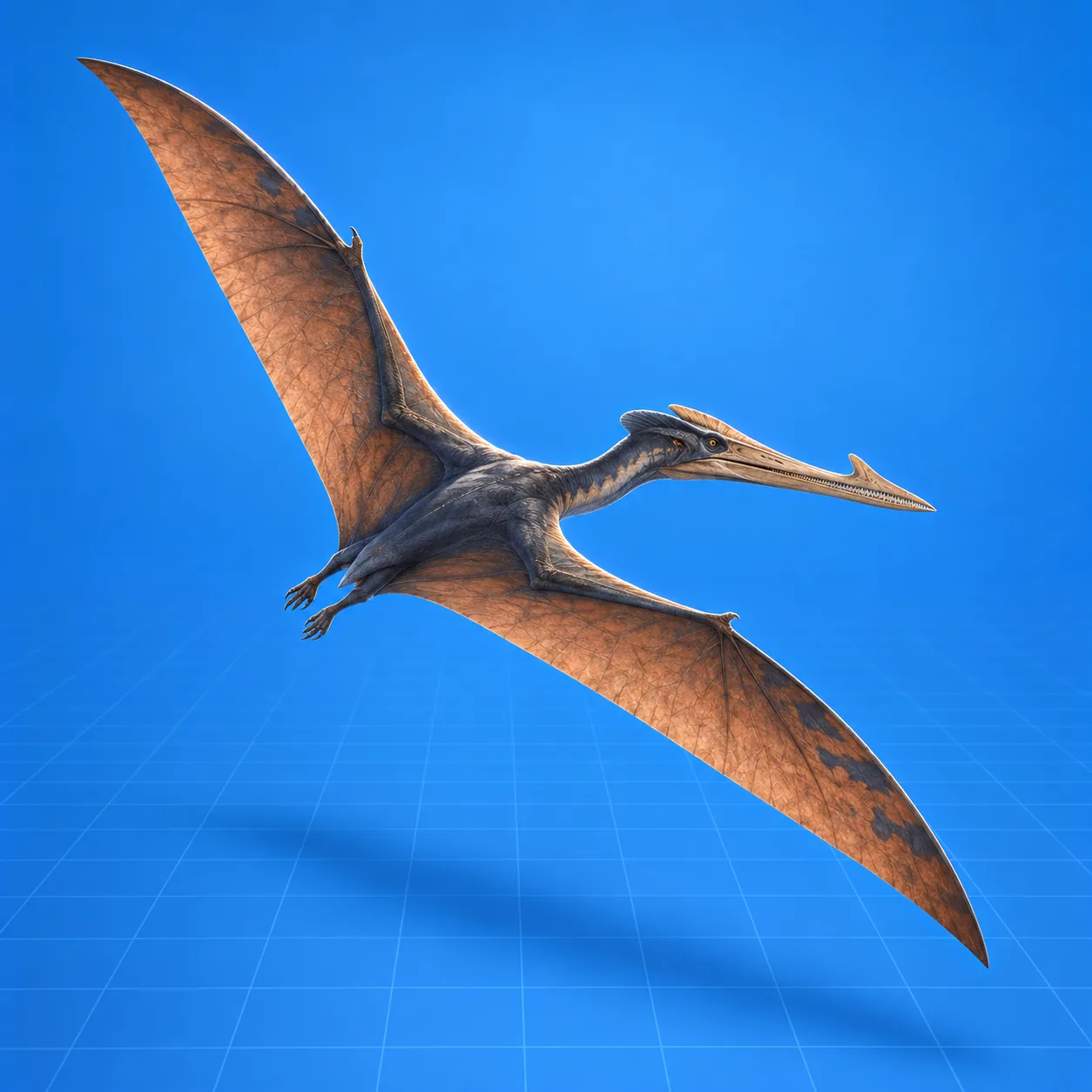 Pterosaur
Cretaceous
Its anatomy contributed to the debate about how pterosaurs walked on the ground.
Meet Anhanguera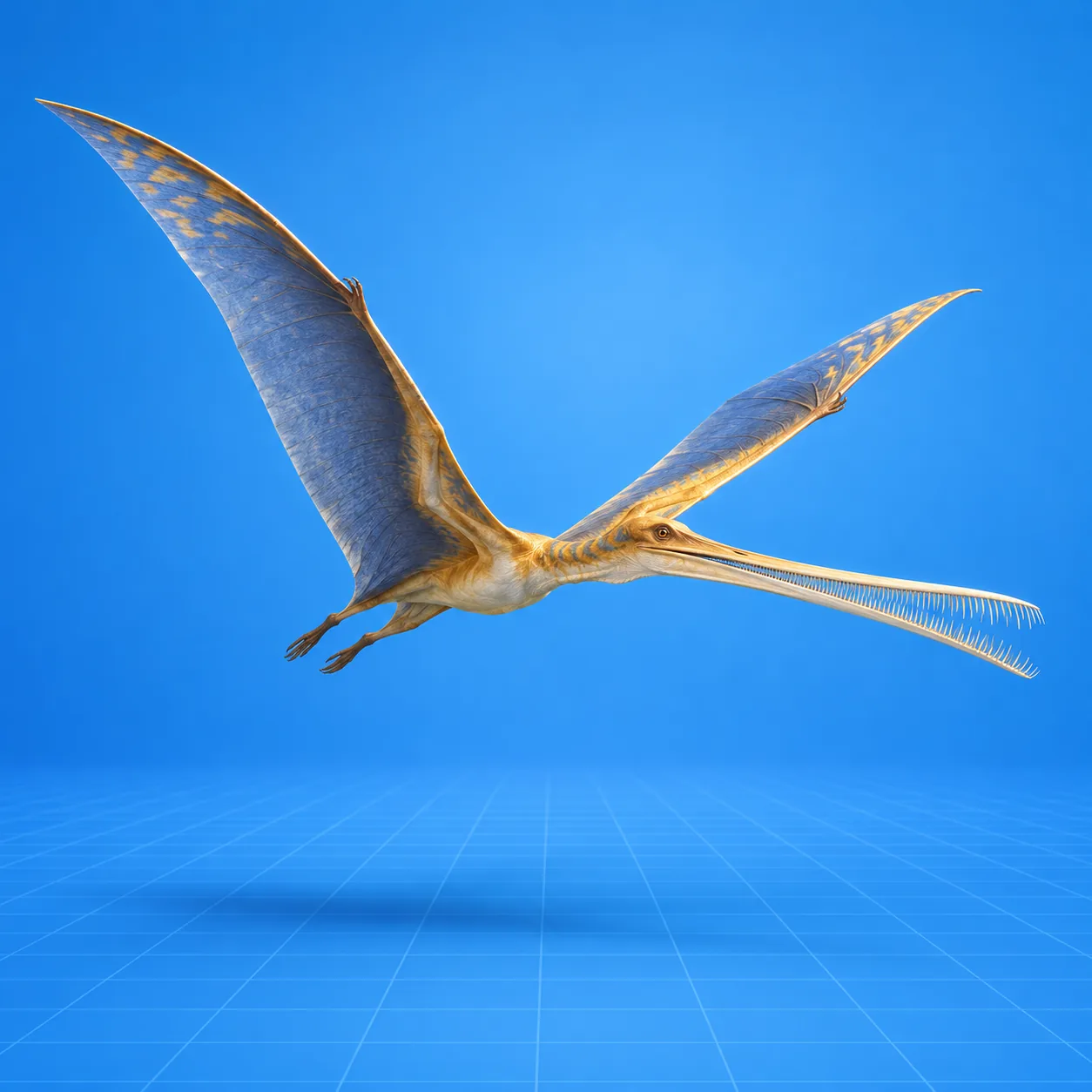 Pterosaur
Jurassic
The genus includes species such as Ctenochasma roemeri, Ctenochasma taqueti and Ctenochasma elegans.
Meet Ctenochasma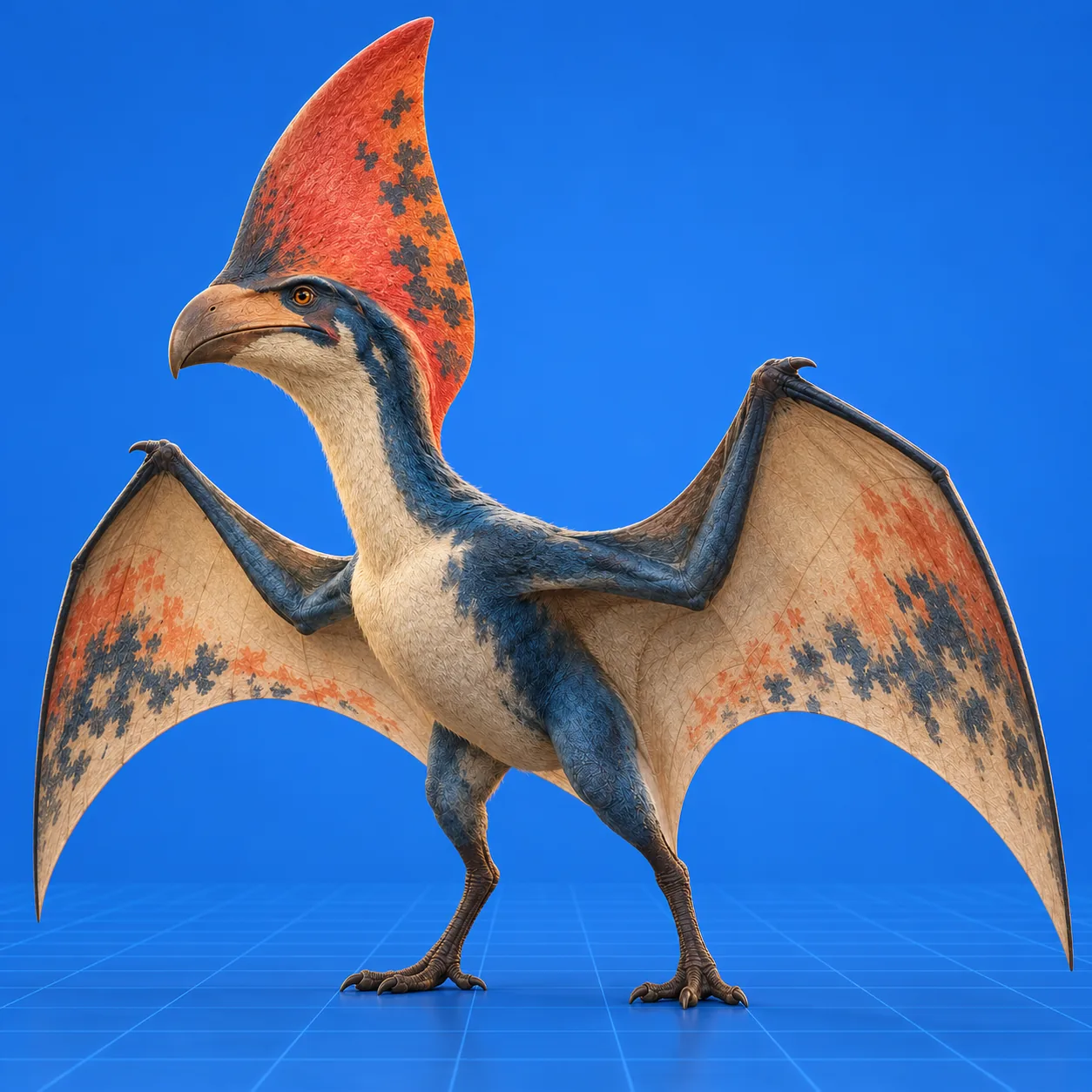 Pterosaur
Cretaceous
Caiuajara was a crested pterosaur with a conspicuous head ornament.
Meet Caiuajara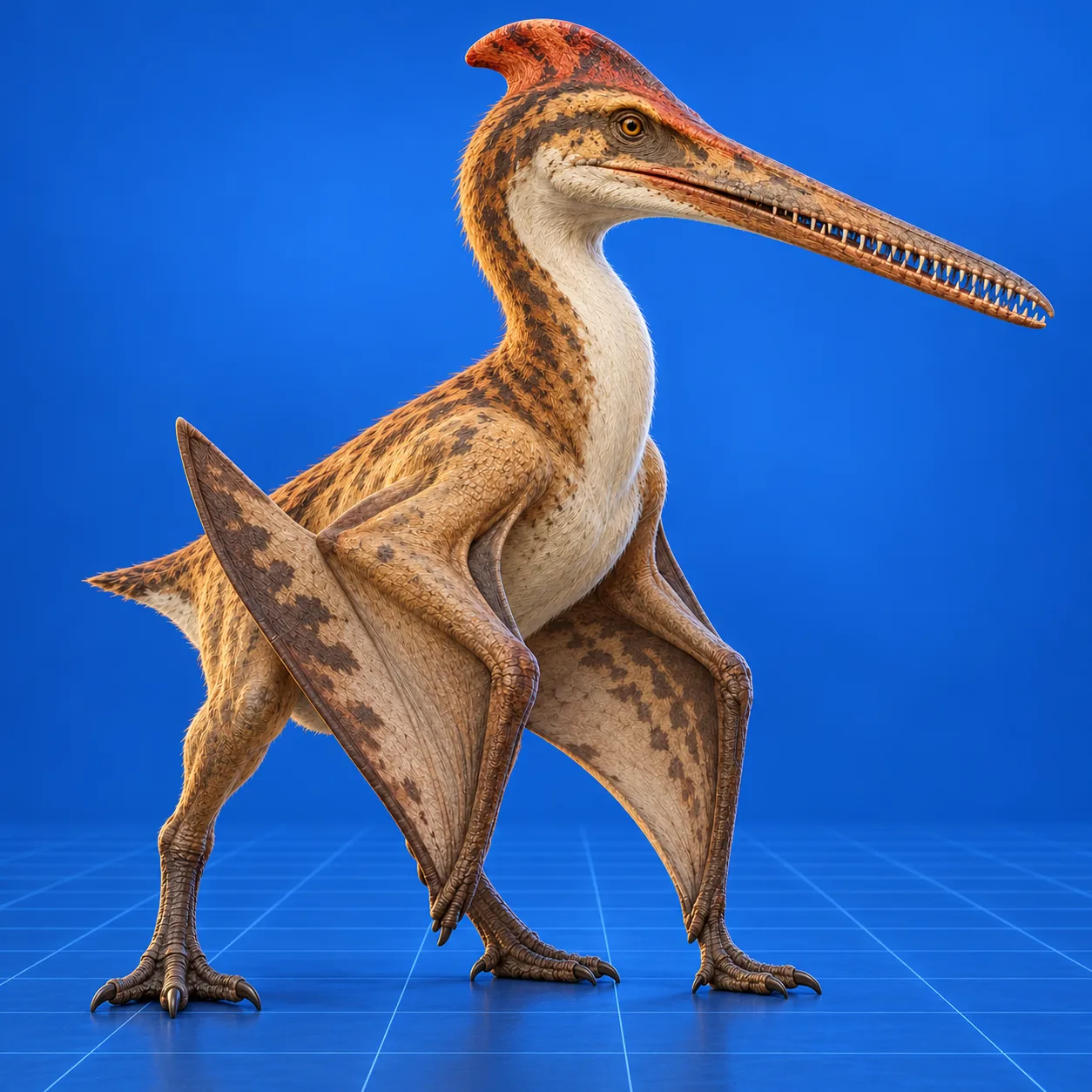 Pterosaur
Early Cretaceous
Hamipterus was a pterosaur with a long toothed snout and a cranial crest.
Meet Hamipterus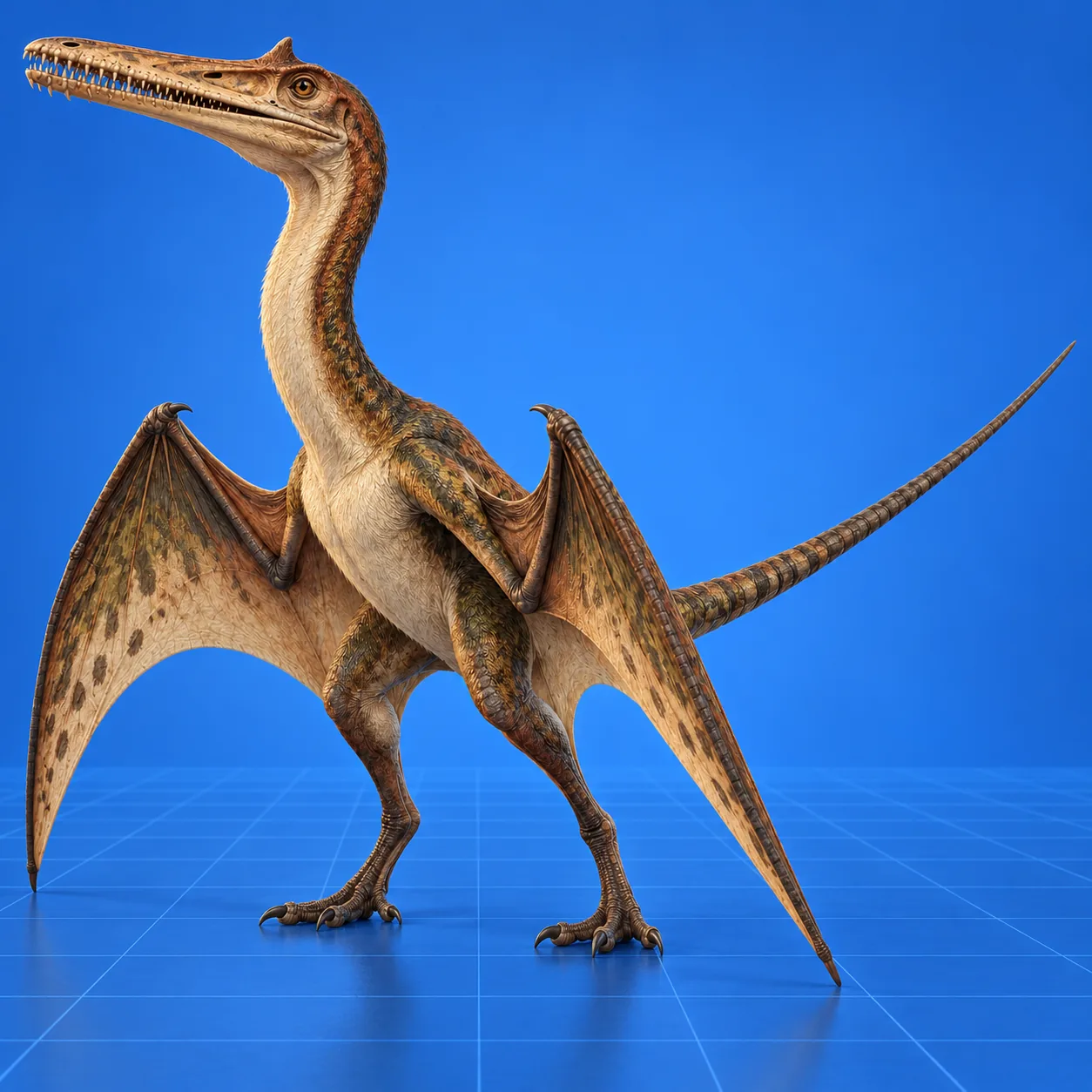 Pterosaur
Jurassic
Darwinopterus combined a comparatively advanced head and neck with a more primitive long-tailed body plan.
Meet Darwinopterus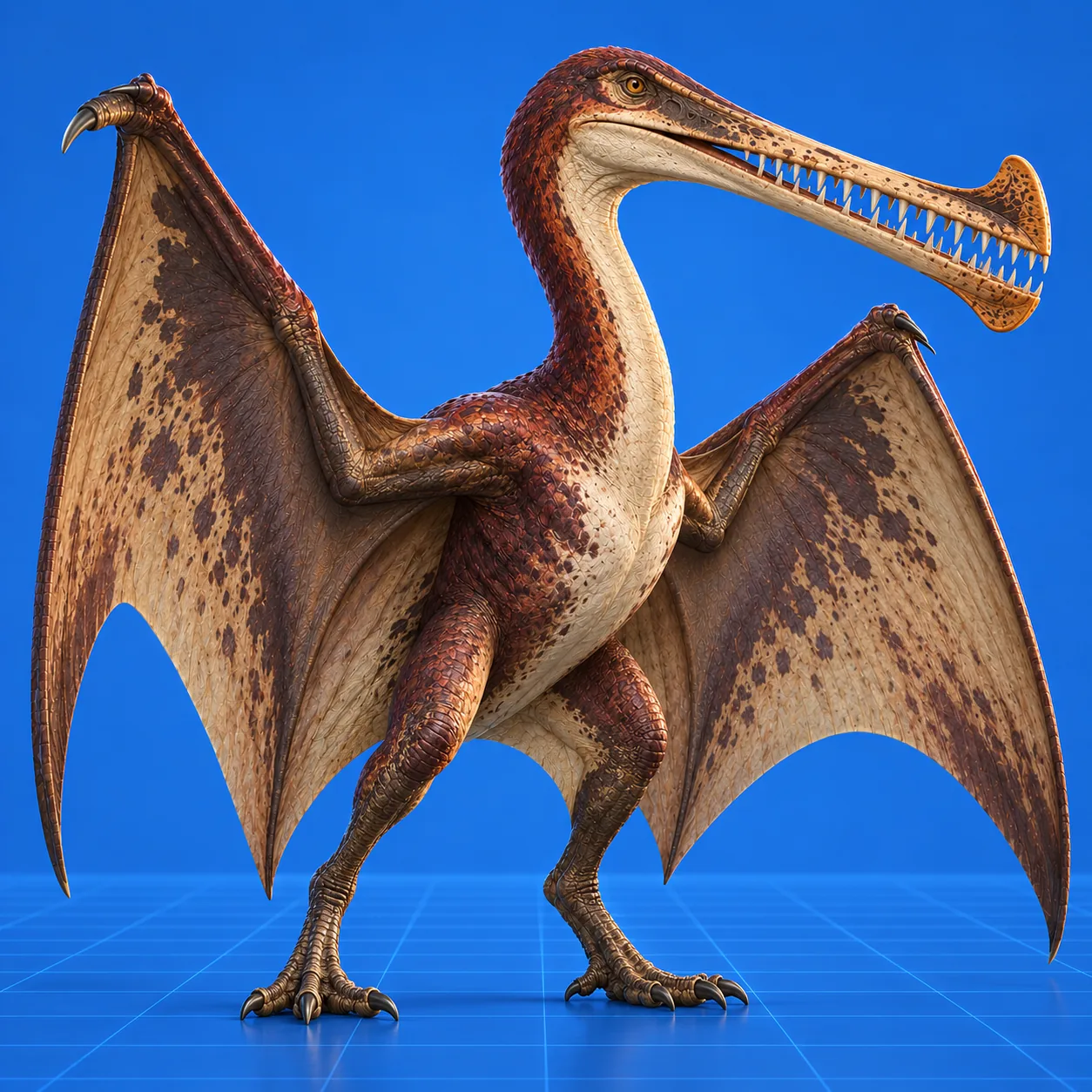 Pterosaur
Early Cretaceous
Tropeognathus was a large toothed pterosaur with prominent crests on the jaws.
Meet Tropeognathus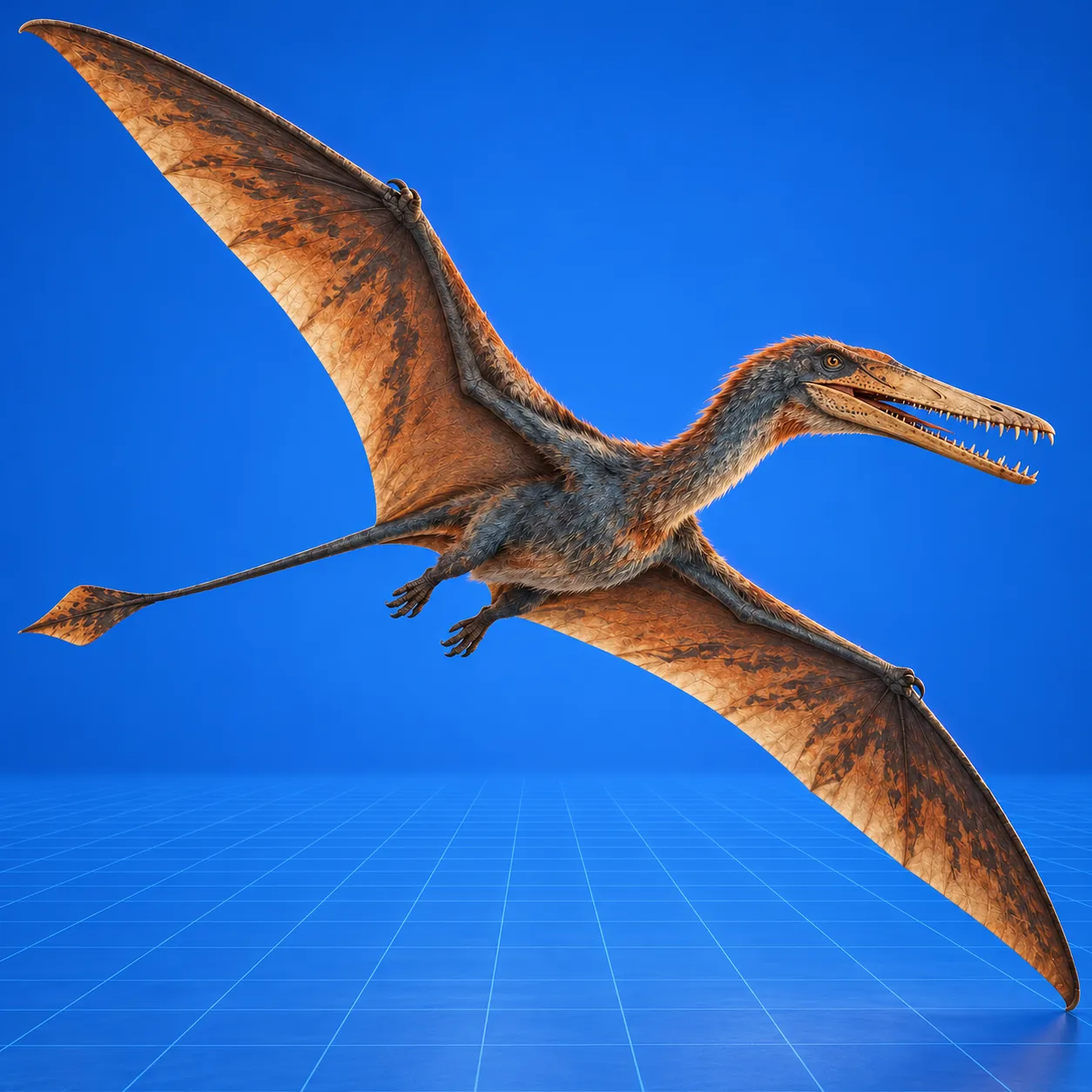 Pterosaur
Middle Jurassic
Dearc was a long-tailed pterosaur with a substantial toothed head.
Meet Dearc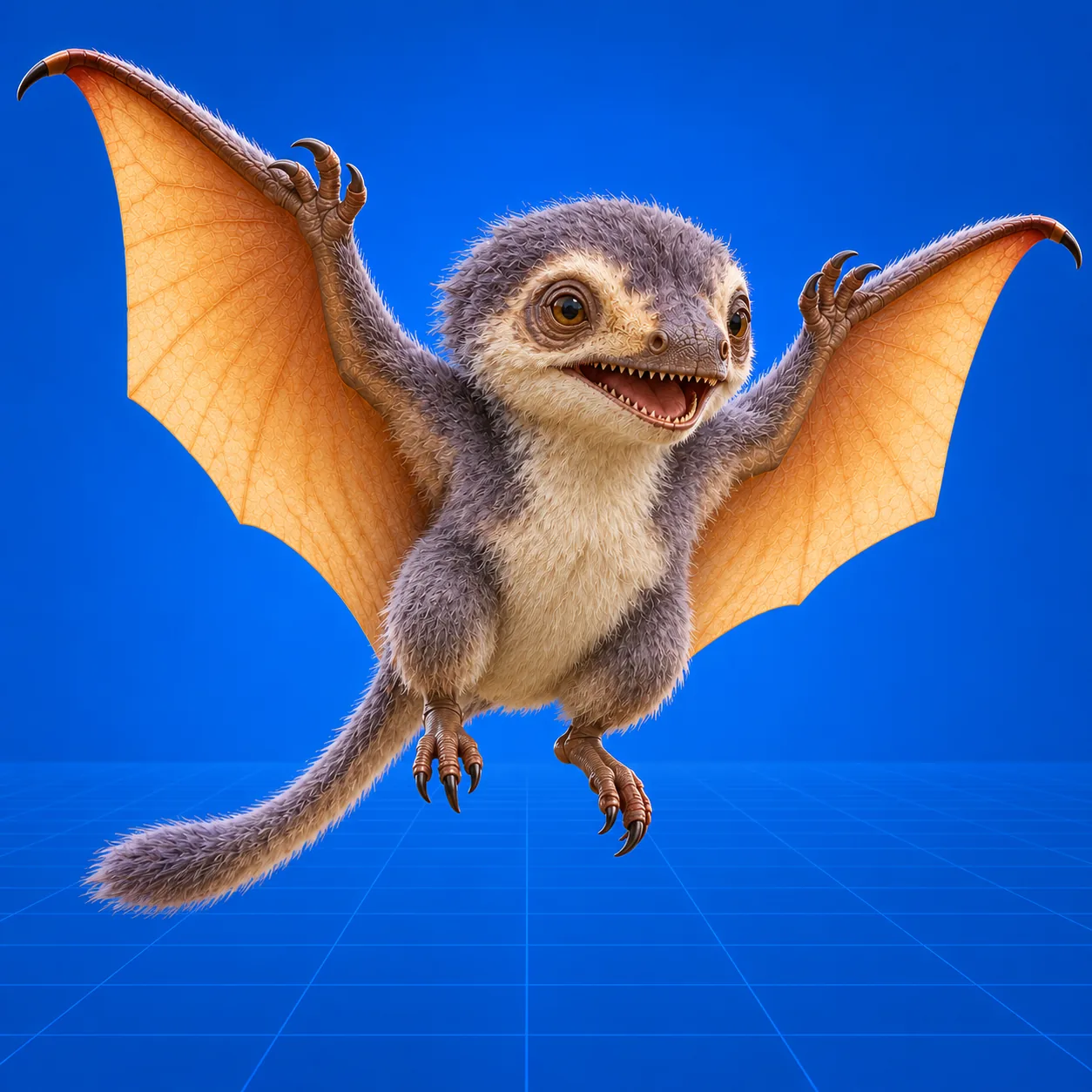 Pterosaur
Jurassic
Cascocauda was a small anurognathid pterosaur with a broad, short head and a distinctive covering of body structures.
Meet CascocaudaPterosaurs were reptiles capable of powered flight. Their wings were membranes supported by a greatly lengthened finger, unlike the feathered wings of birds.
The group included many body sizes and feeding adaptations. Open a profile to explore its own fossil evidence rather than assuming every pterosaur hunted or flew in the same way.
No. Pterosaurs and dinosaurs were related archosaurs, but they were separate groups. Pteranodon and Pterodactylus are pterosaurs, not birds or dinosaurs.
Further reading: Natural History Museum: The truth about pterosaurs
AI-generated, stylized game illustrations. These designs and growth stages are imaginative, not scientific reconstructions. Open a profile for its fossil information and sources.