 Amphibian
Permian
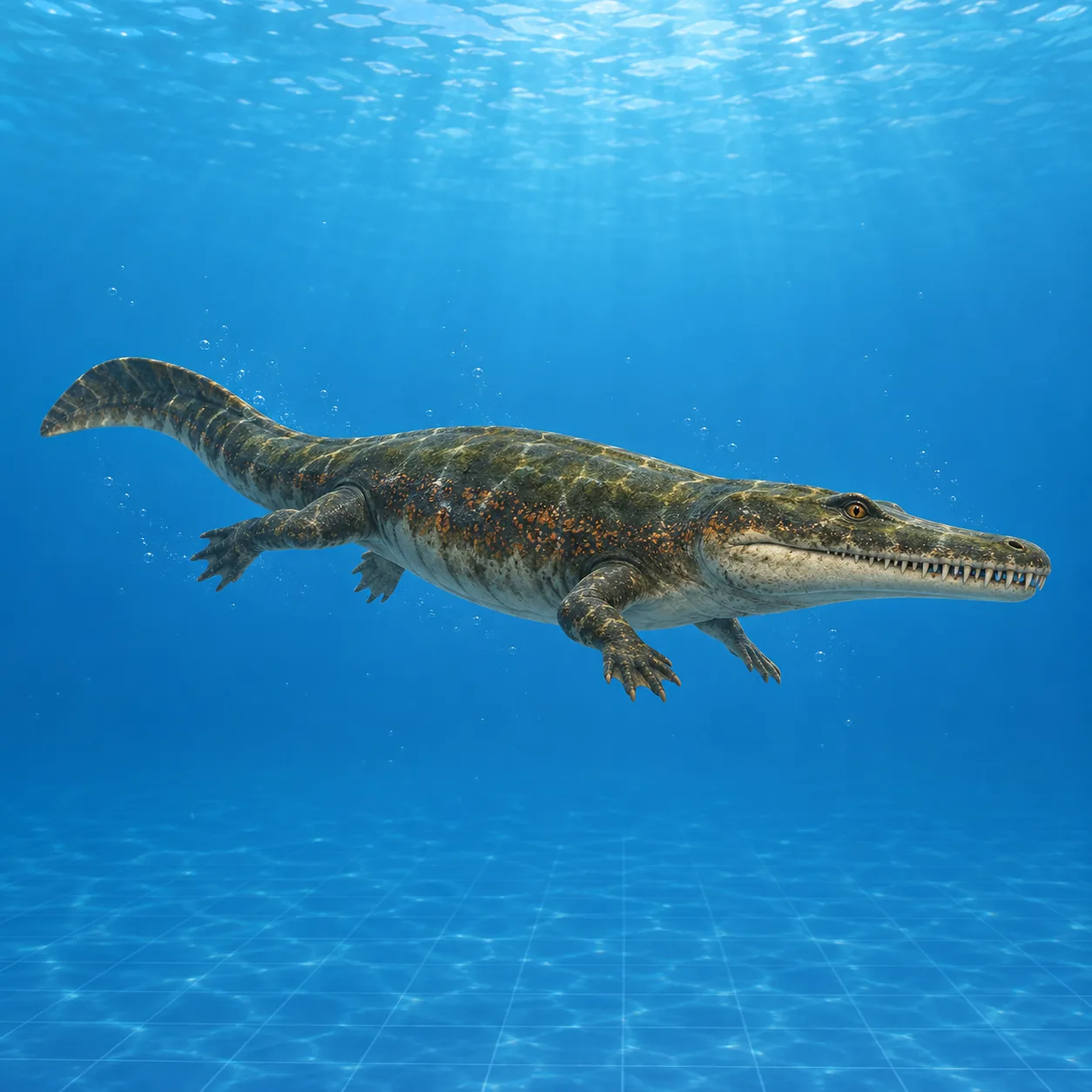
Prionosuchus
Its long snout and sharp teeth are reminiscent of those of a gharial, although it was an amphibian.
Meet Prionosuchus Dinosgacha
Explore the prehistoric world
Limbs did not tell the whole story. Explore extinct amphibians and early tetrapods from the water–land transition and beyond.
Showing 1–8 of 8 creatures
AmphibianPermian
Its long snout and sharp teeth are reminiscent of those of a gharial, although it was an amphibian.
Meet Prionosuchus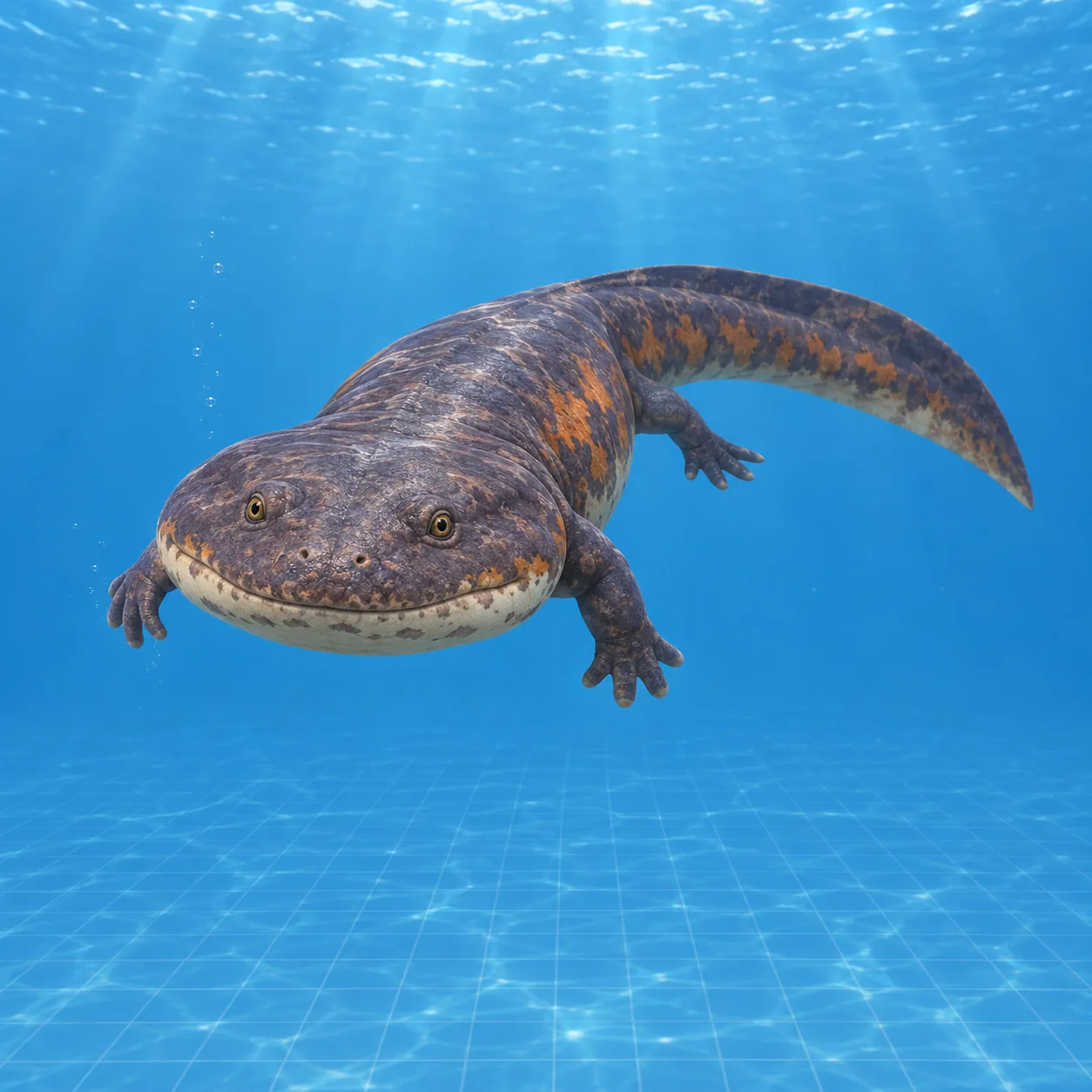 Amphibian
Cretaceous
It was one of the great predators of the Australian Mesozoic, despite being an amphibian.
Meet Koolasuchus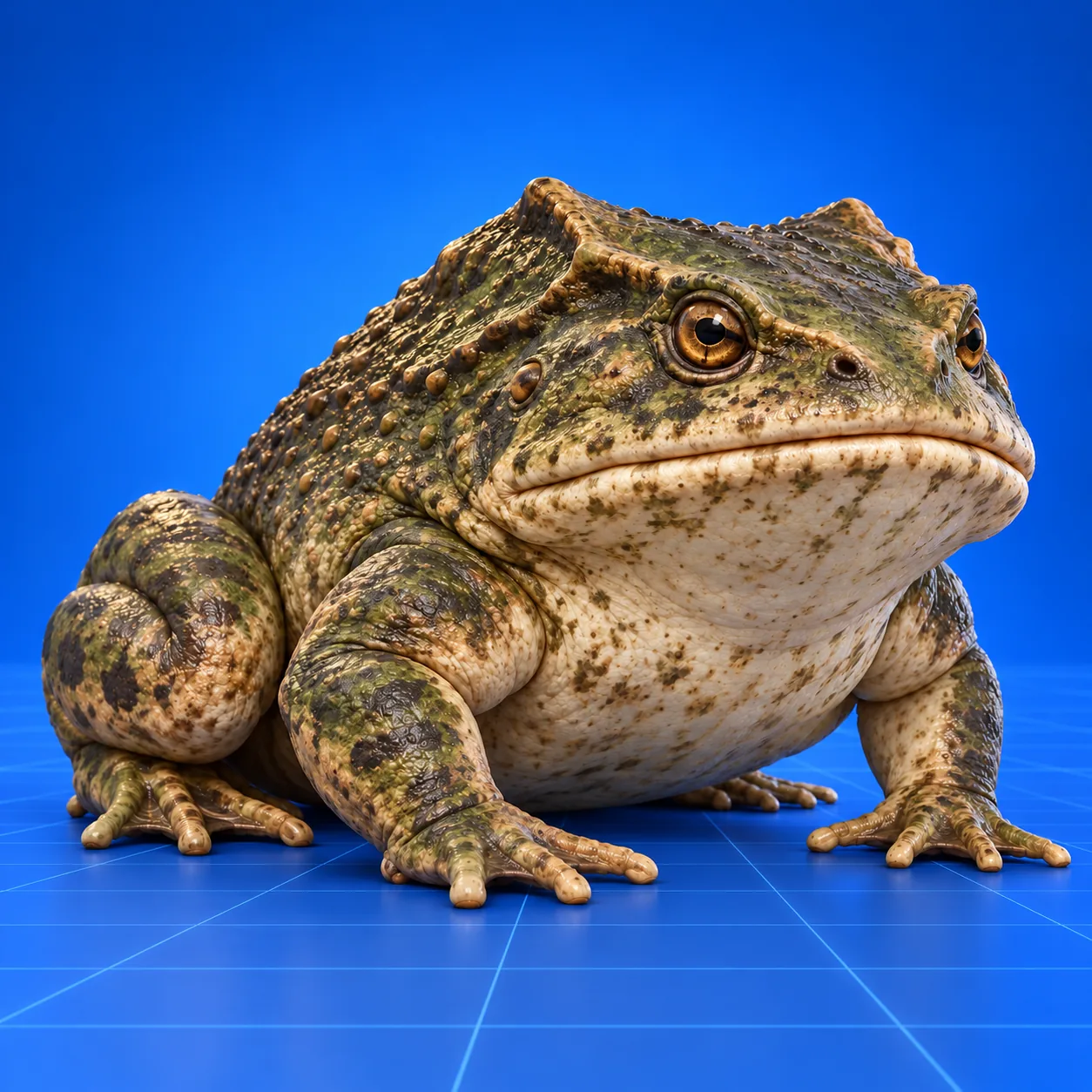 Amphibian
Late Cretaceous
Beelzebufo was a robust frog with a strongly ossified skull.
Meet Beelzebufo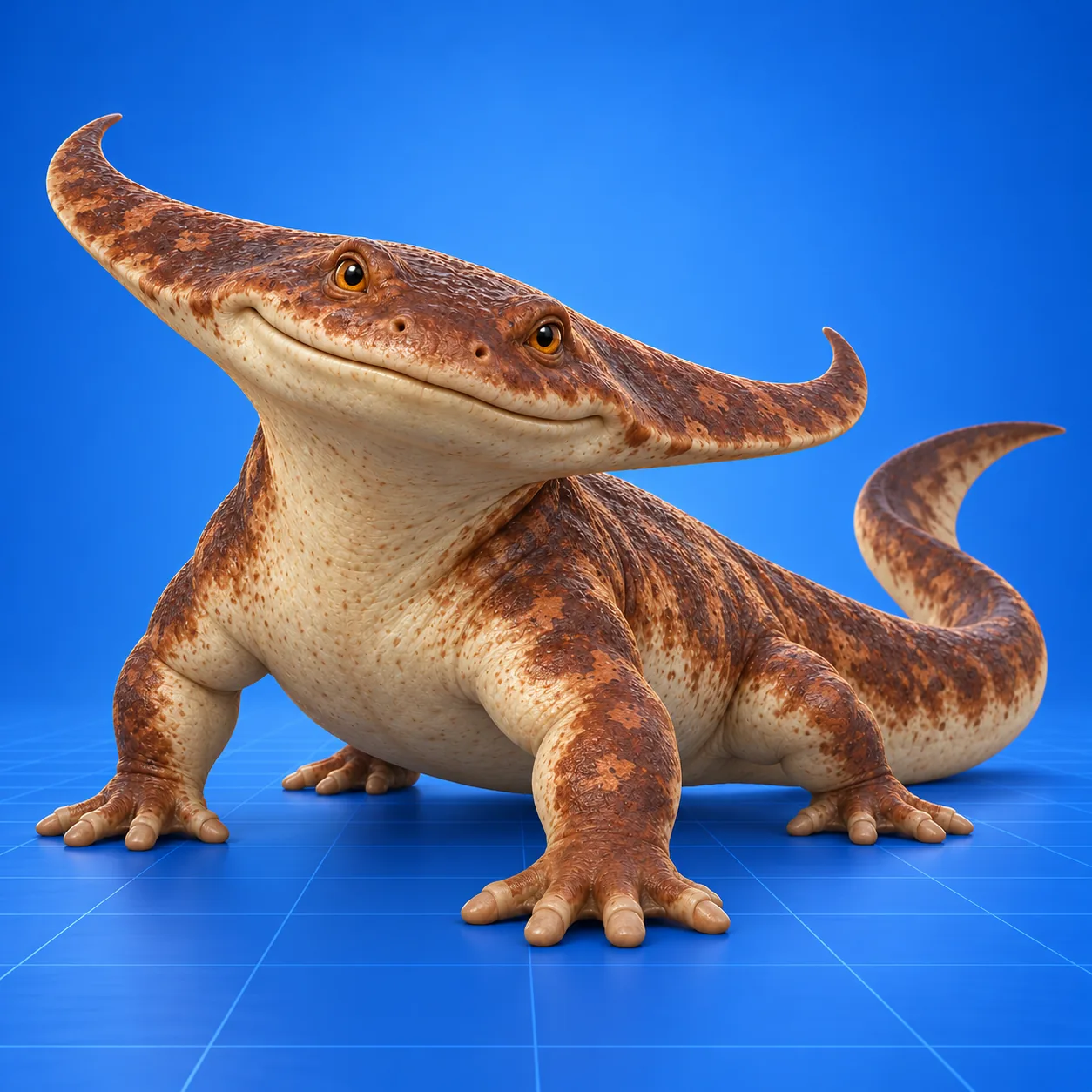 Amphibian
Early Permian
Diplocaulus magnicornis is recognized by the broad, boomerang-like projections at the back of its skull.
Meet Diplocaulus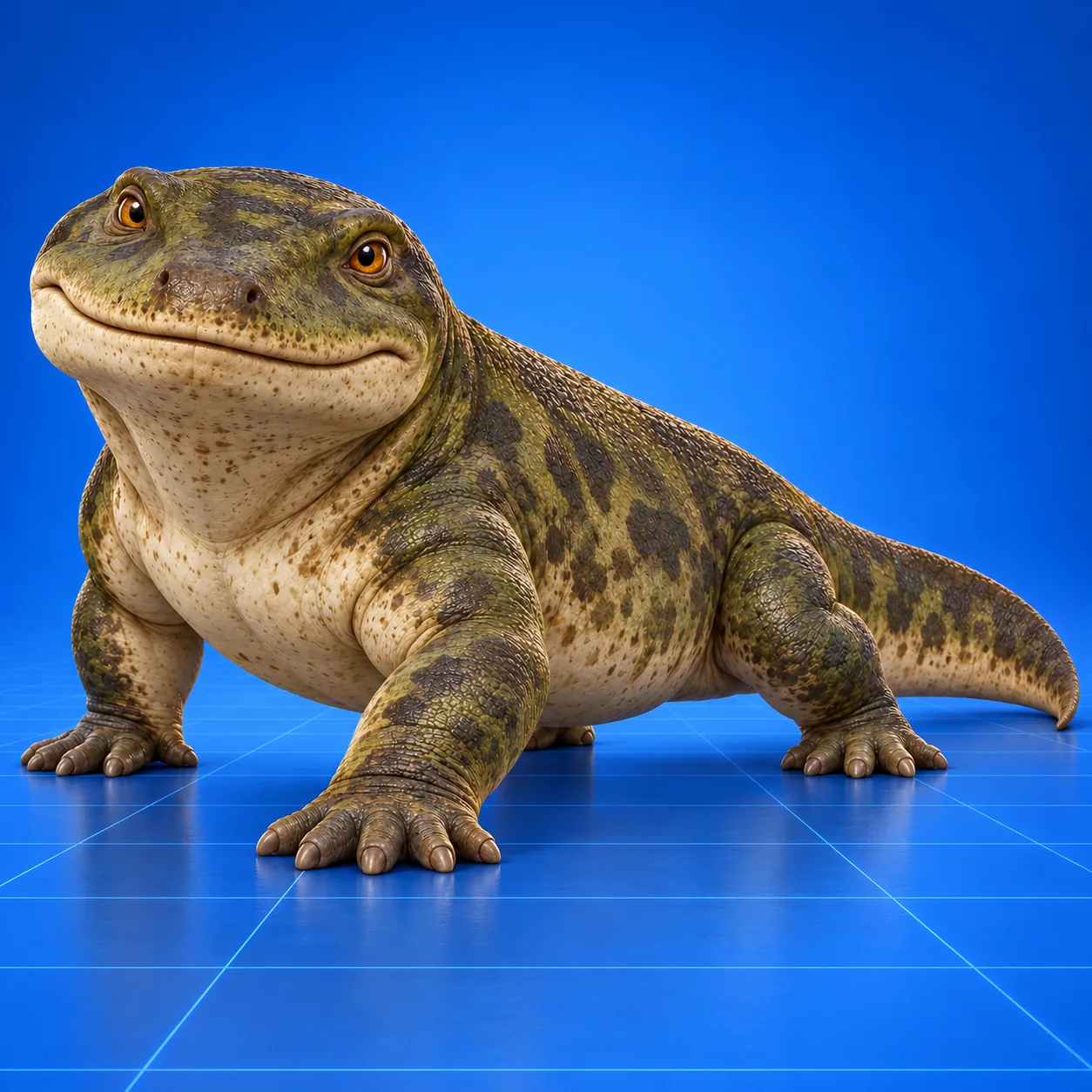 Amphibian
Early Permian
Eryops megacephalus was a robust temnospondyl with a broad skull and strong limbs.
Meet Eryops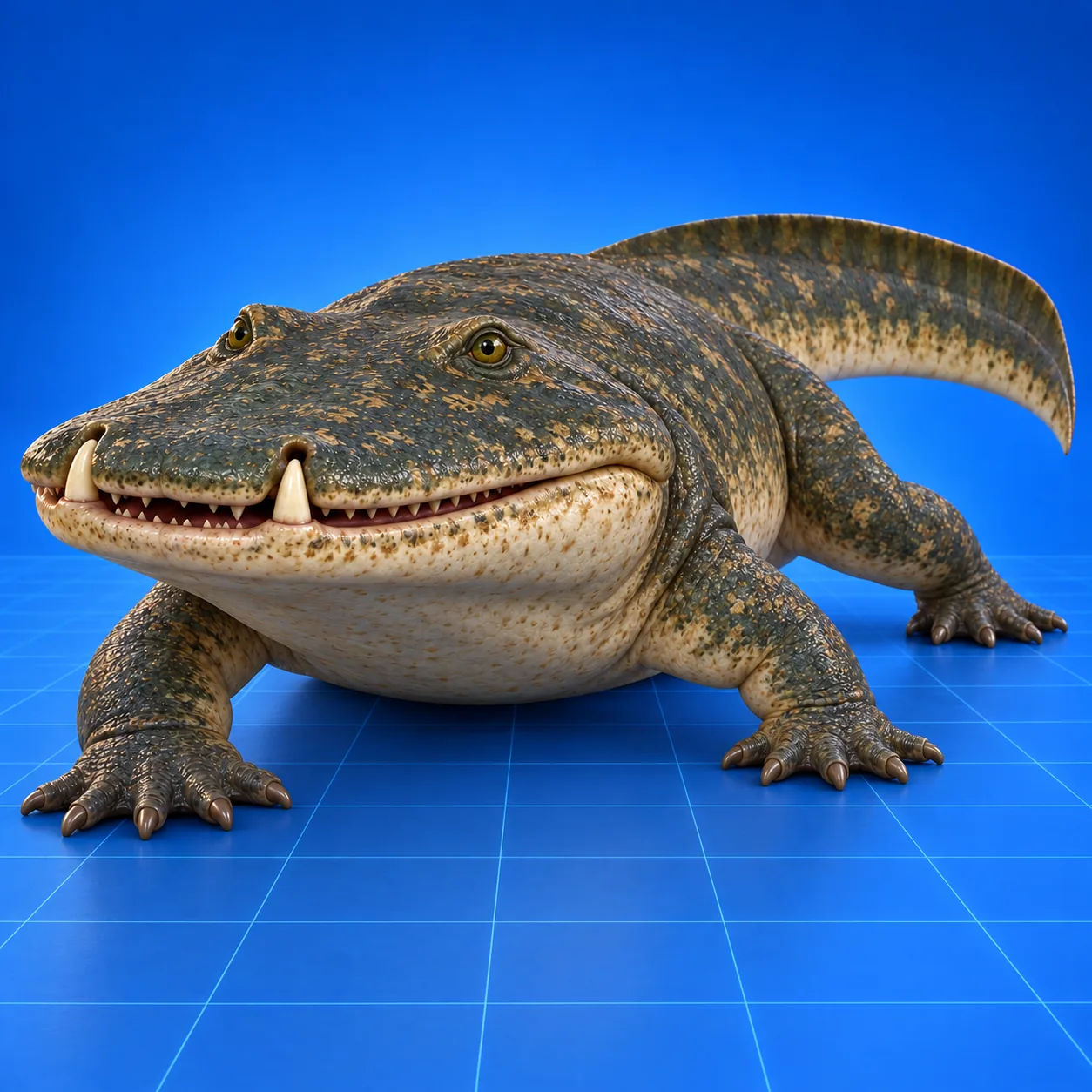 Amphibian
Middle Triassic
Mastodonsaurus giganteus had a huge, flat skull and an aquatic-looking body.
Meet Mastodonsaurus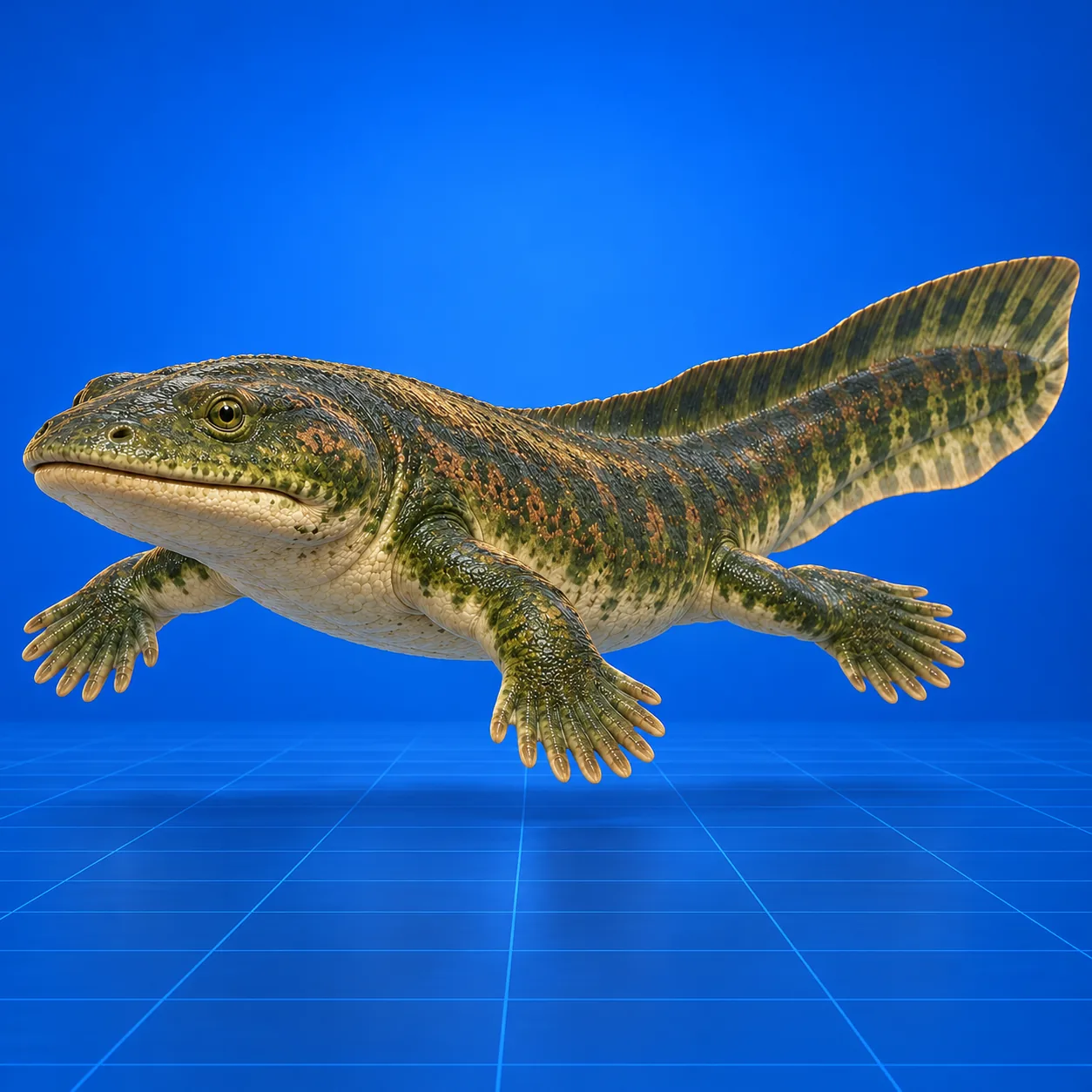 Early tetrapod
Late Devonian
Acanthostega had limbs with eight digits and a tail adapted to life in water.
Meet Acanthostega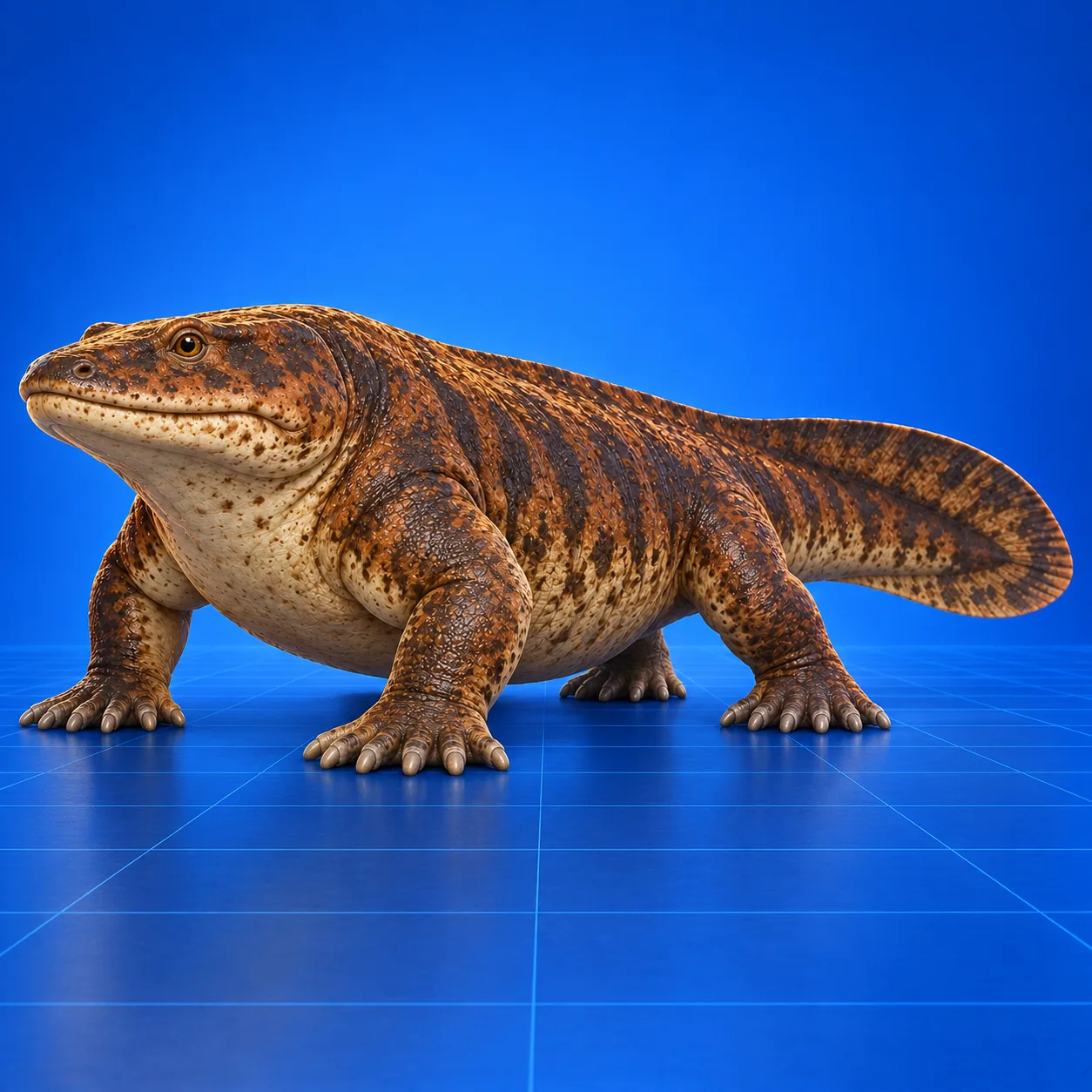 Early tetrapod
Late Devonian
Ichthyostega was an early limbed vertebrate with a deep body and a tail retaining a fin.
Meet IchthyostegaThis browsing group brings together the catalogue’s amphibians and early tetrapods. It does not place every fossil inside the group containing living frogs and salamanders. These animals represent different branches, periods and ways of moving through their environments.
Acanthostega had limbs with digits, yet research on its limb bones indicates that the sampled juveniles lived in water. Ichthyostega had a different combination of adaptations. Fossils show that acquiring limbs and becoming capable of movement on land were not one simple, simultaneous step.
No. Limbs alone do not settle an extinct animal’s lifestyle. Bone structure and the rest of the skeleton matter too; the studied juvenile Acanthostega fossils preserve evidence of an aquatic early life.
Further reading: Sanchez and colleagues: Acanthostega life history · Ahlberg: A new look at the origin of tetrapods
AI-generated, stylized game illustrations. These designs and growth stages are imaginative, not scientific reconstructions. Open a profile for its fossil information and sources.