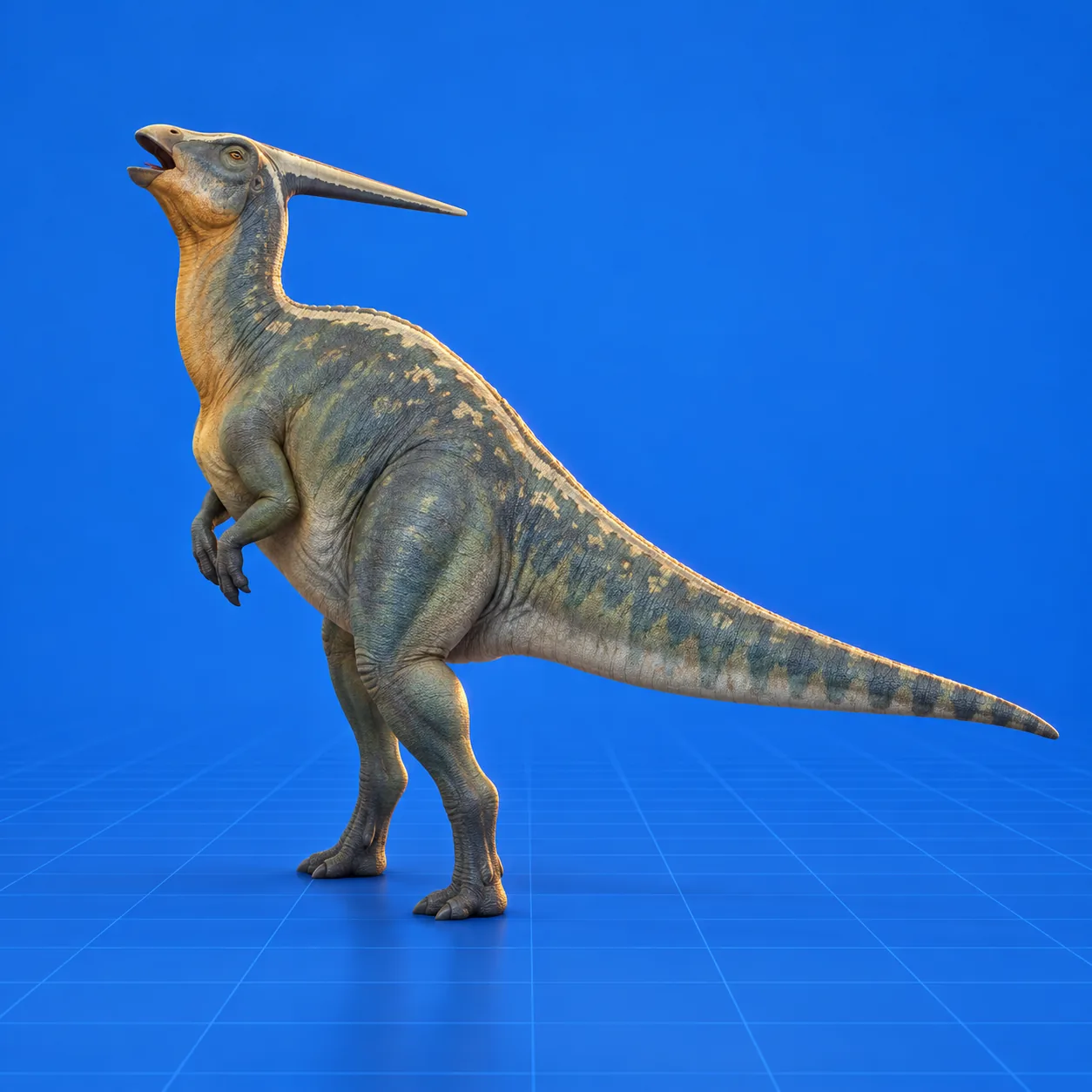
 Dinosaur
Cretaceous
Saurolophus
It had a bony crest projecting upward and backward from the skull.
Meet Saurolophus Dinosgacha
The Dinosgacha encyclopedia
Discover dinosaurs, extinct plants, other animals and fictional game companions. Explore their stories and see all three stages of their artwork.
Showing 217–240 of 578 creatures
DinosaurCretaceous
It had a bony crest projecting upward and backward from the skull.
Meet Saurolophus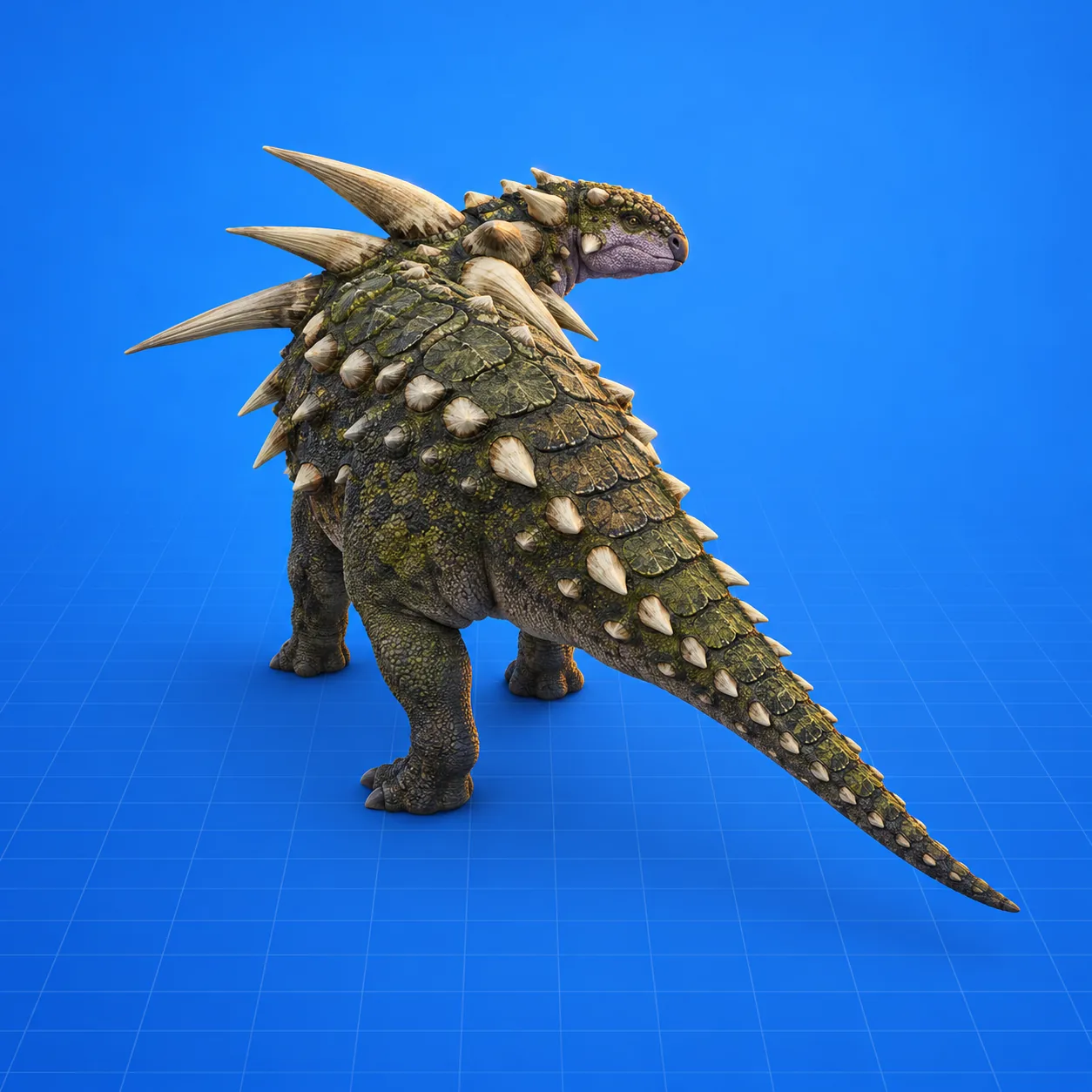 Dinosaur
Cretaceous
Its tail made up about half its total body length.
Meet Sauropelta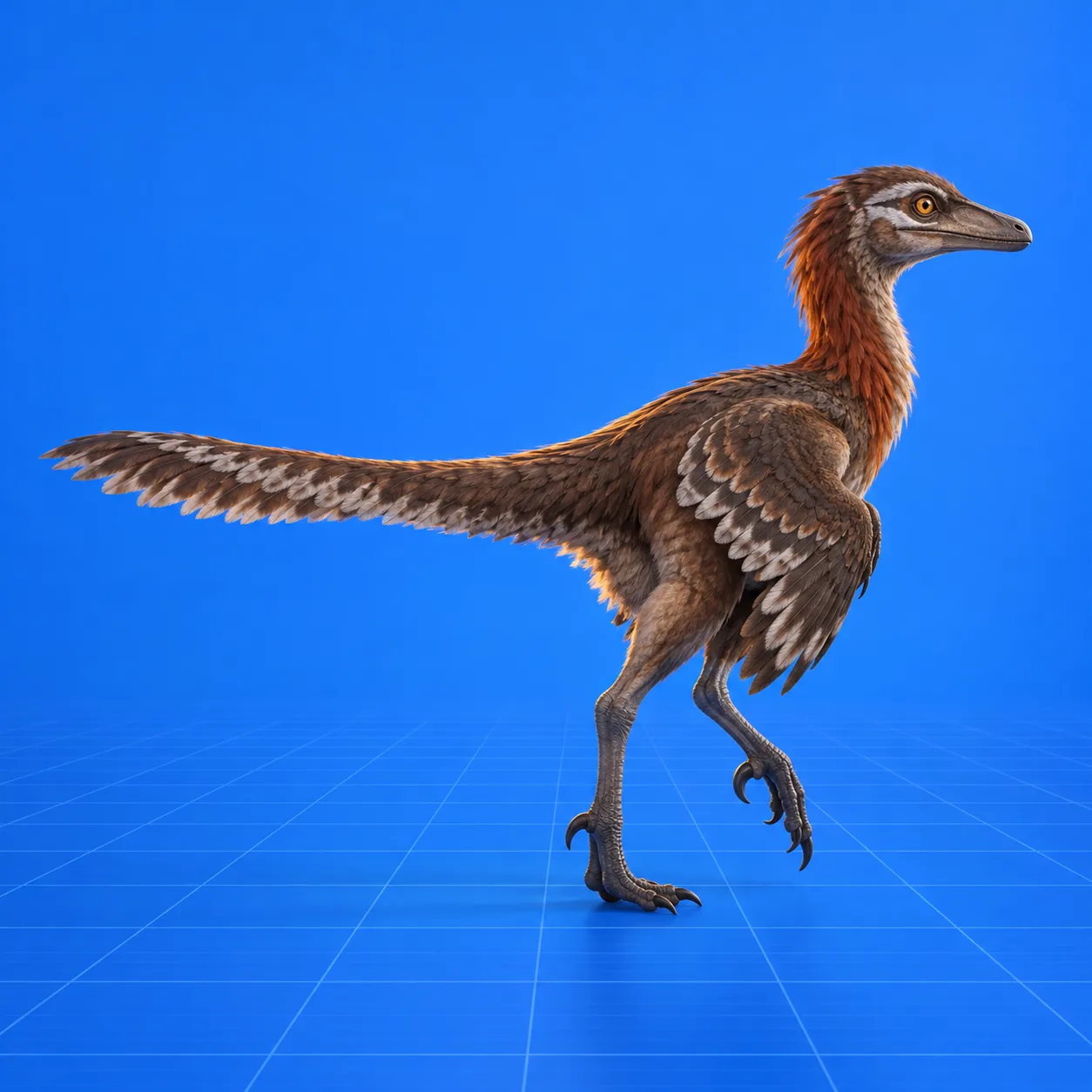 Dinosaur
Cretaceous
Its name combines the Greek words for "lizard", "bird" and "form".
Meet Saurornithoides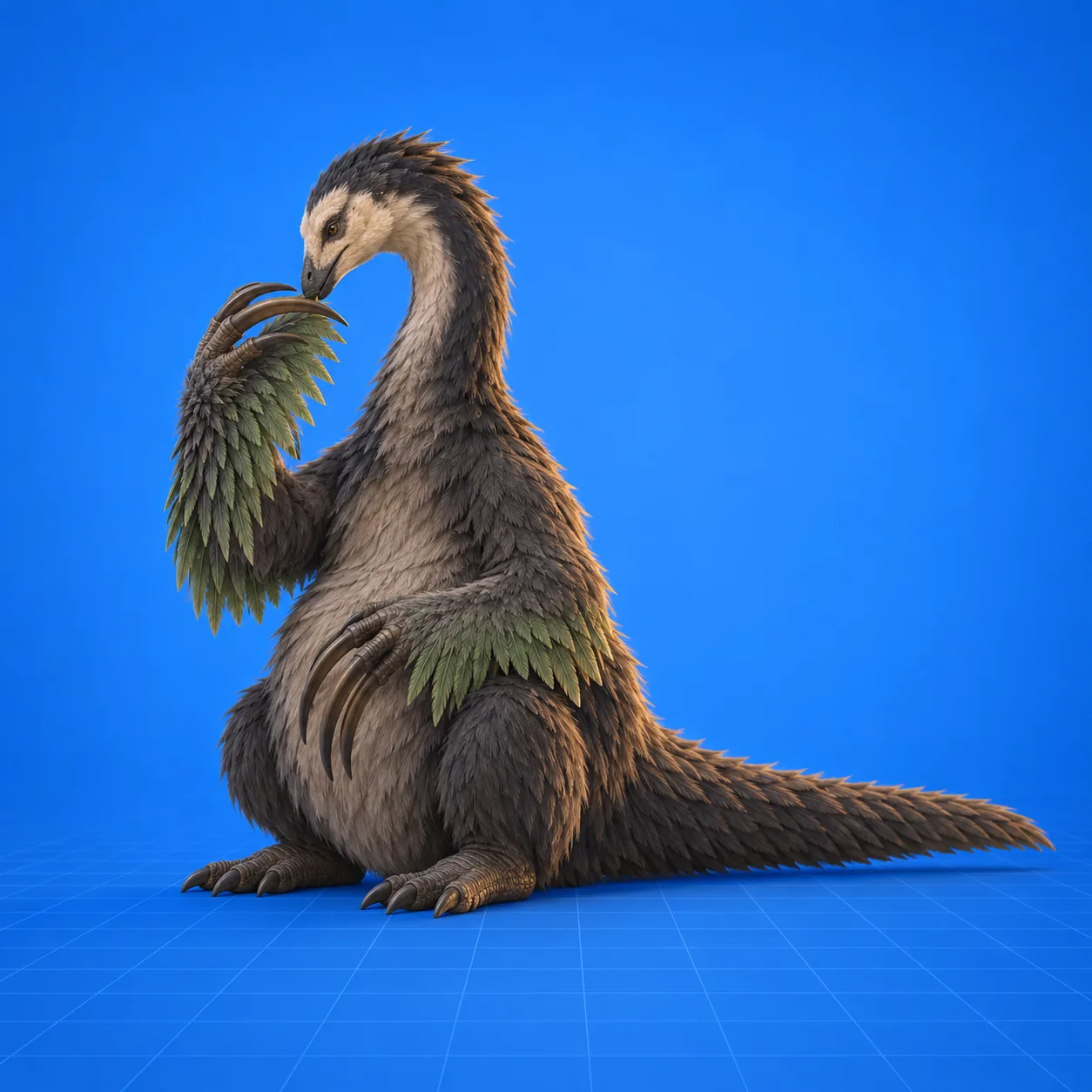 Dinosaur
Cretaceous
Its anatomy is related to browsing: long neck and arms, beak and great digestive capacity.
Meet Segnosaurus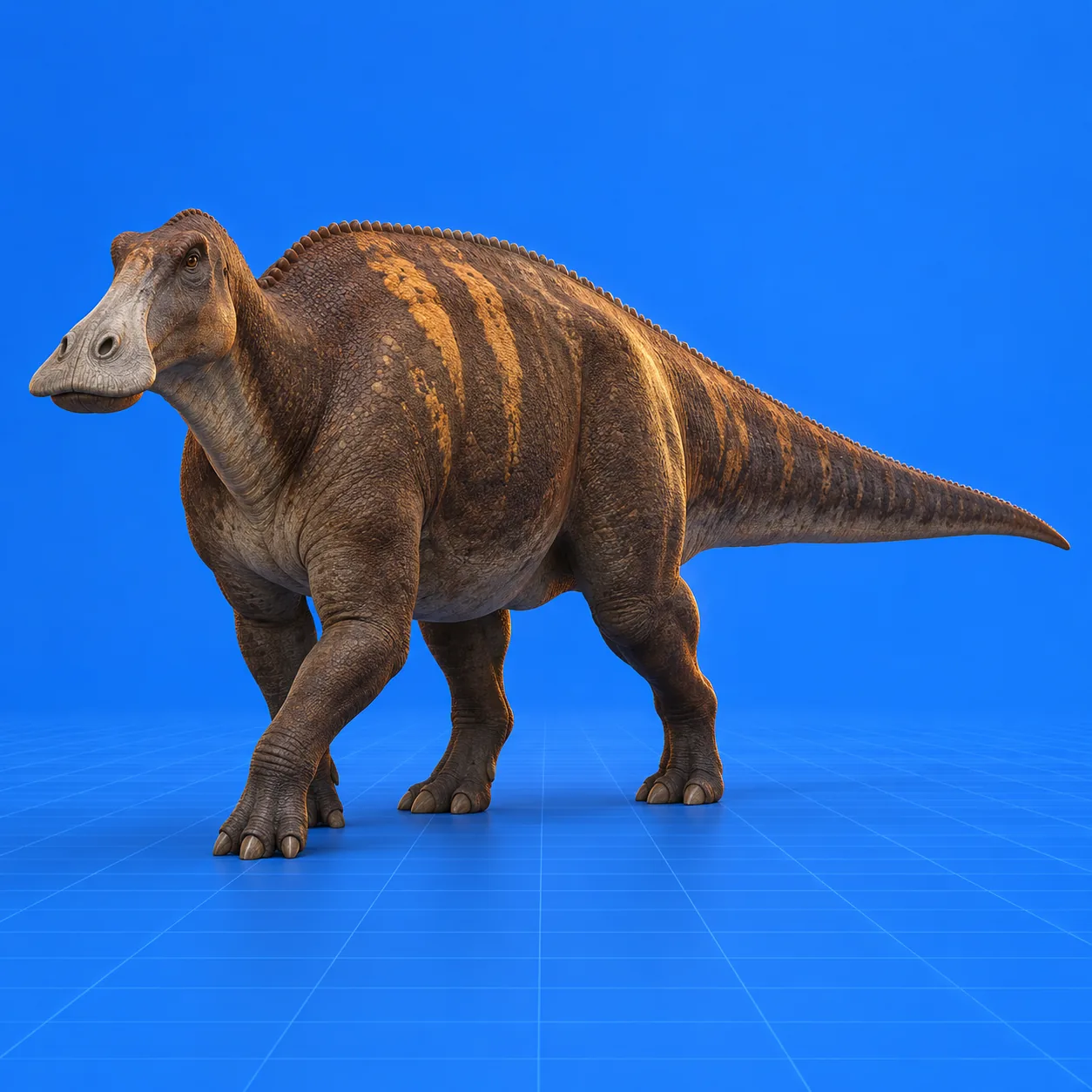 Dinosaur
Cretaceous
One known skull is about 1.63 meters long.
Meet Shantungosaurus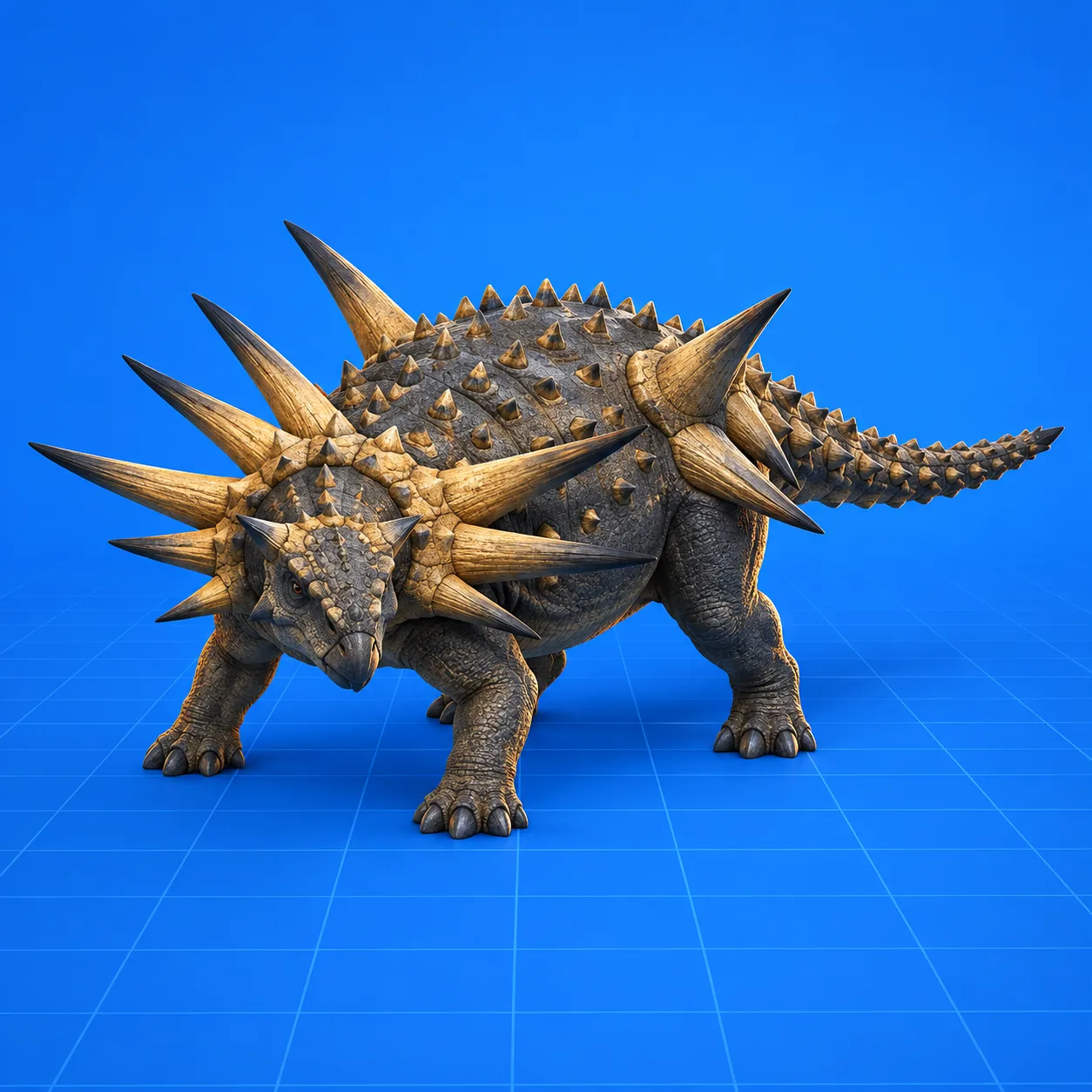 Dinosaur
Jurassic
The species Spicomellus afer was scientifically described in 2021.
Meet Spicomellus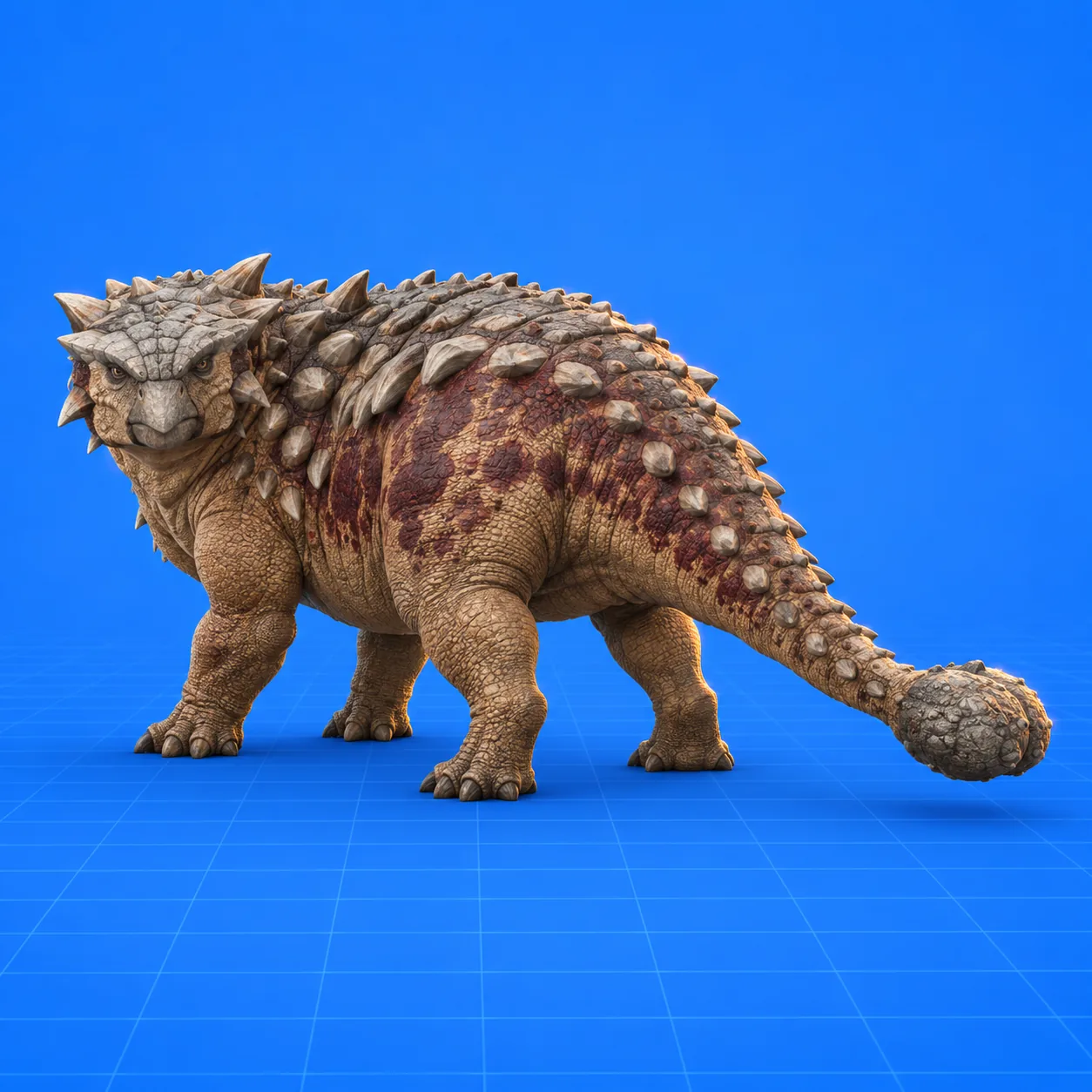 Dinosaur
Cretaceous
One skull preserves tooth marks attributed to a tyrannosaurid.
Meet Tarchia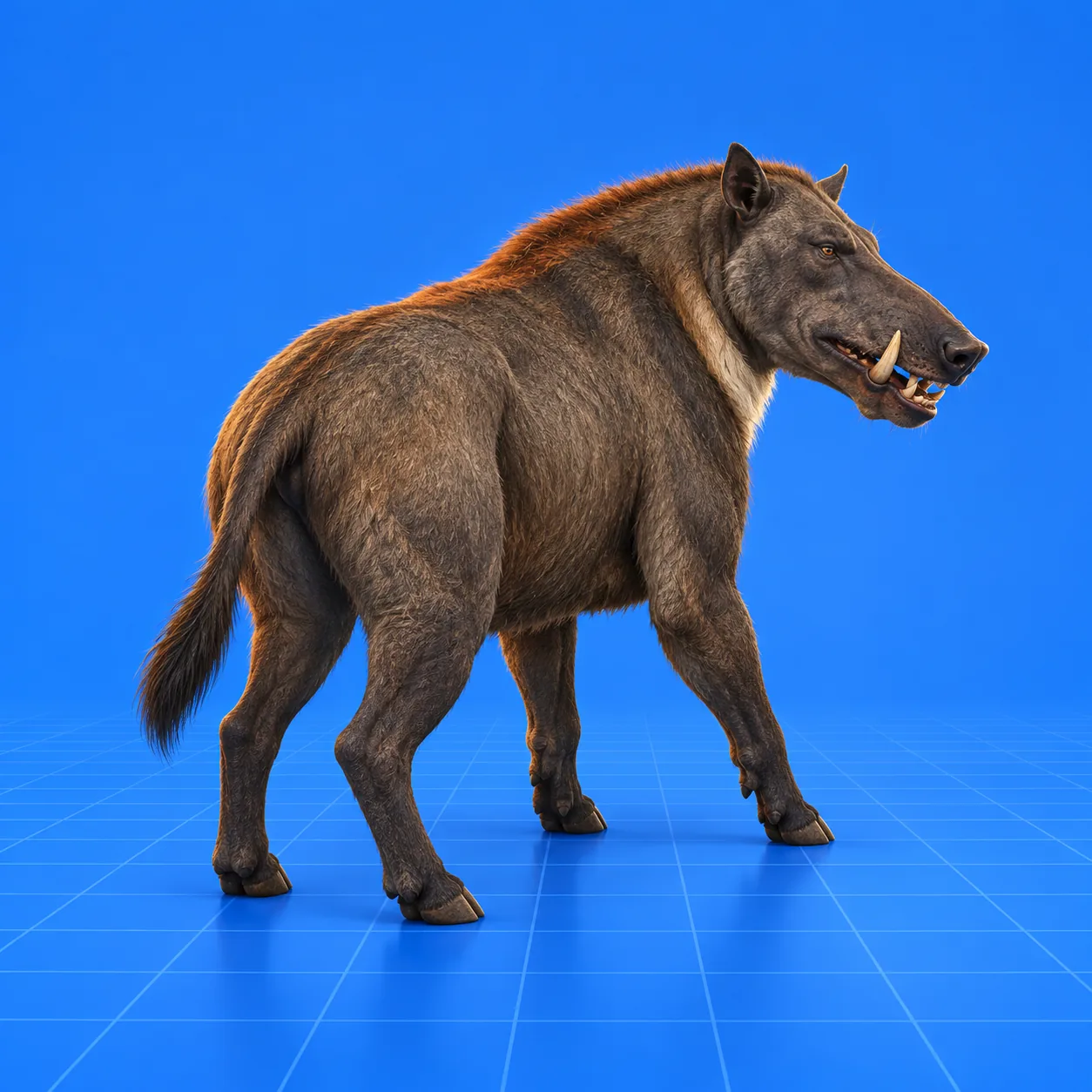 Mammal
Paleogene
The specimen that gave rise to its name is a large skull discovered in 1923.
Meet Andrewsarchus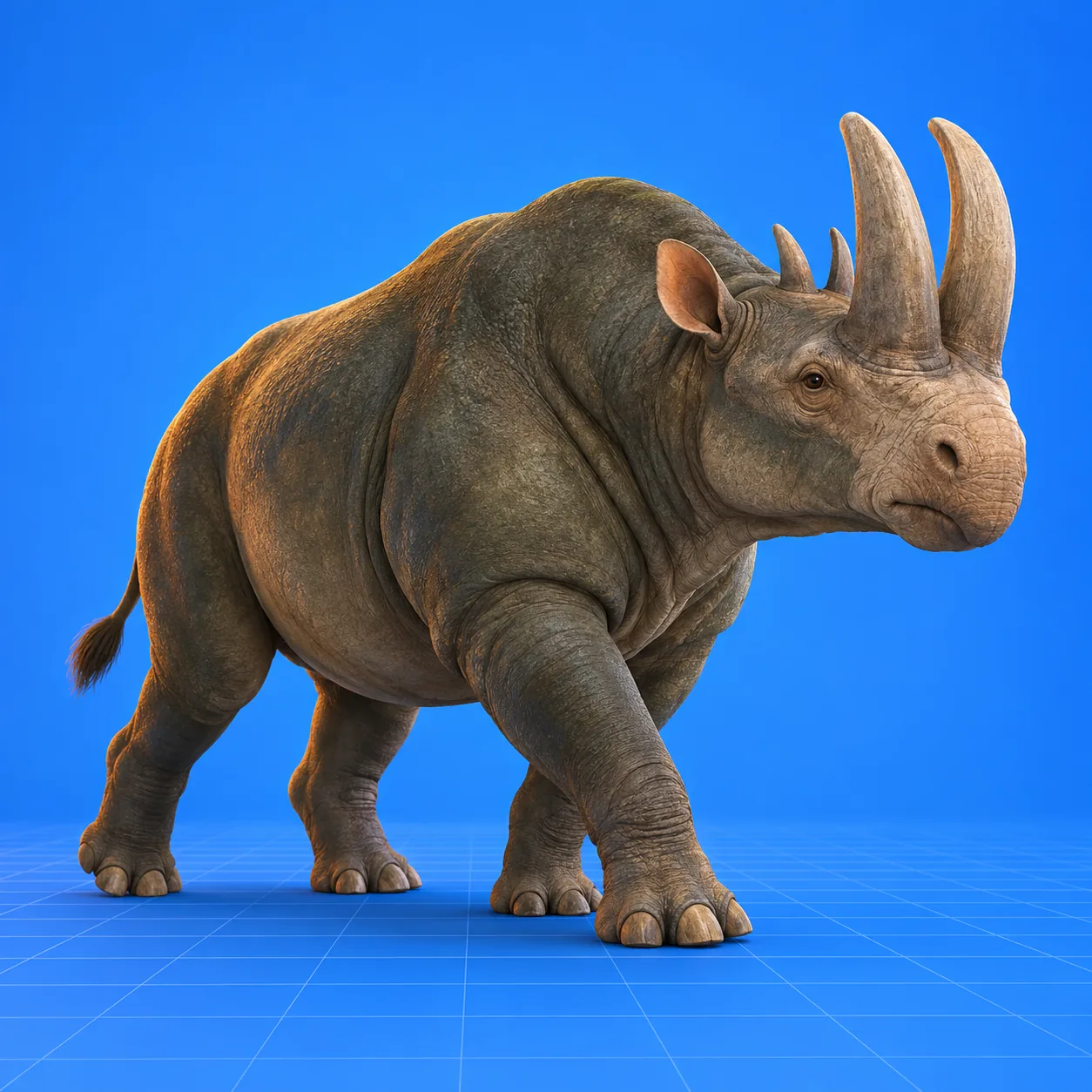 Mammal
Paleogene
It had a pair of large horns on its snout.
Meet Arsinoitherium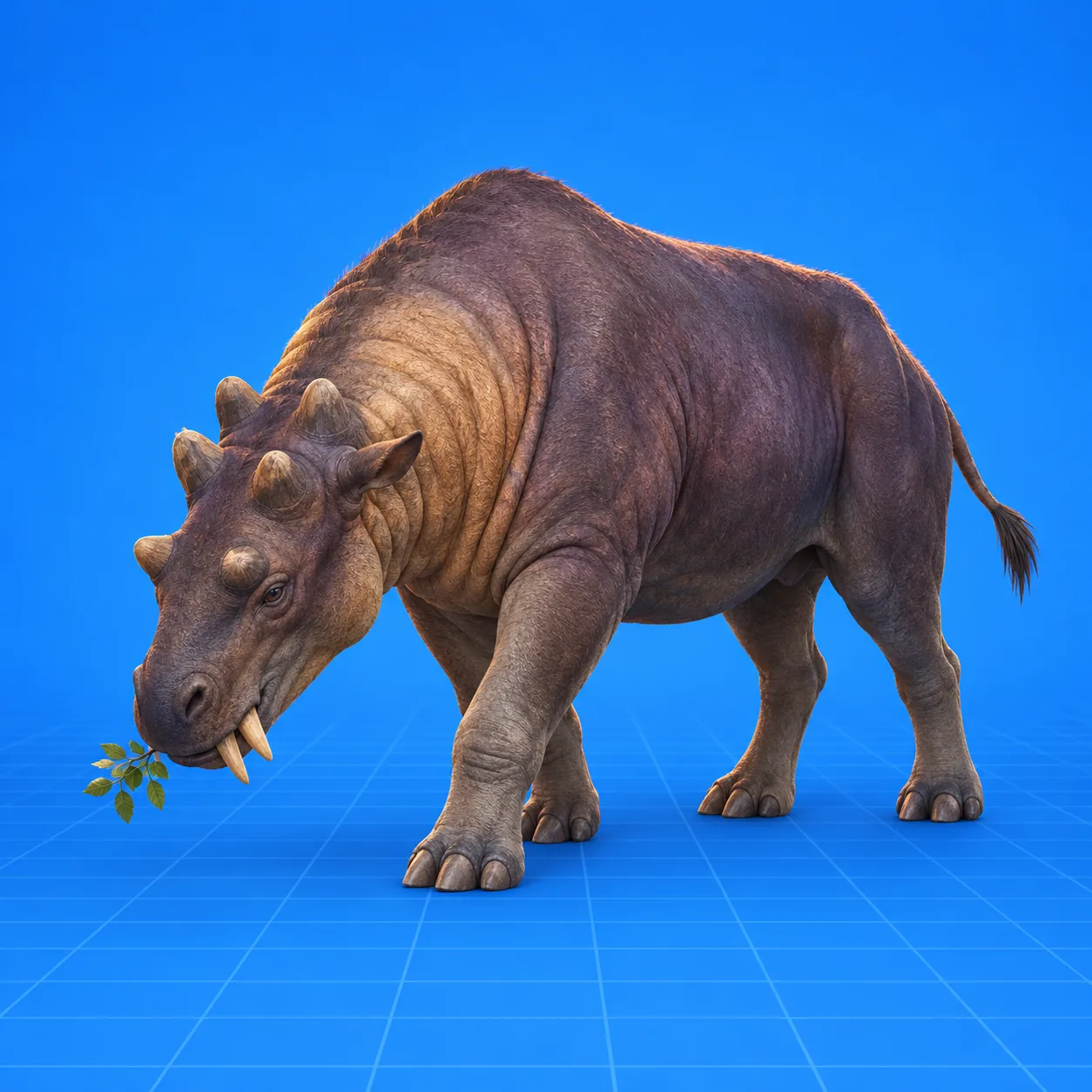 Mammal
Paleogene
Its long canine teeth did not make it a meat-eater: it ate plants.
Meet Uintatherium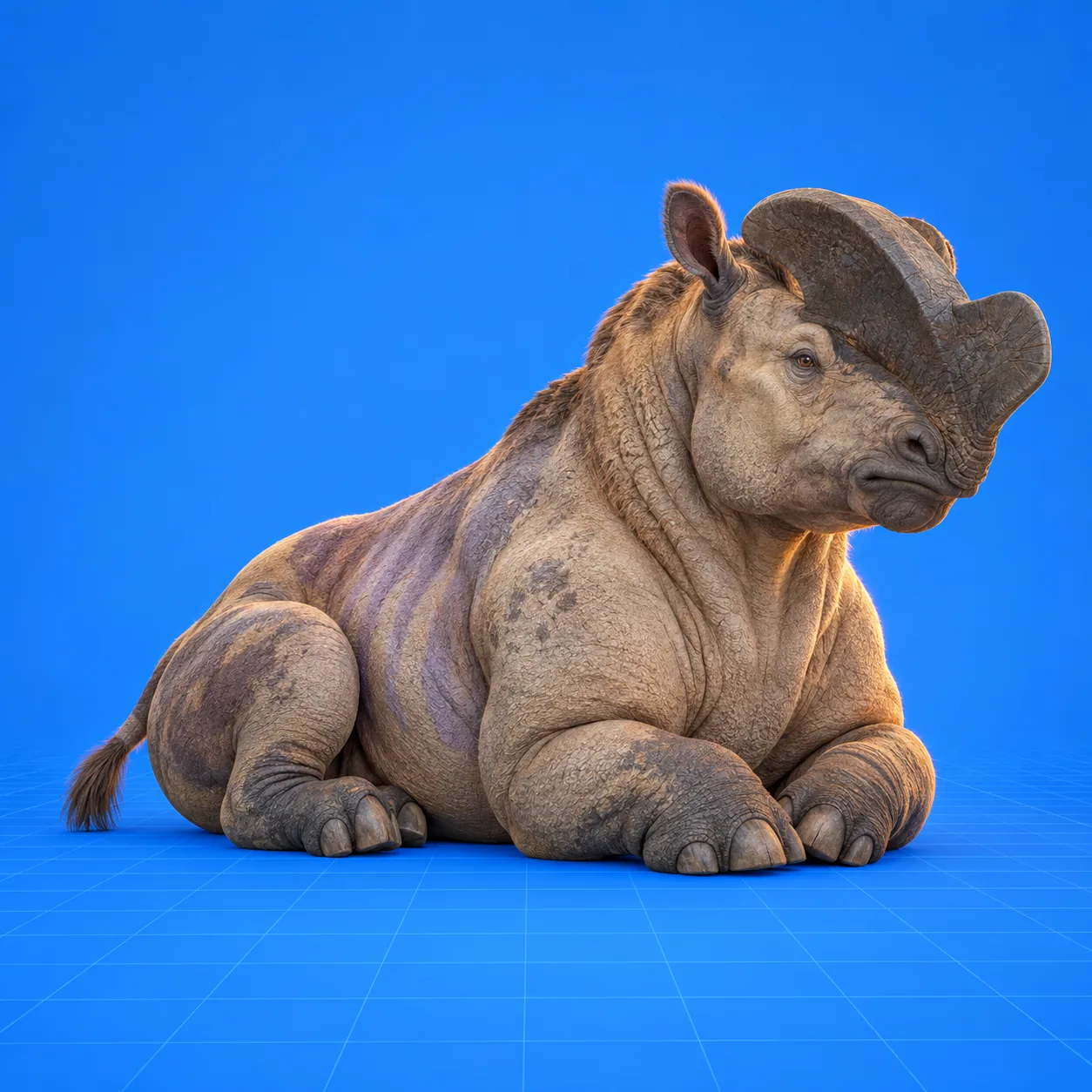 Mammal
Paleogene
It could reach about 2.5 meters in height at the withers.
Meet Embolotherium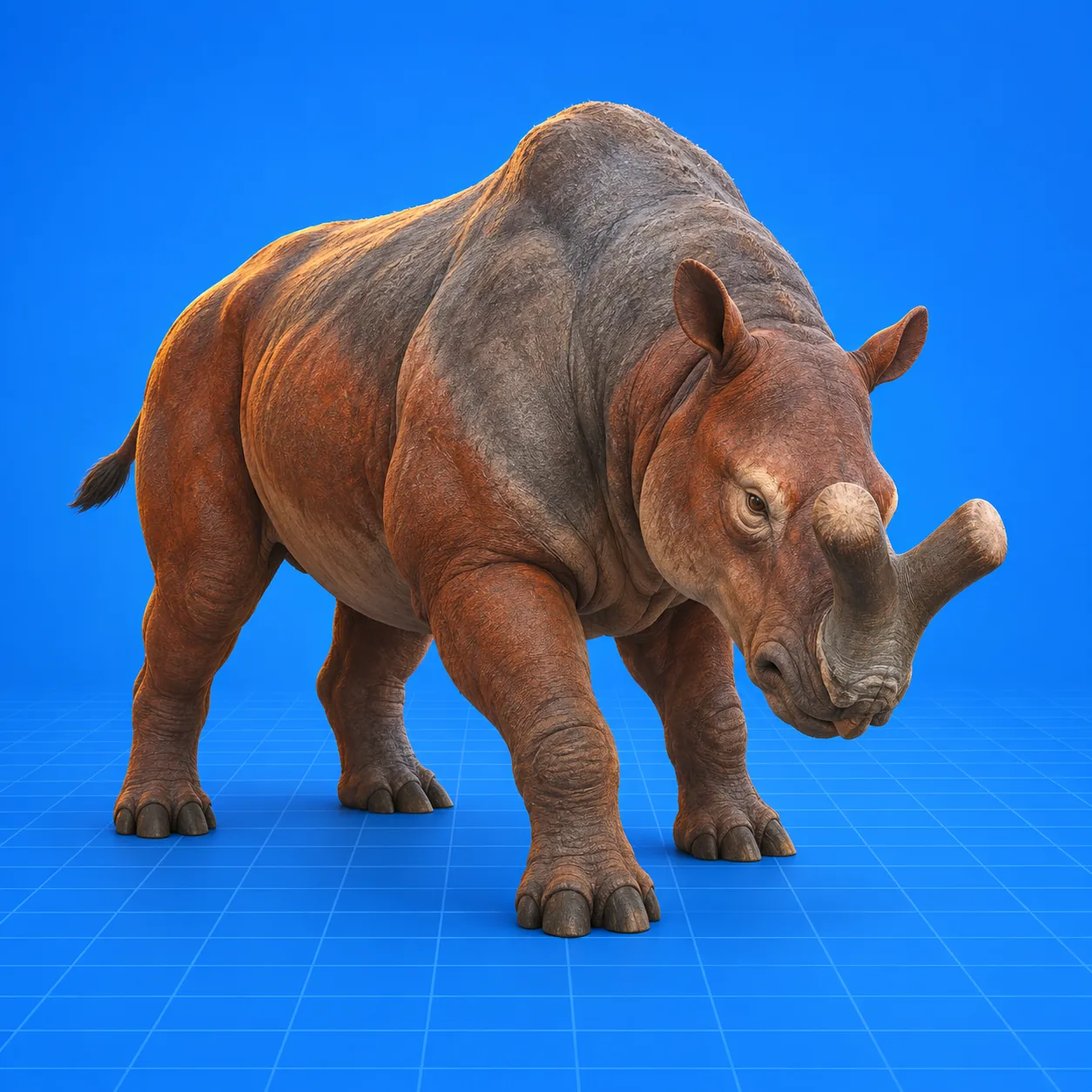 Mammal
Paleogene
Their horns were larger in males than in females, an example of sexual dimorphism.
Meet Megacerops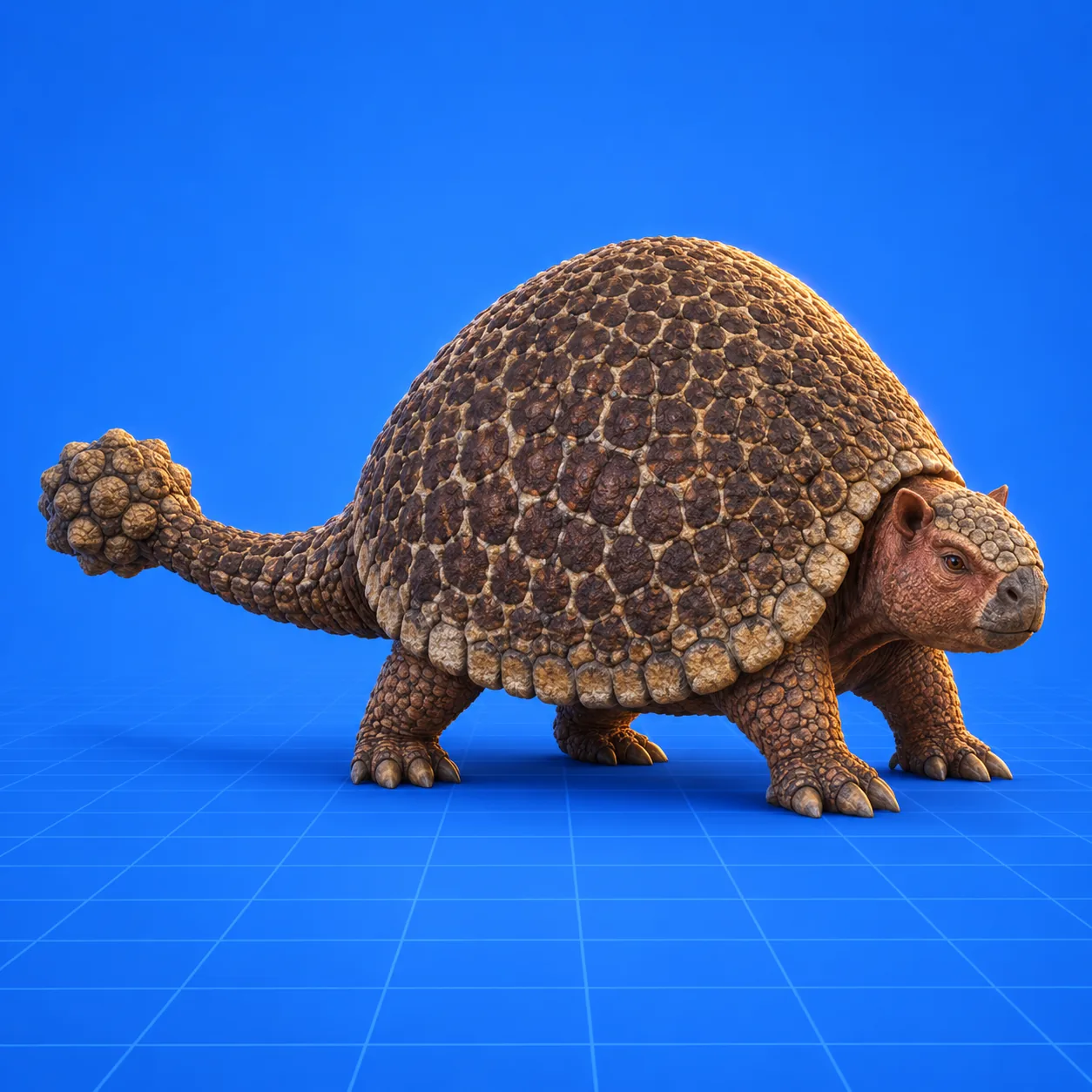 Mammal
Quaternary
Some cracks in fossil armor have been linked to tail blows from other animals in this group.
Meet Doedicurus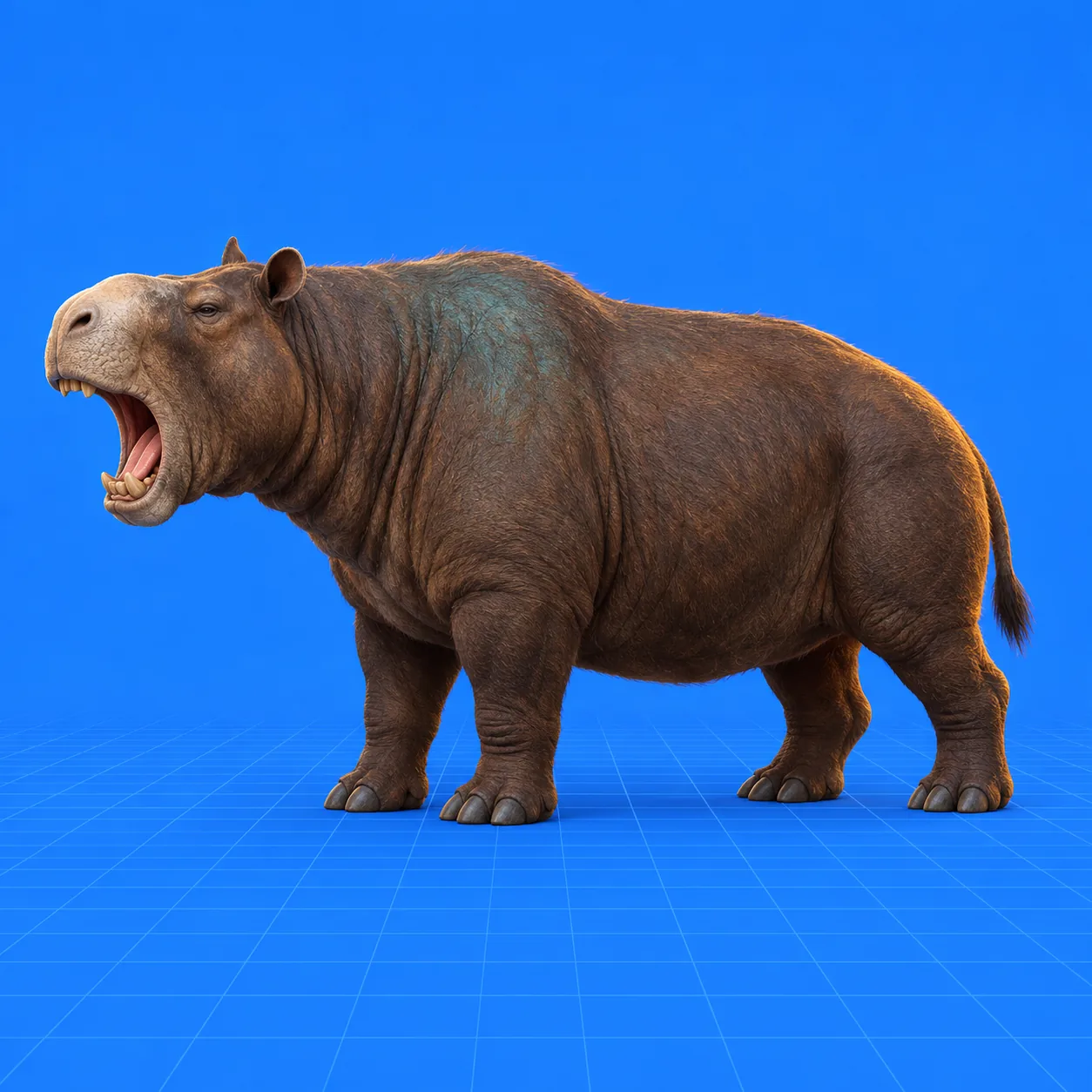 Mammal
Neogene / Quaternary
Its scientific name is also written as “toxodonte” in Spanish.
Meet Toxodon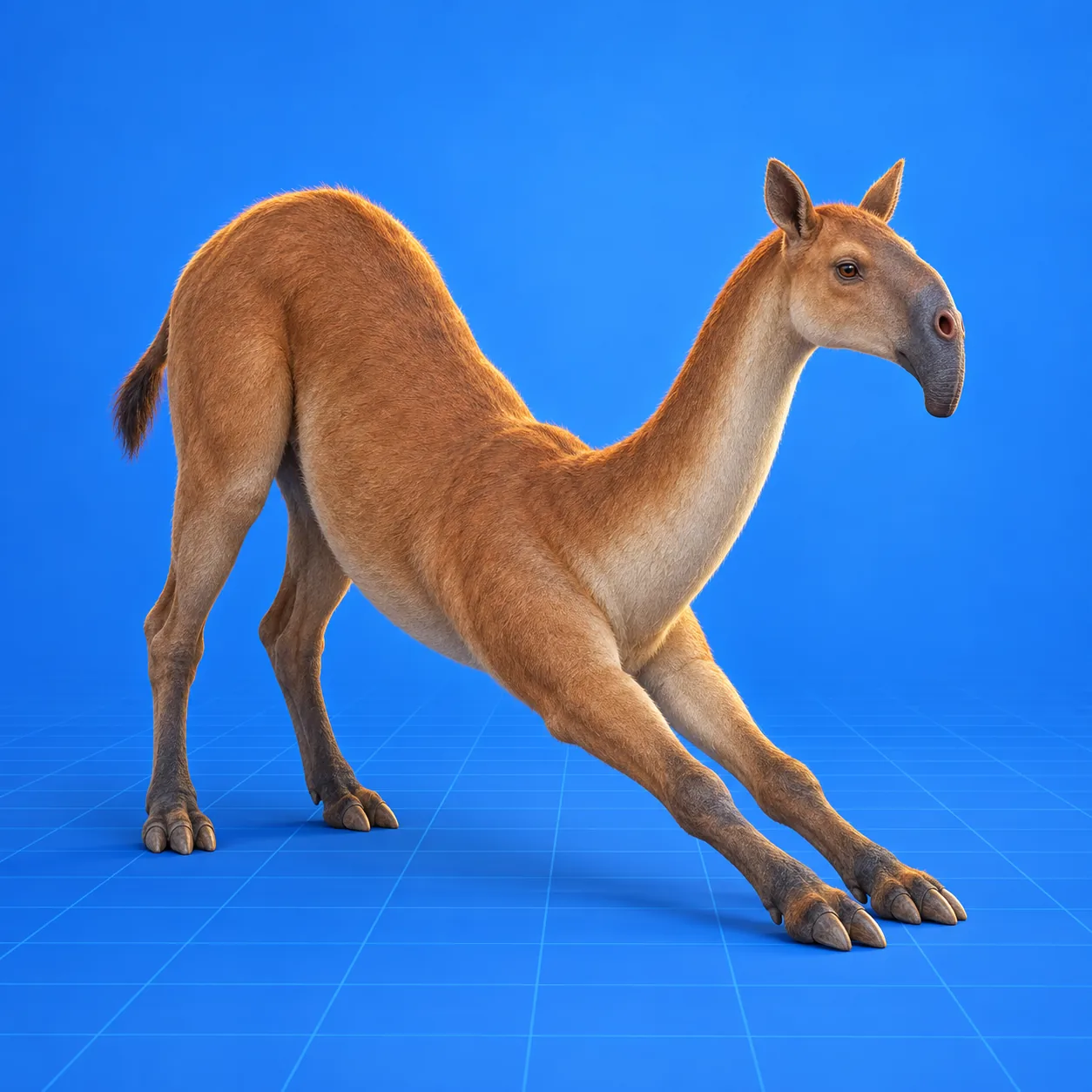 Mammal
Neogene / Quaternary
The best known species is Macrauchenia patachonica.
Meet Macrauchenia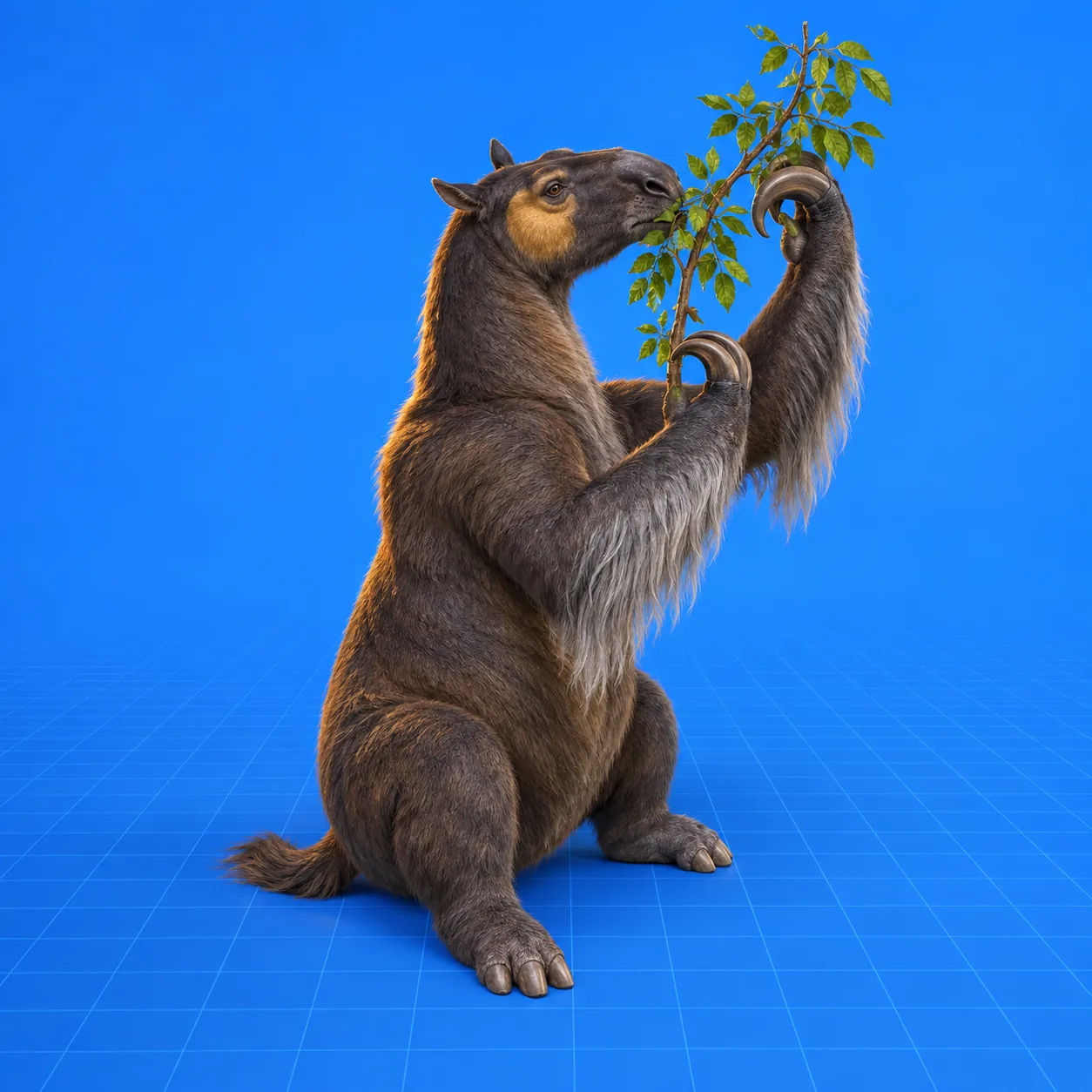 Mammal
Neogene
It ate plants and had long claws on its front feet.
Meet Chalicotherium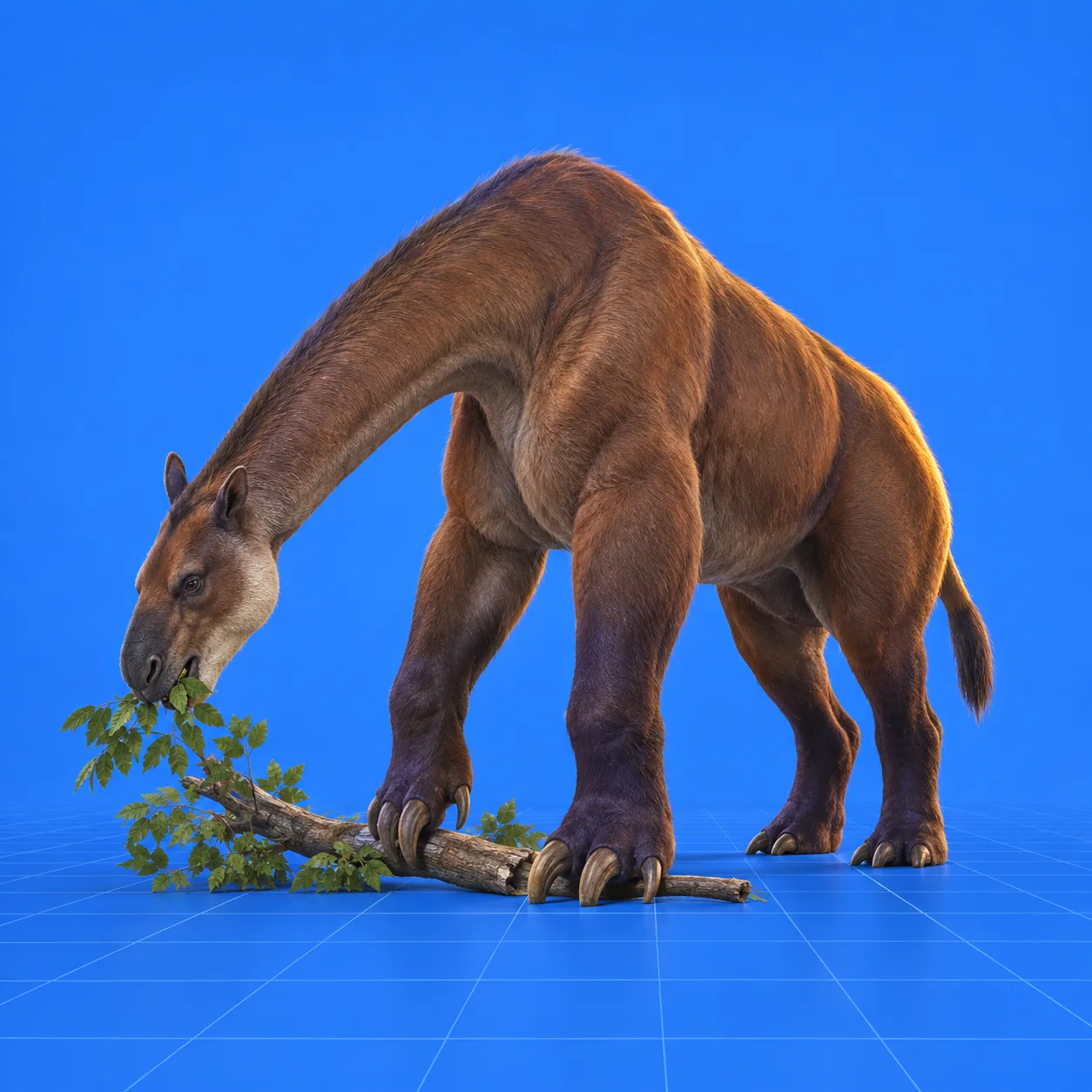 Mammal
Neogene
Its name means "slow foot", although the name alone does not demonstrate its speed.
Meet Moropus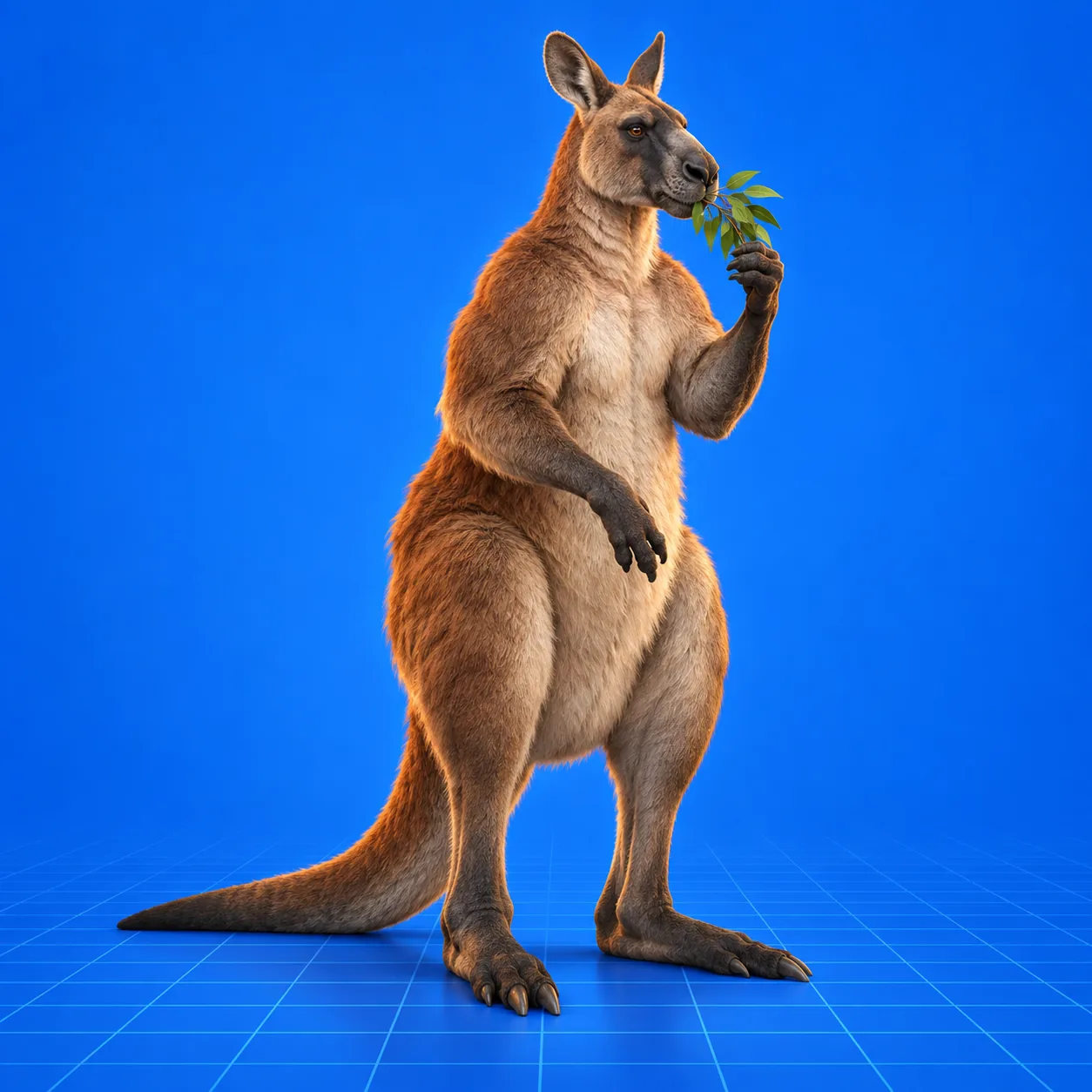 Mammal
Quaternary
Procoptodon goliah was the largest known kangaroo, although other species of the genus were much smaller.
Meet Procoptodon goliah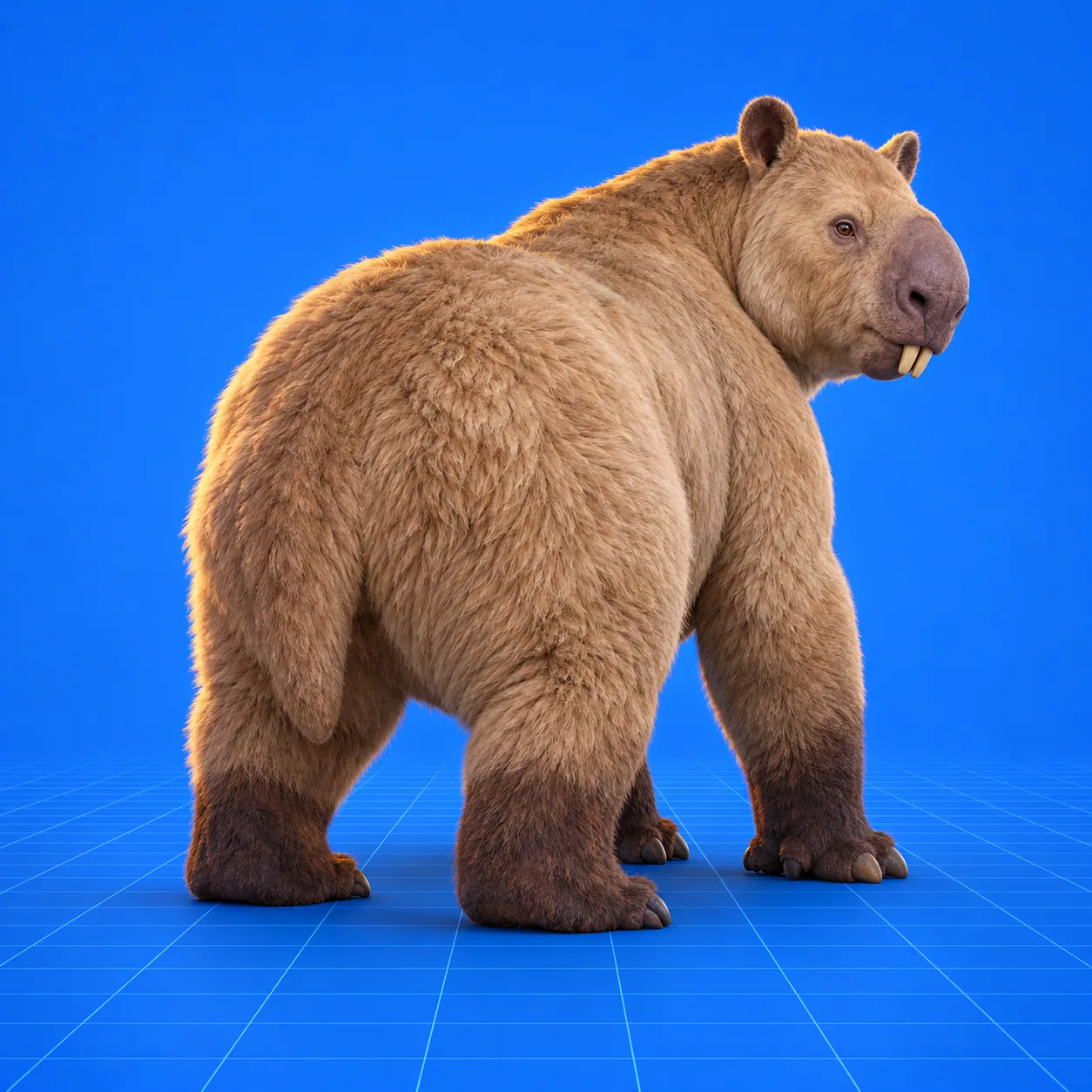 Mammal
Quaternary
It was related to today's wombats and koalas.
Meet Diprotodon optatum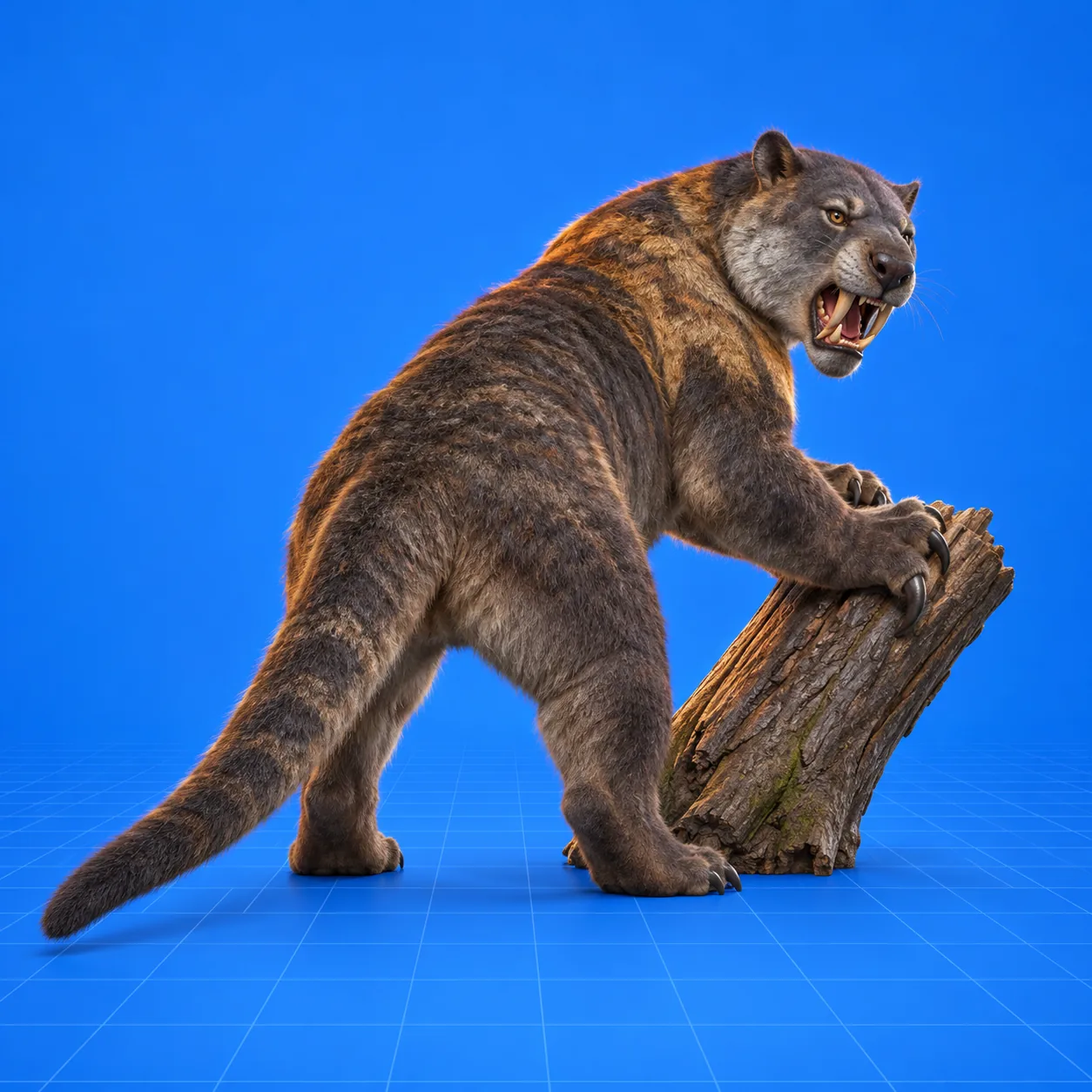 Mammal
Neogene / Quaternary
The so-called "marsupial lion" belonged to a different lineage than lions and other felines.
Meet Thylacoleo carnifex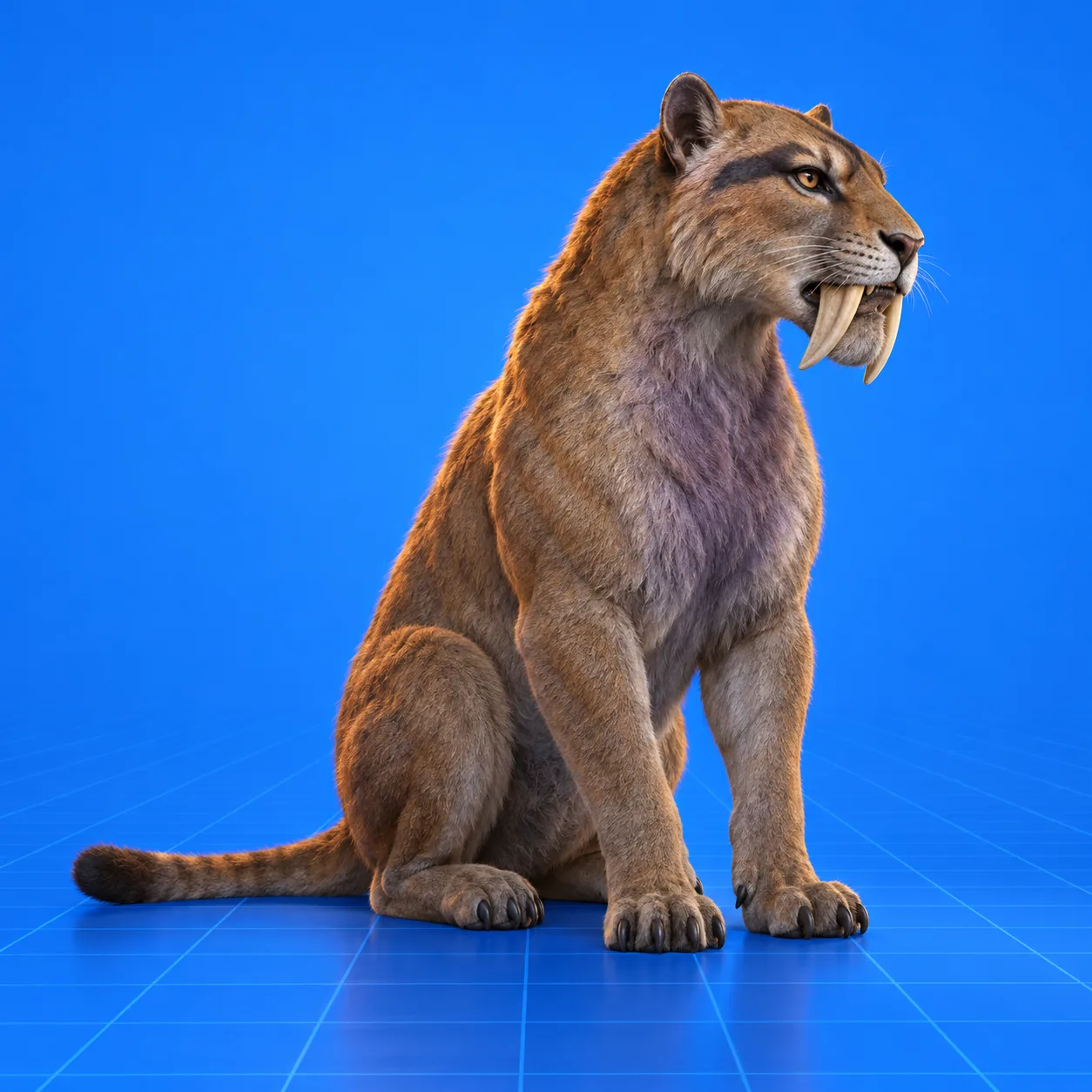 Mammal
Neogene
Its saber teeth appeared in a different lineage than felines.
Meet Thylacosmilus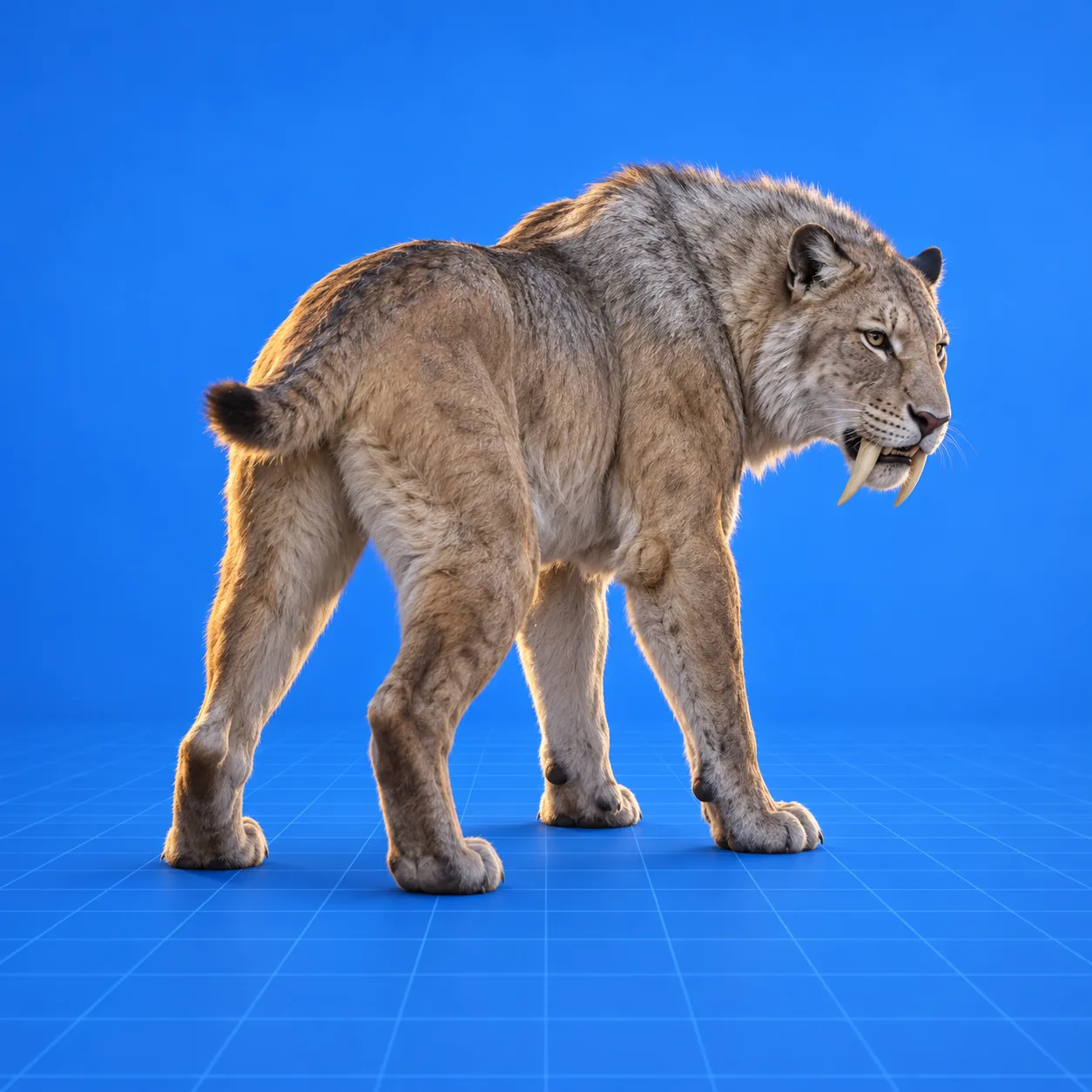 Mammal
Neogene / Quaternary
It was one of the last lineages of saber-toothed cats, along with Smilodon.
Meet Homotherium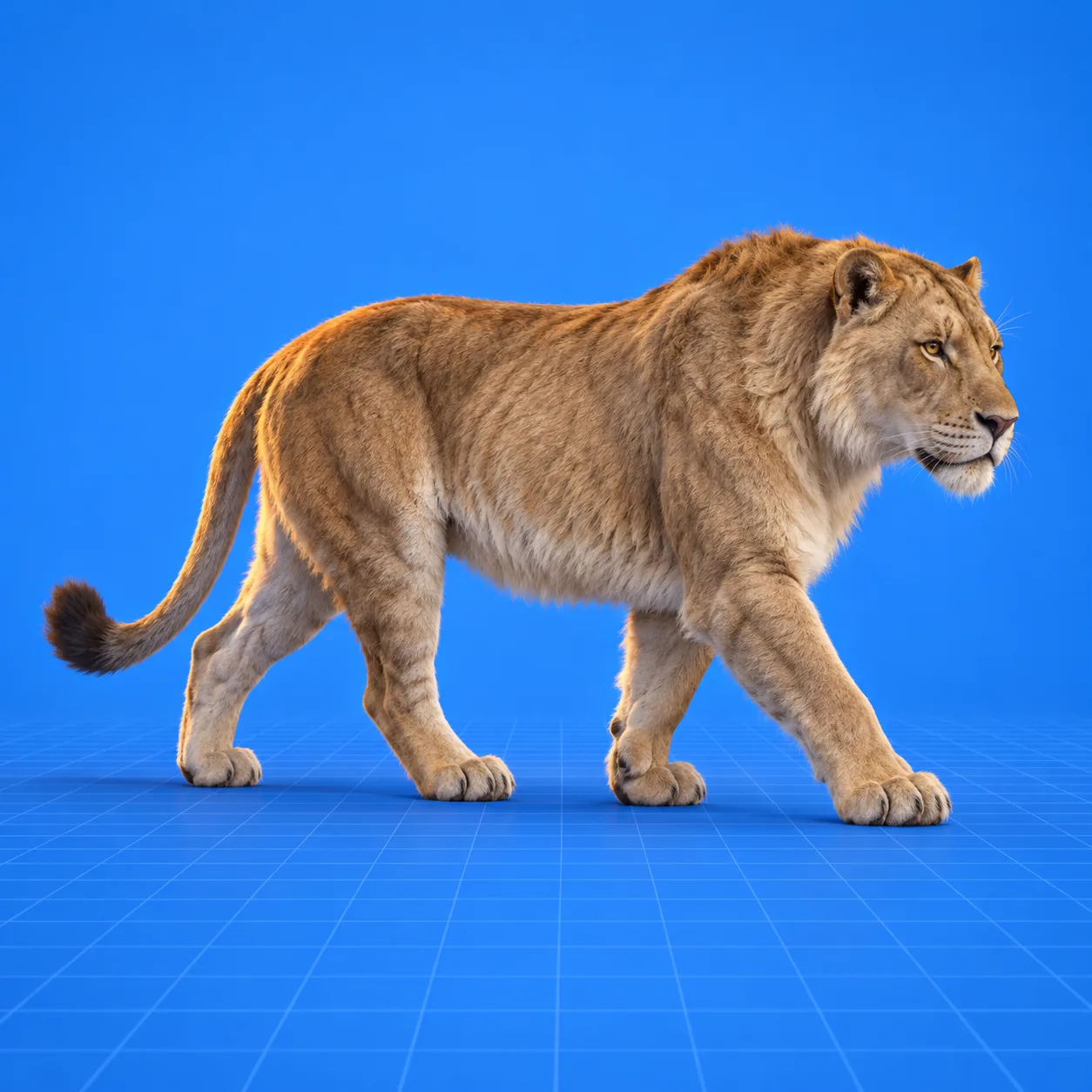 Mammal
Quaternary
It is known from both fossils and depictions in prehistoric art.
Meet Panthera spelaea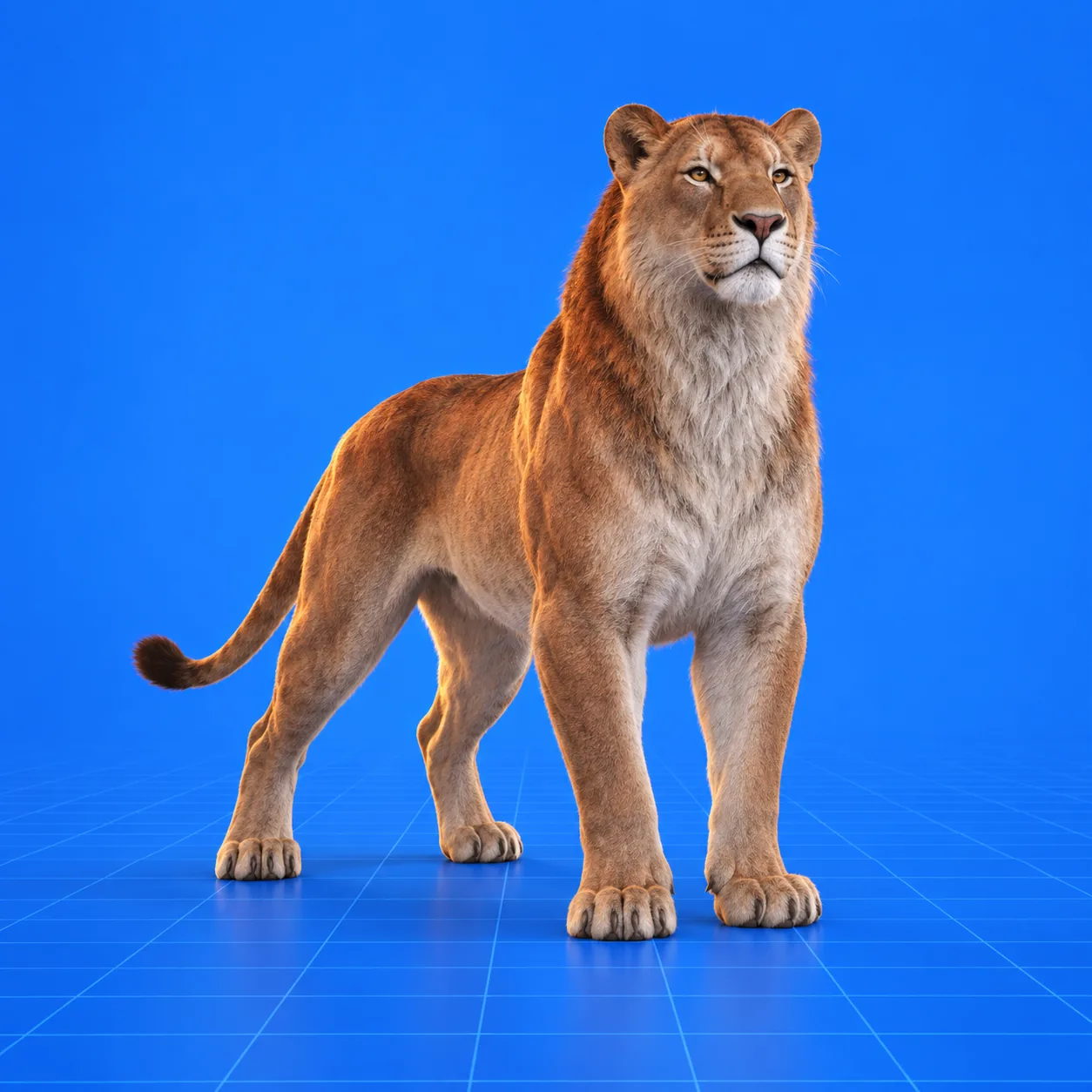 Mammal
Quaternary
Genetic evidence links it closely to the cave lion lineage.
Meet Panthera atroxEach card identifies its kind of creature. Fictional characters are labeled and have their own game stories. AI-generated, stylized game illustrations. These designs and growth stages are imaginative, not scientific reconstructions.