 Reptile
Triassic
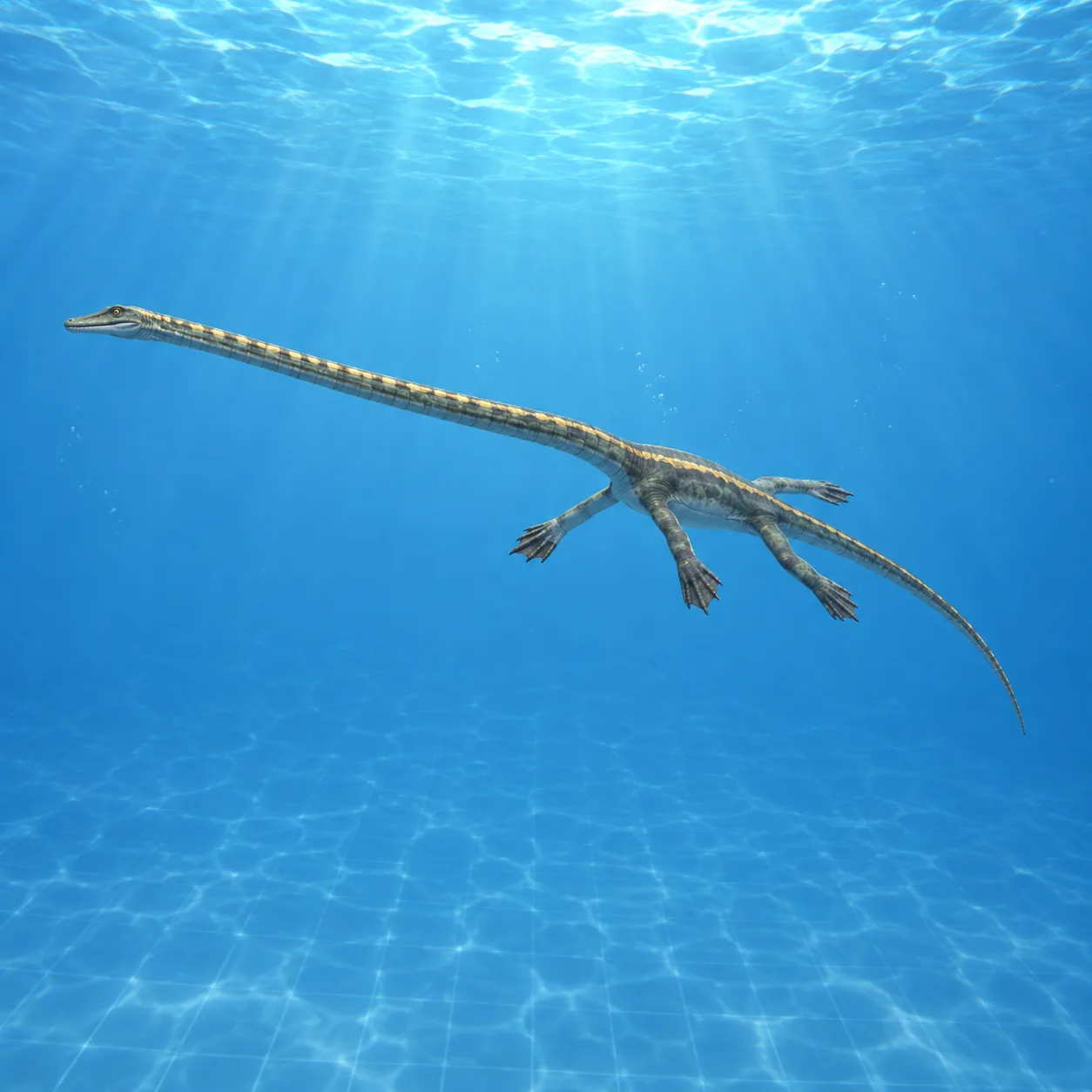
Tanystropheus
Some of its long bones were first thought to be part of a wing; they were later recognized as neck bones.
Meet Tanystropheus Dinosgacha
Explore the prehistoric world
Giant snakes, crocodile relatives and less familiar body plans. Meet the extinct reptiles beyond our dinosaur and marine-reptile groups.
Showing 1–19 of 19 creatures
ReptileTriassic
Some of its long bones were first thought to be part of a wing; they were later recognized as neck bones.
Meet Tanystropheus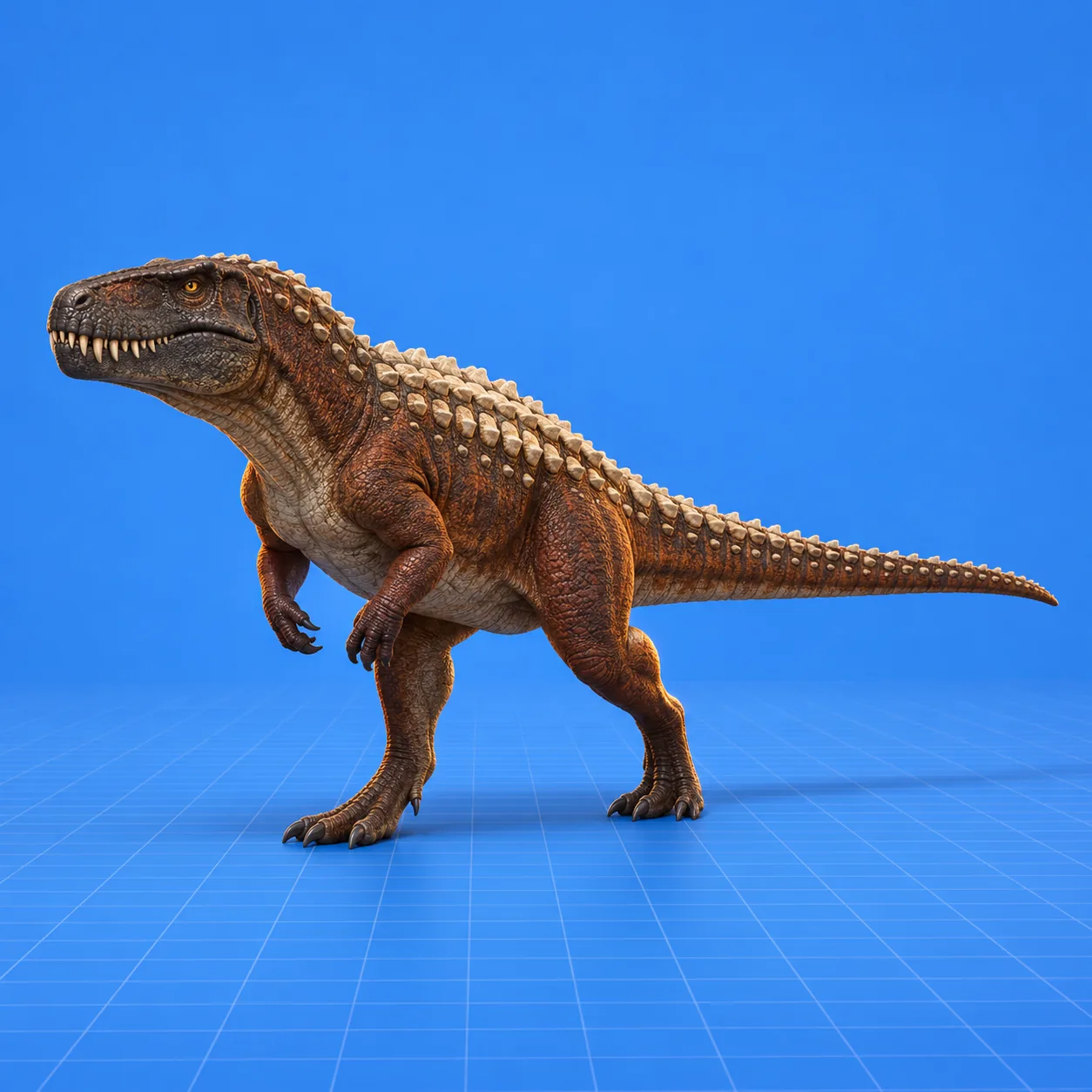 Reptile
Triassic
It had a robust skeleton, a high skull and a long tail.
Meet Postosuchus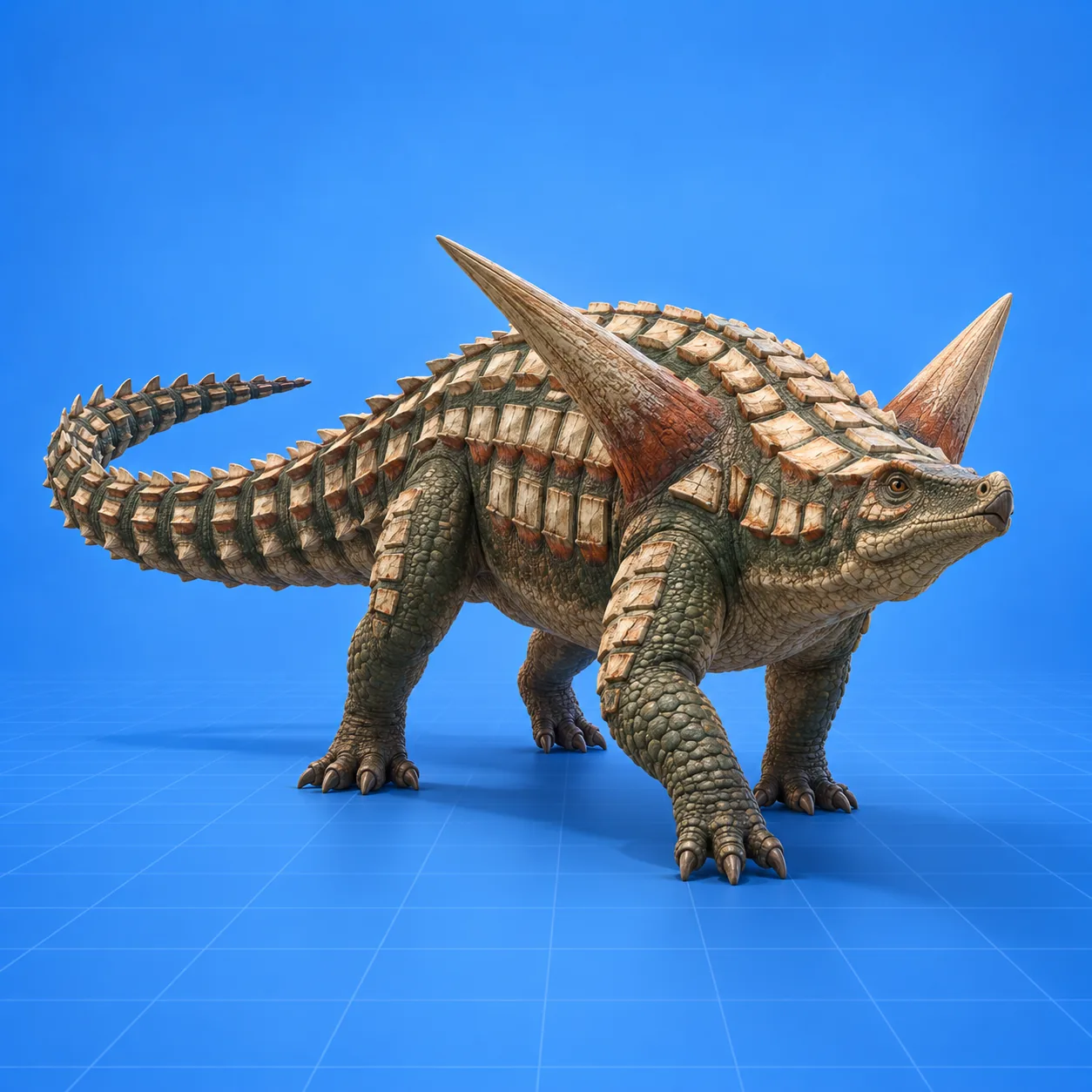 Reptile
Triassic
It was one of the largest aetosaurs, with specimens measuring about five meters in length.
Meet Desmatosuchus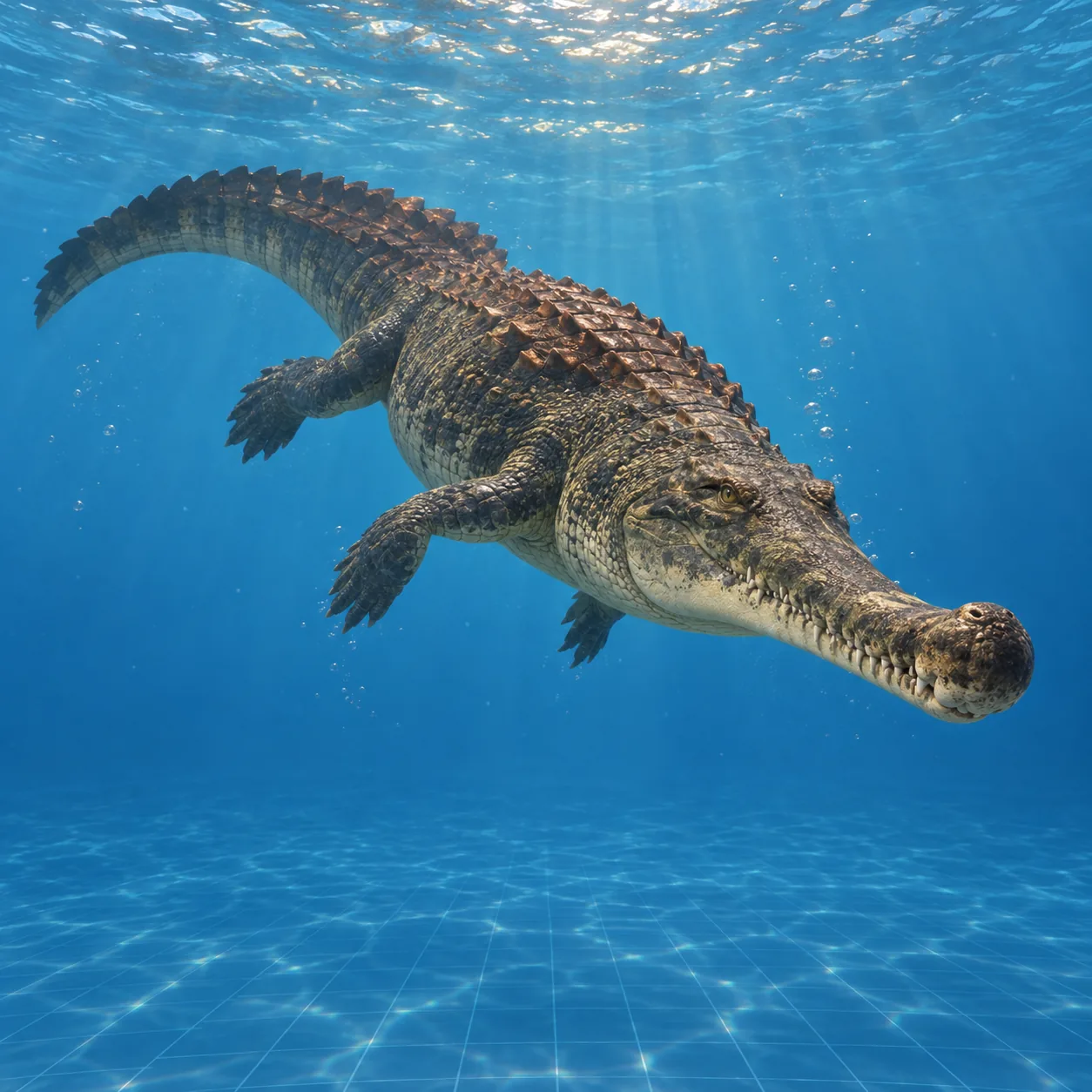 Reptile
Cretaceous
Many skeletal parts are known, including bony plates, jaws and a nearly complete skull.
Meet Sarcosuchus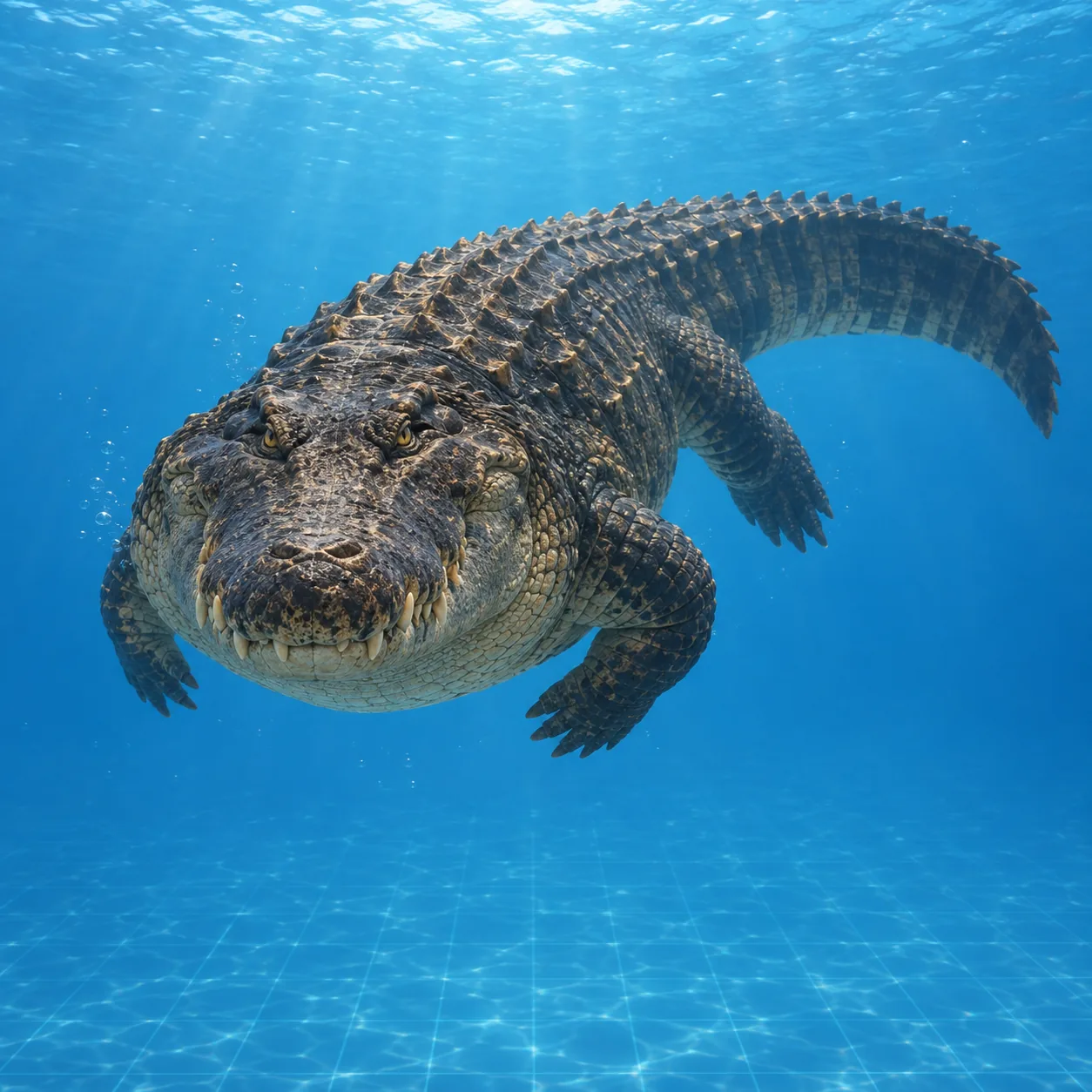 Reptile
Cretaceous
Its fossils have been found both in the United States and in northern Mexico.
Meet Deinosuchus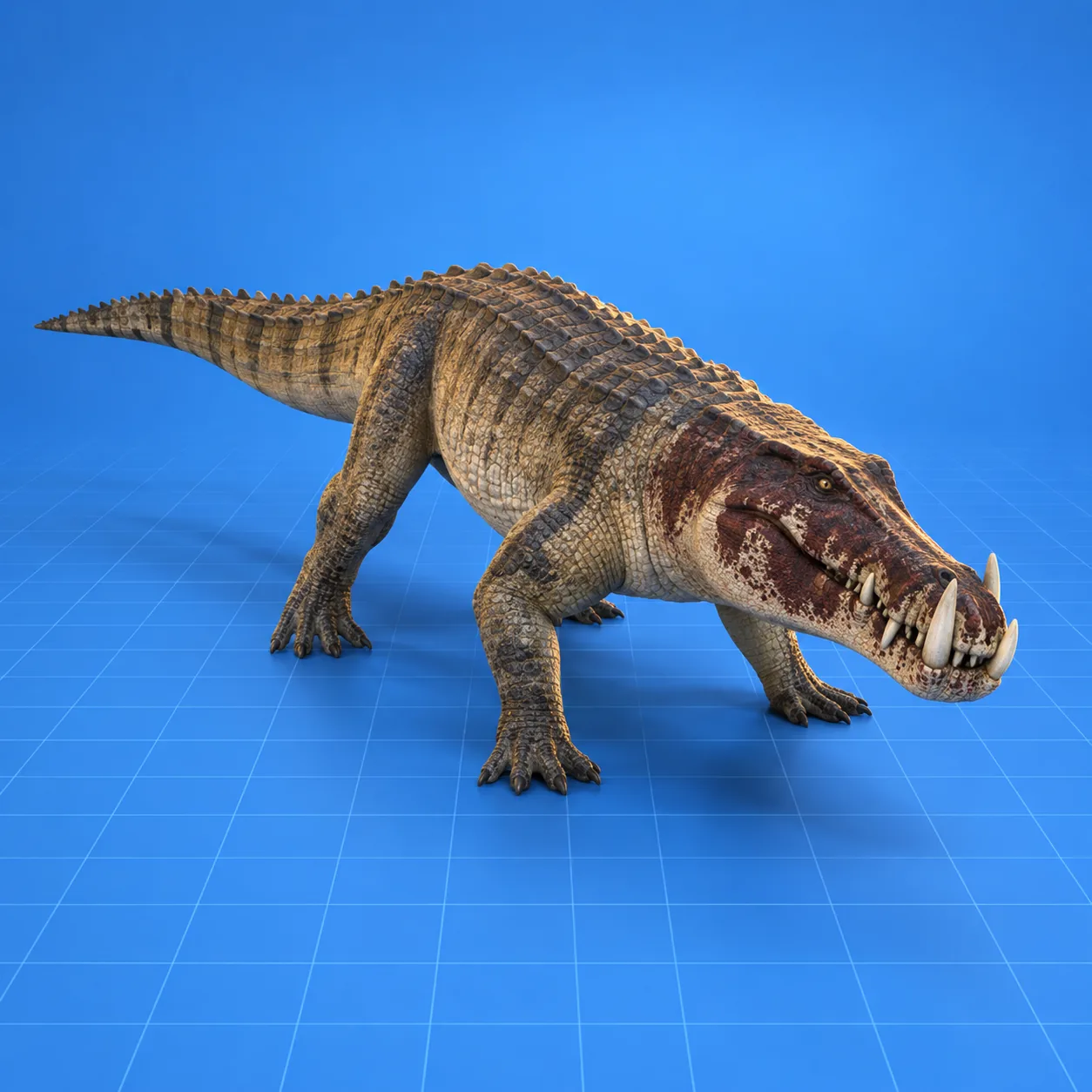 Reptile
Cretaceous
It is known from a nearly complete skull from Niger's Echkar Formation.
Meet Kaprosuchus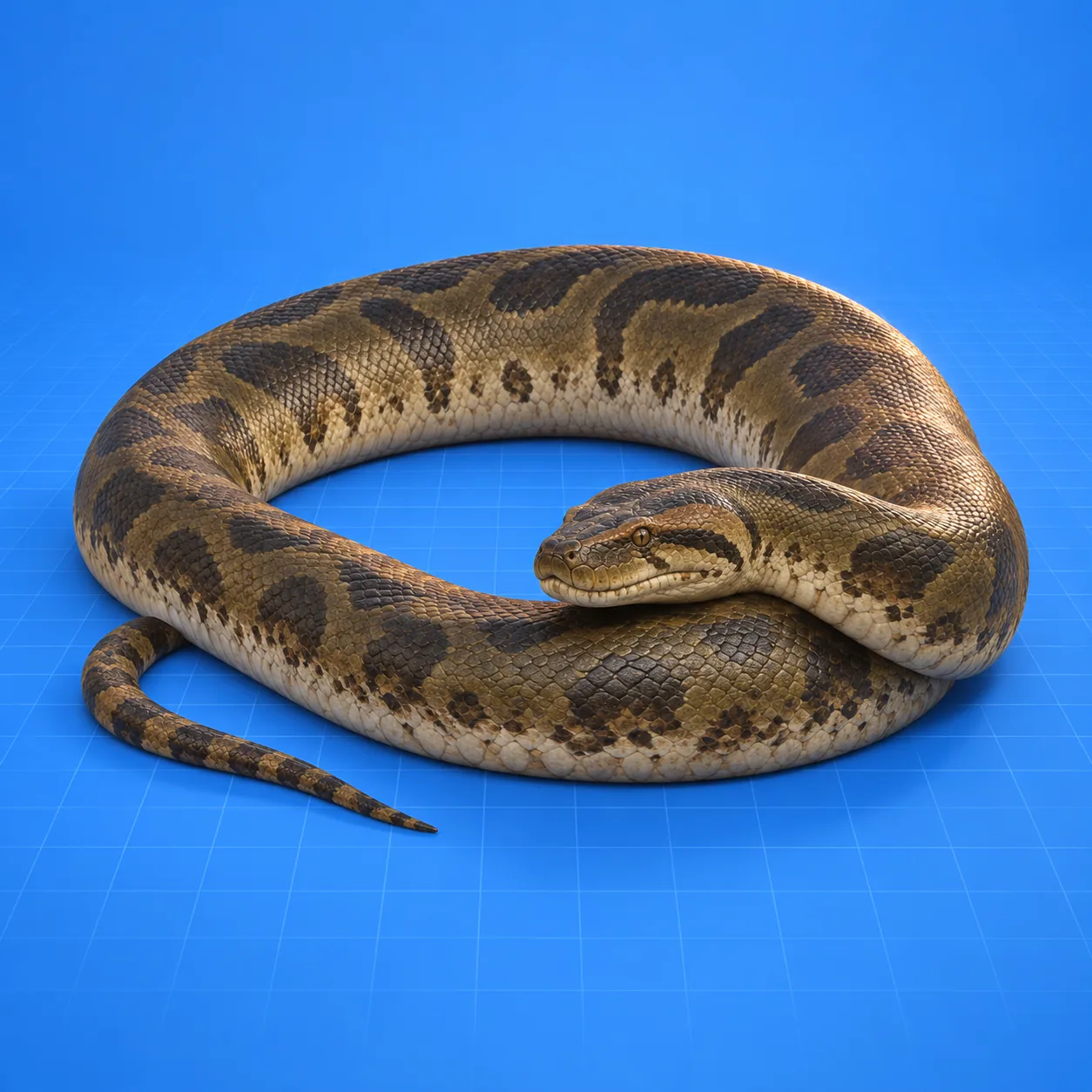 Reptile
Paleogene
It is among the largest snakes discovered in the fossil record.
Meet Titanoboa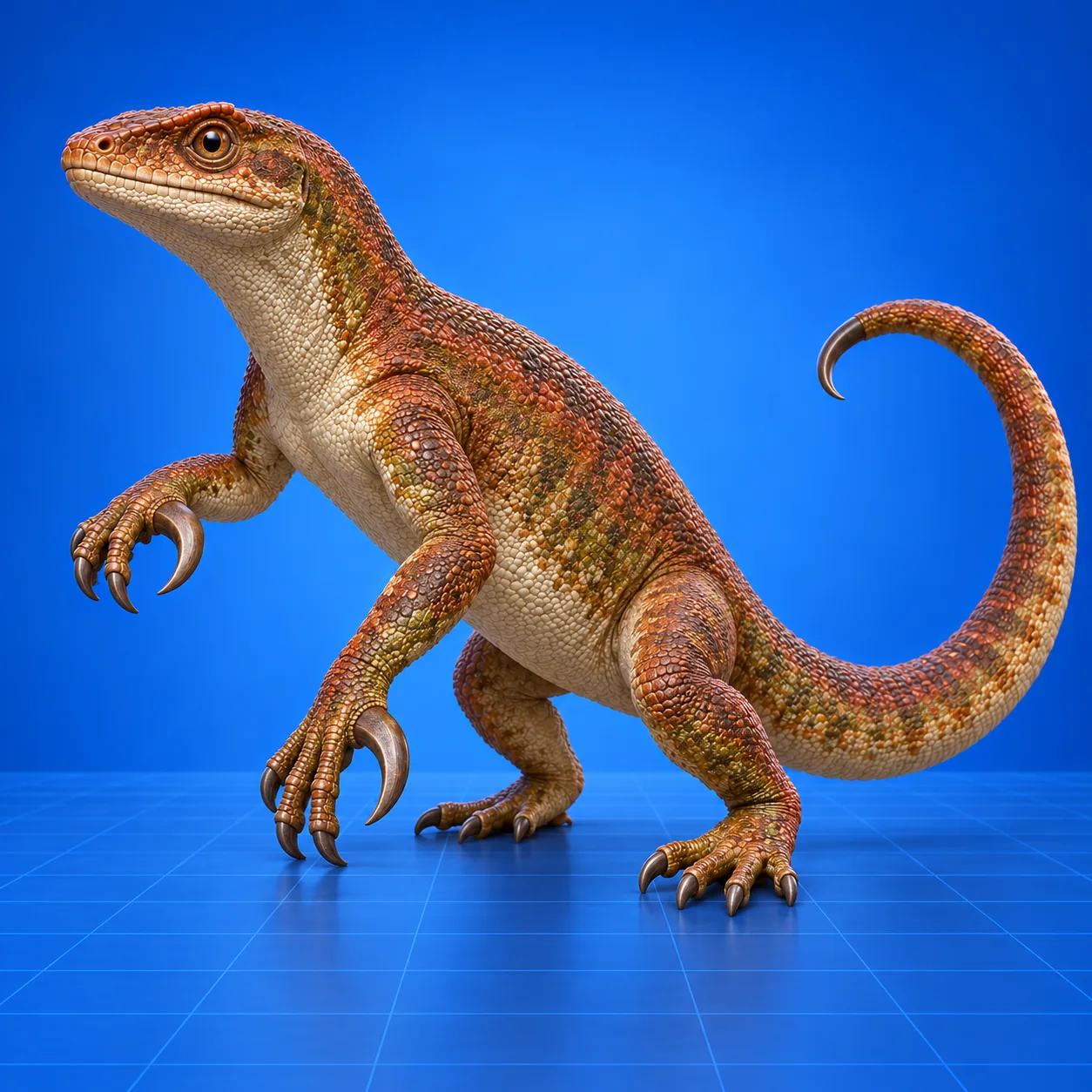 Reptile
Late Triassic
Drepanosaurus unguicaudatus had a specialized forelimb and a strongly curved tail tip.
Meet Drepanosaurus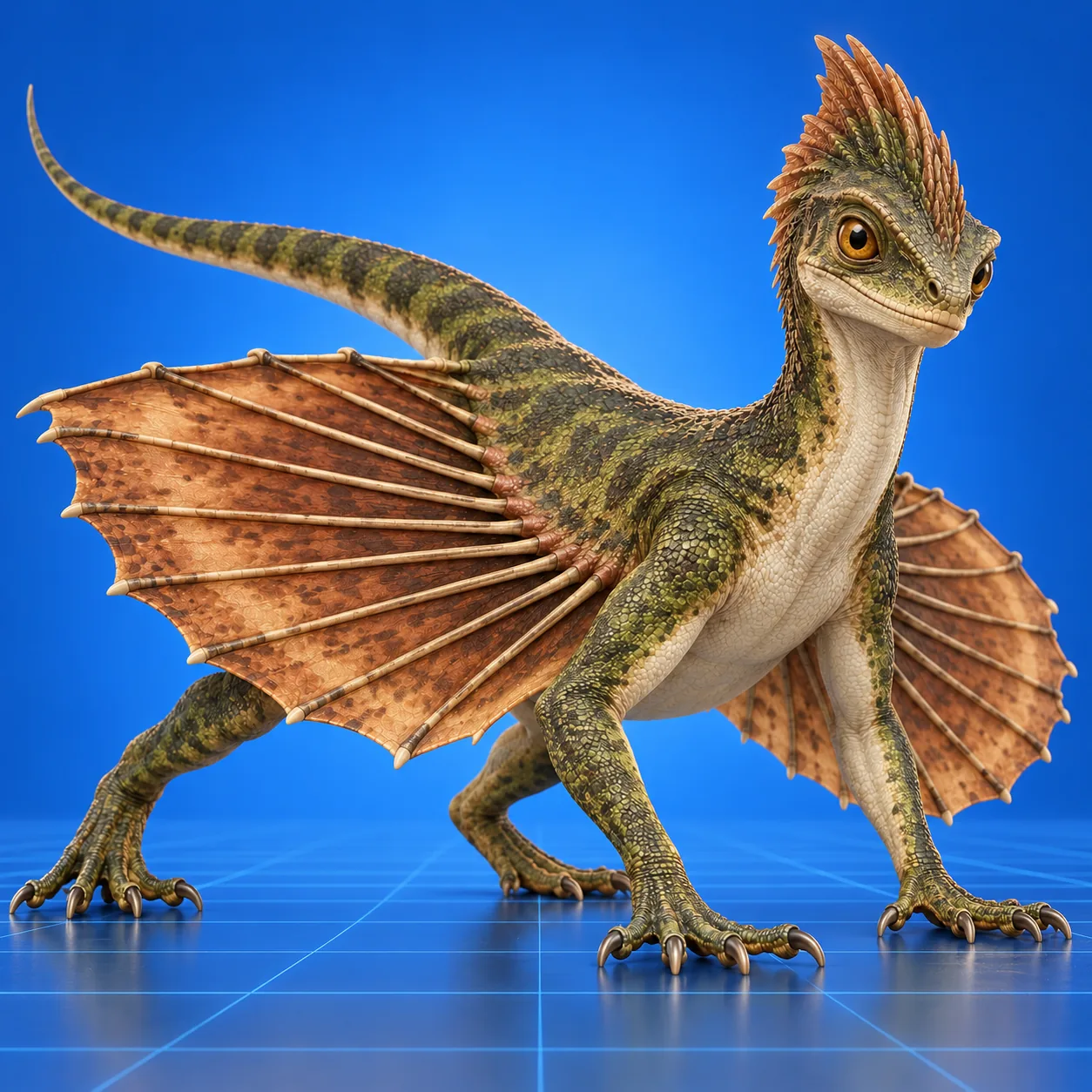 Reptile
Late Permian
Coelurosauravus elivensis was a small gliding reptile with a specialized skin-supporting apparatus.
Meet Coelurosauravus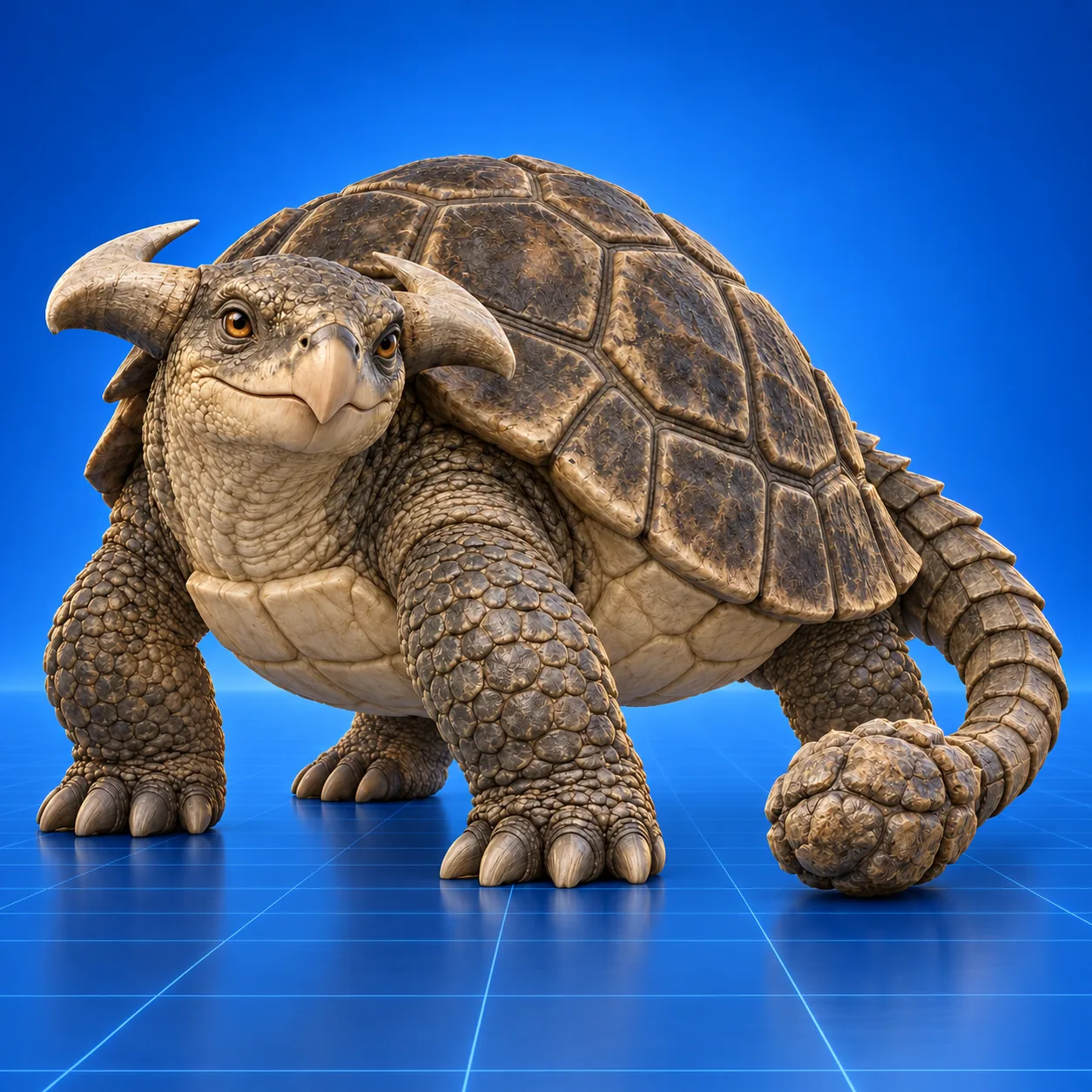 Reptile
Pleistocene
Meiolania platyceps was a horned turtle with an armoured tail.
Meet Meiolania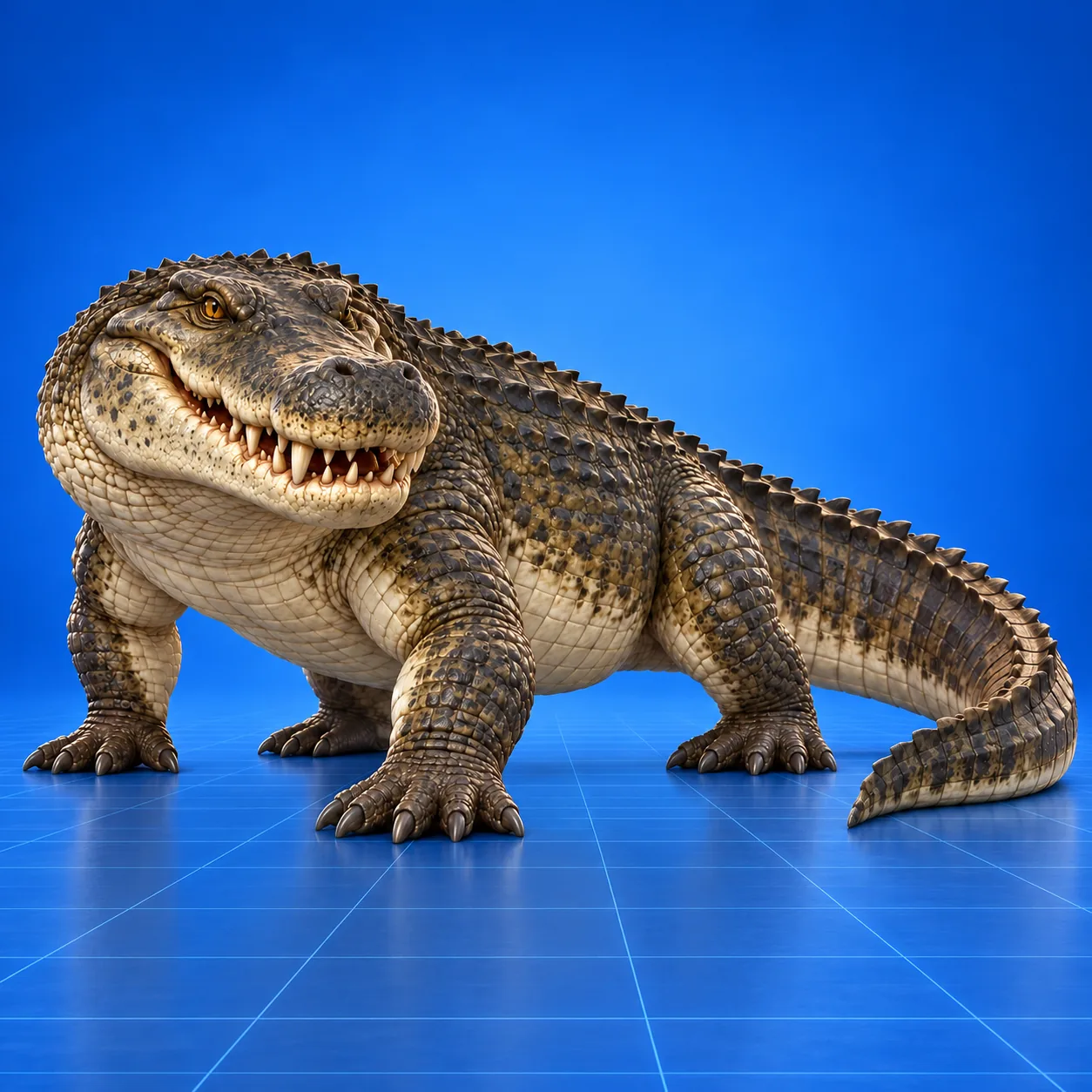 Reptile
Late Miocene
Purussaurus brasiliensis was a giant caiman relative with a broad, deep skull.
Meet Purussaurus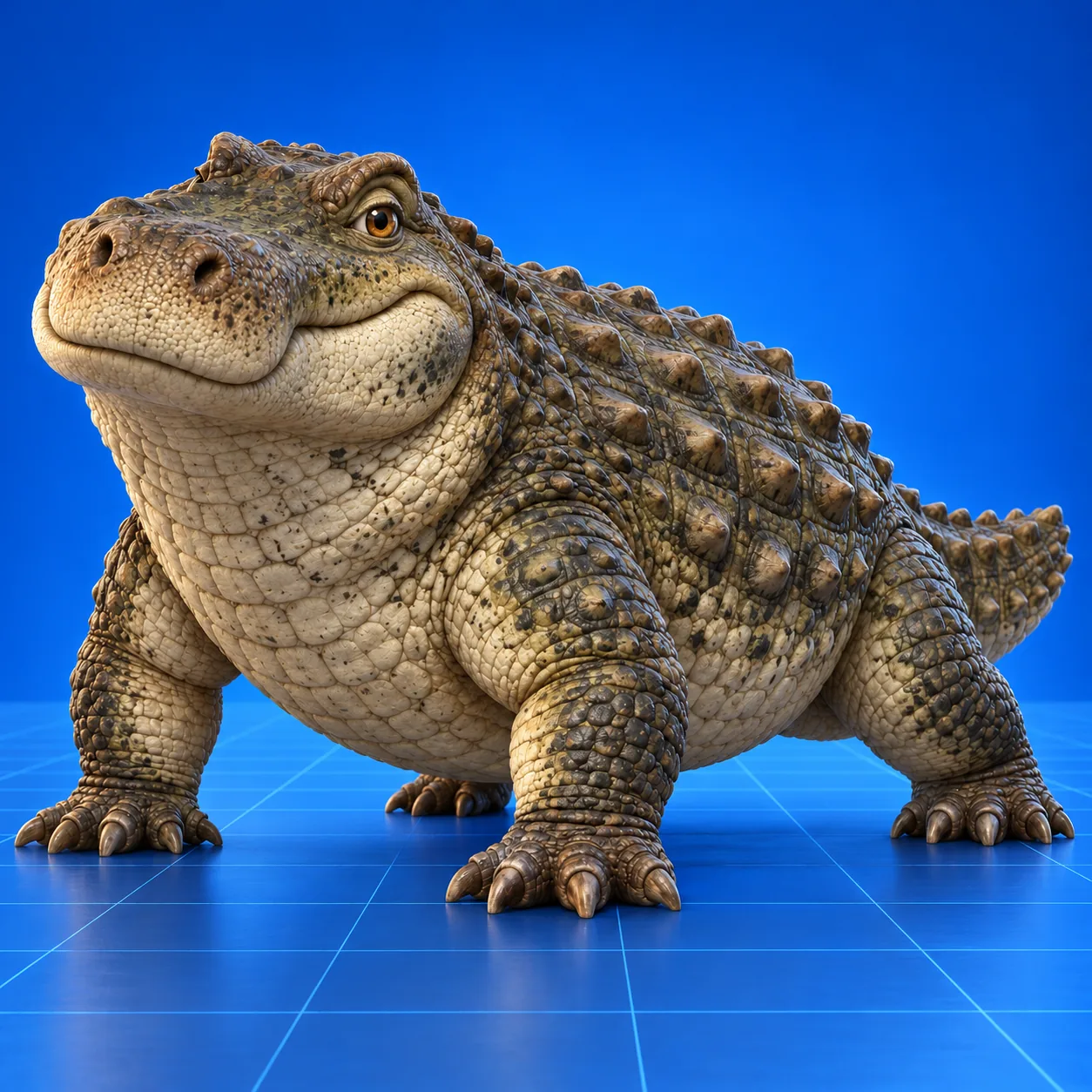 Reptile
Late Cretaceous
Simosuchus clarki had a short, blunt snout, unusual teeth and extensive body armour.
Meet Simosuchus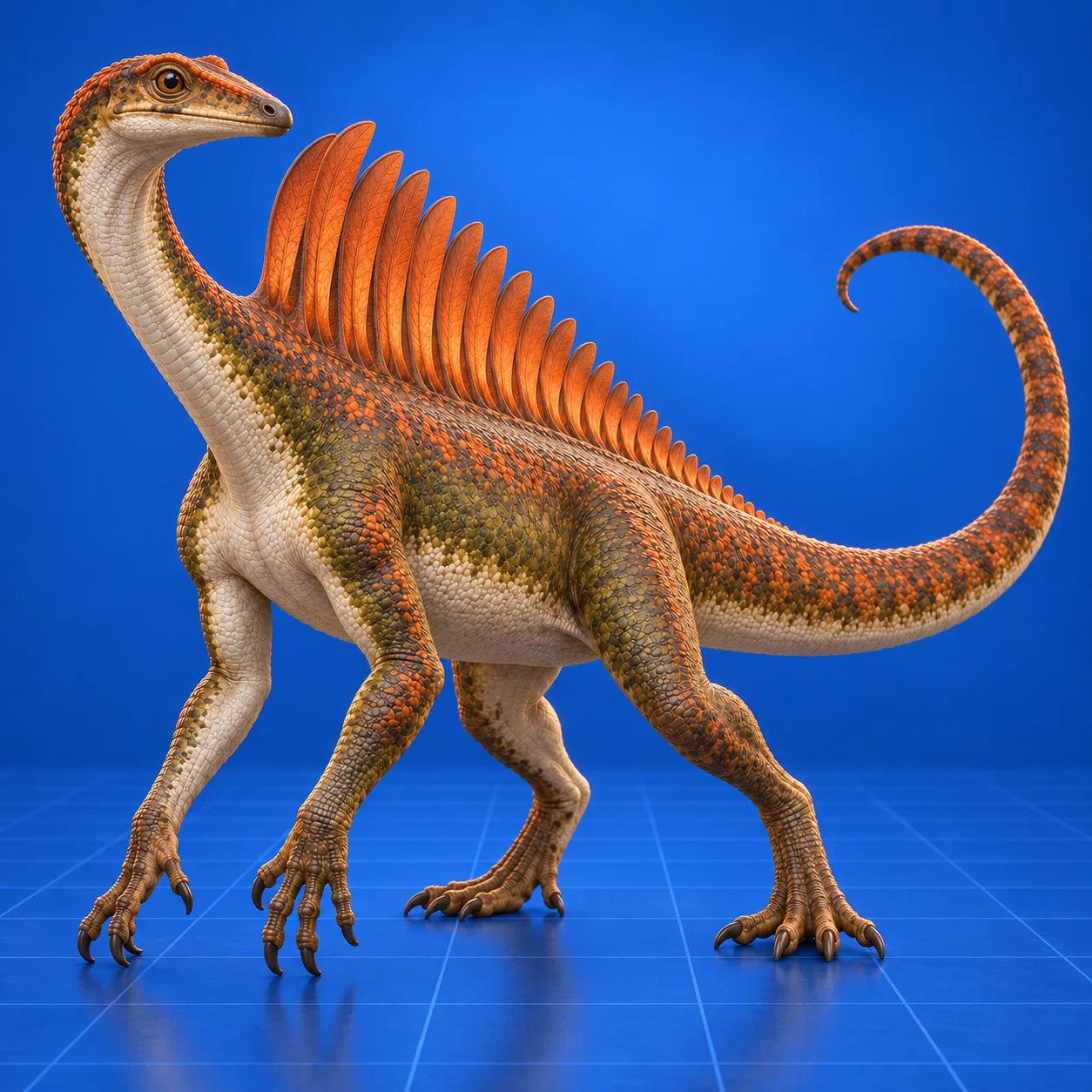 Reptile
Triassic
Mirasaura is known for an extraordinary array of elongated structures along its back.
Meet Mirasaura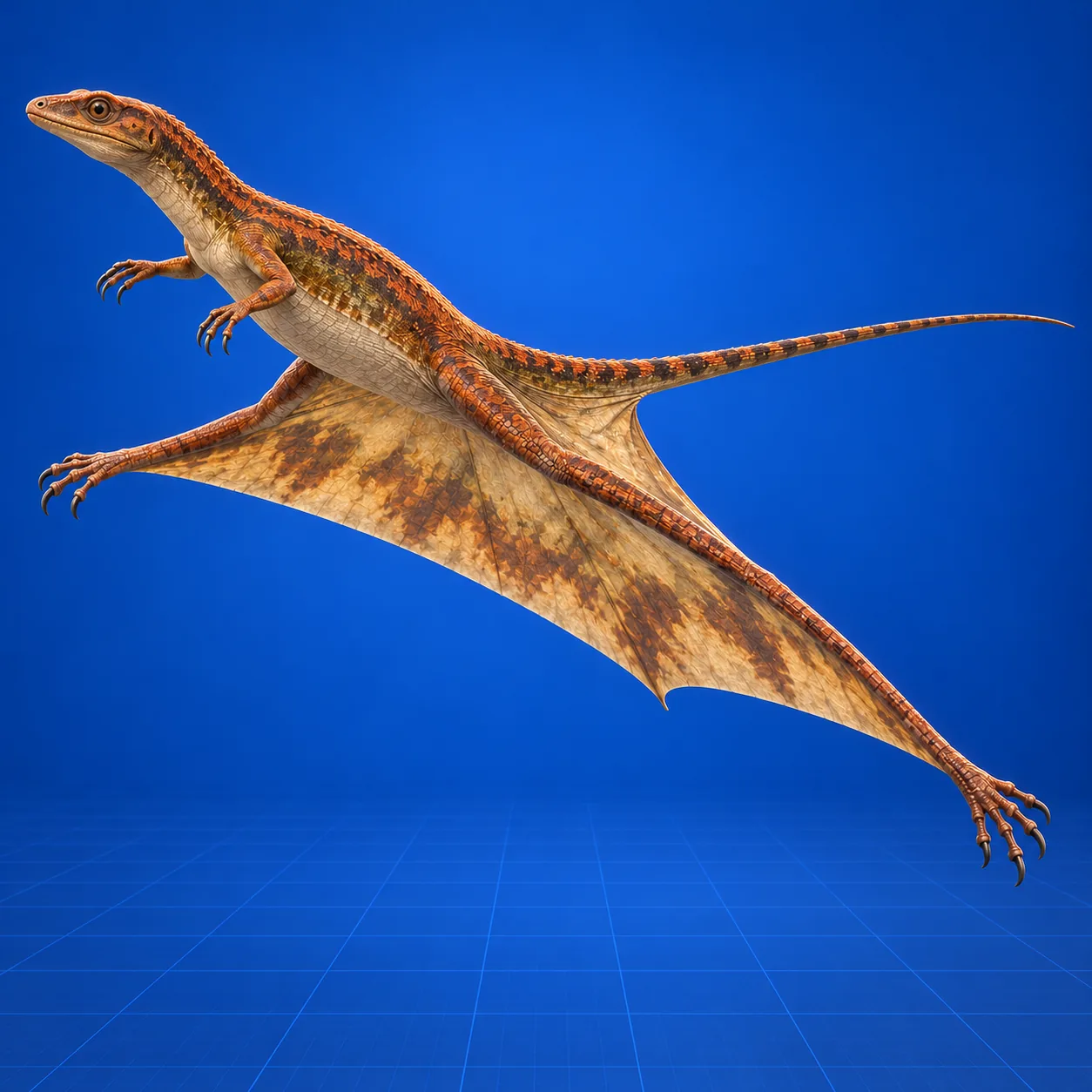 Reptile
Triassic
Sharovipteryx was a small reptile with a gliding surface associated mainly with its greatly elongated hindlimbs.
Meet Sharovipteryx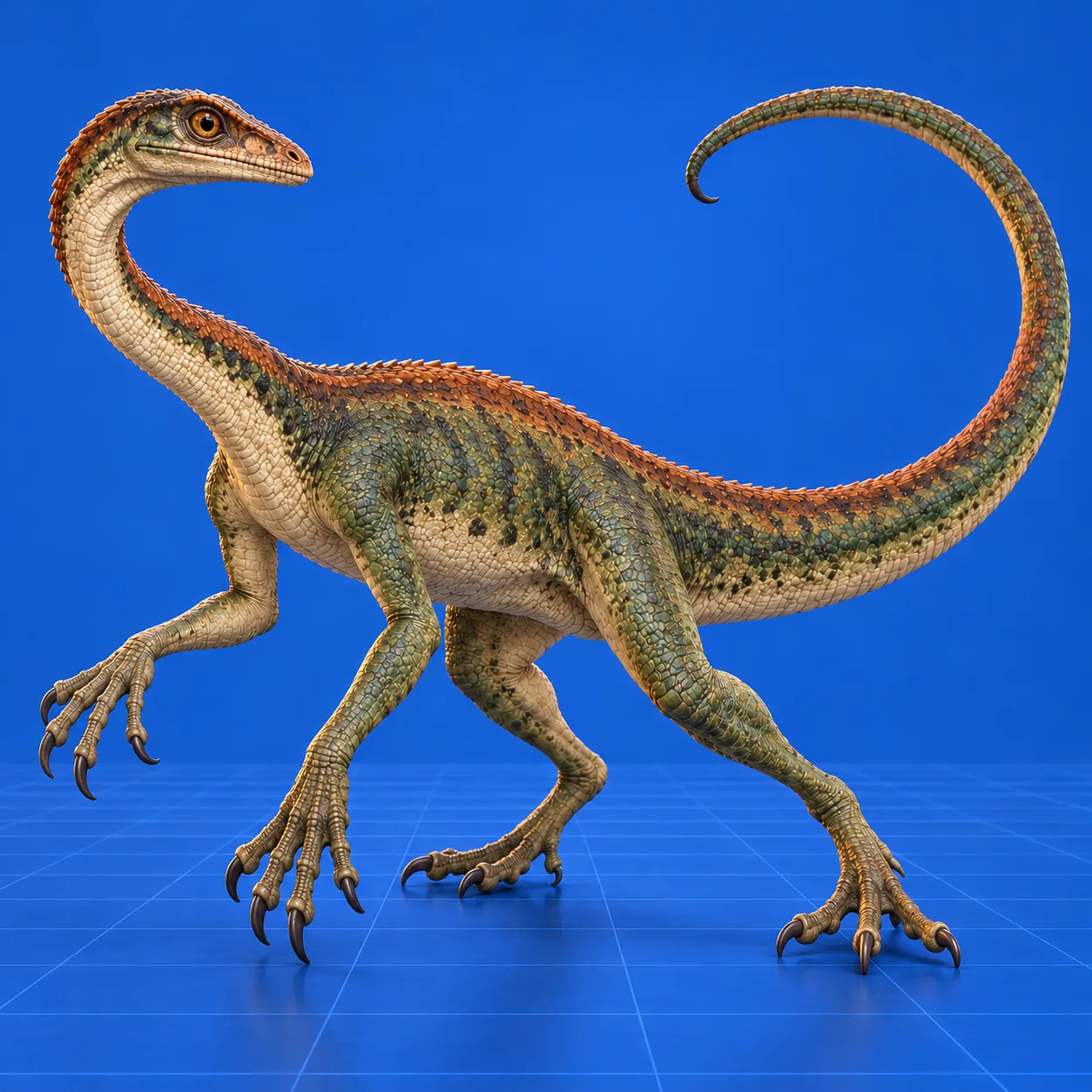 Reptile
Late Triassic
Megalancosaurus was a small reptile with a specialized grasping body plan.
Meet Megalancosaurus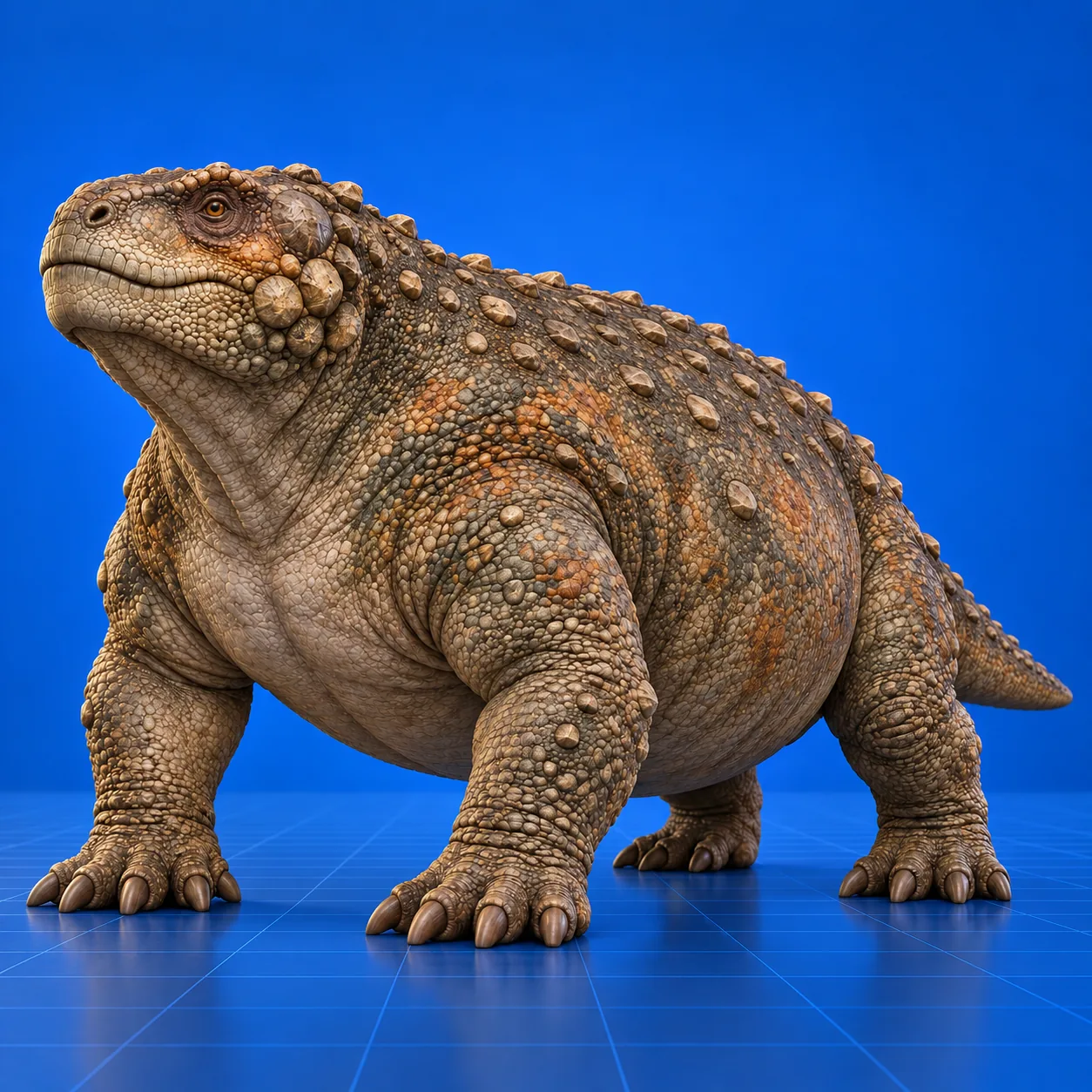 Reptile
Late Permian
Scutosaurus was a large pareiasaur with a broad body and bony protective structures in its skin.
Meet Scutosaurus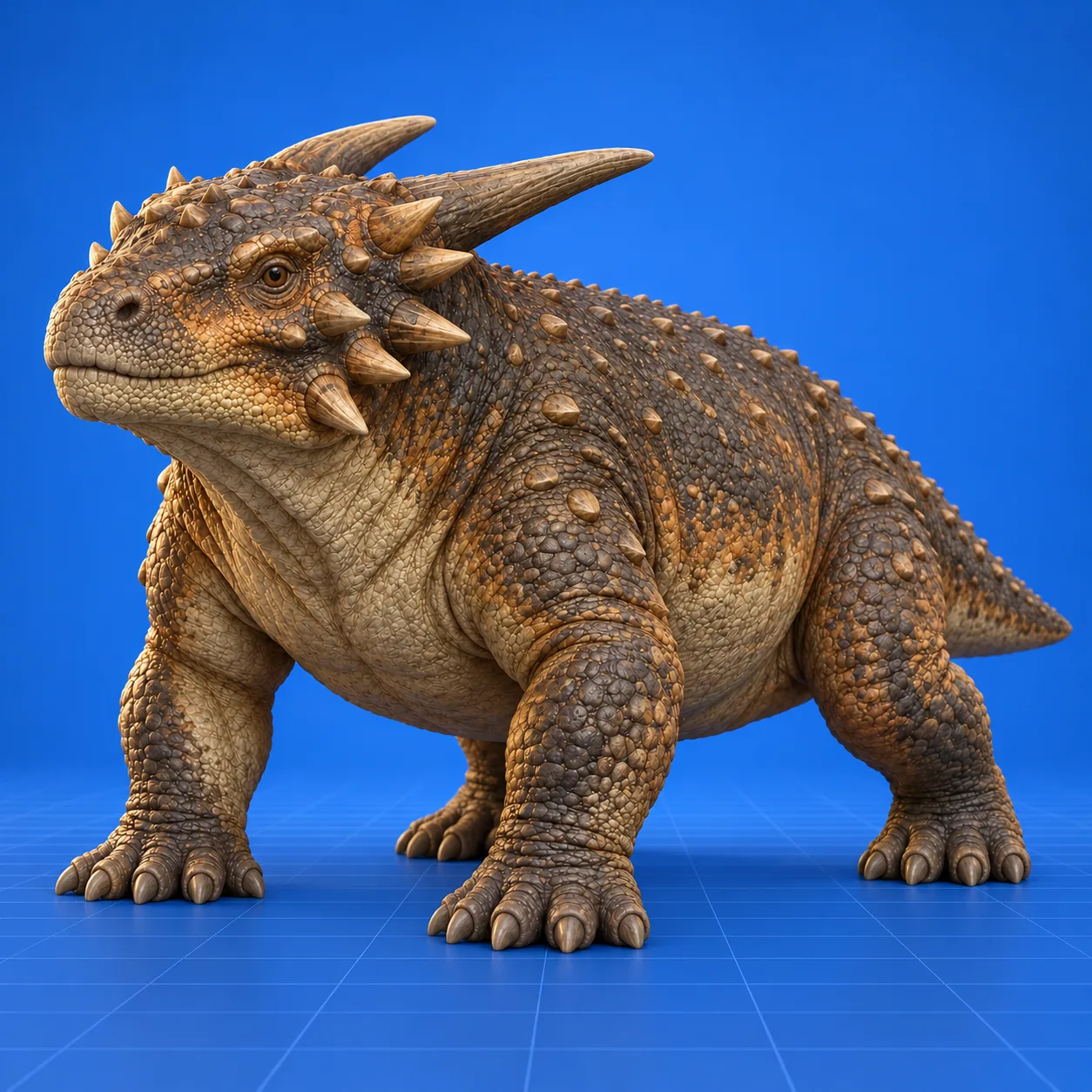 Reptile
Late Permian
Elginia was a pareiasaur known for a strikingly ornamented skull.
Meet Elginia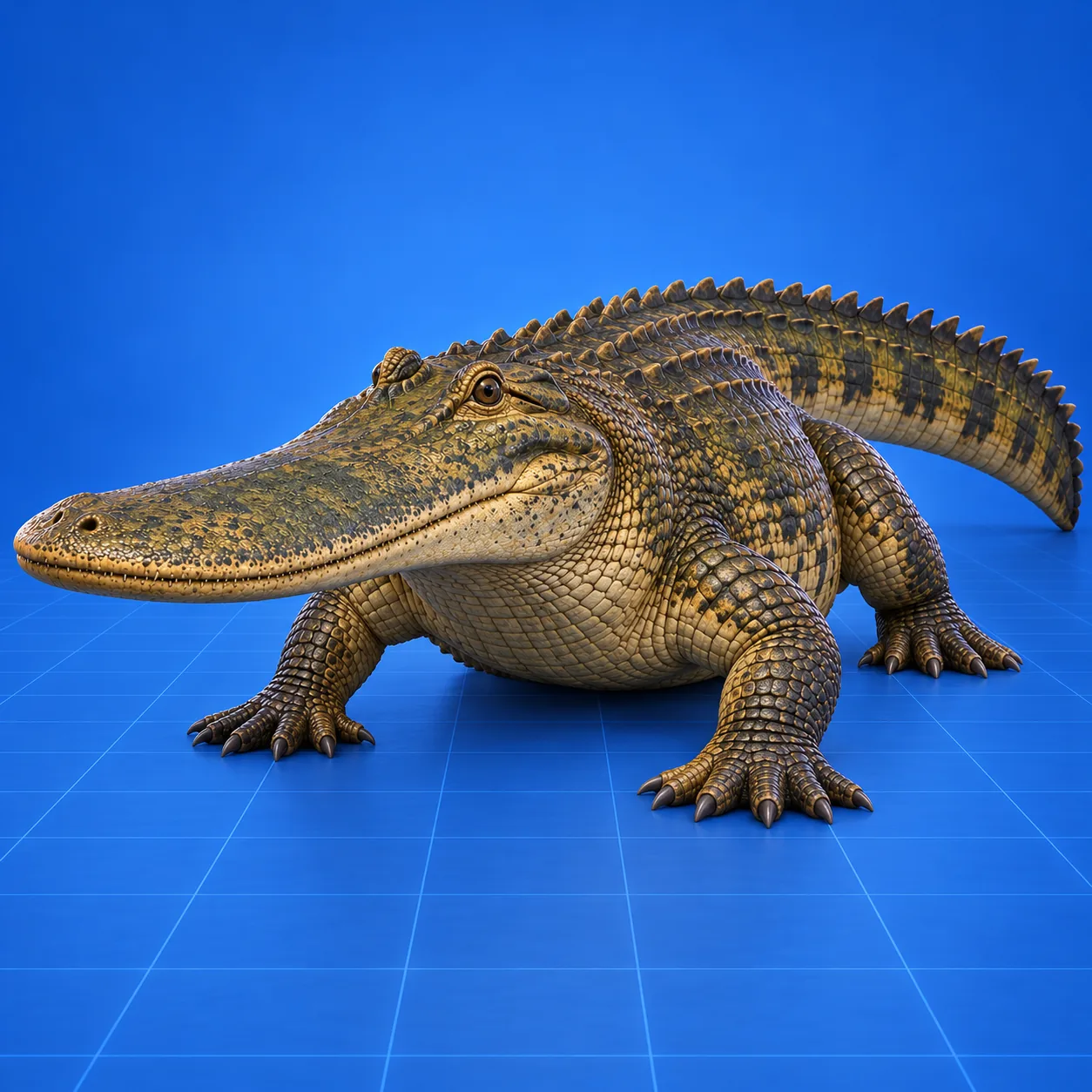 Reptile
Miocene
Mourasuchus was a crocodylian with a remarkably broad, flattened snout.
Meet Mourasuchus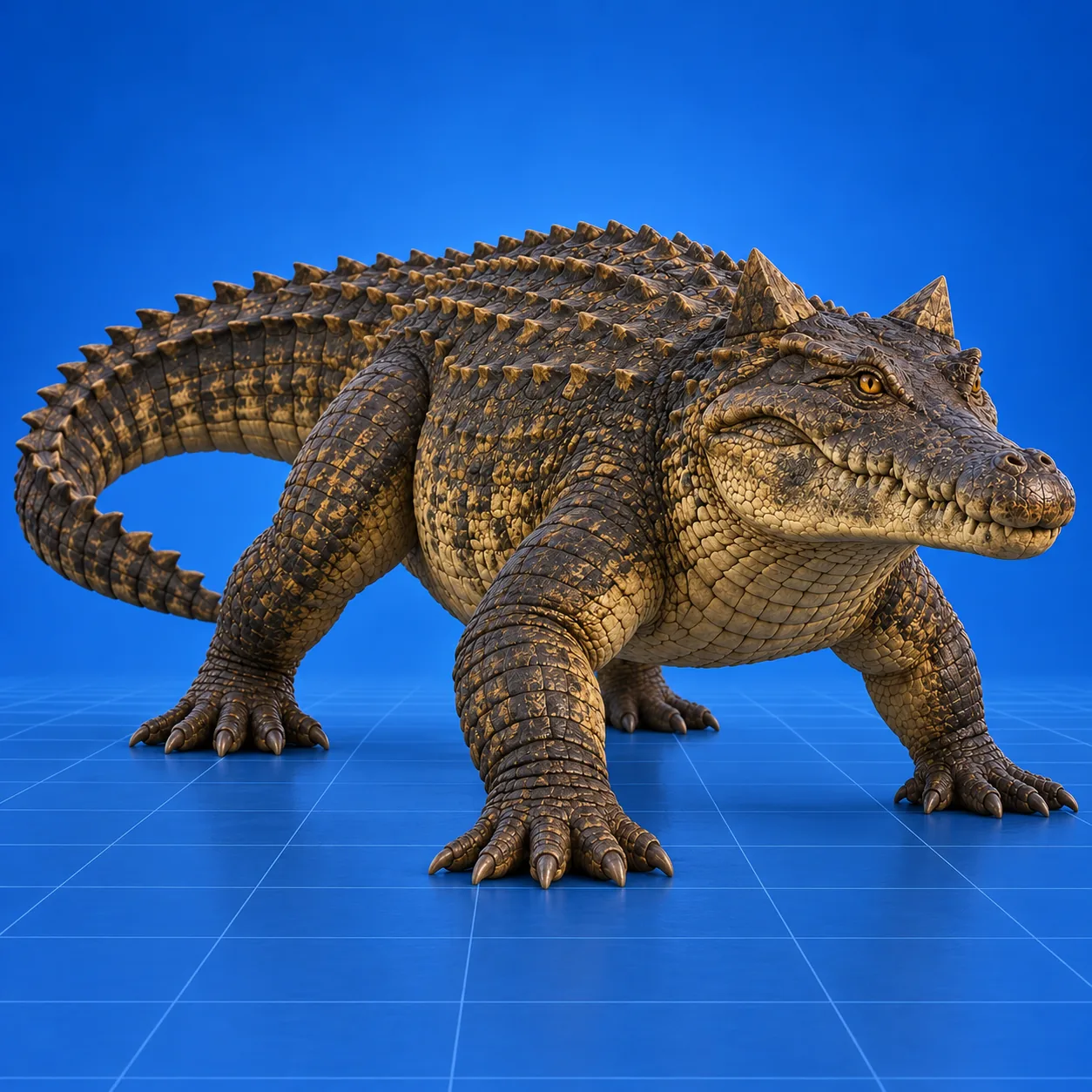 Reptile
Holocene
Voay was an extinct Malagasy crocodylian with conspicuous horn-like structures behind the eyes.
Meet VoayThis page gathers the catalogue’s other extinct reptiles. Dinosaurs, pterosaurs and marine reptiles have separate browsing groups. A large size or an unfamiliar skull does not make every reptile a dinosaur: Titanoboa, for example, was a giant snake known from fossils in Colombia.
These reptiles did not all live in the age of dinosaurs. Titanoboa lived after the extinction of non-avian dinosaurs, while the crocodile relative Voay survived into the Holocene in Madagascar. Each profile gives its own period and evidence, rather than placing them in one shared prehistoric scene.
No. Snakes and crocodile relatives belong to reptile lineages outside dinosaurs. This is a browsing collection, not a claim that every animal here is a close relative or a direct ancestor of a living species.
Further reading: Florida Museum: Titanoboa research · Hekkala and colleagues: The extinct Holocene crocodile Voay
AI-generated, stylized game illustrations. These designs and growth stages are imaginative, not scientific reconstructions. Open a profile for its fossil information and sources.