 Invertebrate
Cambrian
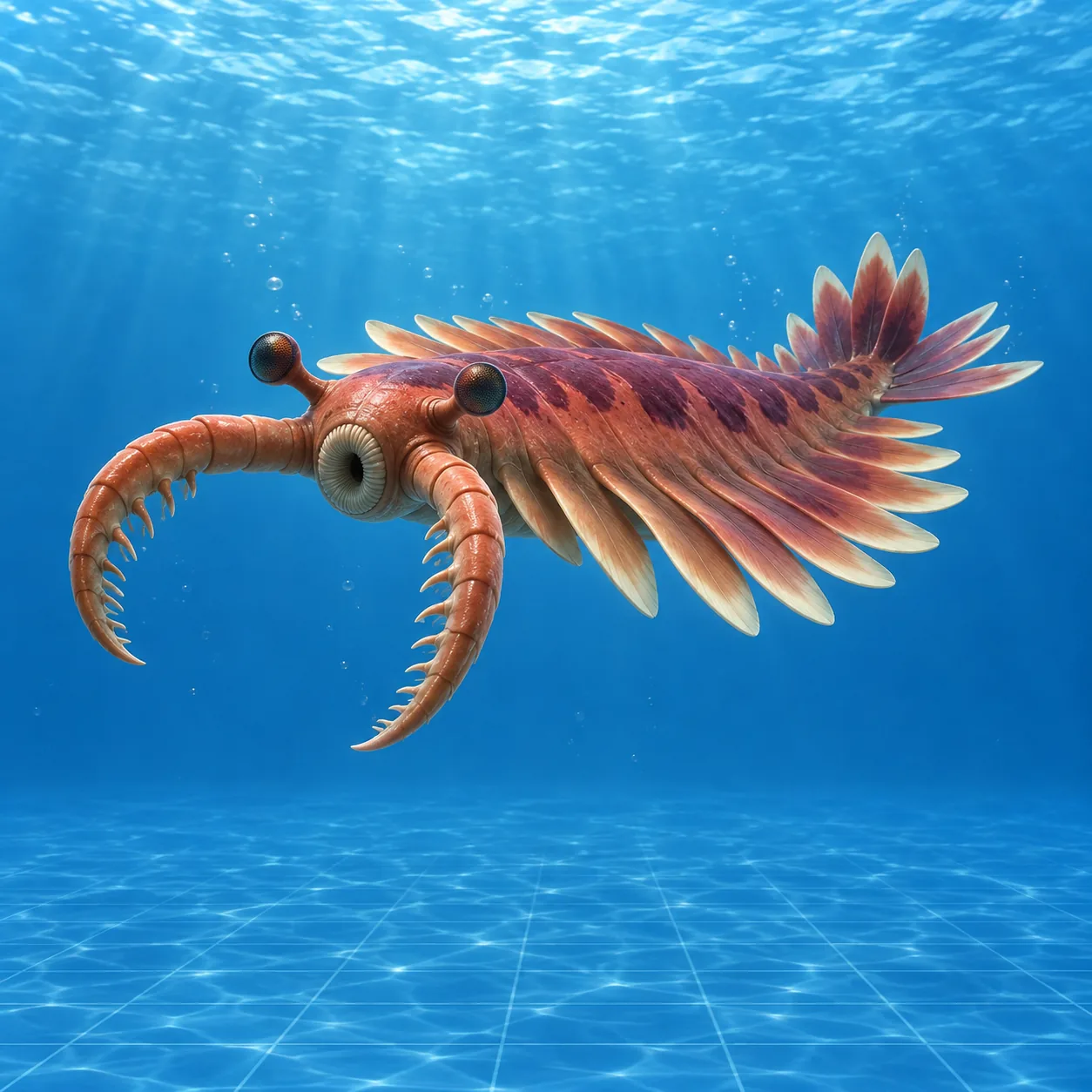
Anomalocaris canadensis
It used large front appendages with spines to manipulate food.
Meet Anomalocaris canadensis Dinosgacha
Explore the prehistoric world
Discover some of the most unfamiliar body plans in the collection, from armoured forms to creatures with elaborate appendages.
Showing 1–24 of 28 creatures
InvertebrateCambrian
It used large front appendages with spines to manipulate food.
Meet Anomalocaris canadensis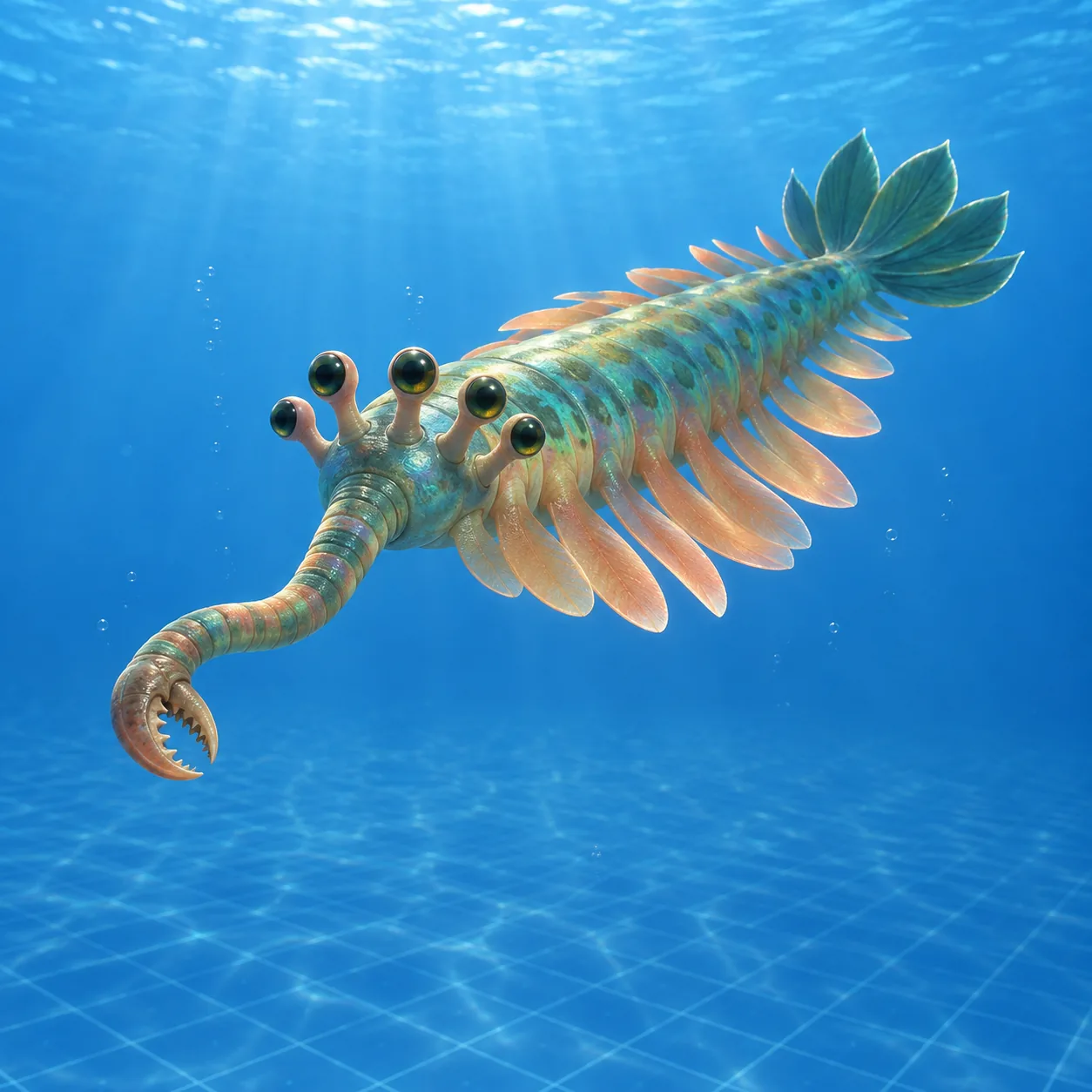 Invertebrate
Cambrian
It had five eyes and a long trunk ending in a prehensile structure.
Meet Opabinia regalis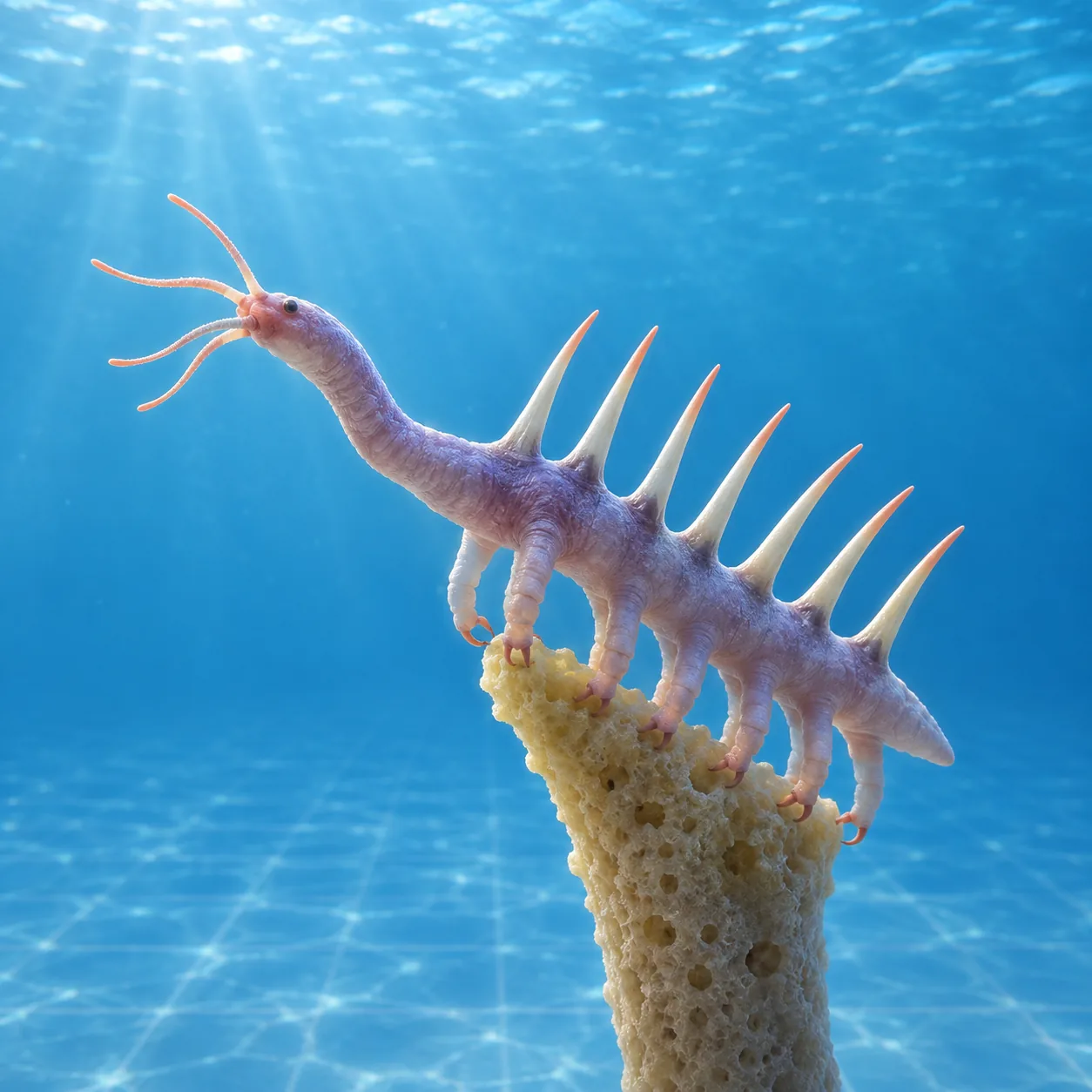 Invertebrate
Cambrian
Early reconstructions showed it upside down and mistook its tail for its head.
Meet Hallucigenia sparsa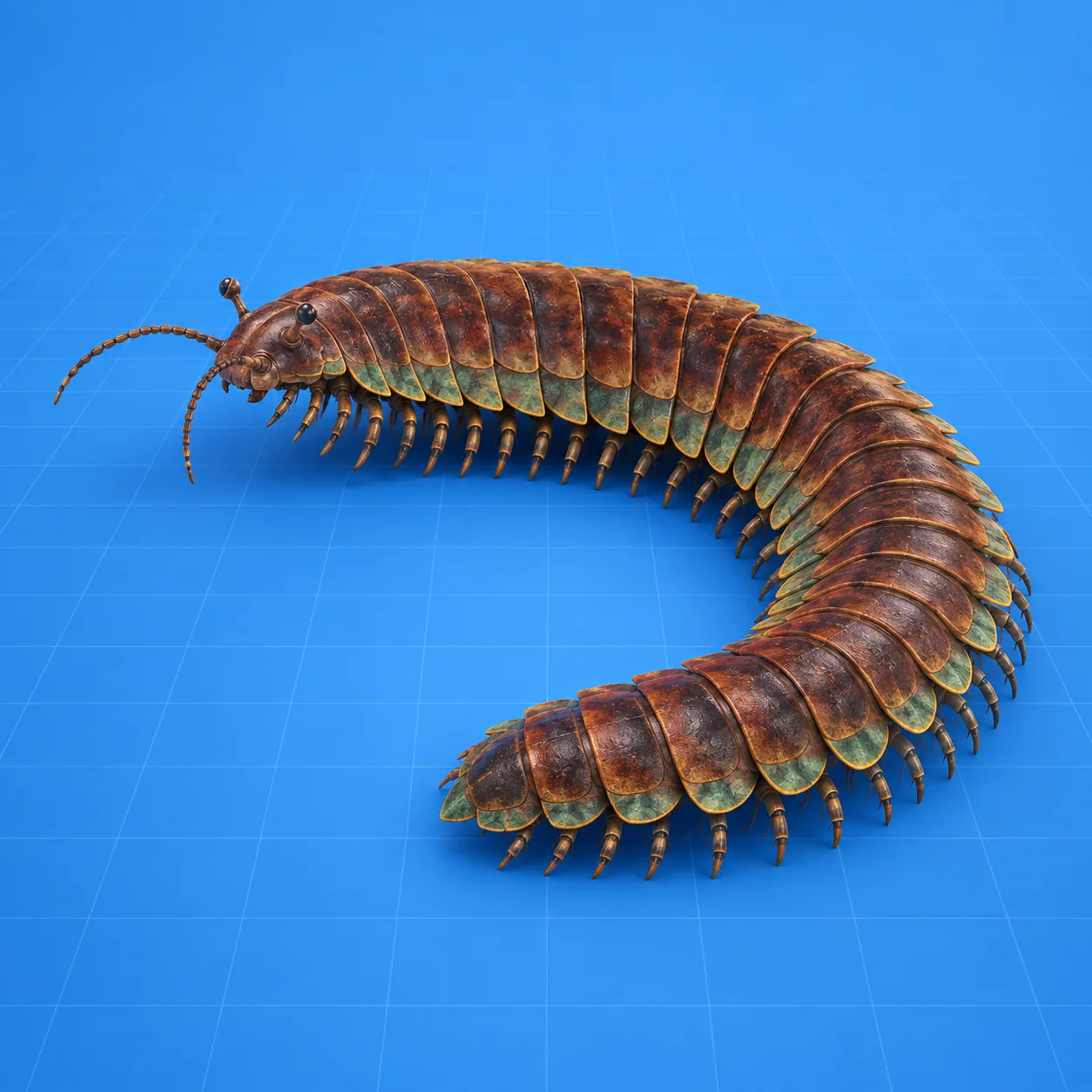 Invertebrate
Carboniferous / Permian
It has been proposed that it consumed vegetation and decaying plant matter.
Meet Arthropleura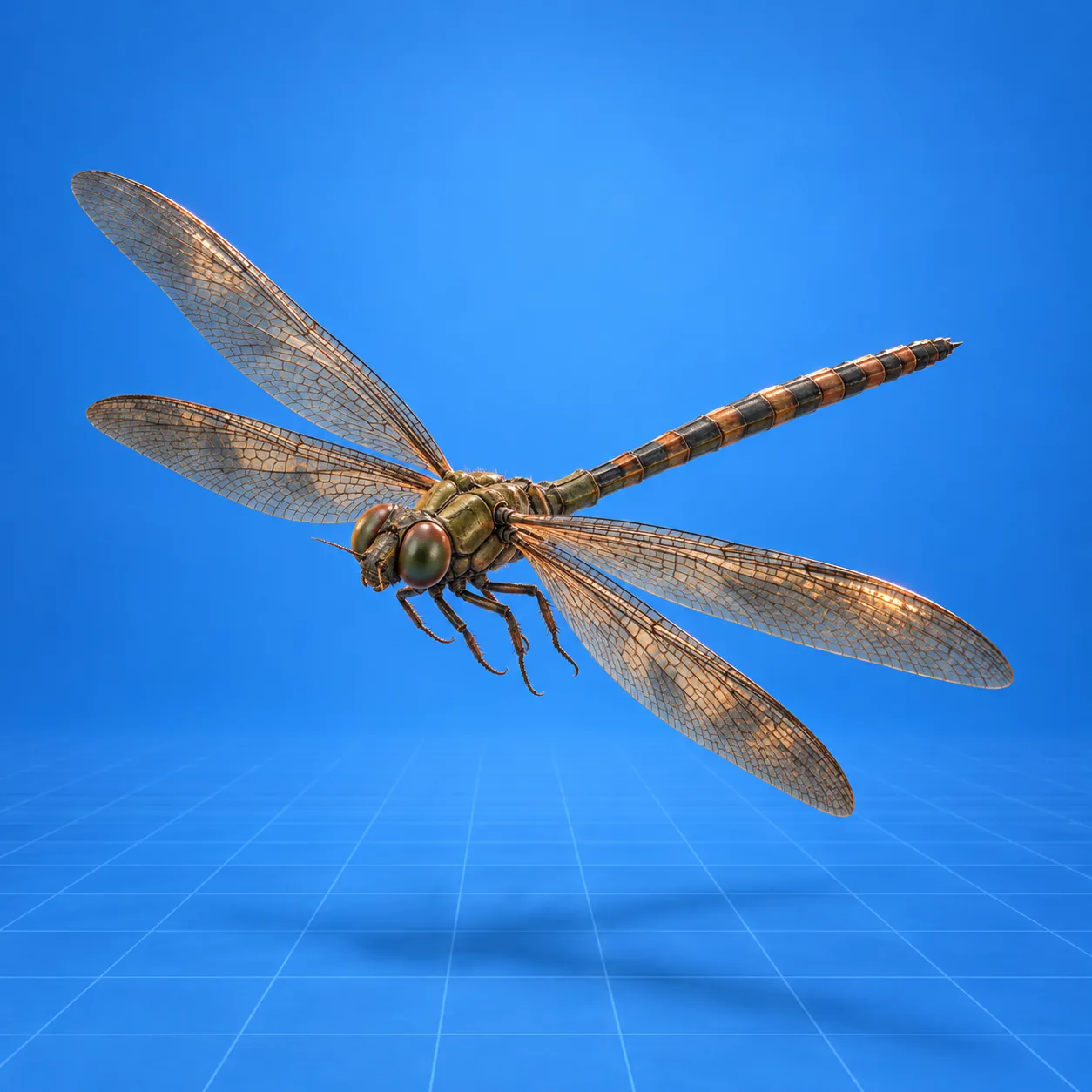 Invertebrate
Carboniferous
Its wingspan could exceed 70 centimeters, among the largest known for an insect.
Meet Meganeura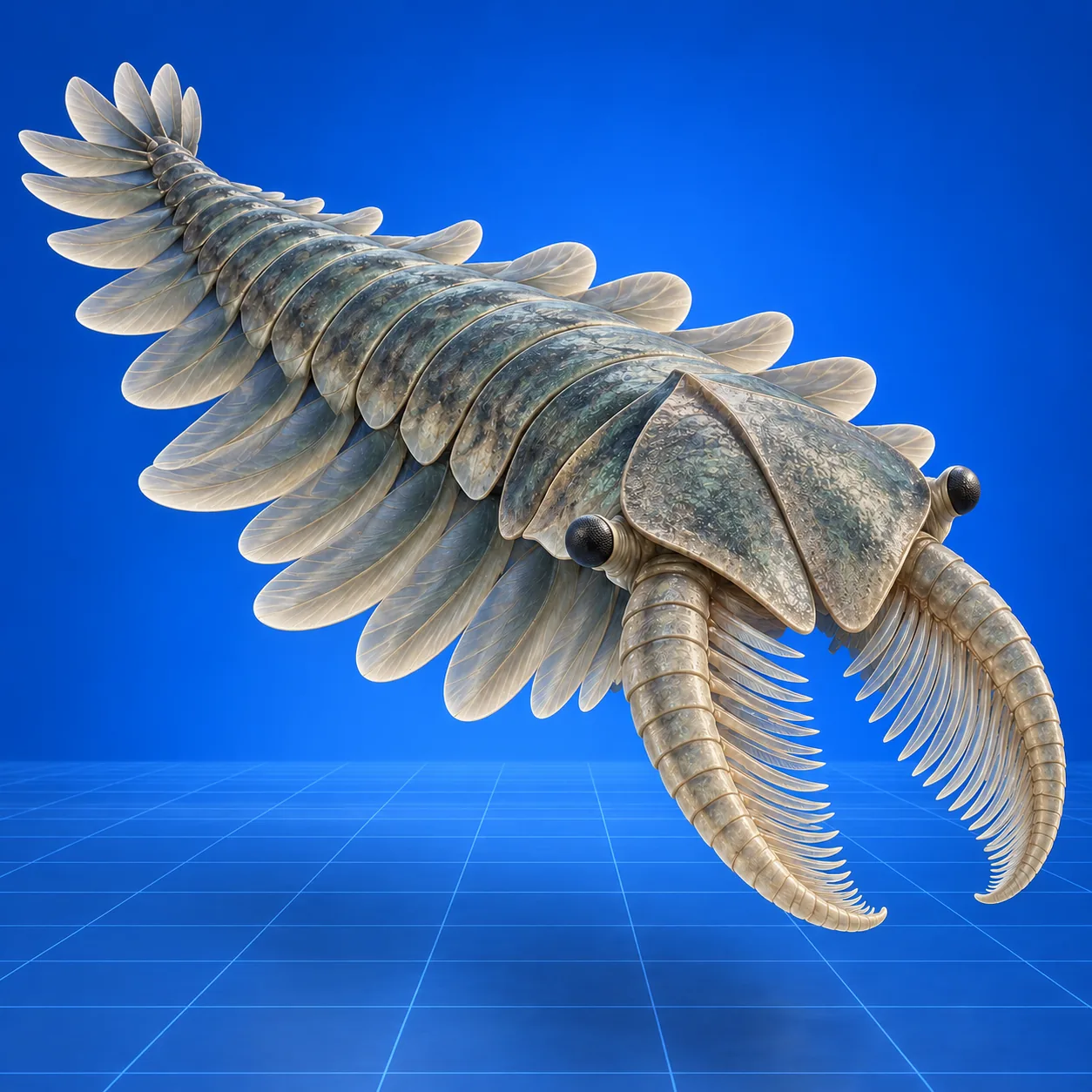 Invertebrate
Early Ordovician
Aegirocassis was a radiodont from the Early Ordovician seas recorded in Morocco.
Meet Aegirocassis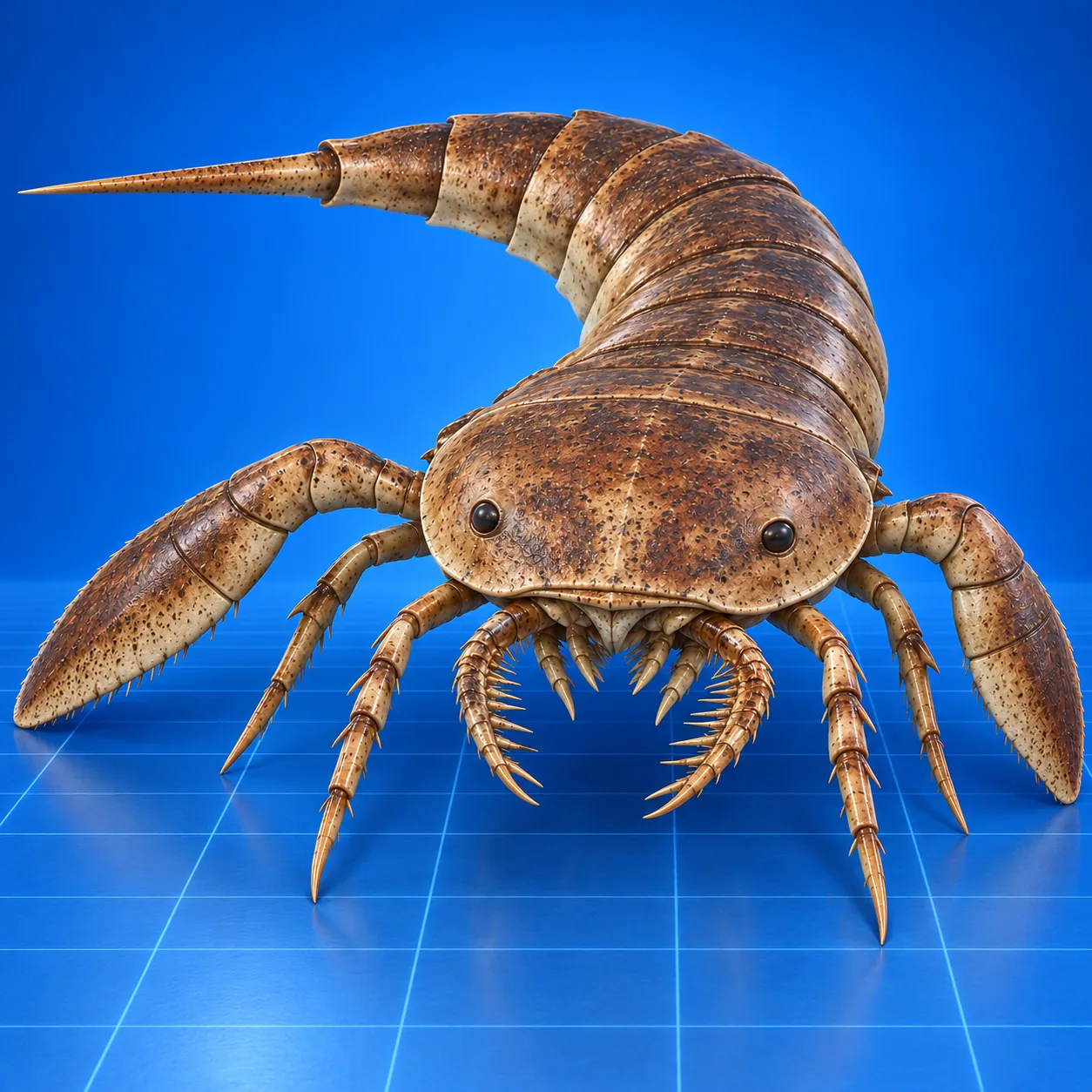 Invertebrate
Silurian
Eurypterus remipes was an aquatic arthropod with a segmented body, grasping limbs and a broad pair of swimming paddles.
Meet Eurypterus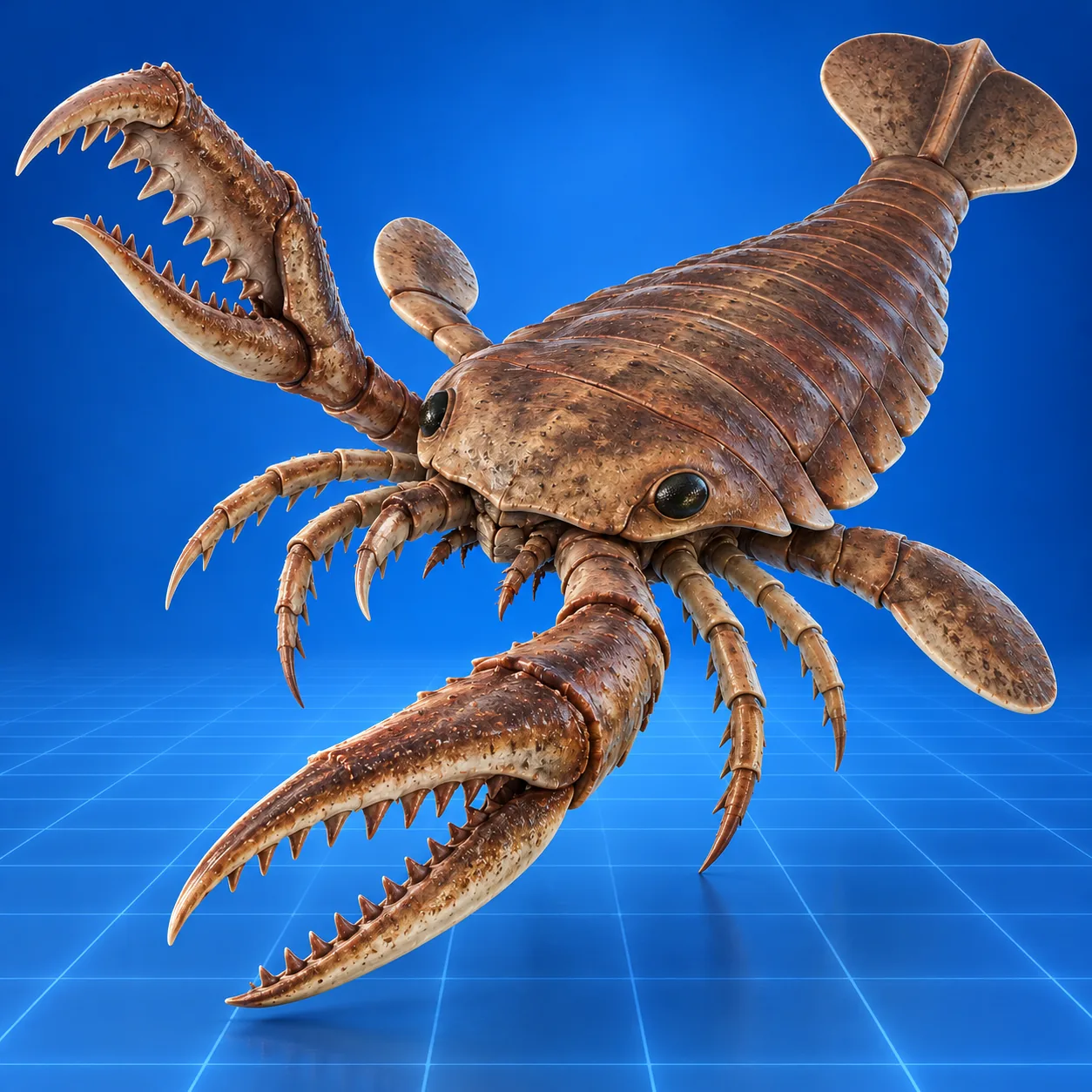 Invertebrate
Early Devonian
Jaekelopterus rhenaniae was a very large eurypterid with formidable grasping chelicerae.
Meet Jaekelopterus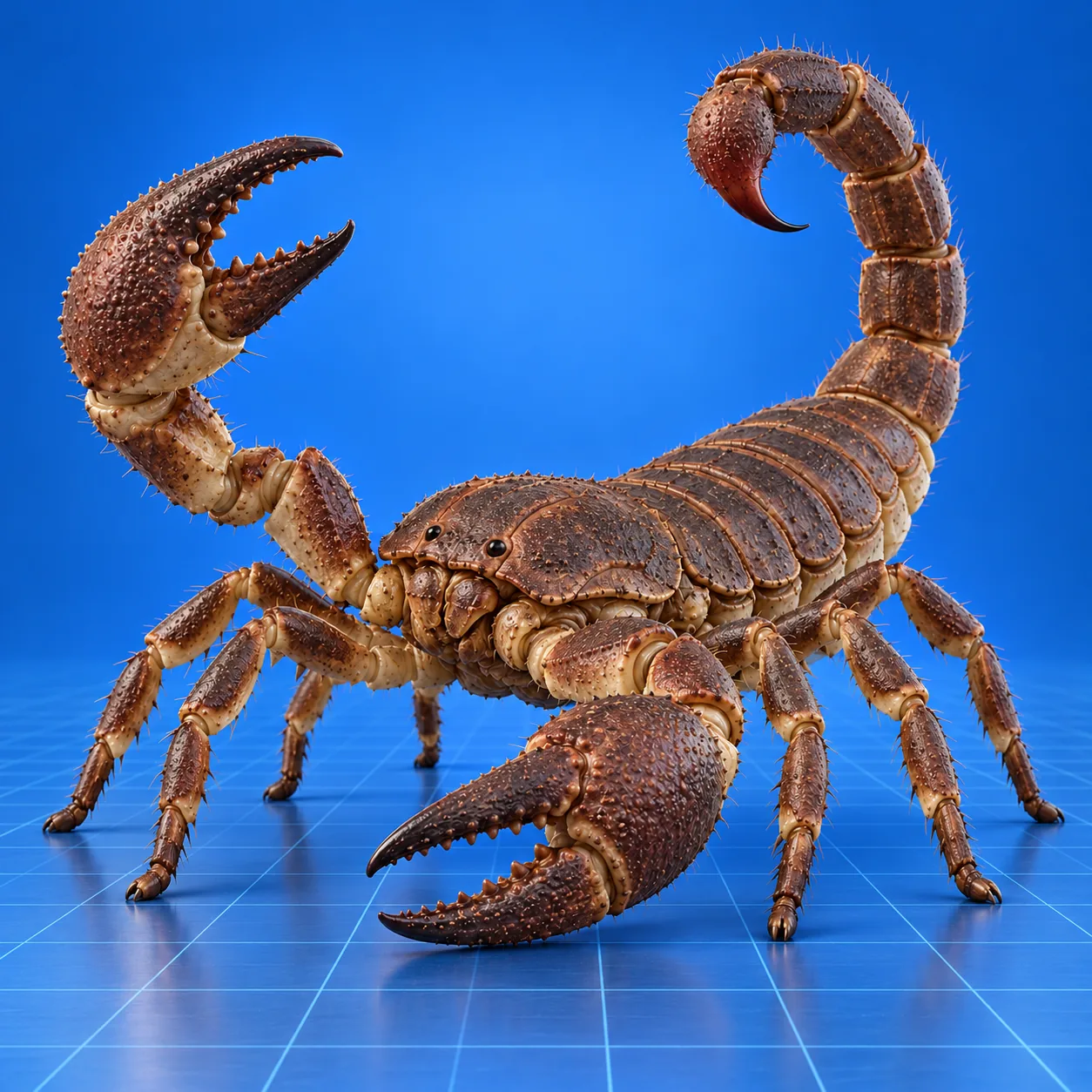 Invertebrate
Carboniferous
Pulmonoscorpius kirktonensis was a large fossil scorpion with a segmented tail and prominent eyes.
Meet Pulmonoscorpius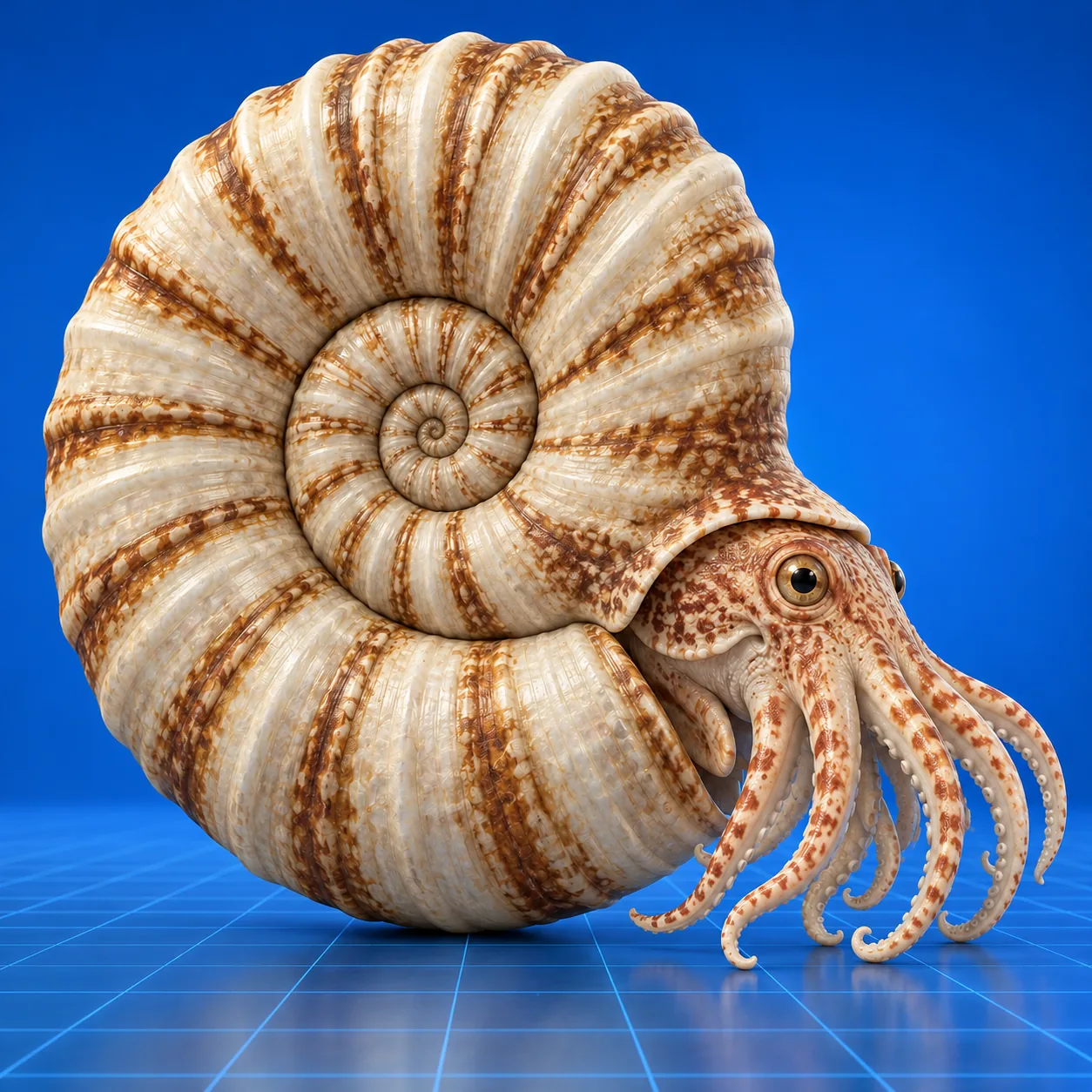 Invertebrate
Late Cretaceous
Parapuzosia seppenradensis was a giant ammonite with a coiled, chambered shell.
Meet Parapuzosia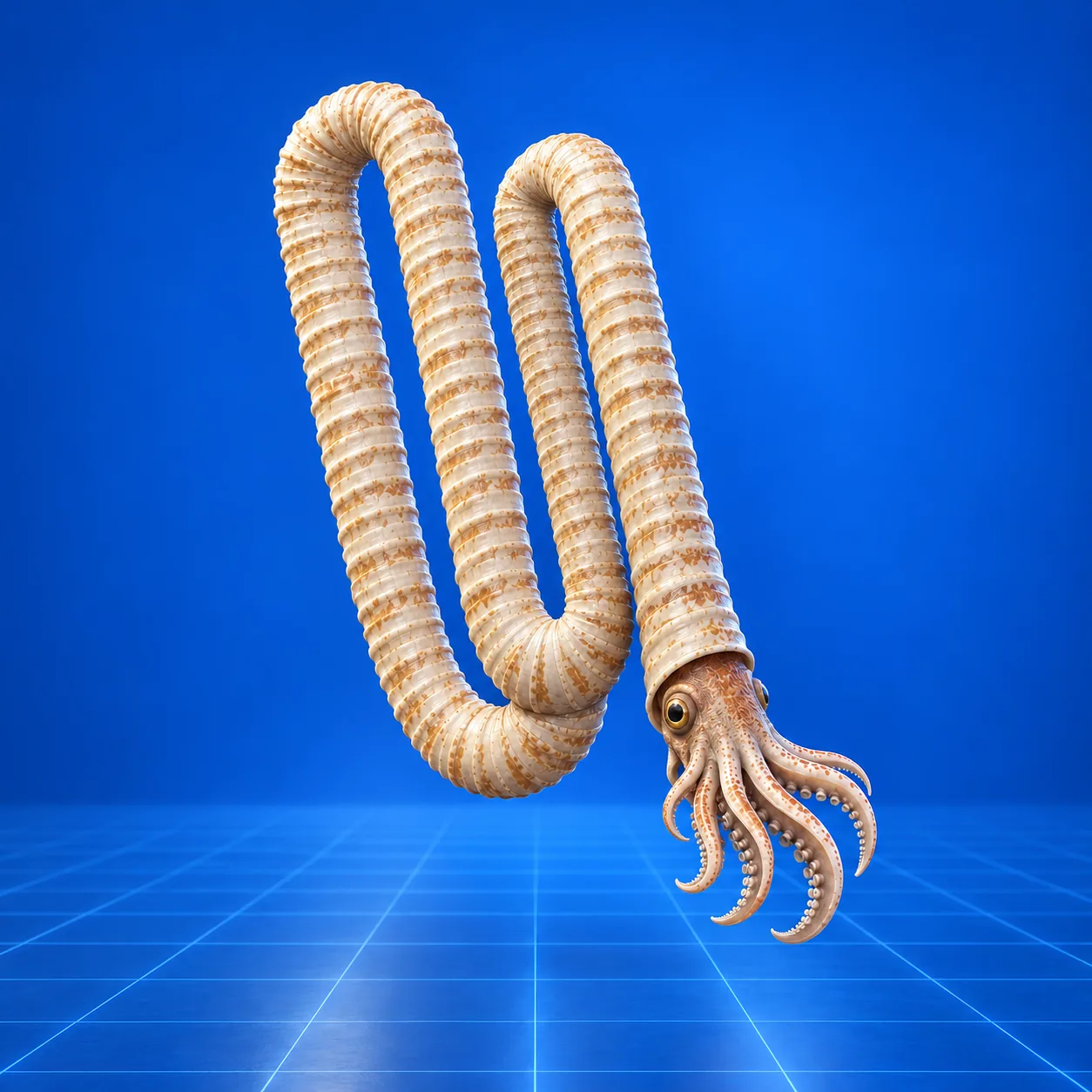 Invertebrate
Late Cretaceous
Diplomoceras maximum was an ammonite with an exceptionally long shell bent into repeated turns.
Meet Diplomoceras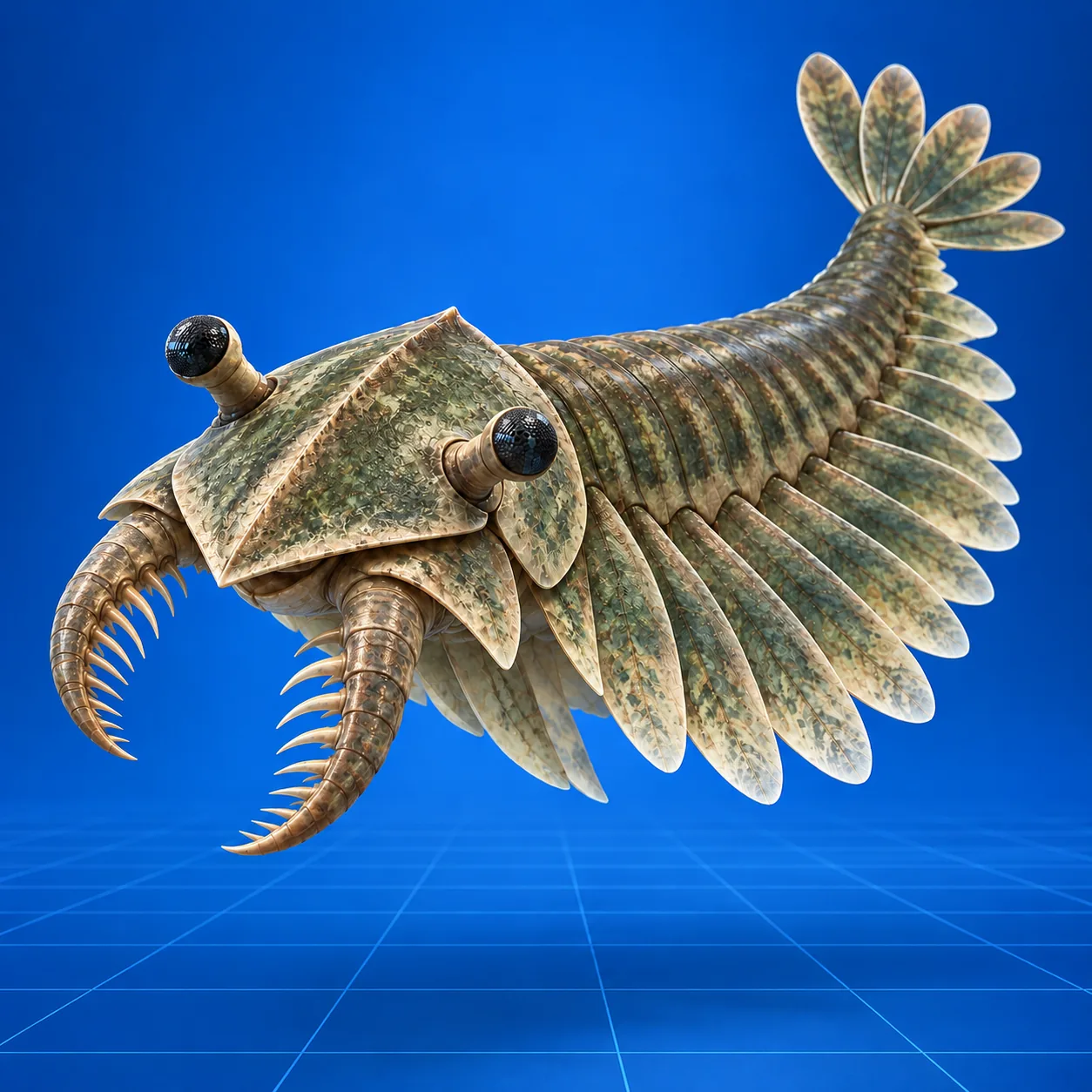 Invertebrate
Cambrian
Hurdia victoria was a radiodont with a large multipart head carapace, swimming flaps and a pair of specialized frontal appendages.
Meet Hurdia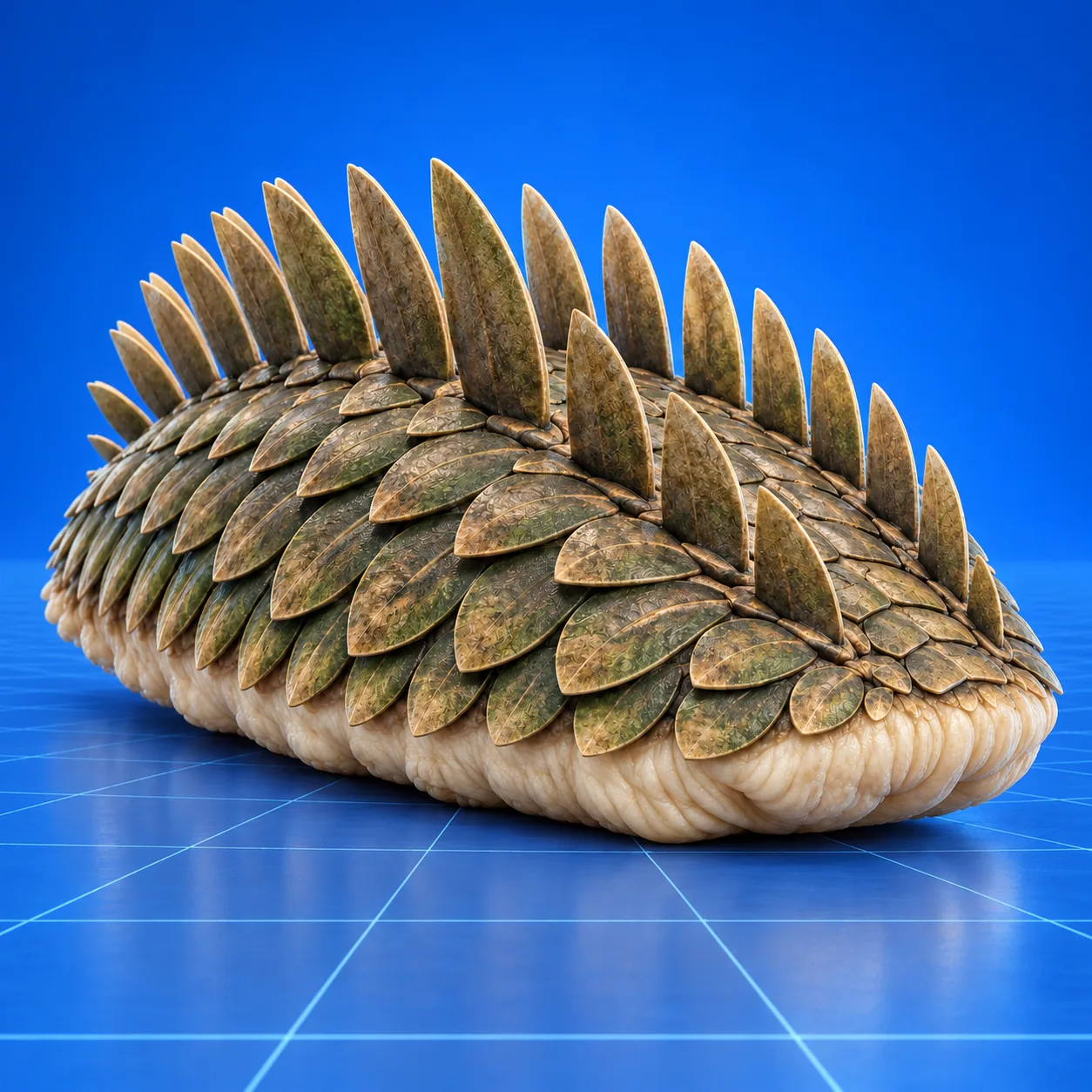 Invertebrate
Cambrian
Wiwaxia corrugata carried a covering of small protective sclerites and long spines.
Meet Wiwaxia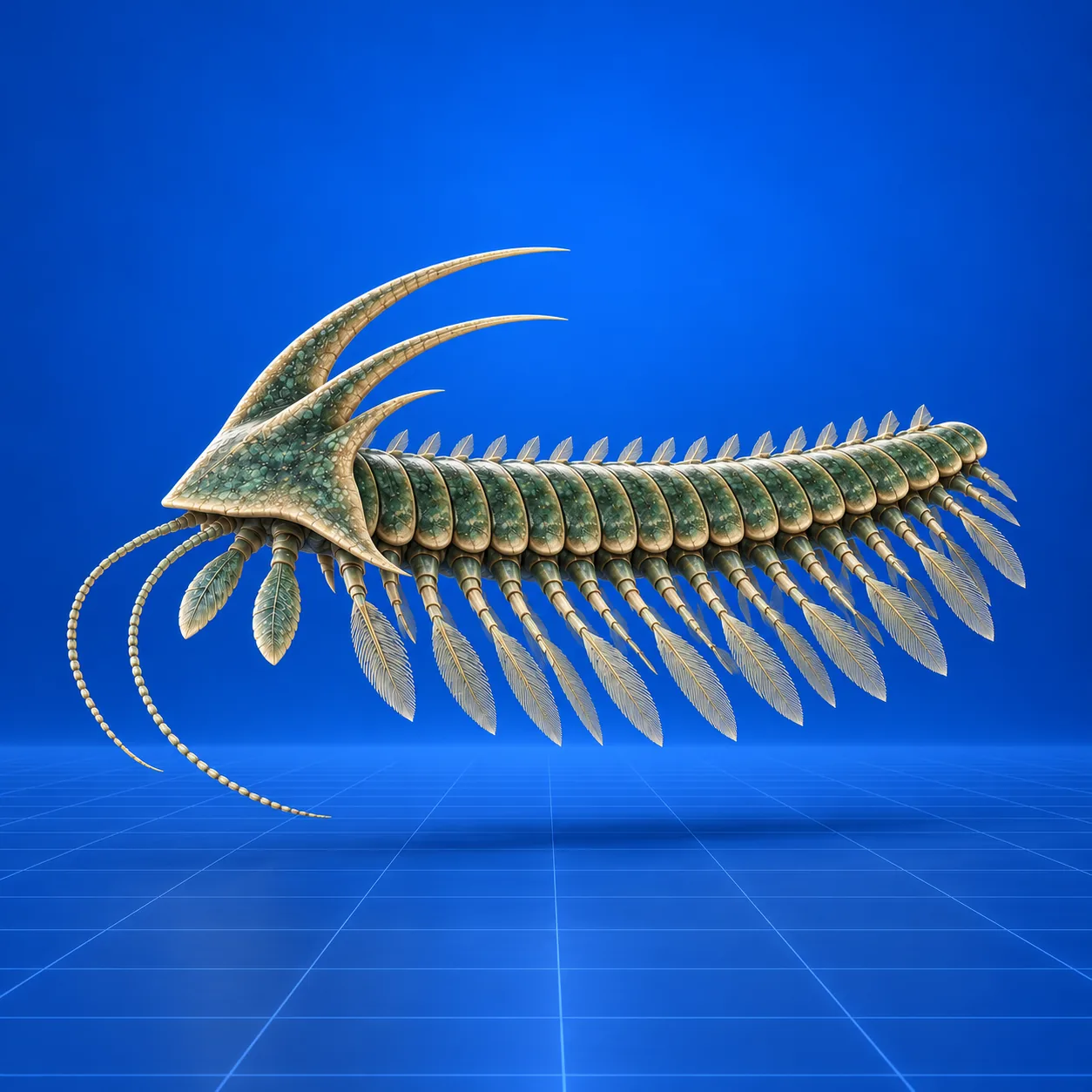 Invertebrate
Cambrian
Marrella was a small arthropod with a distinctive head shield carrying long backward-directed spines.
Meet Marrella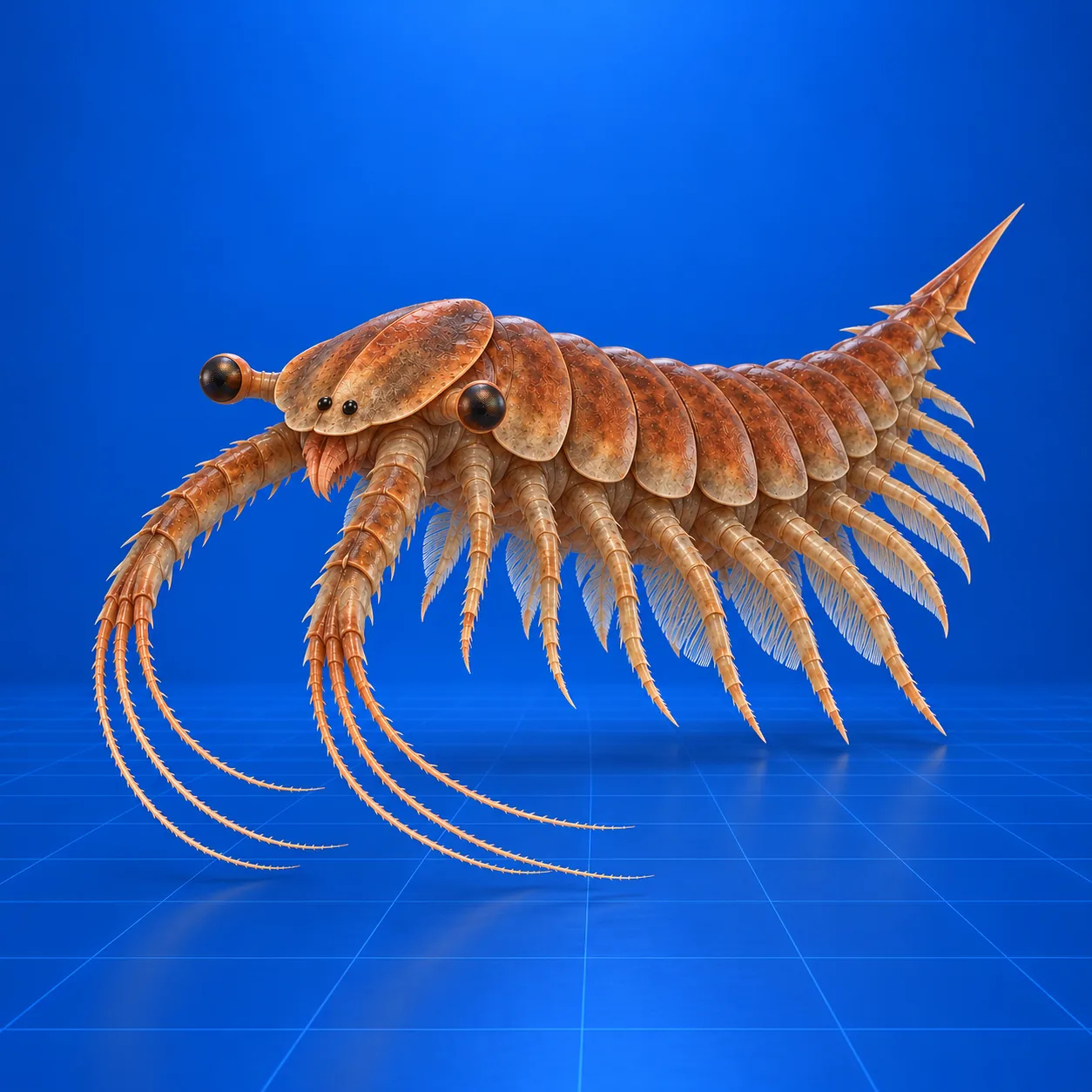 Invertebrate
Cambrian
Leanchoilia was an early arthropod with conspicuous segmented frontal appendages.
Meet Leanchoilia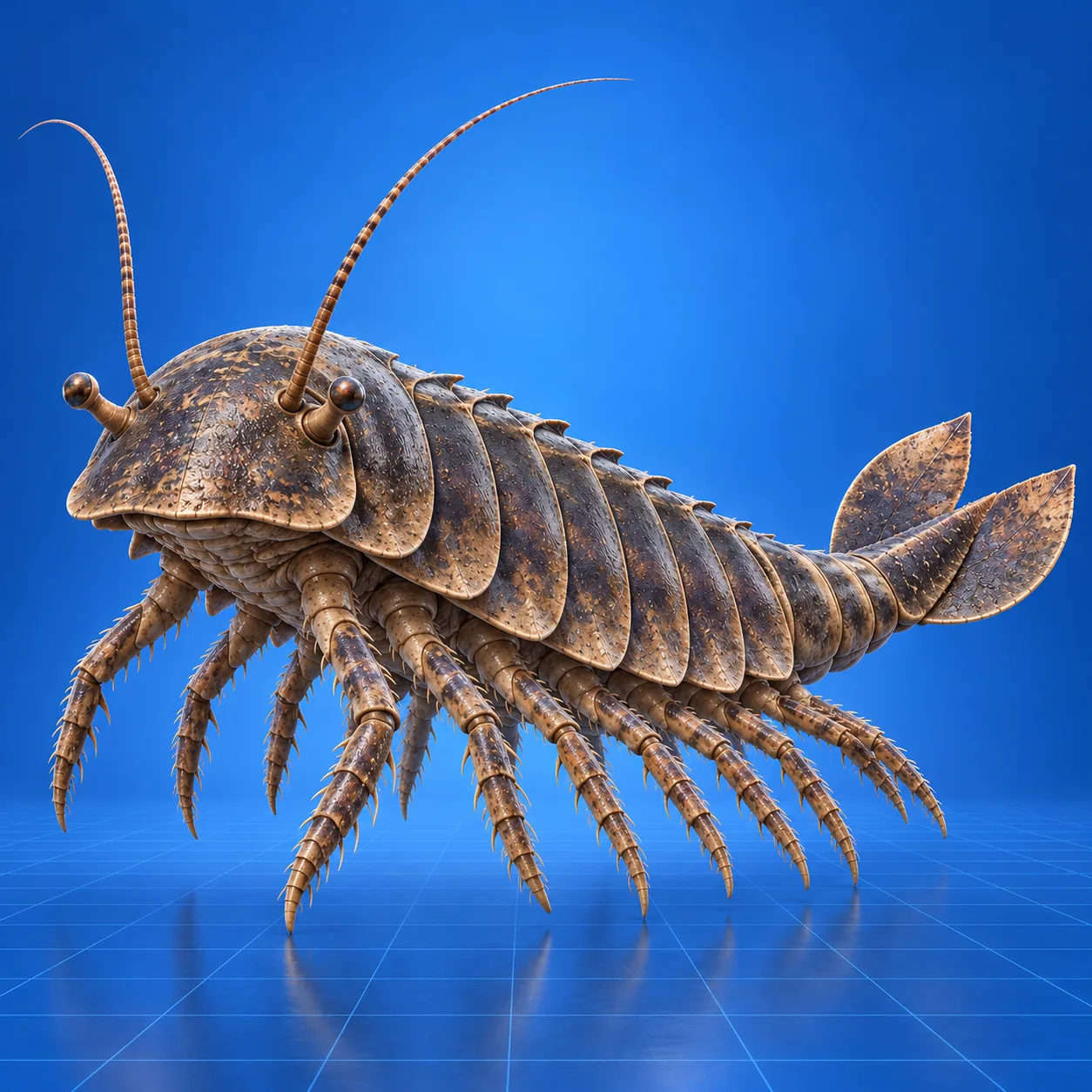 Invertebrate
Cambrian
Sidneyia was a broad-bodied Cambrian arthropod with strong appendages used in food processing.
Meet Sidneyia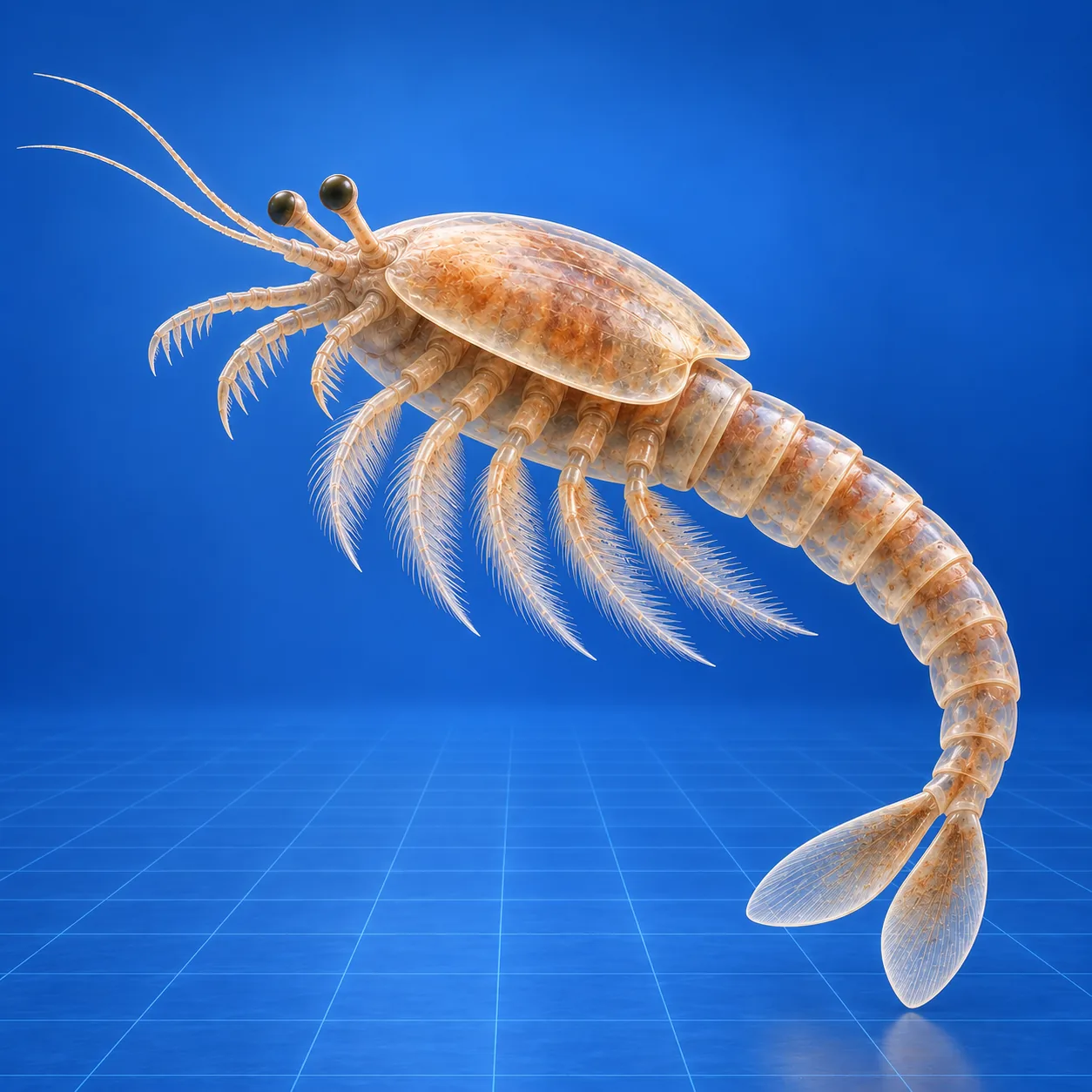 Invertebrate
Cambrian
Waptia was an early arthropod with a bivalved-looking shield over the front of its body.
Meet Waptia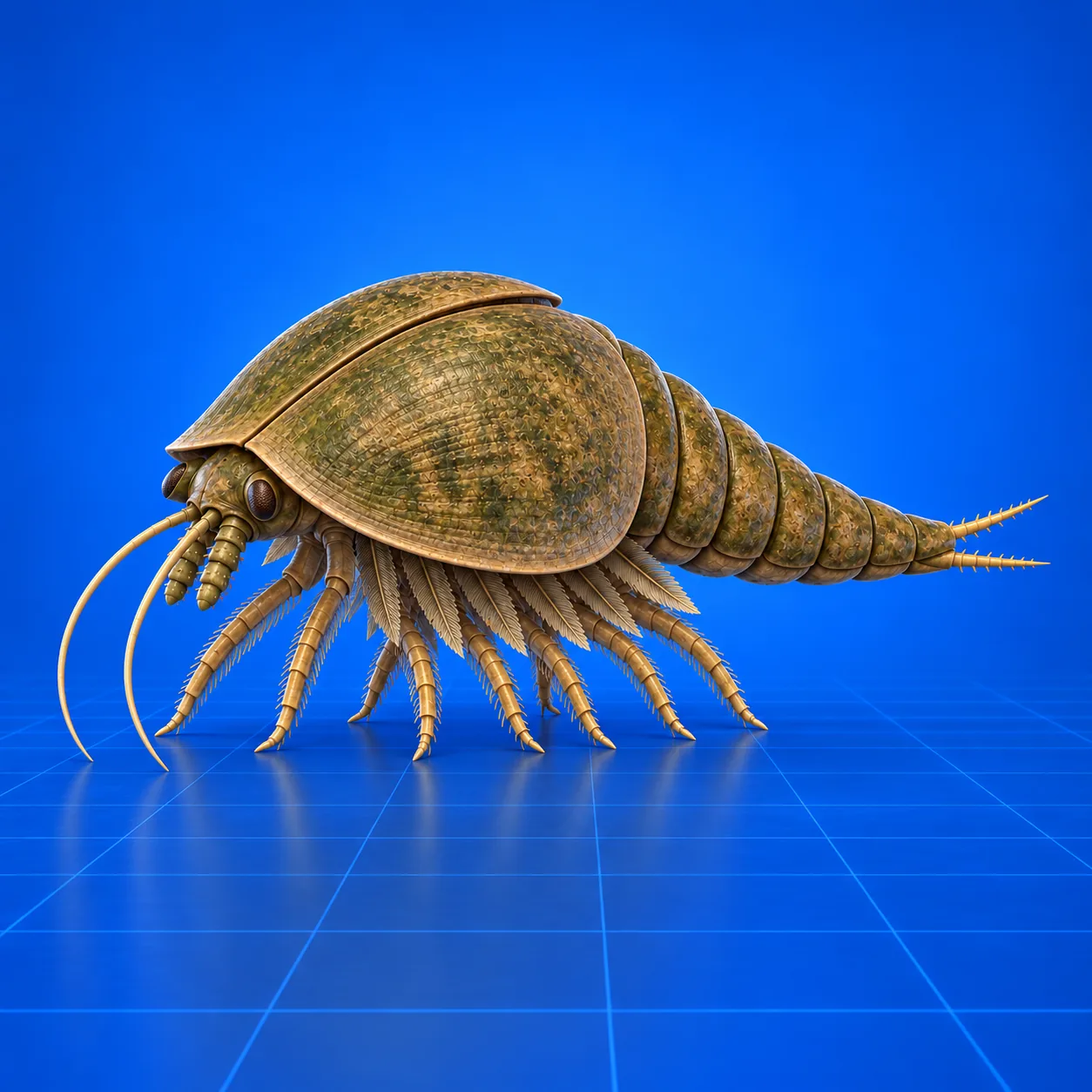 Invertebrate
Cambrian
Canadaspis was a Cambrian arthropod with a large carapace covering much of its body.
Meet Canadaspis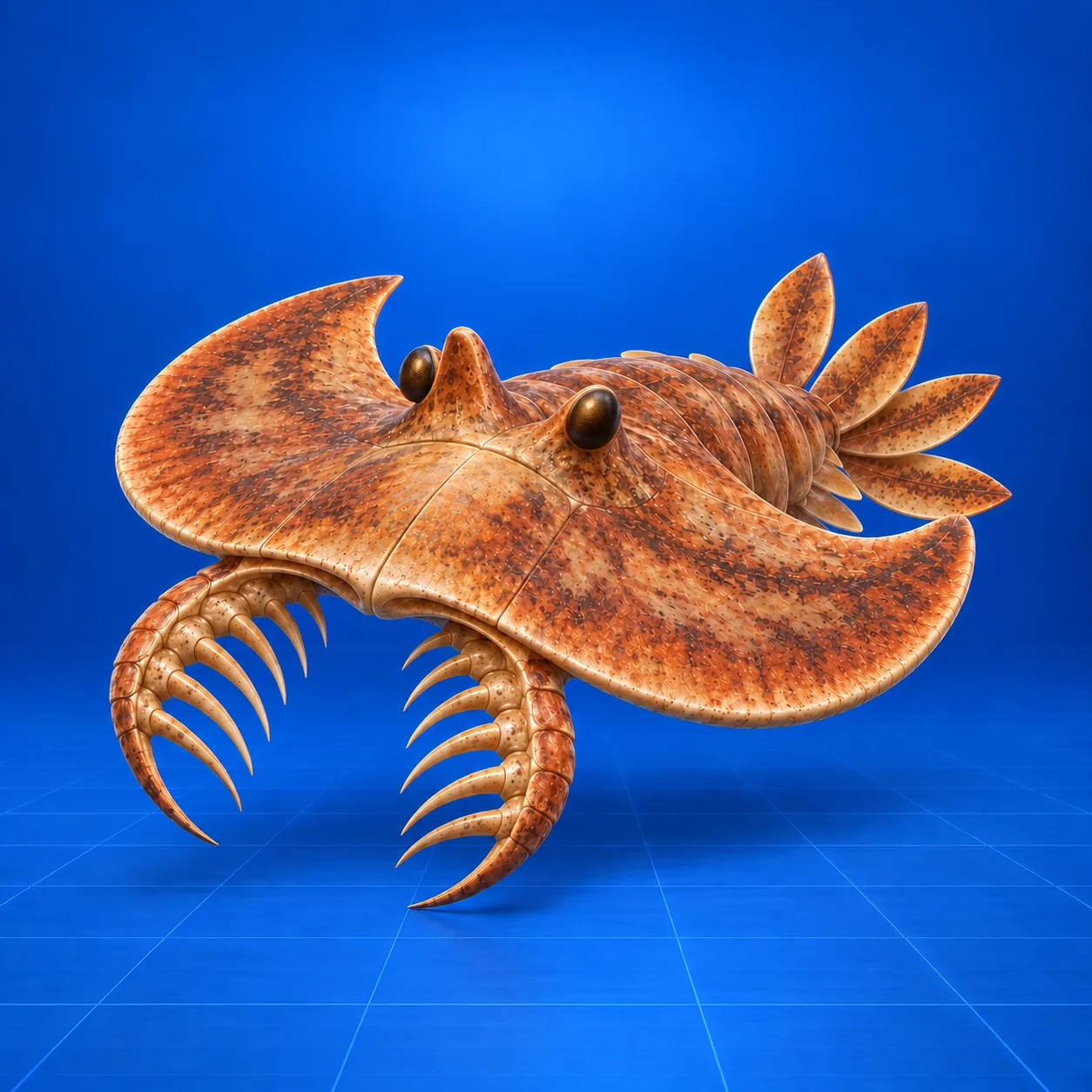 Invertebrate
Cambrian
Cambroraster was a radiodont with a broad head carapace and specialized frontal appendages.
Meet Cambroraster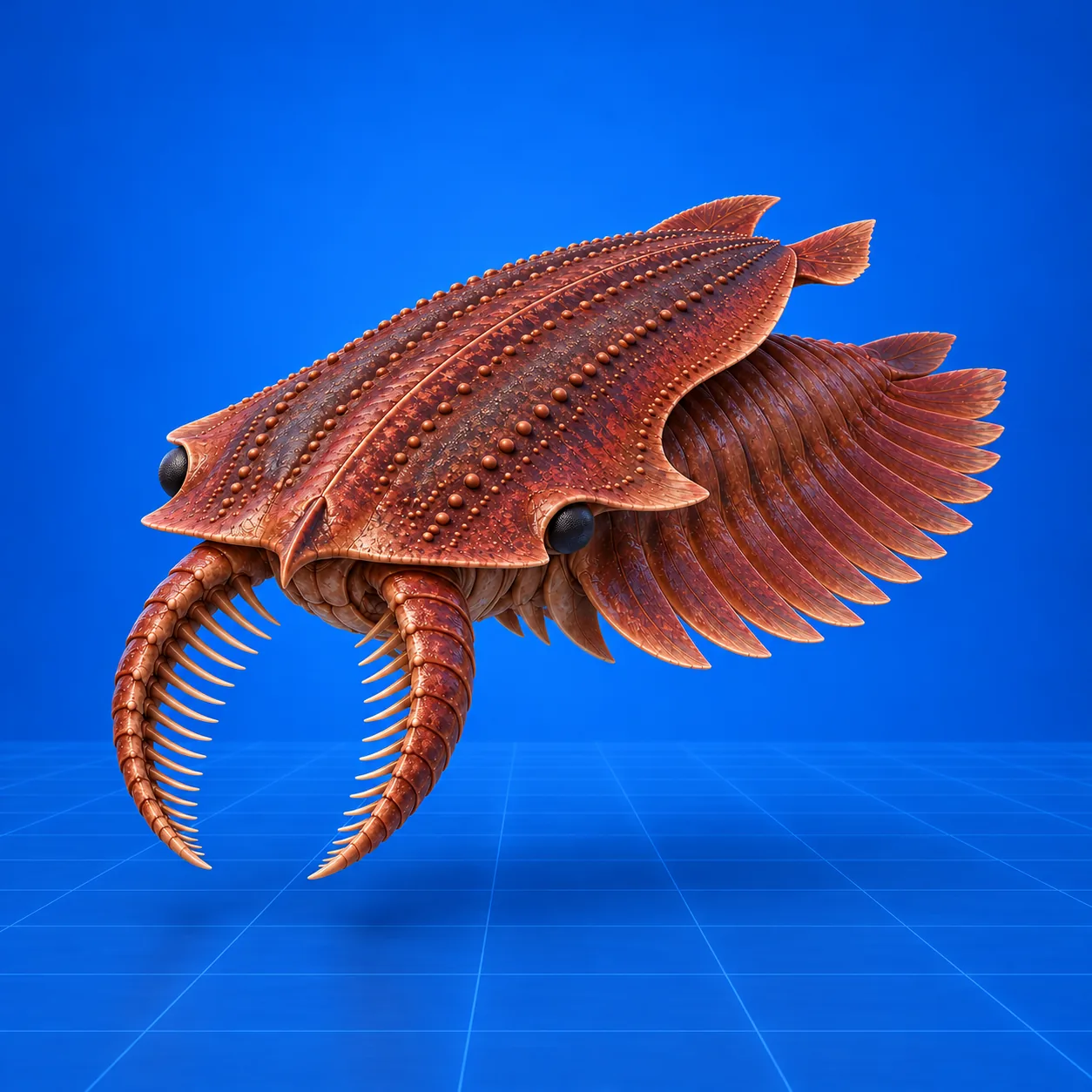 Invertebrate
Cambrian
Titanokorys was a radiodont with a very large head carapace relative to its body.
Meet Titanokorys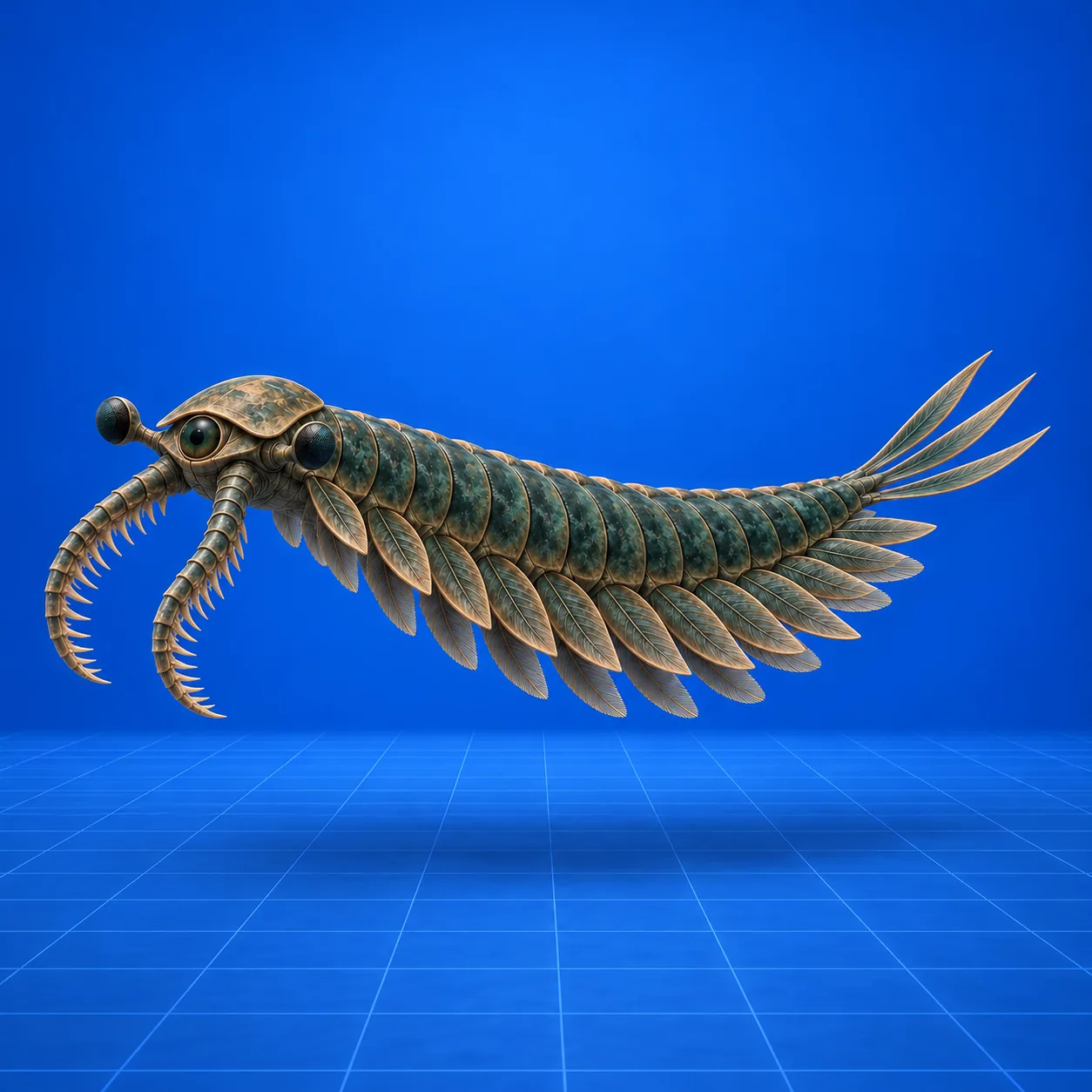 Invertebrate
Cambrian
Stanleycaris was a radiodont whose fossils preserve remarkable detail in the head region.
Meet Stanleycaris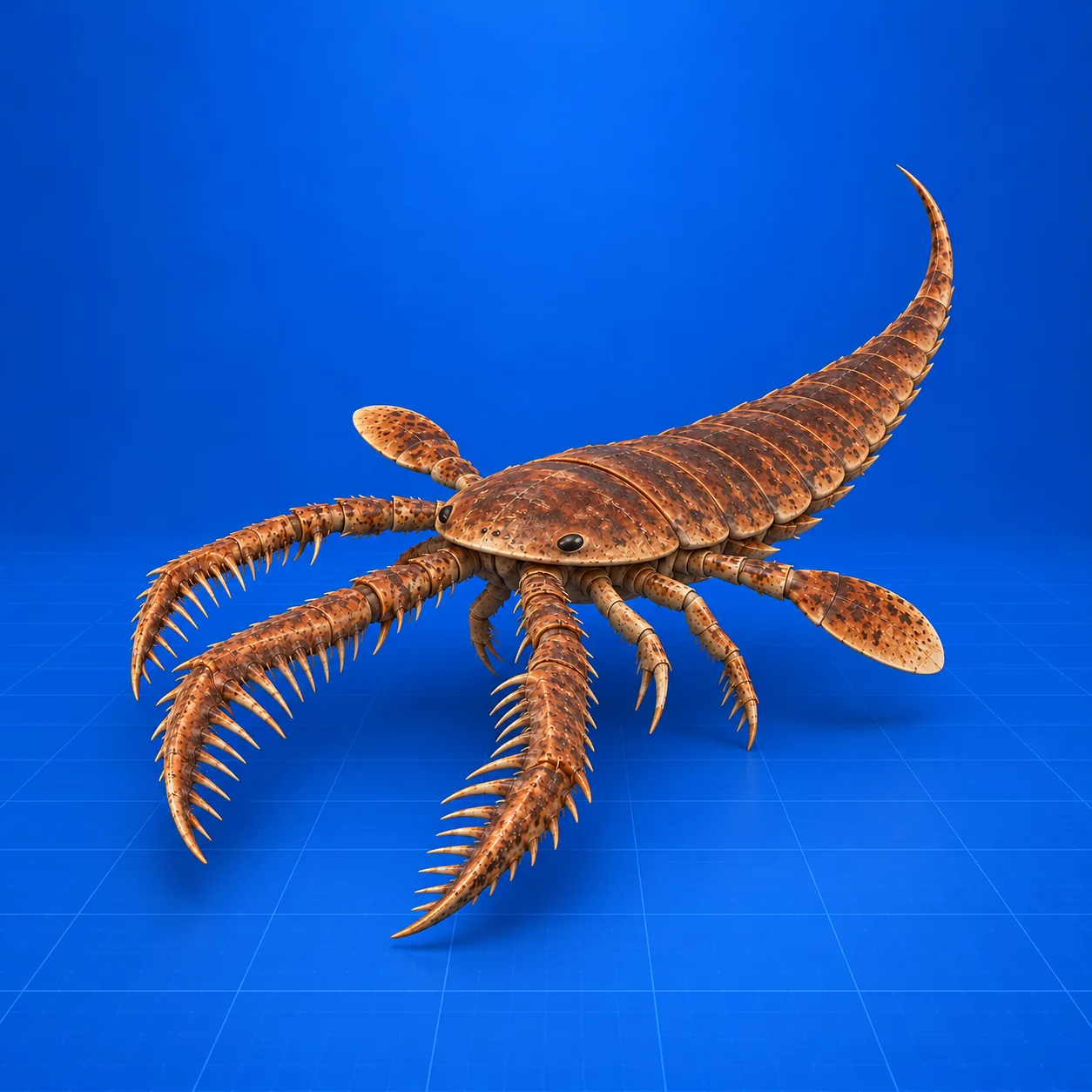 Invertebrate
Silurian
Mixopterus was a eurypterid with prominent spiny walking appendages.
Meet Mixopterus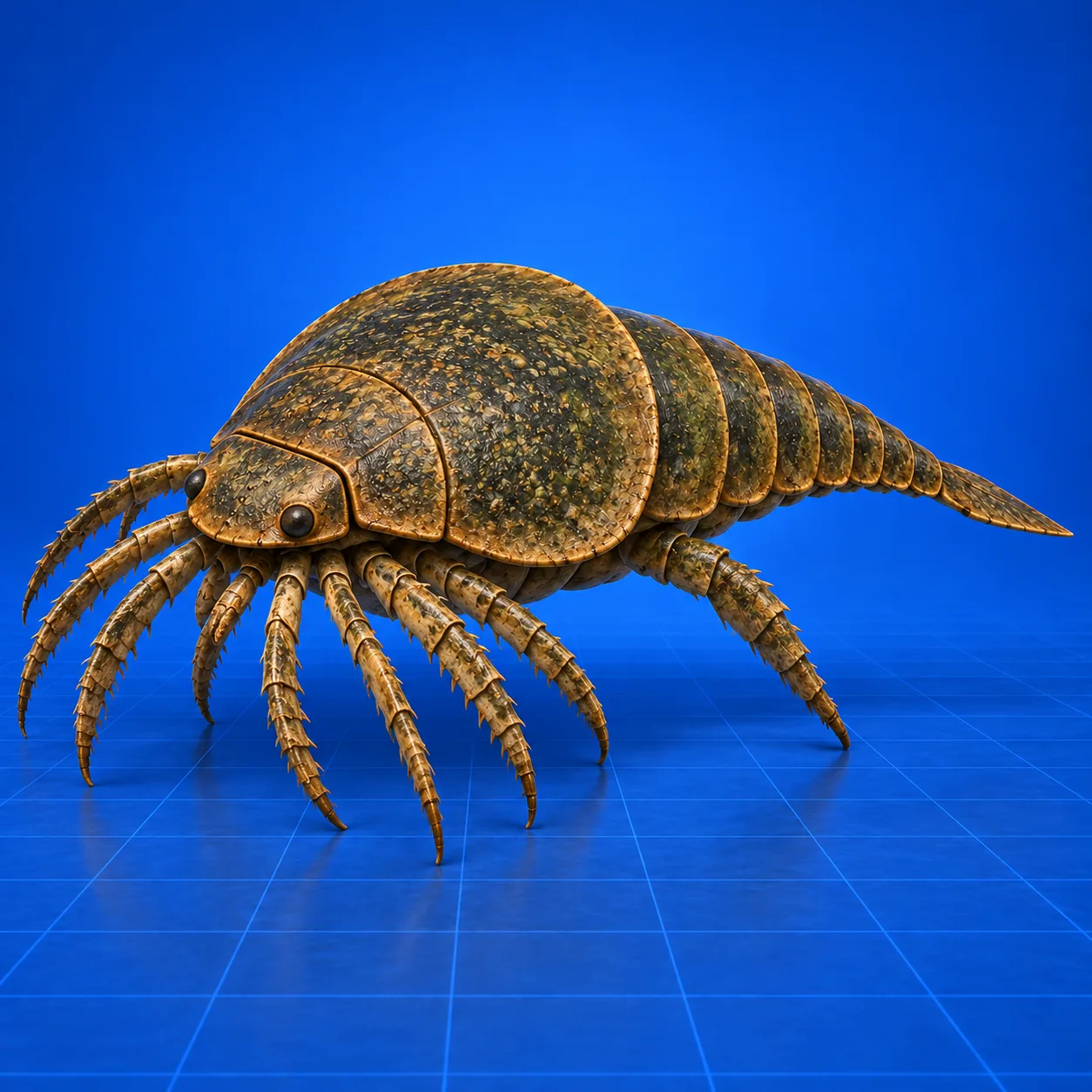 Invertebrate
Carboniferous
Megarachne was originally interpreted as a giant spider before closer study supported a eurypterid identity.
Meet Megarachne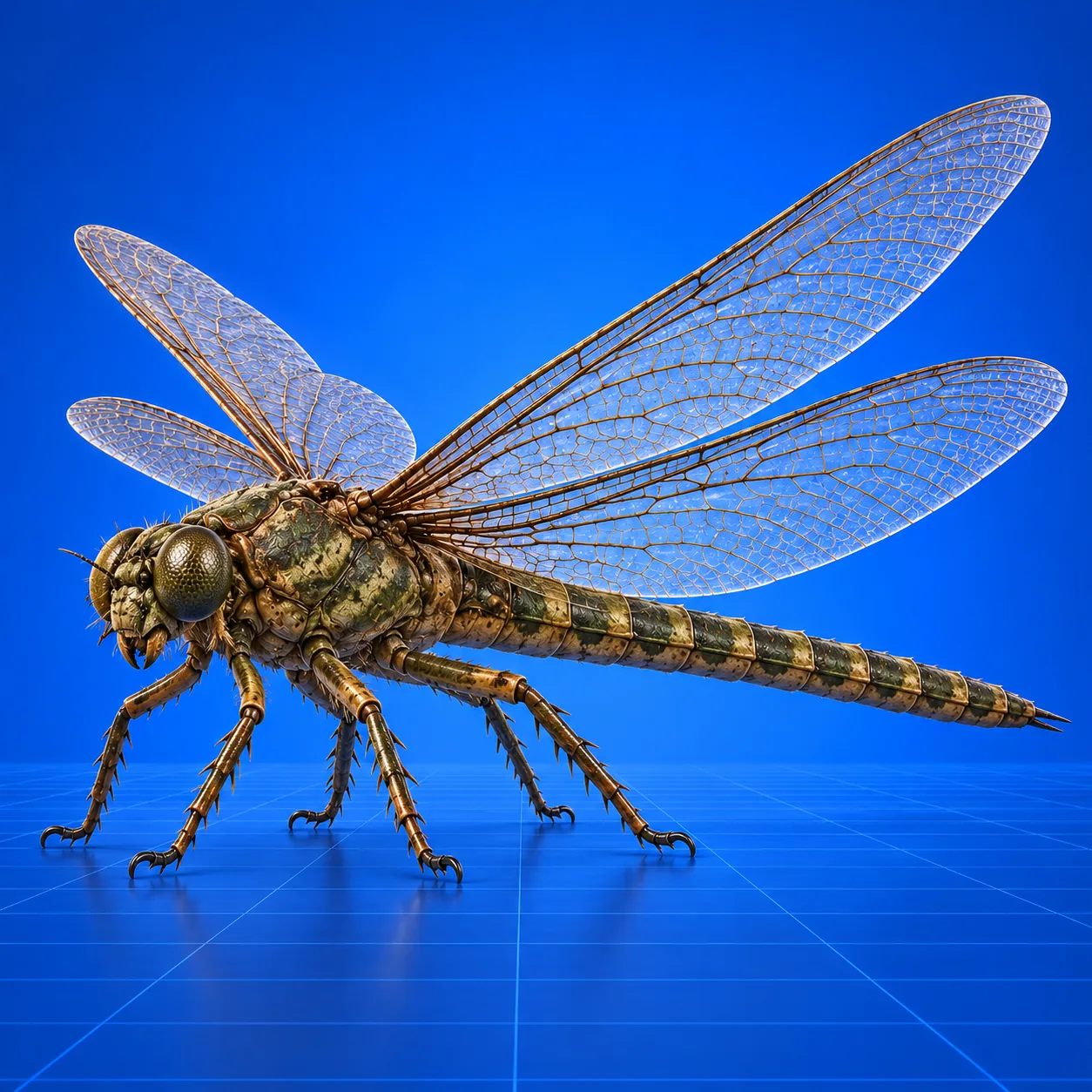 Invertebrate
Permian
Meganeuropsis was a large griffinfly, an extinct insect related to the broader dragonfly-like lineage.
Meet MeganeuropsisInvertebrate is a broad term for animals without a backbone, not a single evolutionary family. The species here represent different groups, ages and ways of life.
Fossils can preserve striking details, but some unusual animals remain difficult to interpret. Each profile separates its fossil background from the imaginative colours and growth stages used in the game.
No. The illustrations are stylized Dinosgacha game artwork. The linked profiles provide fossil context and references, while colours, expressions and growth-stage designs are artistic interpretations.
AI-generated, stylized game illustrations. These designs and growth stages are imaginative, not scientific reconstructions. Open a profile for its fossil information and sources.