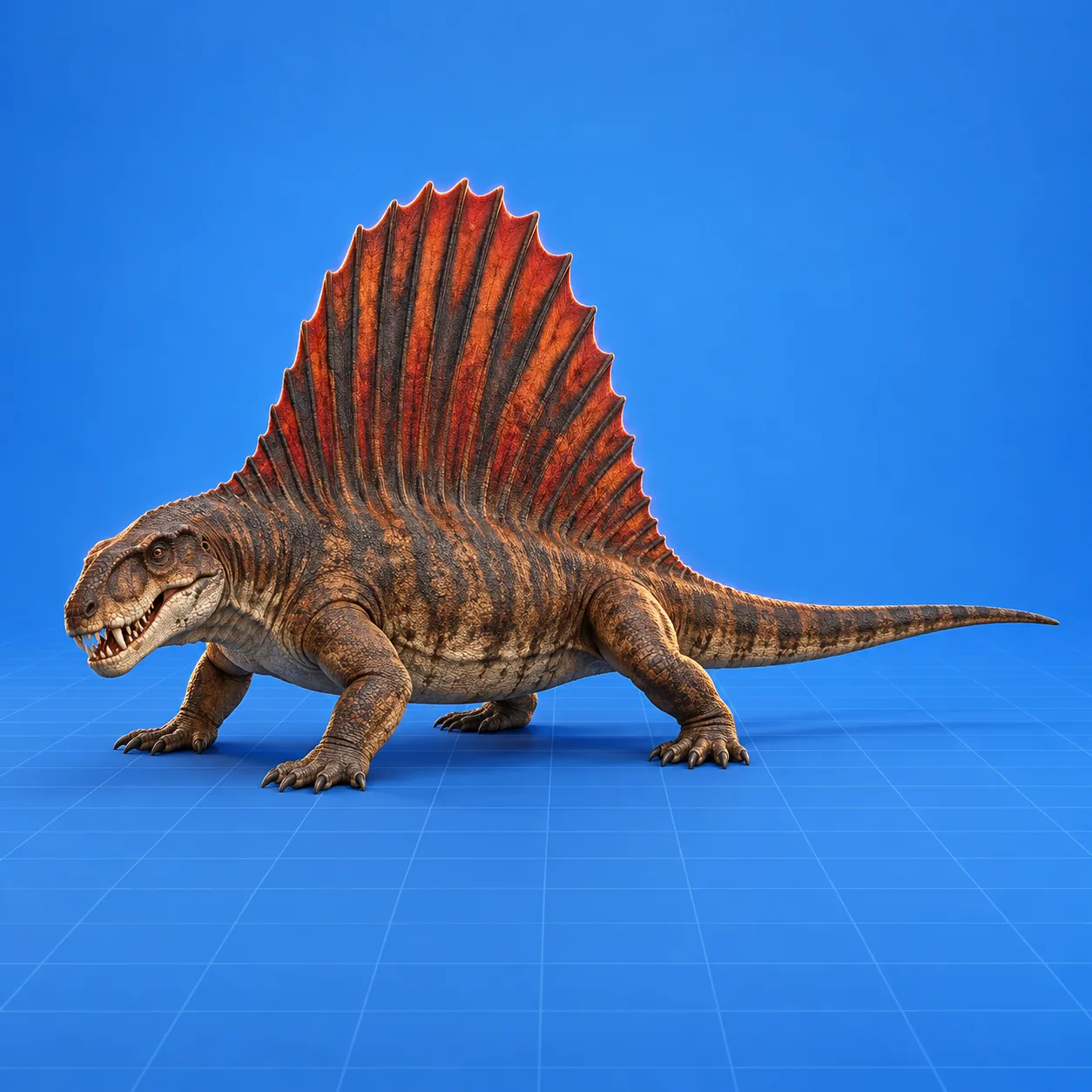
 Synapsid
Permian
Dimetrodon
Many of its fossils come from the Red Beds of Texas and Oklahoma.
Meet Dimetrodon Dinosgacha
Explore the prehistoric world
Sails, tusks and a place on the mammal side of the family tree. Explore the extinct synapsids in Dinosgacha.
Showing 1–9 of 9 creatures
SynapsidPermian
Many of its fossils come from the Red Beds of Texas and Oklahoma.
Meet Dimetrodon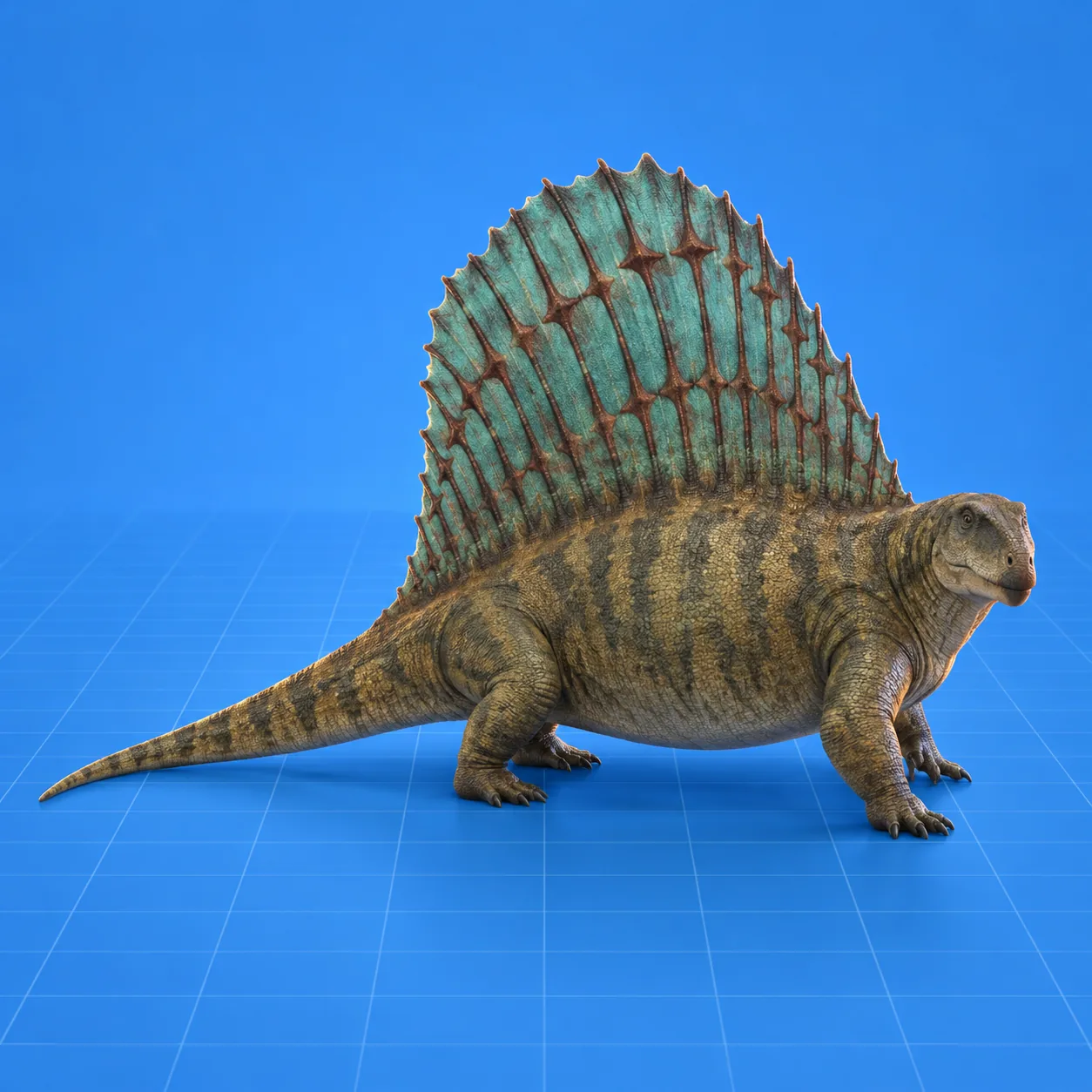 Synapsid
Carboniferous / Permian
It ate plants, unlike its fellow sail-backed synapsid Dimetrodon.
Meet Edaphosaurus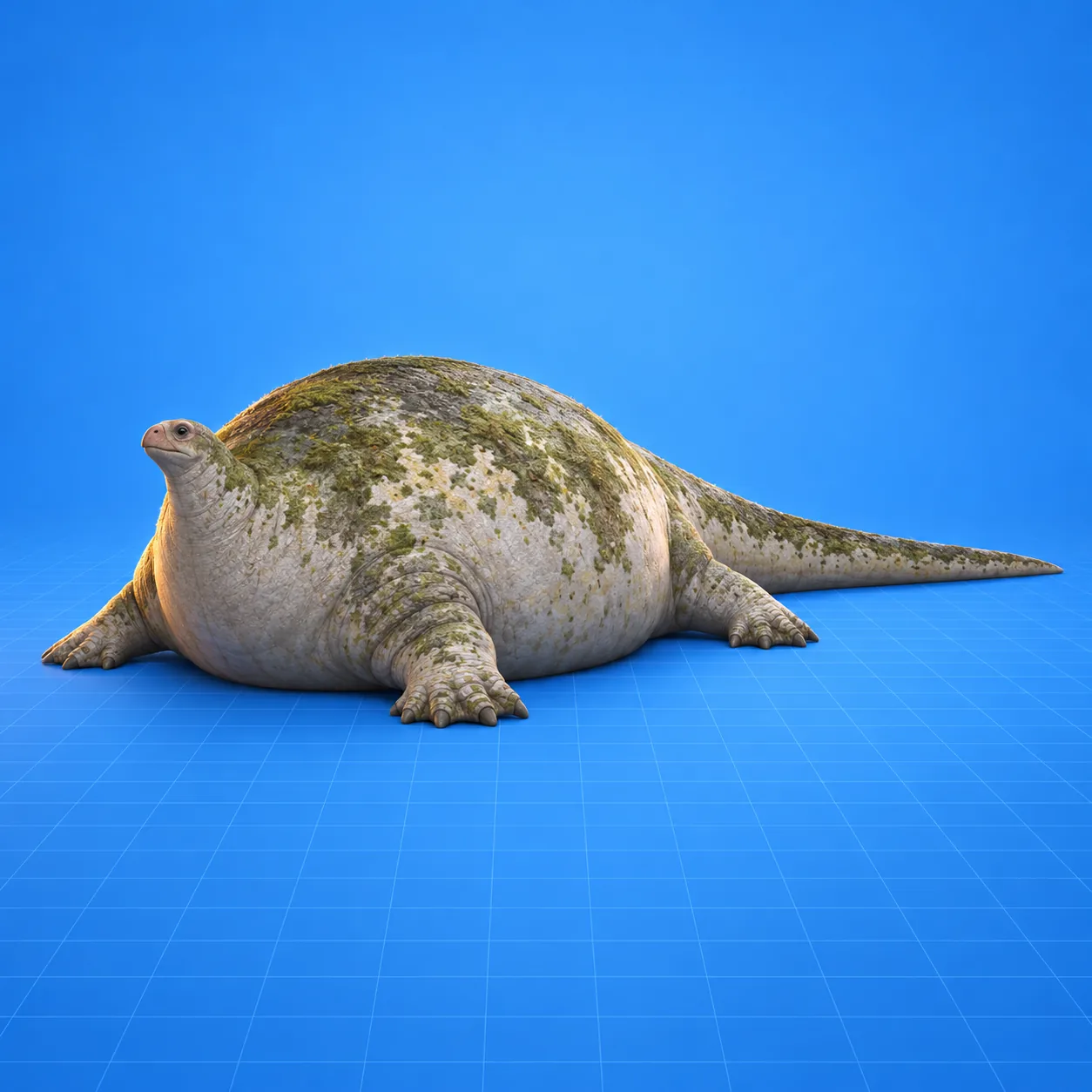 Synapsid
Permian
It was one of the large land vertebrates of its time.
Meet Cotylorhynchus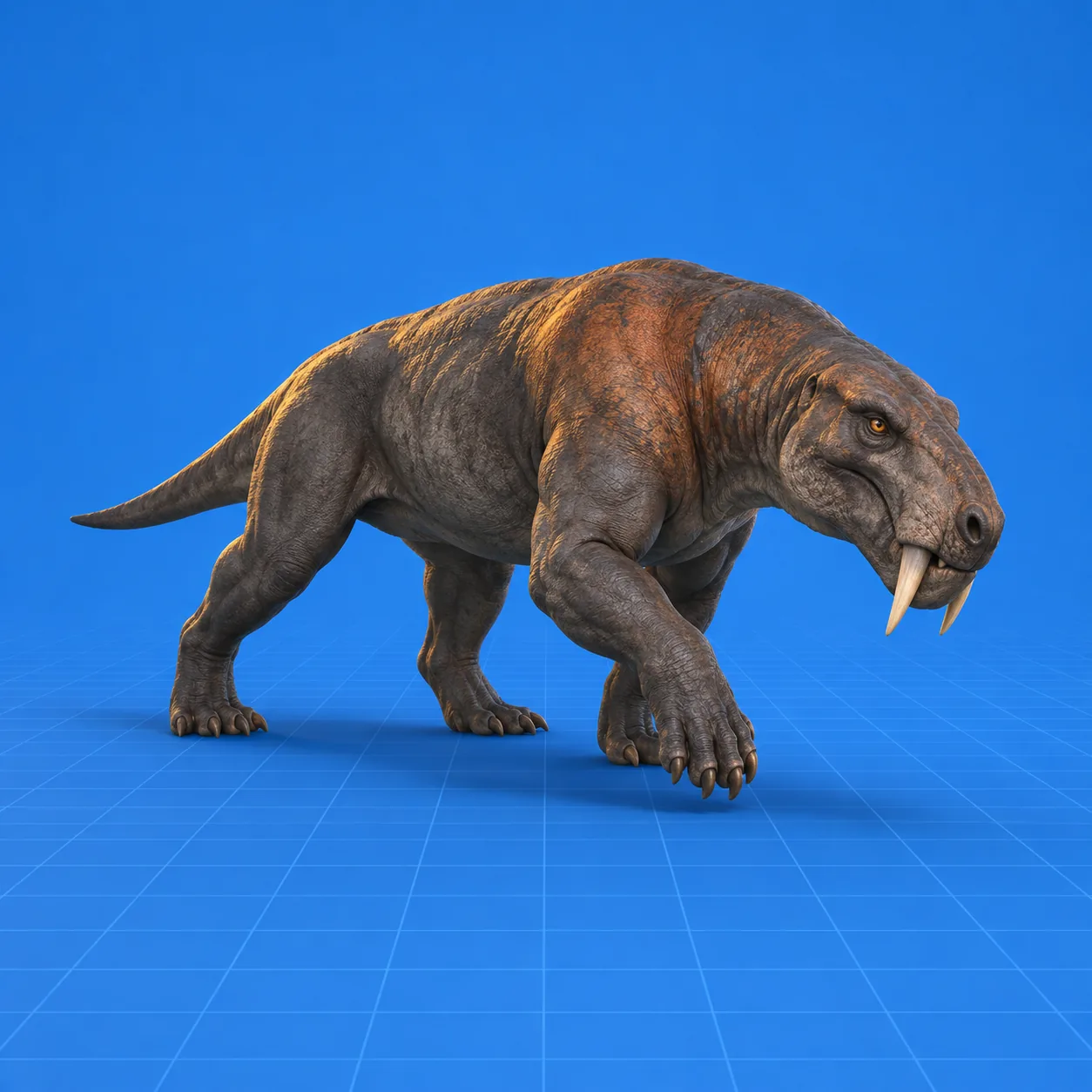 Synapsid
Permian
It is known from several skulls and two nearly complete skeletons.
Meet Inostrancevia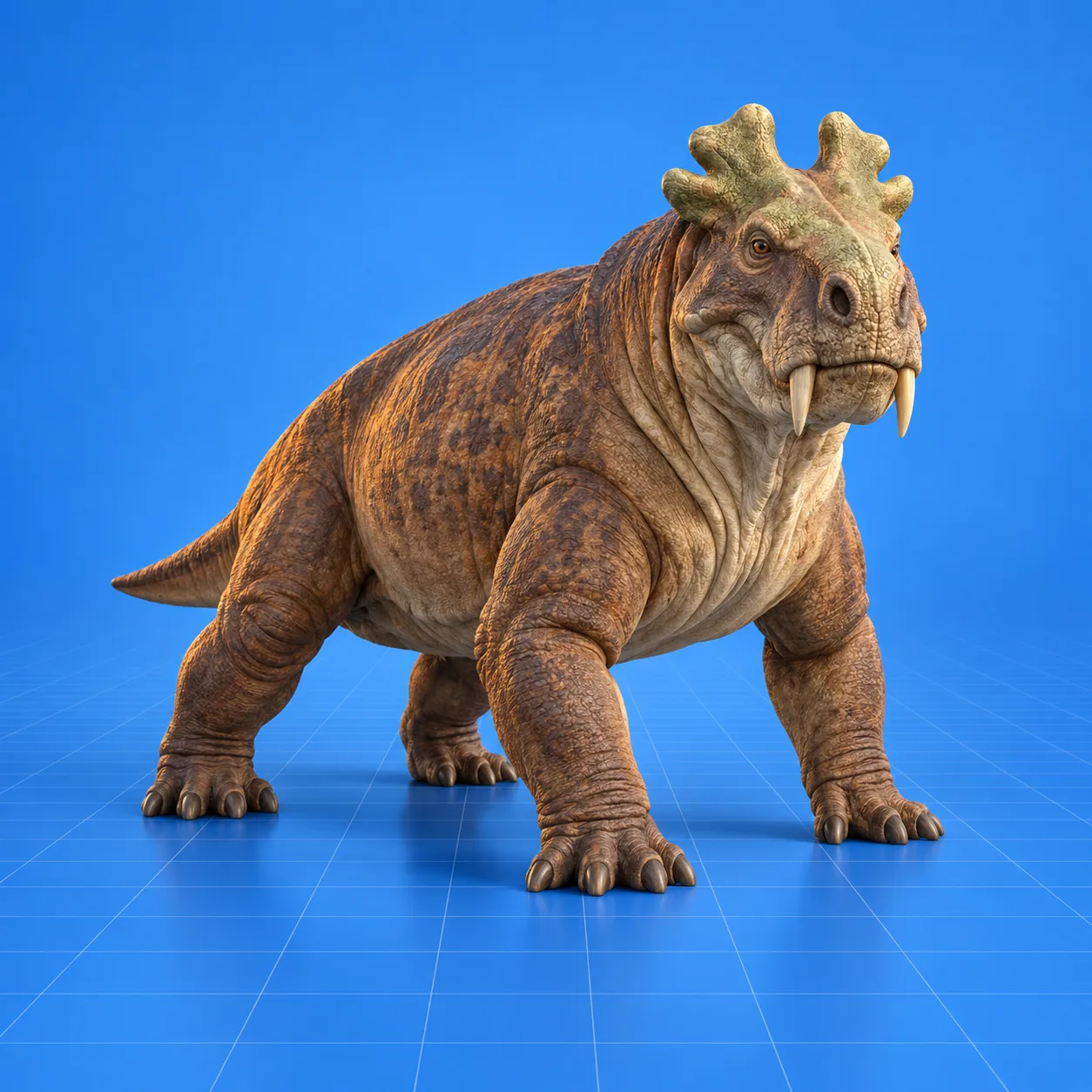 Synapsid
Permian
Its striking cranial protuberances could have been used for display between individuals.
Meet Estemmenosuchus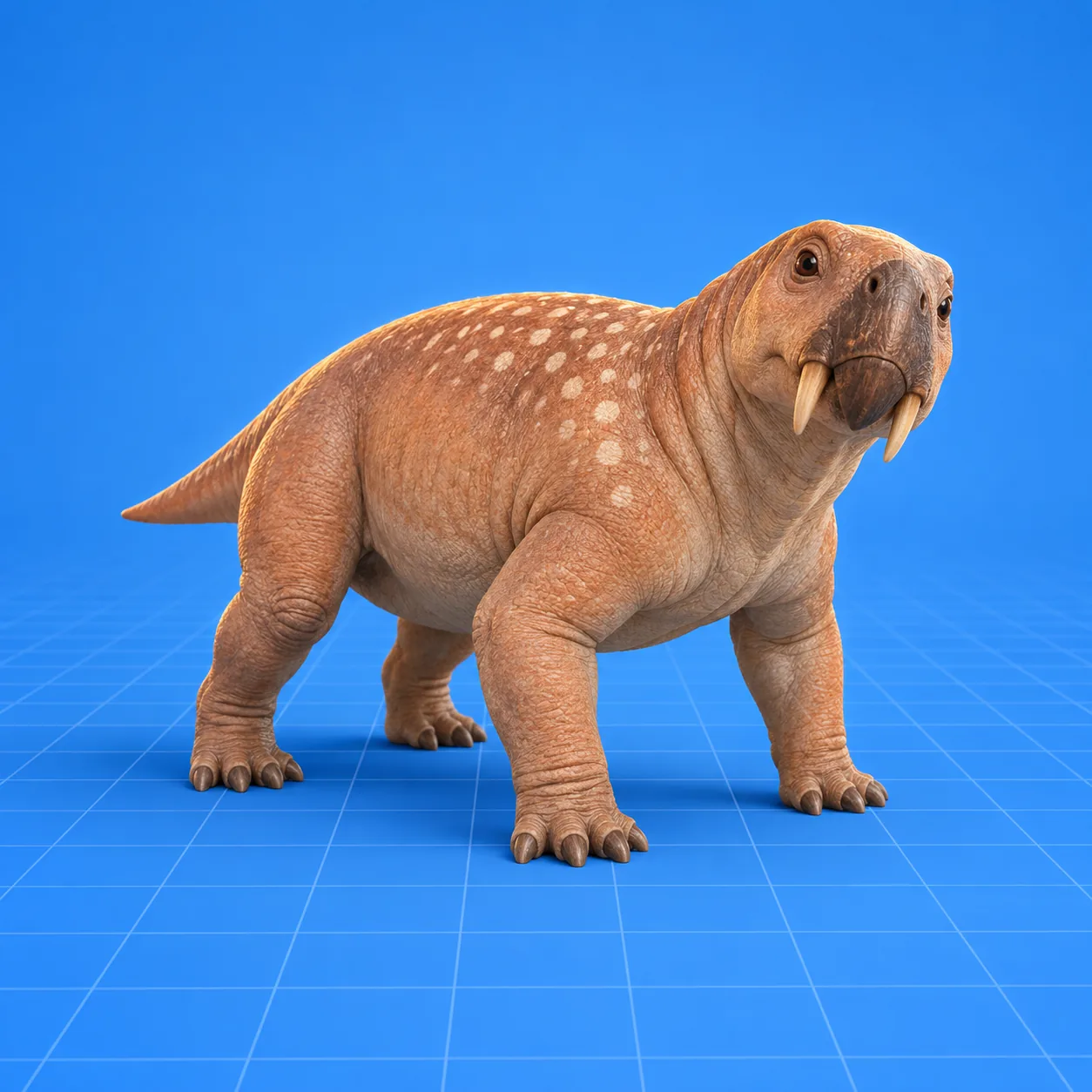 Synapsid
Permian / Triassic
It had two tusks and a tough, horn-covered beak suited to cutting plants.
Meet Lystrosaurus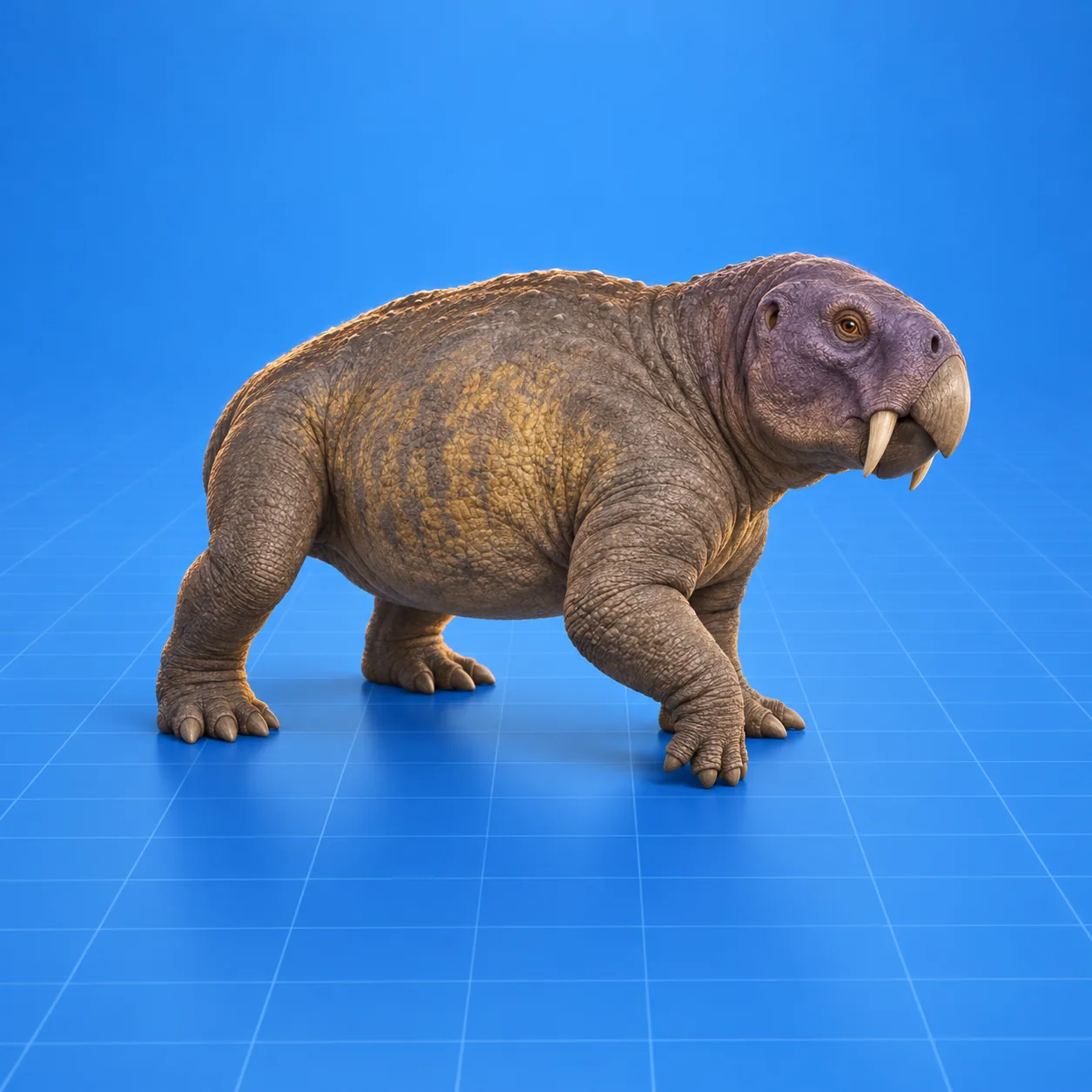 Synapsid
Permian
It had a tough, horn-covered beak and two tusks, which may have helped it dig up food.
Meet Dicynodon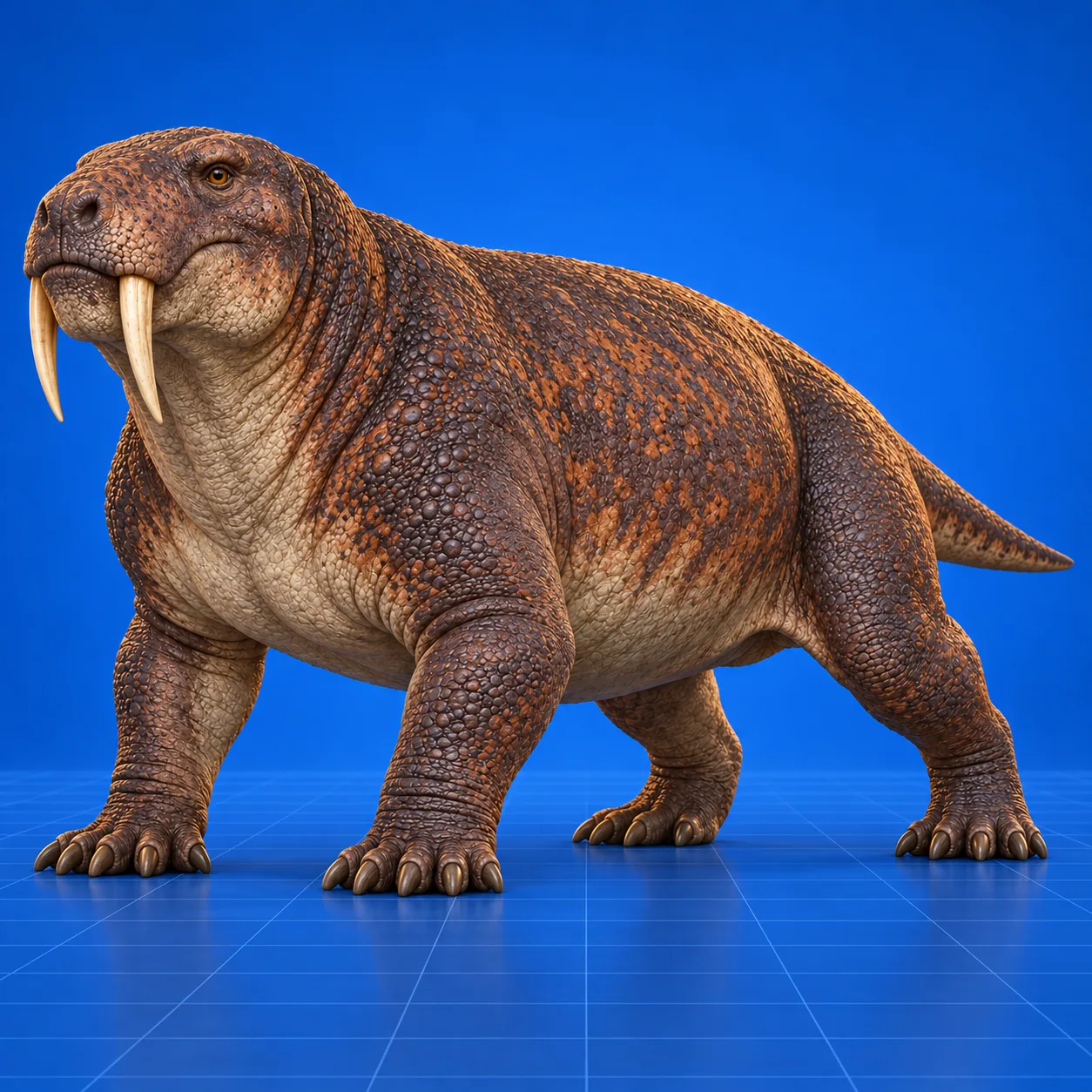 Synapsid
Permian
Tiarajudens was a synapsid with conspicuous saber-like canines despite evidence for plant processing.
Meet Tiarajudens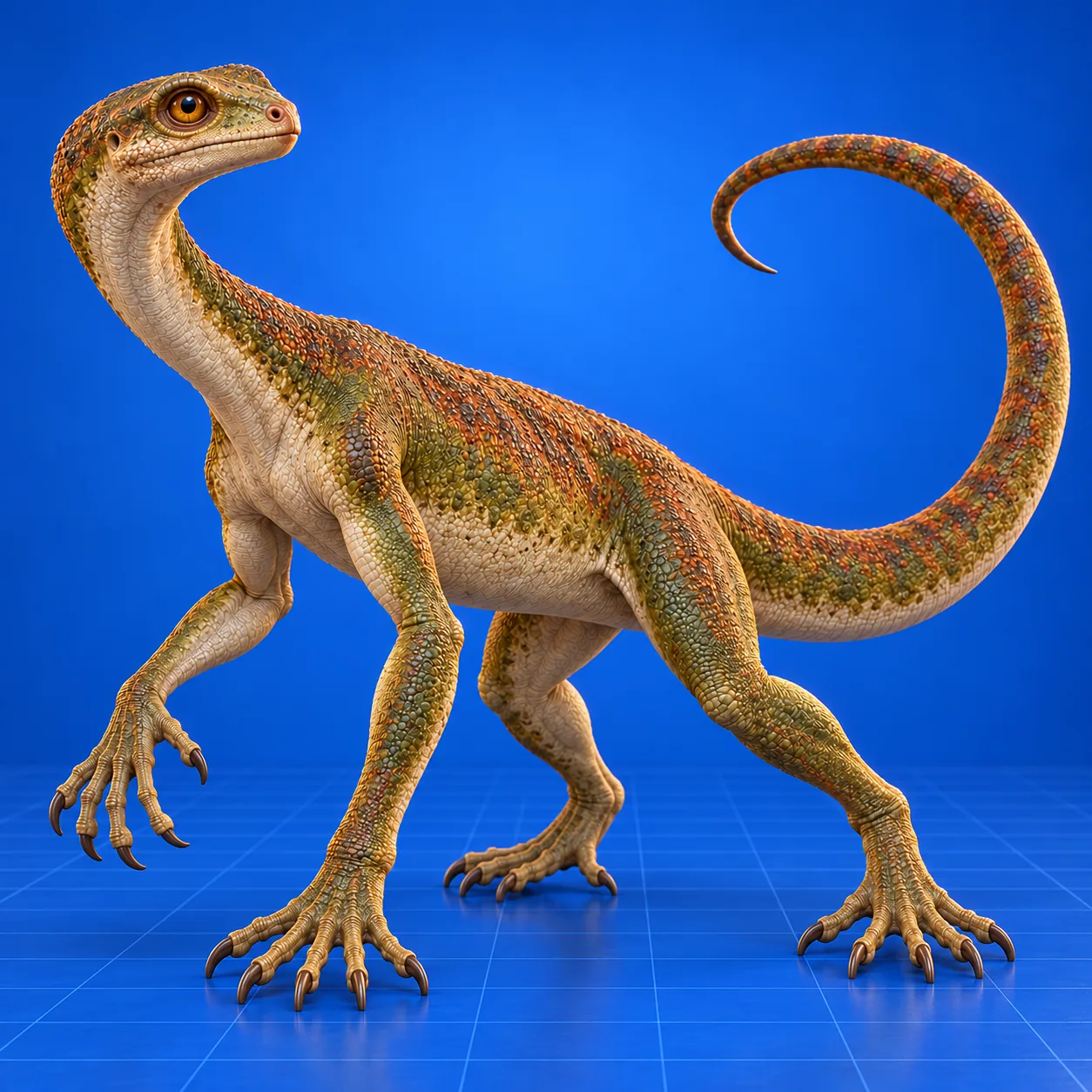 Synapsid
Late Permian
Suminia was a small synapsid with grasping adaptations in its limbs.
Meet SuminiaDimetrodon is often mistaken for a dinosaur, but it belongs to the synapsid branch that also includes mammals. Its sail and sprawling shape do not make it a reptile ancestor. The familiar phrase “mammal-like reptile” reflects an older way of classifying these animals.
This page follows the catalogue’s synapsid category; mammals have their own browsing group even though they are also synapsids. Explore each animal’s skull, teeth and geological period. Their evolution was a branching history, not a single ladder leading from every fossil directly to modern mammals.
Neither. Dimetrodon was a non-mammalian synapsid: an extinct relative on the broader branch containing mammals. It was more closely related to mammals than to dinosaurs, but that does not make it a modern mammal.
Further reading: Harvard Museum of Natural History: Dimetrodon · Angielczyk: Synapsids and the ancient relatives of mammals
AI-generated, stylized game illustrations. These designs and growth stages are imaginative, not scientific reconstructions. Open a profile for its fossil information and sources.