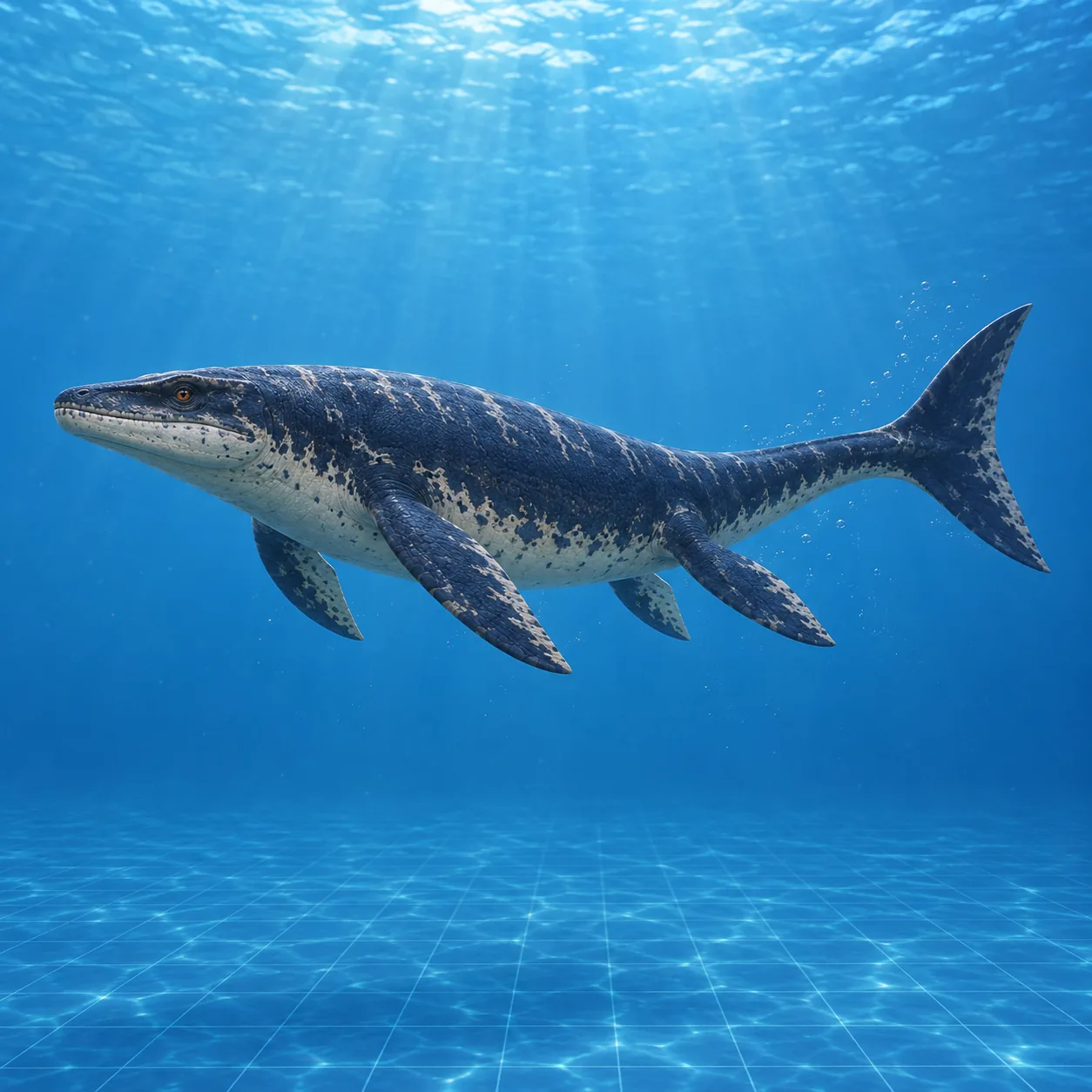
 Marine reptile
Cretaceous
Mosasaurus
A fossil called Capelliniosuchus was first interpreted as a crocodile and later related to Mosasaurus.
Meet Mosasaurus Dinosgacha
Explore the prehistoric world
Long-necked swimmers, streamlined hunters and powerful jaws. Explore the reptiles of prehistoric seas through fossil facts and their game illustrations.
Showing 1–20 of 20 creatures
Marine reptileCretaceous
A fossil called Capelliniosuchus was first interpreted as a crocodile and later related to Mosasaurus.
Meet Mosasaurus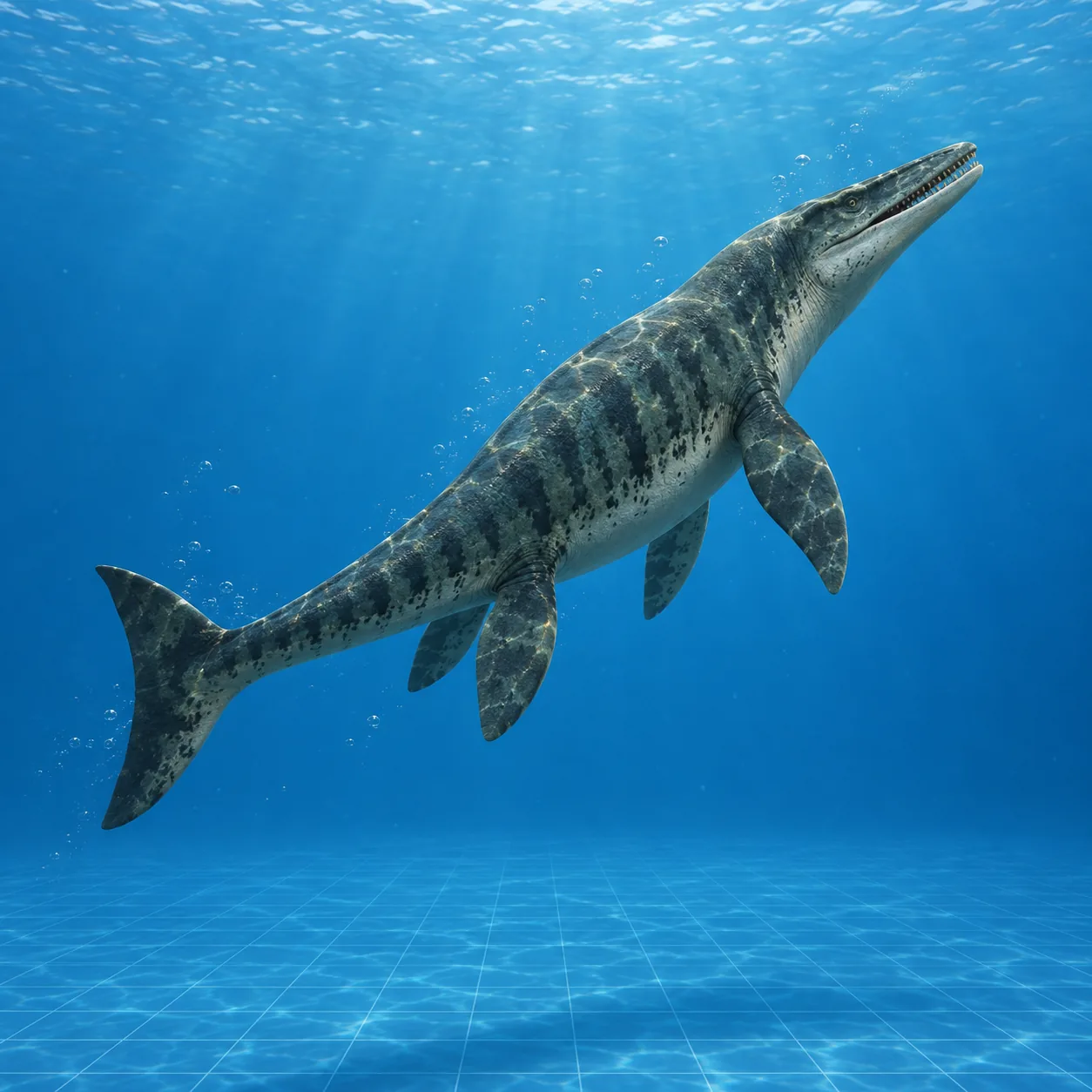 Marine reptile
Cretaceous
Its early study was linked to the rivalry between paleontologists Cope and Marsh.
Meet Tylosaurus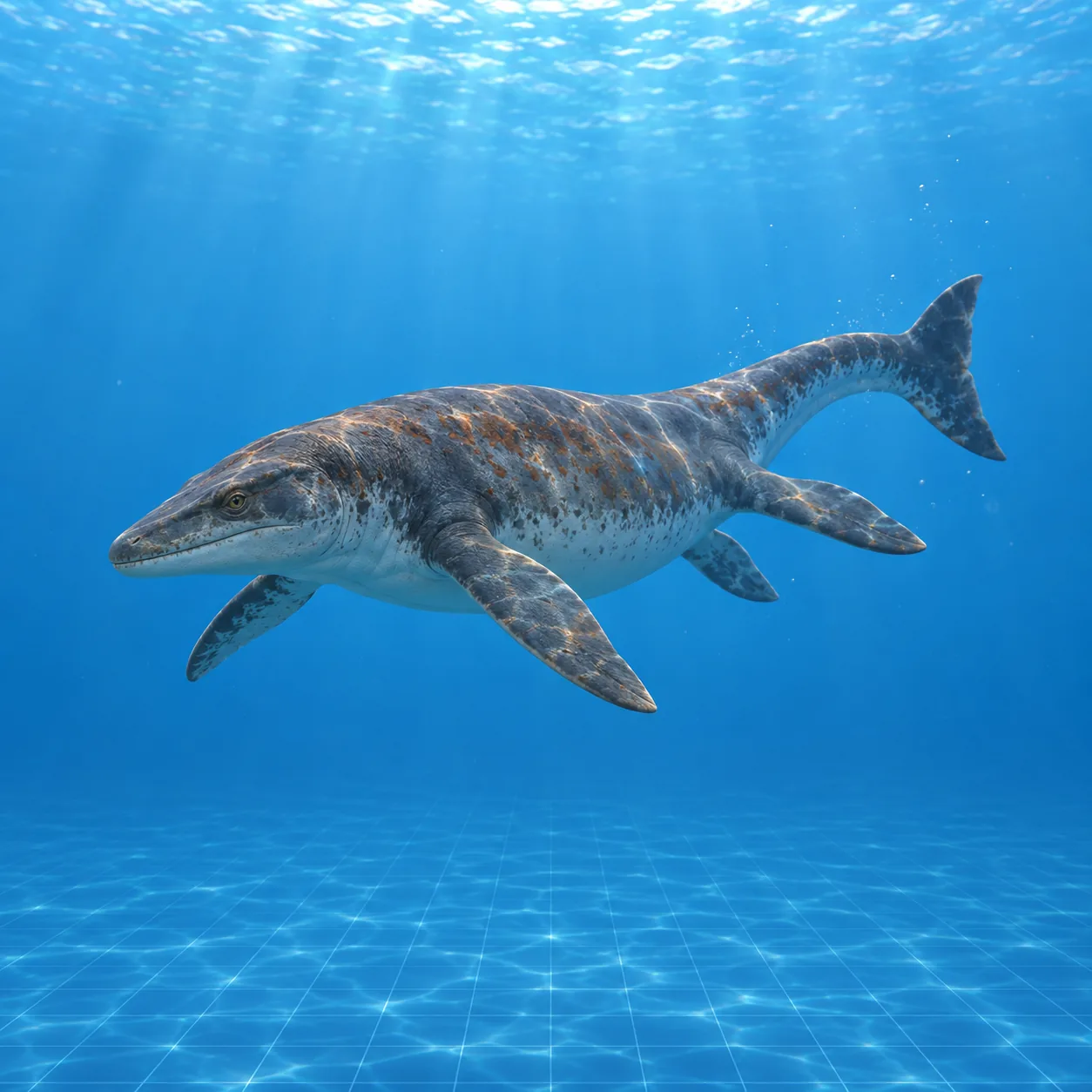 Marine reptile
Cretaceous
Its diet is interpreted as based on fish and other small marine animals.
Meet Platecarpus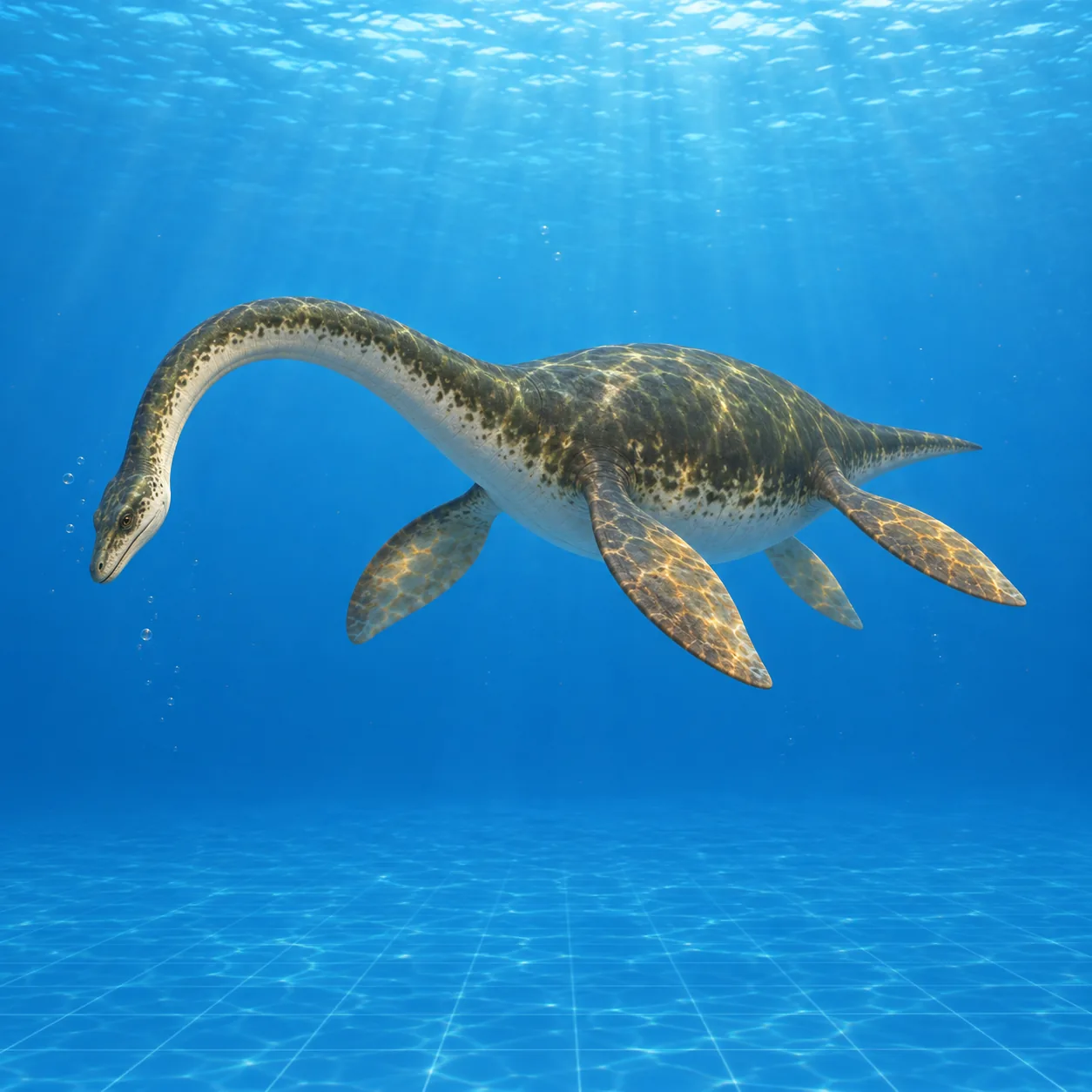 Marine reptile
Jurassic
It had a small head, a long neck, a short tail and two pairs of large flippers.
Meet Plesiosaurus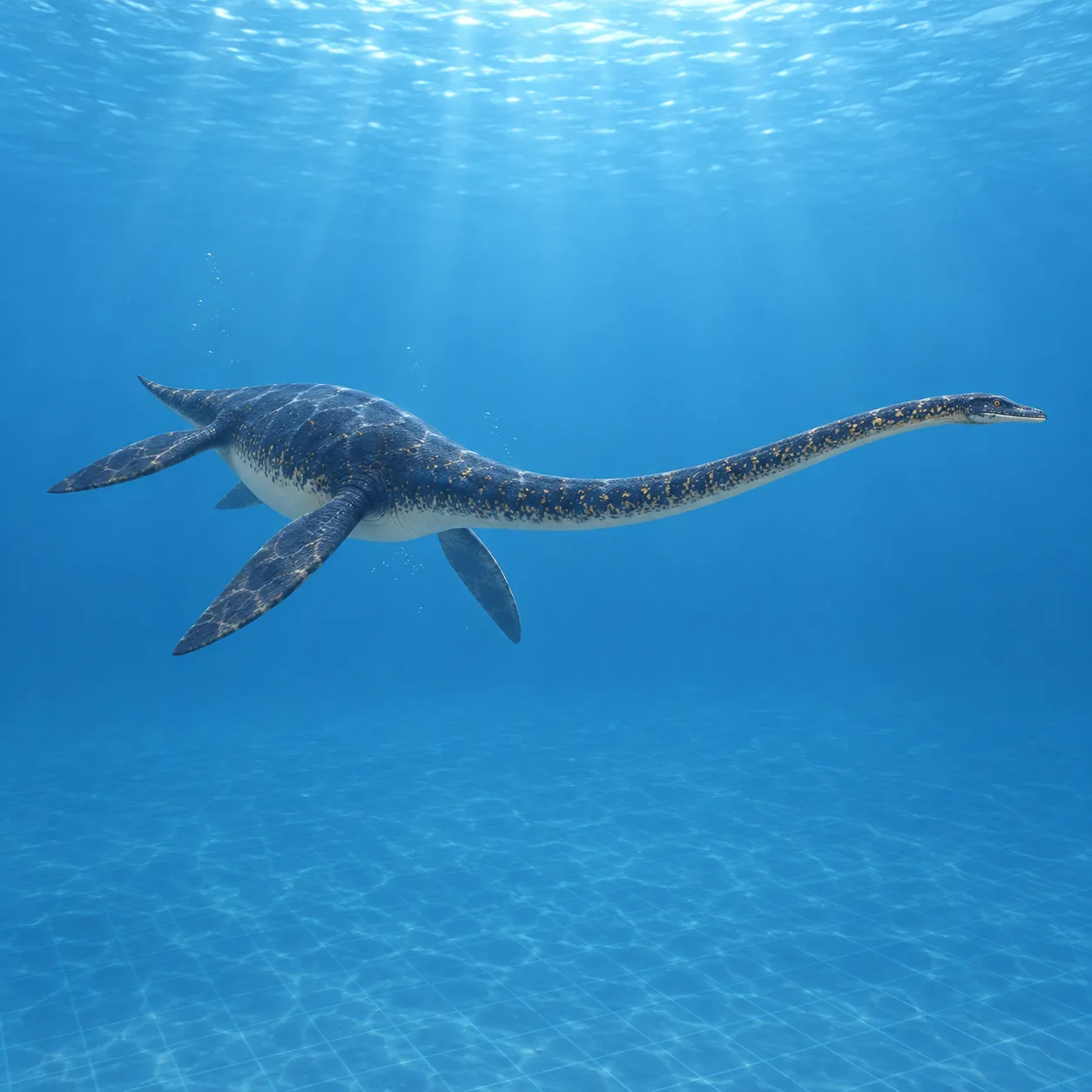 Marine reptile
Cretaceous
Its extremely long neck is one of its most recognizable features.
Meet Elasmosaurus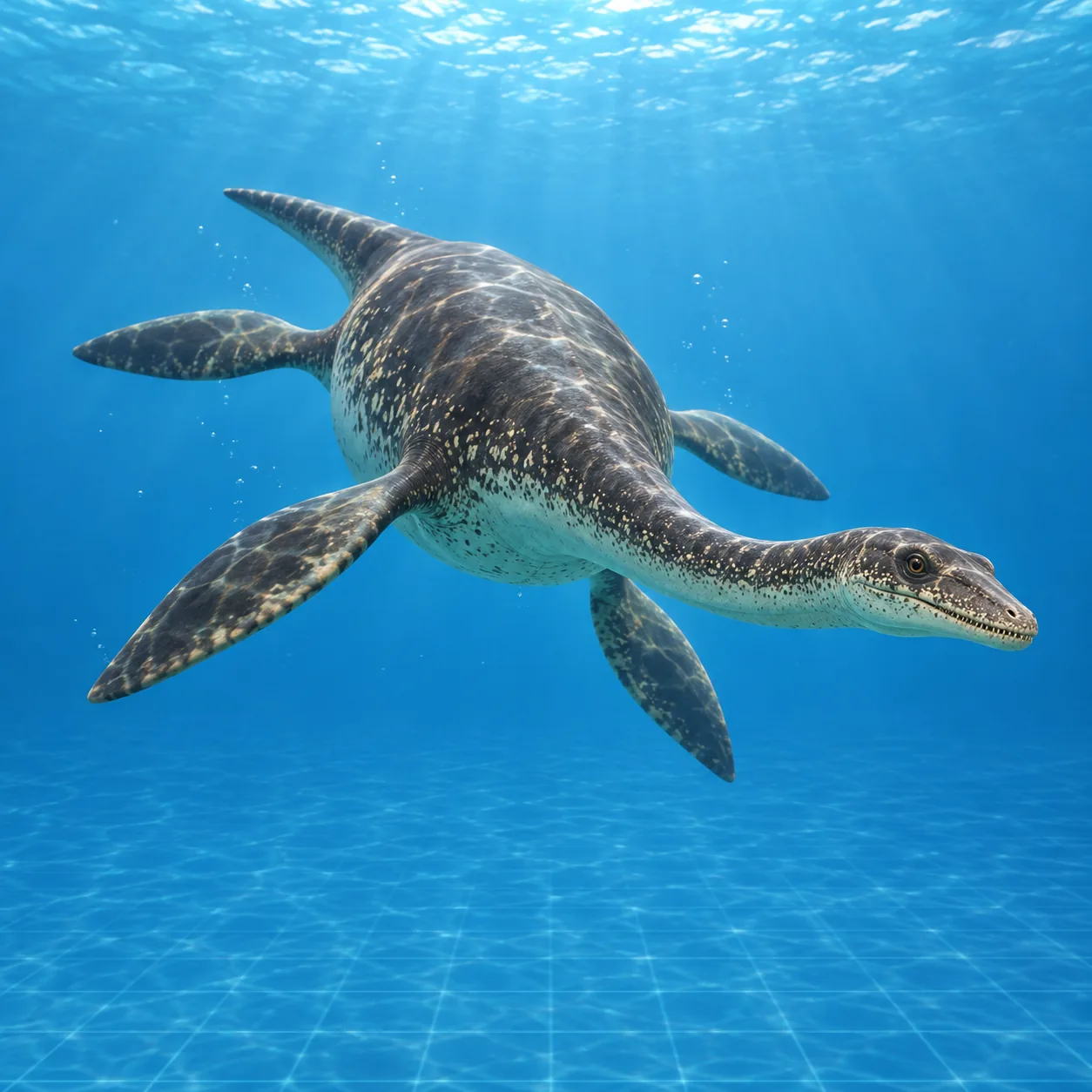 Marine reptile
Jurassic
Its fine teeth suggest a diet of soft aquatic prey, such as fish and cephalopods.
Meet Cryptoclidus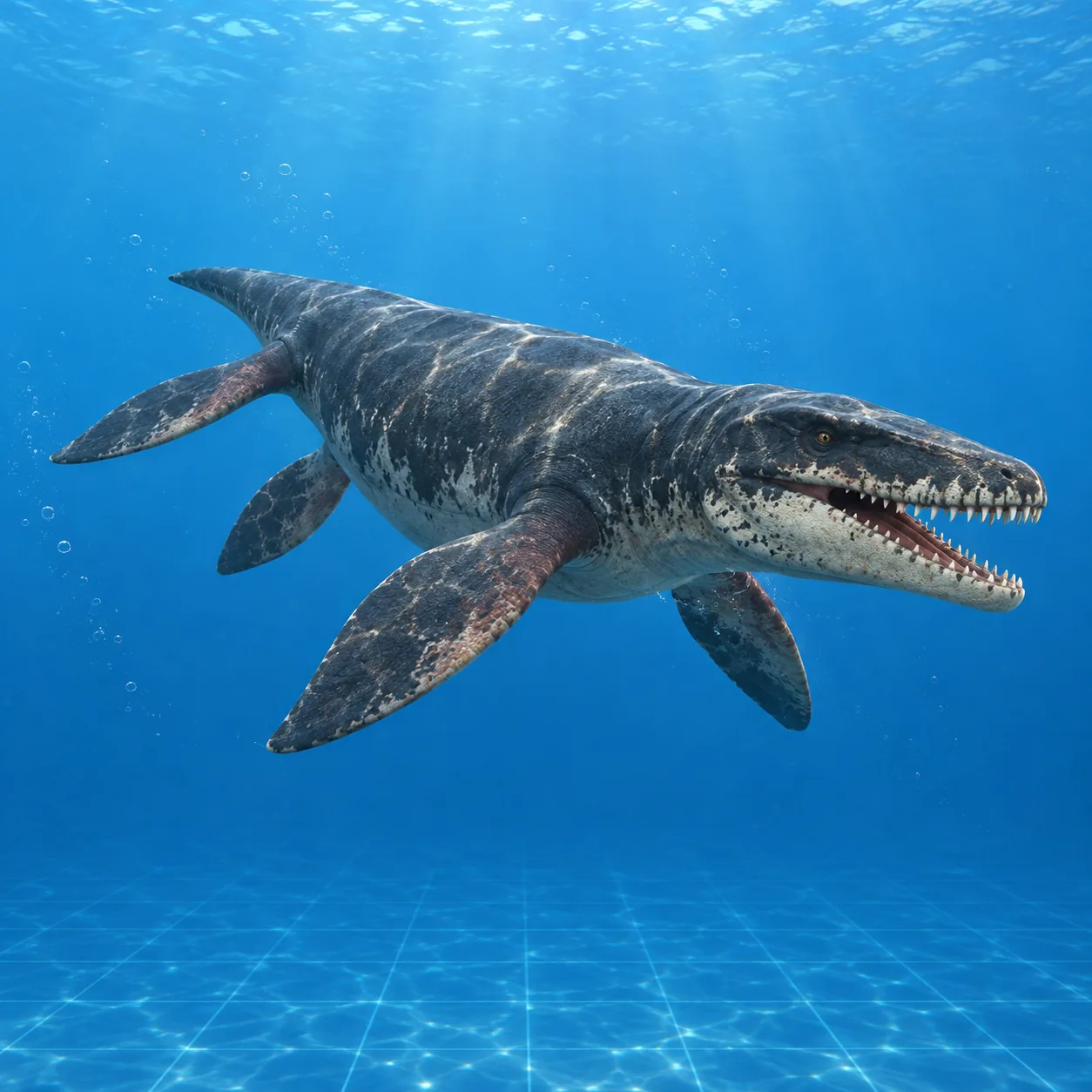 Marine reptile
Jurassic
It was a marine reptile from the Jurassic, long before the last dinosaurs of the Cretaceous.
Meet Liopleurodon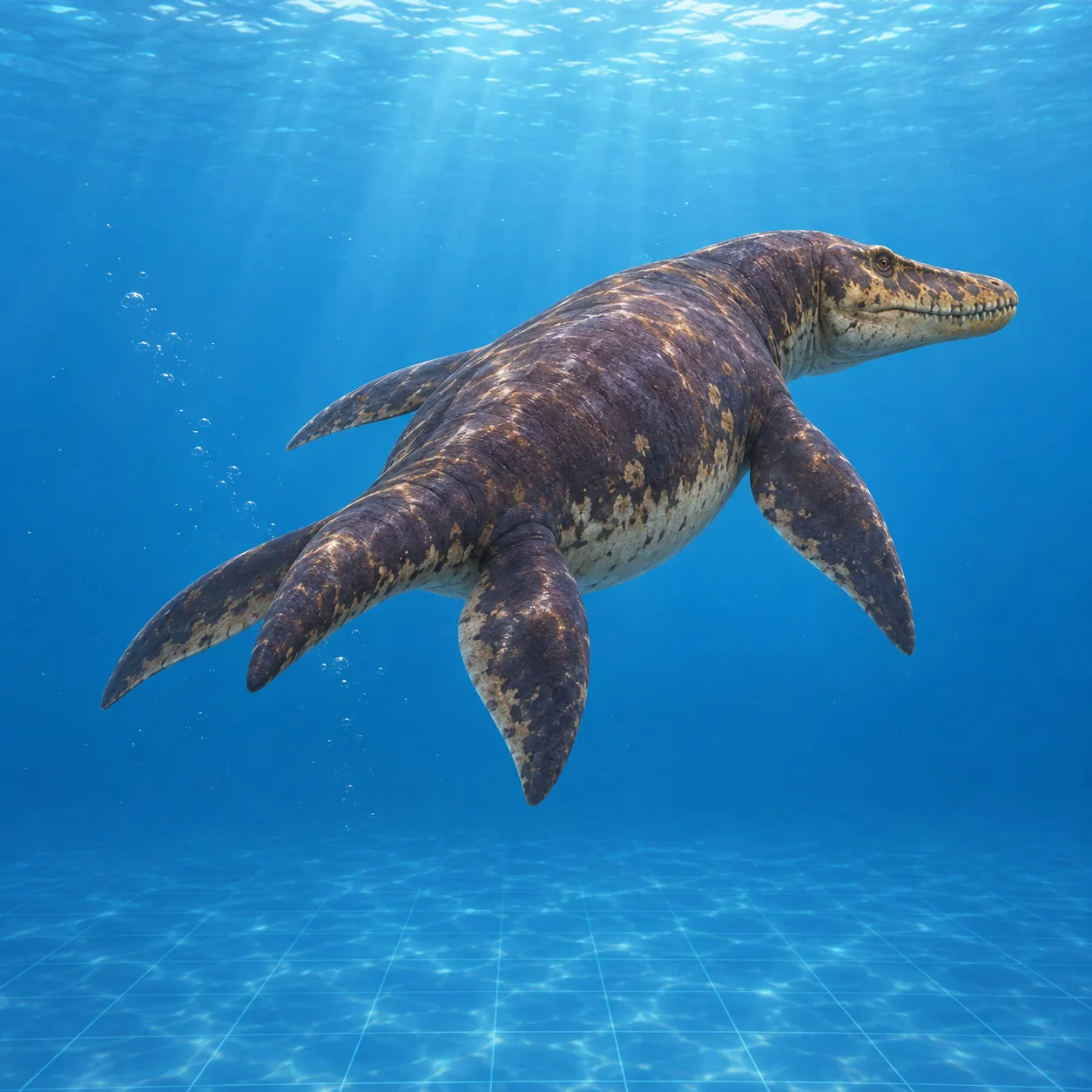 Marine reptile
Cretaceous
Its name refers to Cronus, the titan of Greek mythology.
Meet Kronosaurus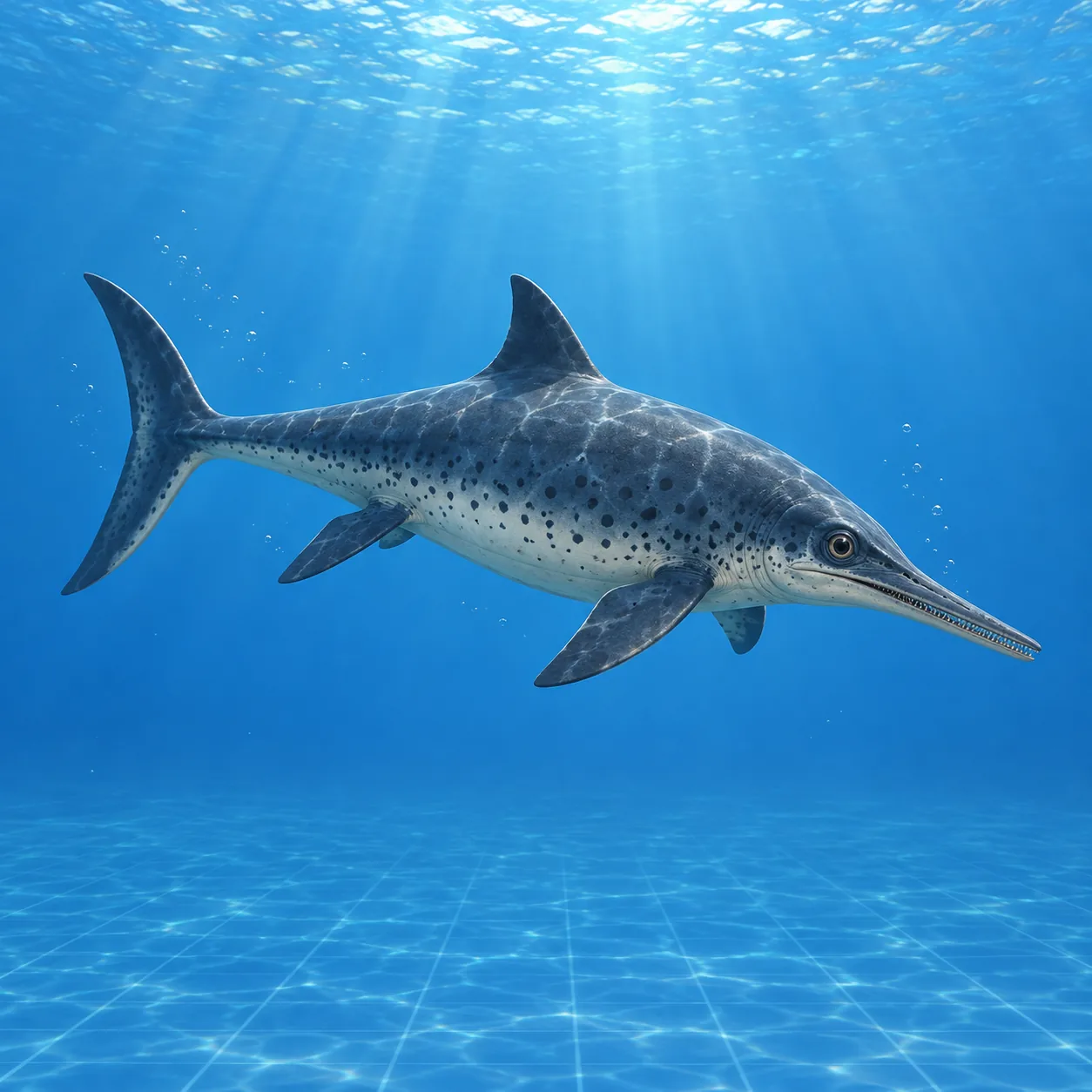 Marine reptile
Jurassic
Mary Anning helped discover and bring attention to its fossils in nineteenth-century England.
Meet Ichthyosaurus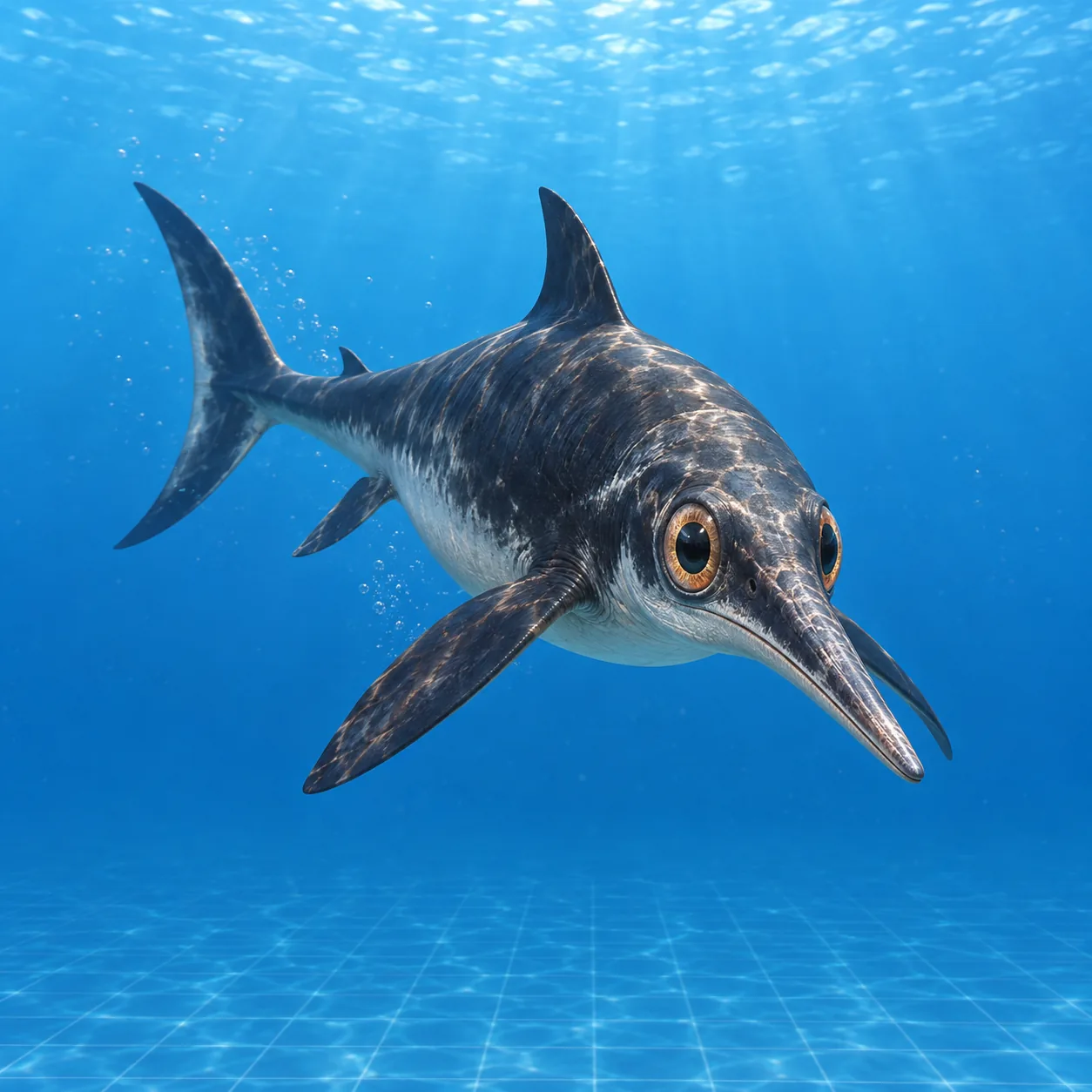 Marine reptile
Jurassic
Its hydrodynamic body was reminiscent of that of a dolphin.
Meet Ophthalmosaurus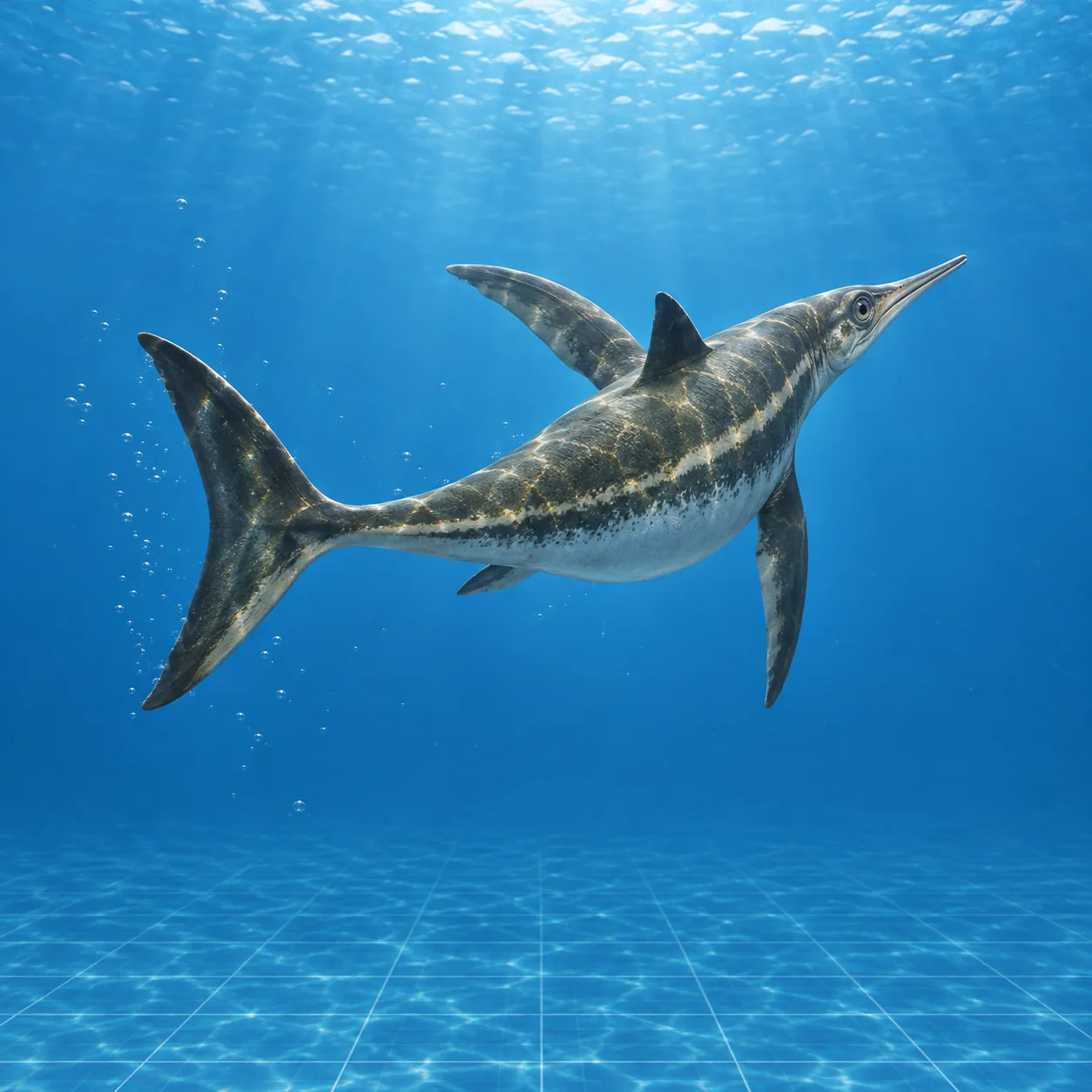 Marine reptile
Jurassic
The largest specimens reached approximately four meters in length.
Meet Stenopterygius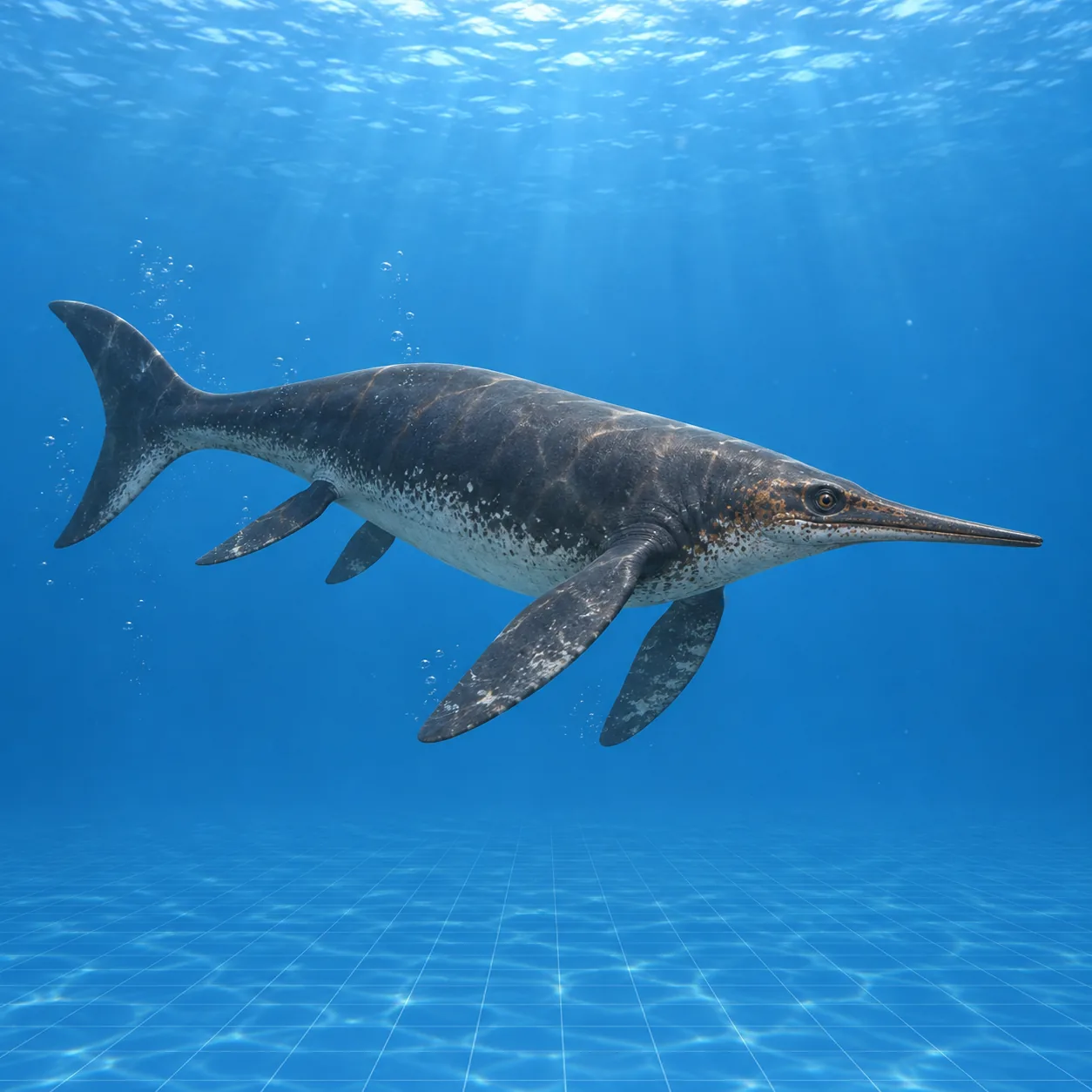 Marine reptile
Triassic
Remains of numerous individuals have been found in the Luning Formation of Nevada.
Meet Shonisaurus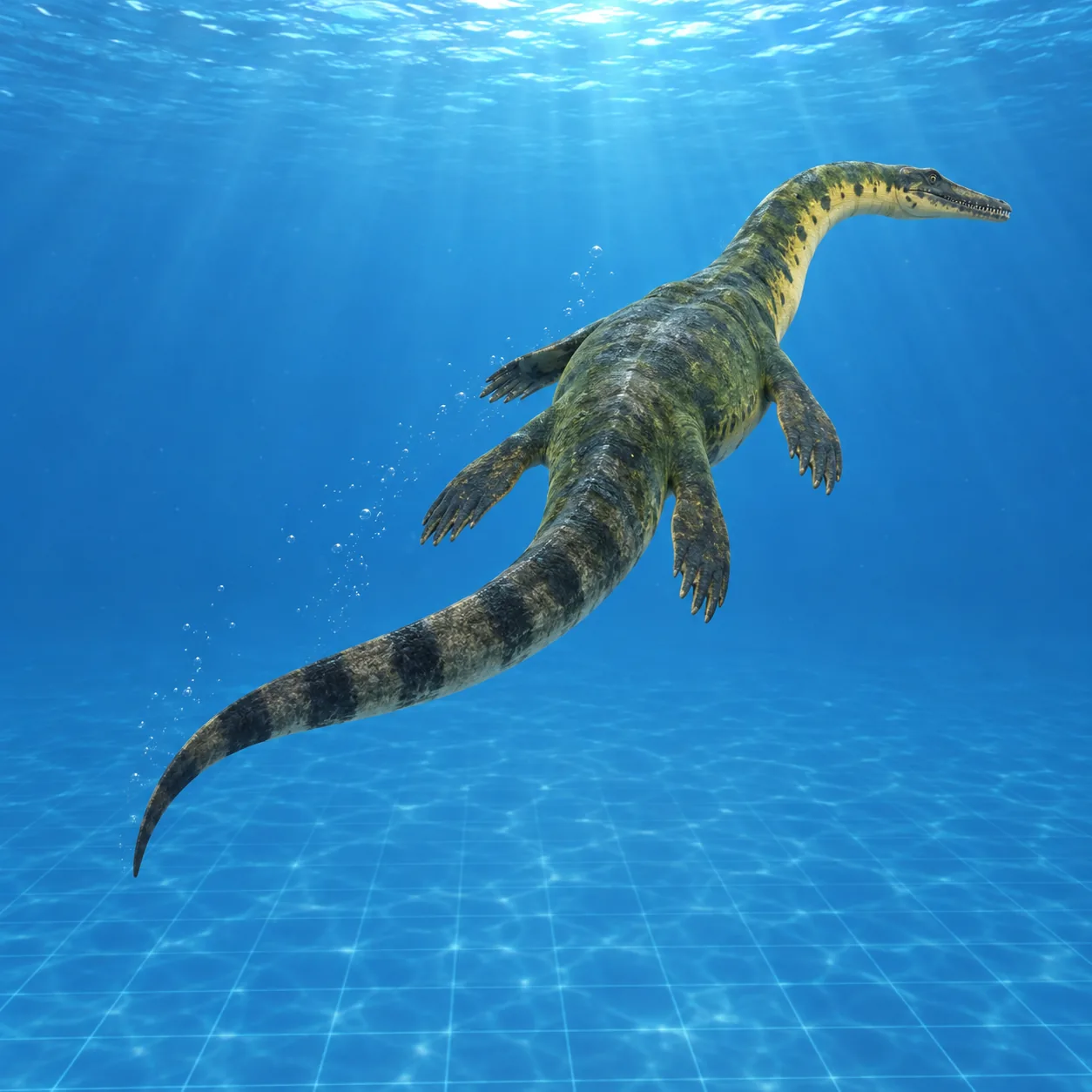 Marine reptile
Triassic
Although its name means "false lizard", it was not a dinosaur.
Meet Nothosaurus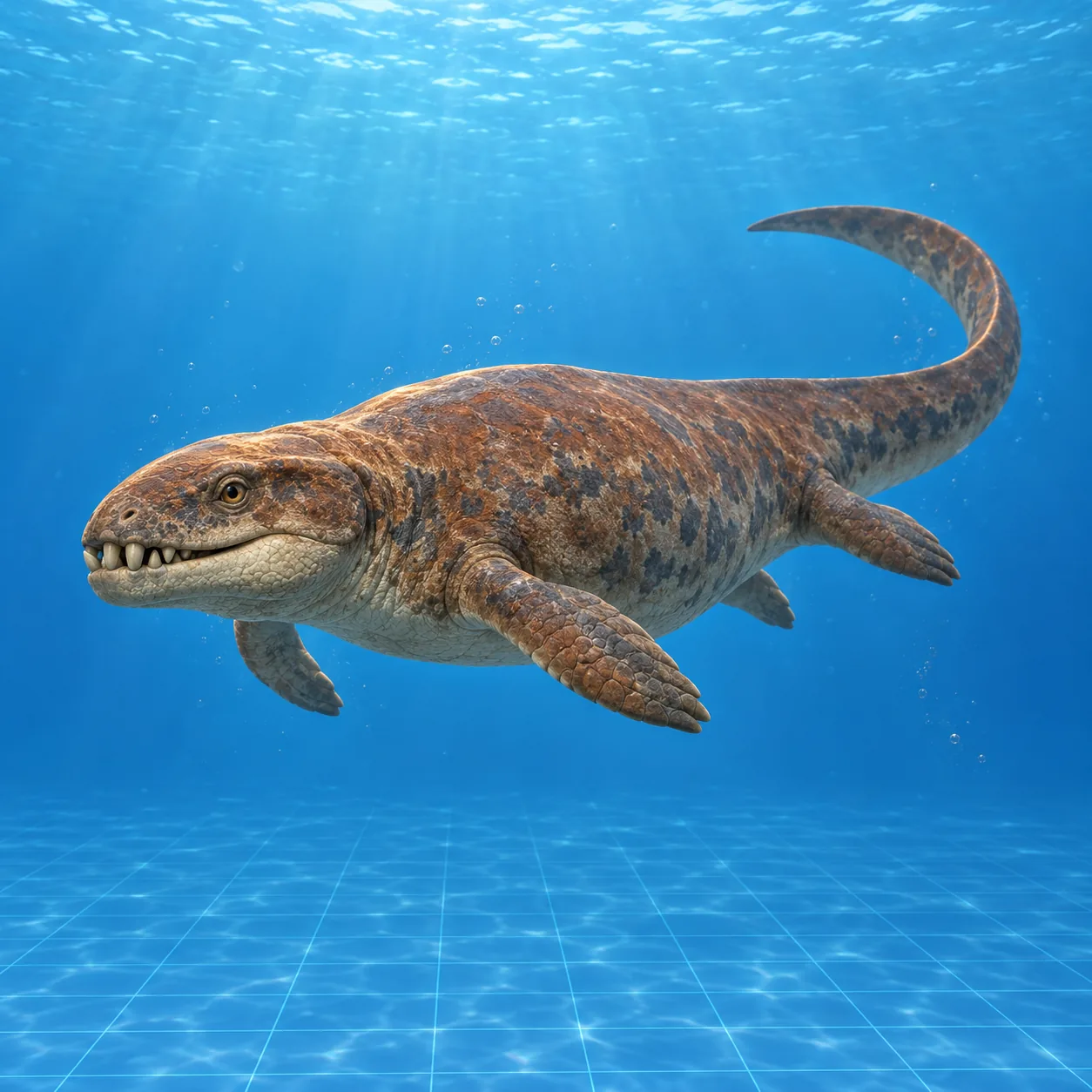 Marine reptile
Triassic
It inhabited warm seas of regions that today correspond to central Europe and China.
Meet Placodus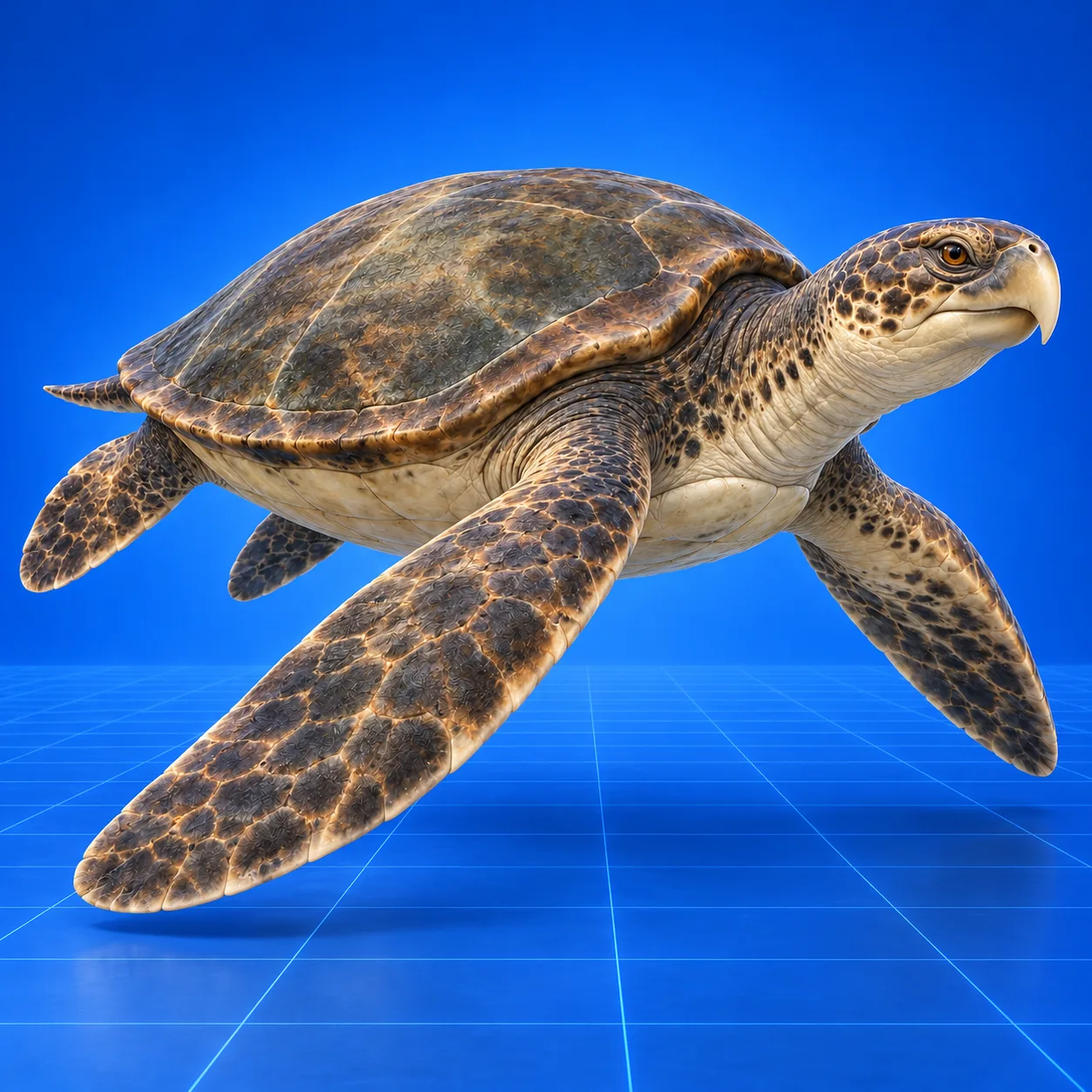 Marine reptile
Late Cretaceous
Archelon was a large marine turtle.
Meet Archelon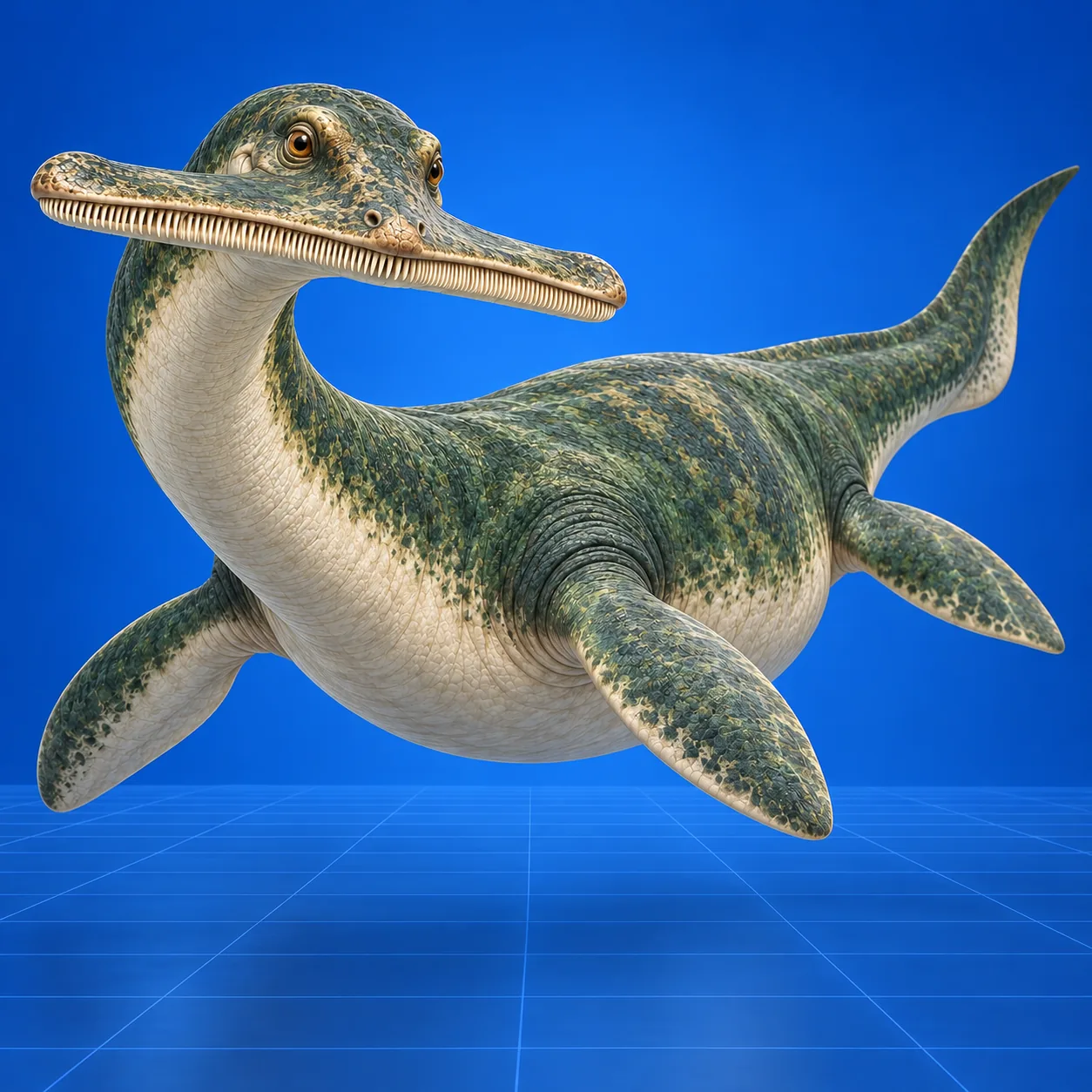 Marine reptile
Middle Triassic
Atopodentatus unicus had a broad, hammerhead-like snout with specialized teeth.
Meet Atopodentatus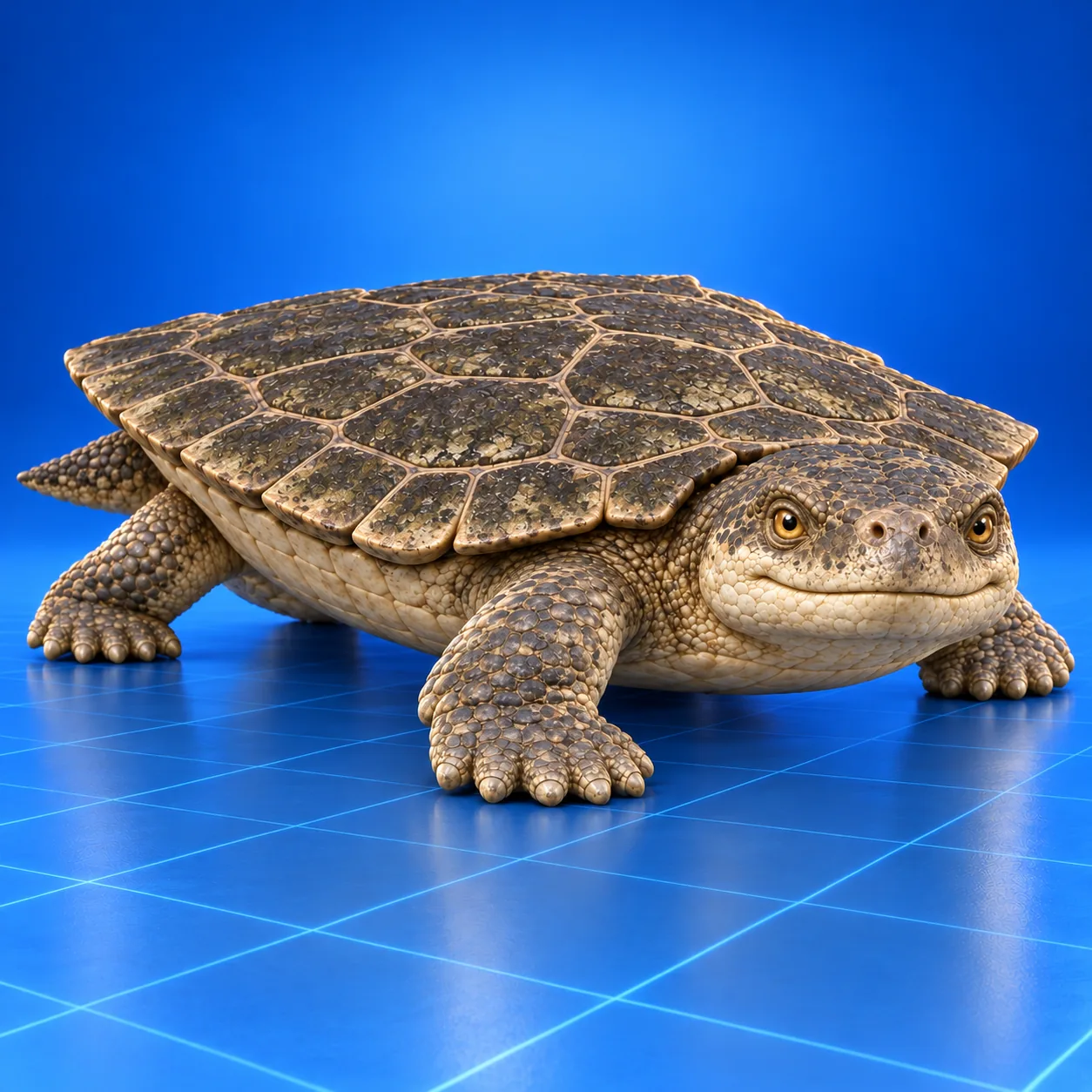 Marine reptile
Late Triassic
Henodus chelyops had a broad armoured body and a short, box-shaped head.
Meet Henodus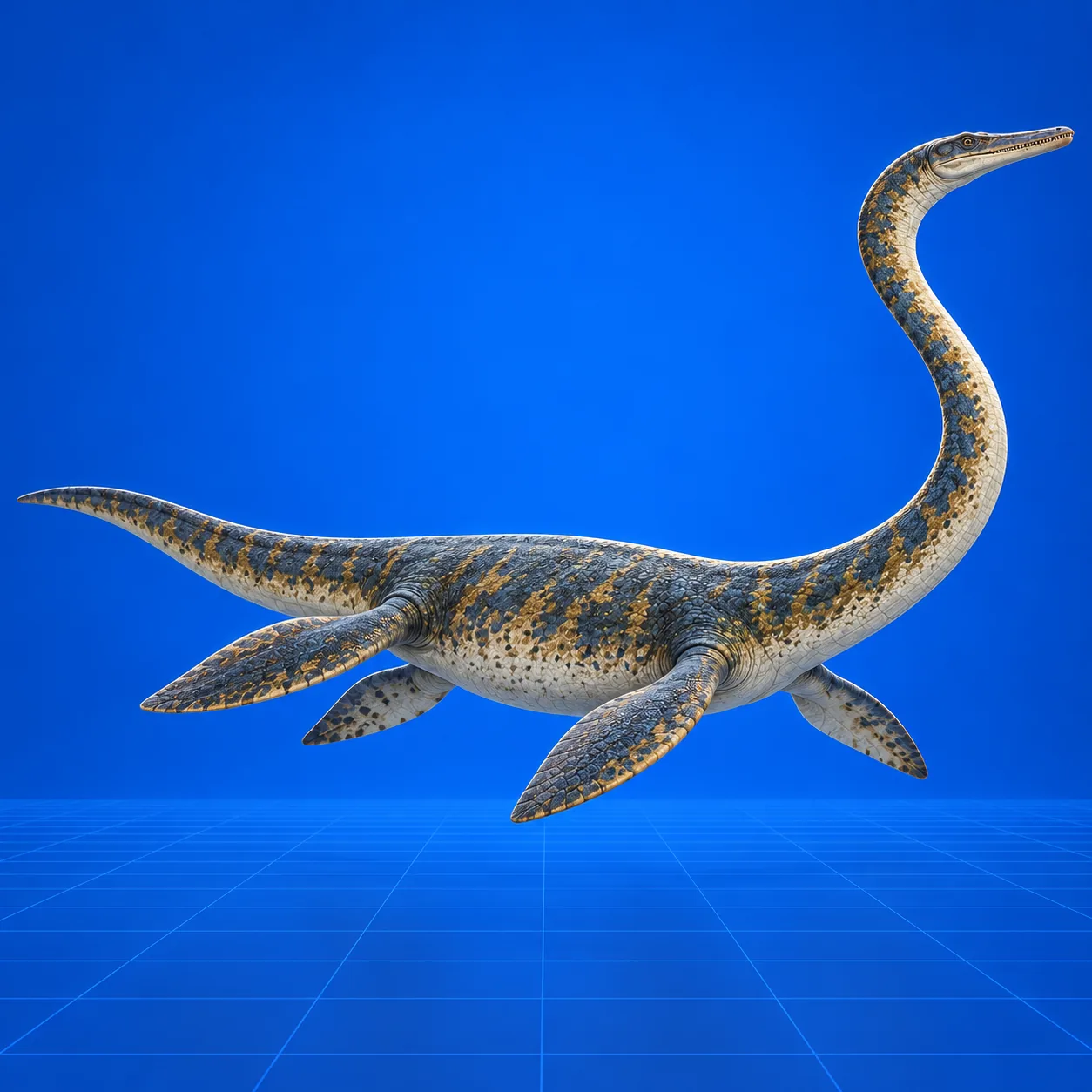 Marine reptile
Triassic
Dinocephalosaurus was a marine reptile with an exceptionally long neck and a small head.
Meet Dinocephalosaurus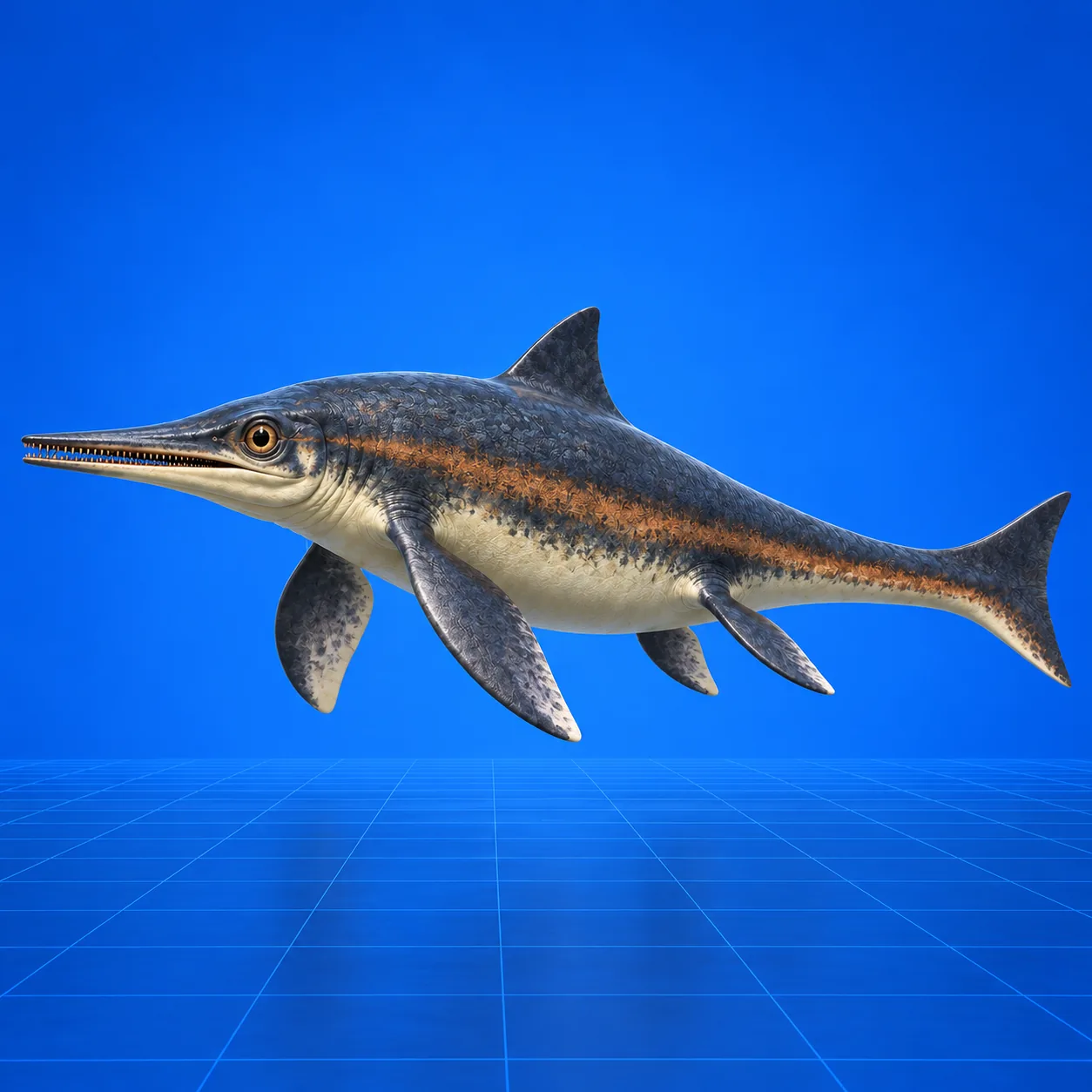 Marine reptile
Middle Triassic
Mixosaurus was an early ichthyosaur with a body plan less streamlined than the familiar later dolphin-like forms.
Meet Mixosaurus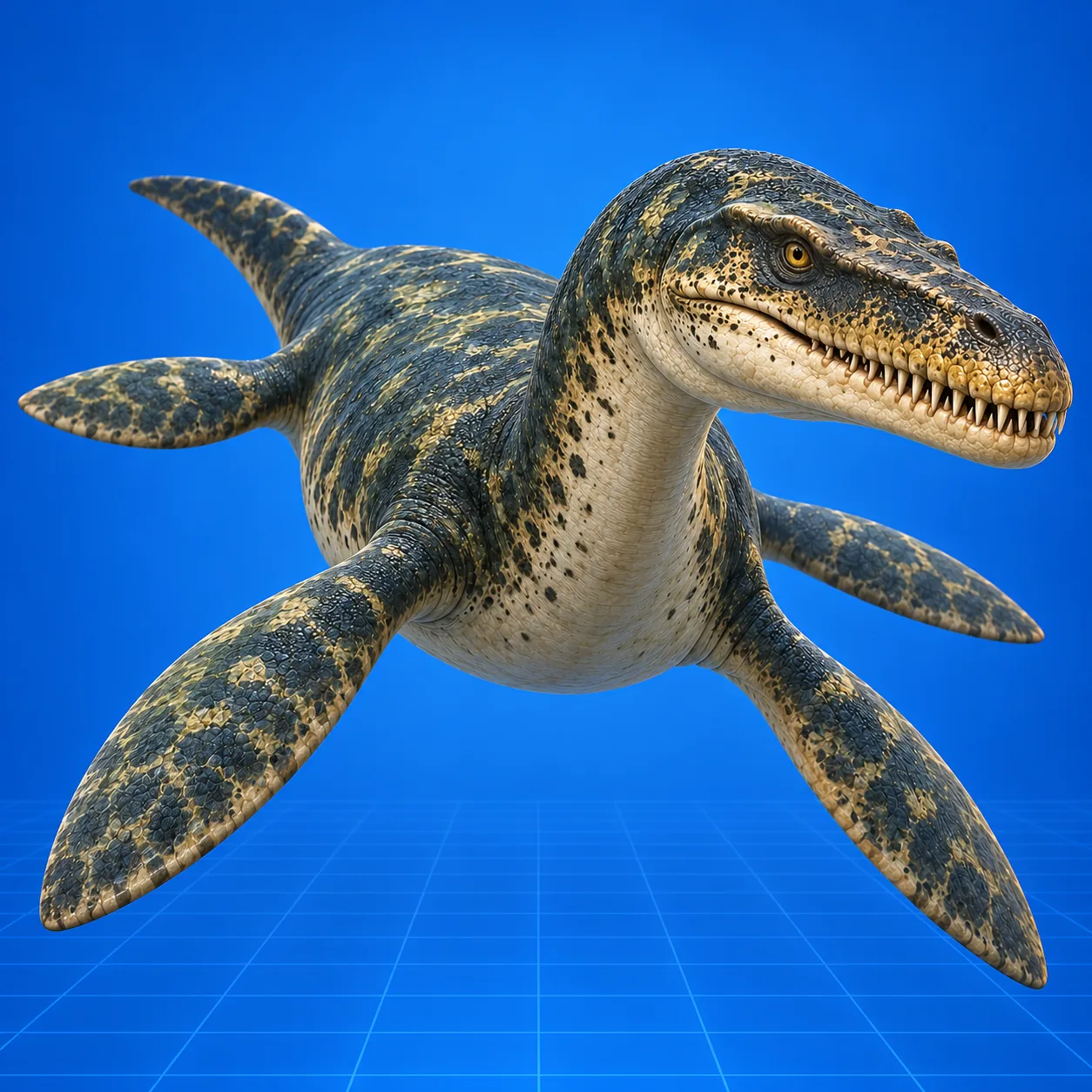 Marine reptile
Early Jurassic
Rhomaleosaurus was a large marine reptile with a powerful skull and four flippers.
Meet RhomaleosaurusMarine reptiles were not one single family of “sea dinosaurs”. Several reptile lineages independently adapted to life in water, producing different combinations of flippers, tails and body shapes.
Compare the group, period and fossil locations on each profile. Similar swimming shapes can evolve in distant relatives, so a dolphin-like outline does not make an ichthyosaur a mammal.
No. They were marine reptiles from lineages separate from dinosaurs. The same is true of ichthyosaurs, despite the word “saur” appearing in many of their names.
Further reading: Natural History Museum: Monsters of the Jurassic seas
AI-generated, stylized game illustrations. These designs and growth stages are imaginative, not scientific reconstructions. Open a profile for its fossil information and sources.