 Dinosaur
Jurassic
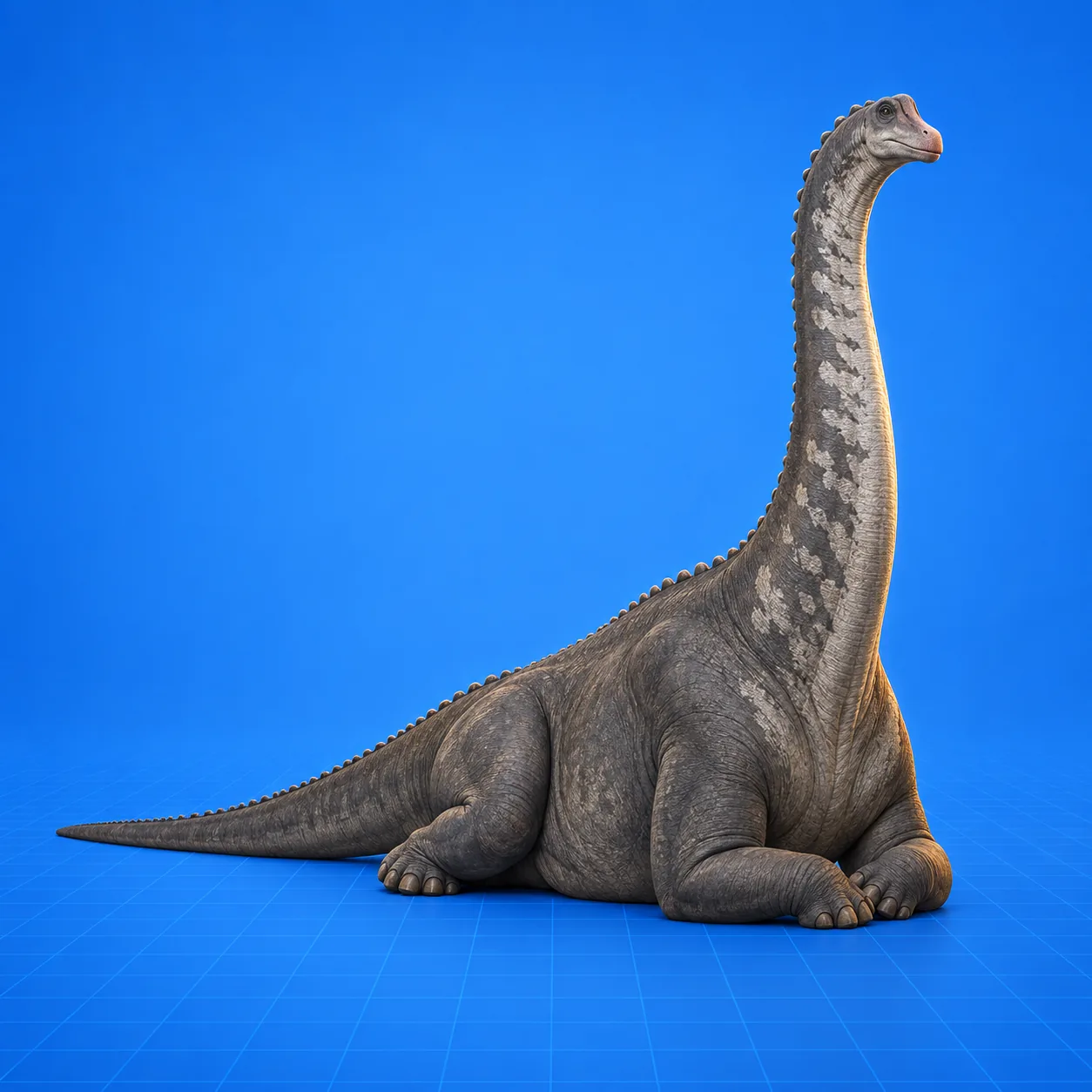
Lusotitan
Its elongated humerus was one of the characteristics used to relate it to brachiosaurids.
Meet Lusotitan Dinosgacha
The Dinosgacha encyclopedia
Discover dinosaurs, extinct plants, other animals and fictional game companions. Explore their stories and see all three stages of their artwork.
Showing 193–216 of 578 creatures
DinosaurJurassic
Its elongated humerus was one of the characteristics used to relate it to brachiosaurids.
Meet Lusotitan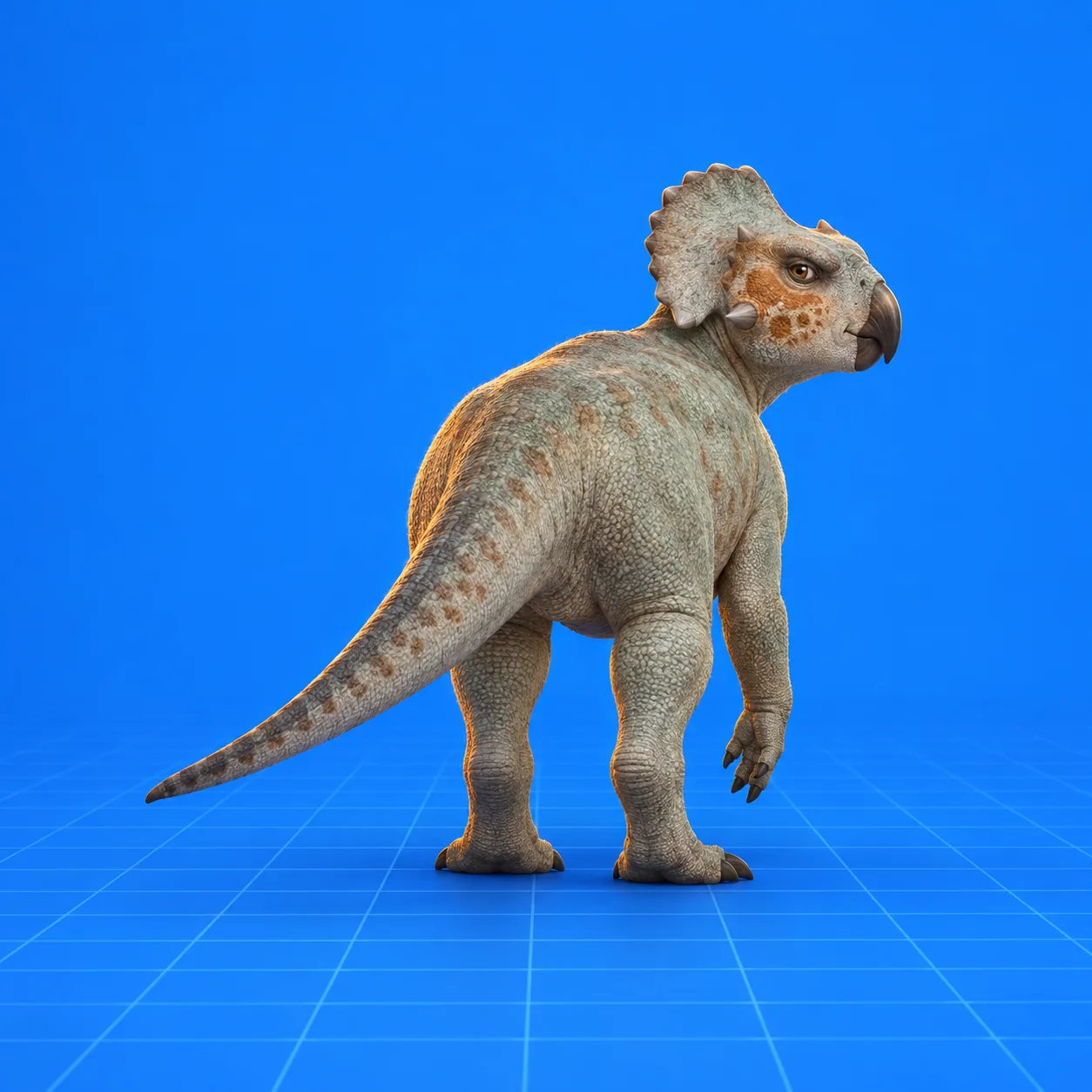 Dinosaur
Cretaceous
It was much smaller than its horned relatives that lived later.
Meet Liaoceratops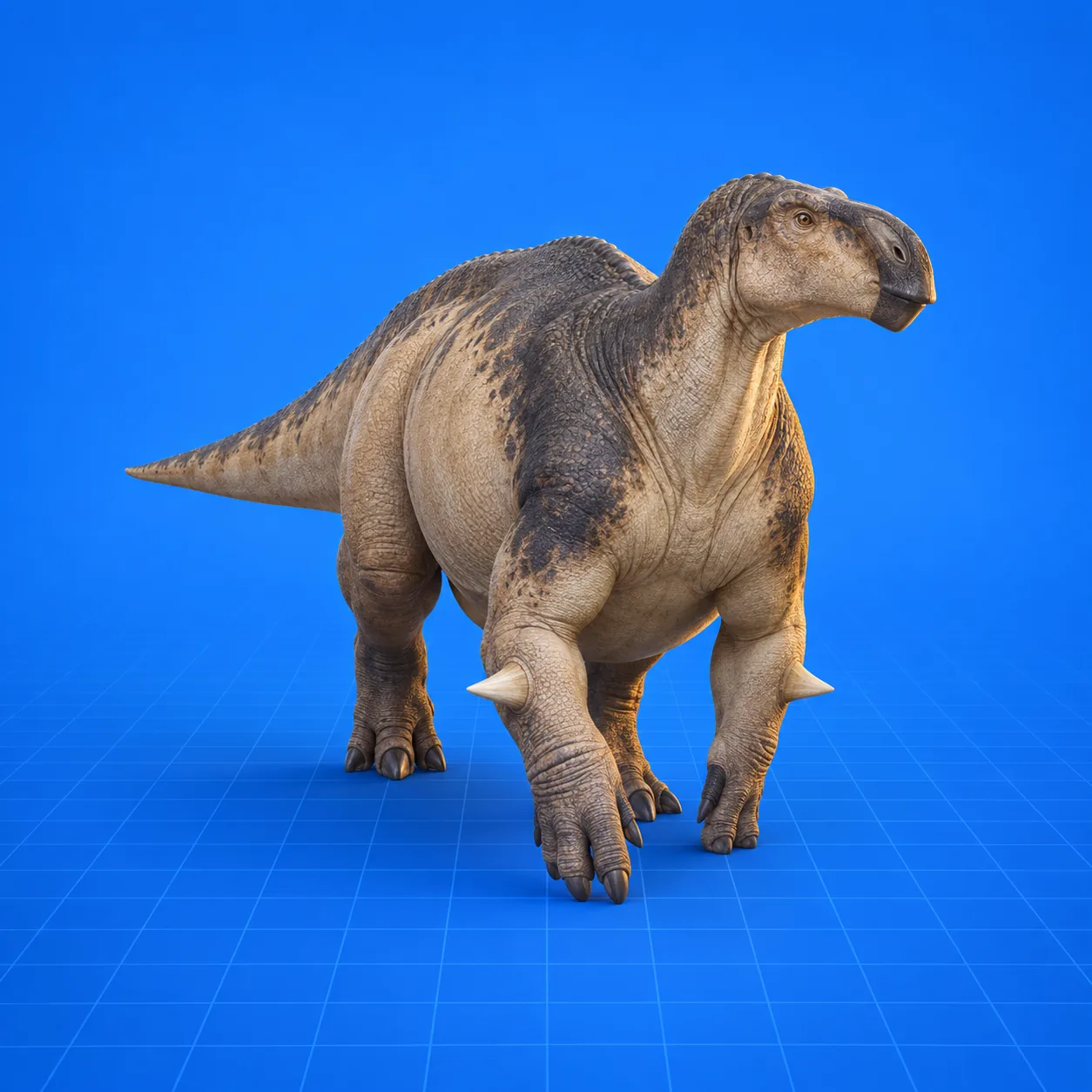 Dinosaur
Cretaceous
Its body was broad and deep, with its belly fairly close to the ground.
Meet Lurdusaurus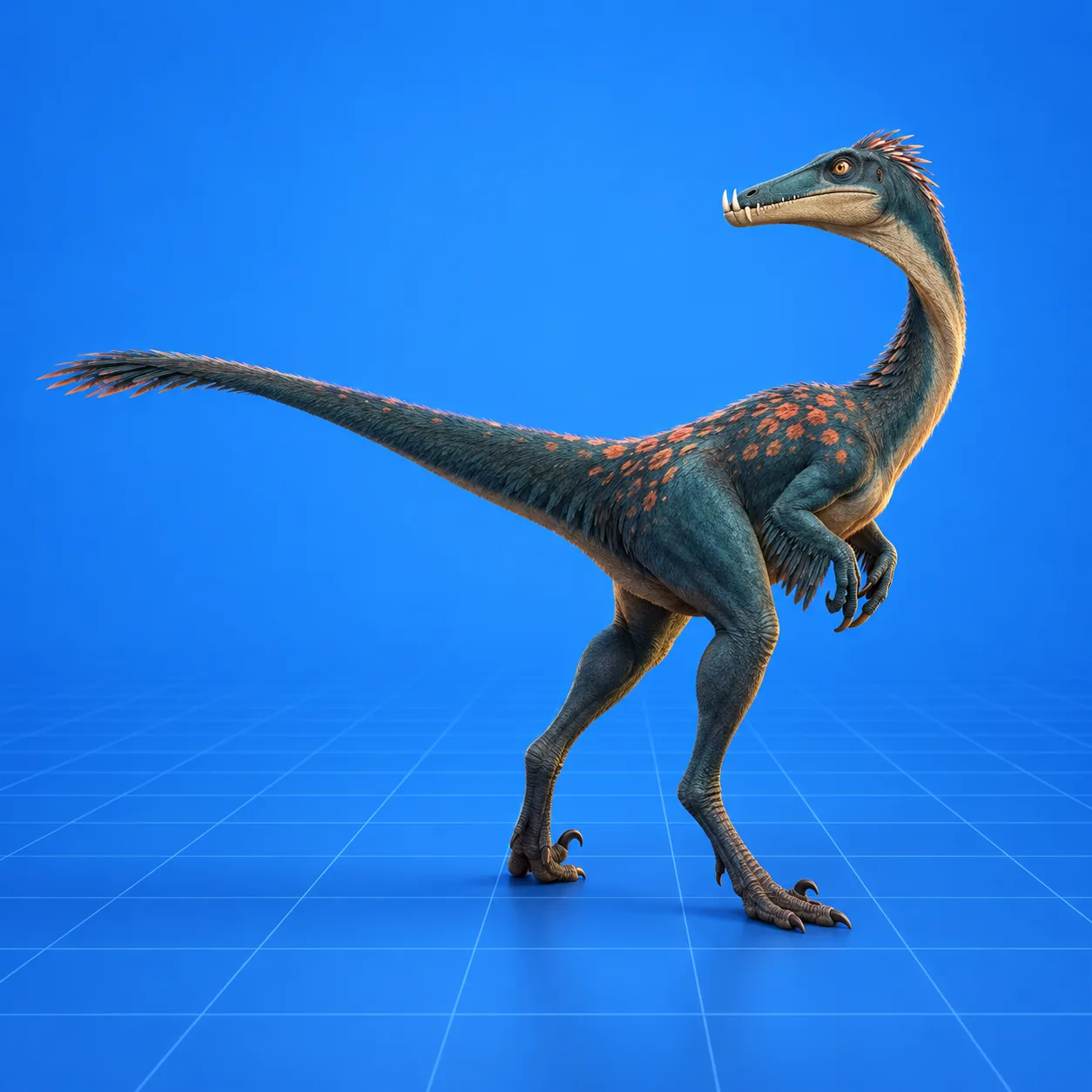 Dinosaur
Cretaceous
Its front teeth pointed outward, while other teeth had different shapes.
Meet Masiakasaurus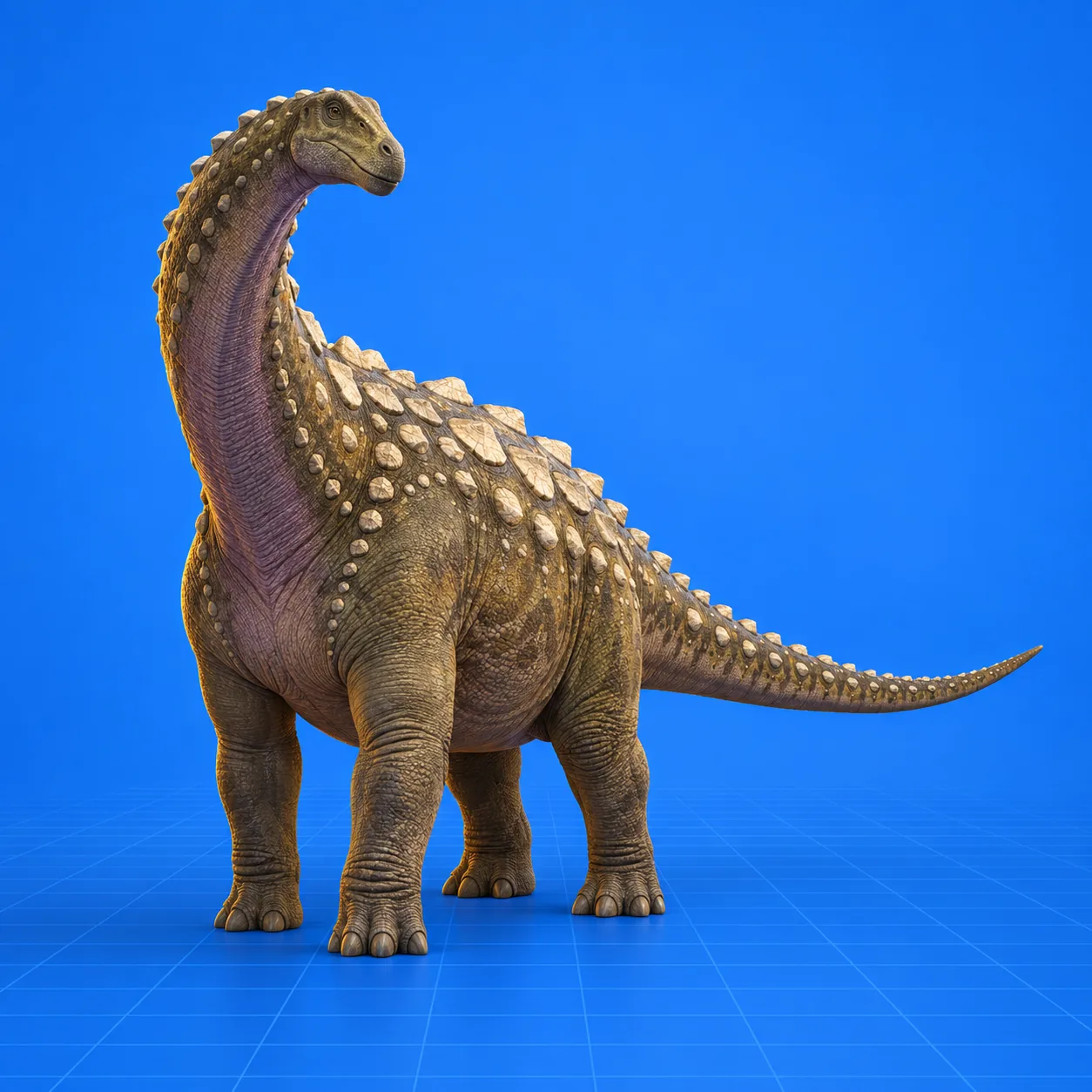 Dinosaur
Cretaceous
It had grooves in its teeth, an unusual feature among sauropods.
Meet Maxakalisaurus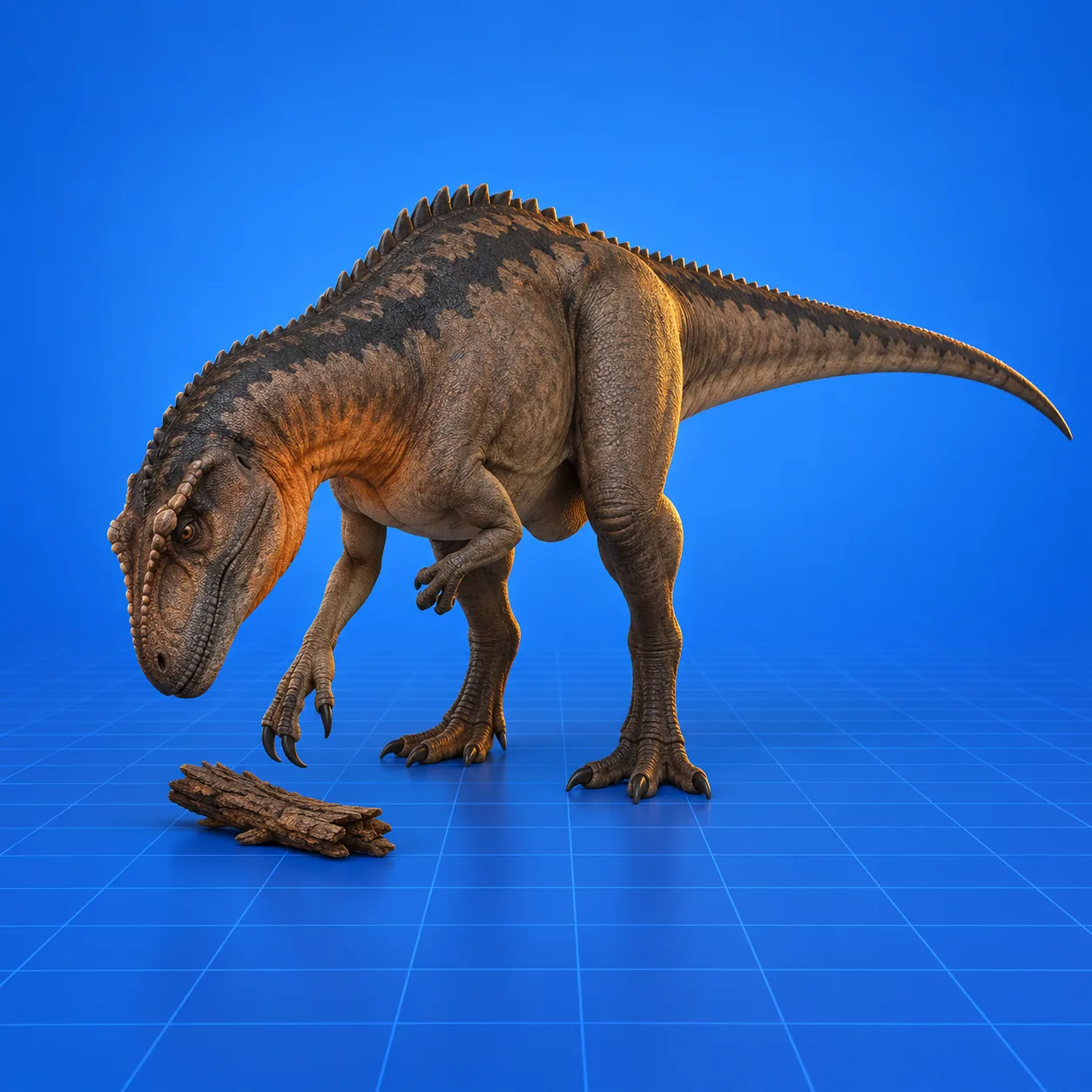 Dinosaur
Jurassic
Its name refers to the height of its vertebral spines.
Meet Metriacanthosaurus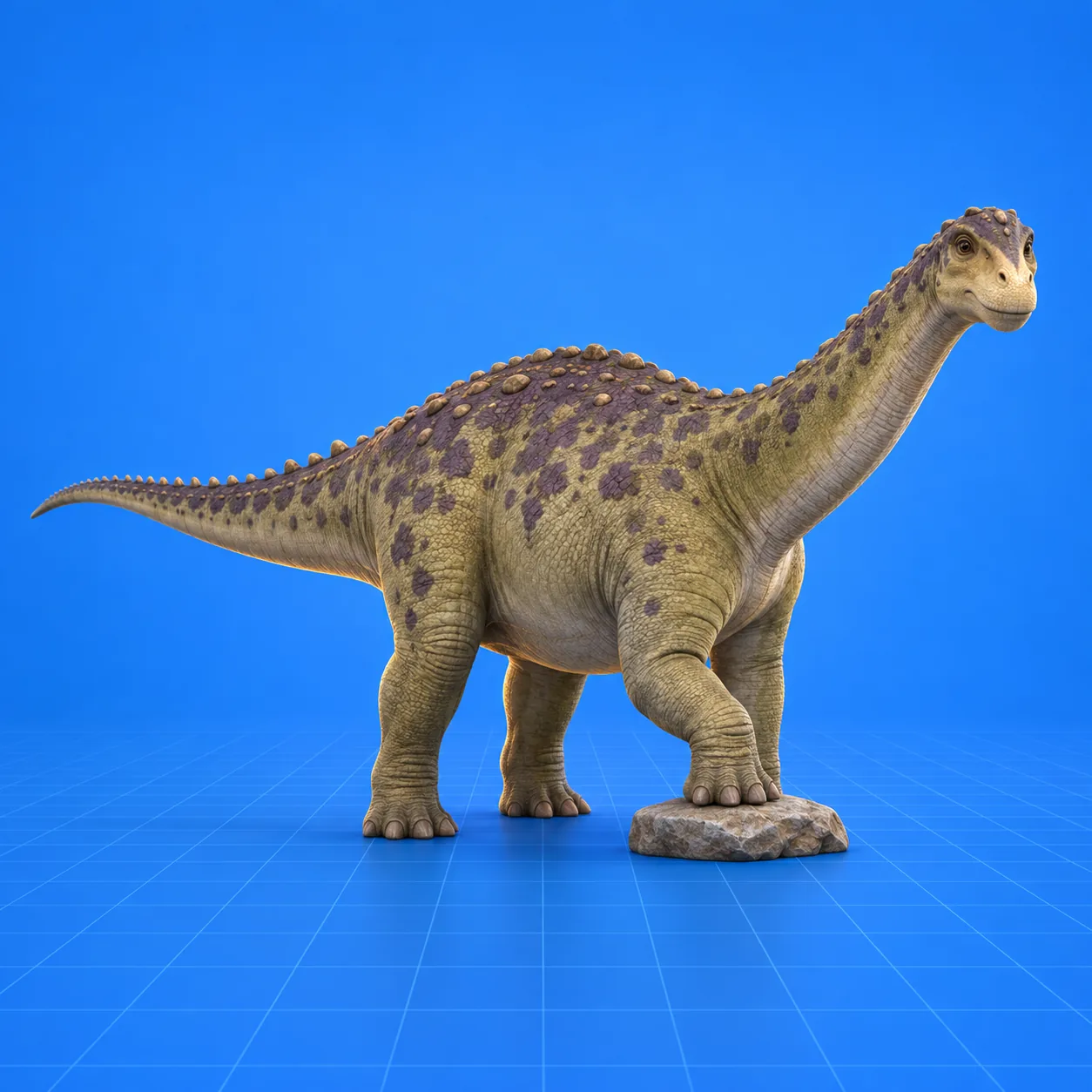 Dinosaur
Cretaceous
It was a small titanosaur with an estimated mass of about one tonne.
Meet Magyarosaurus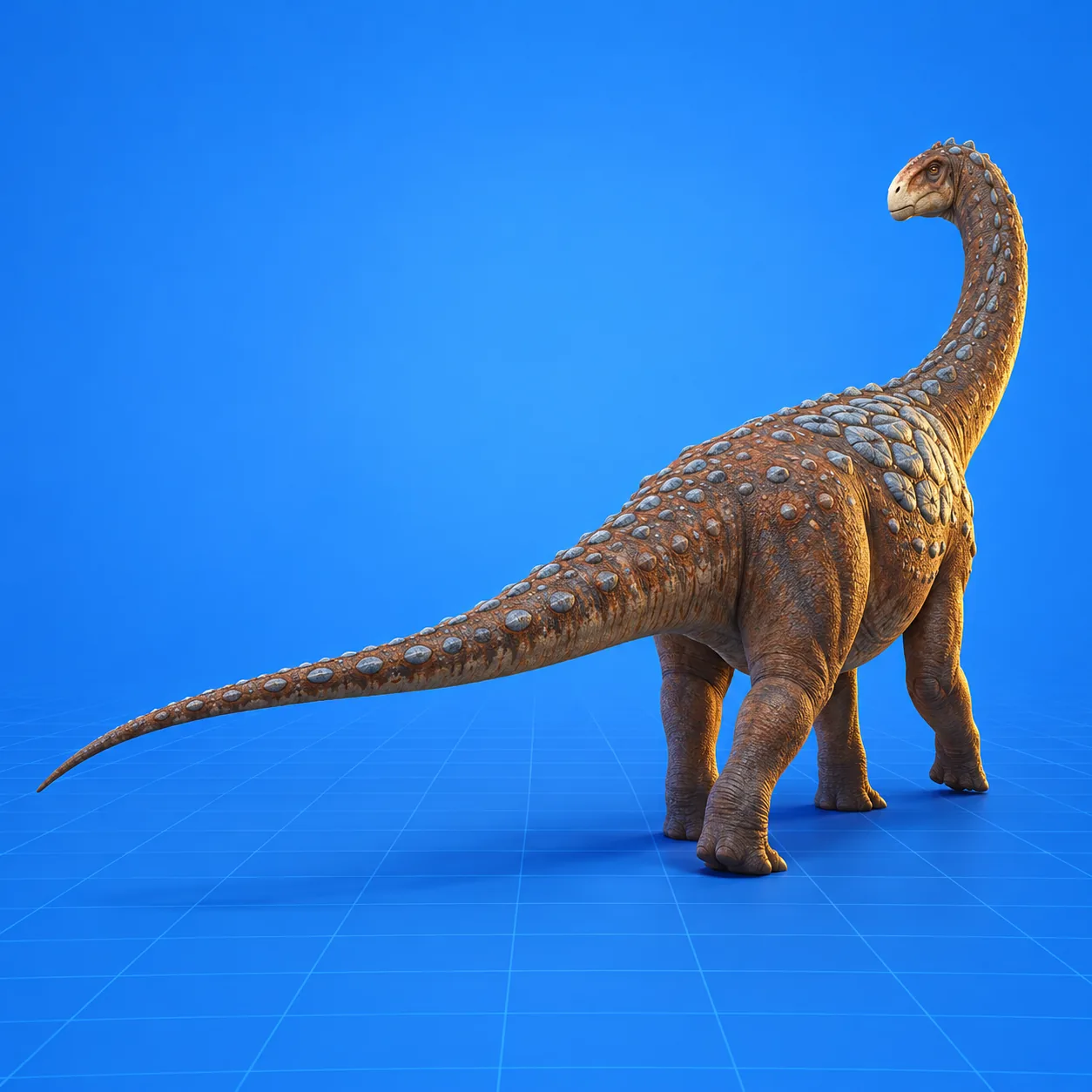 Dinosaur
Cretaceous
Small bones found with its remains are interpreted as armor embedded in its skin.
Meet Malawisaurus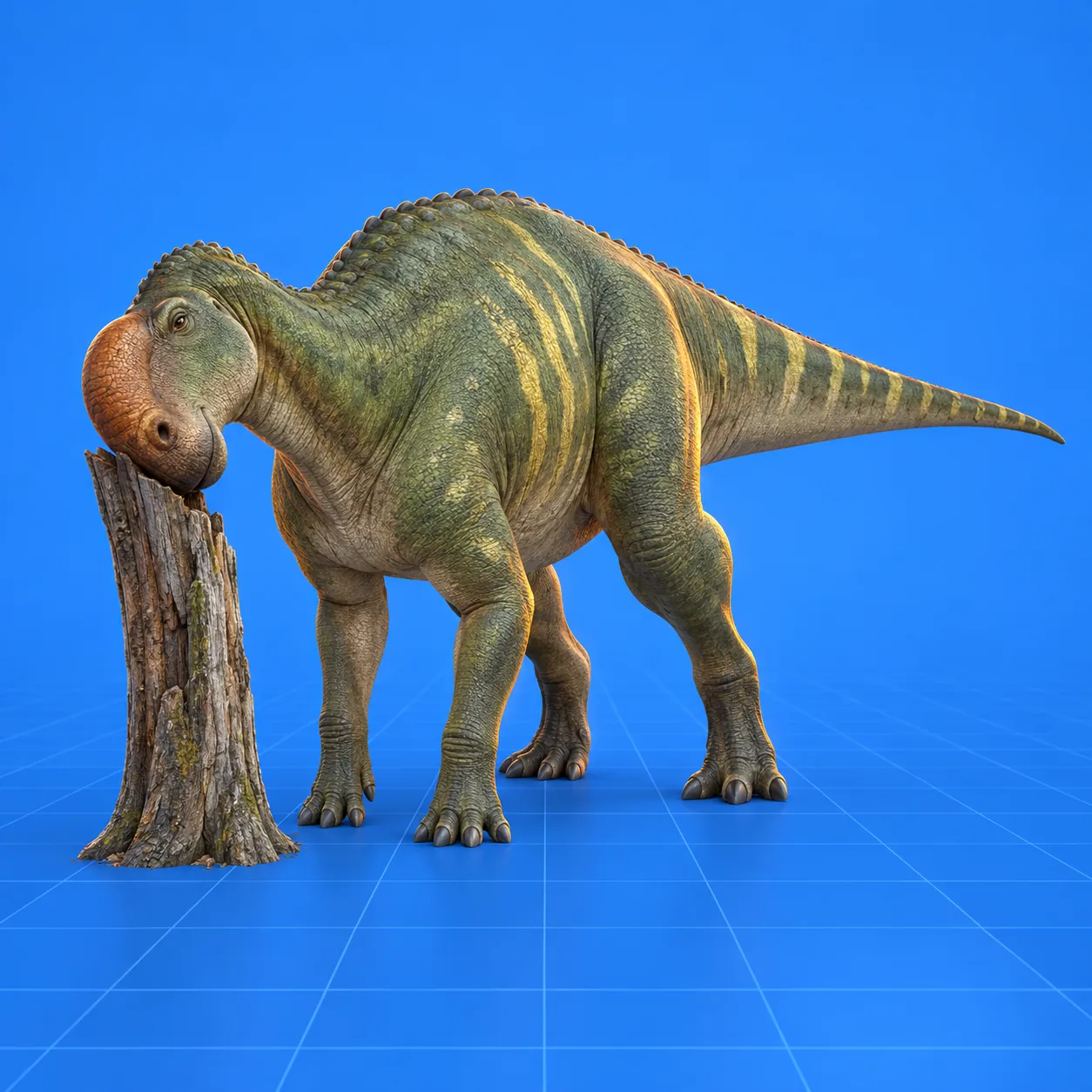 Dinosaur
Cretaceous
It is one of the Australian dinosaurs best known from skeletal remains.
Meet Muttaburrasaurus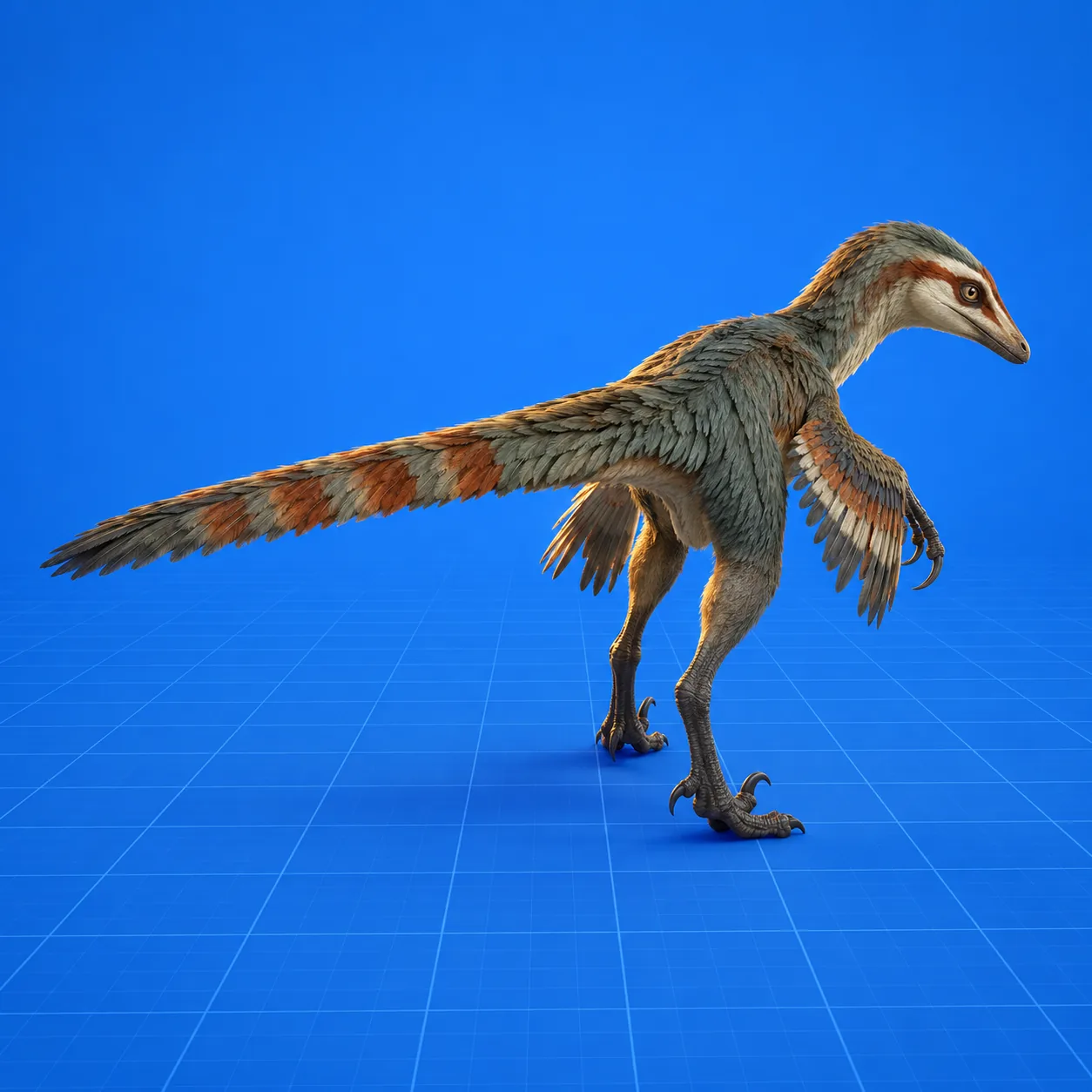 Dinosaur
Cretaceous
Its reference specimen combines a partial skull with a disarticulated skeleton.
Meet Sinovenator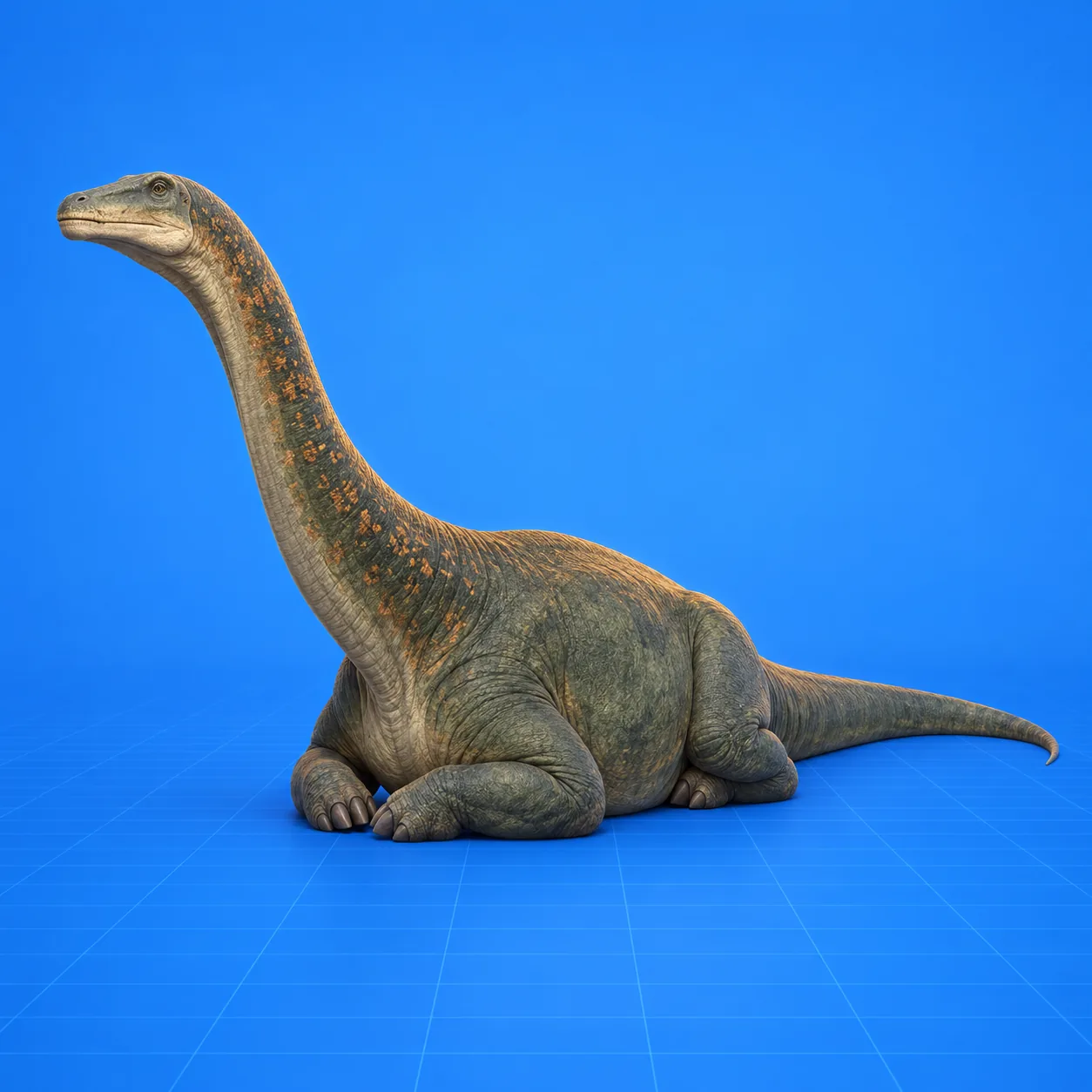 Dinosaur
Cretaceous
Its skull comes from the same layers as Opisthocoelicaudia, known for a headless skeleton.
Meet Nemegtosaurus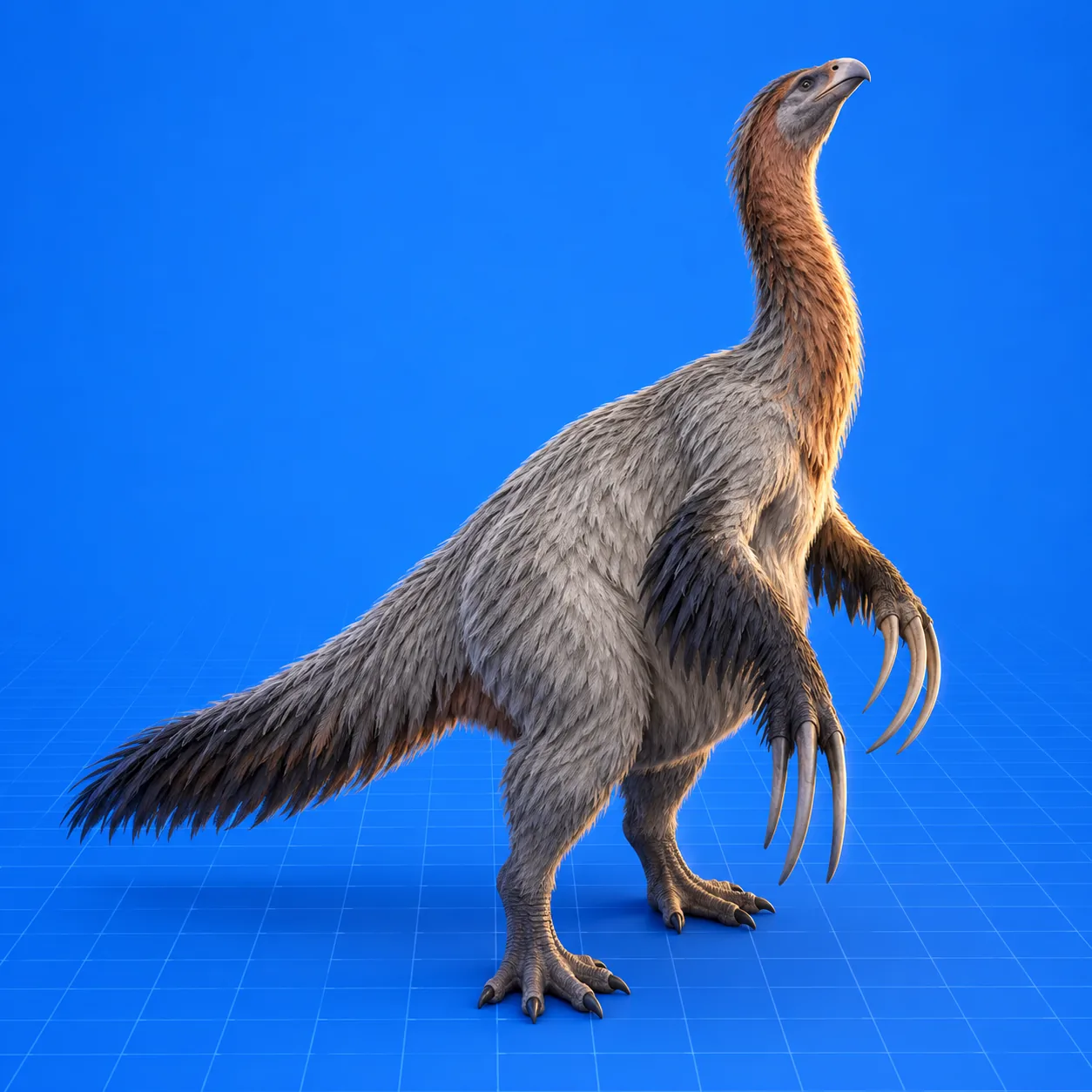 Dinosaur
Cretaceous
It had feet with four toes facing forward and large arms with claws.
Meet Nothronychus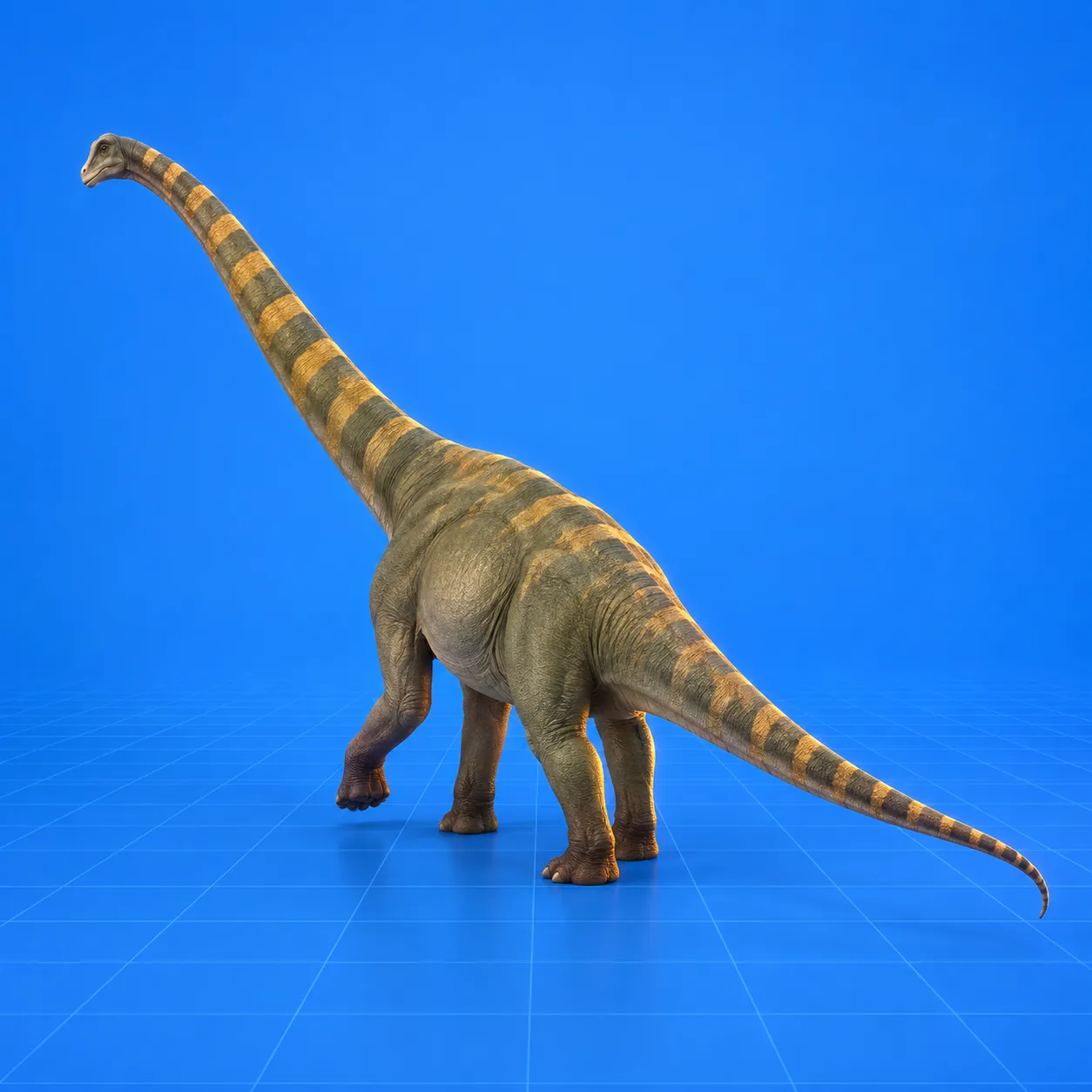 Dinosaur
Jurassic
Its neck had seventeen vertebrae, more than that of many other sauropods.
Meet Omeisaurus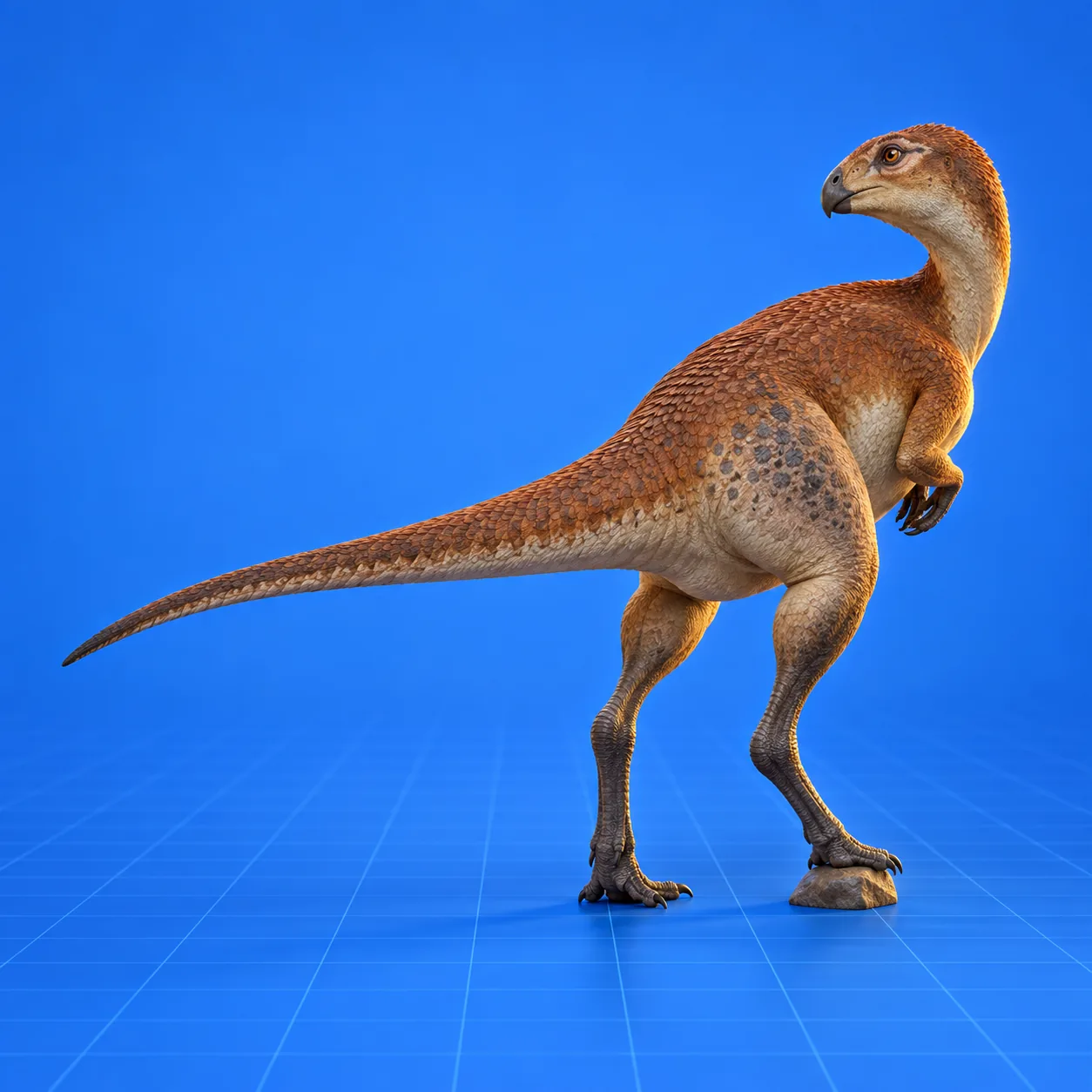 Dinosaur
Cretaceous
Its name means "runner of the mountains."
Meet Orodromeus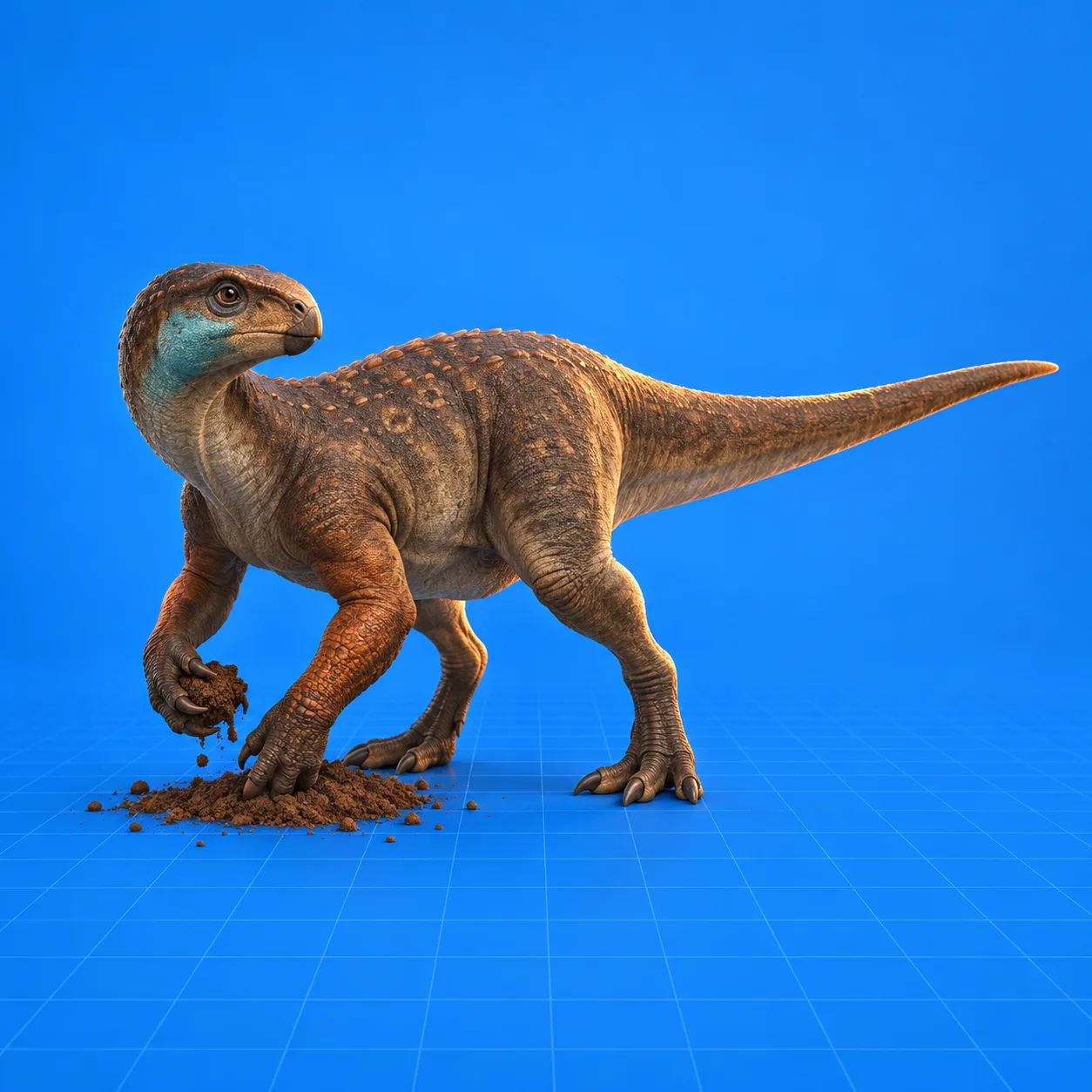 Dinosaur
Cretaceous
Young animals found with adults in a burrow suggest that adults protected their young.
Meet Oryctodromeus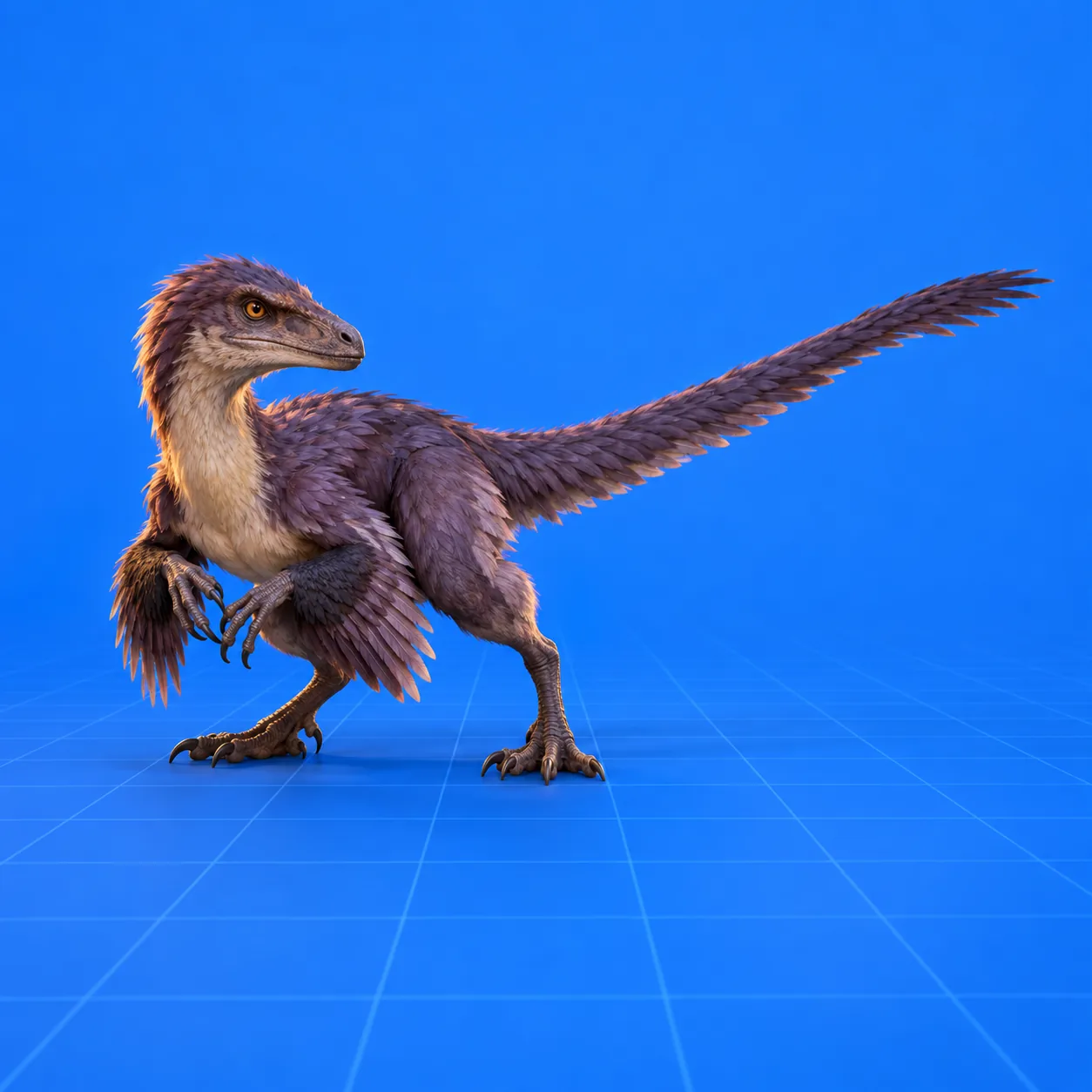 Dinosaur
Jurassic
A hand once assigned to this animal is now considered to belong to Tanycolagreus.
Meet Ornitholestes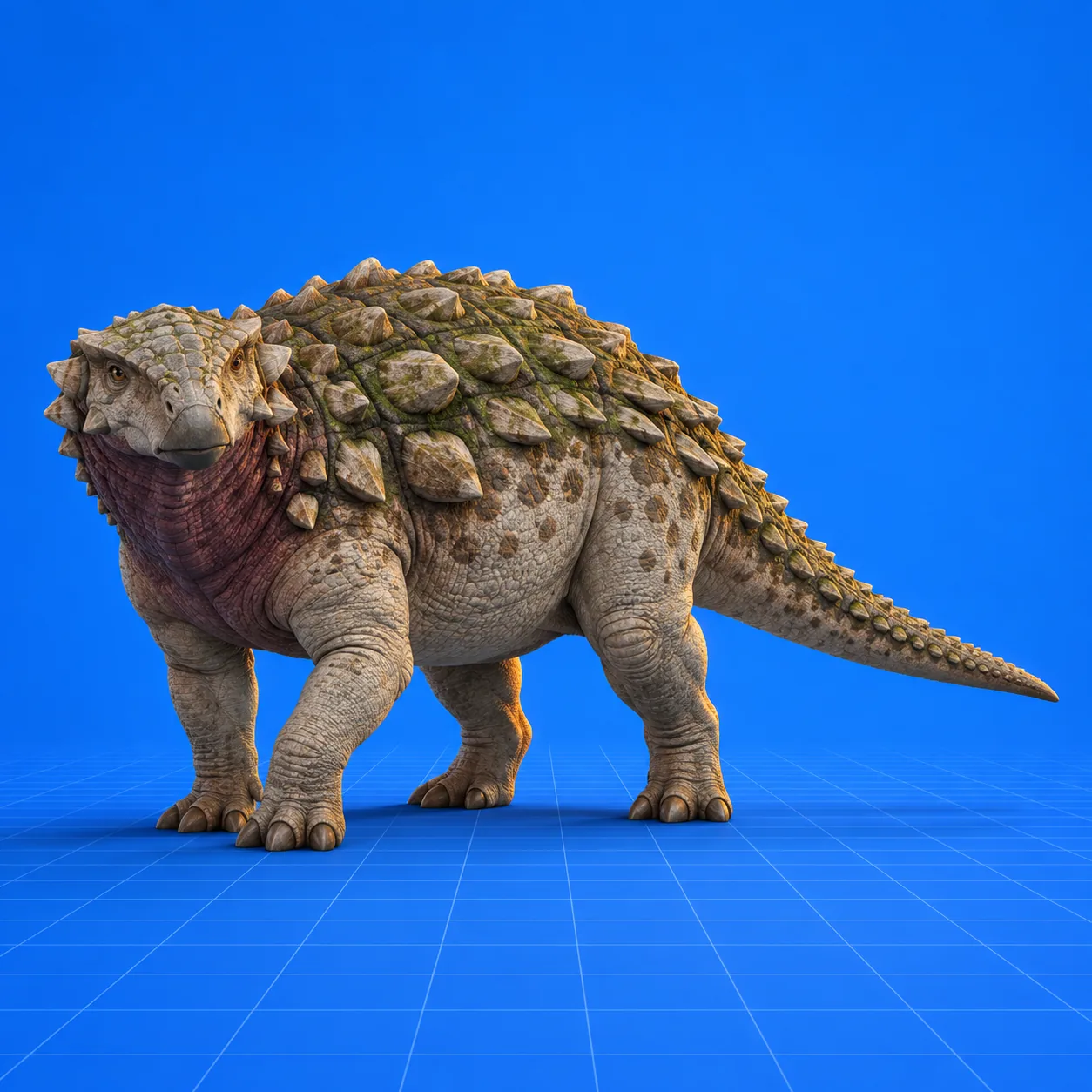 Dinosaur
Cretaceous
It was heavily armored, but its tail did not carry the large club of other armored dinosaurs.
Meet Panoplosaurus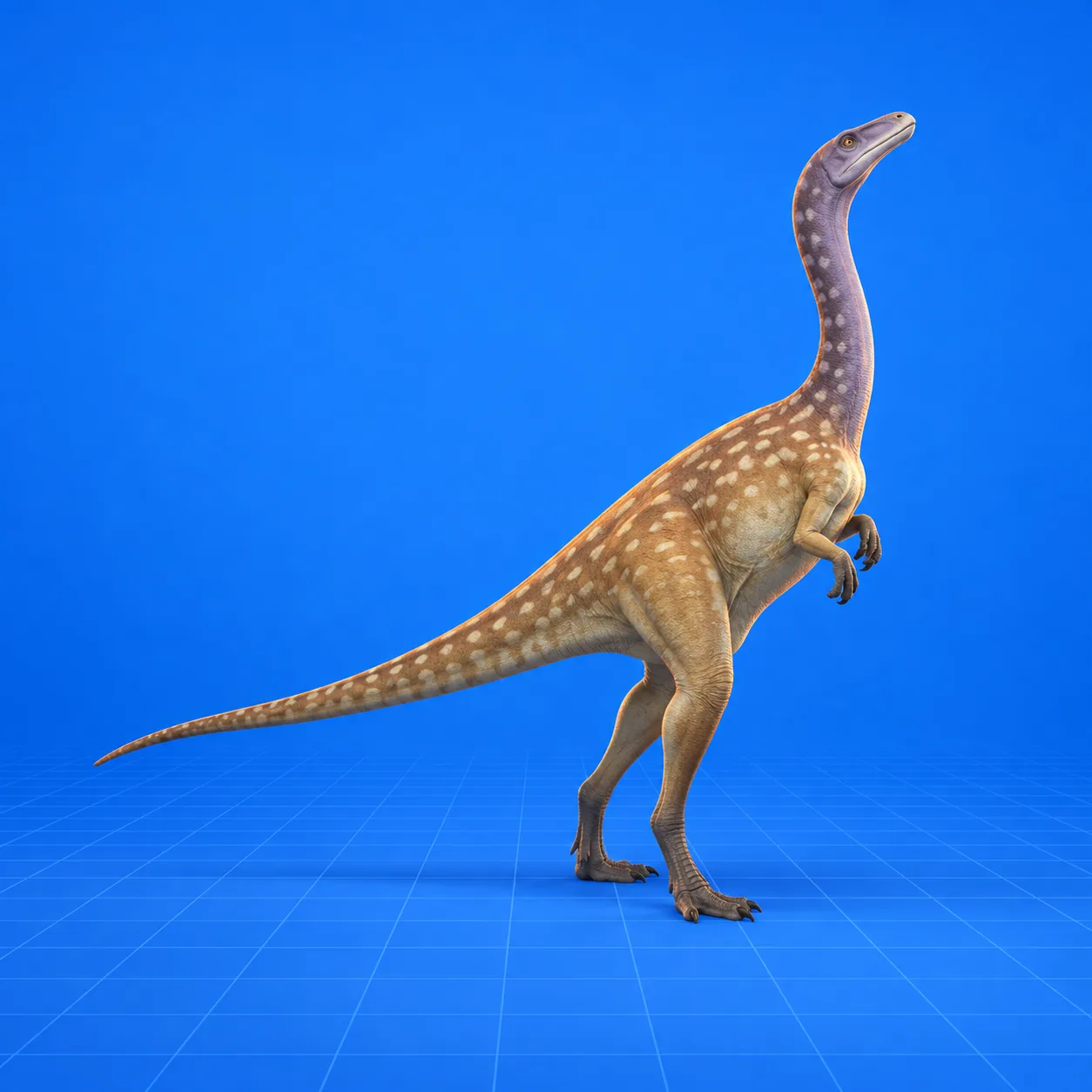 Dinosaur
Triassic
It was one of the first dinosaurs scientifically discovered.
Meet Thecodontosaurus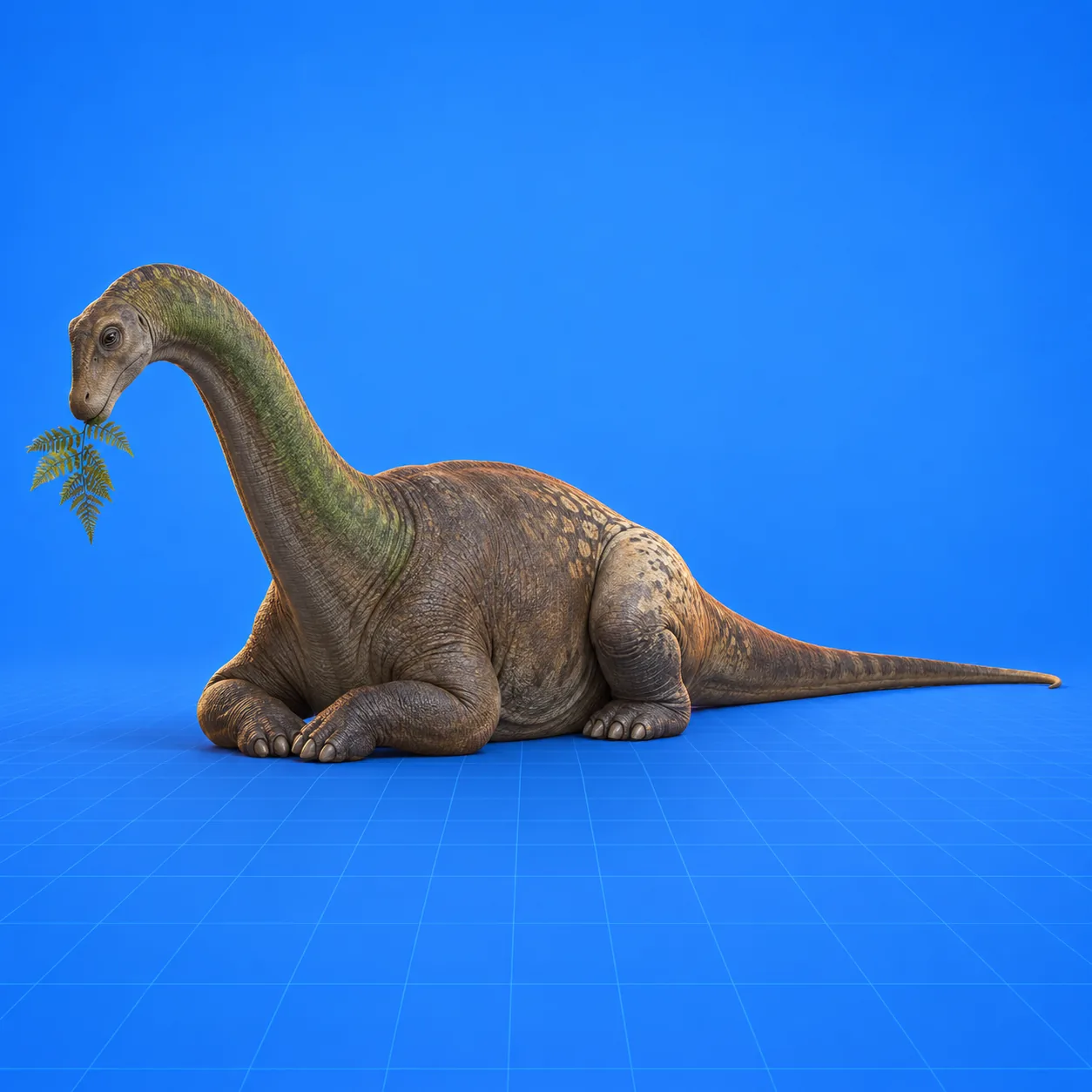 Dinosaur
Jurassic
Specimens of different ages are known that help to compare their growth.
Meet Patagosaurus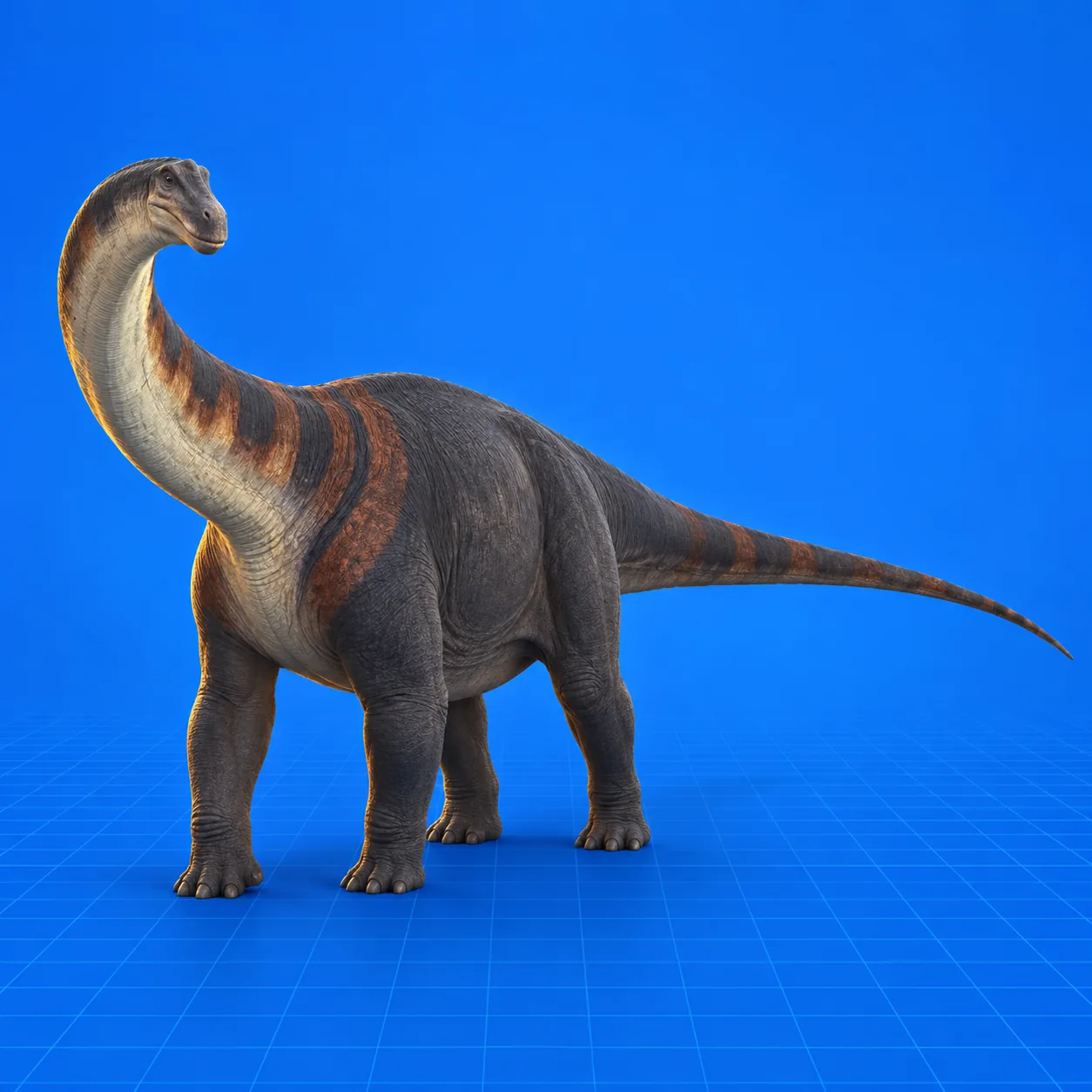 Dinosaur
Cretaceous
Its fossils place it among the largest known land animals.
Meet Patagotitan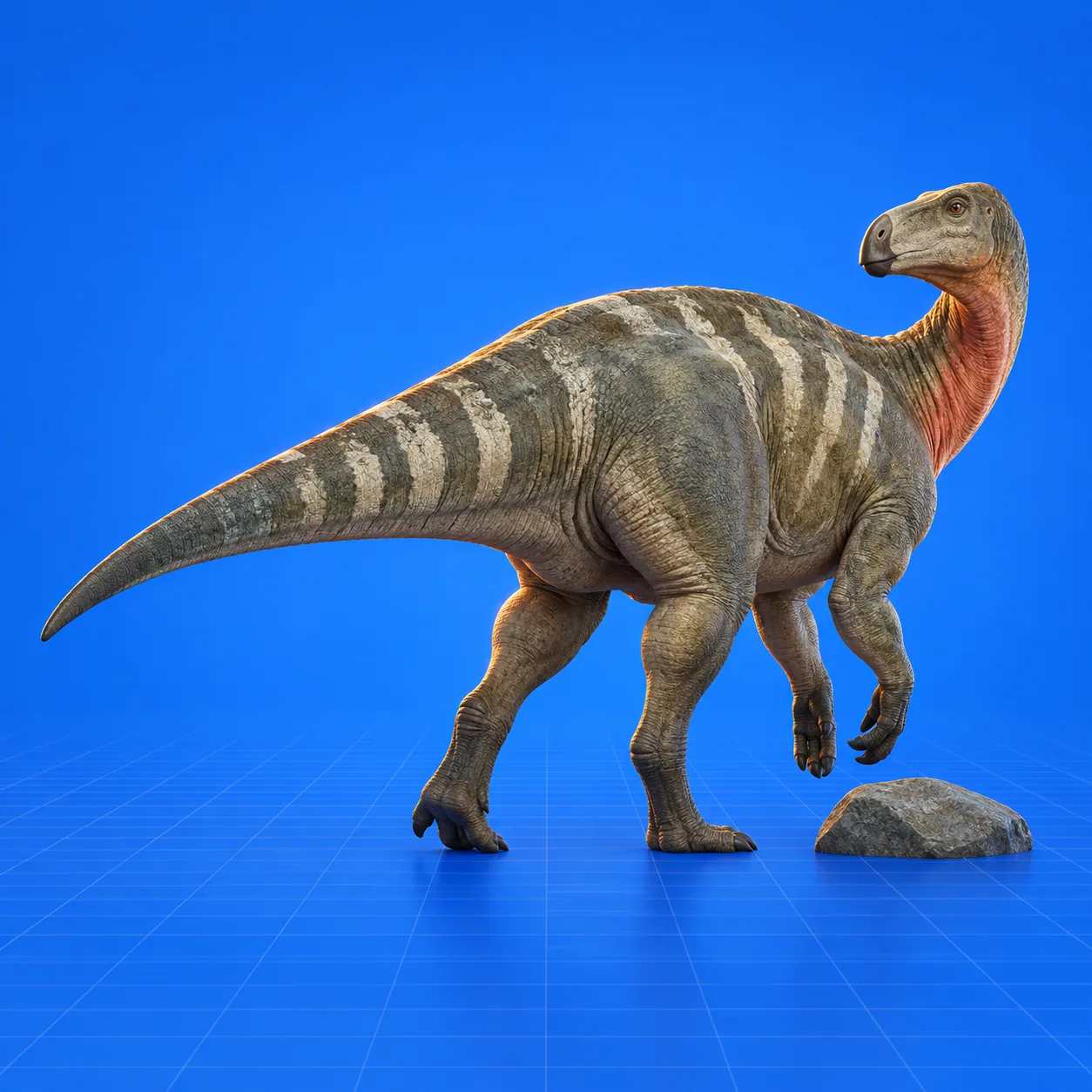 Dinosaur
Cretaceous
Its beak cut plants, while rows of teeth farther back in its mouth helped crush them.
Meet Probactrosaurus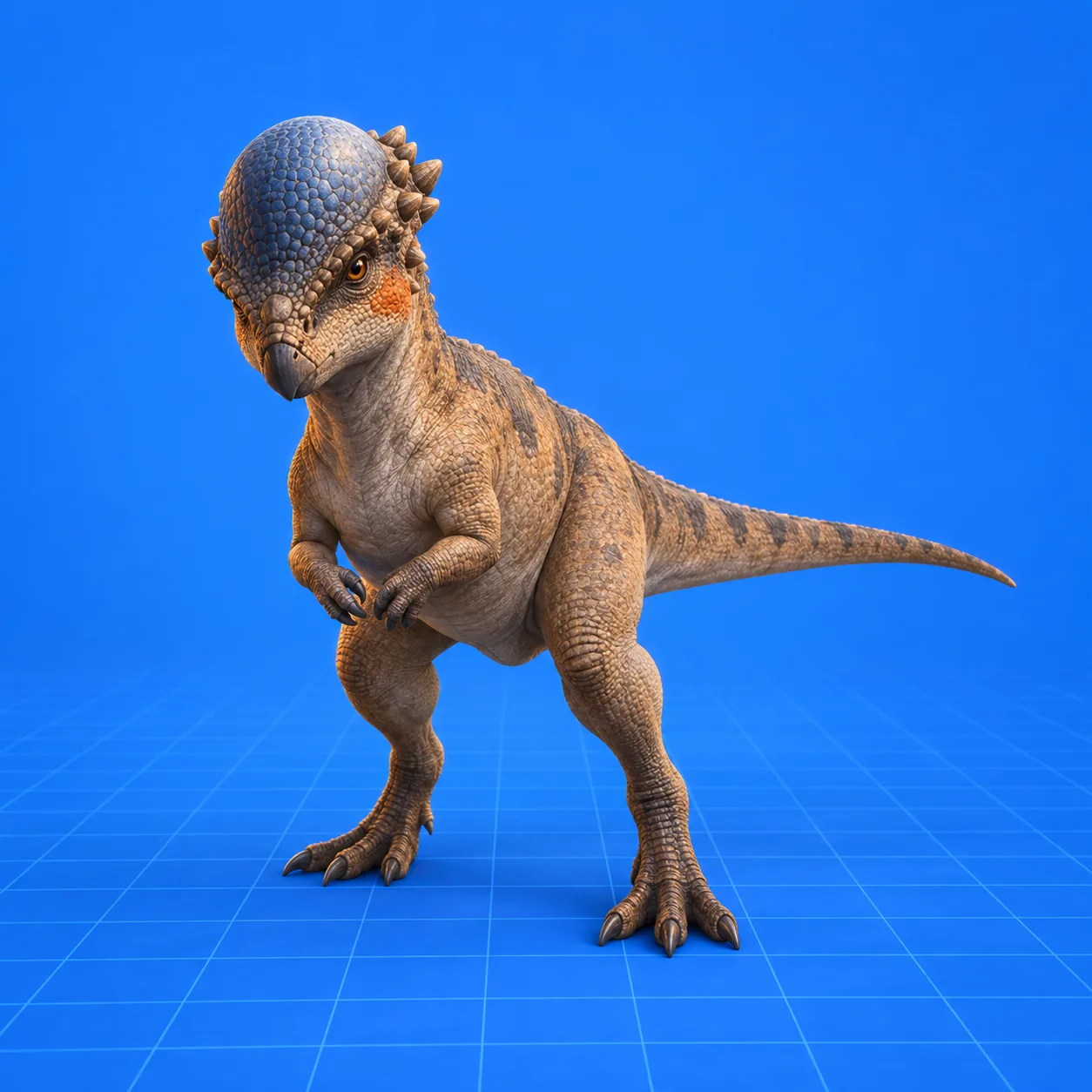 Dinosaur
Cretaceous
A ring of small spikes and bumps surrounded the dome on its skull.
Meet Prenocephale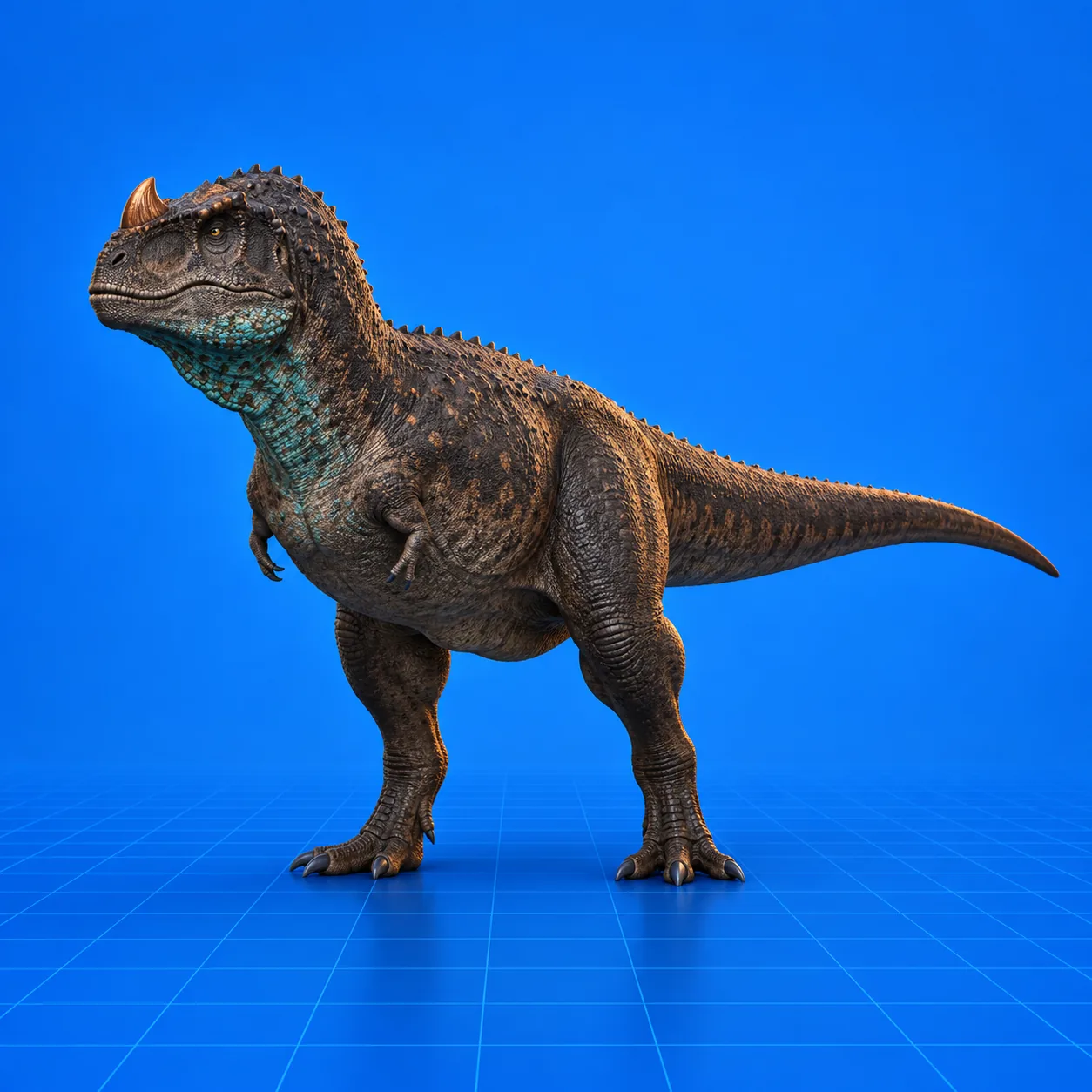 Dinosaur
Cretaceous
Its name means “royal lizard of the Narmada,” after the region where it was found.
Meet Rajasaurus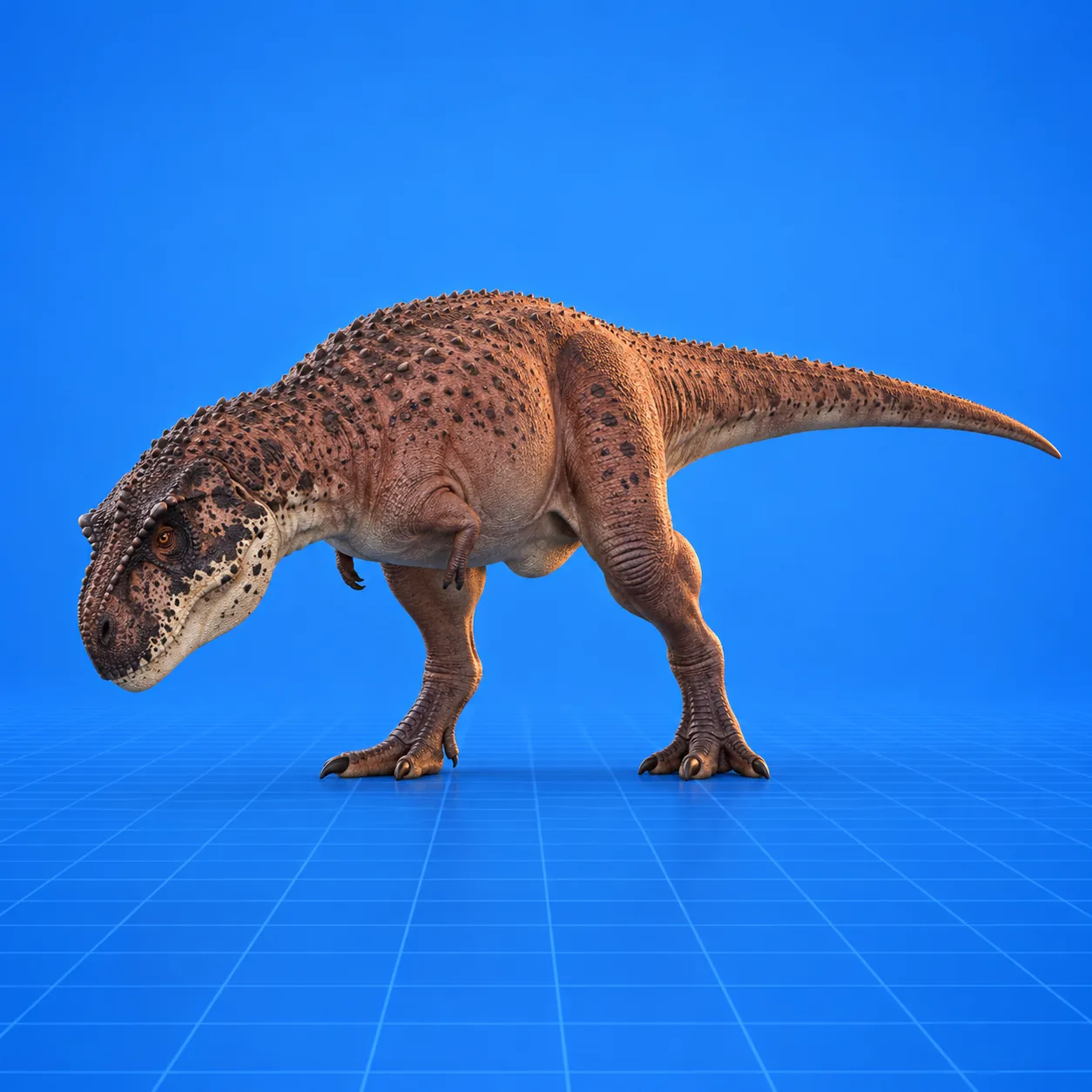 Dinosaur
Cretaceous
Its skull had two rows of small holes, but their purpose is unclear.
Meet RugopsEach card identifies its kind of creature. Fictional characters are labeled and have their own game stories. AI-generated, stylized game illustrations. These designs and growth stages are imaginative, not scientific reconstructions.