 Mammal
Quaternary
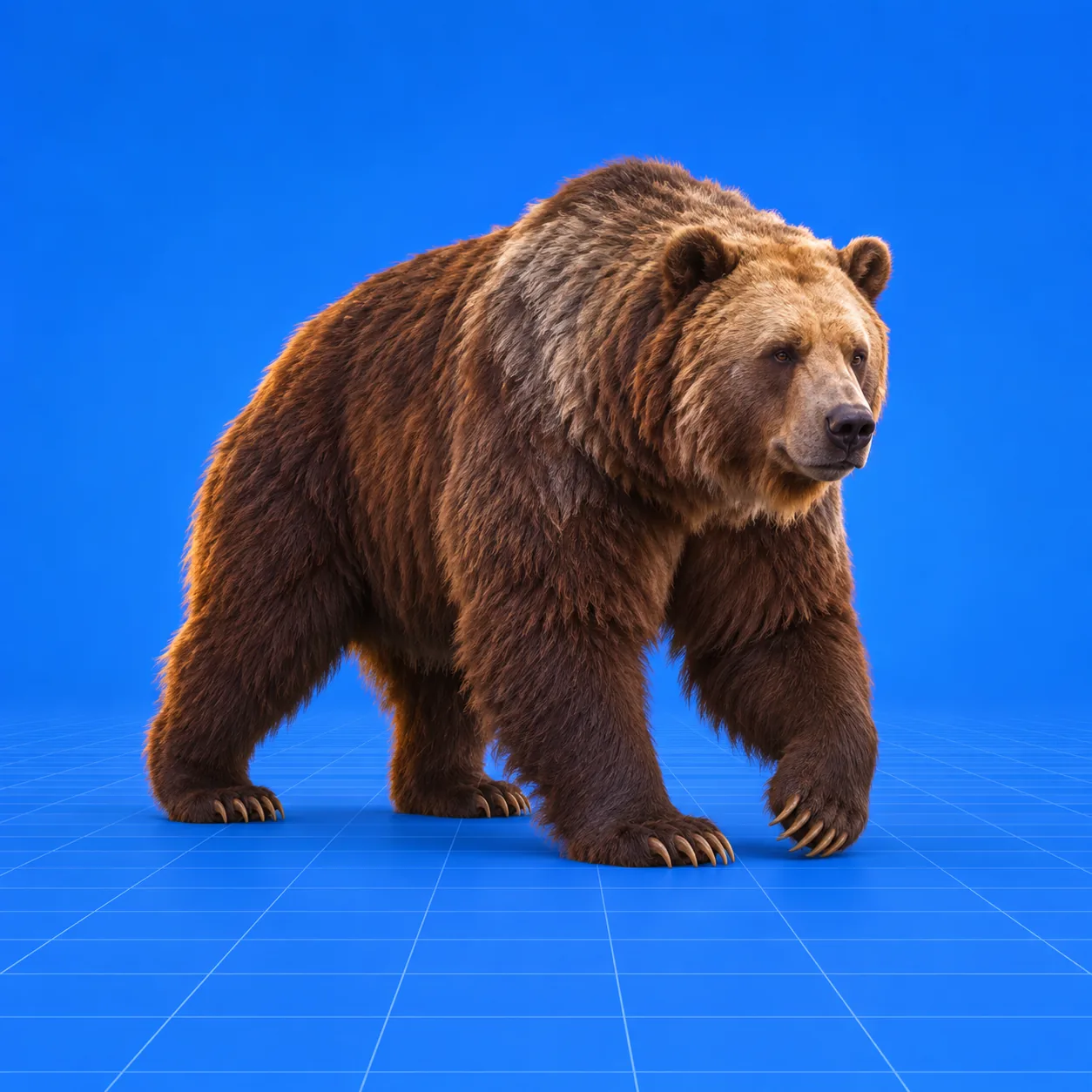
Ursus spelaeus
Its great size was comparable to that of the largest bears today.
Meet Ursus spelaeus Dinosgacha
The Dinosgacha encyclopedia
Discover dinosaurs, extinct plants, other animals and fictional game companions. Explore their stories and see all three stages of their artwork.
Showing 241–264 of 578 creatures
MammalQuaternary
Its great size was comparable to that of the largest bears today.
Meet Ursus spelaeus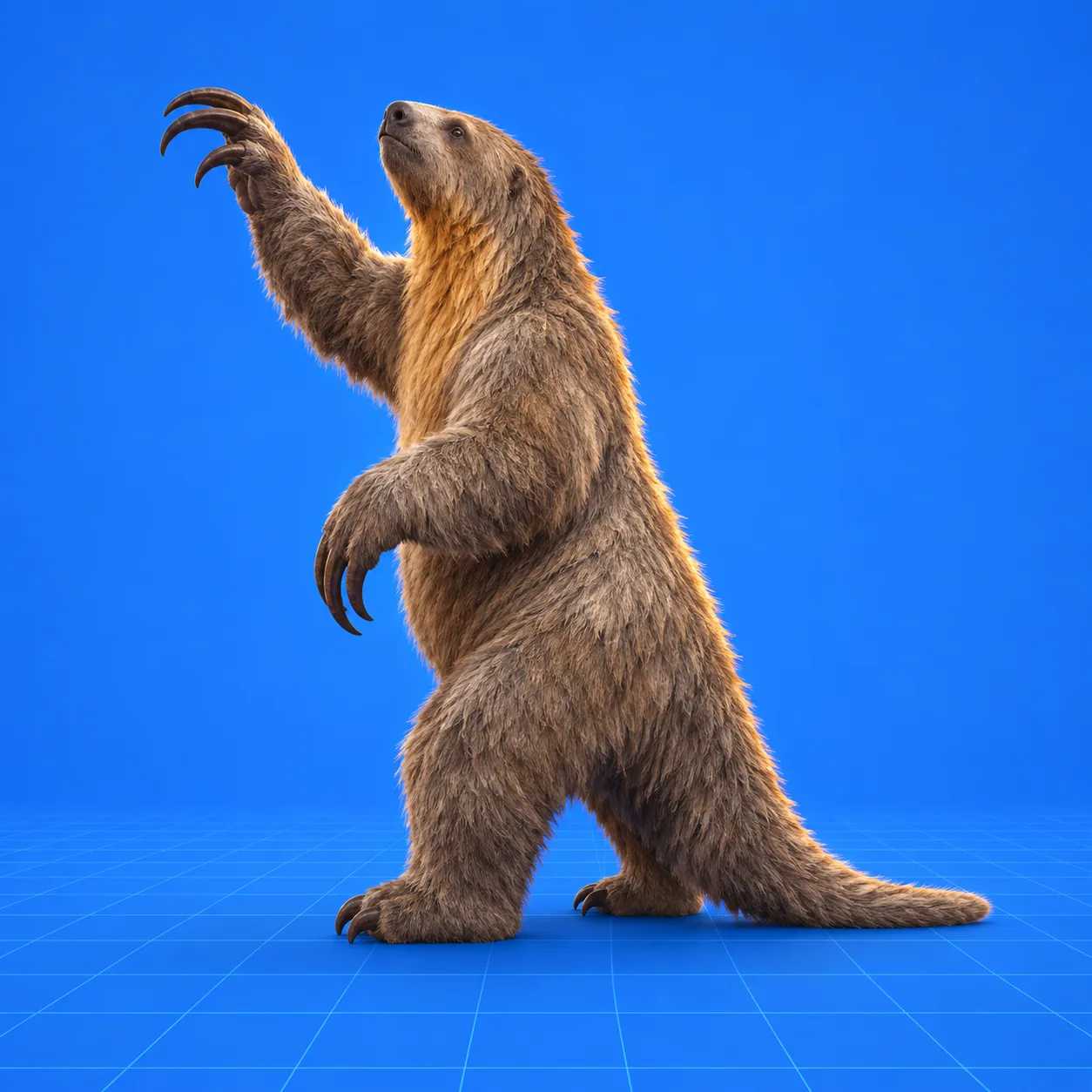 Mammal
Neogene / Quaternary
It used its powerful claws to grip trees while feeding from them.
Meet Megalonyx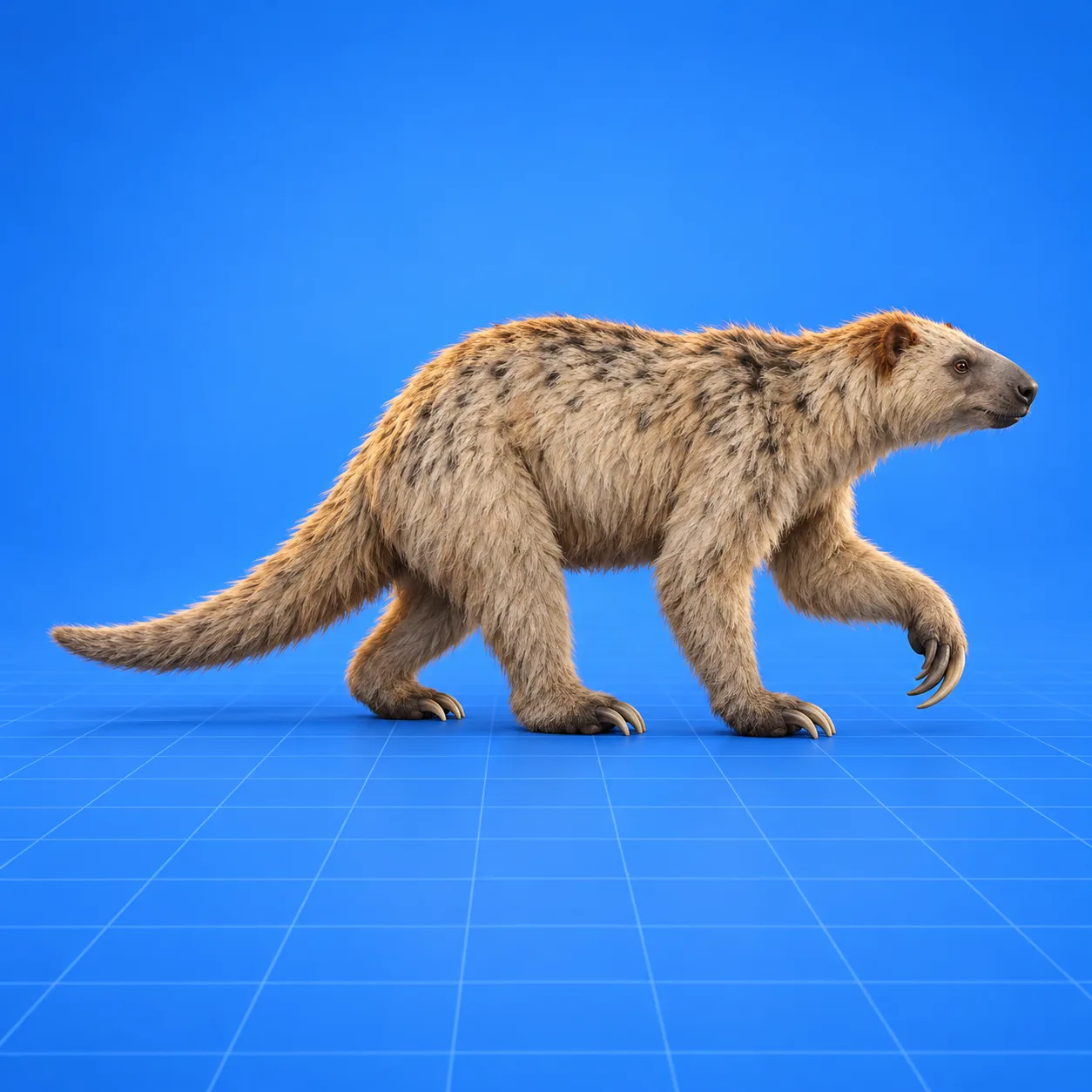 Mammal
Quaternary
This ground sloth was about the size of a bear.
Meet Nothrotheriops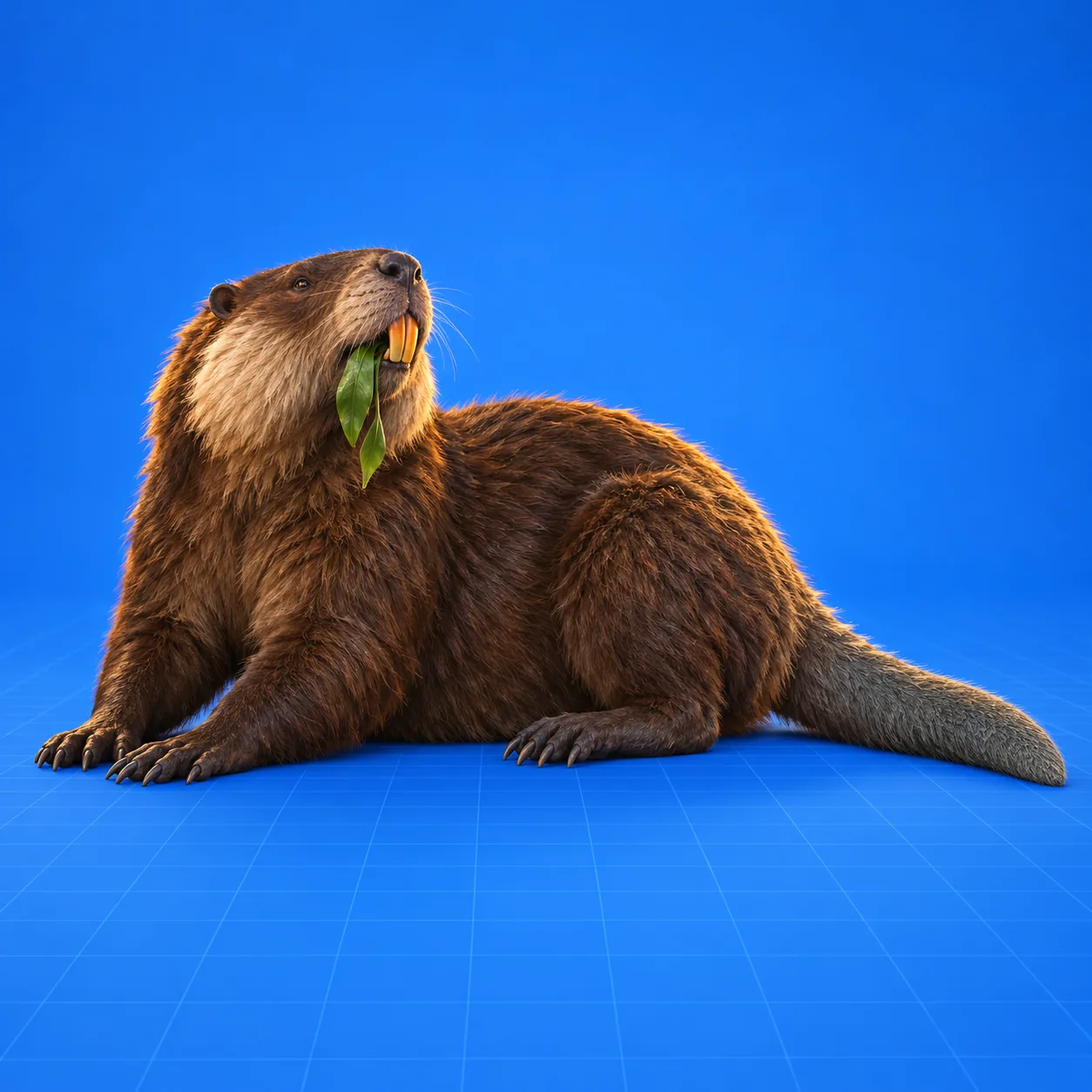 Mammal
Quaternary
It was one of the largest beavers that ever lived.
Meet Castoroides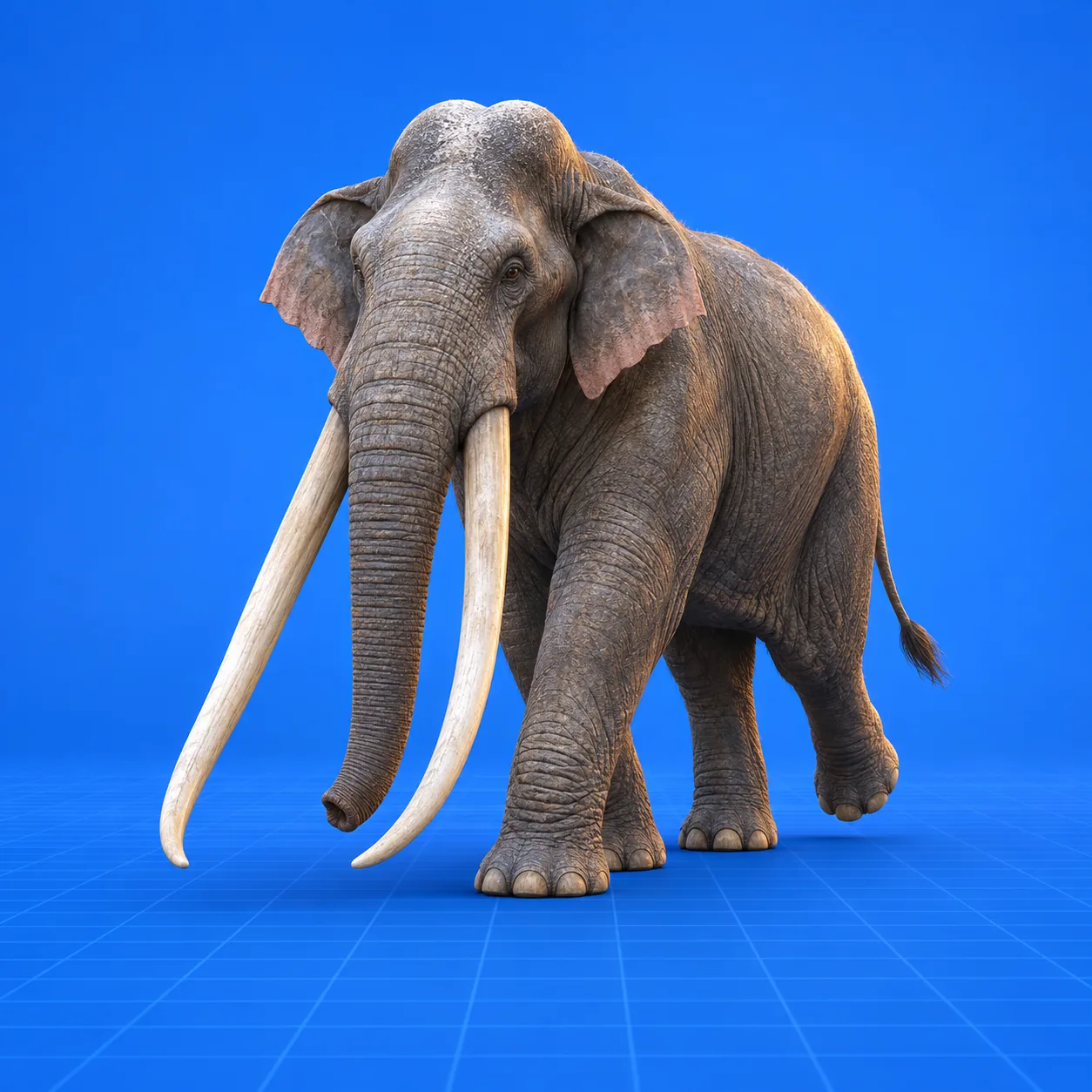 Mammal
Quaternary
Its long tusks were fairly straight, with a slight curve at the tips.
Meet Palaeoloxodon antiquus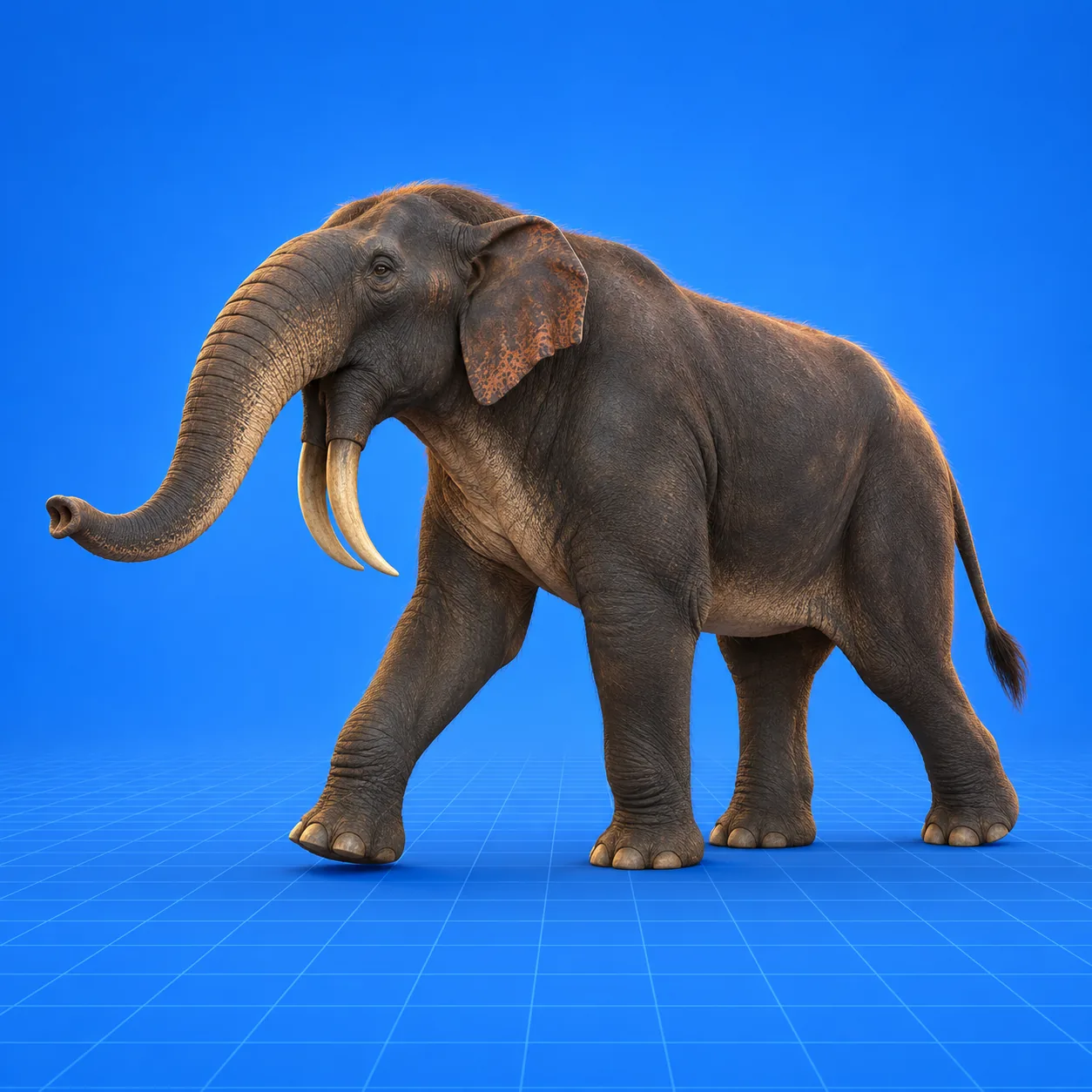 Mammal
Neogene / Quaternary
Its fossils appear in some African sites that also preserve ancient human relatives.
Meet Deinotherium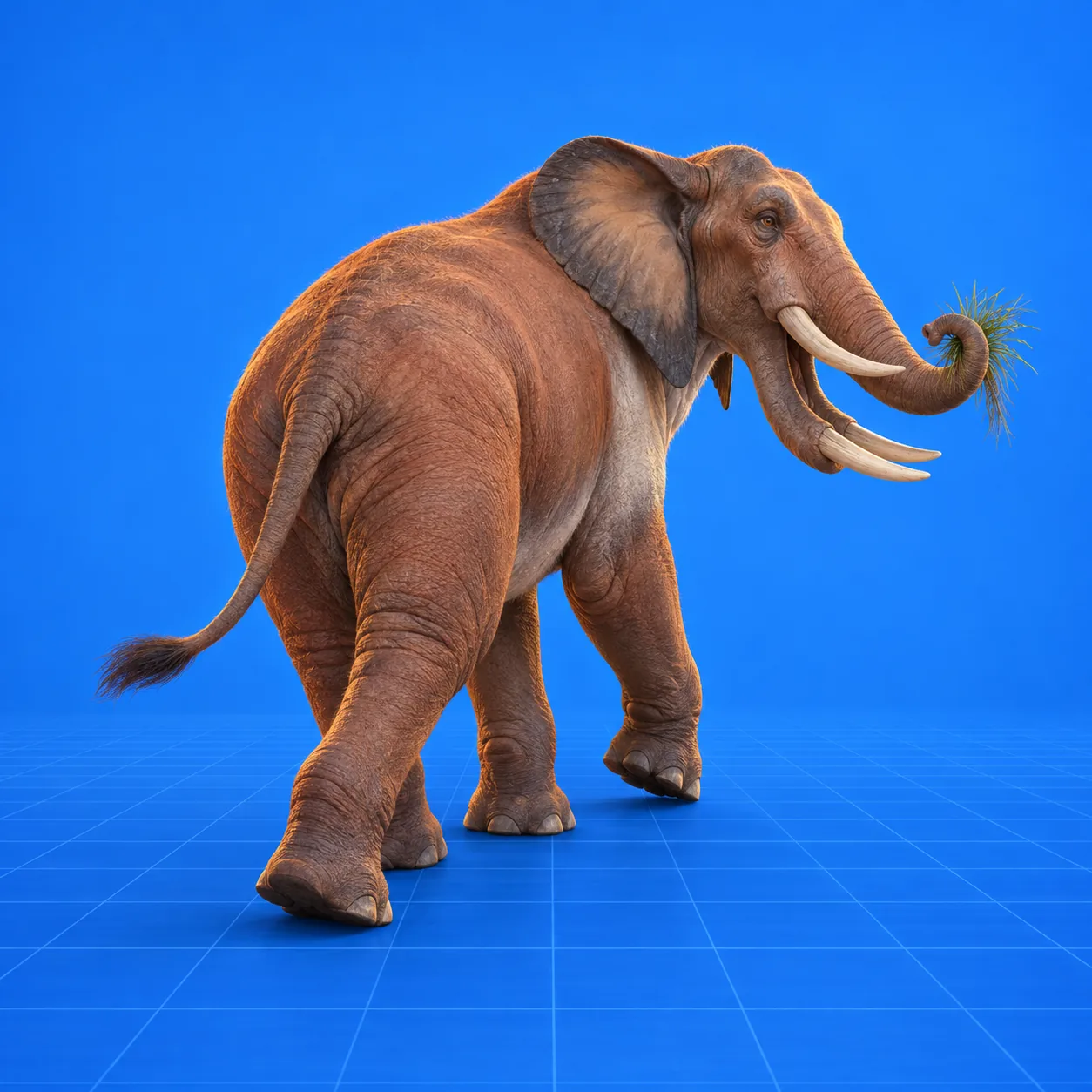 Mammal
Neogene
Its fossils reflect a very wide distribution across several continents.
Meet Gomphotherium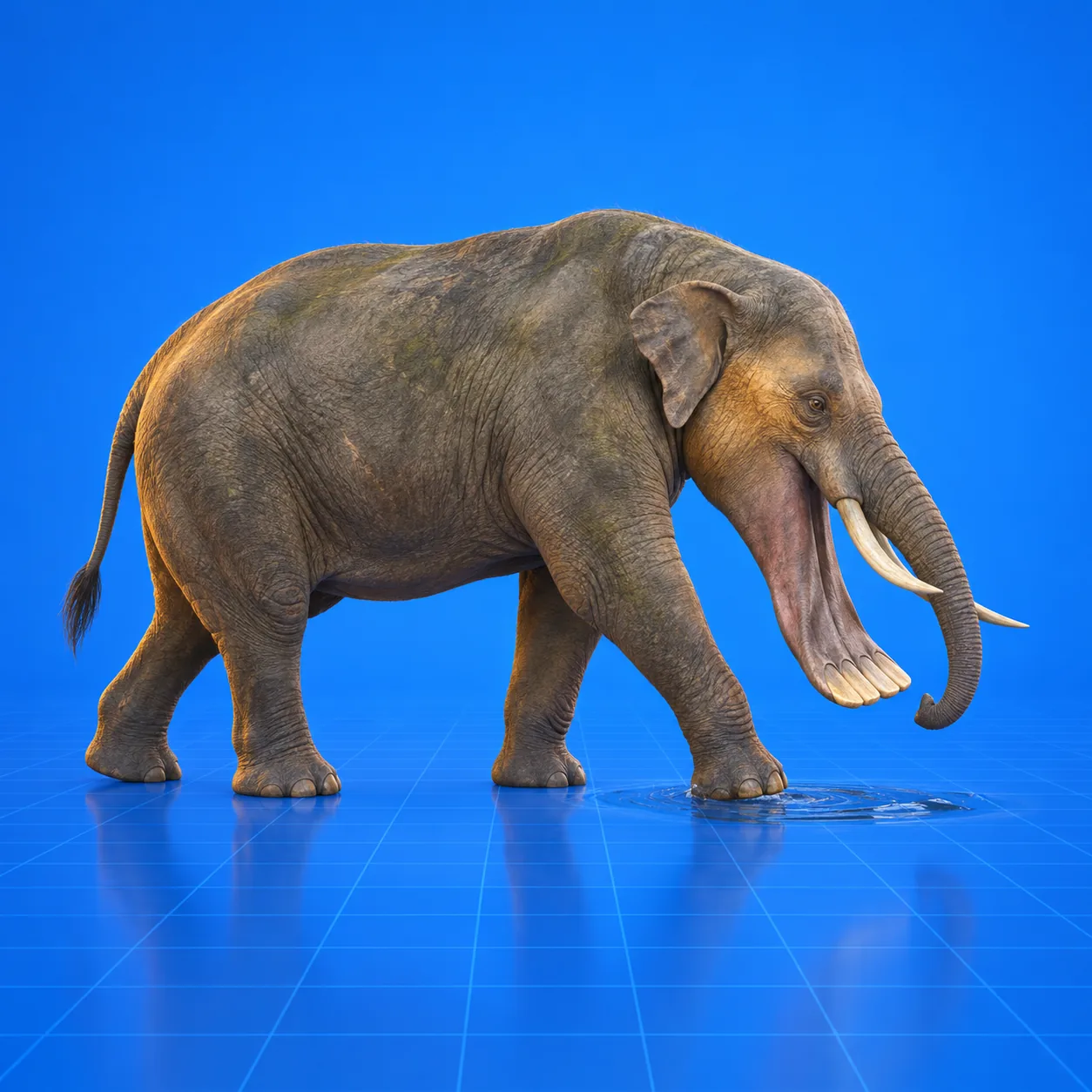 Mammal
Neogene
It belonged to the group of proboscideans, related to elephants.
Meet Platybelodon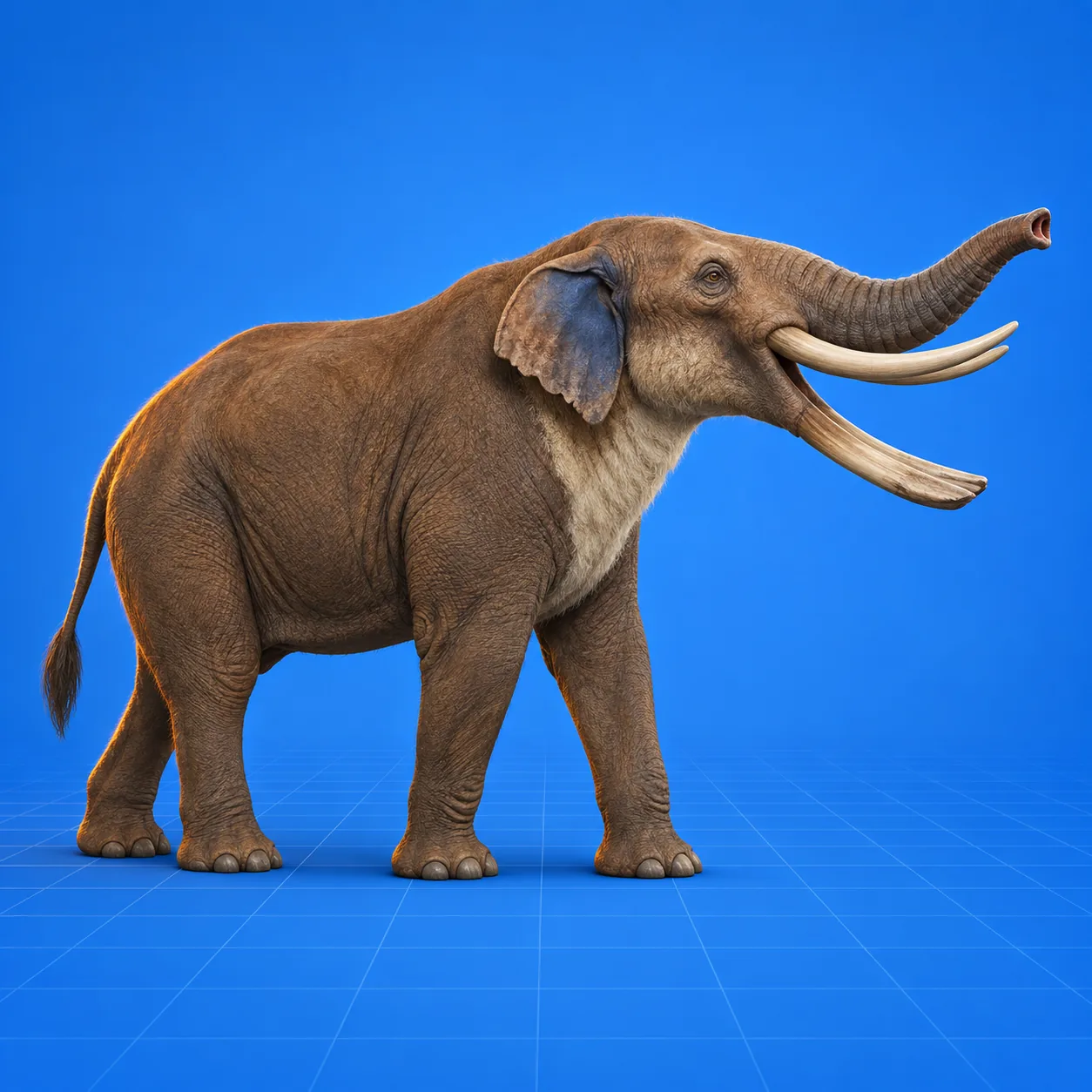 Mammal
Neogene
Its lower tusks were long, flat and shaped like shovels.
Meet Amebelodon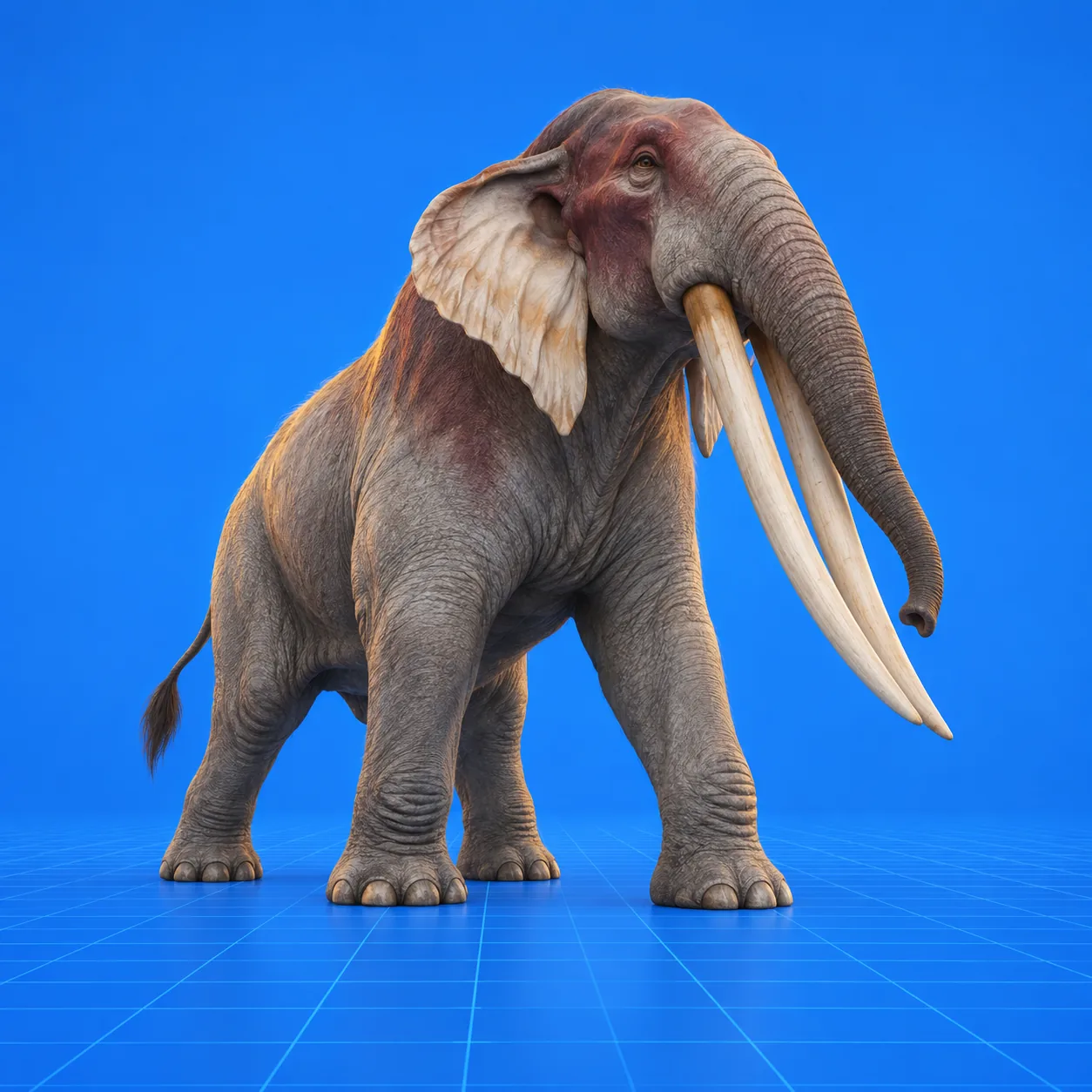 Mammal
Neogene / Quaternary
Its name means "roofed tooth", in reference to the shape of its teeth.
Meet Stegodon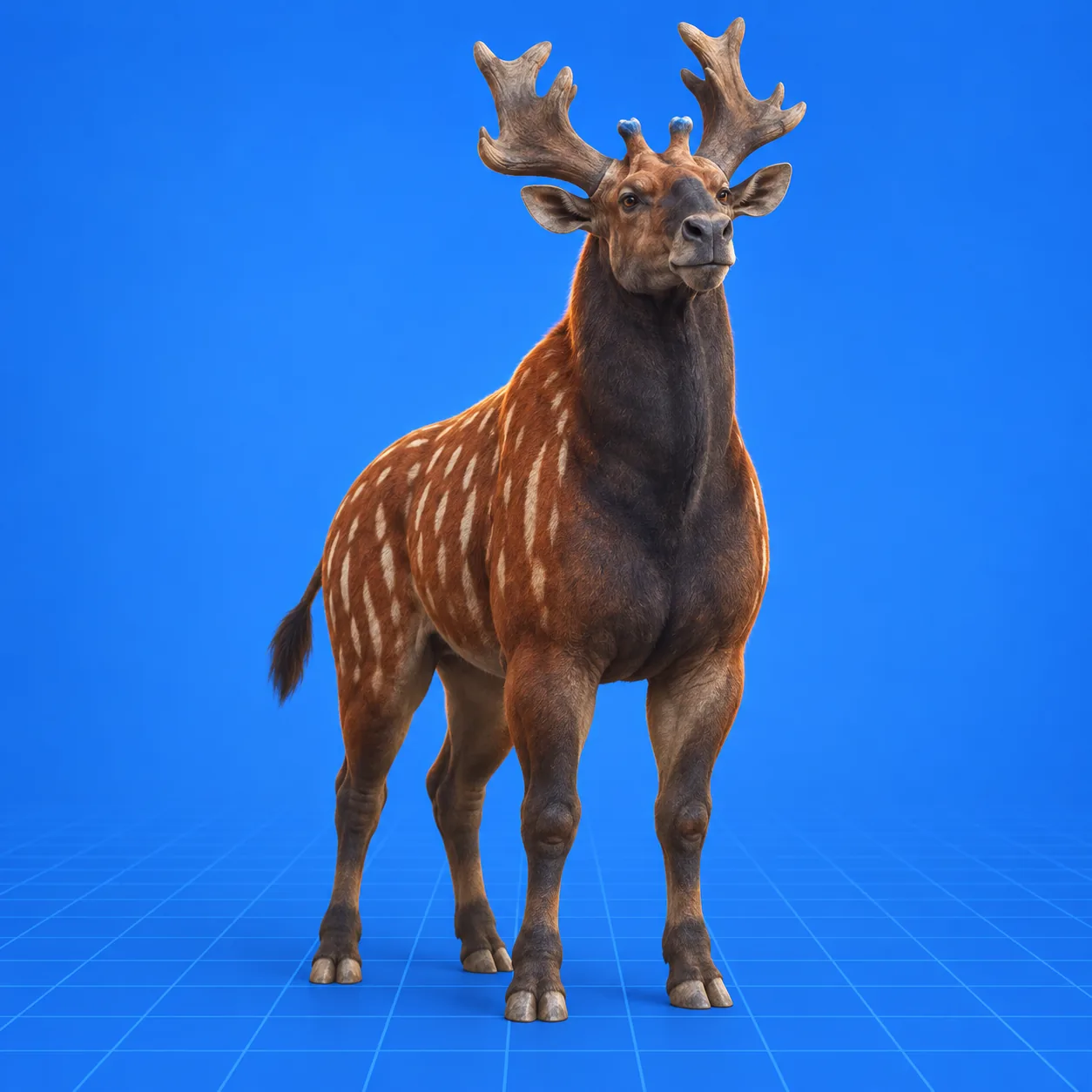 Mammal
Neogene / Quaternary
It was one of the heaviest known giraffids.
Meet Sivatherium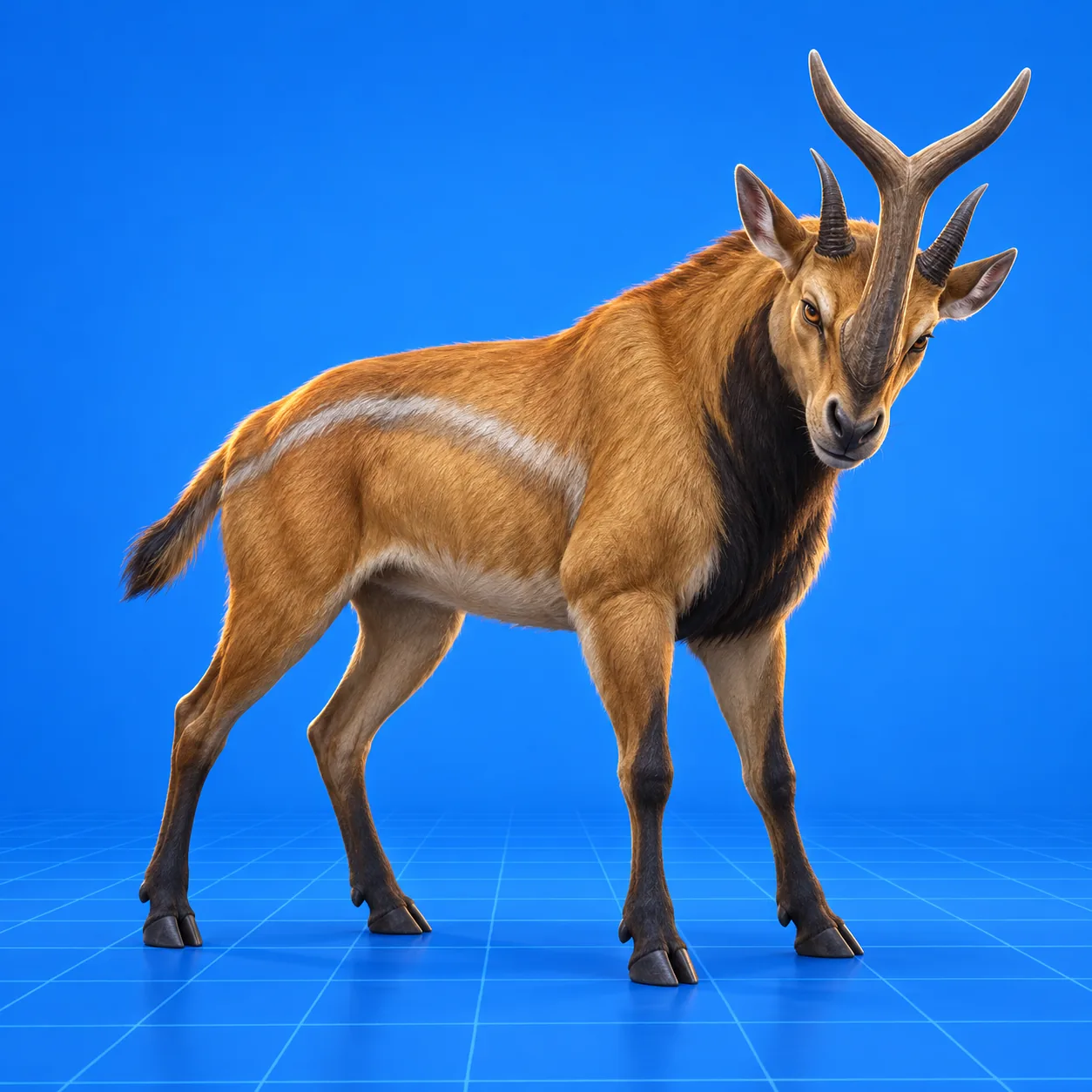 Mammal
Neogene
It had bony appendages both on its head and on its snout.
Meet Synthetoceras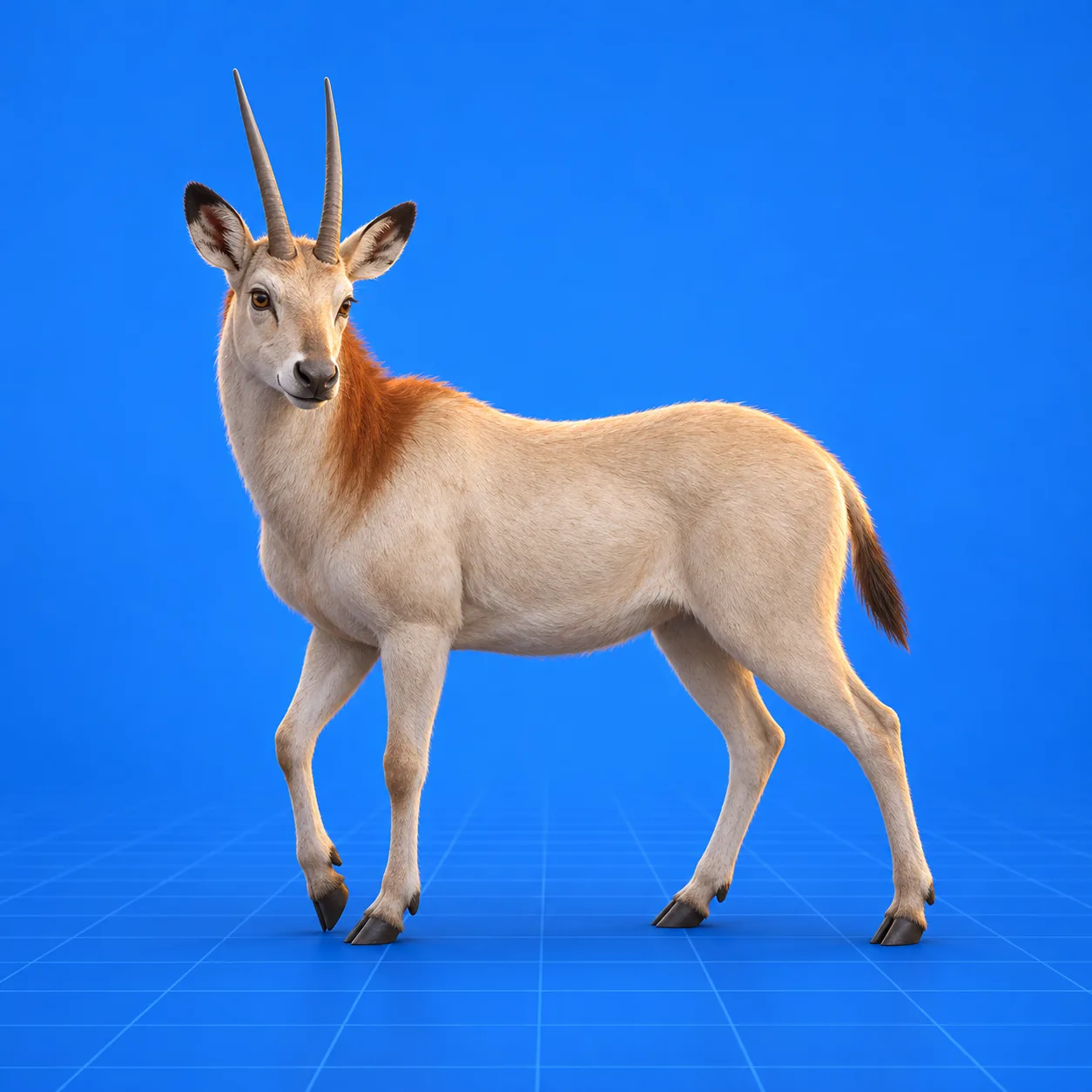 Mammal
Neogene
Wikipedia places it as an artiodactyl unique to North America, but offers few additional details.
Meet Dromomeryx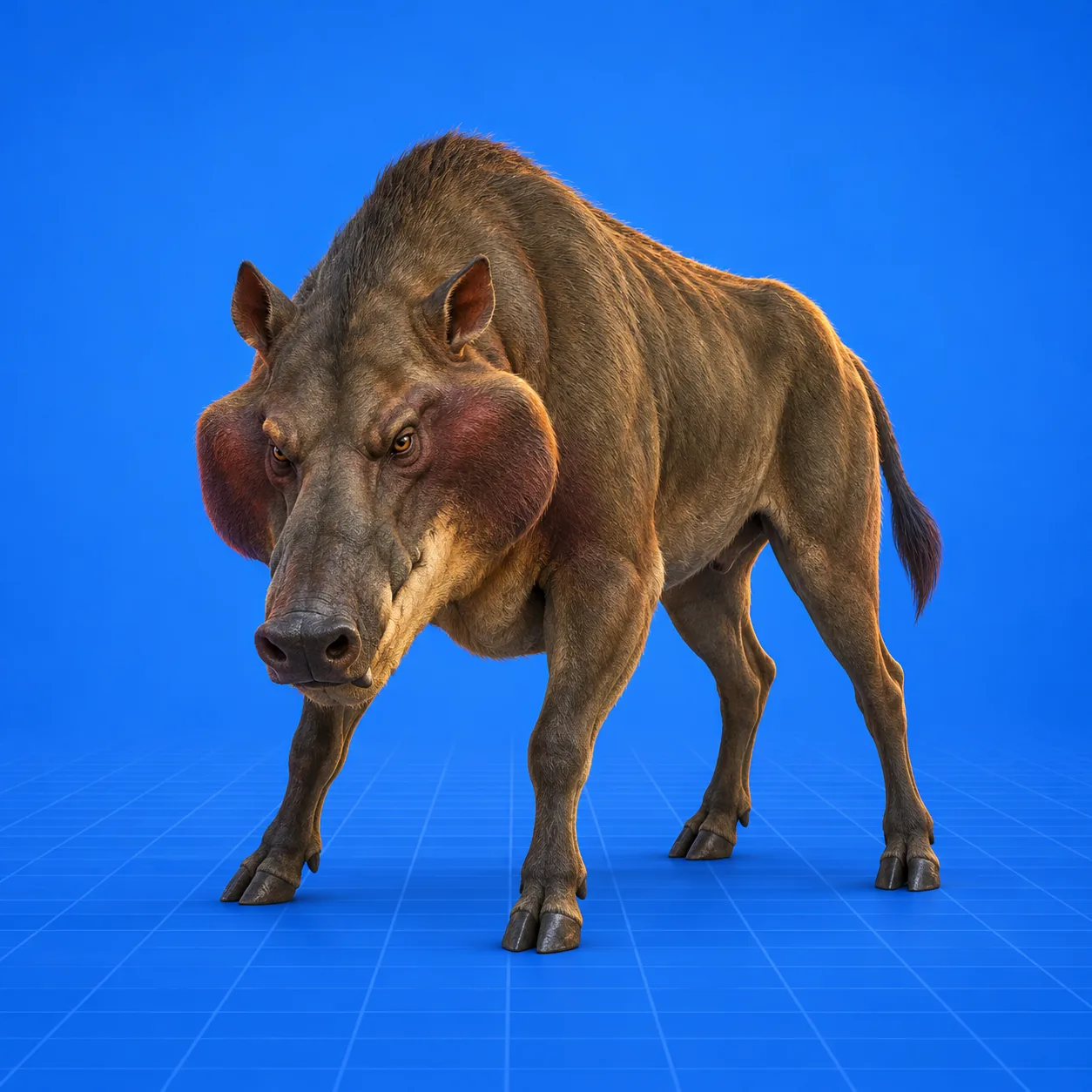 Mammal
Paleogene
Its name means "completely toothed", because of its complete dentition.
Meet Entelodon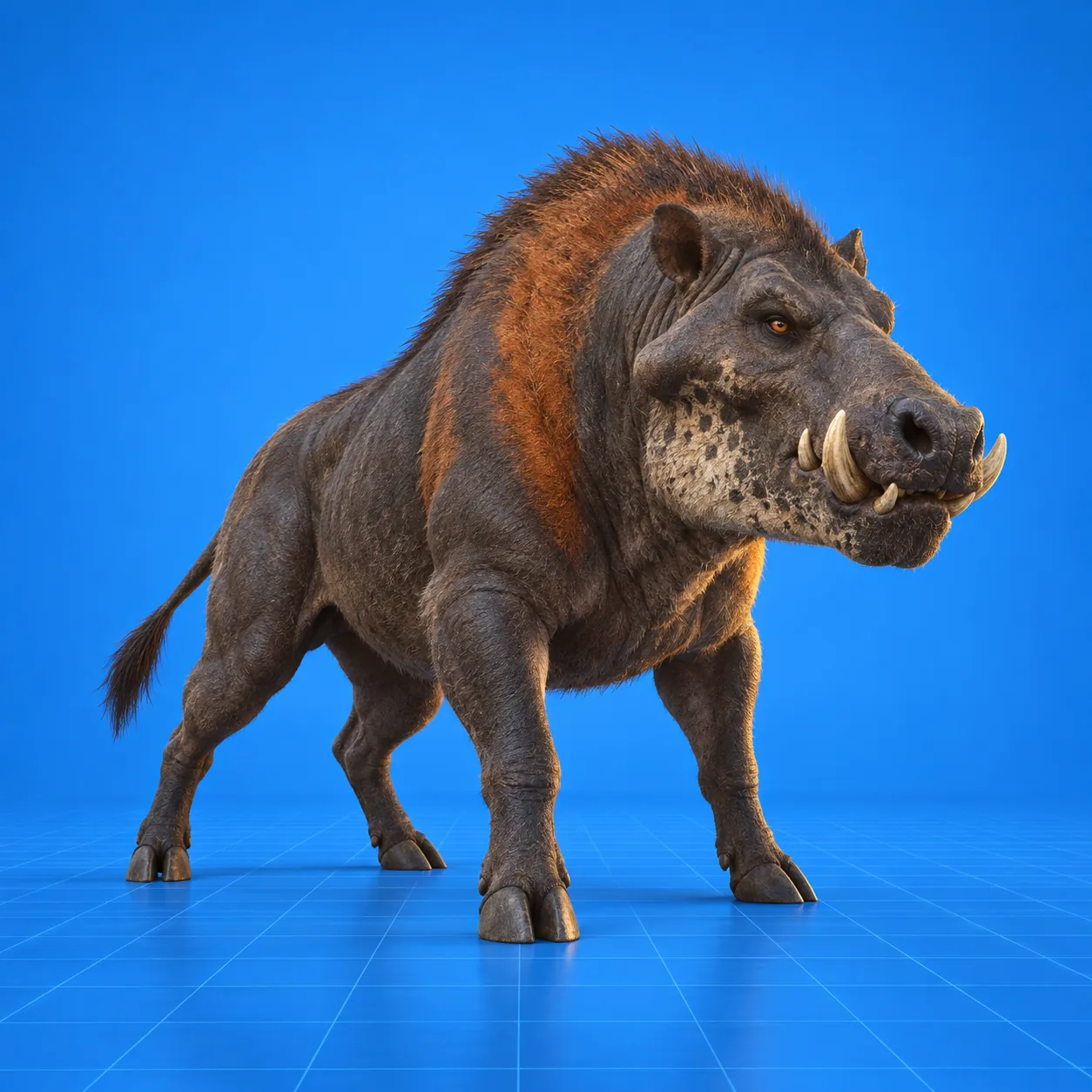 Mammal
Paleogene / Neogene
Adult skulls could be about 90 centimeters long.
Meet Daeodon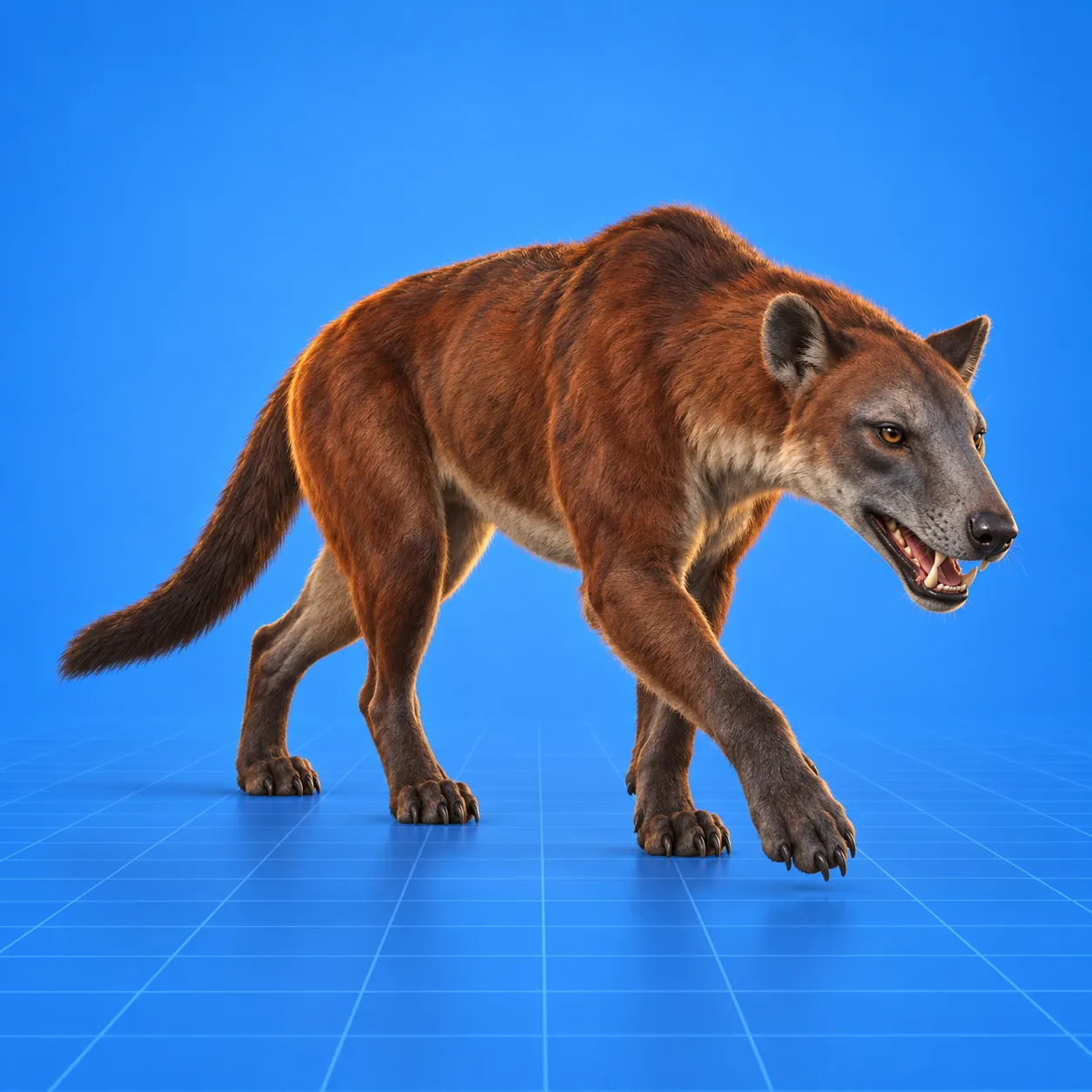 Mammal
Paleogene / Neogene
Unlike today's hyenas, it had a relatively straight back.
Meet Hyaenodon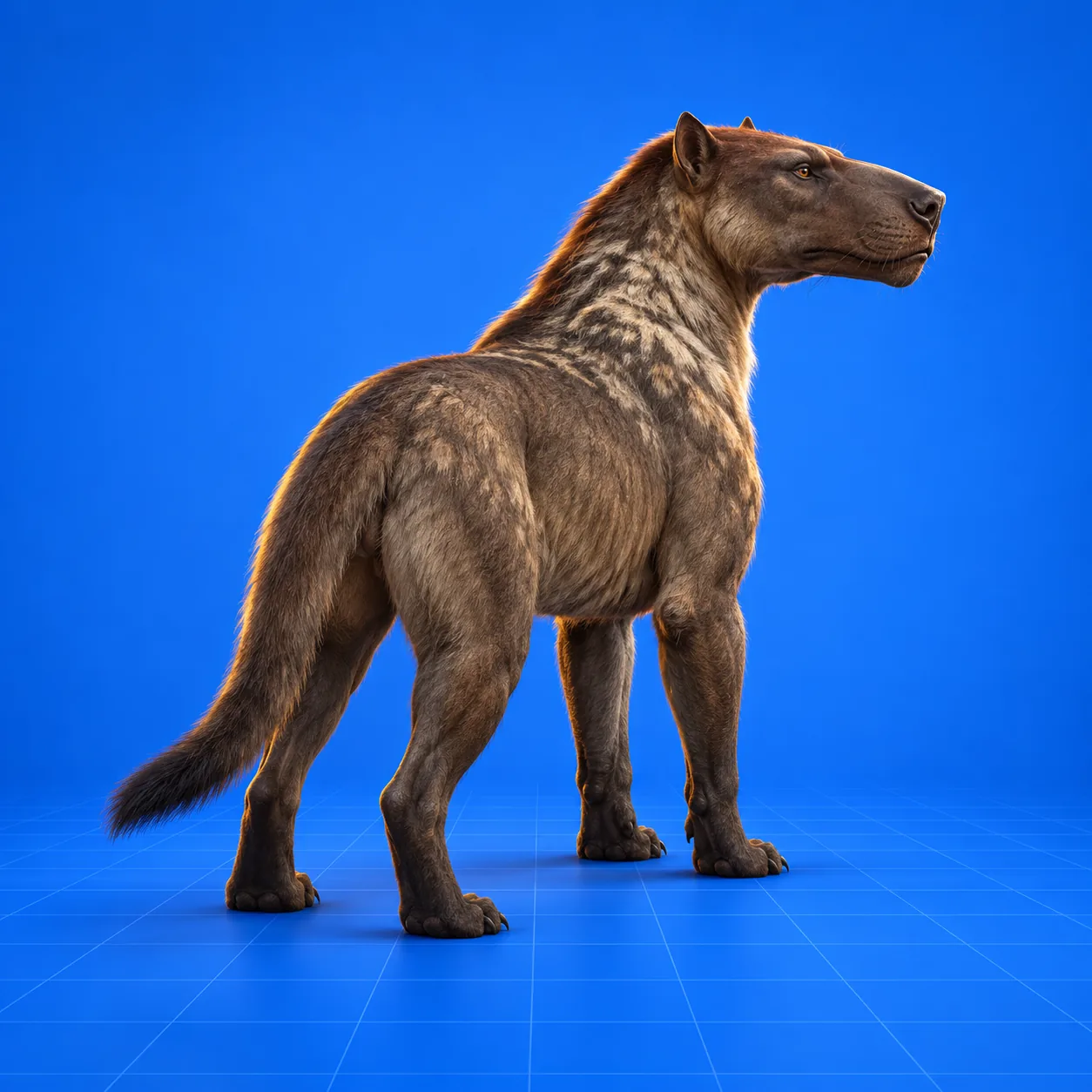 Mammal
Neogene
Its classification remains disputed: some authors consider it part of Hyainailouros.
Meet Megistotherium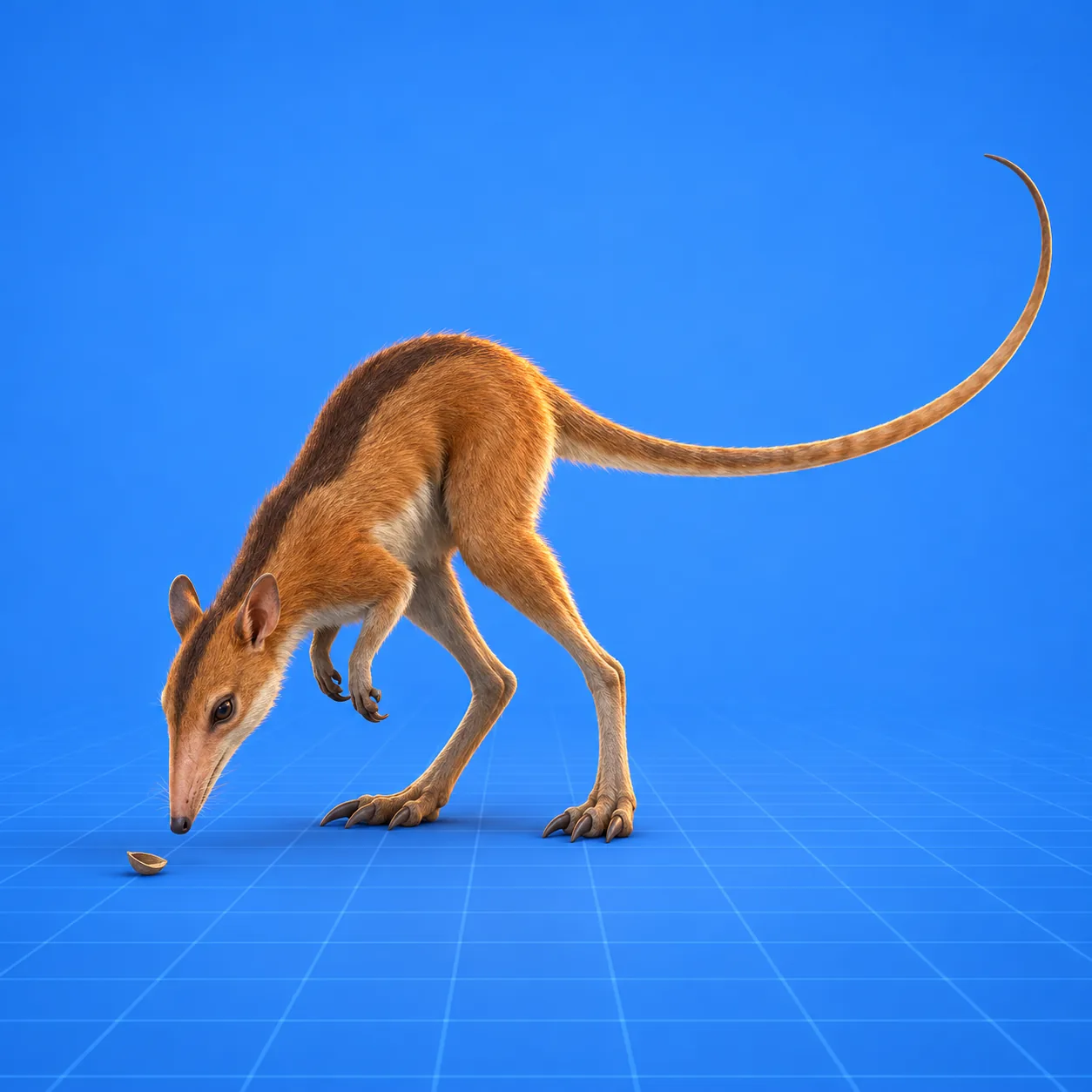 Mammal
Paleogene
Its powerful hind legs and long tail helped it move on two legs.
Meet Leptictidium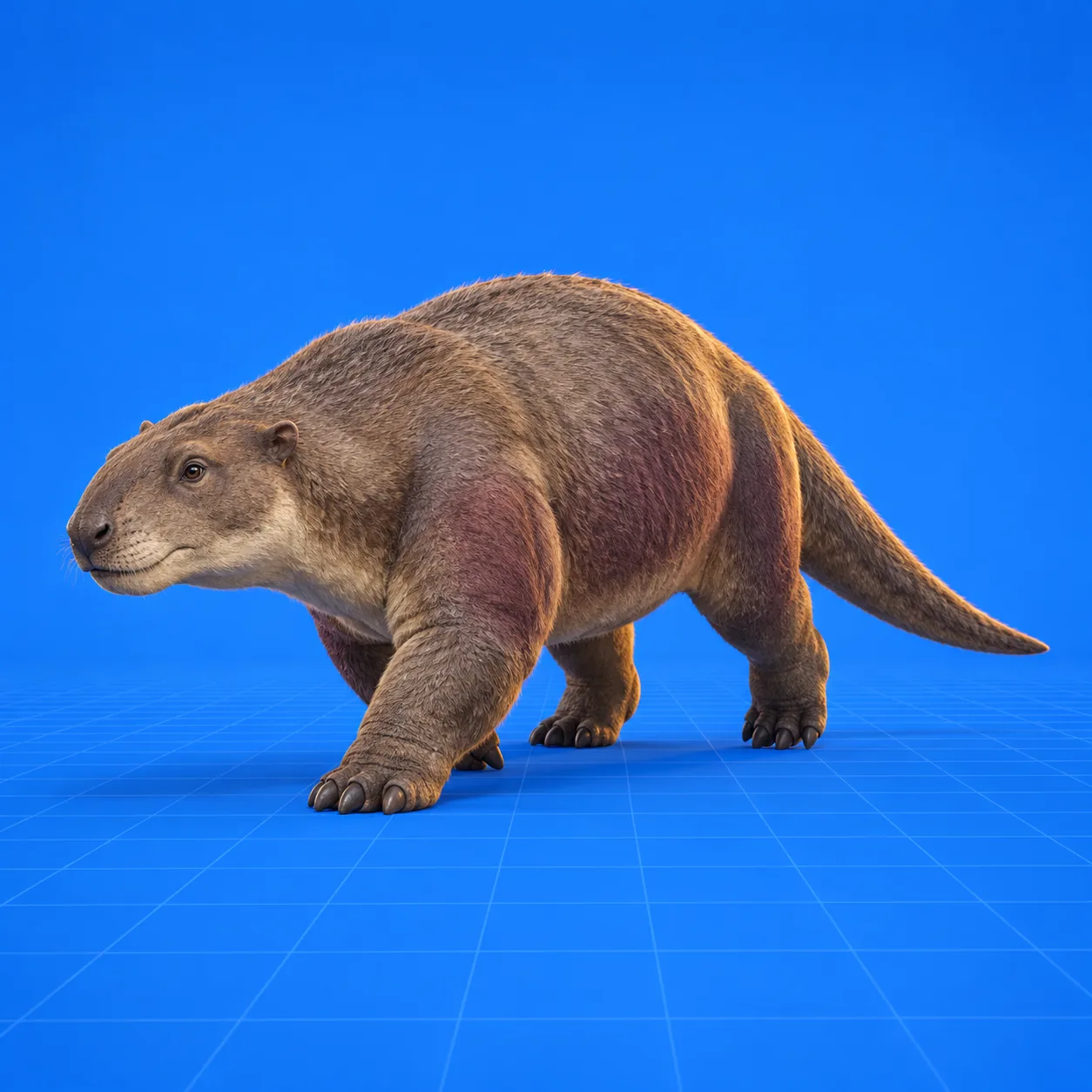 Mammal
Paleogene
The enamel ridges on its teeth were crescent-shaped.
Meet Pantolambda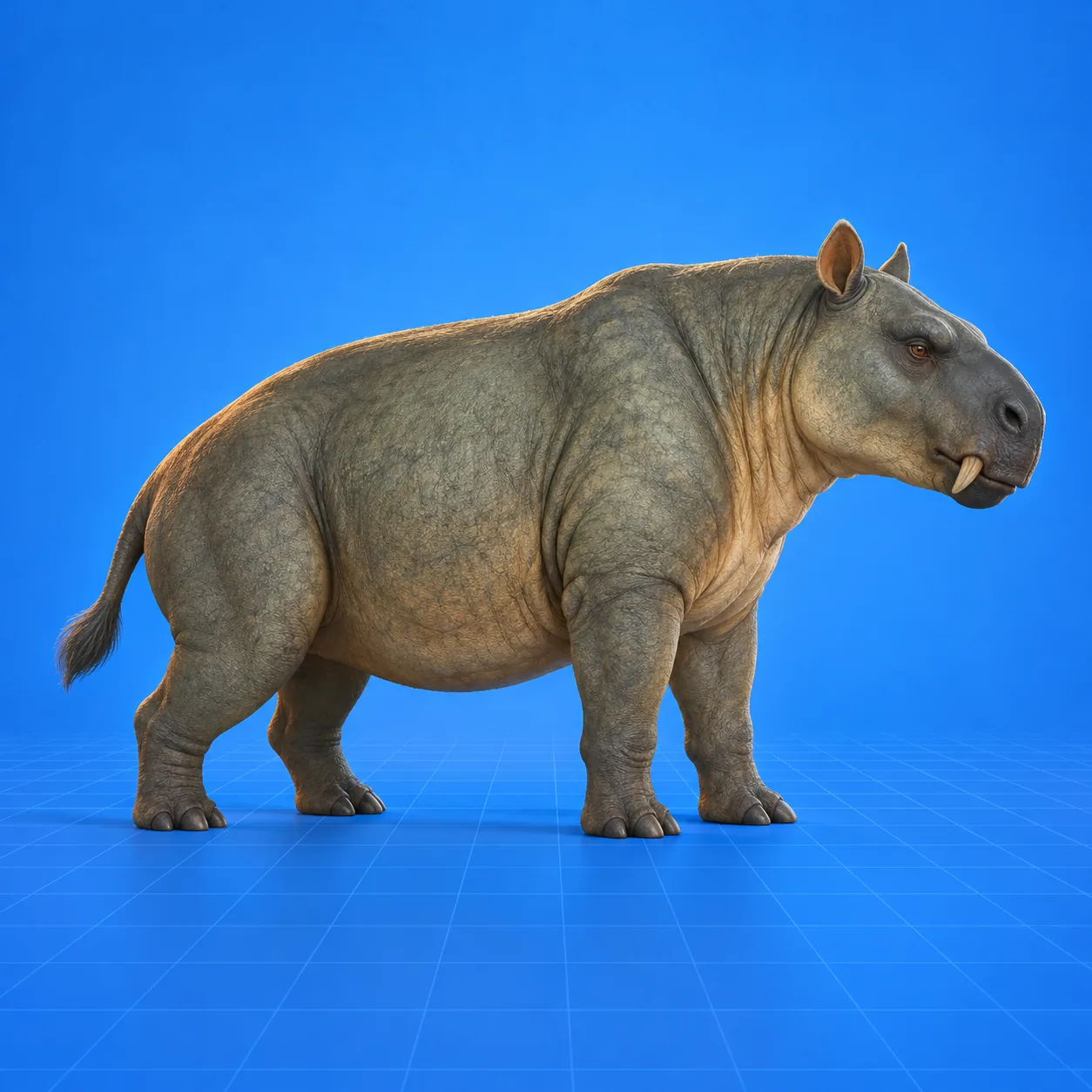 Mammal
Paleogene
It ate plants and had a low, sturdy body and large canine teeth.
Meet Coryphodon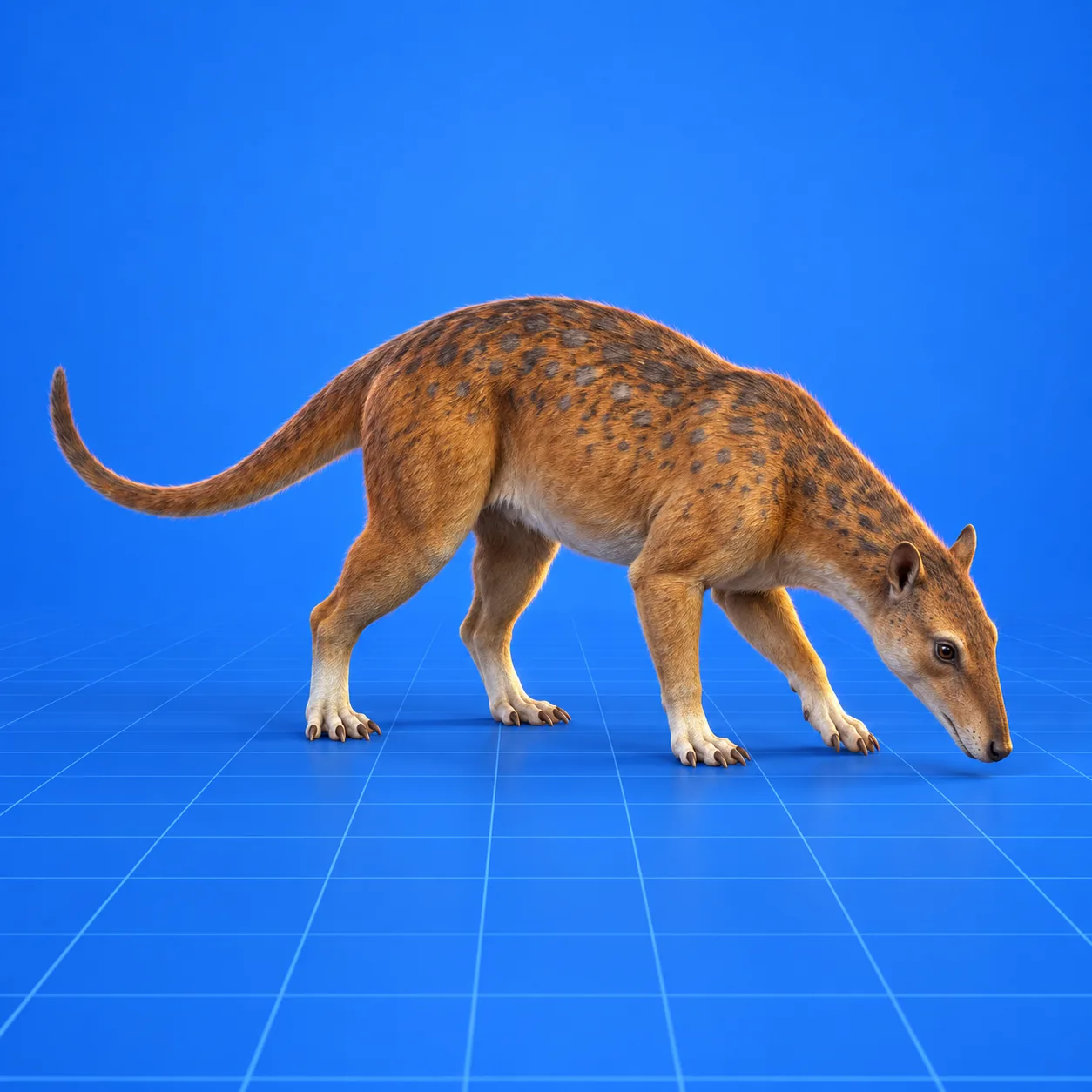 Mammal
Paleogene
It is one of the first known hoofed mammals.
Meet Phenacodus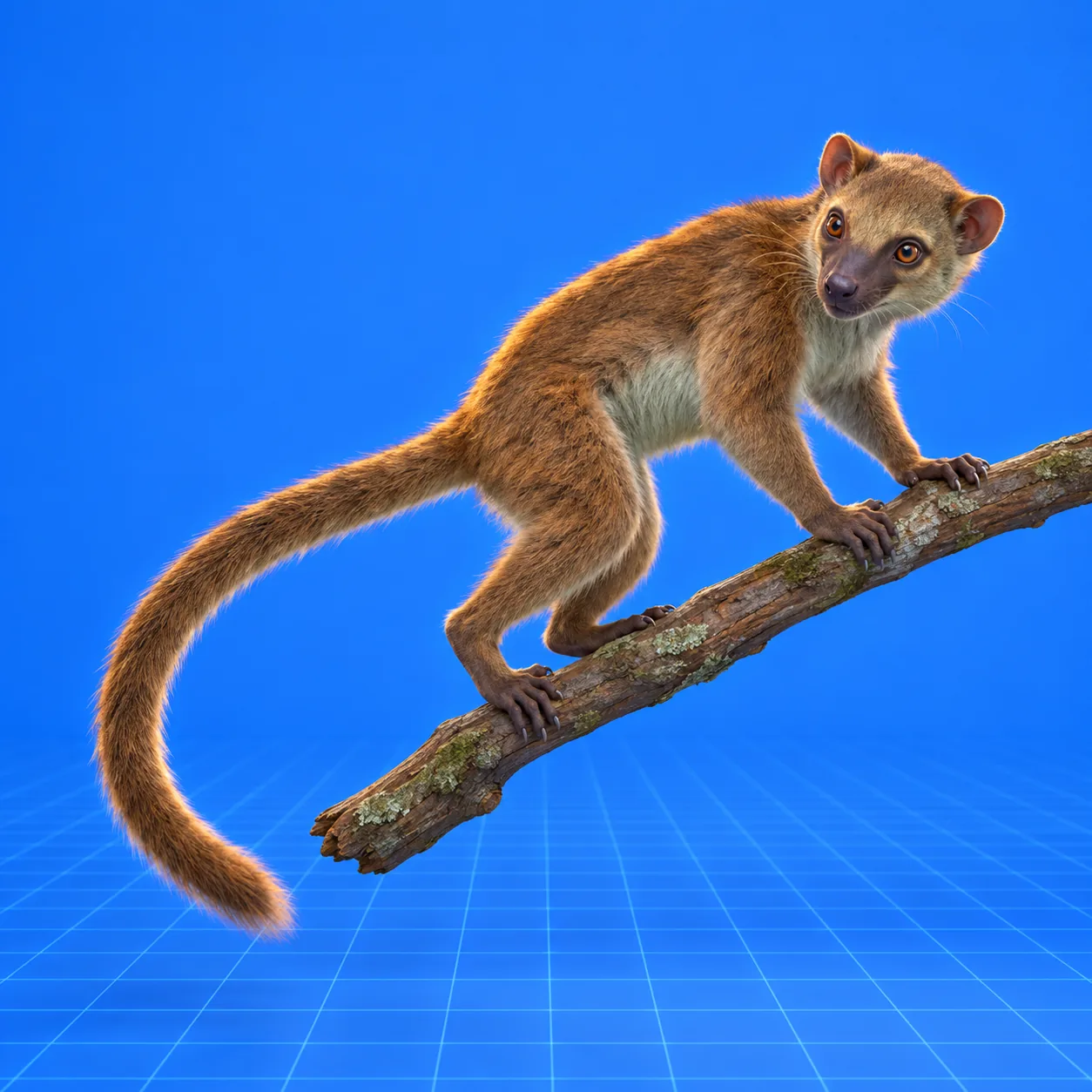 Mammal
Paleogene
New findings led to a revision of the attribution of some teeth to the boundary between the Cretaceous and Paleocene.
Meet Purgatorius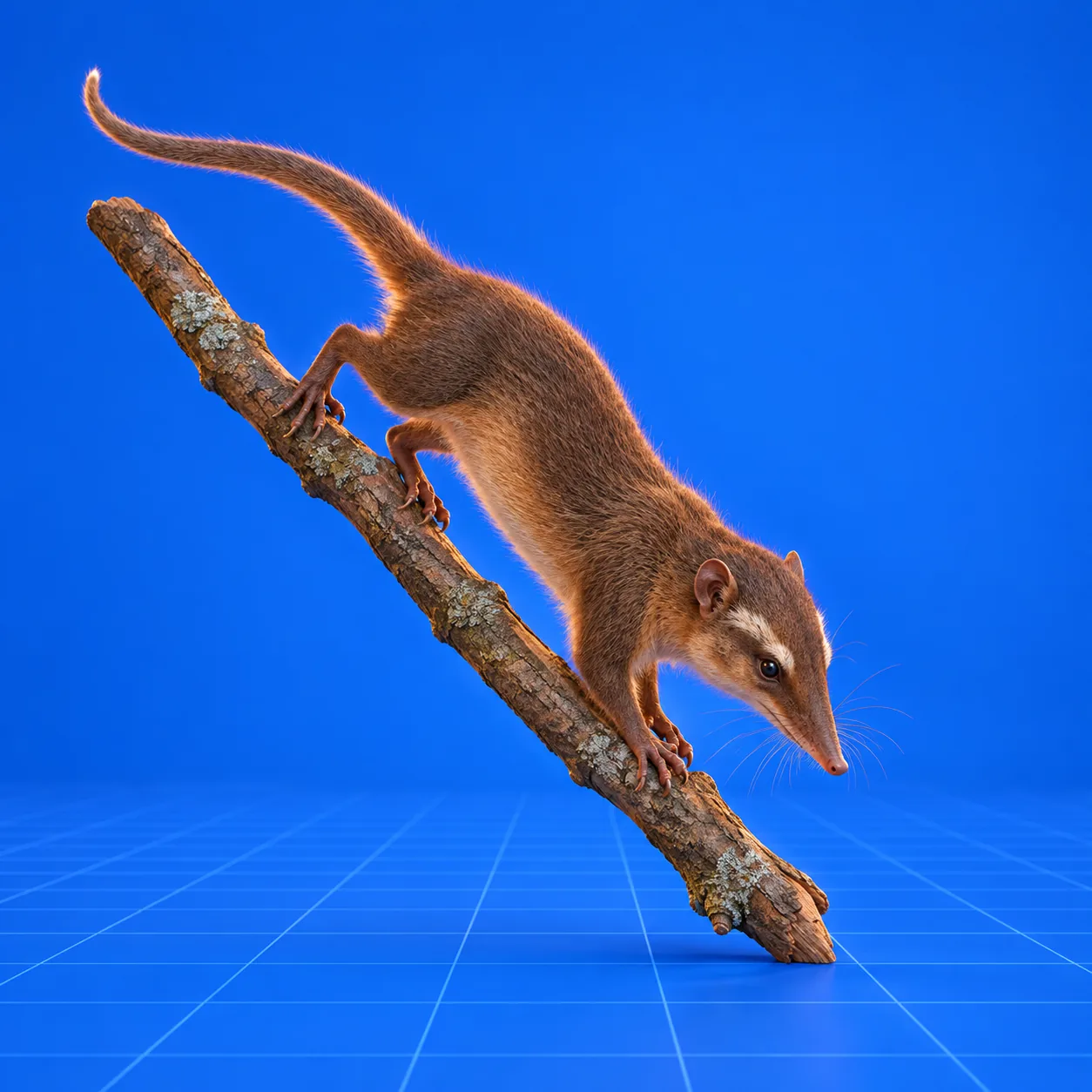 Mammal
Cretaceous
Its body features suggest it was adapted to climbing trees.
Meet Eomaia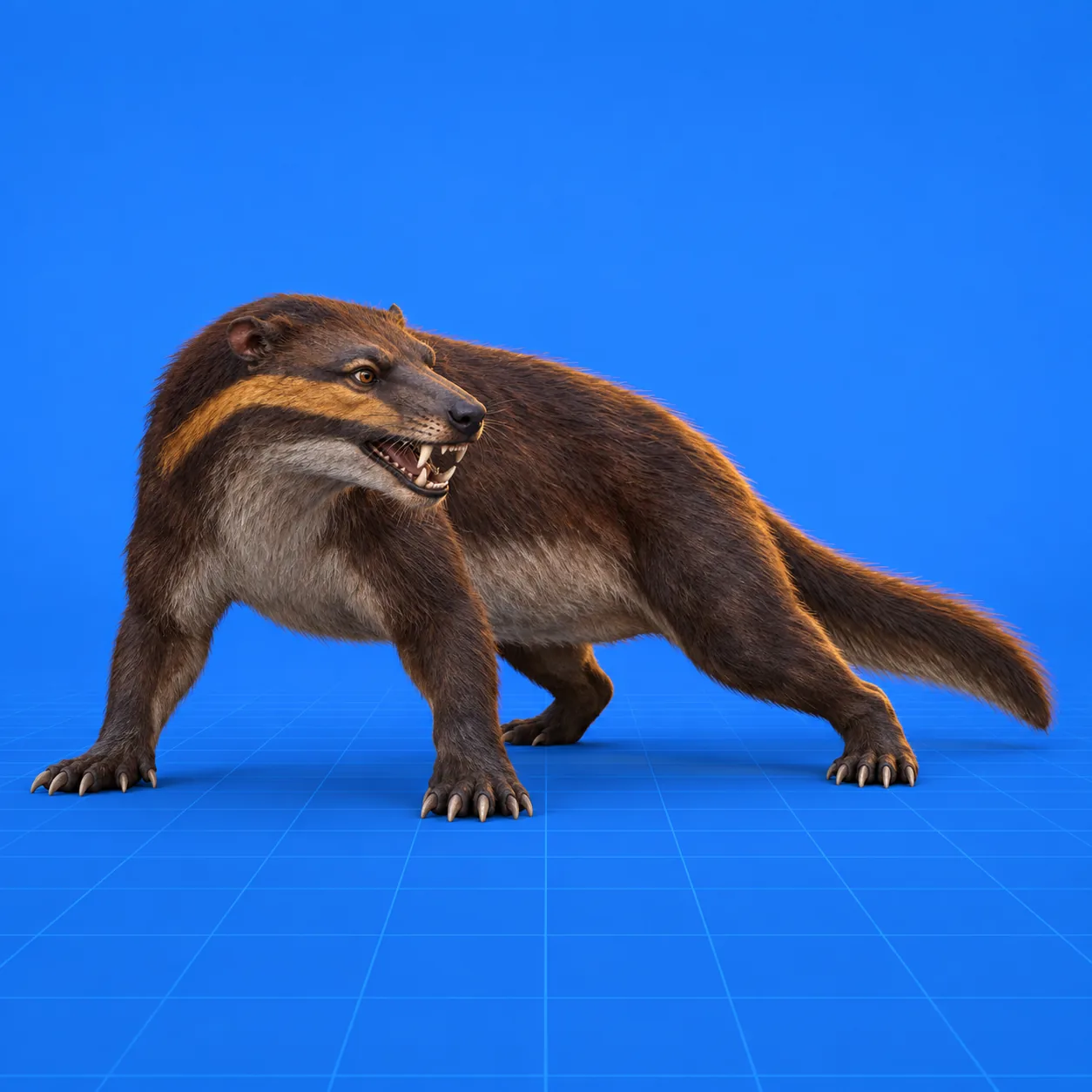 Mammal
Cretaceous
One specimen preserved remains of a baby Psittacosaurus inside its stomach.
Meet RepenomamusEach card identifies its kind of creature. Fictional characters are labeled and have their own game stories. AI-generated, stylized game illustrations. These designs and growth stages are imaginative, not scientific reconstructions.