 Invertebrate
Early Ordovician
Aegirocassis
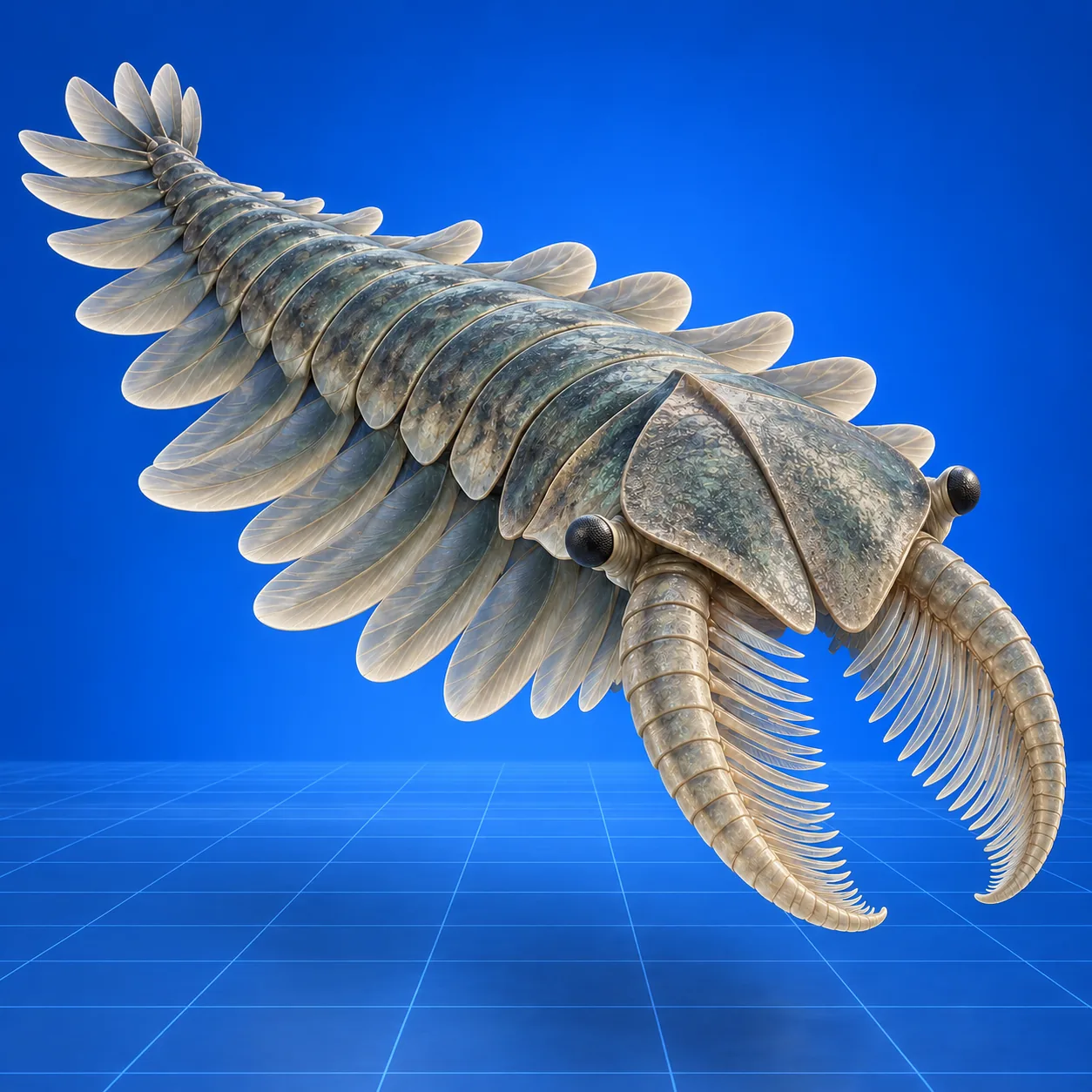
Aegirocassis was a radiodont from the Early Ordovician seas recorded in Morocco.
Meet Aegirocassis Dinosgacha
The Dinosgacha encyclopedia
Discover dinosaurs, extinct plants, other animals and fictional game companions. Explore their stories and see all three stages of their artwork.
Showing 433–456 of 578 creatures
InvertebrateEarly Ordovician
Aegirocassis was a radiodont from the Early Ordovician seas recorded in Morocco.
Meet Aegirocassis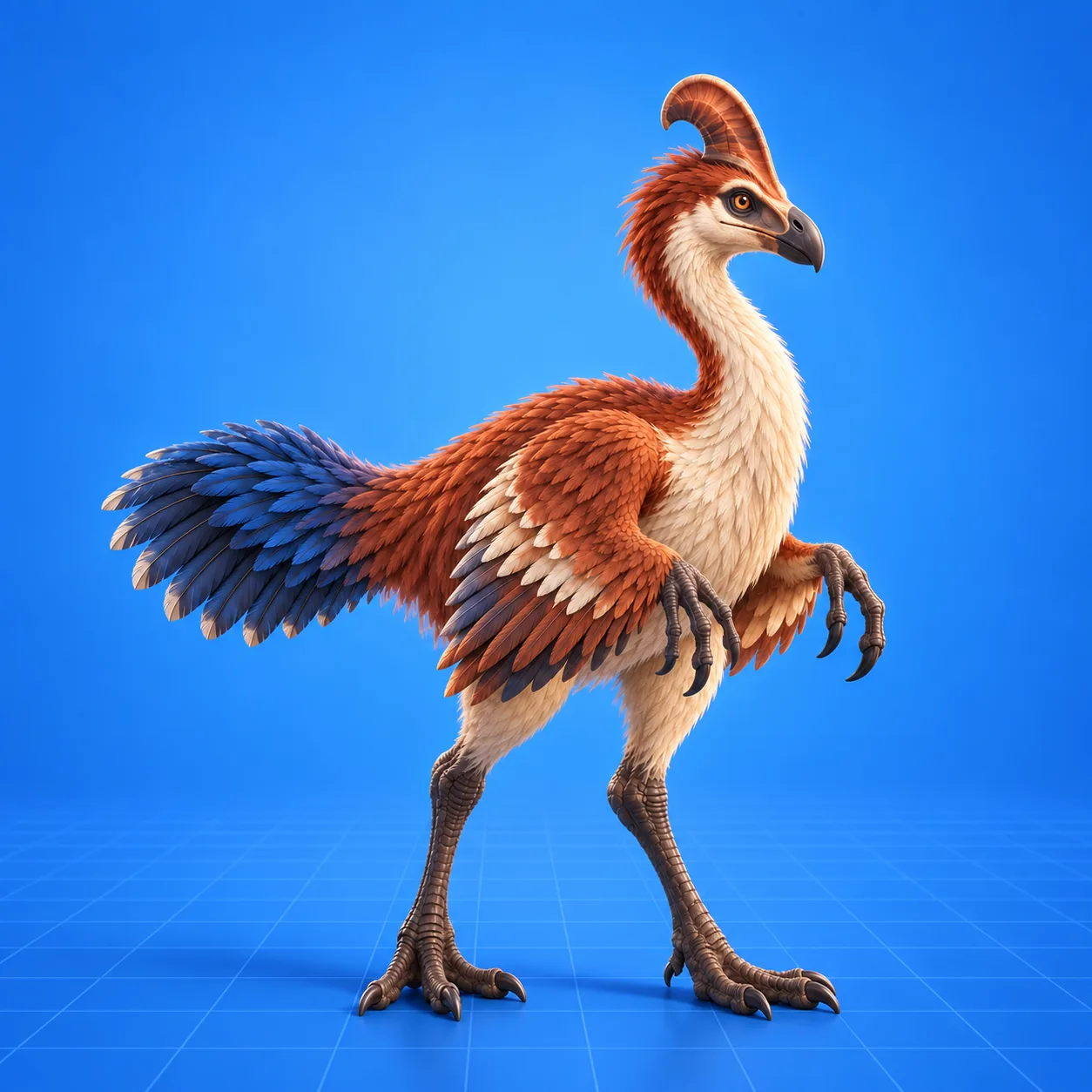 Dinosaur
Late Cretaceous
Anzu combined a toothless beak, long legs and a prominent bony crest.
Meet Anzu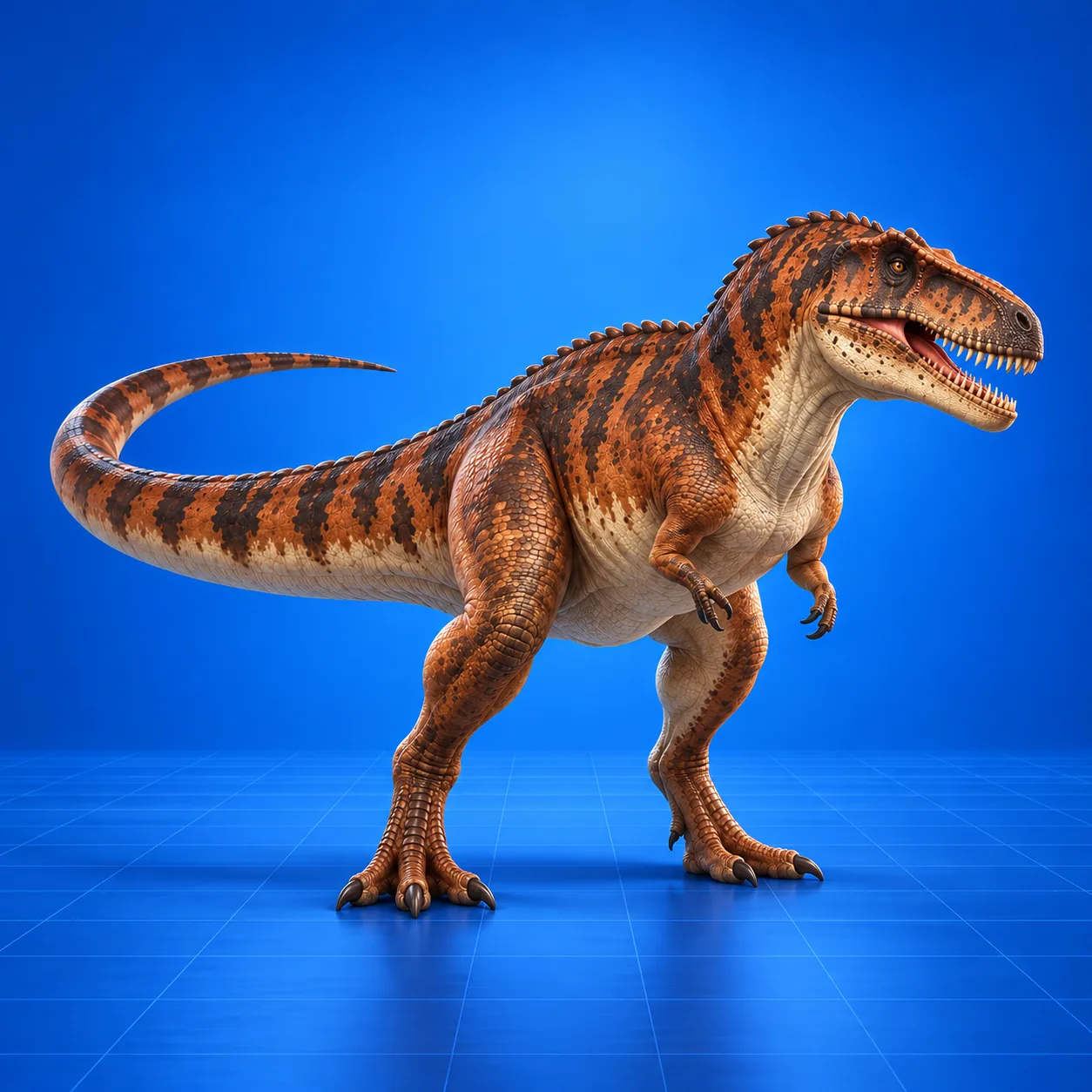 Dinosaur
Cretaceous
Meraxes was a large carcharodontosaurid from Patagonia.
Meet Meraxes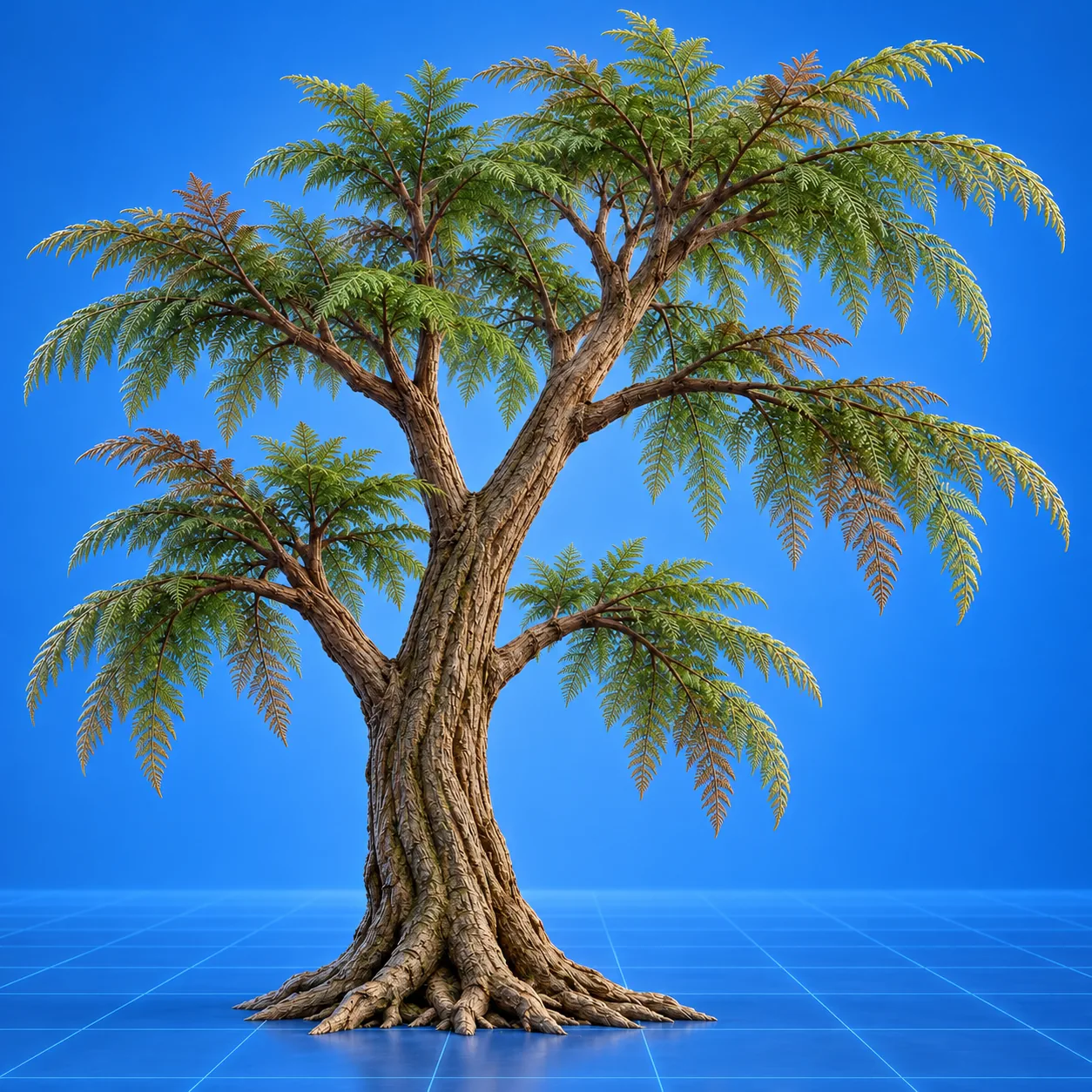 Plant
Late Devonian
Archaeopteris hibernica belonged to an extinct group that combined woody growth with fern-like foliage.
Meet Archaeopteris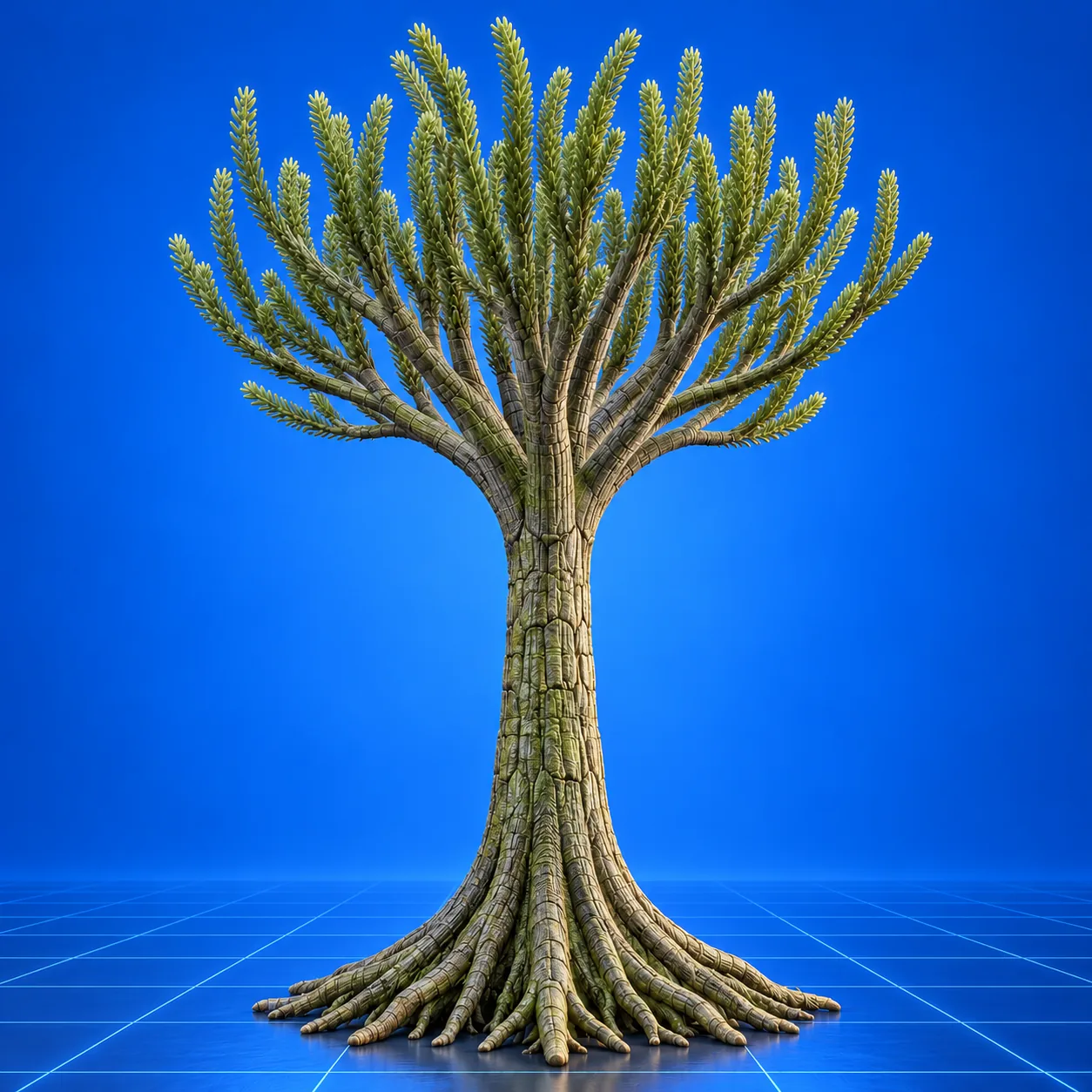 Plant
Middle Devonian
Wattieza casasii was a tree-like plant with a crown of branching fronds.
Meet Wattieza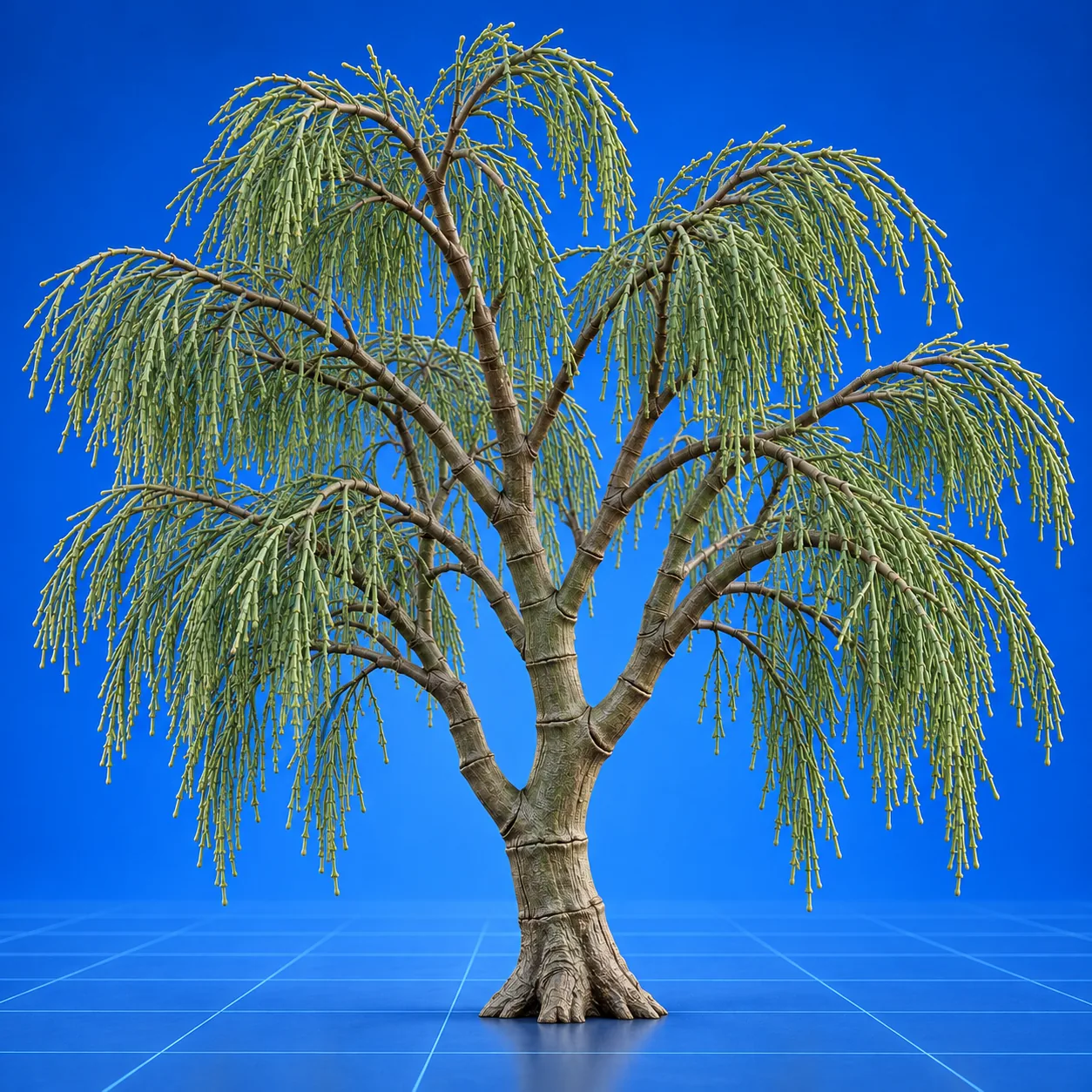 Plant
Devonian
Calamophyton primaevum had a distinctive branching crown rather than the broad leaves of a flowering tree.
Meet Calamophyton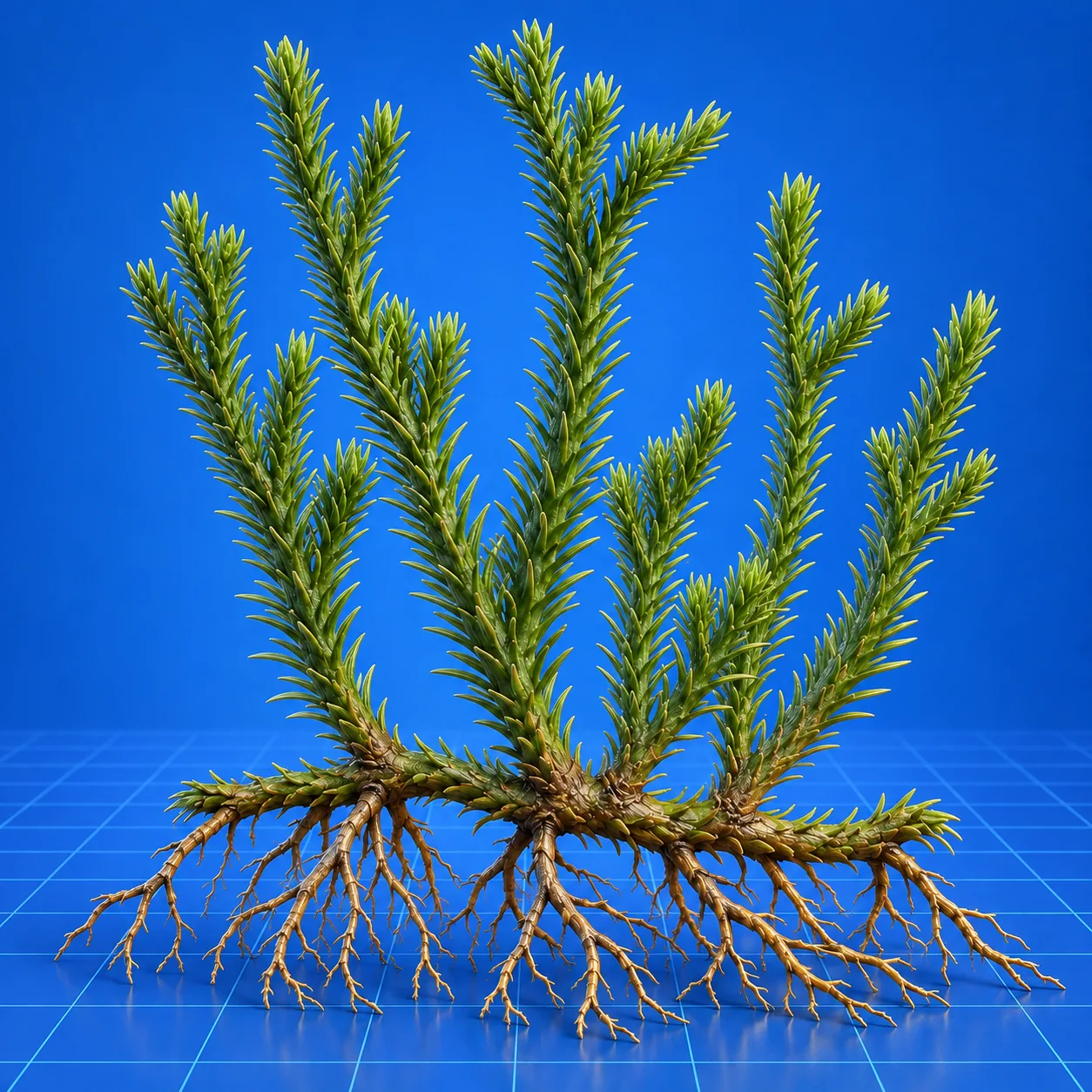 Plant
Early Devonian
Asteroxylon mackiei grew as a small branching plant, with leafy shoots and a different system of rooting axes.
Meet Asteroxylon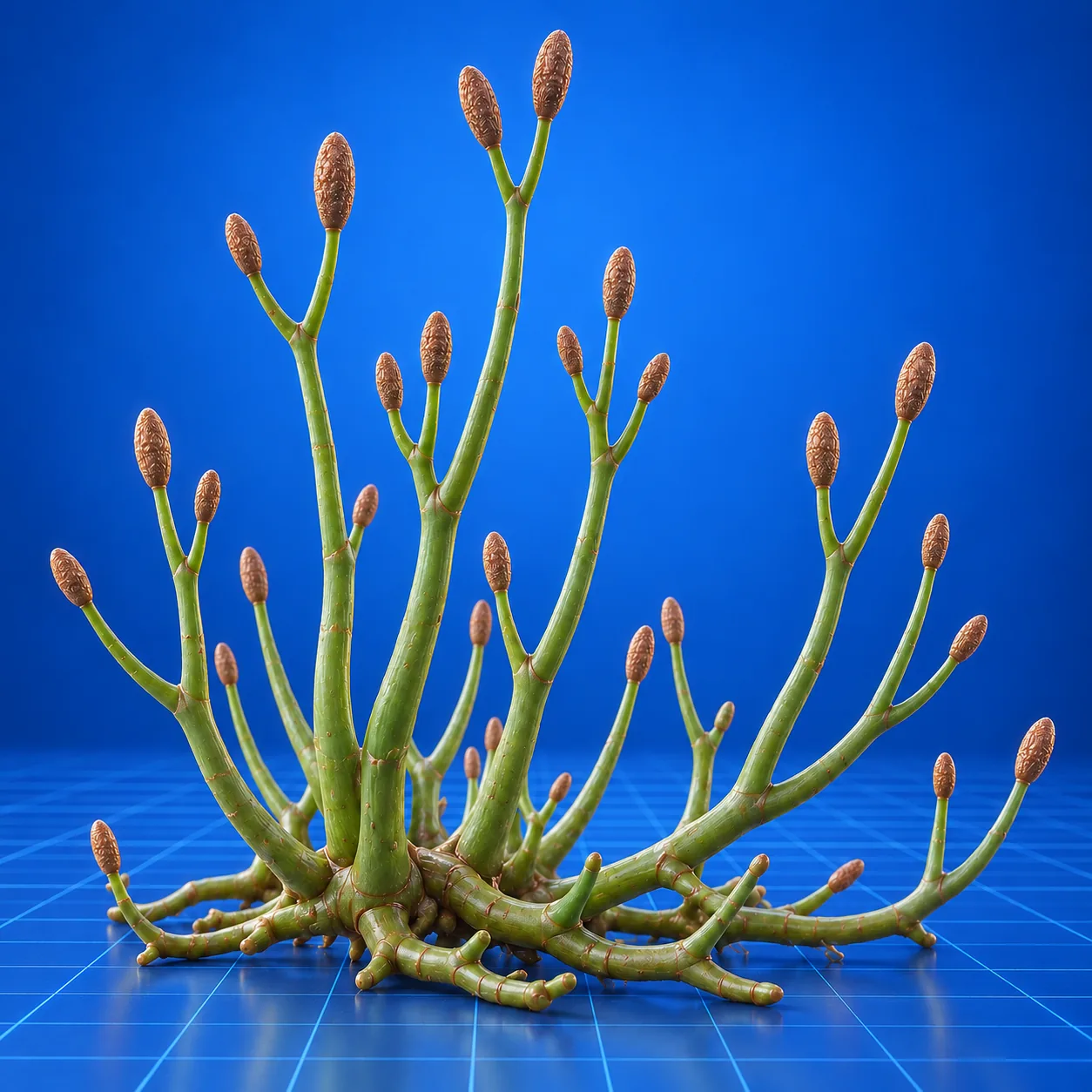 Plant
Early Devonian
Rhynia gwynne-vaughanii was a small early vascular plant with smooth, branching stems.
Meet Rhynia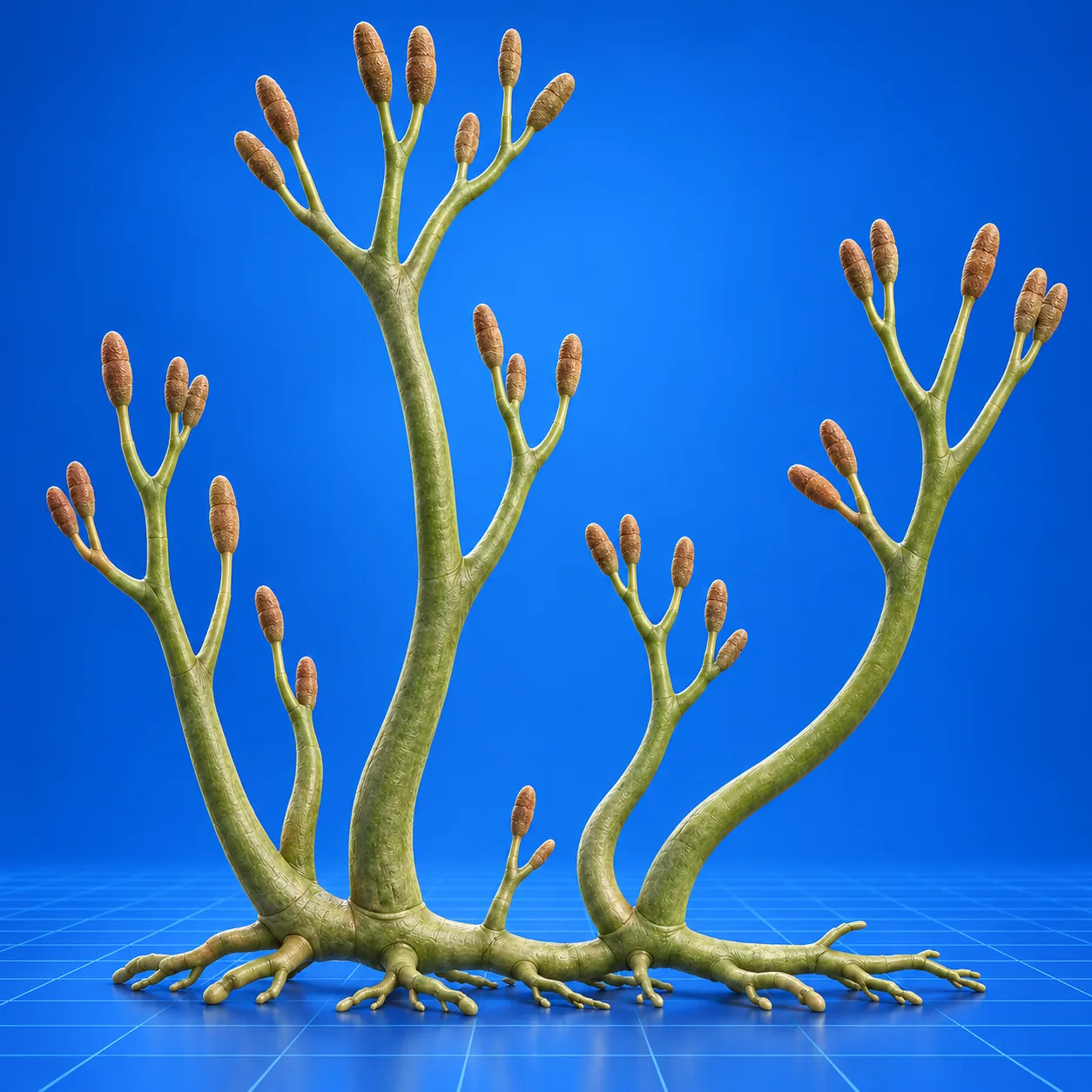 Plant
Early Devonian
Aglaophyton majus formed branching, leafless shoots with spore-bearing tips.
Meet Aglaophyton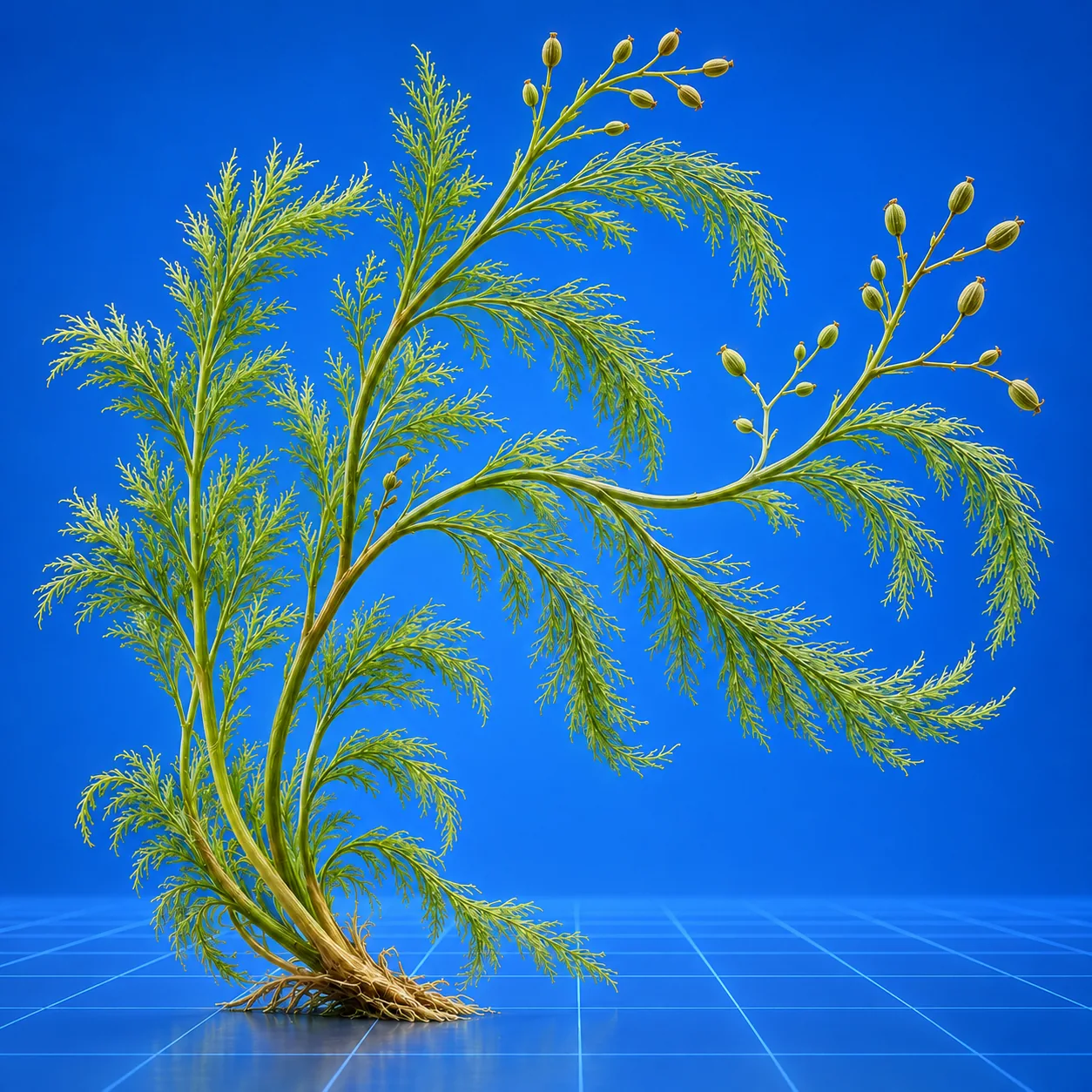 Plant
Early Cretaceous
Archaefructus liaoningensis had finely divided foliage and slender reproductive axes.
Meet Archaefructus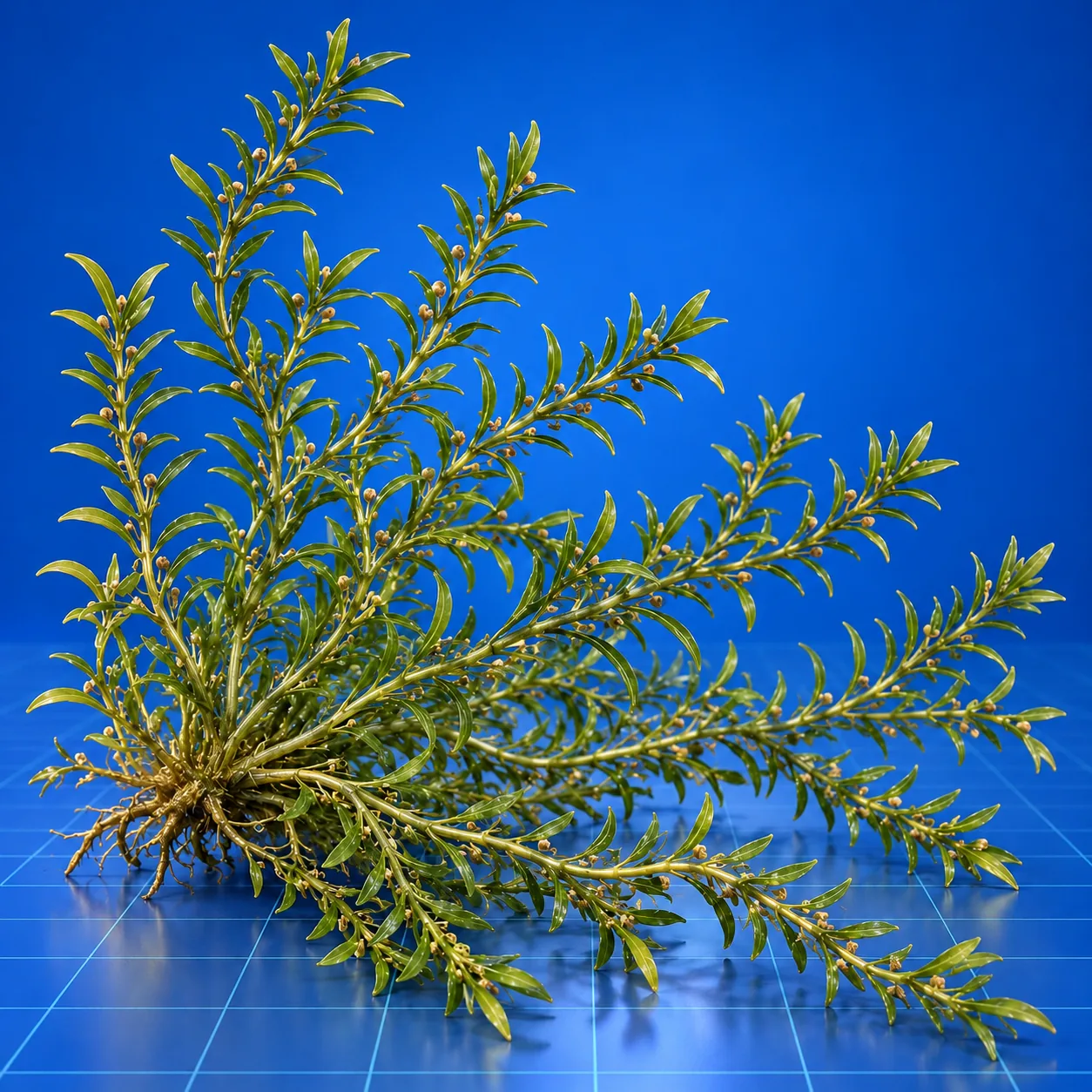 Plant
Early Cretaceous
Montsechia vidalii was an aquatic plant with slender branching stems and small leaves.
Meet Montsechia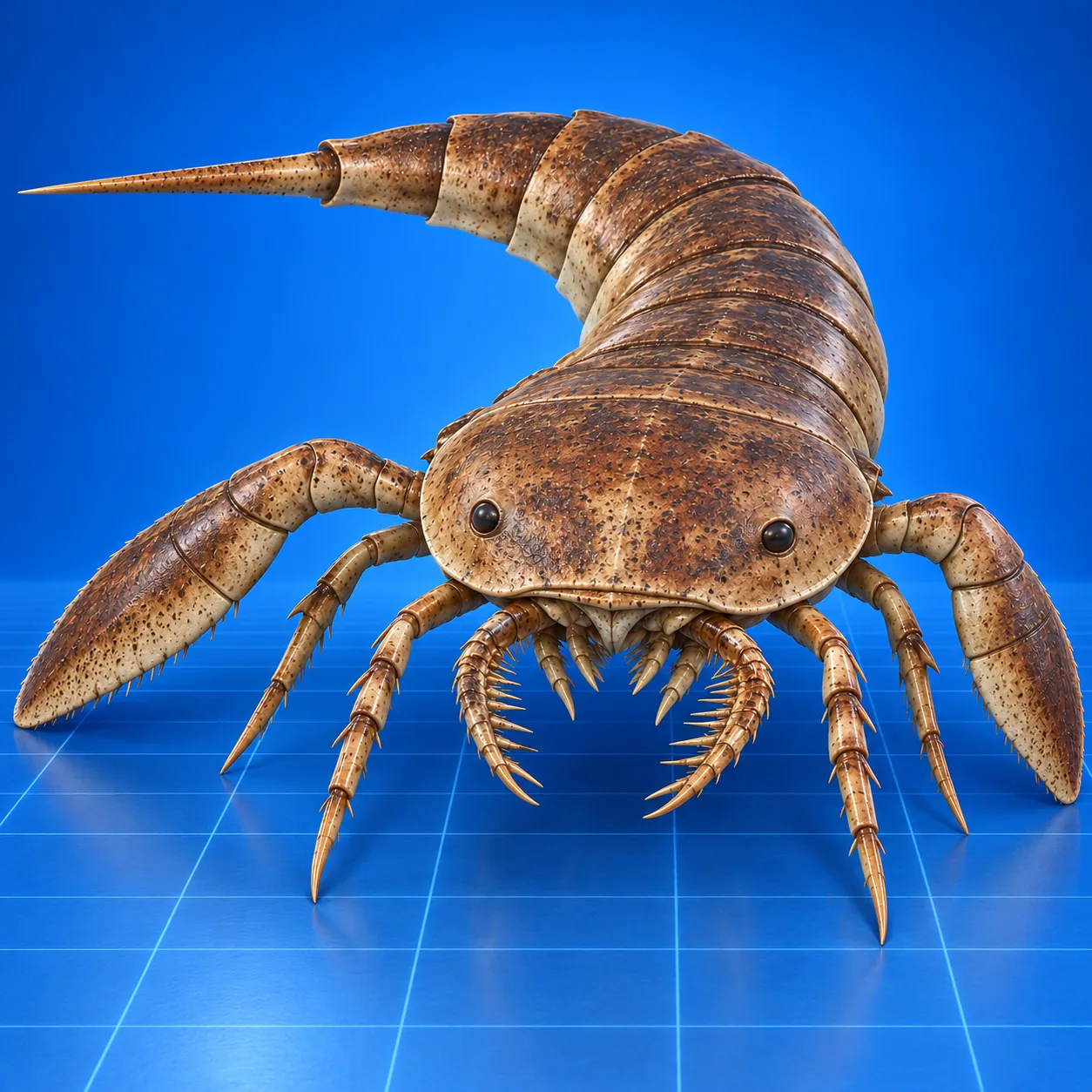 Invertebrate
Silurian
Eurypterus remipes was an aquatic arthropod with a segmented body, grasping limbs and a broad pair of swimming paddles.
Meet Eurypterus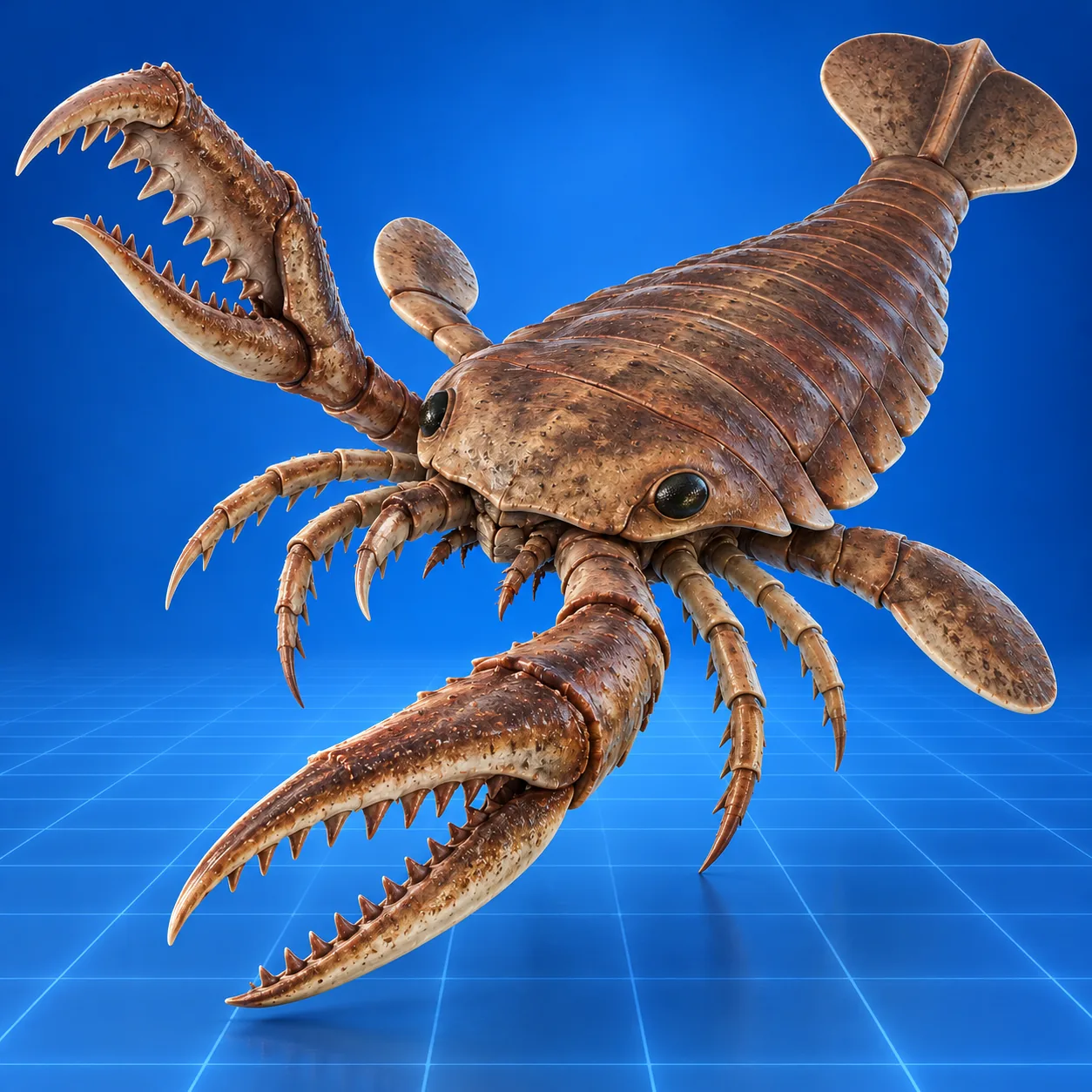 Invertebrate
Early Devonian
Jaekelopterus rhenaniae was a very large eurypterid with formidable grasping chelicerae.
Meet Jaekelopterus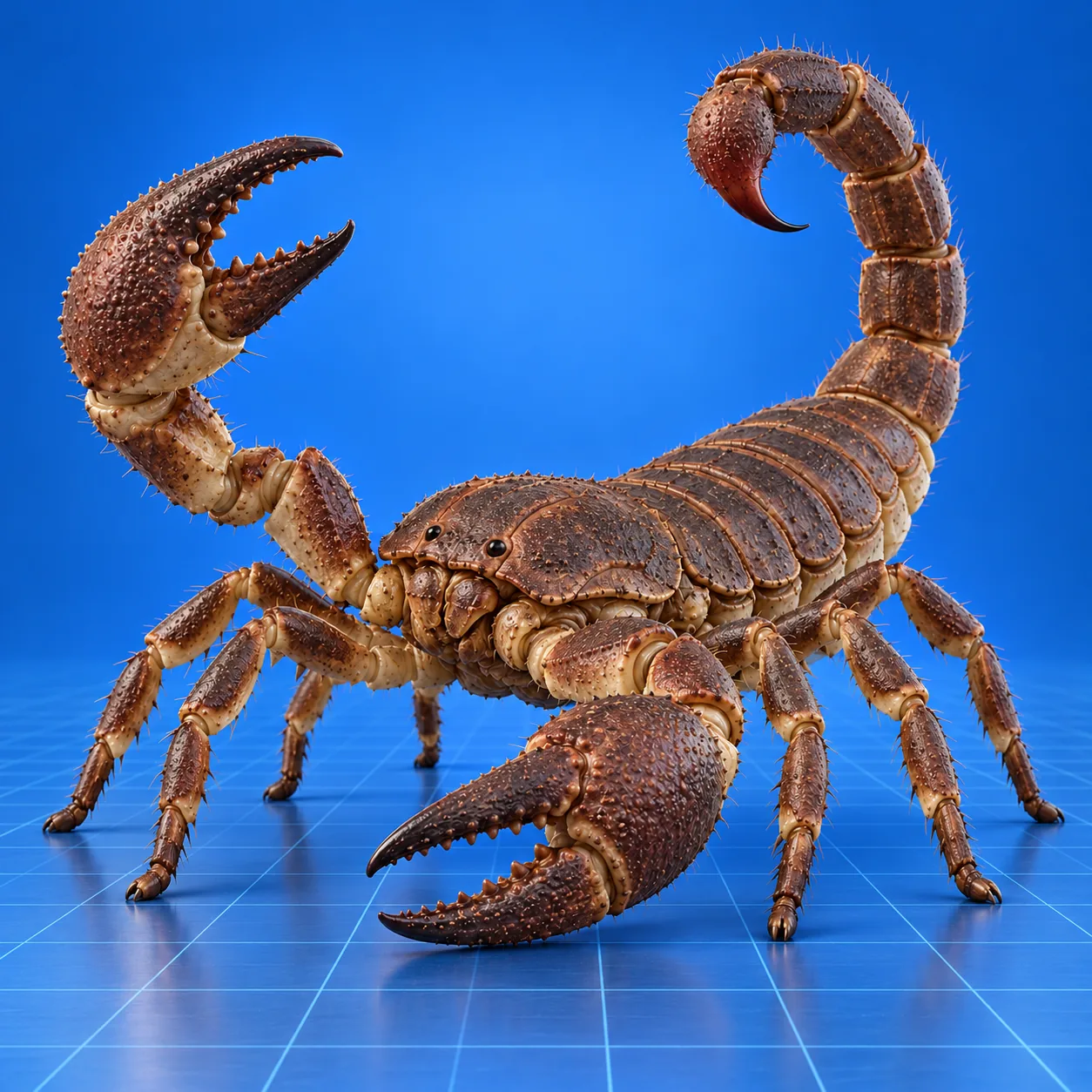 Invertebrate
Carboniferous
Pulmonoscorpius kirktonensis was a large fossil scorpion with a segmented tail and prominent eyes.
Meet Pulmonoscorpius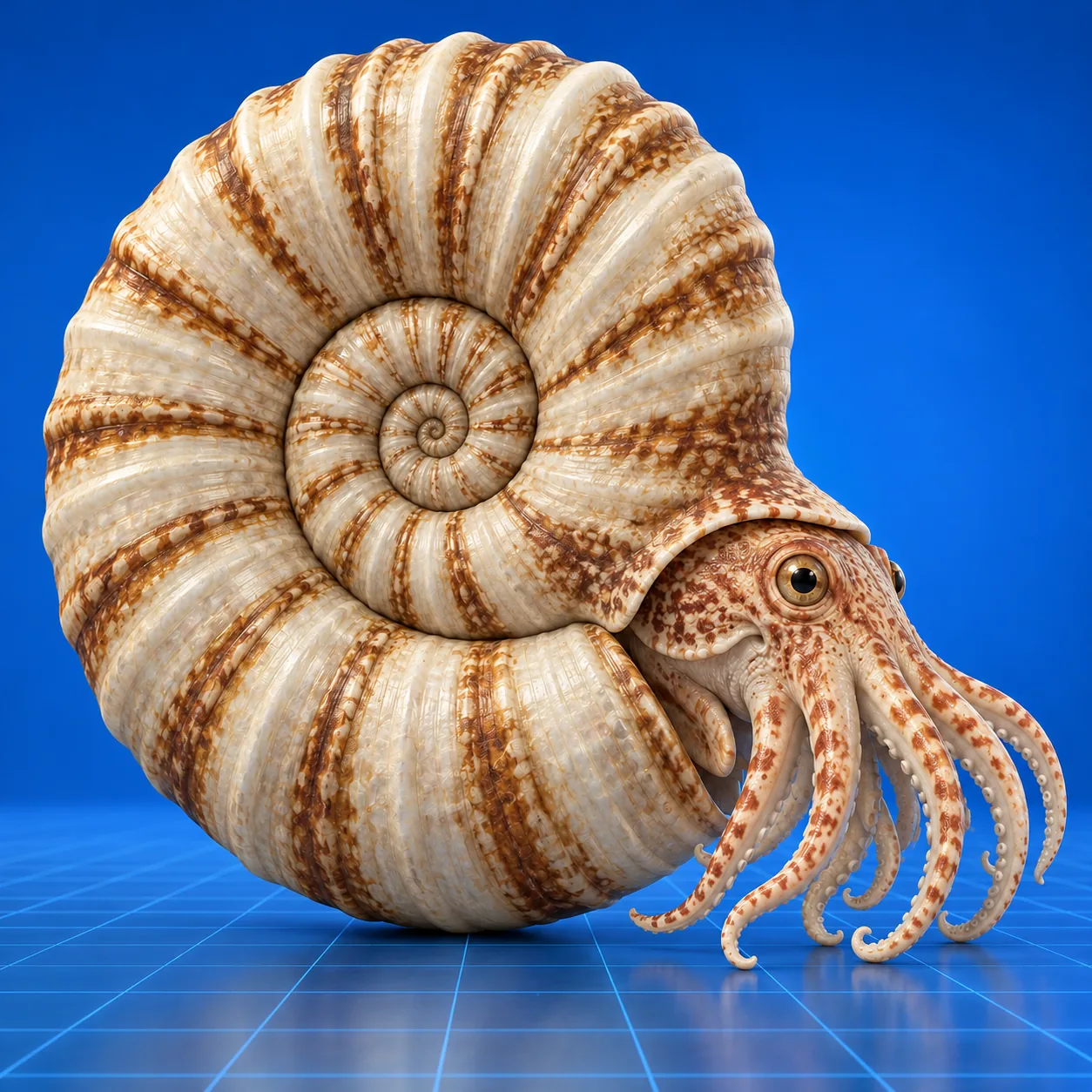 Invertebrate
Late Cretaceous
Parapuzosia seppenradensis was a giant ammonite with a coiled, chambered shell.
Meet Parapuzosia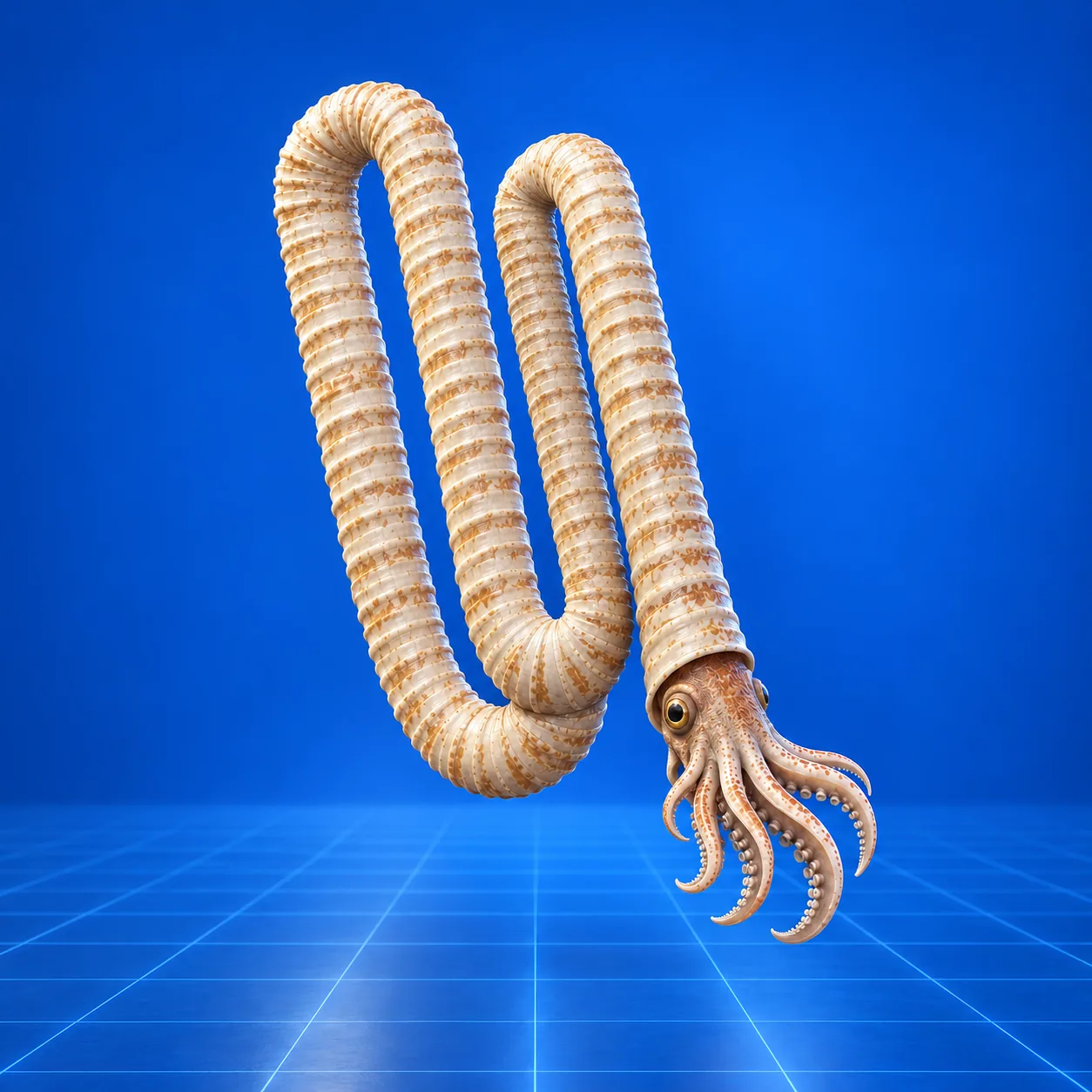 Invertebrate
Late Cretaceous
Diplomoceras maximum was an ammonite with an exceptionally long shell bent into repeated turns.
Meet Diplomoceras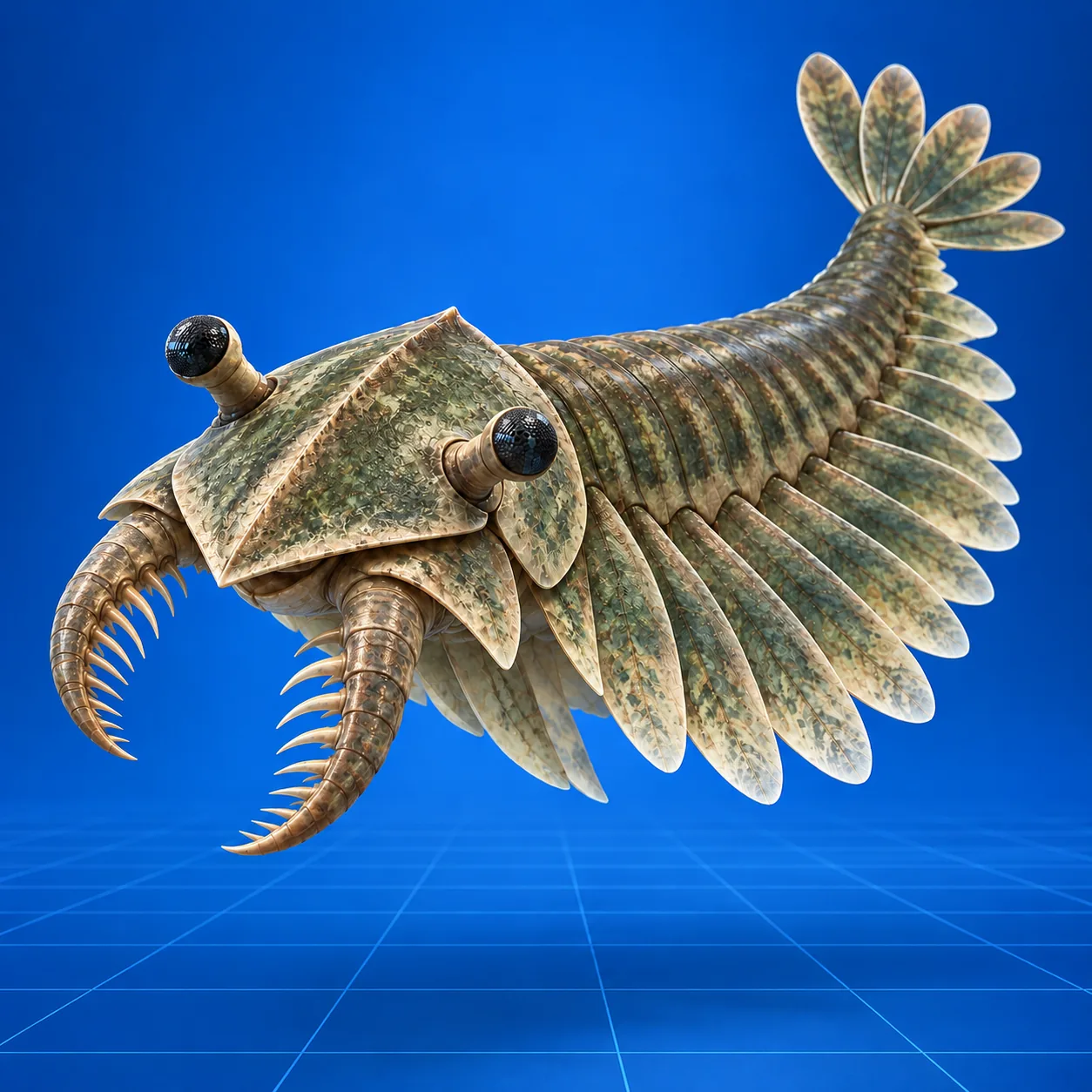 Invertebrate
Cambrian
Hurdia victoria was a radiodont with a large multipart head carapace, swimming flaps and a pair of specialized frontal appendages.
Meet Hurdia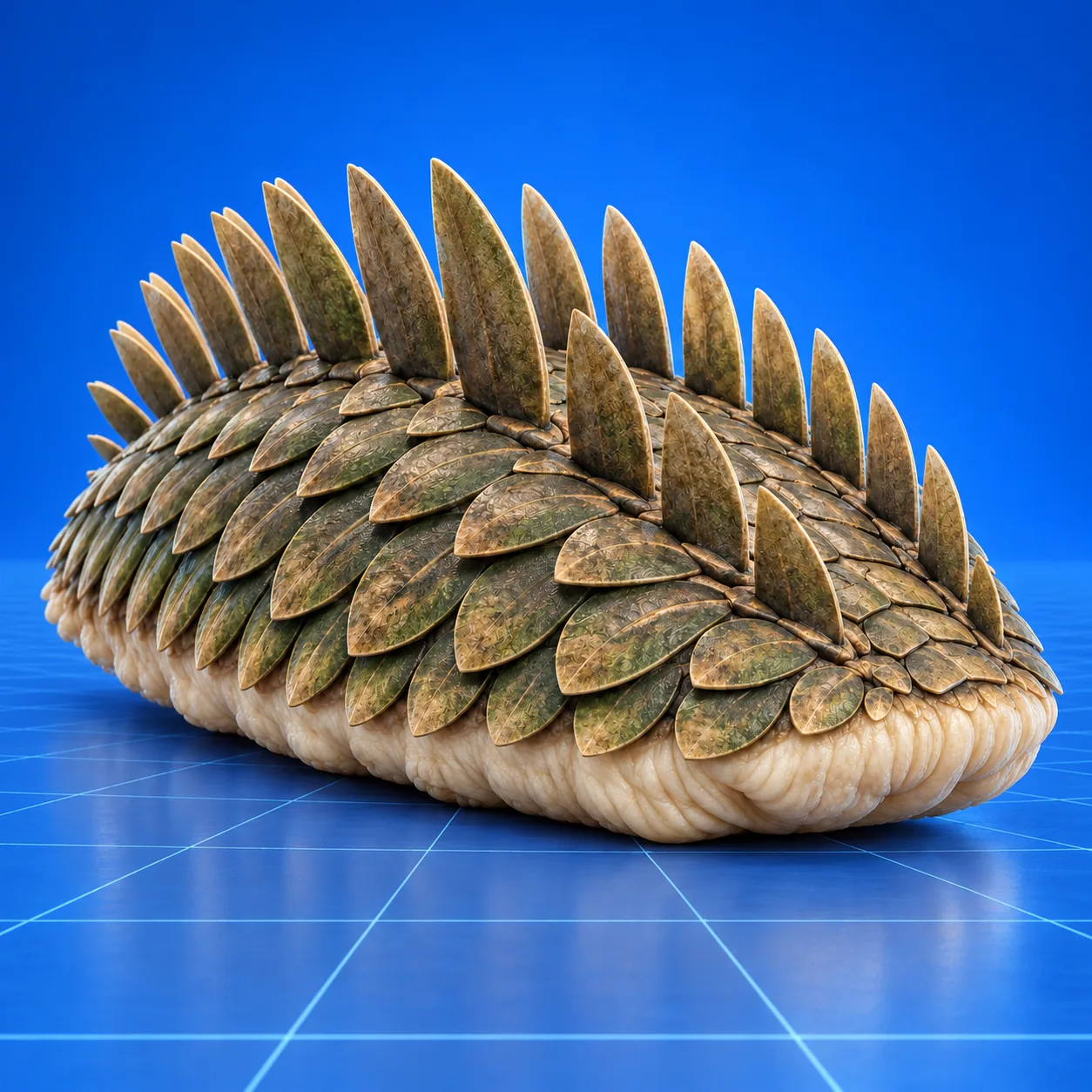 Invertebrate
Cambrian
Wiwaxia corrugata carried a covering of small protective sclerites and long spines.
Meet Wiwaxia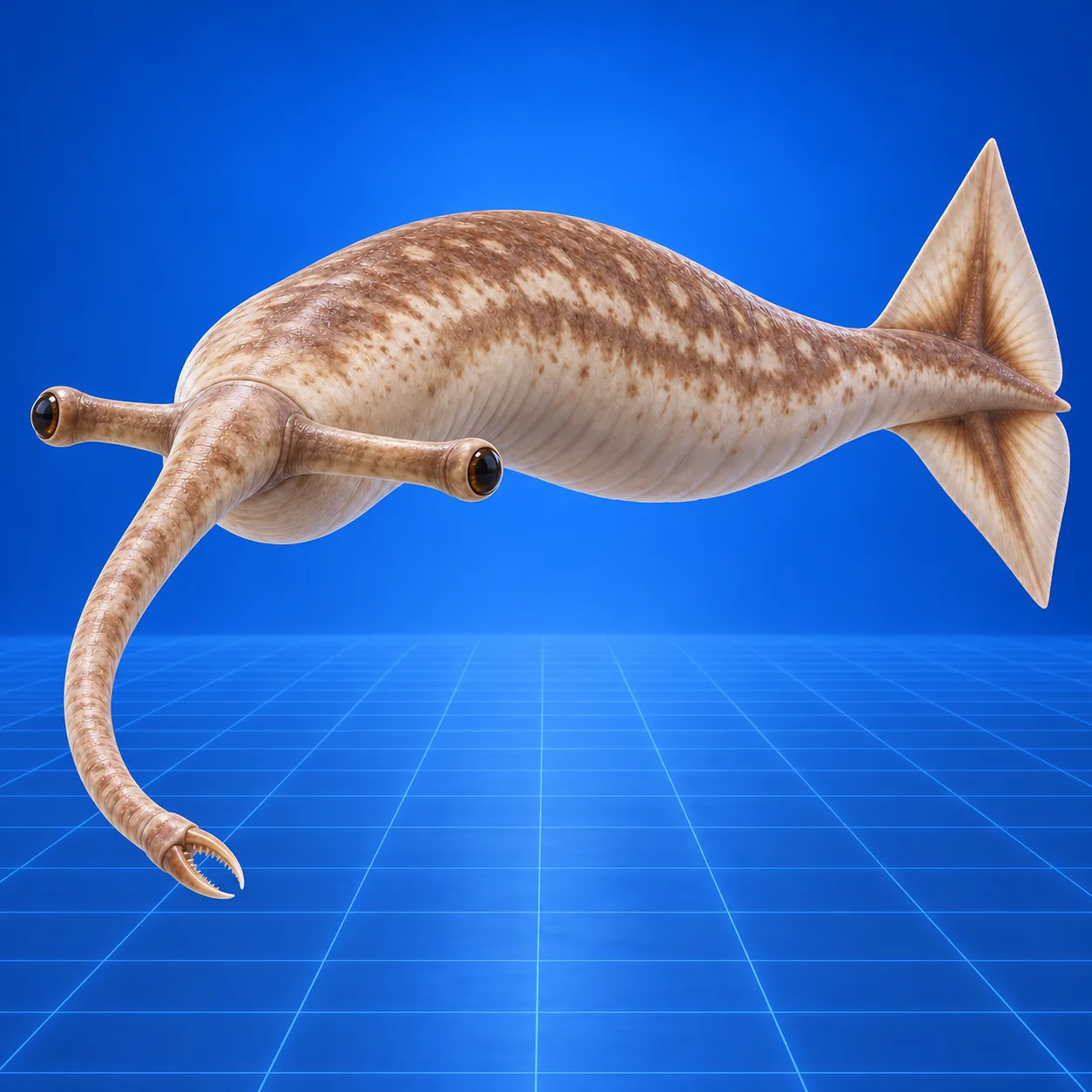 Enigmatic animal
Carboniferous
Tullimonstrum gregarium had a soft body, stalked eyes and a long front appendage.
Meet Tullimonstrum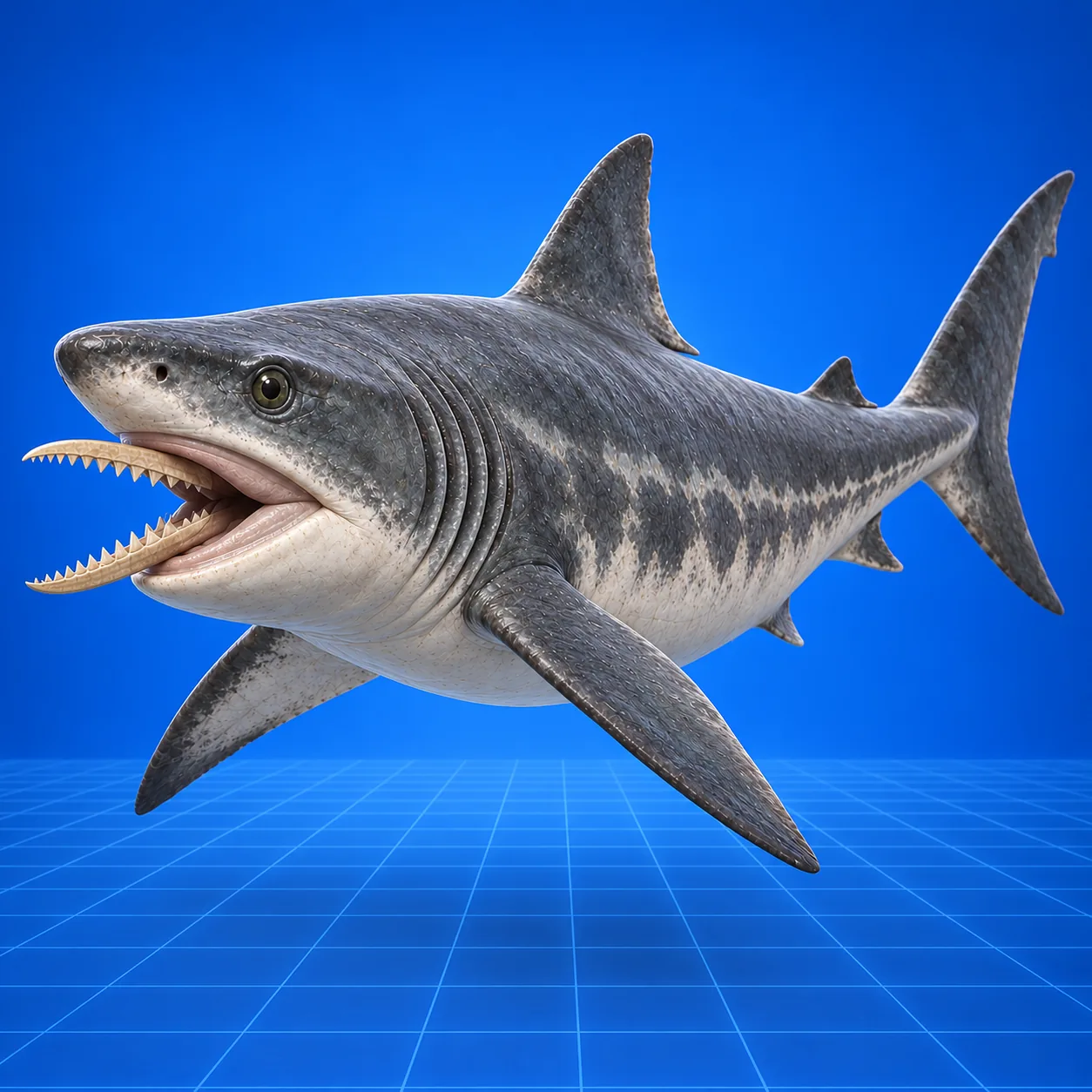 Fish
Carboniferous
Edestus heinrichi was a cartilaginous fish with unusual tooth-bearing structures in its jaws.
Meet Edestus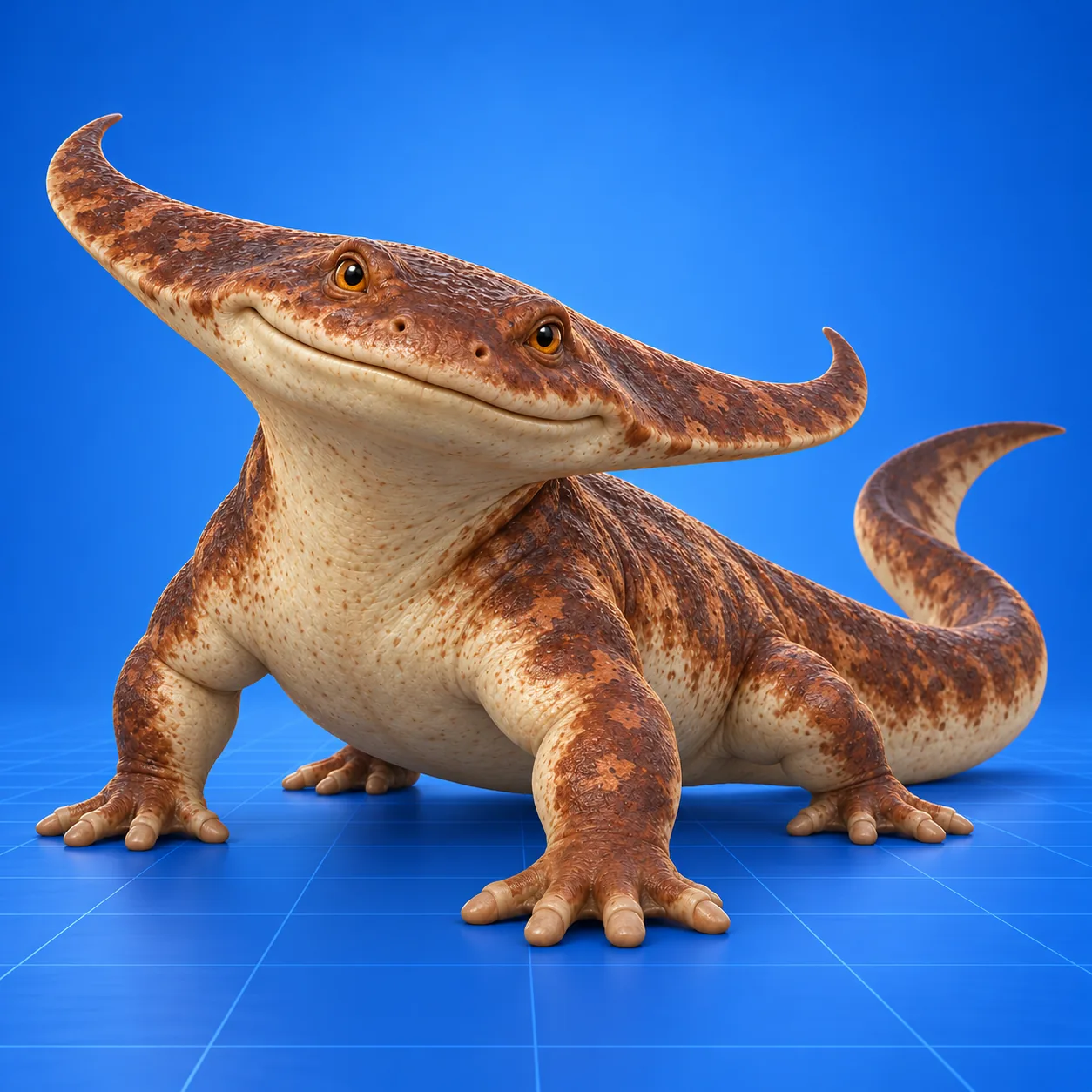 Amphibian
Early Permian
Diplocaulus magnicornis is recognized by the broad, boomerang-like projections at the back of its skull.
Meet Diplocaulus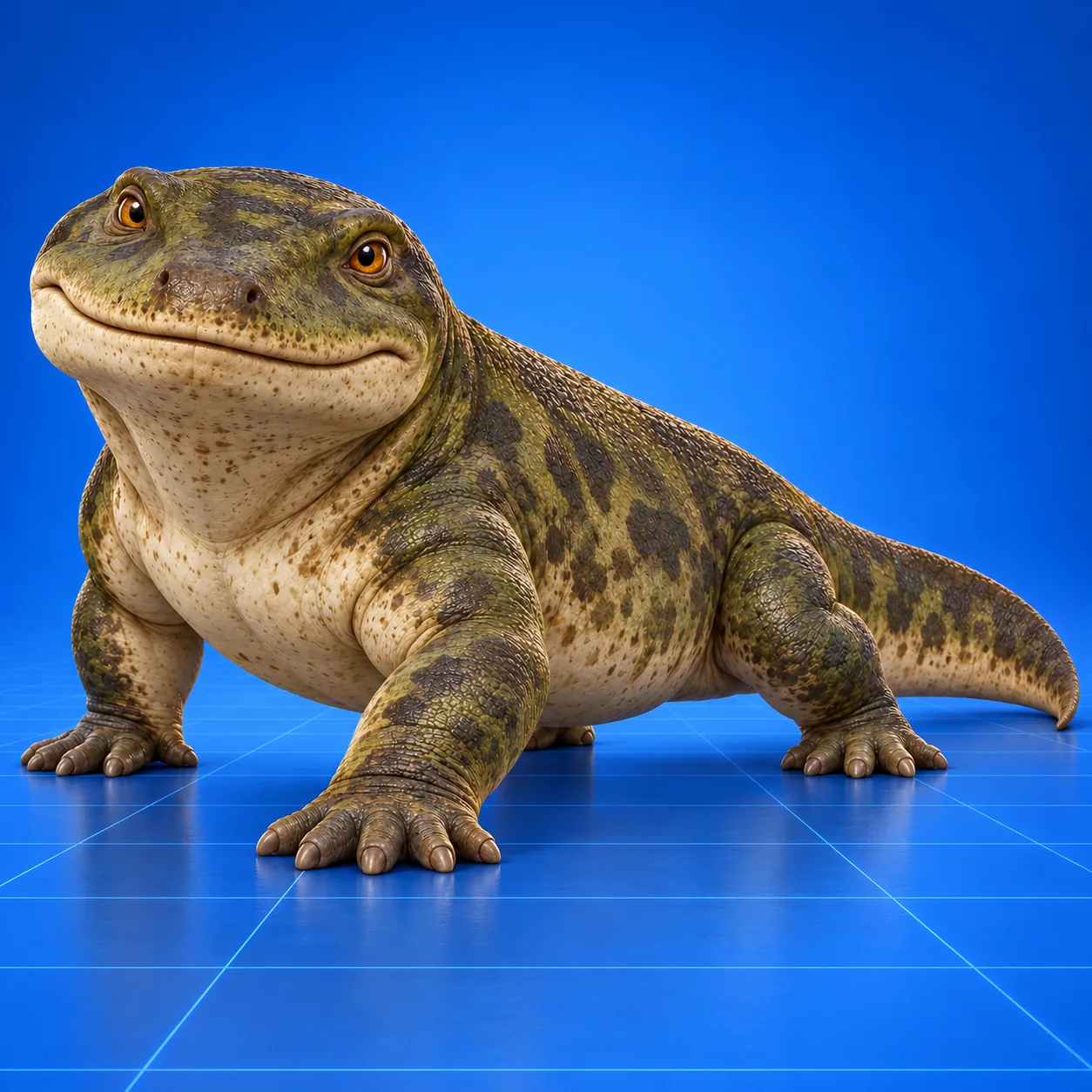 Amphibian
Early Permian
Eryops megacephalus was a robust temnospondyl with a broad skull and strong limbs.
Meet Eryops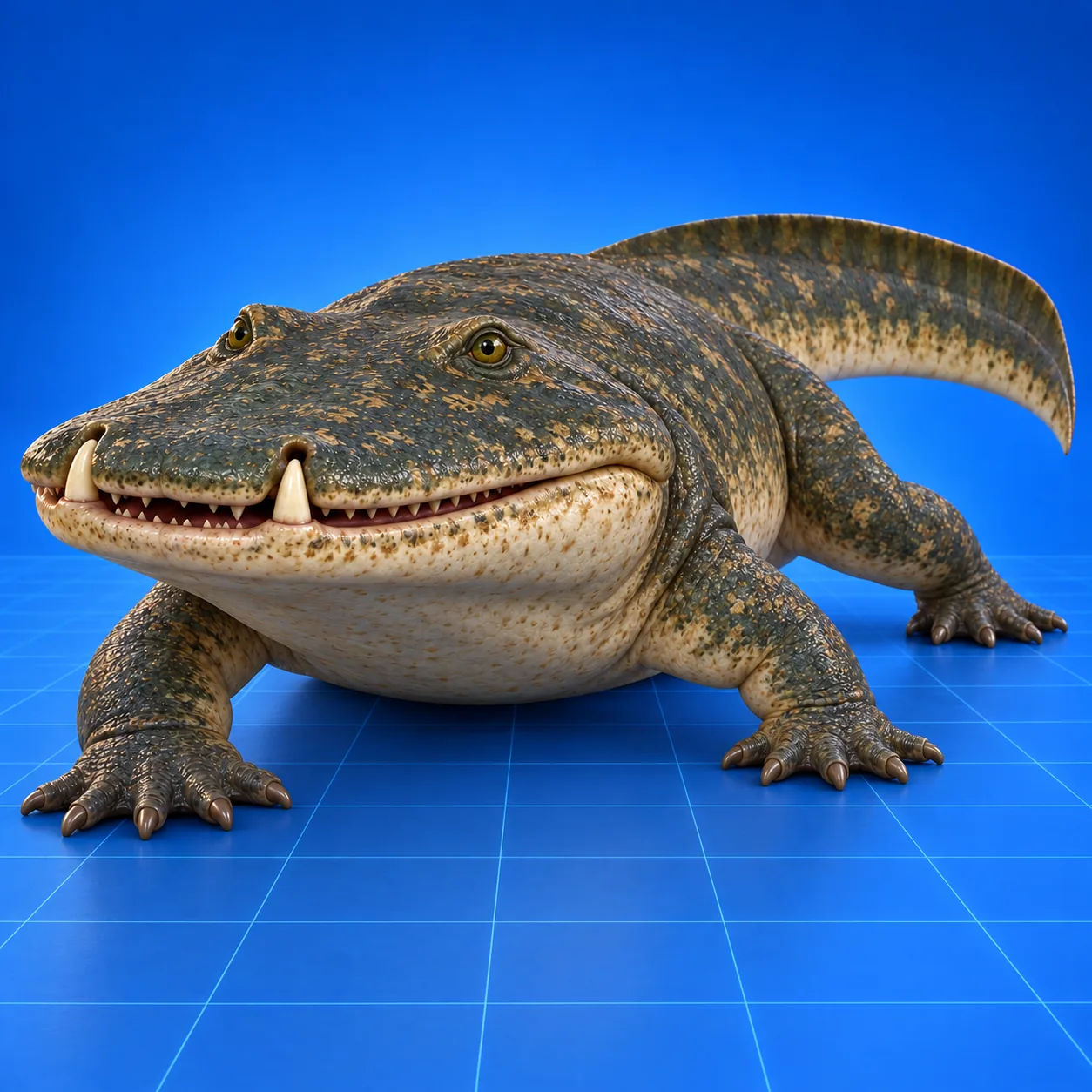 Amphibian
Middle Triassic
Mastodonsaurus giganteus had a huge, flat skull and an aquatic-looking body.
Meet Mastodonsaurus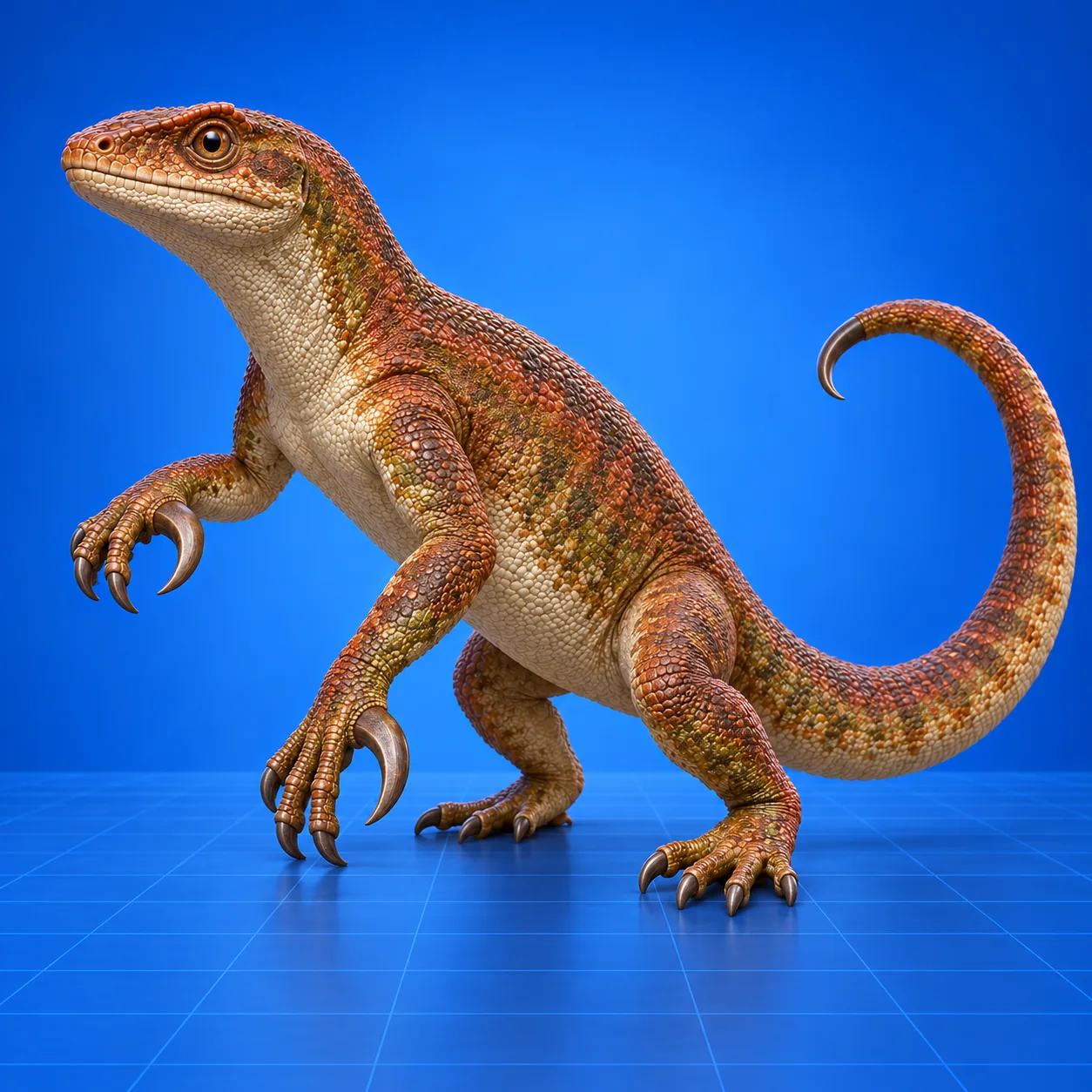 Reptile
Late Triassic
Drepanosaurus unguicaudatus had a specialized forelimb and a strongly curved tail tip.
Meet DrepanosaurusEach card identifies its kind of creature. Fictional characters are labeled and have their own game stories. AI-generated, stylized game illustrations. These designs and growth stages are imaginative, not scientific reconstructions.