
Amphibian
Diplocaulus
Diplocaulus magnicornis is recognized by the broad, boomerang-like projections at the back of its skull.
Diplocaulus magnicornis is recognized by the broad, boomerang-like projections at the back of its skull. Its small body and swimming tail belong to an extinct amphibian relative.
Three stages. One companion.
Game artwork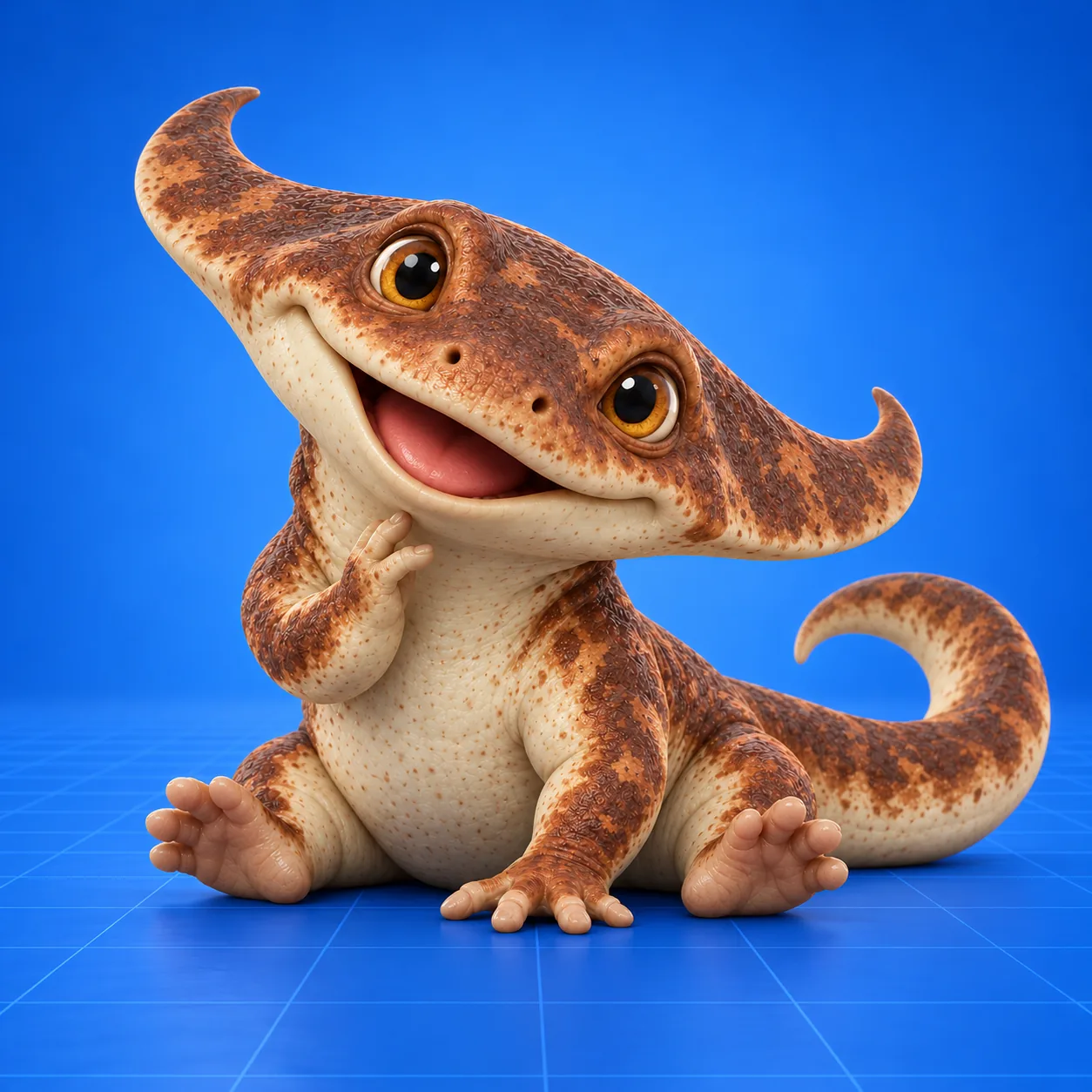
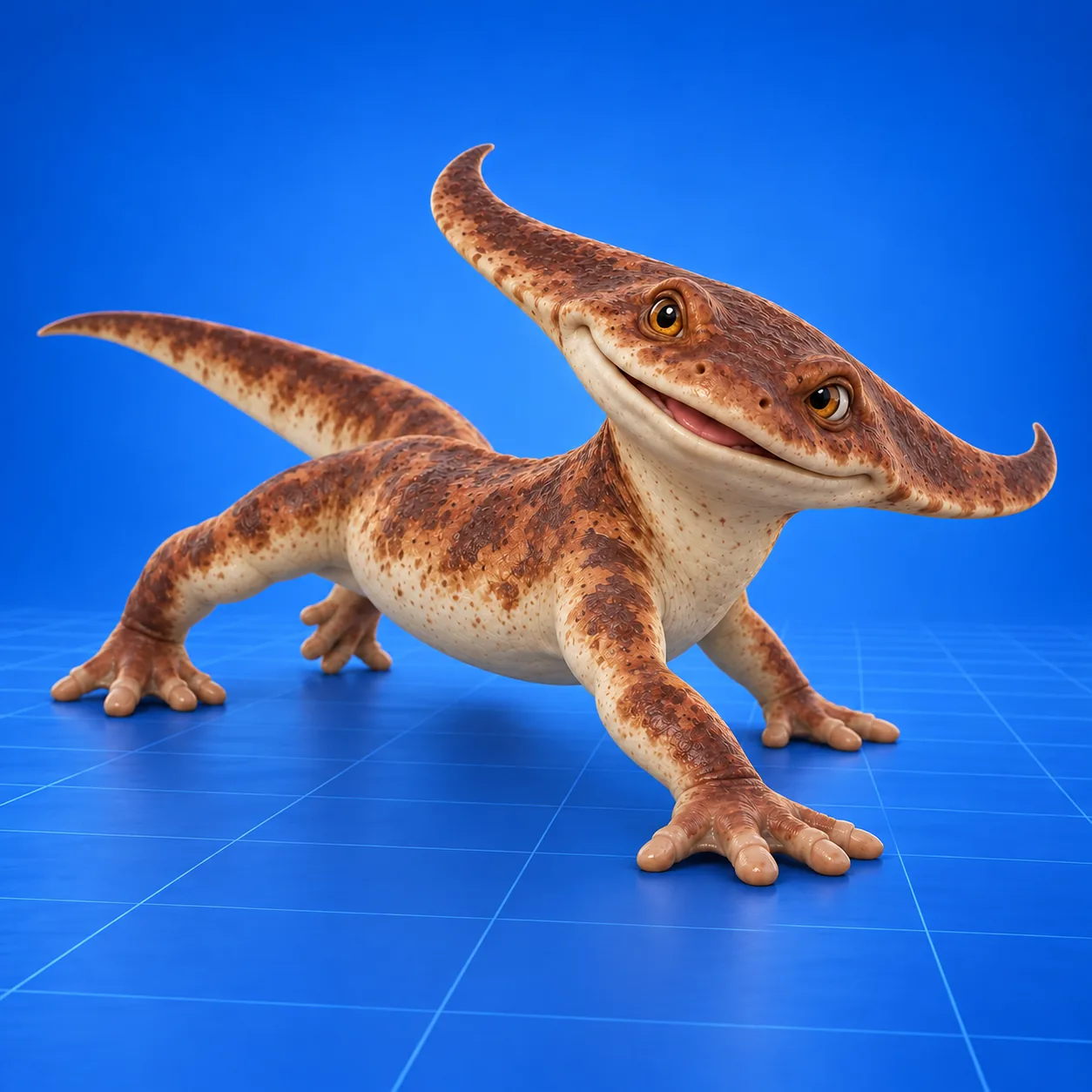
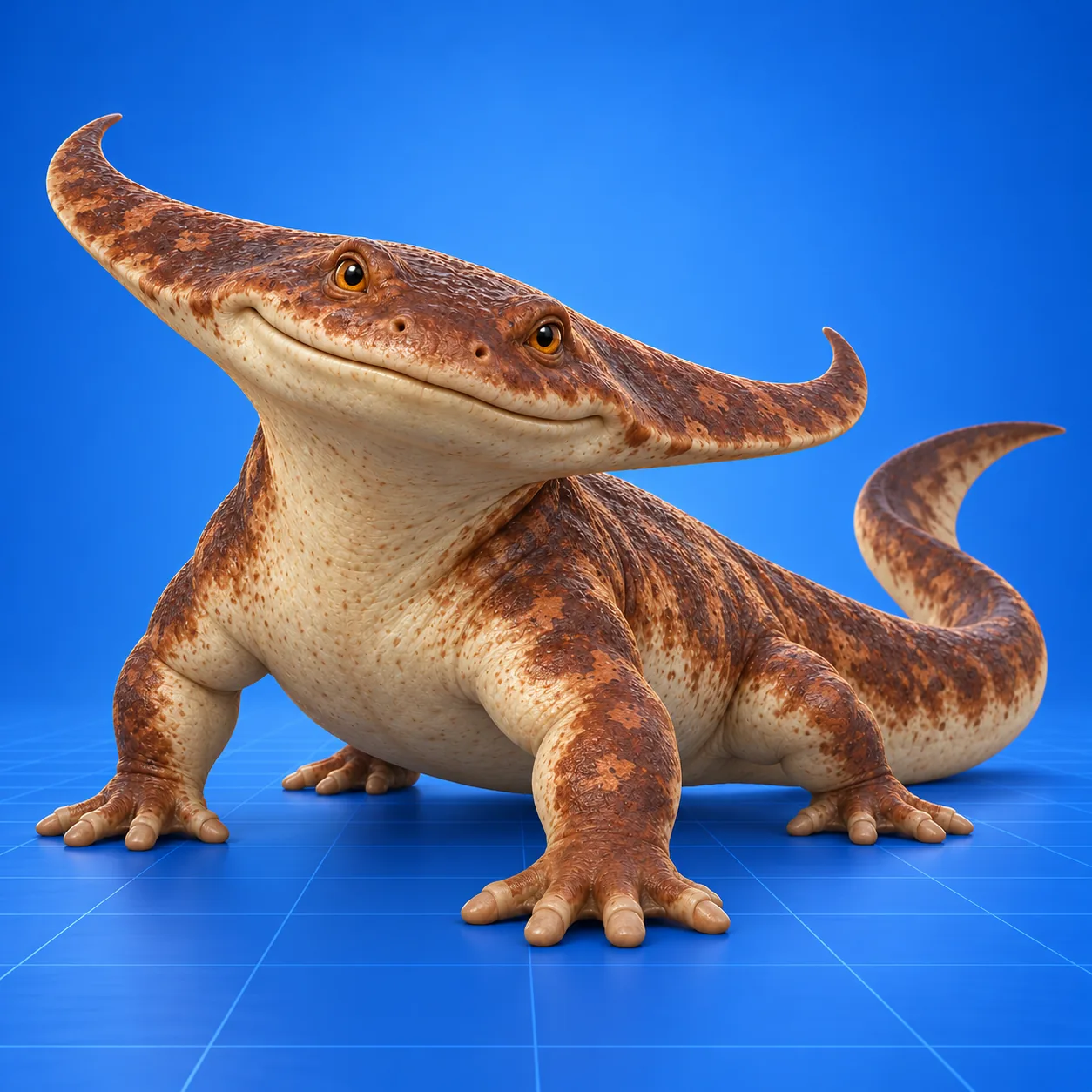
AI-generated, stylized game illustrations. These designs and growth stages are imaginative, not scientific reconstructions.
Diplocaulus at a glance
- Diet
- Diet uncertain
- When it lived
- Early Permian
- Group
- Nectridea
- Nectrideans
Beyond the game
The real Diplocaulus
Diplocaulus magnicornis is recognized by the broad, boomerang-like projections at the back of its skull. Its small body and swimming tail belong to an extinct amphibian relative.
The unusual head has inspired several functional hypotheses. Its skull projections are directly documented, while their exact role in swimming or other behaviour remains debated.
Fossil discoveries
Selected fossil records · present-day map
Map references
Map: Natural Earth, public domain. Fossil records: Paleobiology Database and linked collections and publications.Sources & text credits
Explore the references behind this profile.
Original English Dinosgacha educational summaries informed by the linked scientific and museum references; source publications retain their own rights.