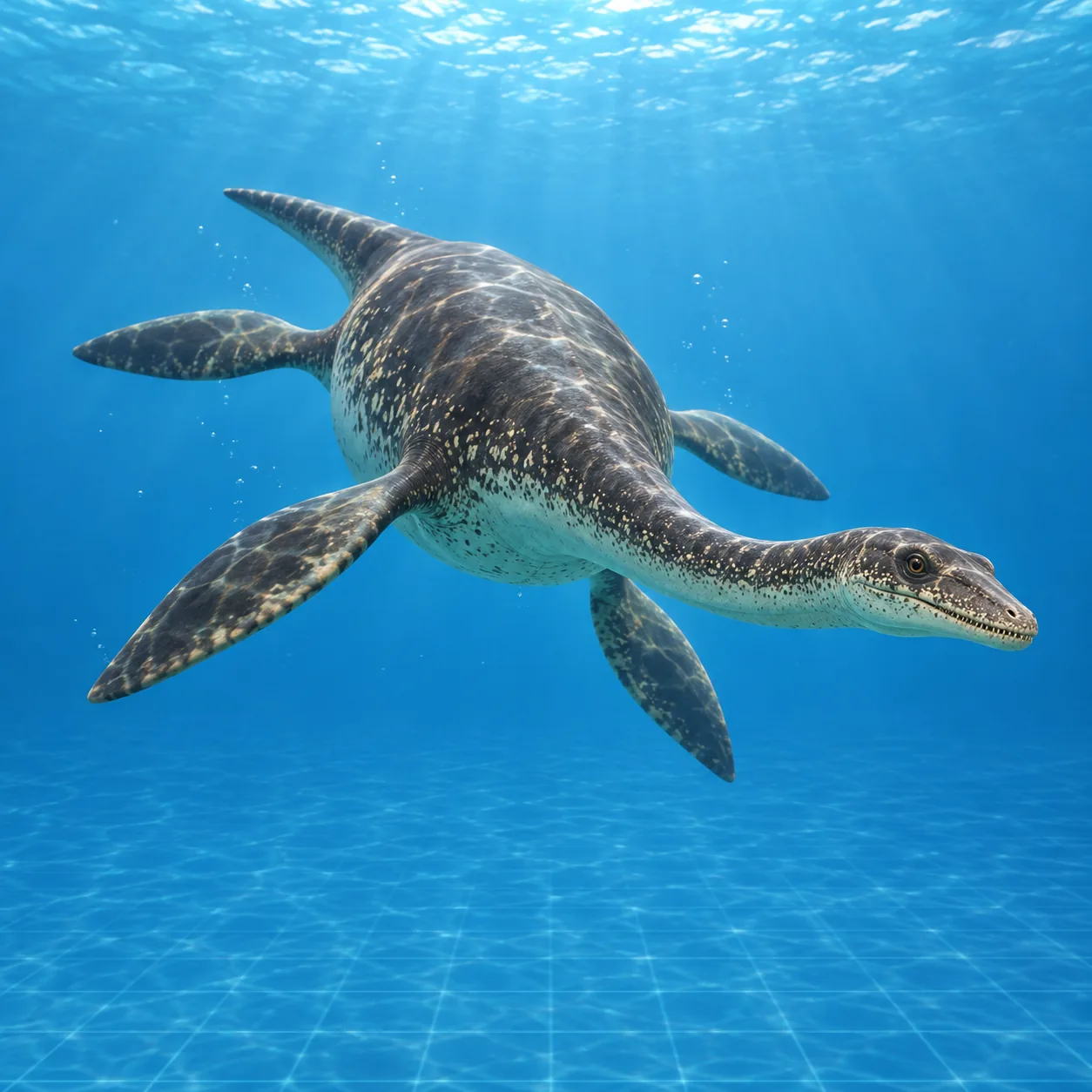
 Marine reptile
Jurassic
Cryptoclidus
Its fine teeth suggest a diet of soft aquatic prey, such as fish and cephalopods.
Meet Cryptoclidus Dinosgacha
The Dinosgacha encyclopedia
Discover dinosaurs, extinct plants, other animals and fictional game companions. Explore their stories and see all three stages of their artwork.
Showing 289–312 of 578 creatures
Marine reptileJurassic
Its fine teeth suggest a diet of soft aquatic prey, such as fish and cephalopods.
Meet Cryptoclidus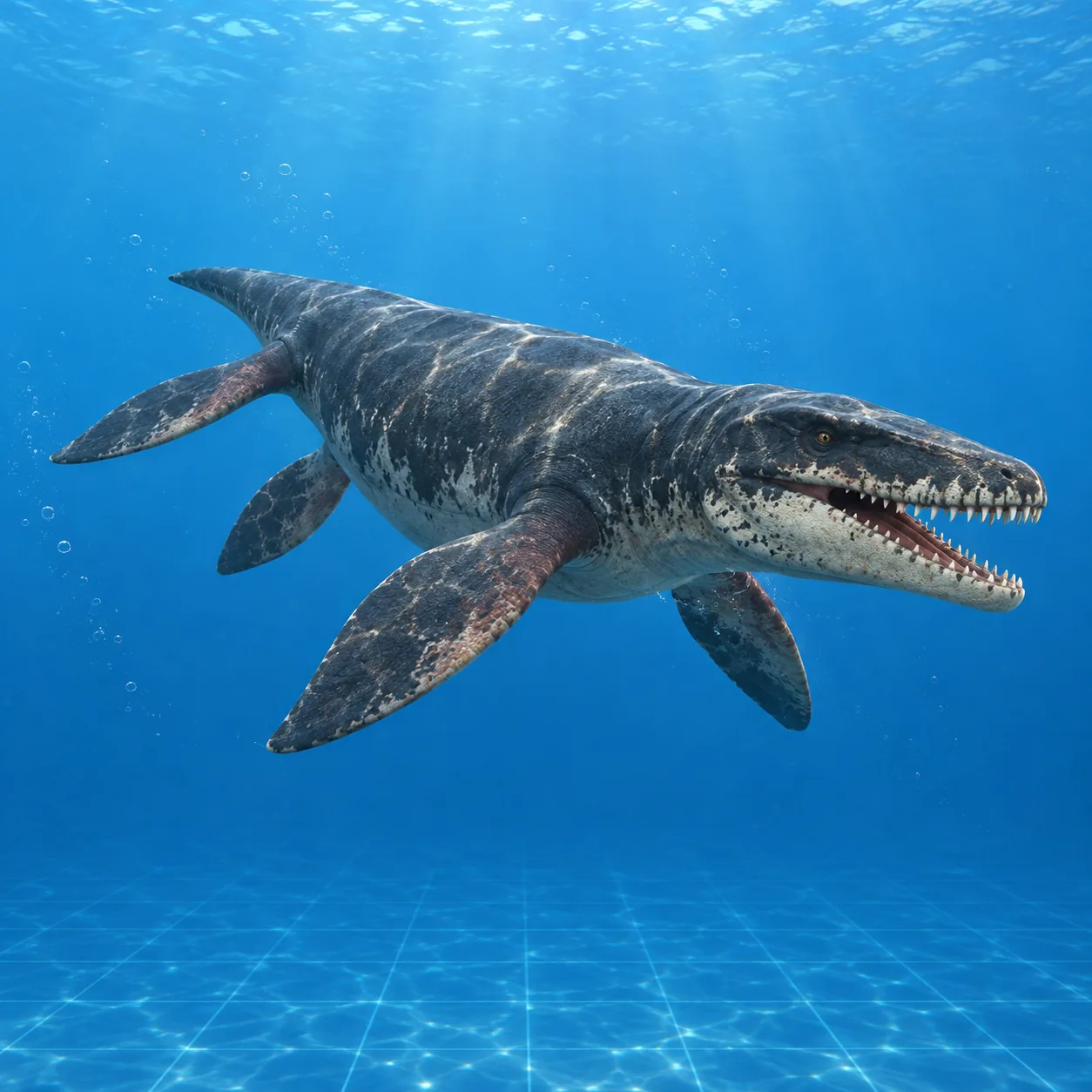 Marine reptile
Jurassic
It was a marine reptile from the Jurassic, long before the last dinosaurs of the Cretaceous.
Meet Liopleurodon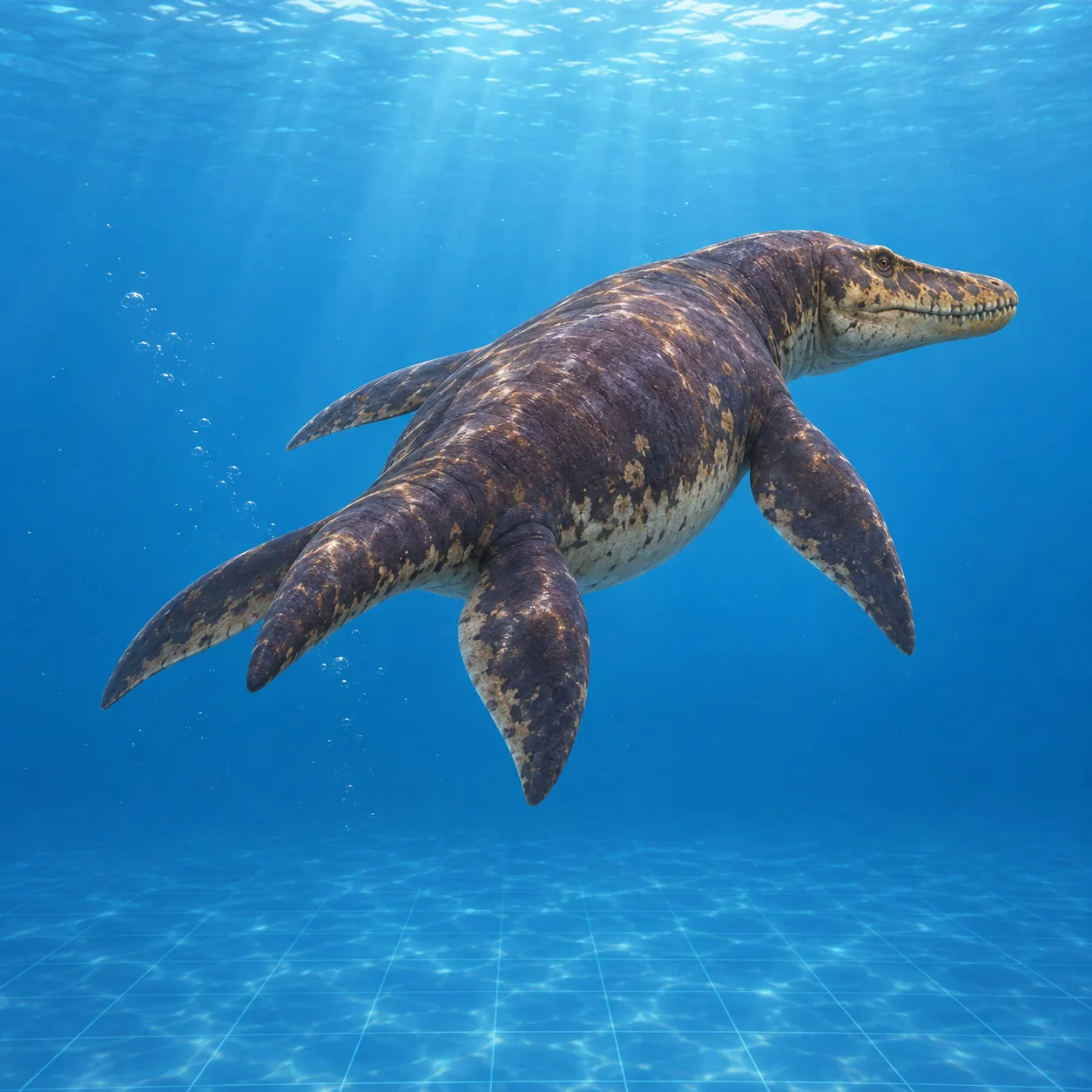 Marine reptile
Cretaceous
Its name refers to Cronus, the titan of Greek mythology.
Meet Kronosaurus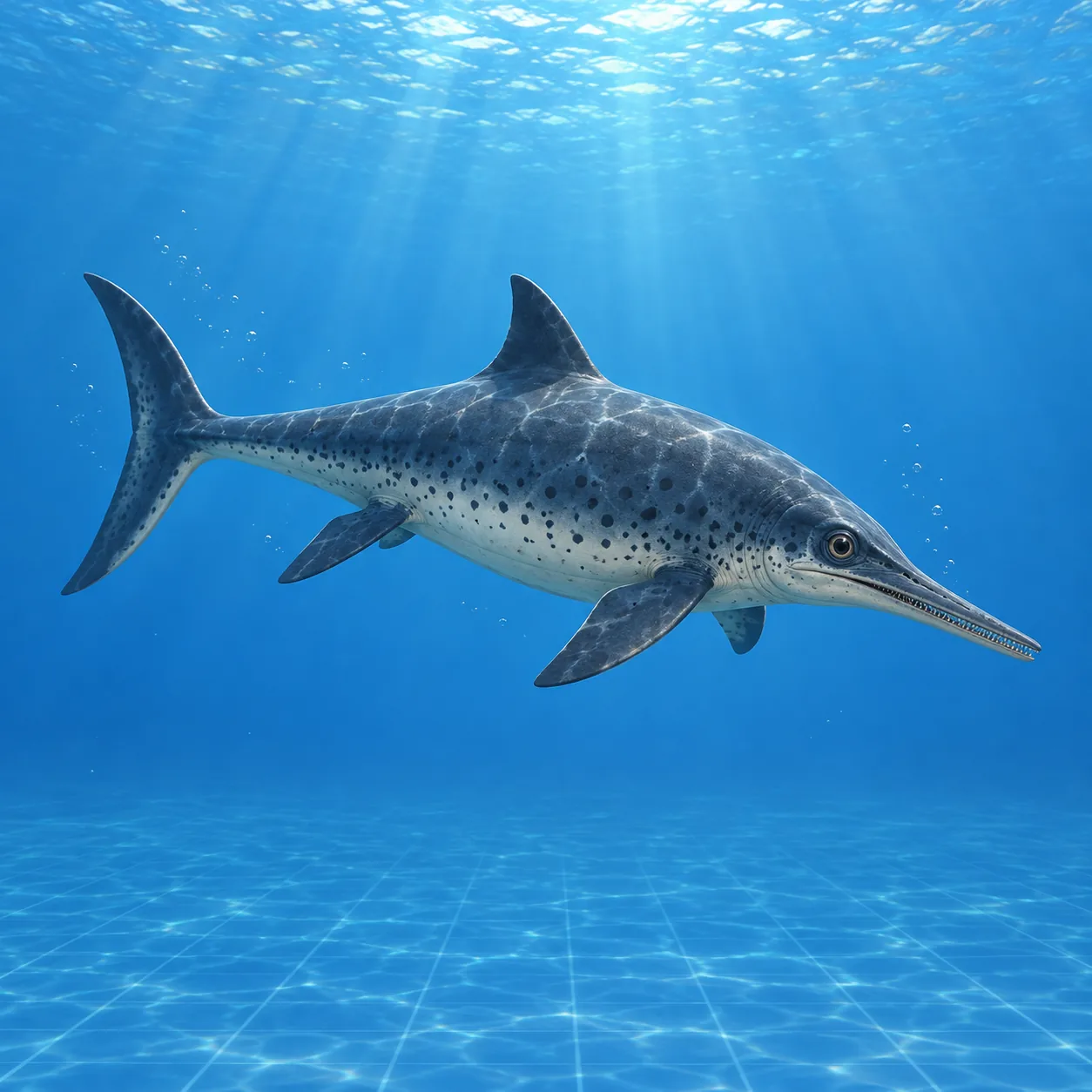 Marine reptile
Jurassic
Mary Anning helped discover and bring attention to its fossils in nineteenth-century England.
Meet Ichthyosaurus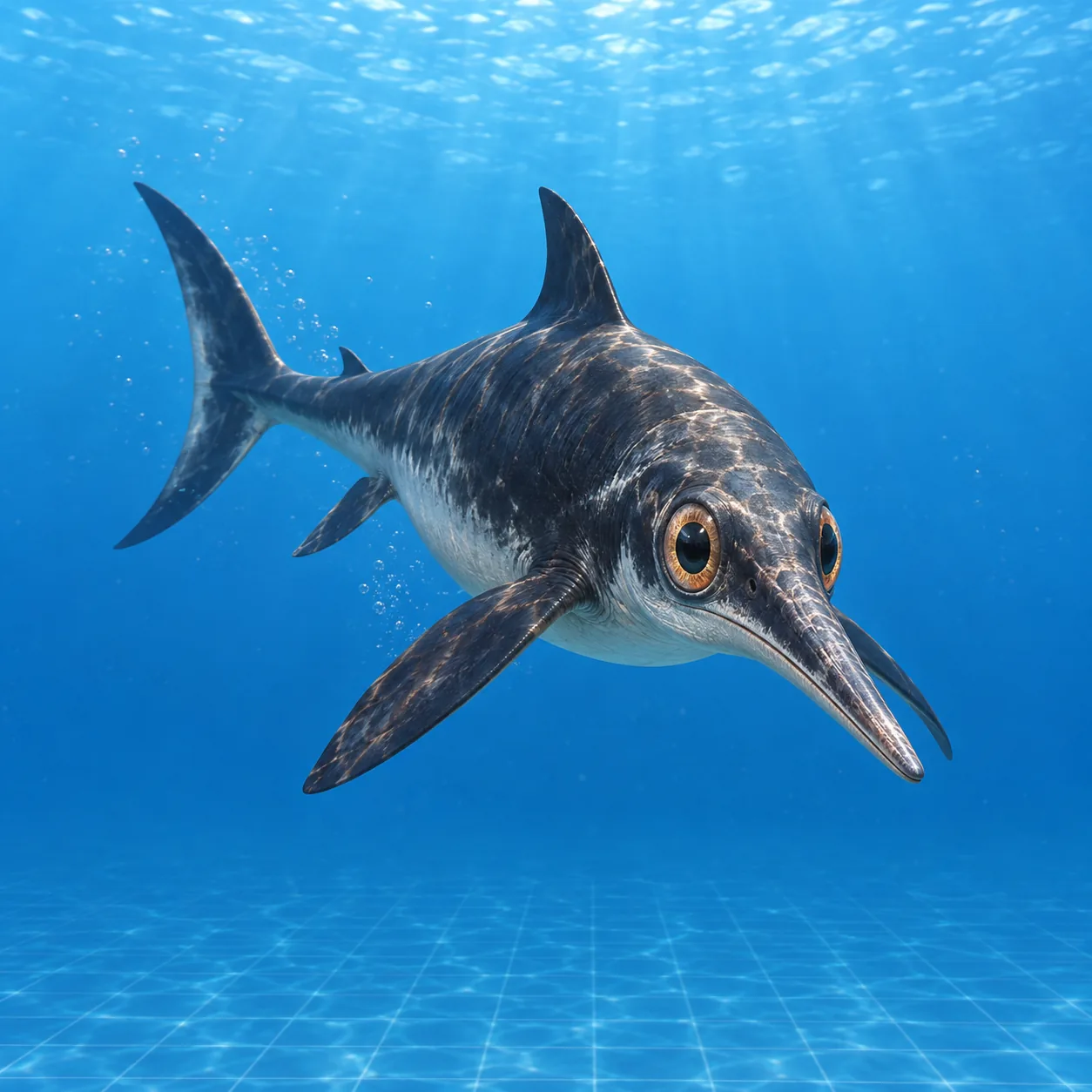 Marine reptile
Jurassic
Its hydrodynamic body was reminiscent of that of a dolphin.
Meet Ophthalmosaurus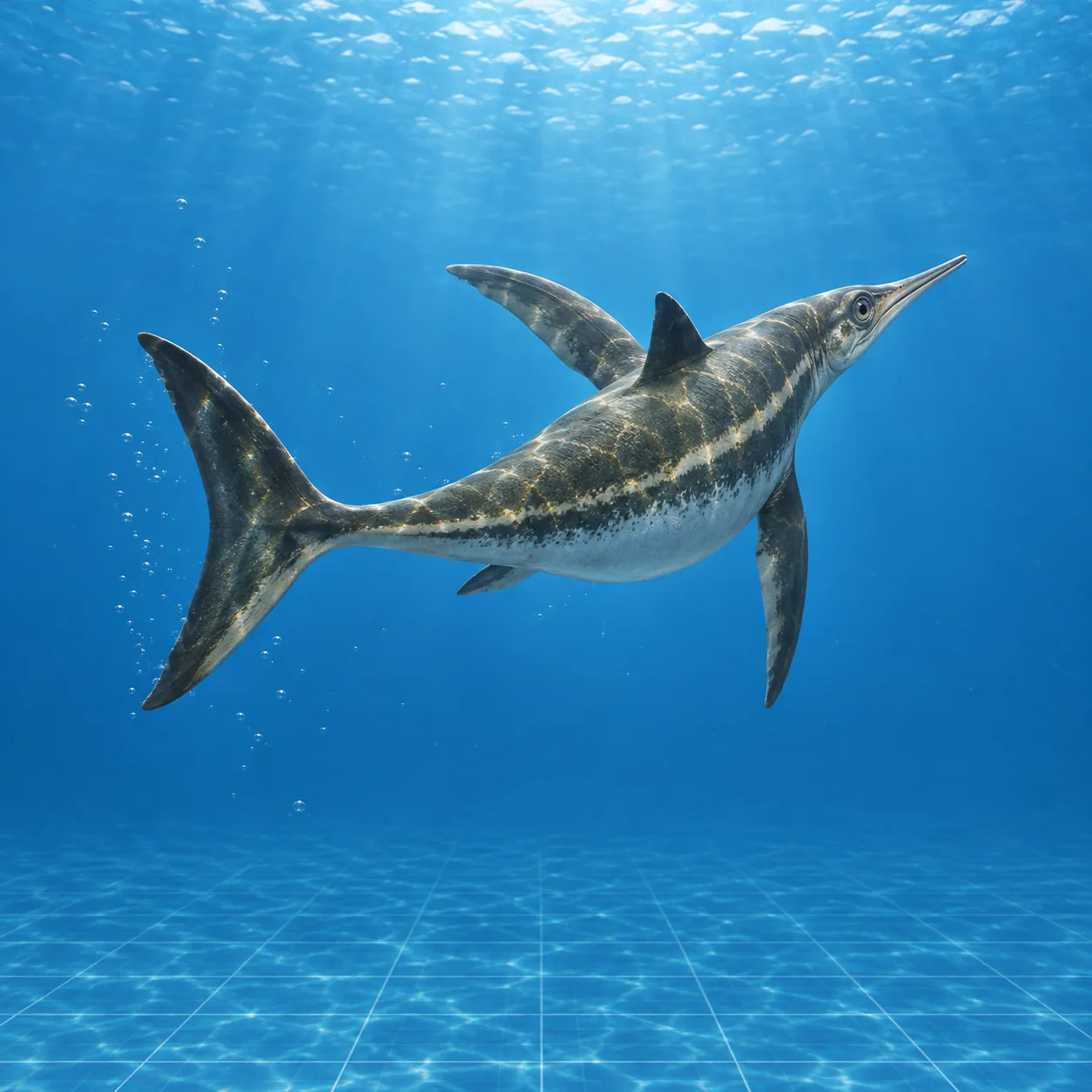 Marine reptile
Jurassic
The largest specimens reached approximately four meters in length.
Meet Stenopterygius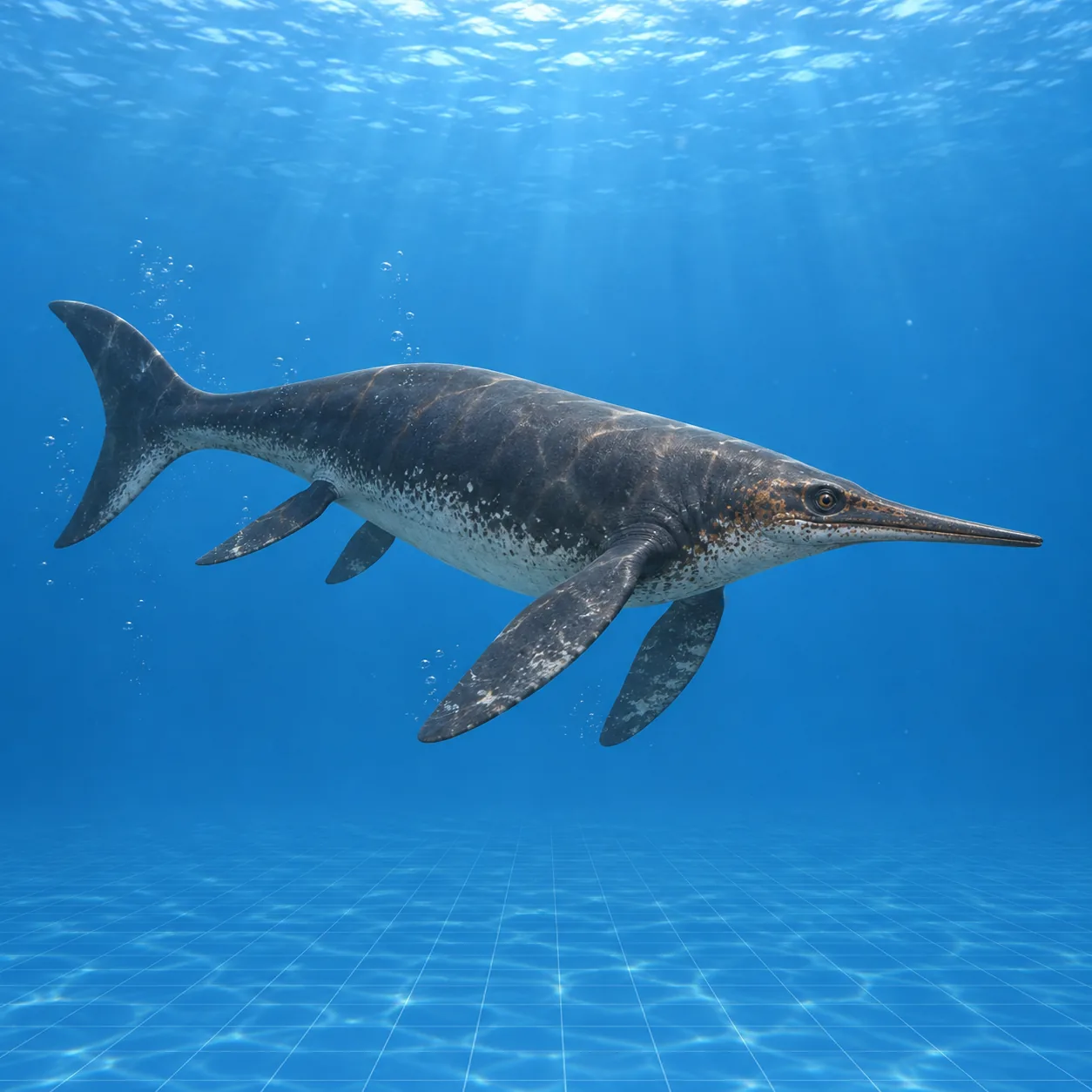 Marine reptile
Triassic
Remains of numerous individuals have been found in the Luning Formation of Nevada.
Meet Shonisaurus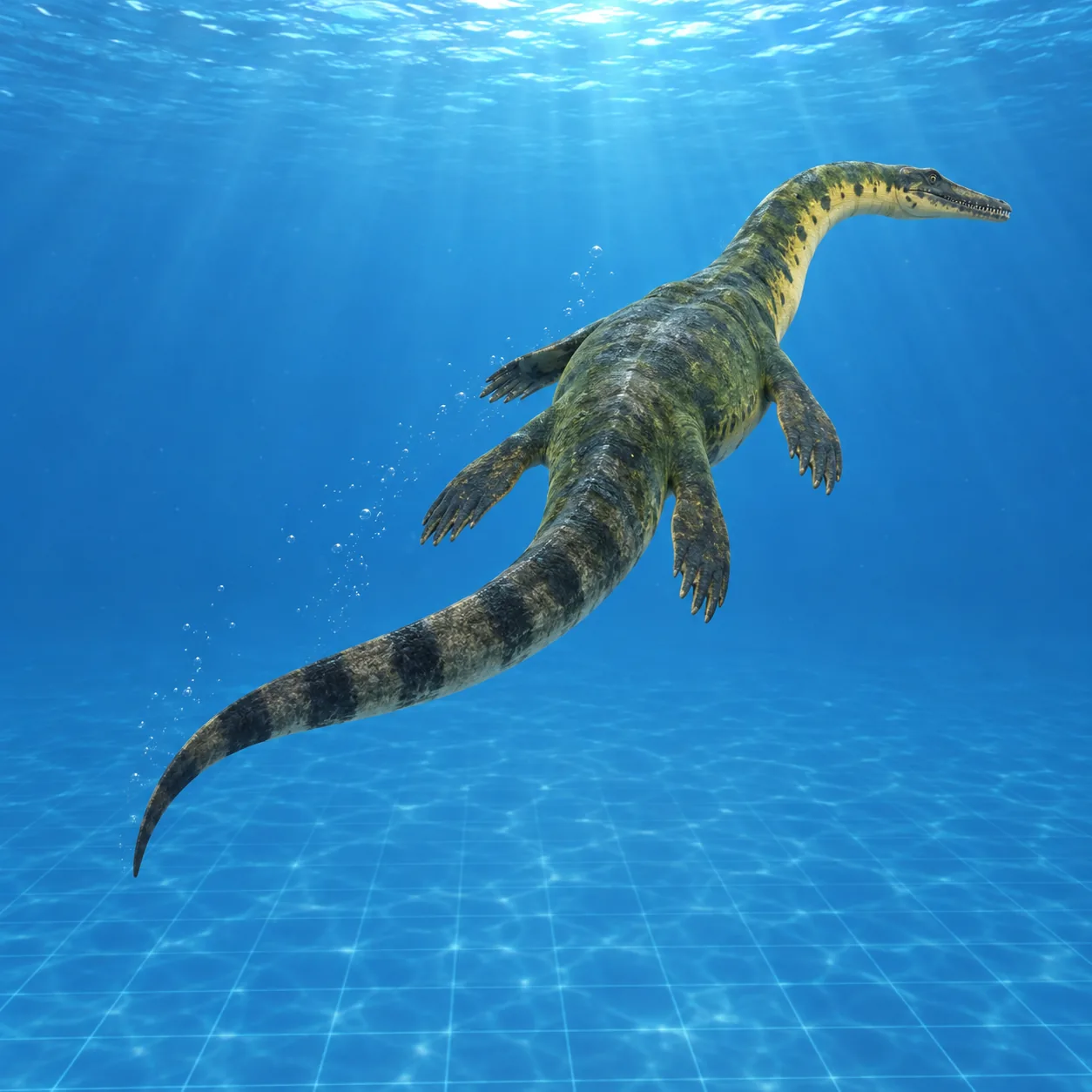 Marine reptile
Triassic
Although its name means "false lizard", it was not a dinosaur.
Meet Nothosaurus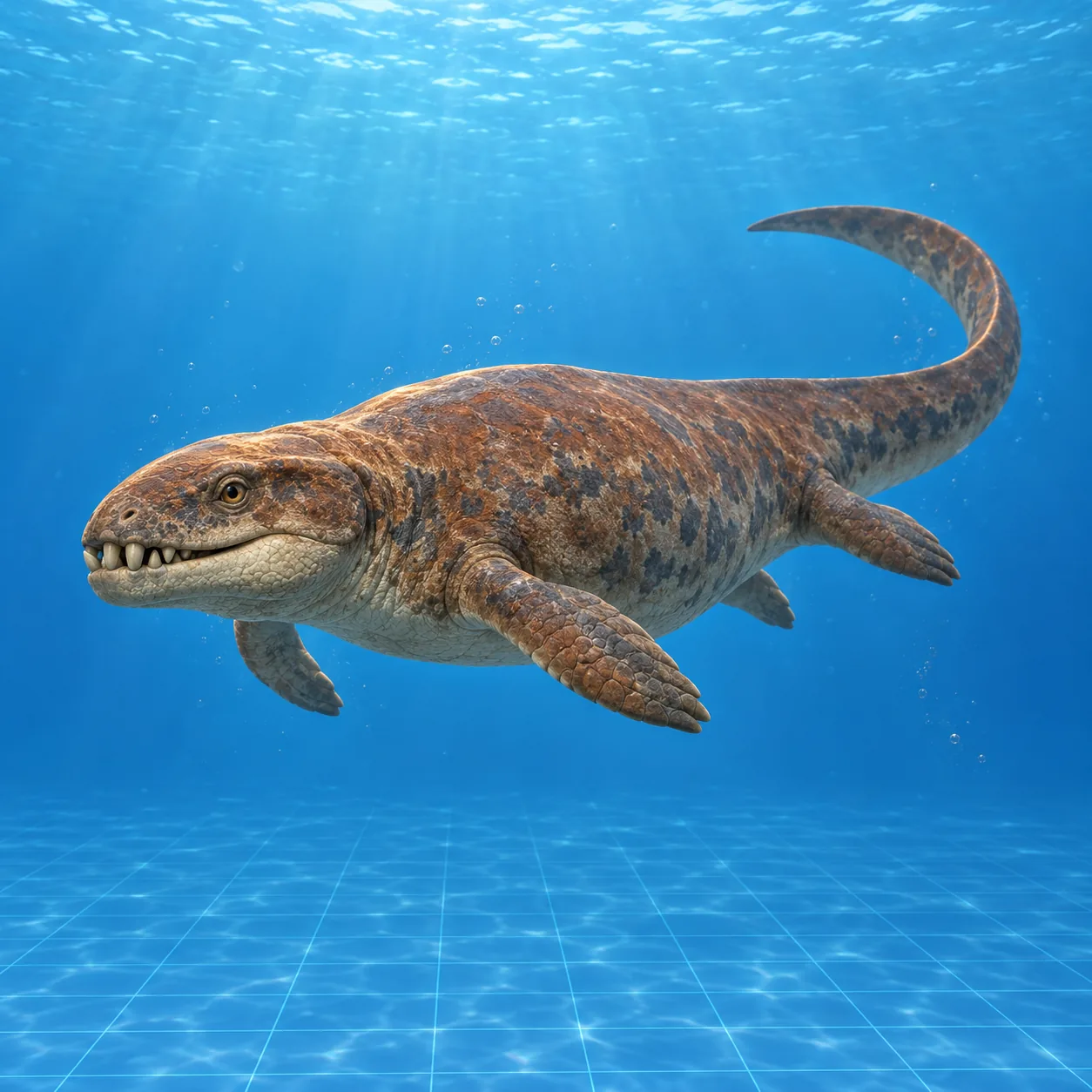 Marine reptile
Triassic
It inhabited warm seas of regions that today correspond to central Europe and China.
Meet Placodus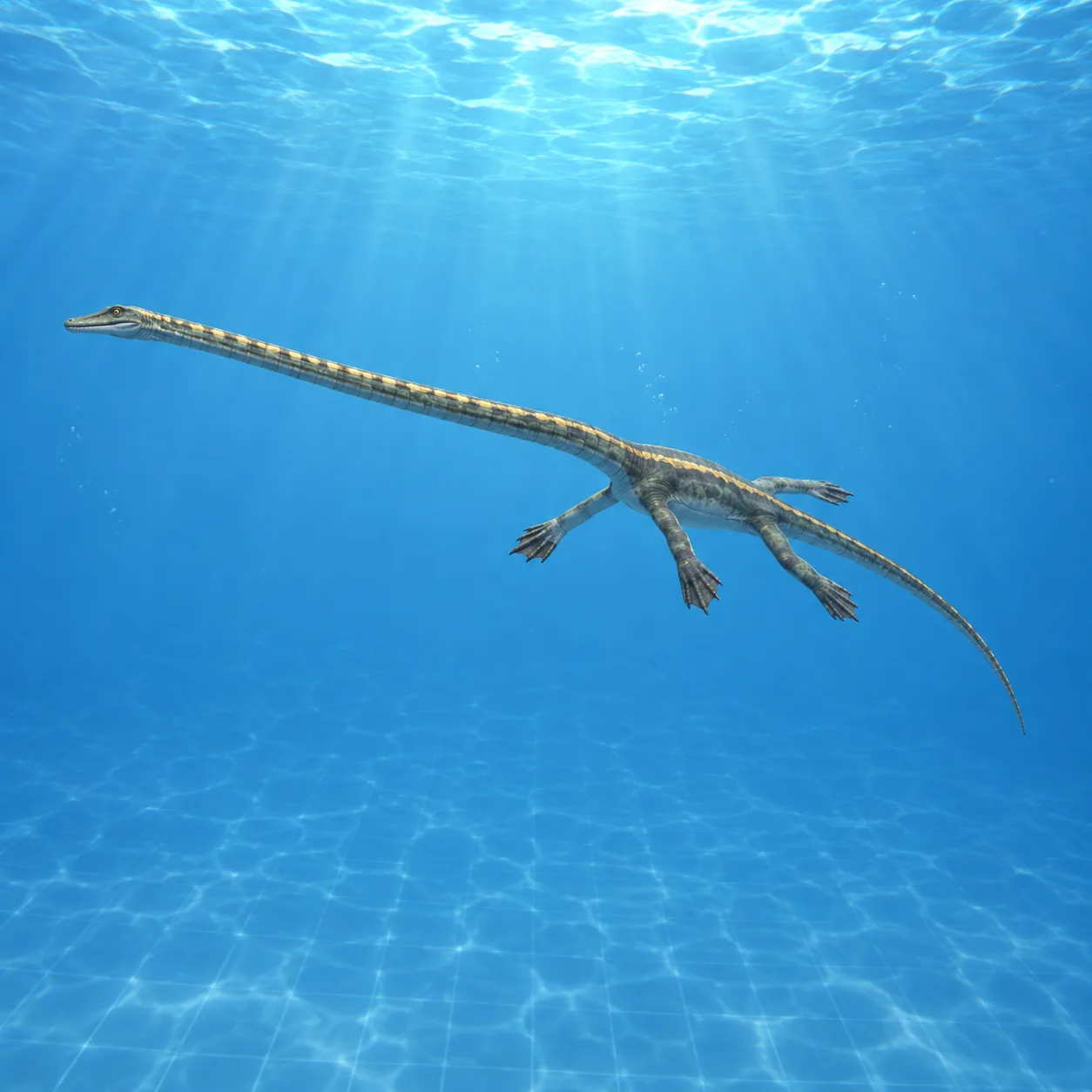 Reptile
Triassic
Some of its long bones were first thought to be part of a wing; they were later recognized as neck bones.
Meet Tanystropheus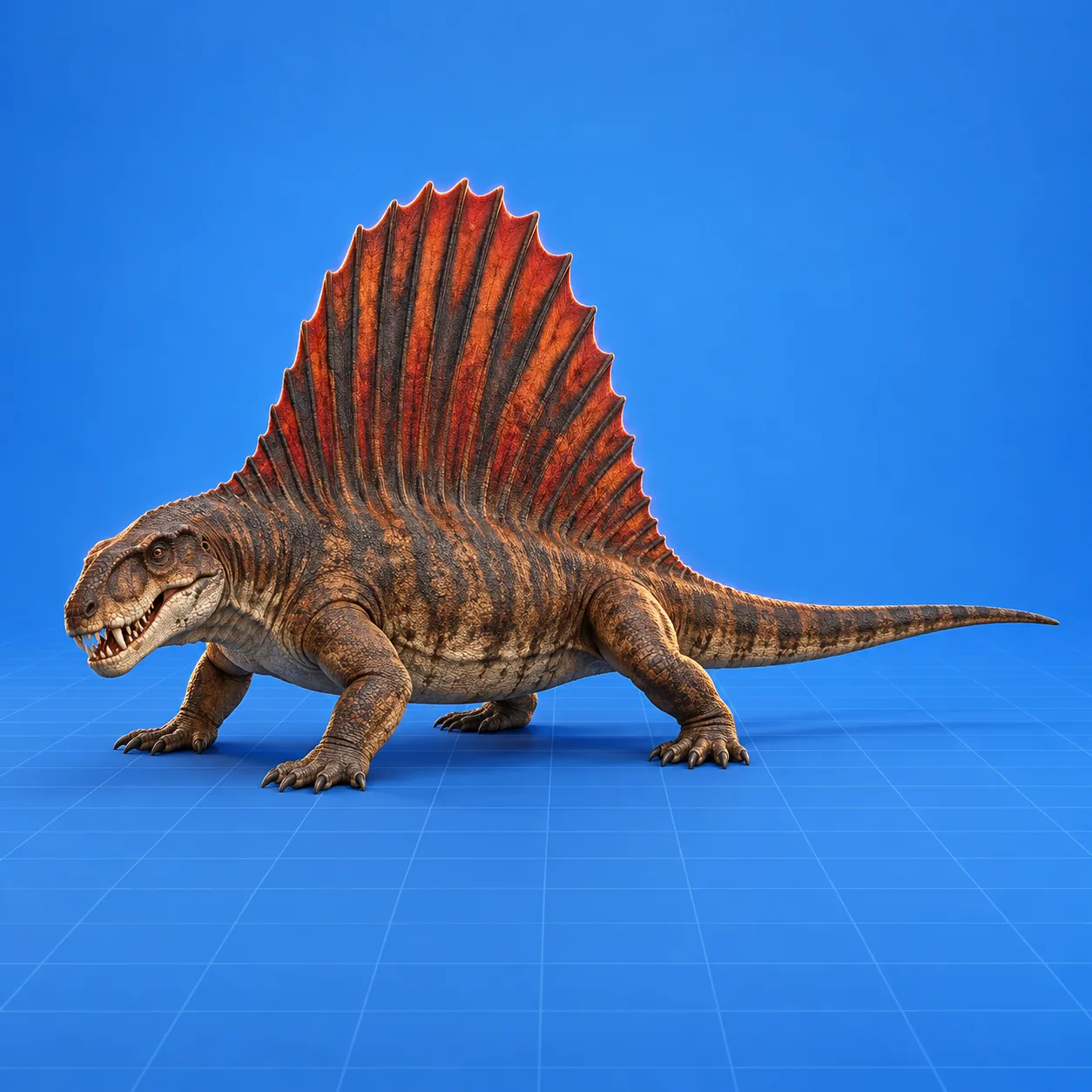 Synapsid
Permian
Many of its fossils come from the Red Beds of Texas and Oklahoma.
Meet Dimetrodon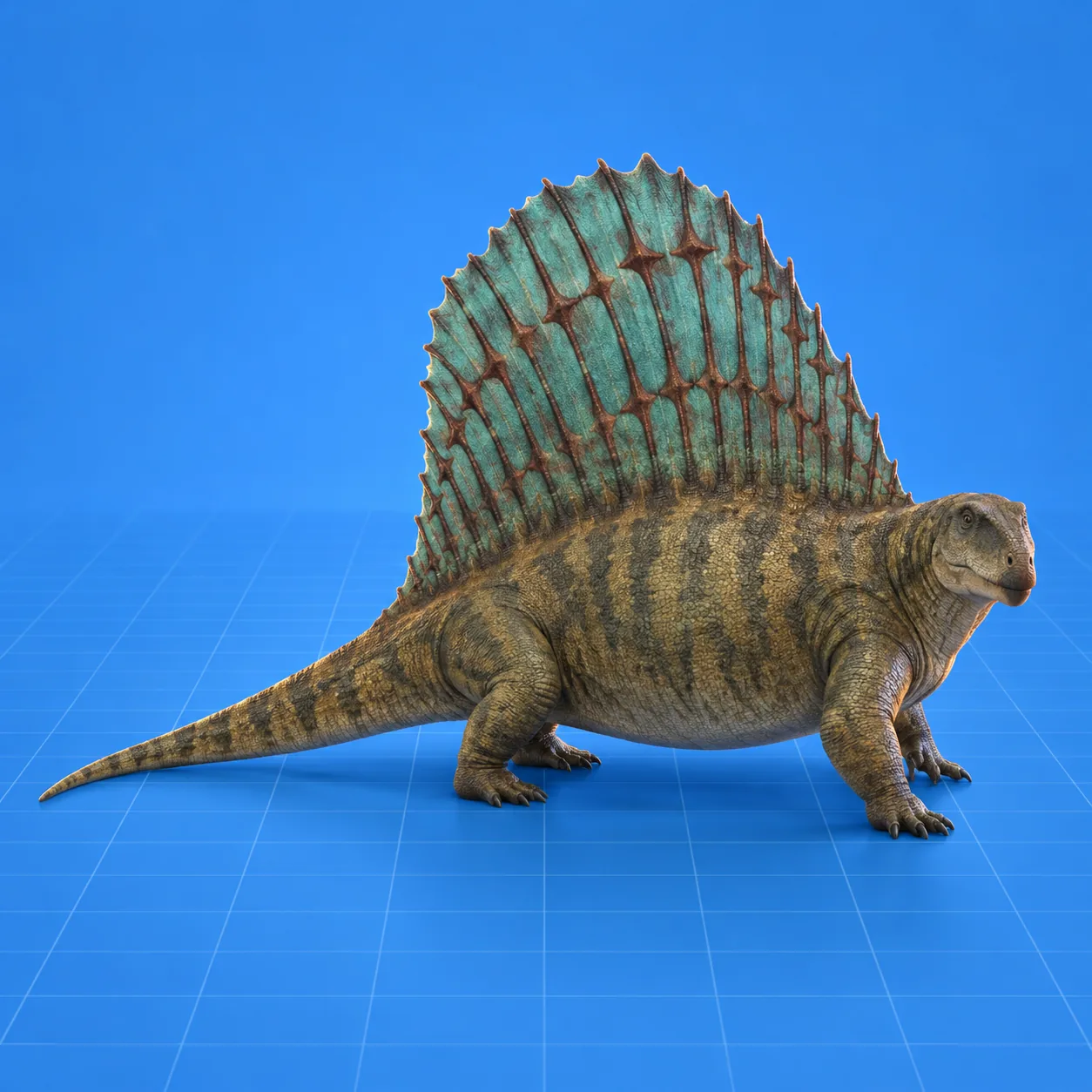 Synapsid
Carboniferous / Permian
It ate plants, unlike its fellow sail-backed synapsid Dimetrodon.
Meet Edaphosaurus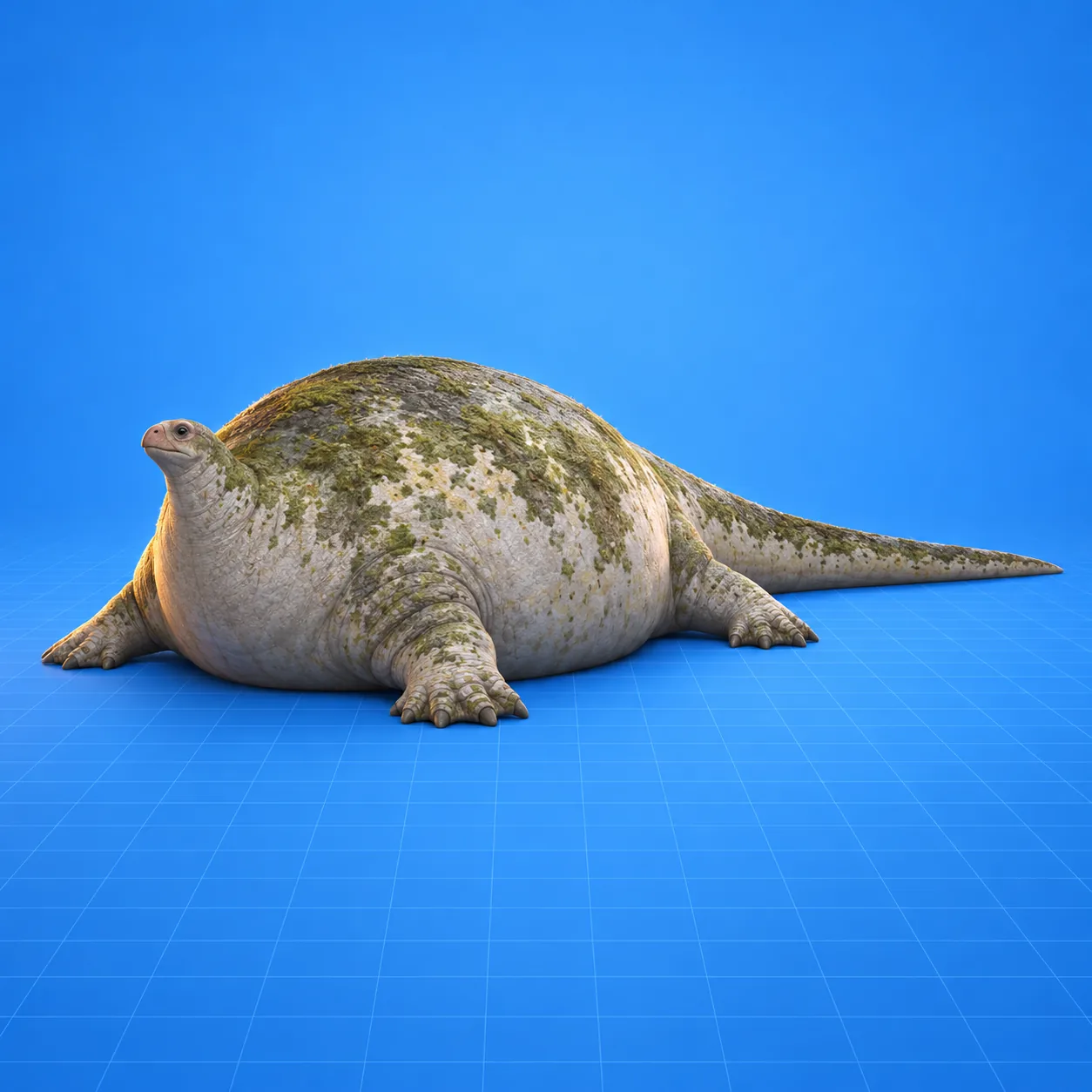 Synapsid
Permian
It was one of the large land vertebrates of its time.
Meet Cotylorhynchus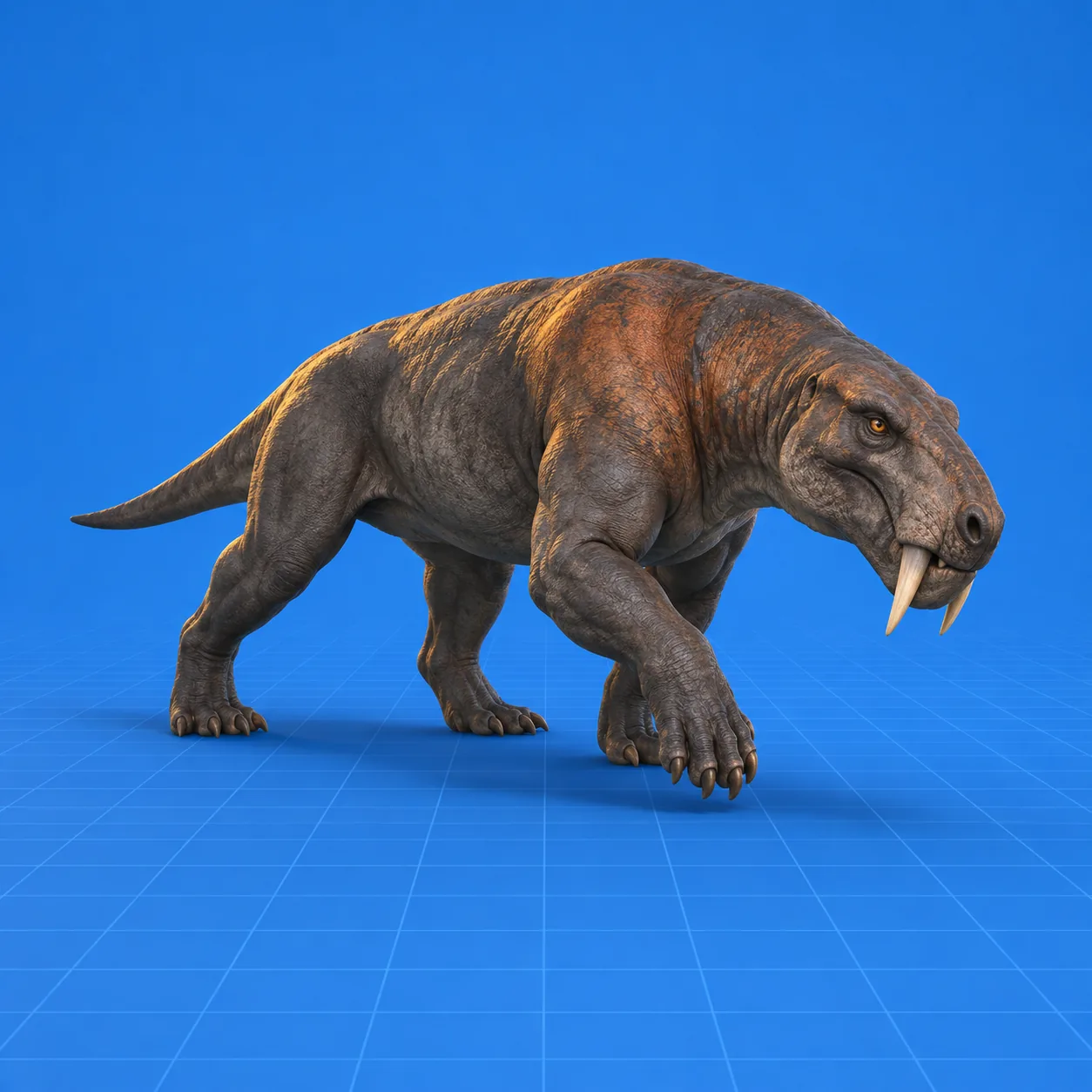 Synapsid
Permian
It is known from several skulls and two nearly complete skeletons.
Meet Inostrancevia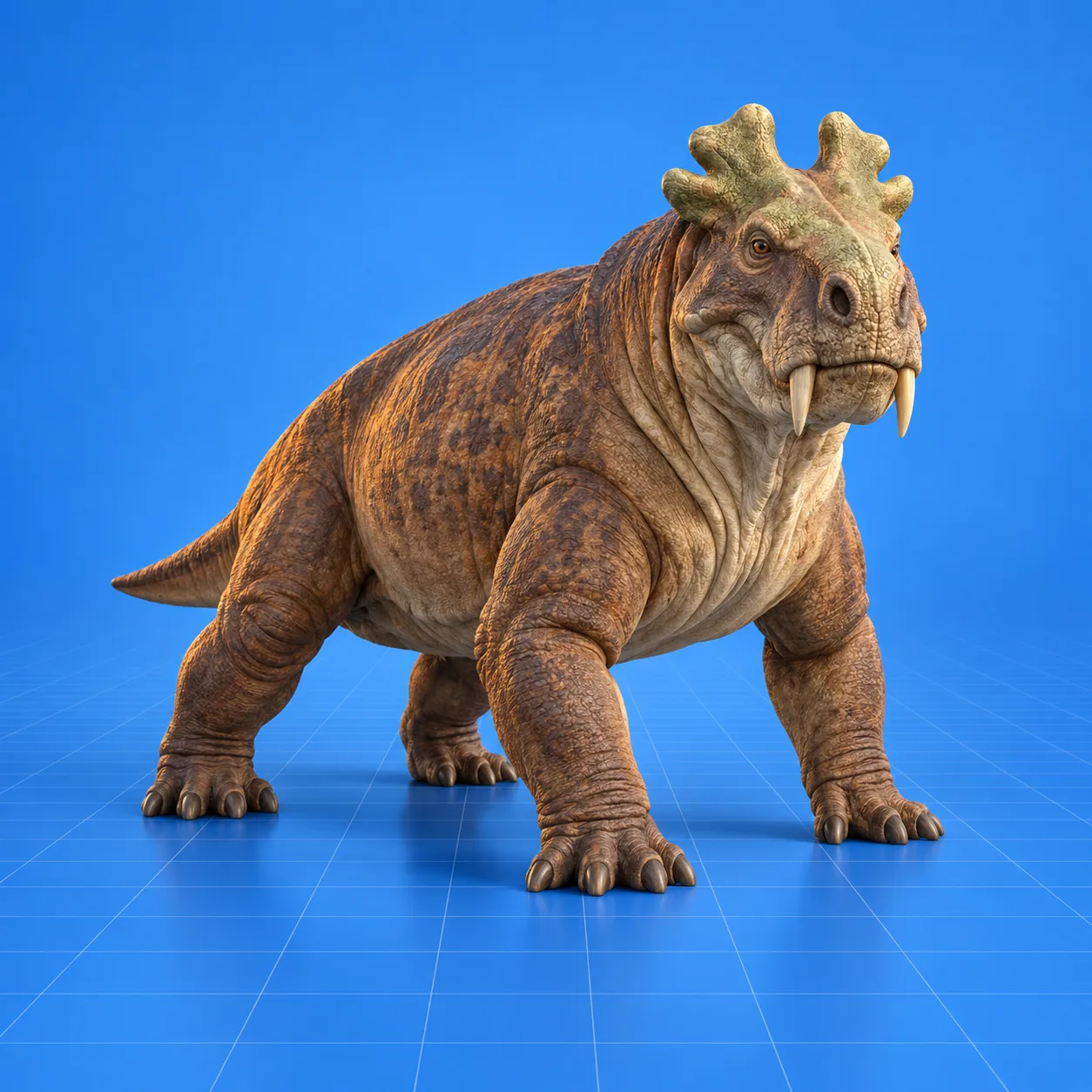 Synapsid
Permian
Its striking cranial protuberances could have been used for display between individuals.
Meet Estemmenosuchus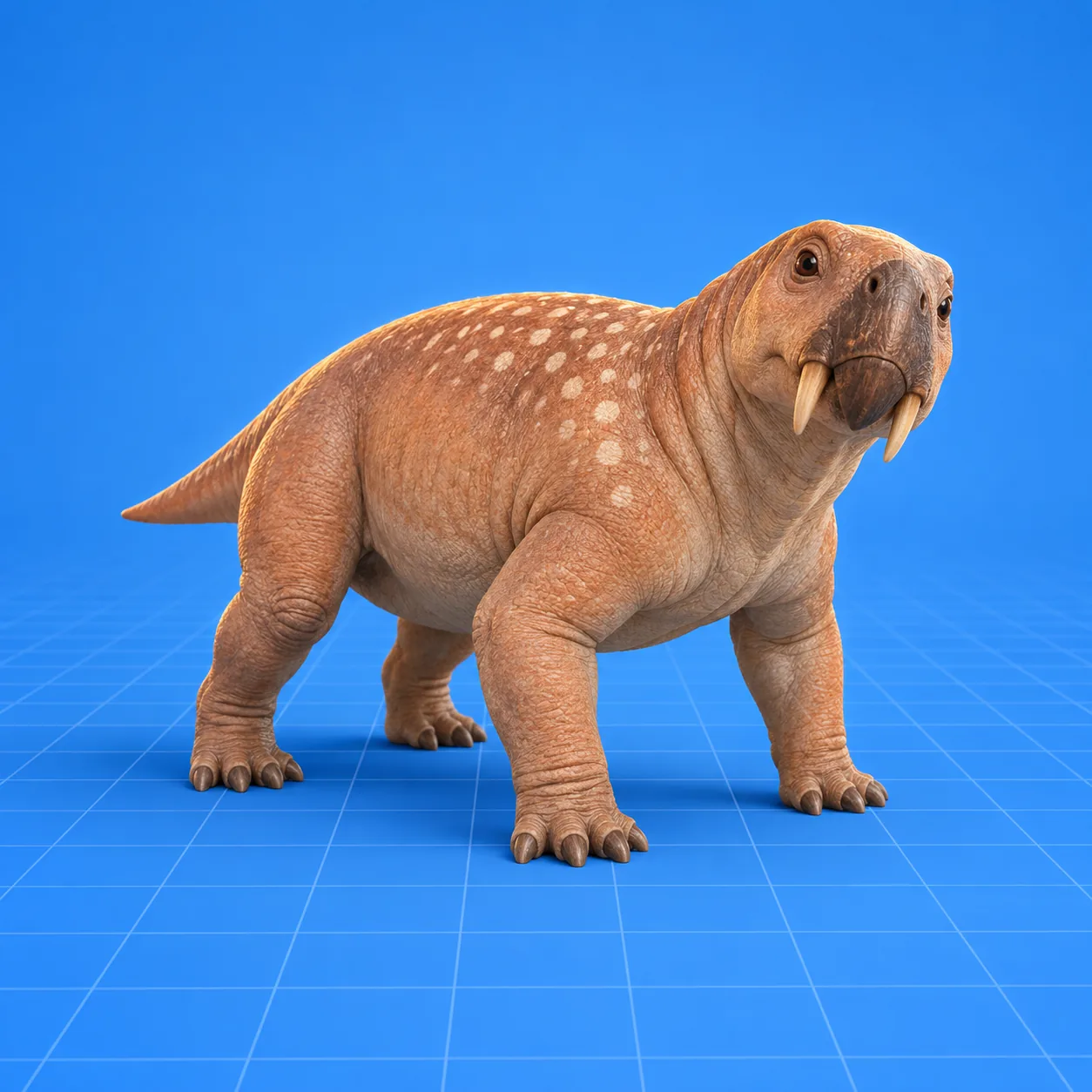 Synapsid
Permian / Triassic
It had two tusks and a tough, horn-covered beak suited to cutting plants.
Meet Lystrosaurus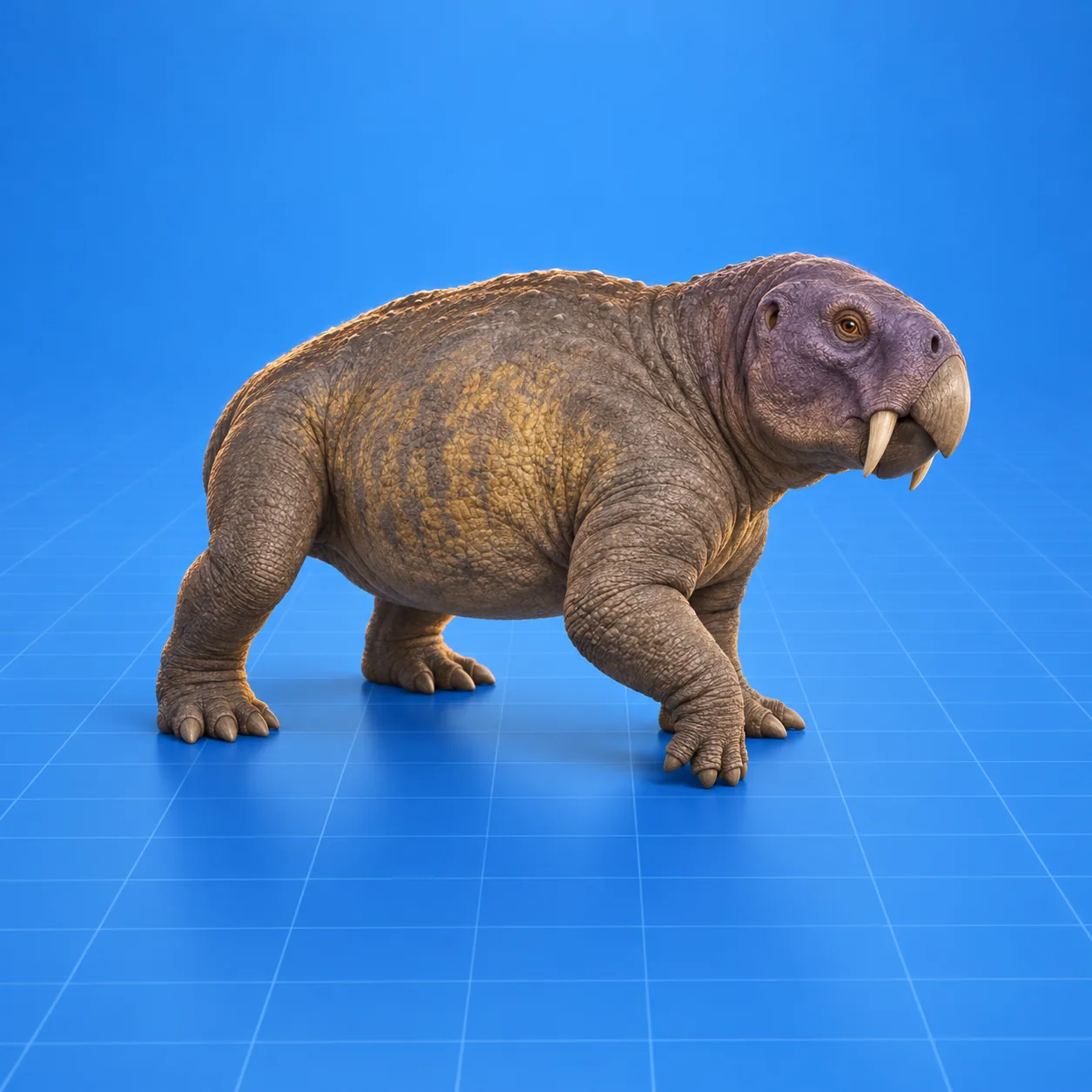 Synapsid
Permian
It had a tough, horn-covered beak and two tusks, which may have helped it dig up food.
Meet Dicynodon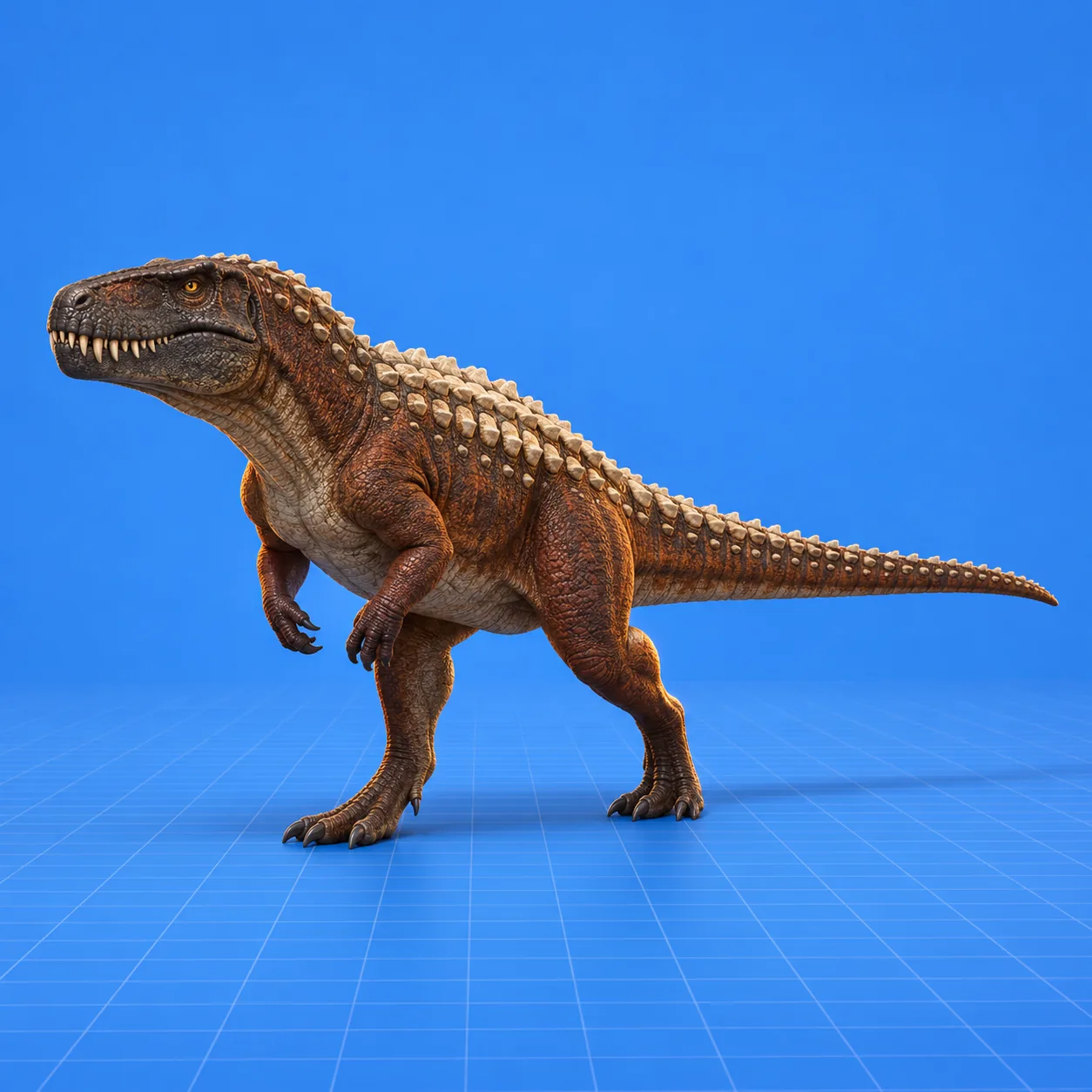 Reptile
Triassic
It had a robust skeleton, a high skull and a long tail.
Meet Postosuchus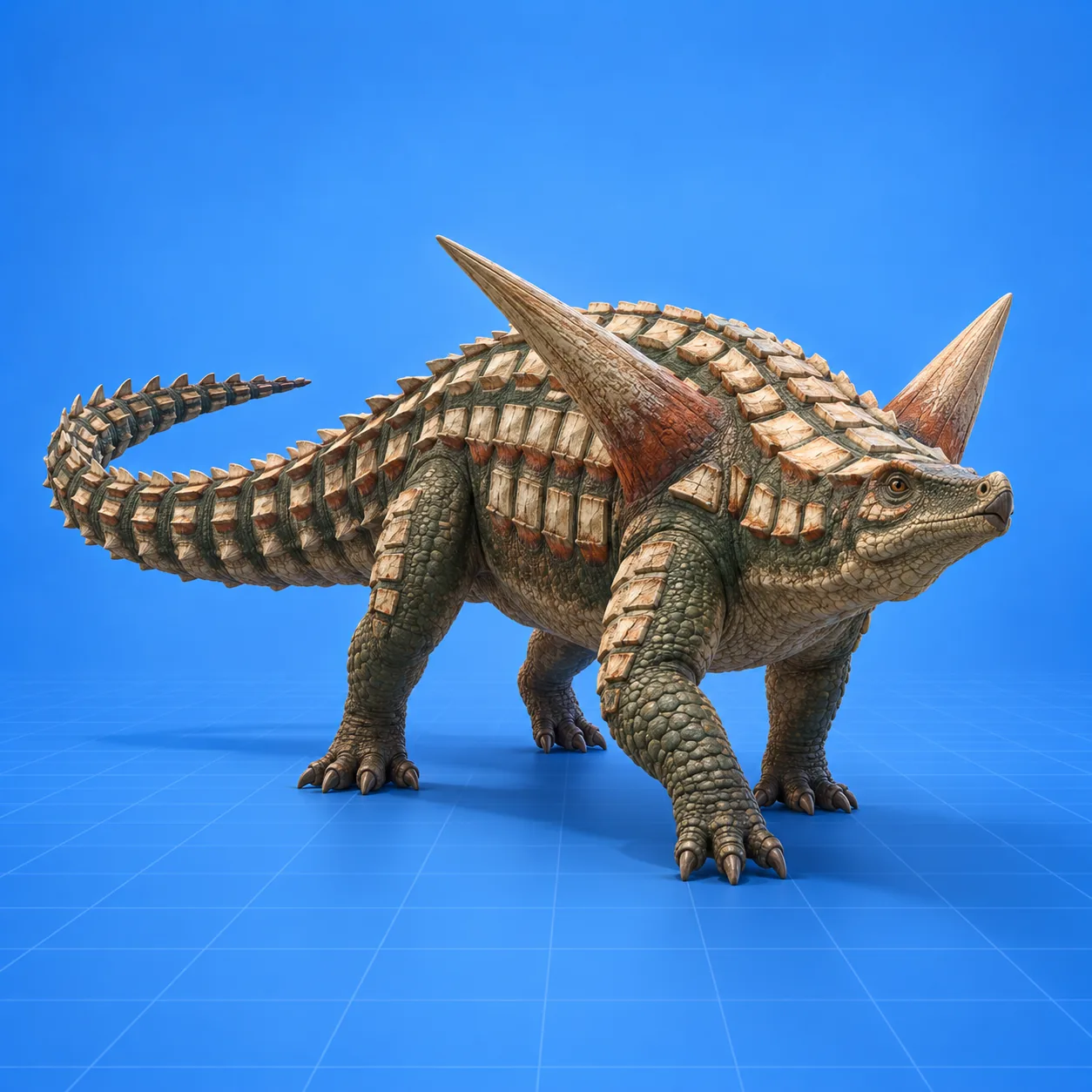 Reptile
Triassic
It was one of the largest aetosaurs, with specimens measuring about five meters in length.
Meet Desmatosuchus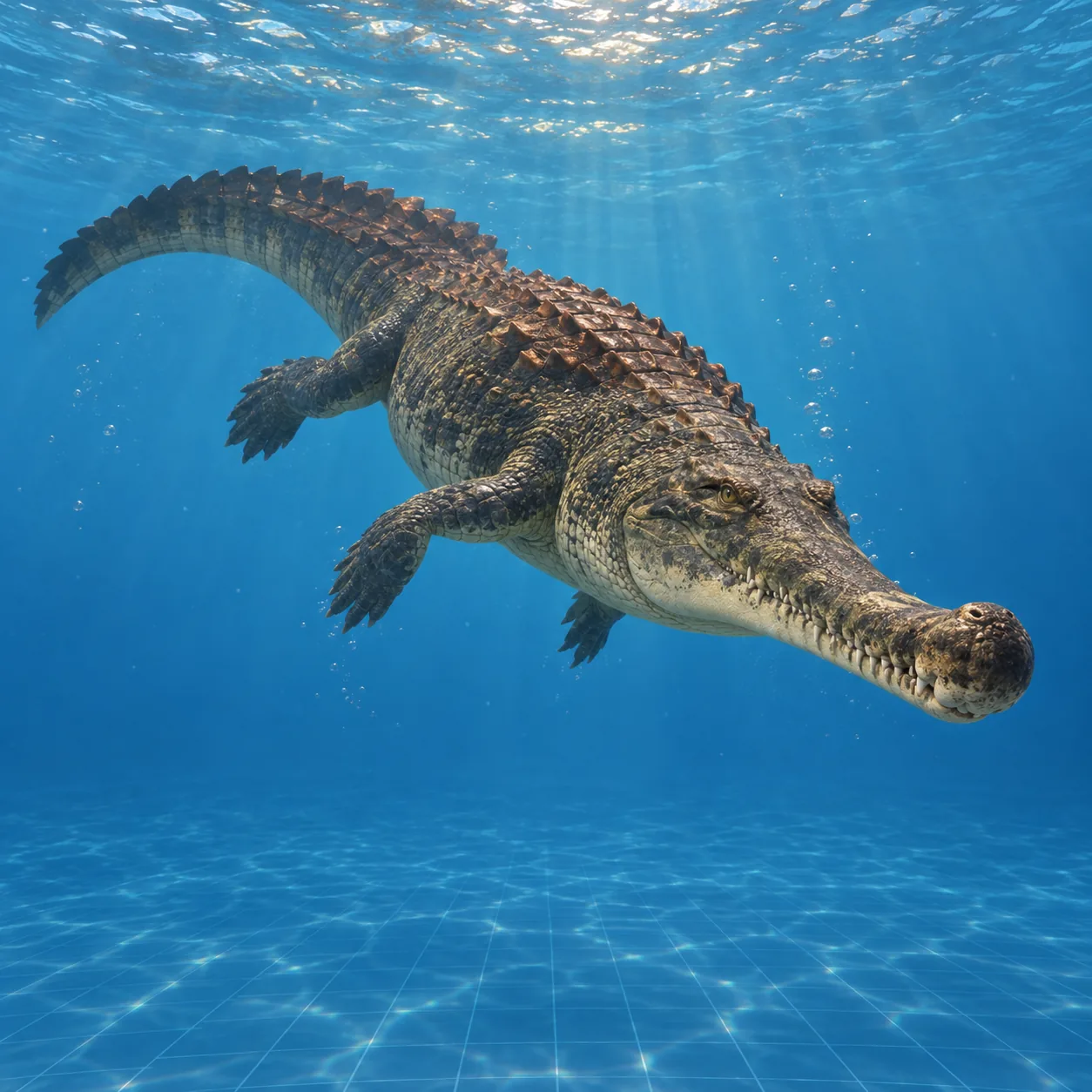 Reptile
Cretaceous
Many skeletal parts are known, including bony plates, jaws and a nearly complete skull.
Meet Sarcosuchus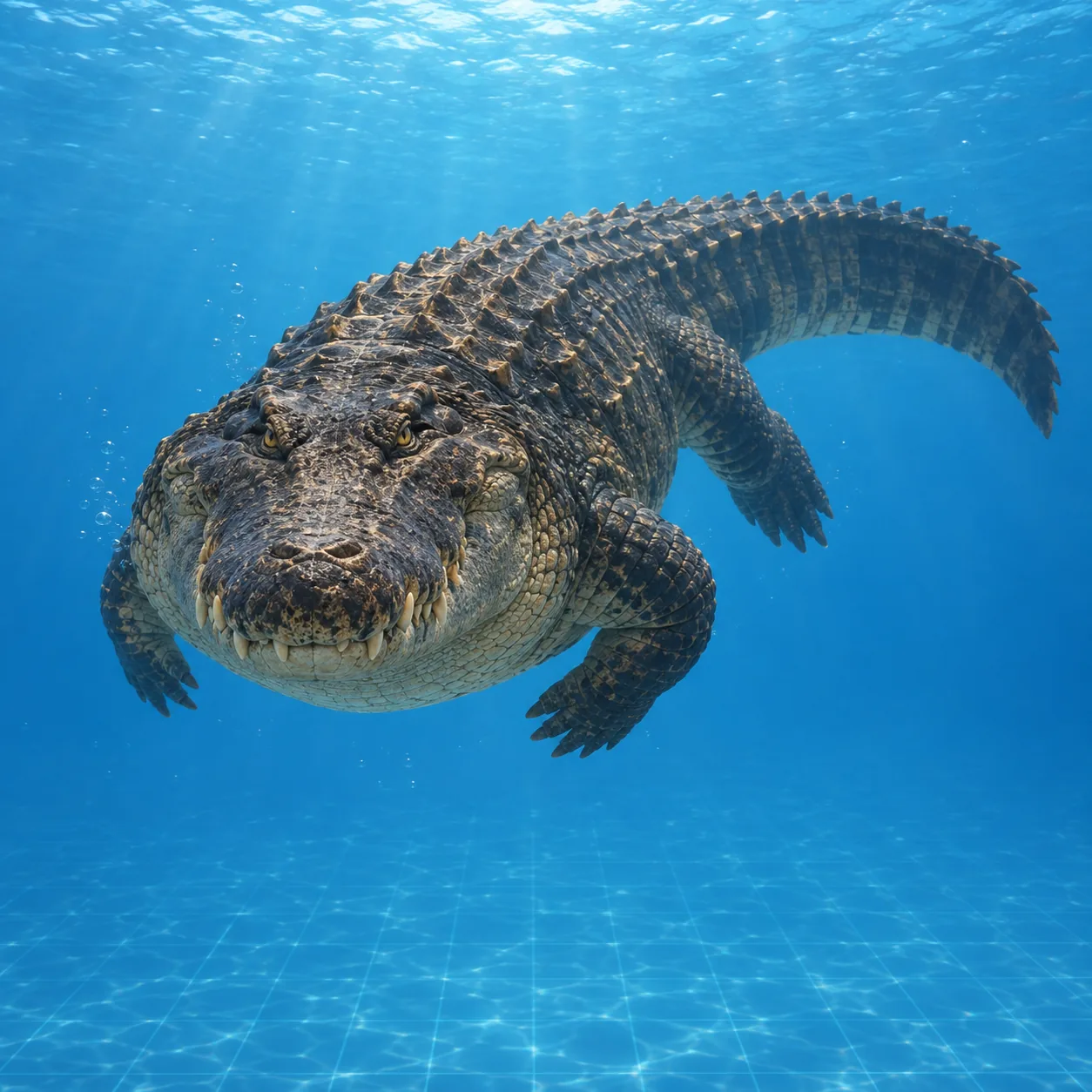 Reptile
Cretaceous
Its fossils have been found both in the United States and in northern Mexico.
Meet Deinosuchus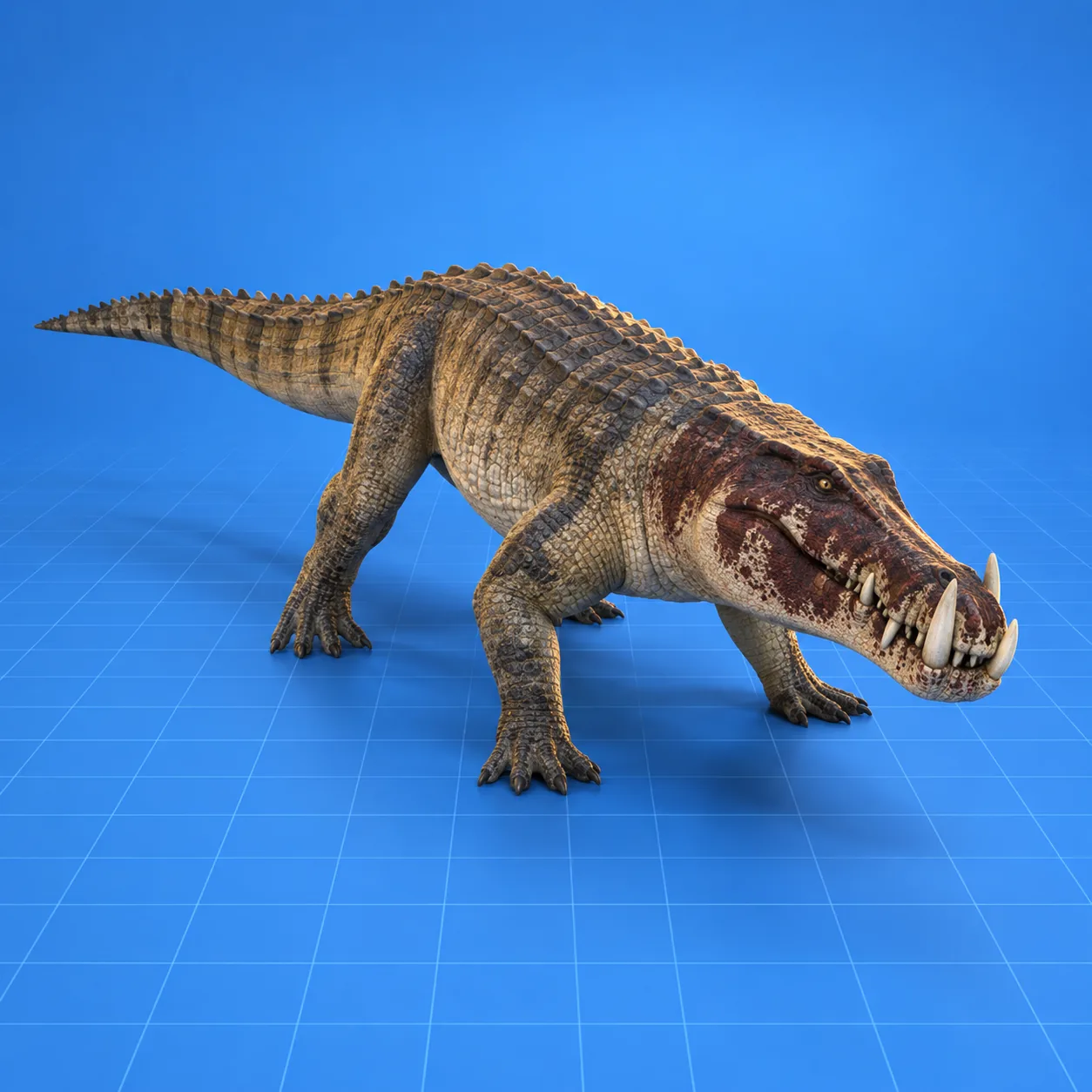 Reptile
Cretaceous
It is known from a nearly complete skull from Niger's Echkar Formation.
Meet Kaprosuchus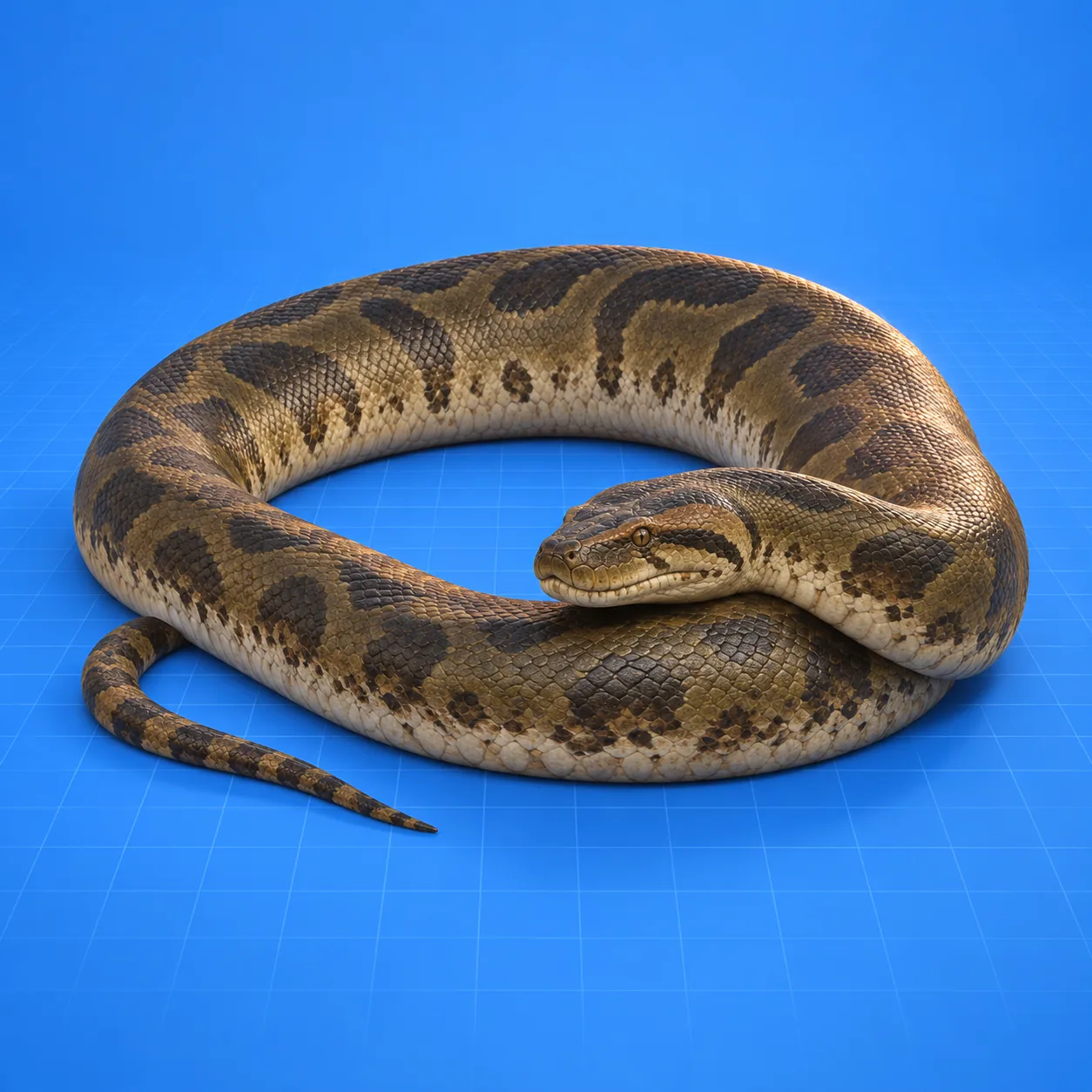 Reptile
Paleogene
It is among the largest snakes discovered in the fossil record.
Meet Titanoboa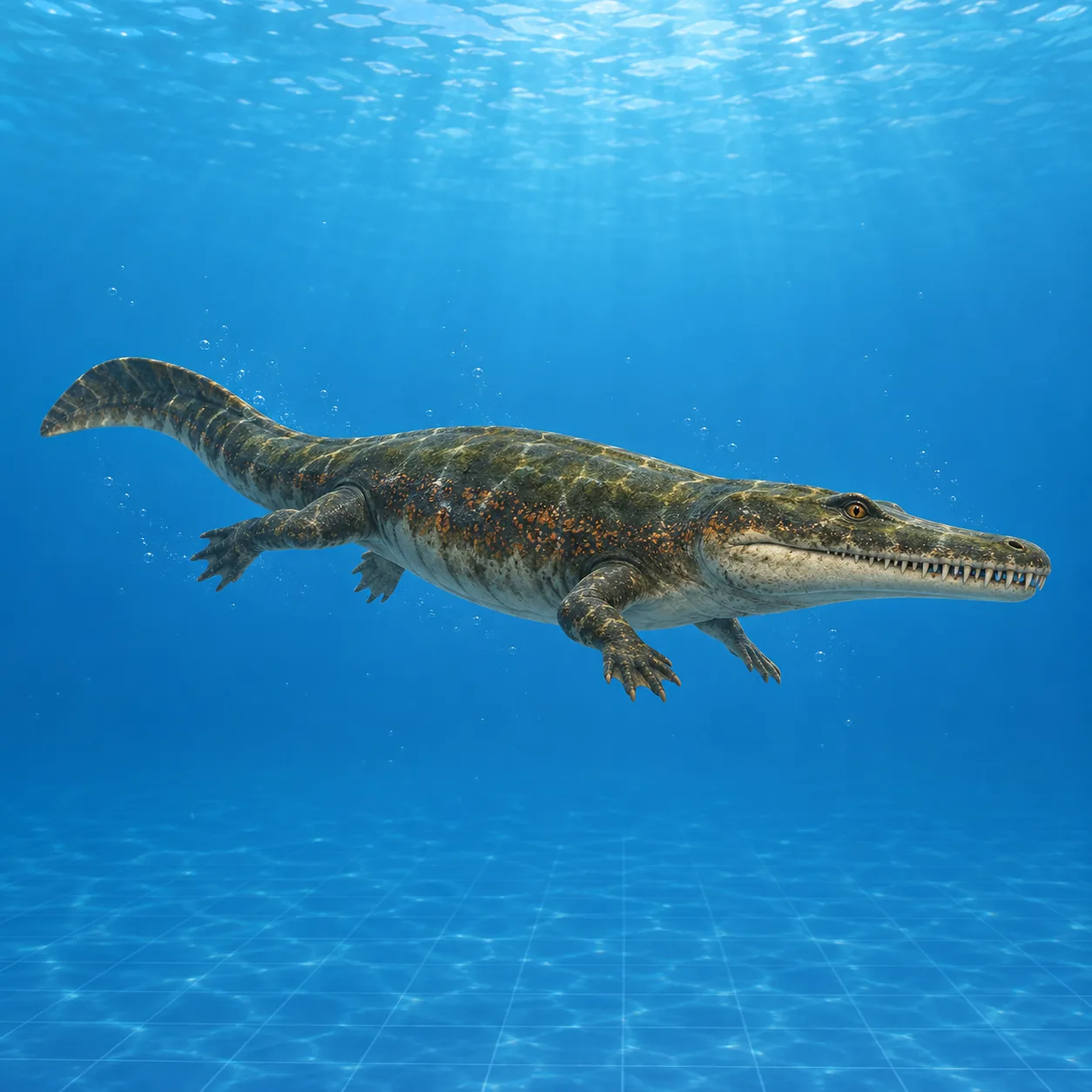 Amphibian
Permian
Its long snout and sharp teeth are reminiscent of those of a gharial, although it was an amphibian.
Meet PrionosuchusEach card identifies its kind of creature. Fictional characters are labeled and have their own game stories. AI-generated, stylized game illustrations. These designs and growth stages are imaginative, not scientific reconstructions.