
Invertebrate
Megarachne
Megarachne was originally interpreted as a giant spider before closer study supported a eurypterid identity.
Megarachne was originally interpreted as a giant spider before closer study supported a eurypterid identity. It is a memorable example of how a fossil reconstruction can change after renewed examination.
Three stages. One companion.
Game artwork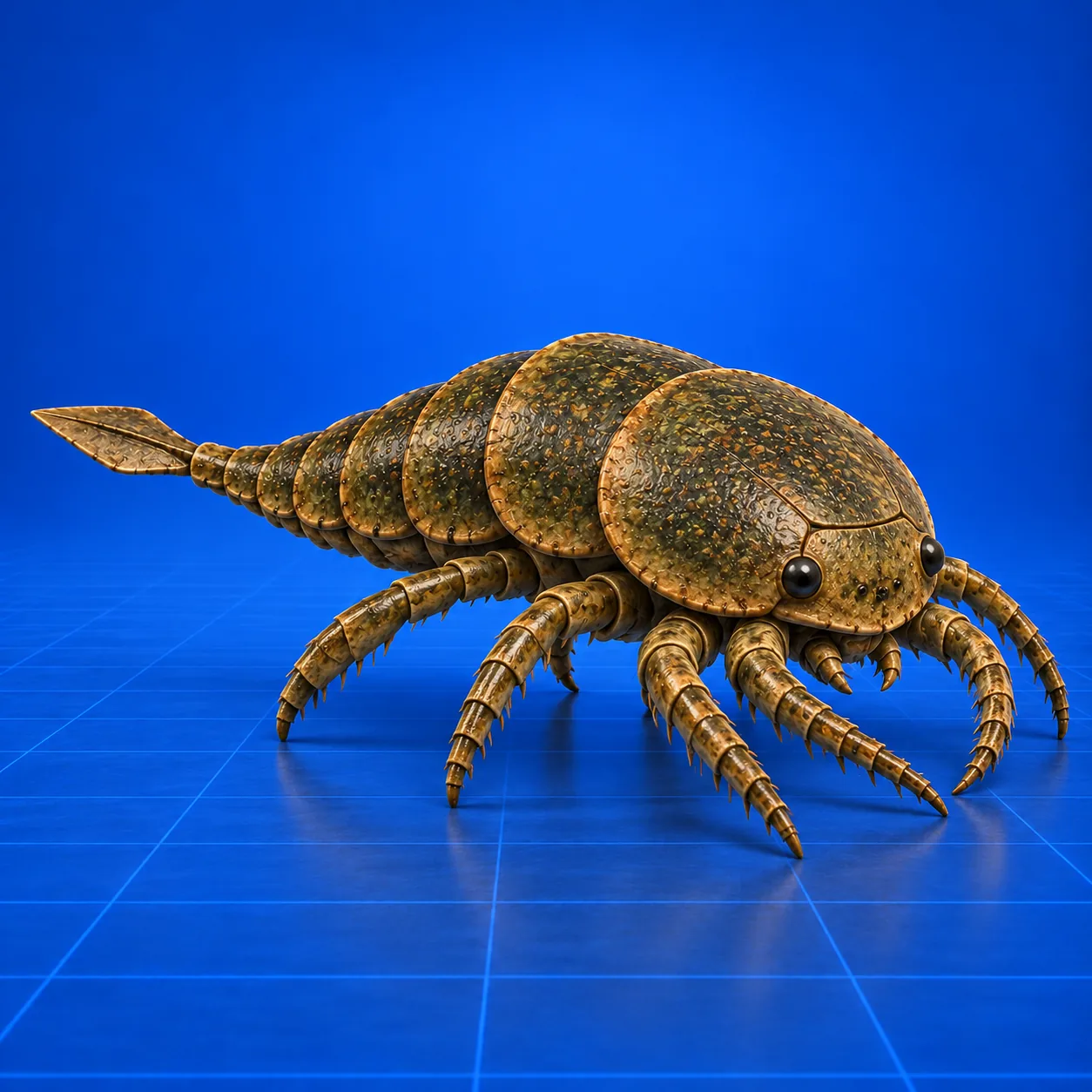
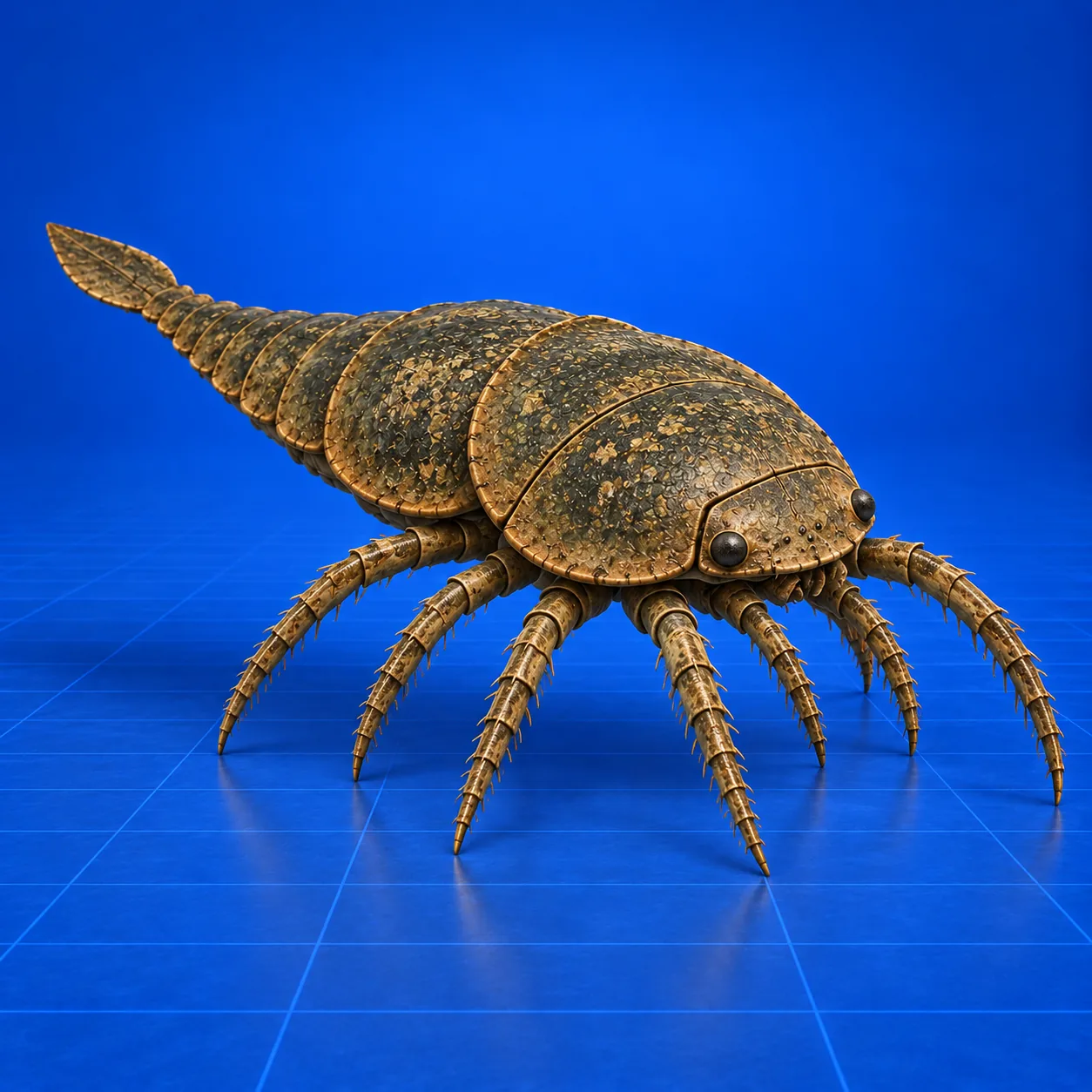
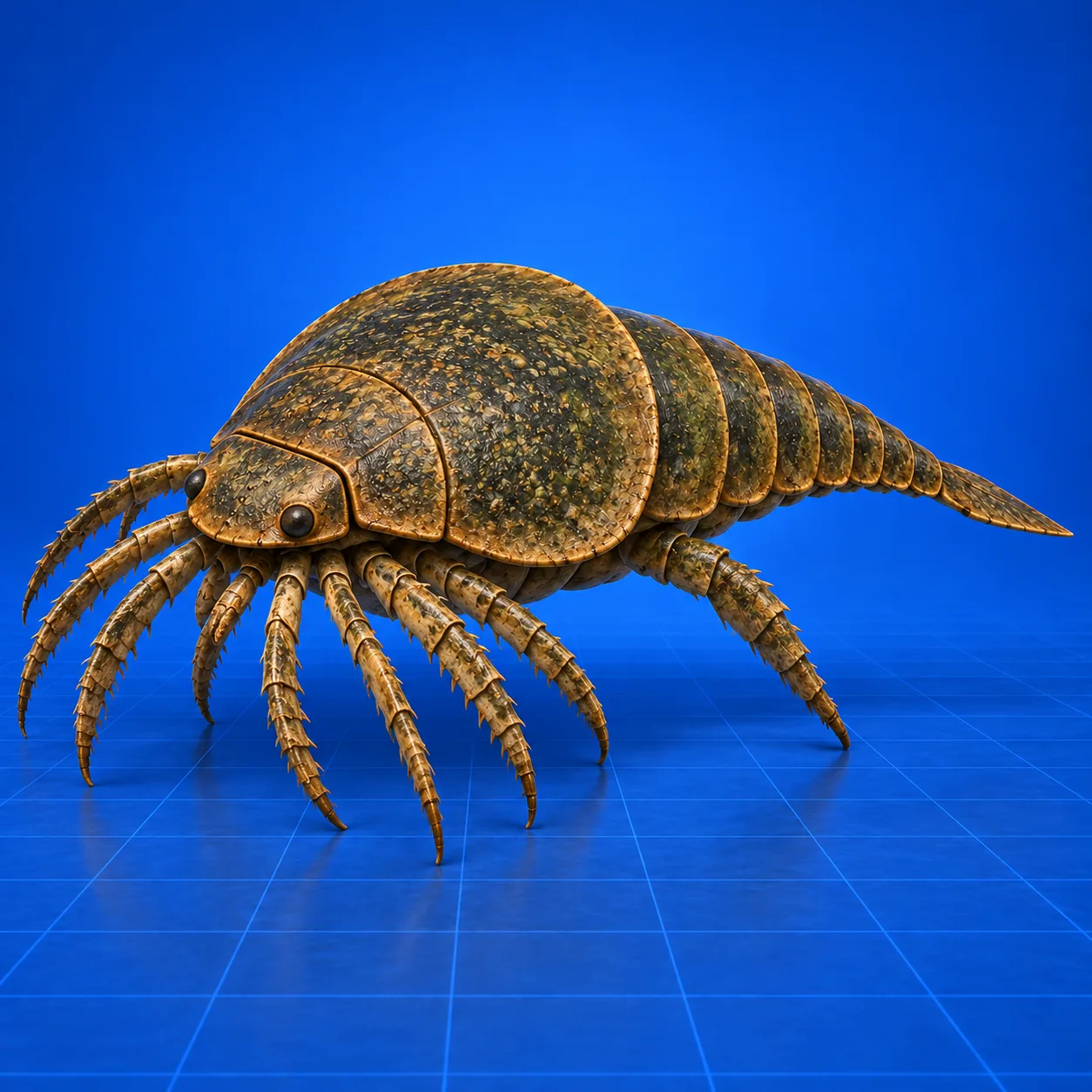
AI-generated, stylized game illustrations. These designs and growth stages are imaginative, not scientific reconstructions.
Megarachne at a glance
- Diet
- Diet uncertain
- When it lived
- Carboniferous
- Group
- Mycteropidae
- Mycteropidae
Beyond the game
The real Megarachne
Megarachne was originally interpreted as a giant spider before closer study supported a eurypterid identity. It is a memorable example of how a fossil reconstruction can change after renewed examination.
Re-examination of the fossil changed a famous reconstruction from a giant spider to an aquatic eurypterid. It illustrates how new anatomical interpretation can alter the identity of a familiar-looking fossil.
Fossil discoveries
Selected fossil records · present-day map
Map references
Map: Natural Earth, public domain. Fossil records: Paleobiology Database and linked collections and publications.Sources & text credits
Explore the references behind this profile.
- The true identity of the supposed giant fossil spider Megarachne
- Paleobiology Database: Megarachne servinei (txn:177148)
Original English Dinosgacha summaries informed by the linked scientific and museum references; source publications retain their own rights.