
Invertebrate
Stanleycaris
Stanleycaris was a radiodont whose fossils preserve remarkable detail in the head region.
Stanleycaris was a radiodont whose fossils preserve remarkable detail in the head region. Its three-eye arrangement gives it a distinctive appearance within that early arthropod-related group.
Three stages. One companion.
Game artwork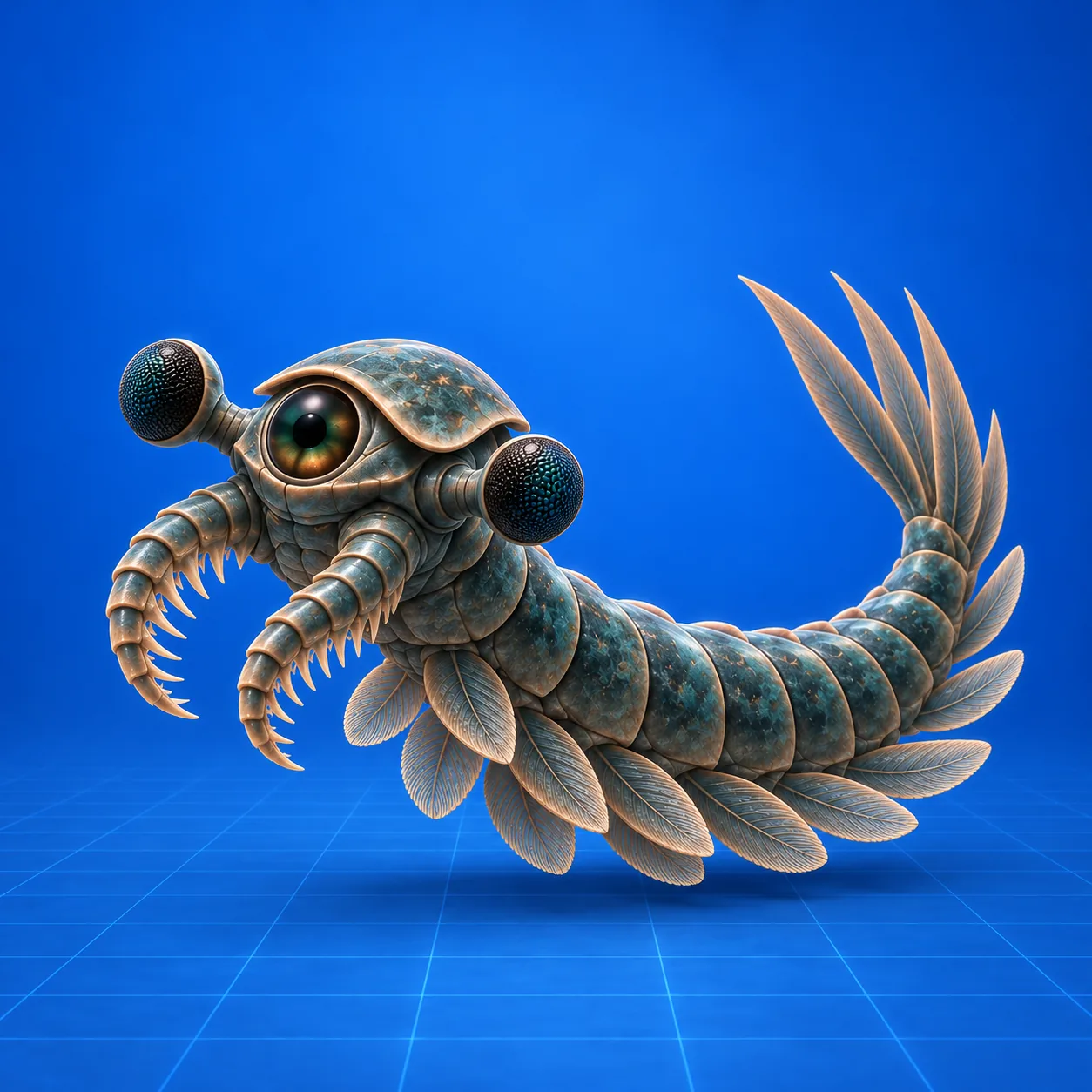
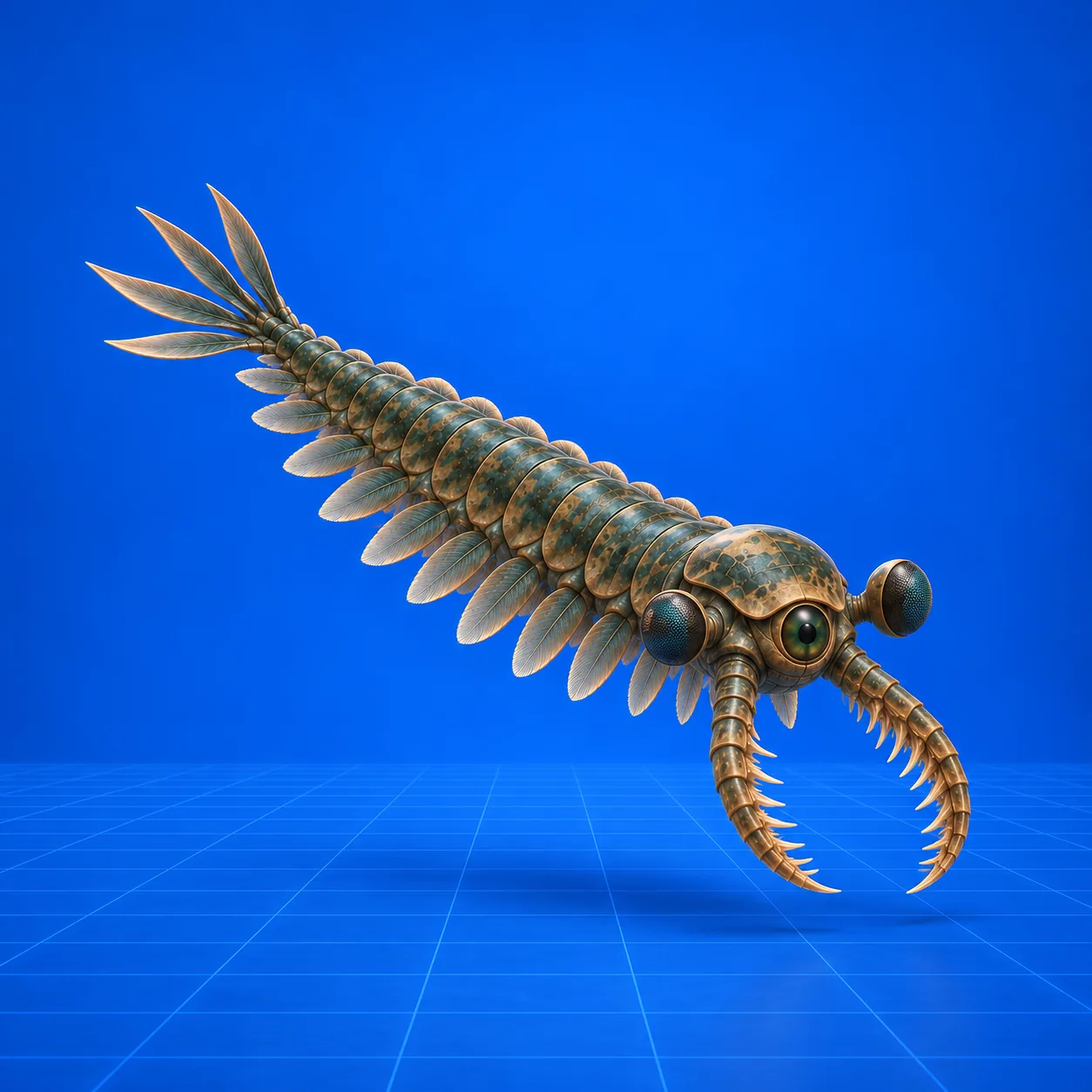
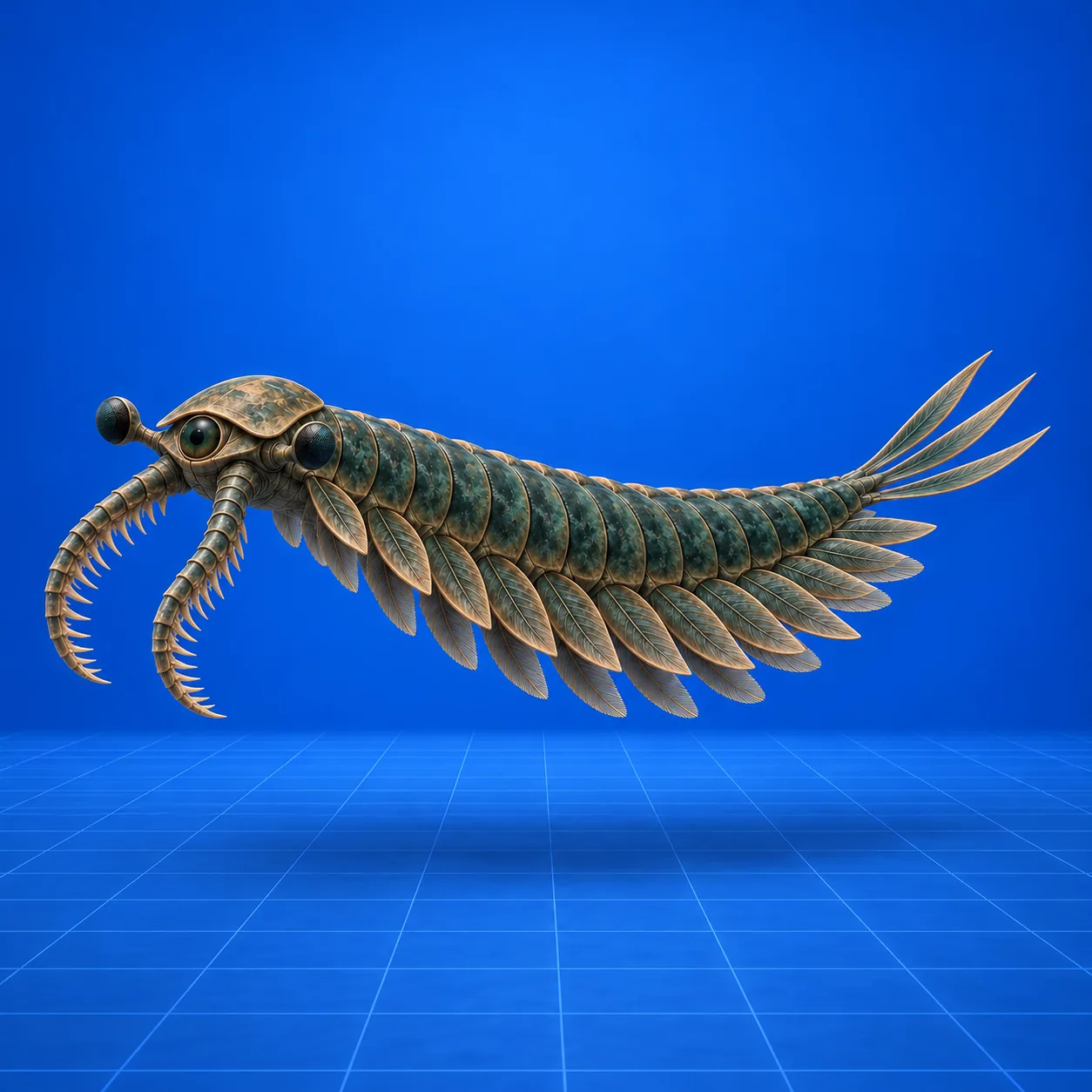
AI-generated, stylized game illustrations. These designs and growth stages are imaginative, not scientific reconstructions.
Stanleycaris at a glance
- Diet
- Carnivore
- Its feeding structures are interpreted as adapted to taking animal prey.
- When it lived
- Cambrian
- Group
- Hurdiidae
- Hurdiidae
Beyond the game
The real Stanleycaris
Stanleycaris was a radiodont whose fossils preserve remarkable detail in the head region. Its three-eye arrangement gives it a distinctive appearance within that early arthropod-related group.
Its head includes a distinctive three-eye arrangement. Segmented frontal appendages and swimming flaps complete a body plan unlike that of any vertebrate.
Fossil discoveries
Selected fossil records · present-day map
Map references
Map: Natural Earth, public domain. Fossil records: Paleobiology Database and linked collections and publications.Sources & text credits
Explore the references behind this profile.
- Royal Ontario Museum: Stanleycaris hirpex
- A three-eyed radiodont with fossilized neuroanatomy informs the origin of the arthropod head and segmentation
- Paleobiology Database: Stanleycaris hirpex (txn:491153)
Original English Dinosgacha summaries informed by the linked scientific and museum references; source publications retain their own rights.