 Invertebrate
Permian
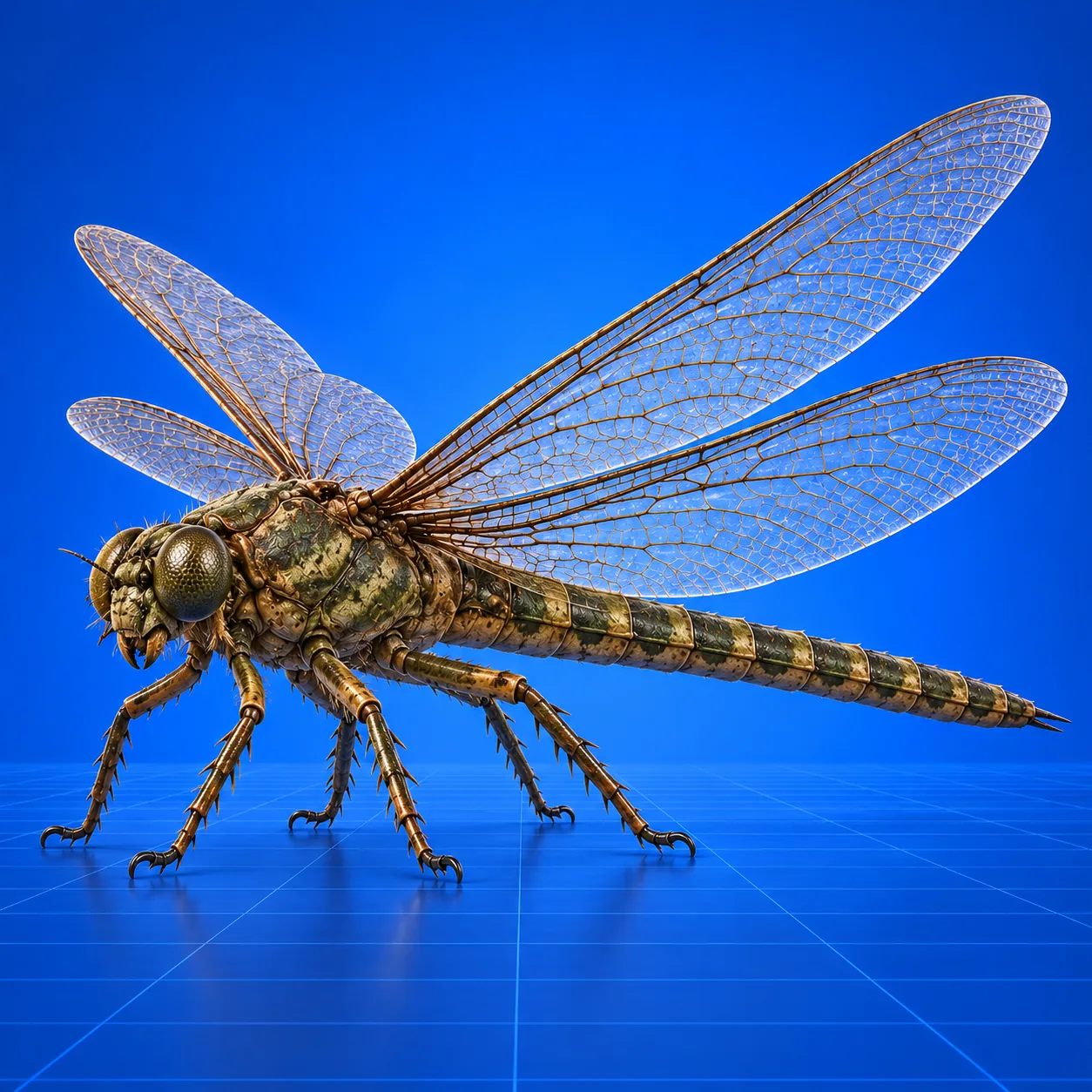
Meganeuropsis
Meganeuropsis was a large griffinfly, an extinct insect related to the broader dragonfly-like lineage.
Meet Meganeuropsis Dinosgacha
The Dinosgacha encyclopedia
Discover dinosaurs, extinct plants, other animals and fictional game companions. Explore their stories and see all three stages of their artwork.
Showing 529–552 of 578 creatures
InvertebratePermian
Meganeuropsis was a large griffinfly, an extinct insect related to the broader dragonfly-like lineage.
Meet Meganeuropsis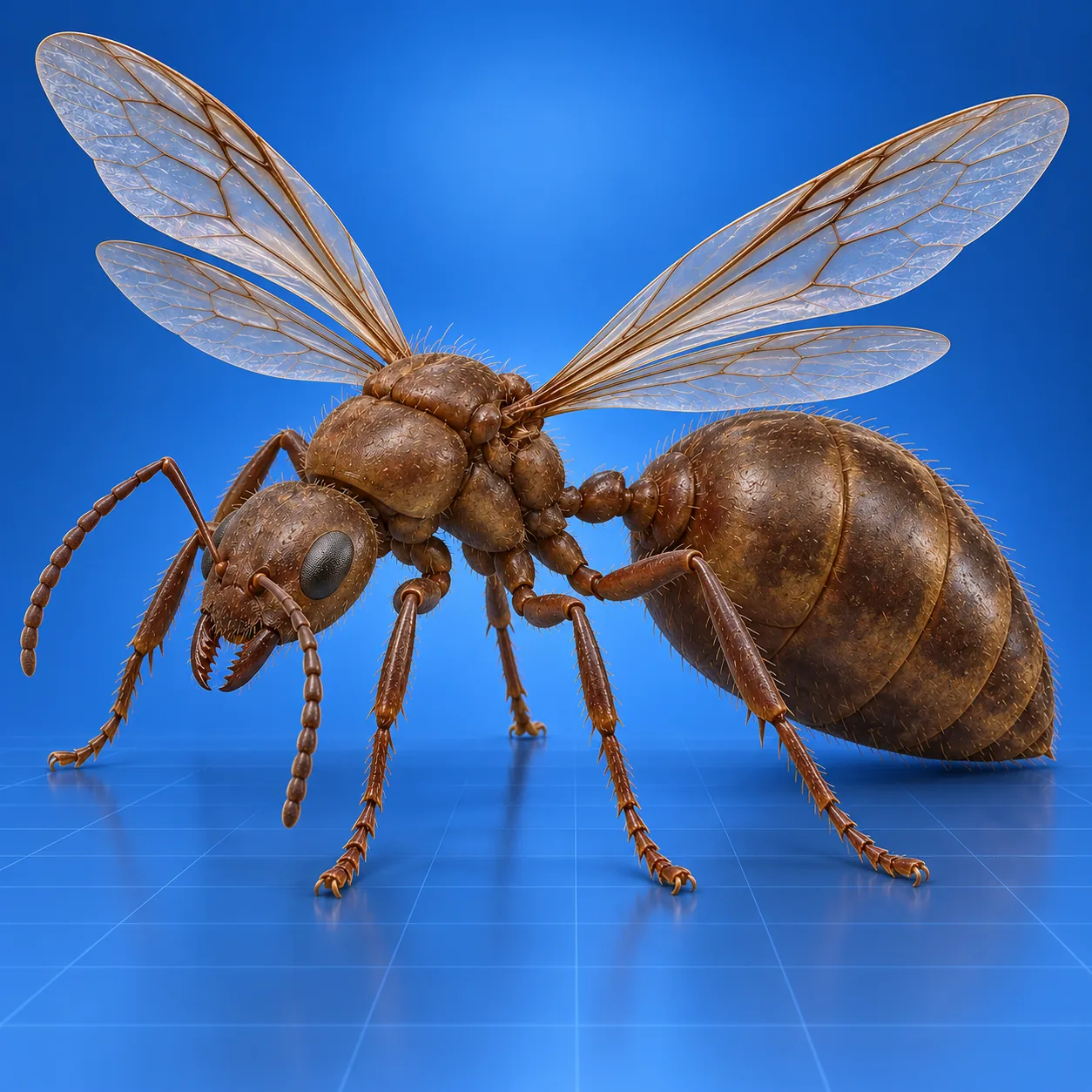 Invertebrate
Eocene
Titanomyrma was a large fossil ant with a particularly impressive winged queen form.
Meet Titanomyrma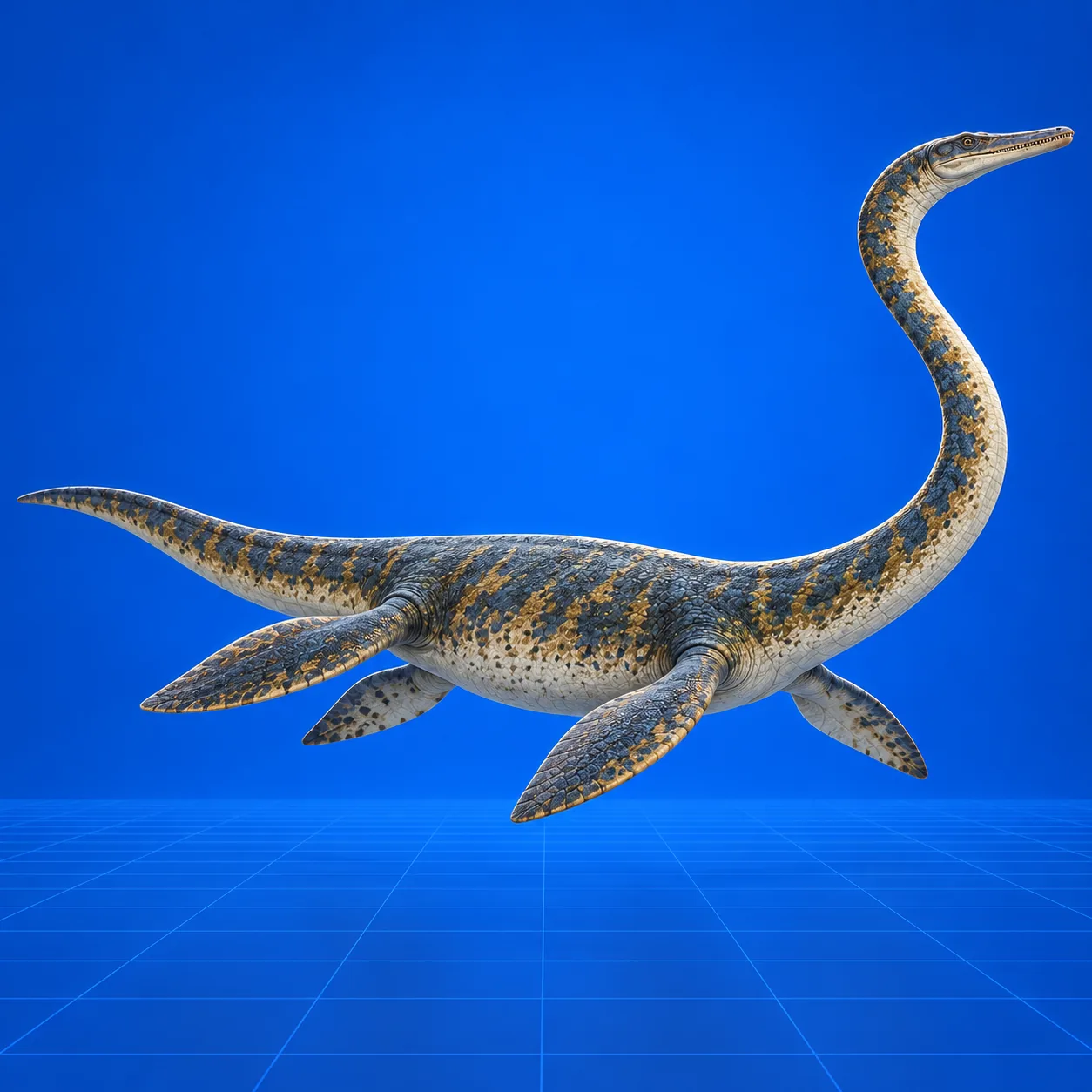 Marine reptile
Triassic
Dinocephalosaurus was a marine reptile with an exceptionally long neck and a small head.
Meet Dinocephalosaurus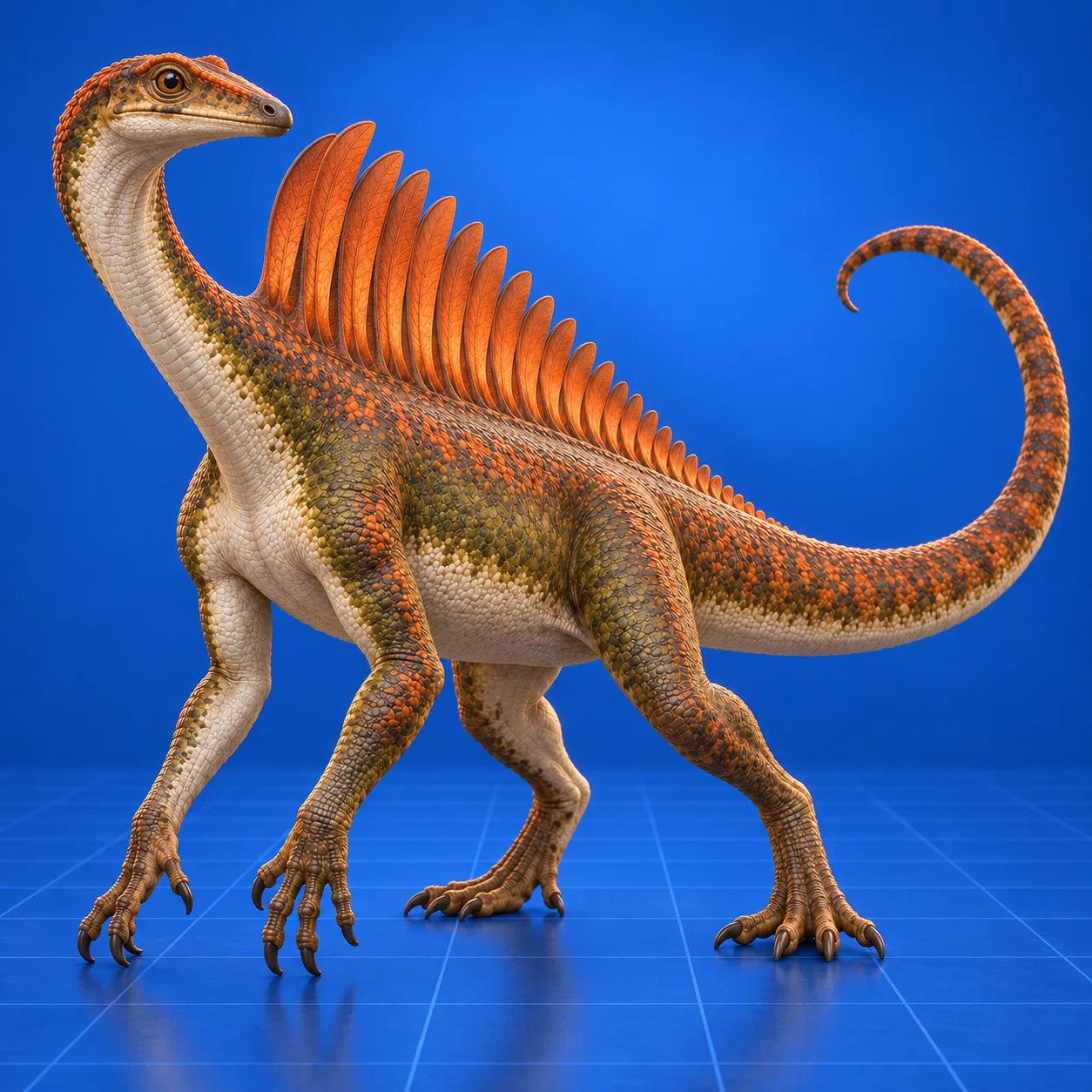 Reptile
Triassic
Mirasaura is known for an extraordinary array of elongated structures along its back.
Meet Mirasaura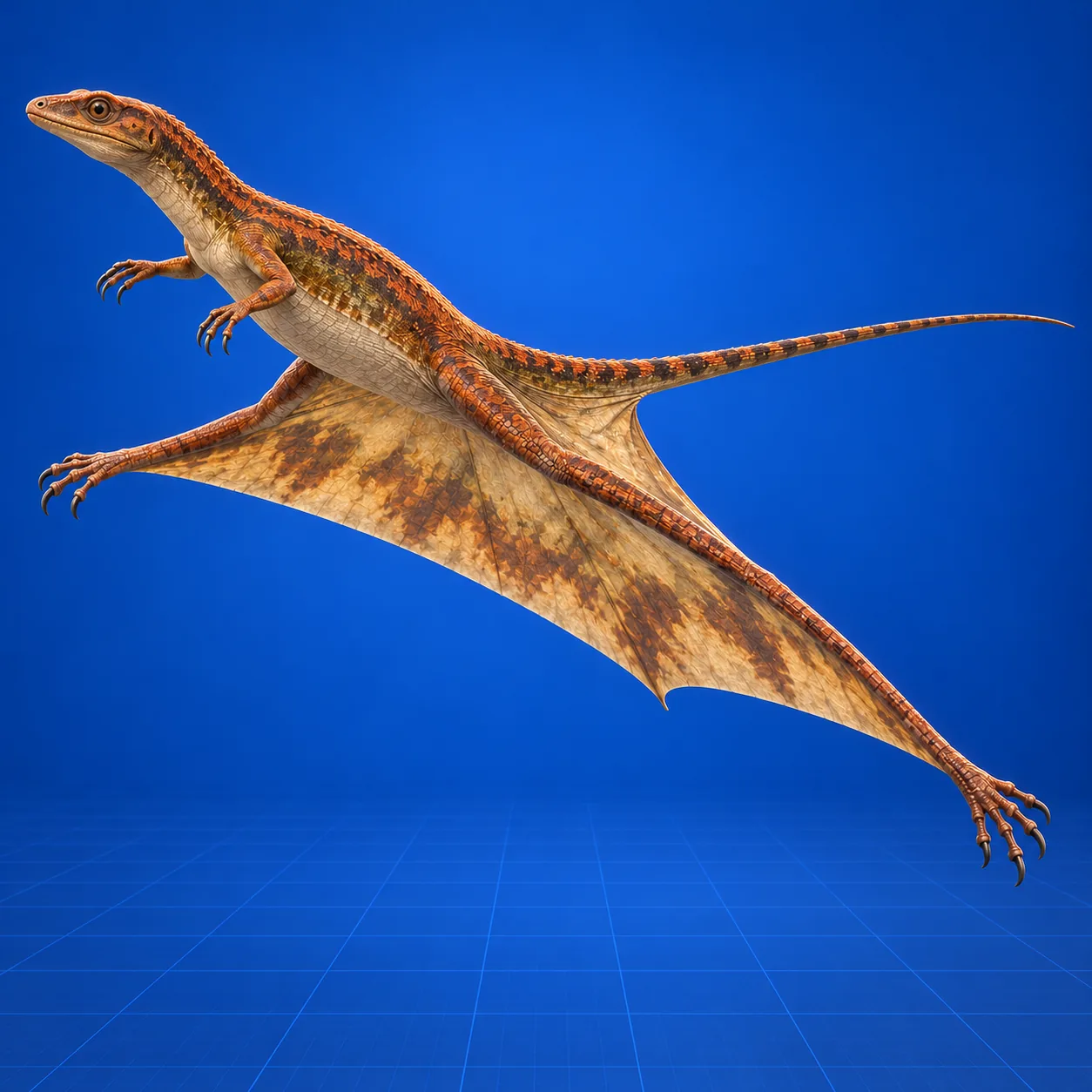 Reptile
Triassic
Sharovipteryx was a small reptile with a gliding surface associated mainly with its greatly elongated hindlimbs.
Meet Sharovipteryx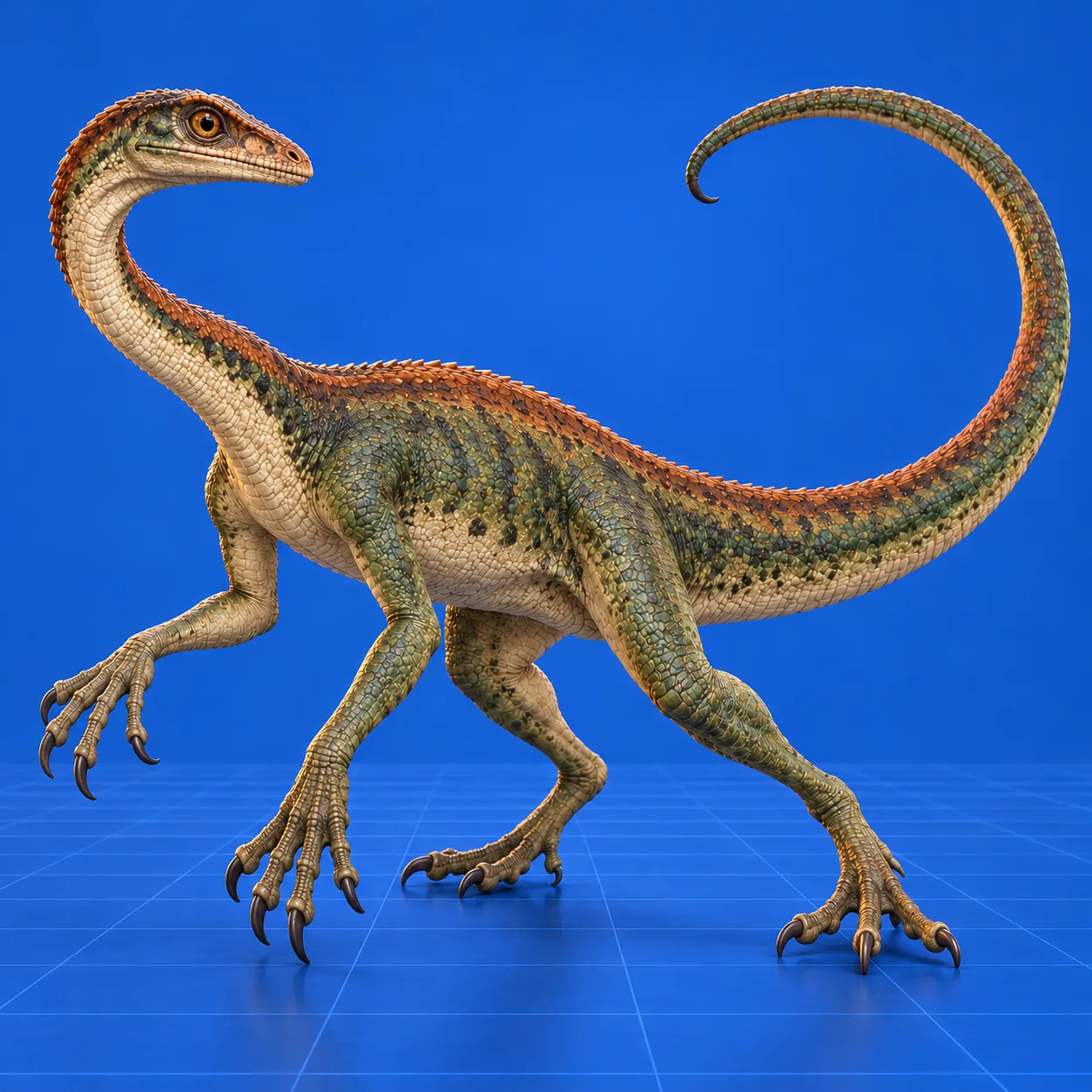 Reptile
Late Triassic
Megalancosaurus was a small reptile with a specialized grasping body plan.
Meet Megalancosaurus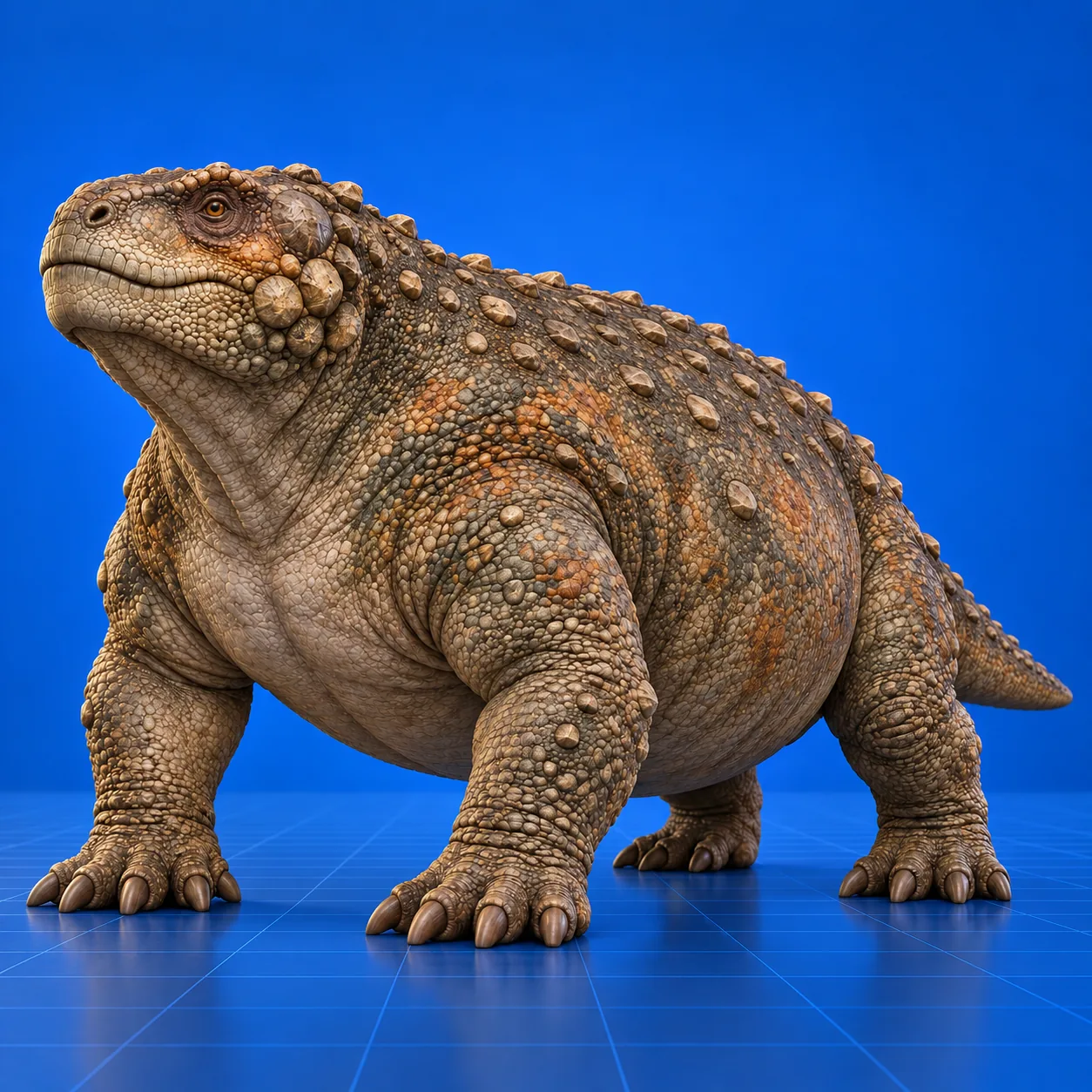 Reptile
Late Permian
Scutosaurus was a large pareiasaur with a broad body and bony protective structures in its skin.
Meet Scutosaurus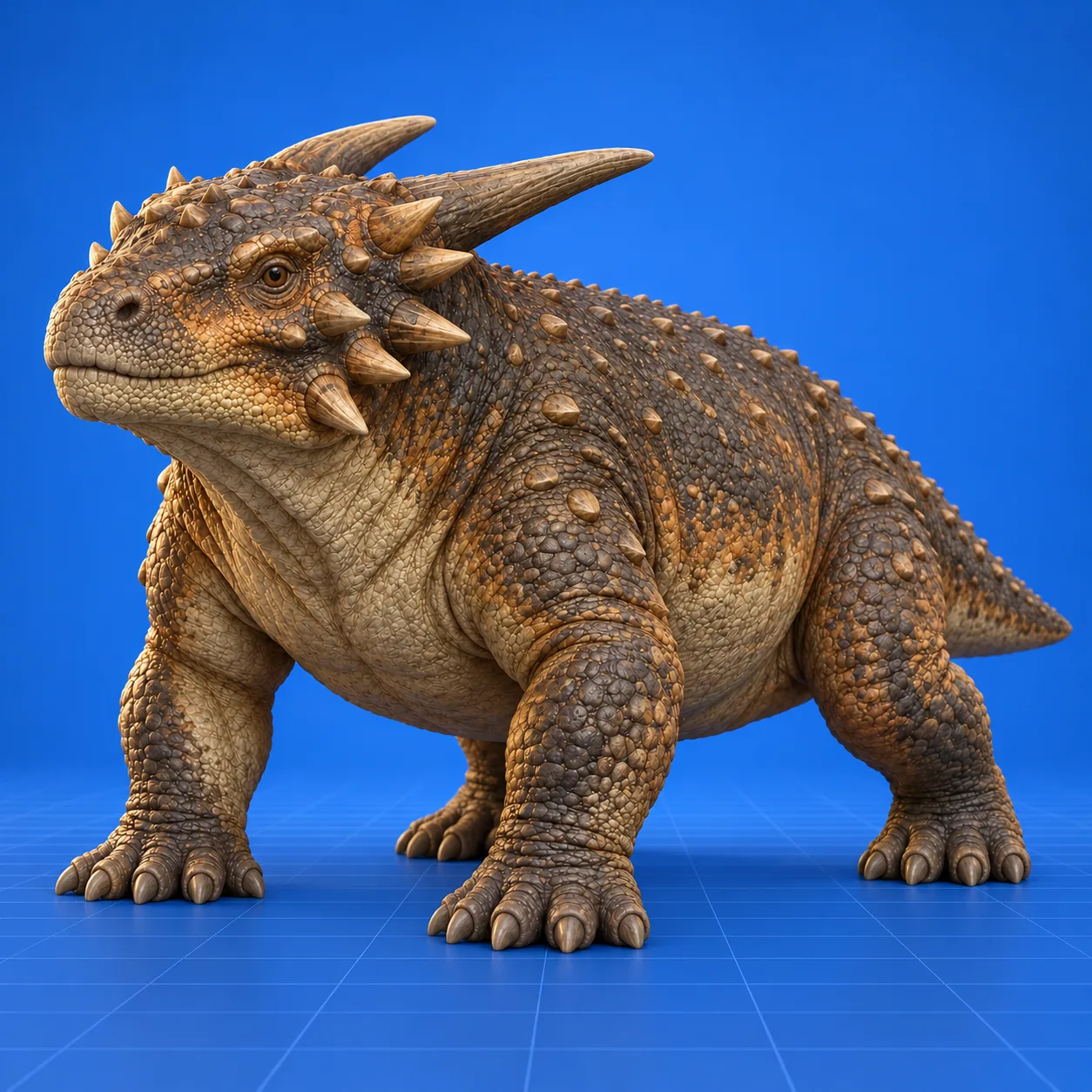 Reptile
Late Permian
Elginia was a pareiasaur known for a strikingly ornamented skull.
Meet Elginia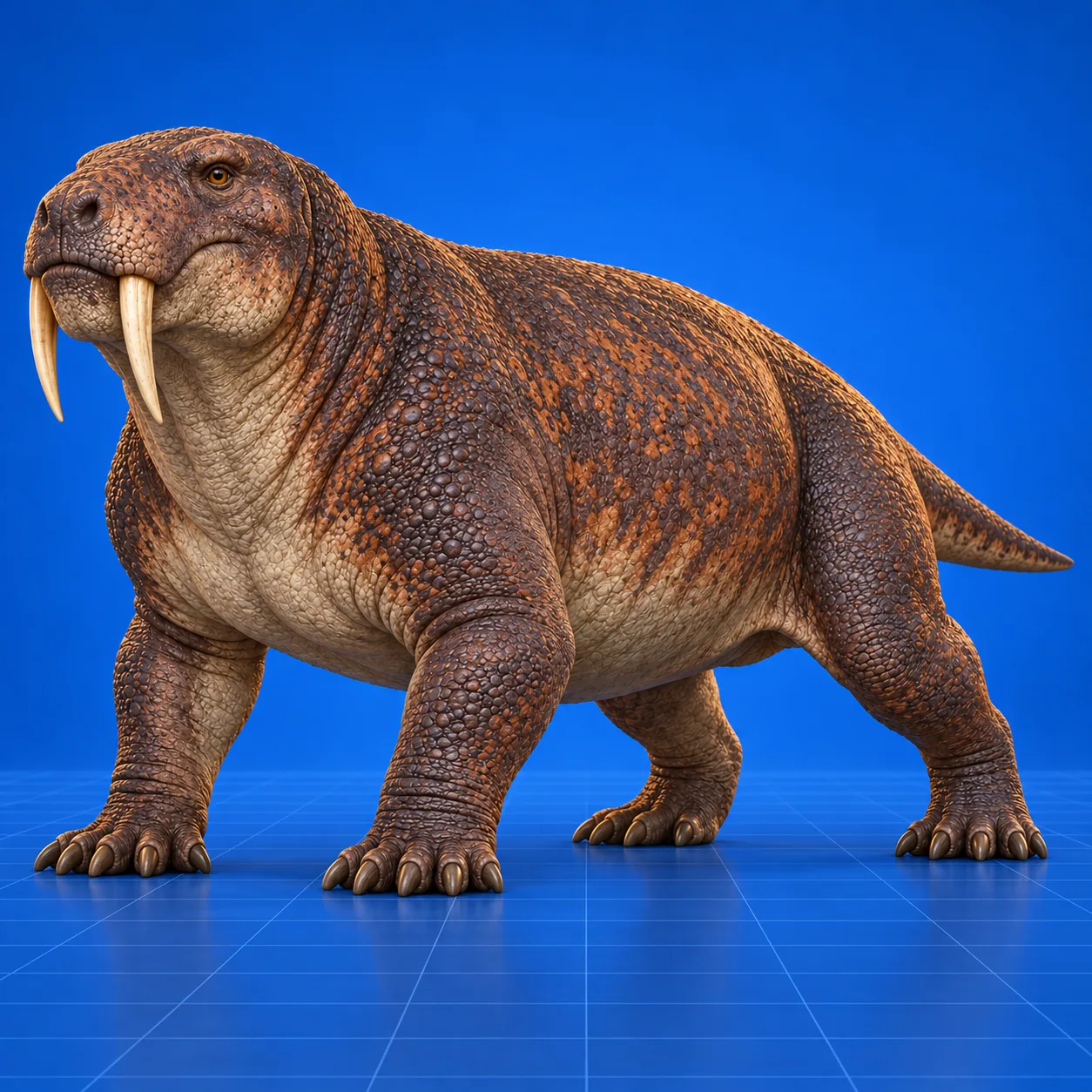 Synapsid
Permian
Tiarajudens was a synapsid with conspicuous saber-like canines despite evidence for plant processing.
Meet Tiarajudens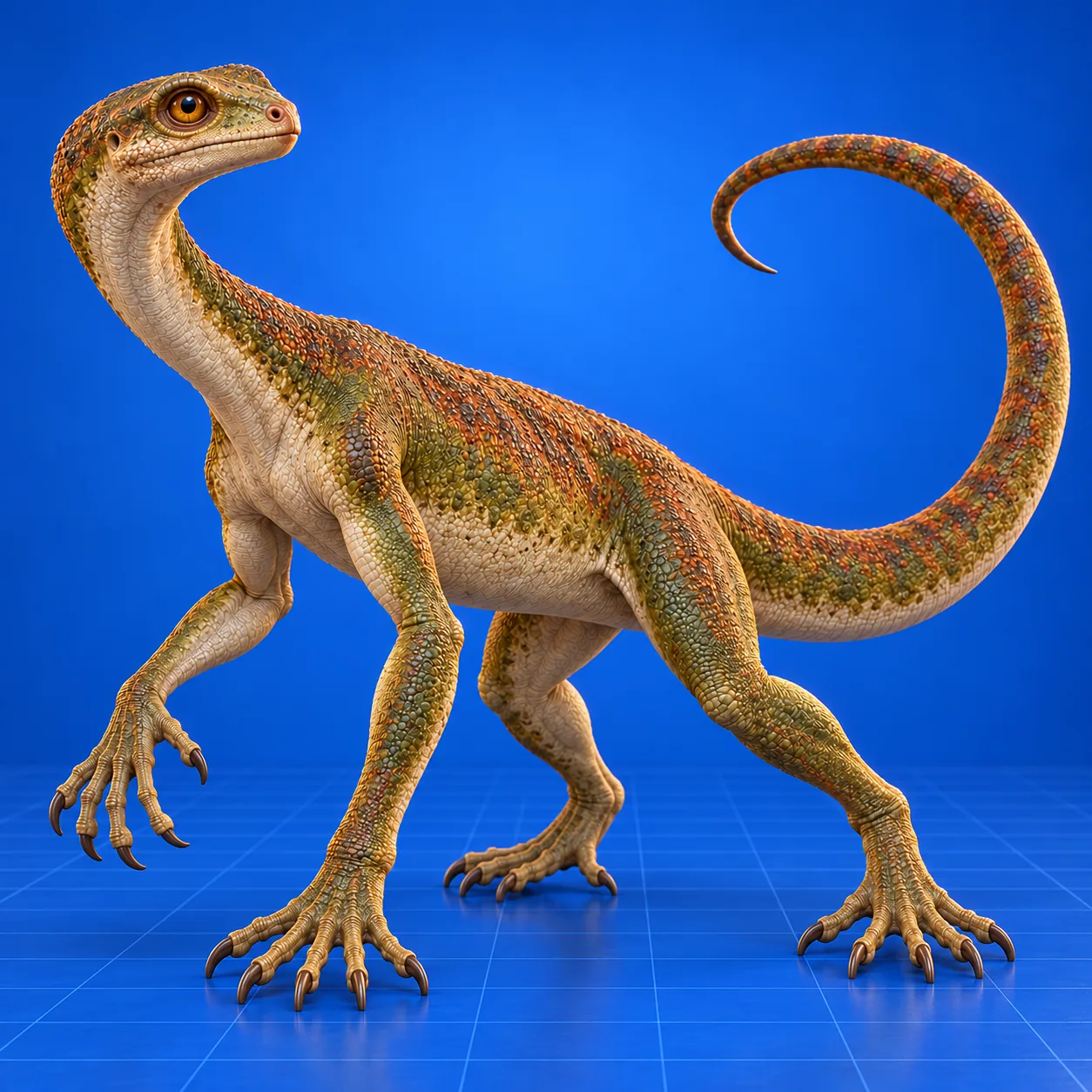 Synapsid
Late Permian
Suminia was a small synapsid with grasping adaptations in its limbs.
Meet Suminia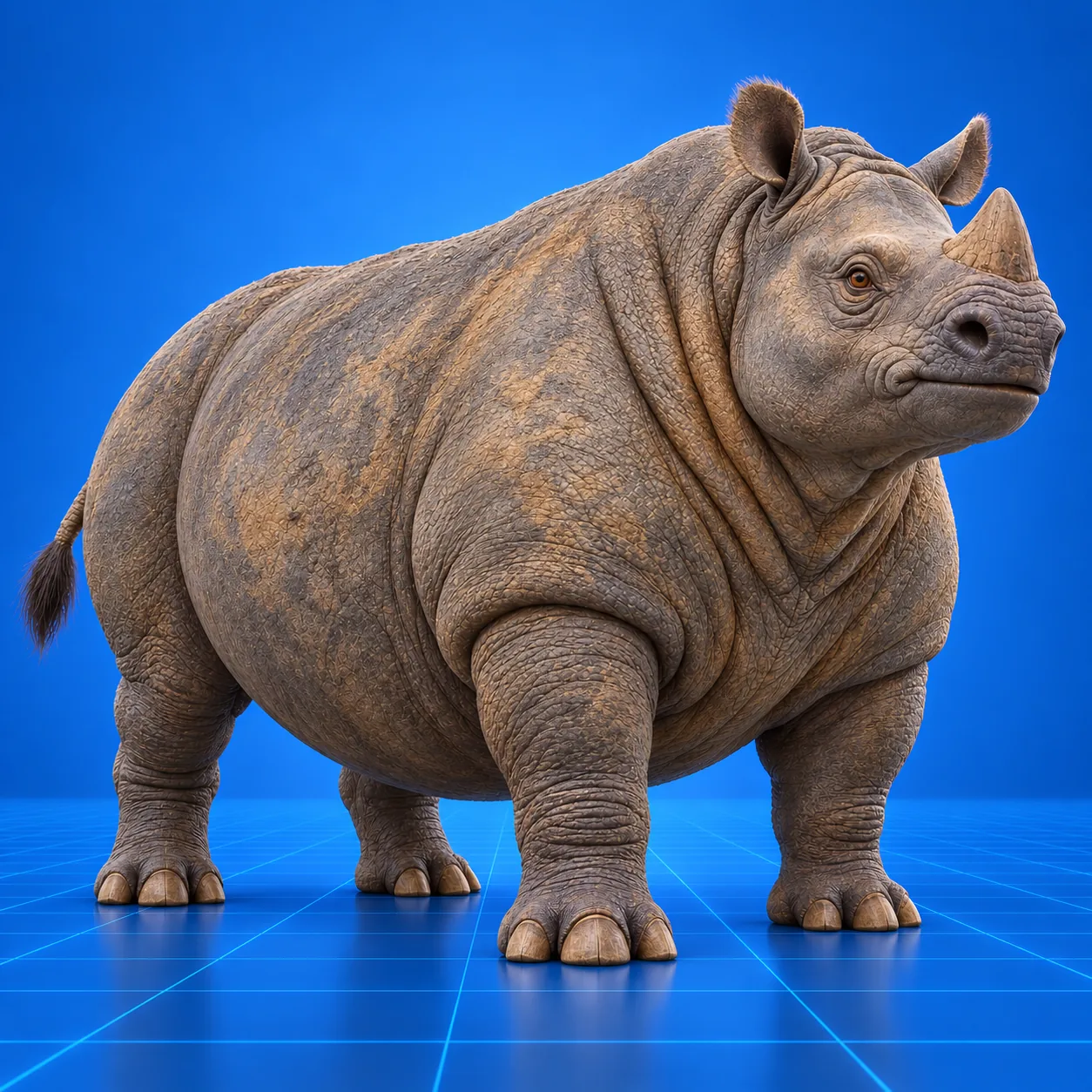 Mammal
Miocene
Teleoceras was a short-legged rhinoceros with a deep barrel-shaped body.
Meet Teleoceras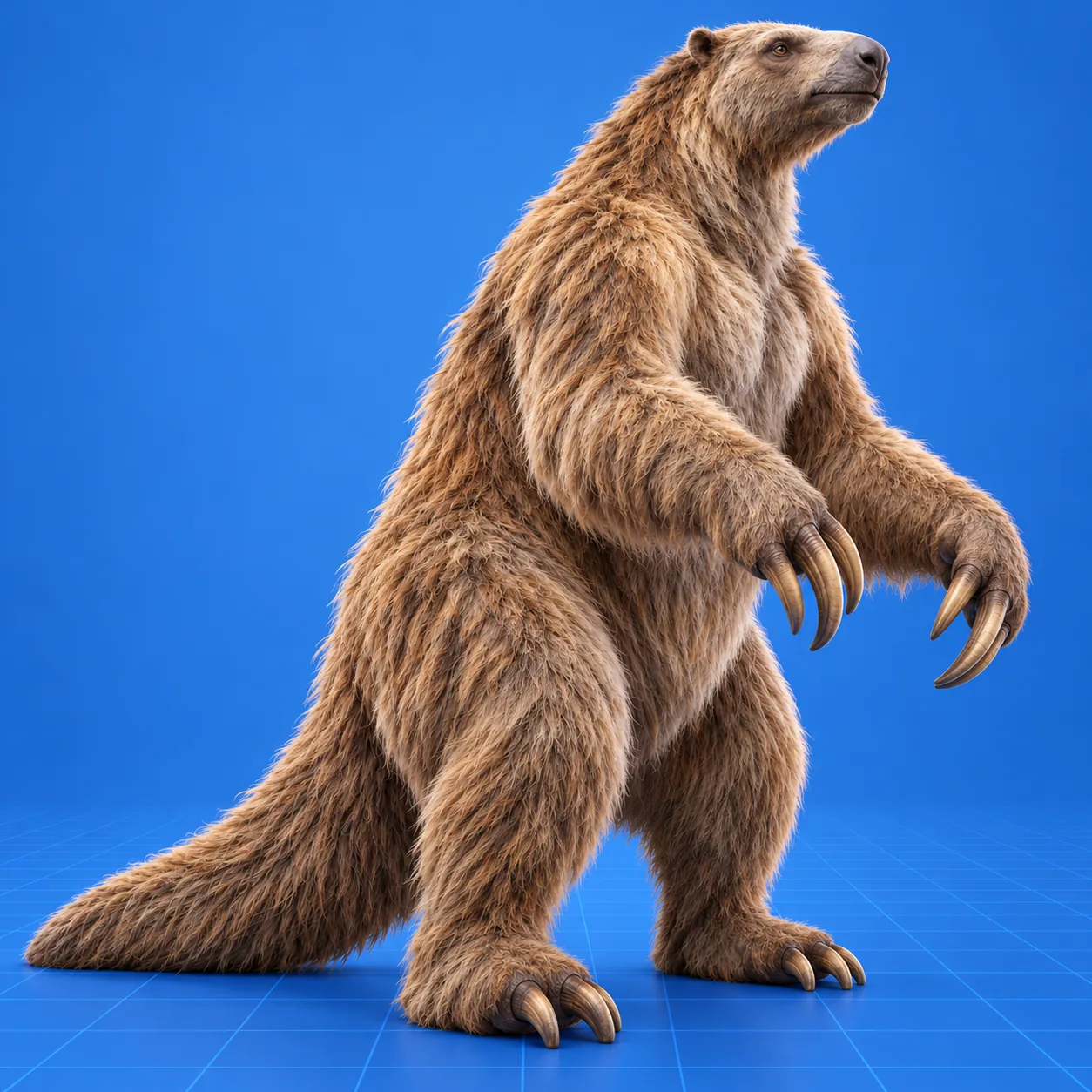 Mammal
Pleistocene
Eremotherium was a giant ground sloth with a massive body and powerful clawed forelimbs.
Meet Eremotherium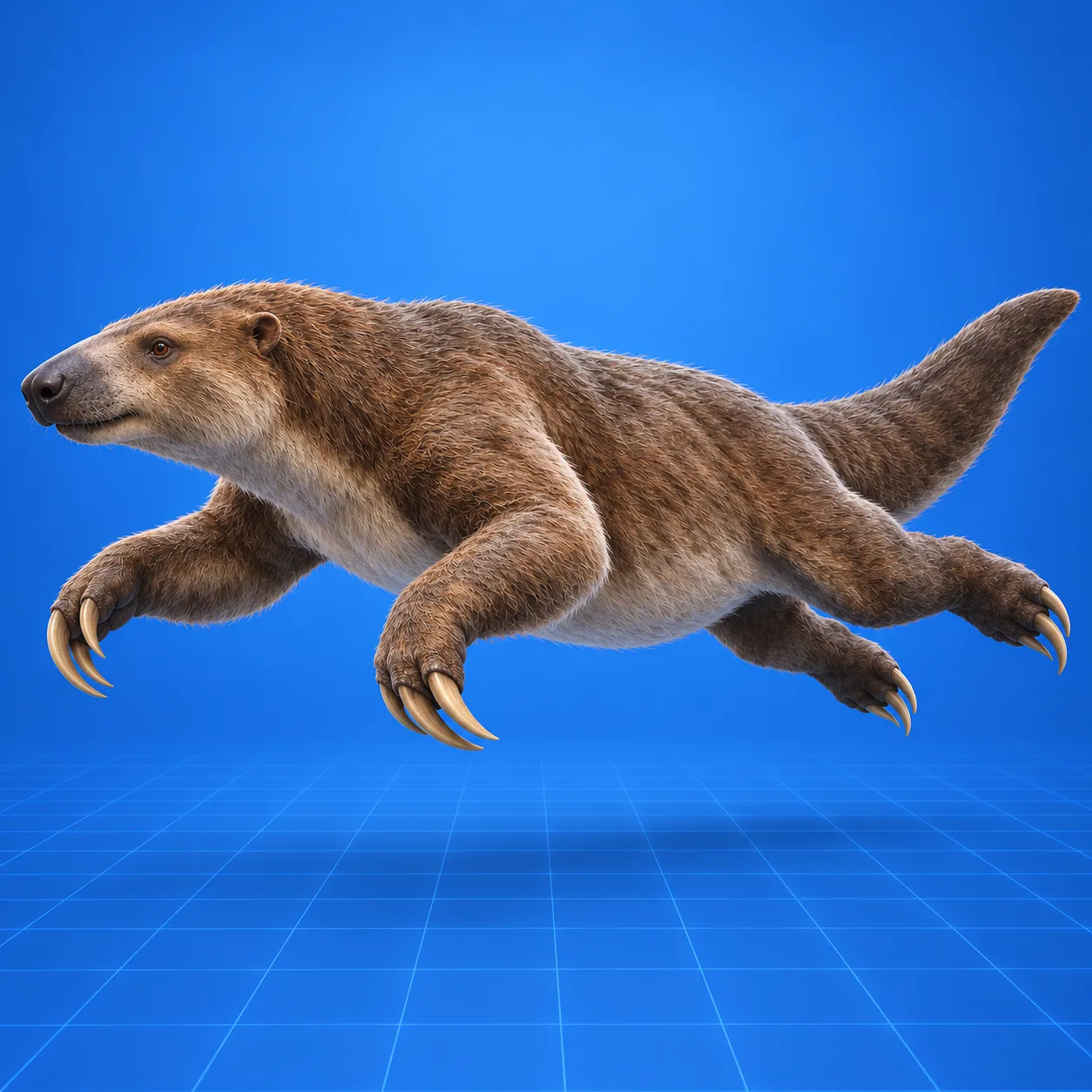 Mammal
Miocene and Pliocene
Thalassocnus was a sloth associated with an increasingly aquatic way of life.
Meet Thalassocnus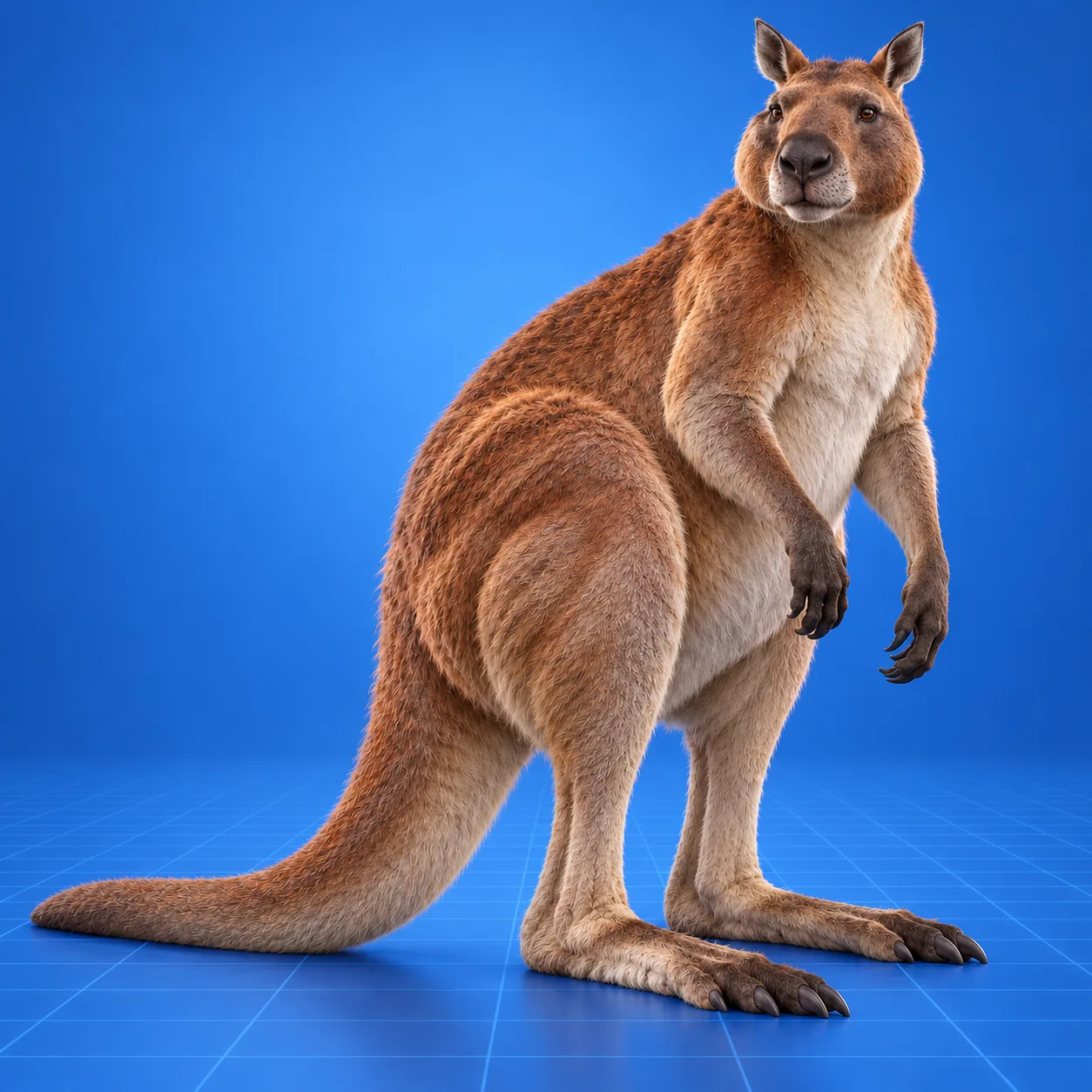 Mammal
Pleistocene
Simosthenurus was a short-faced kangaroo with a robust body and a distinctive skull.
Meet Simosthenurus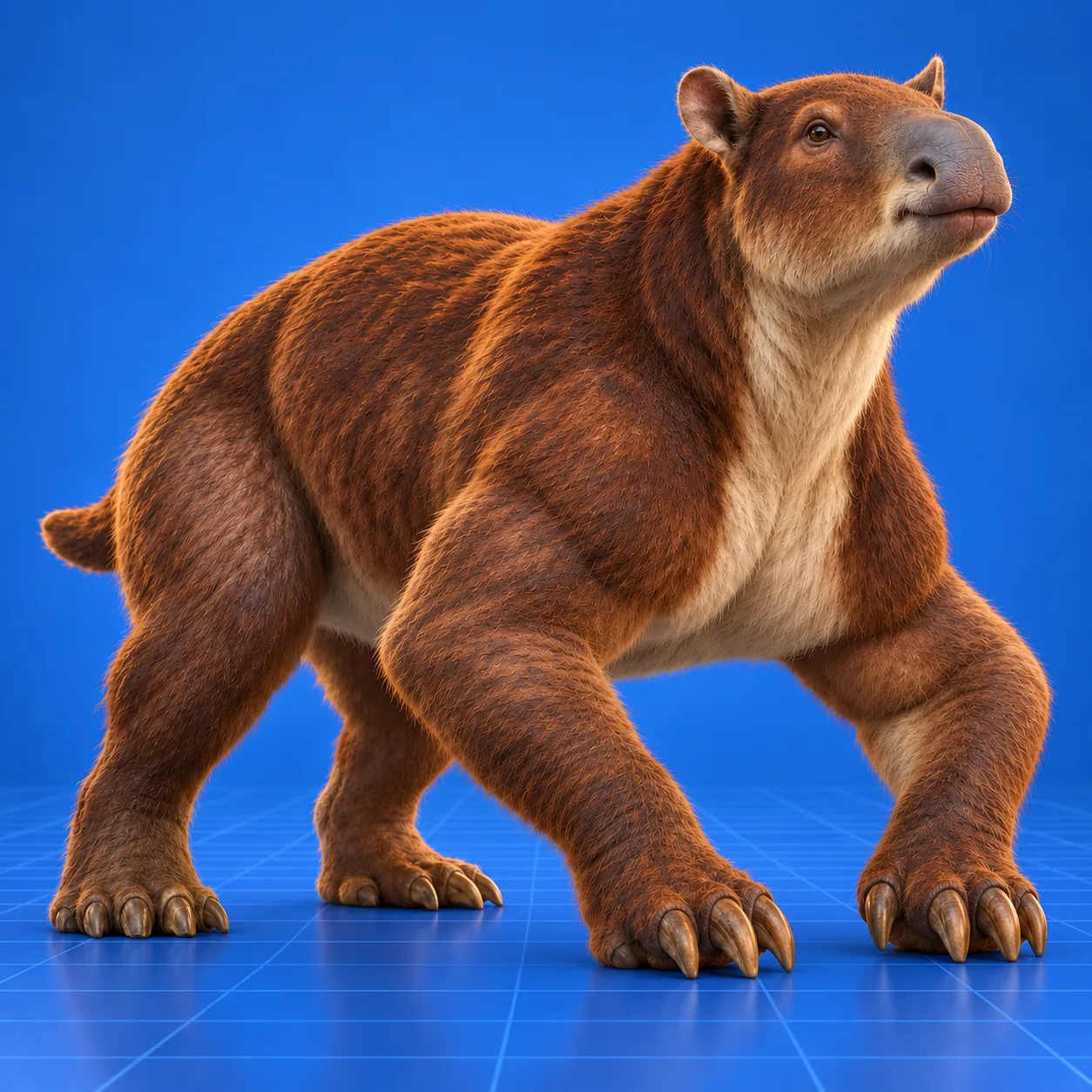 Mammal
Pleistocene
Palorchestes was an unusual large marsupial with powerful forelimbs and a distinctive skull.
Meet Palorchestes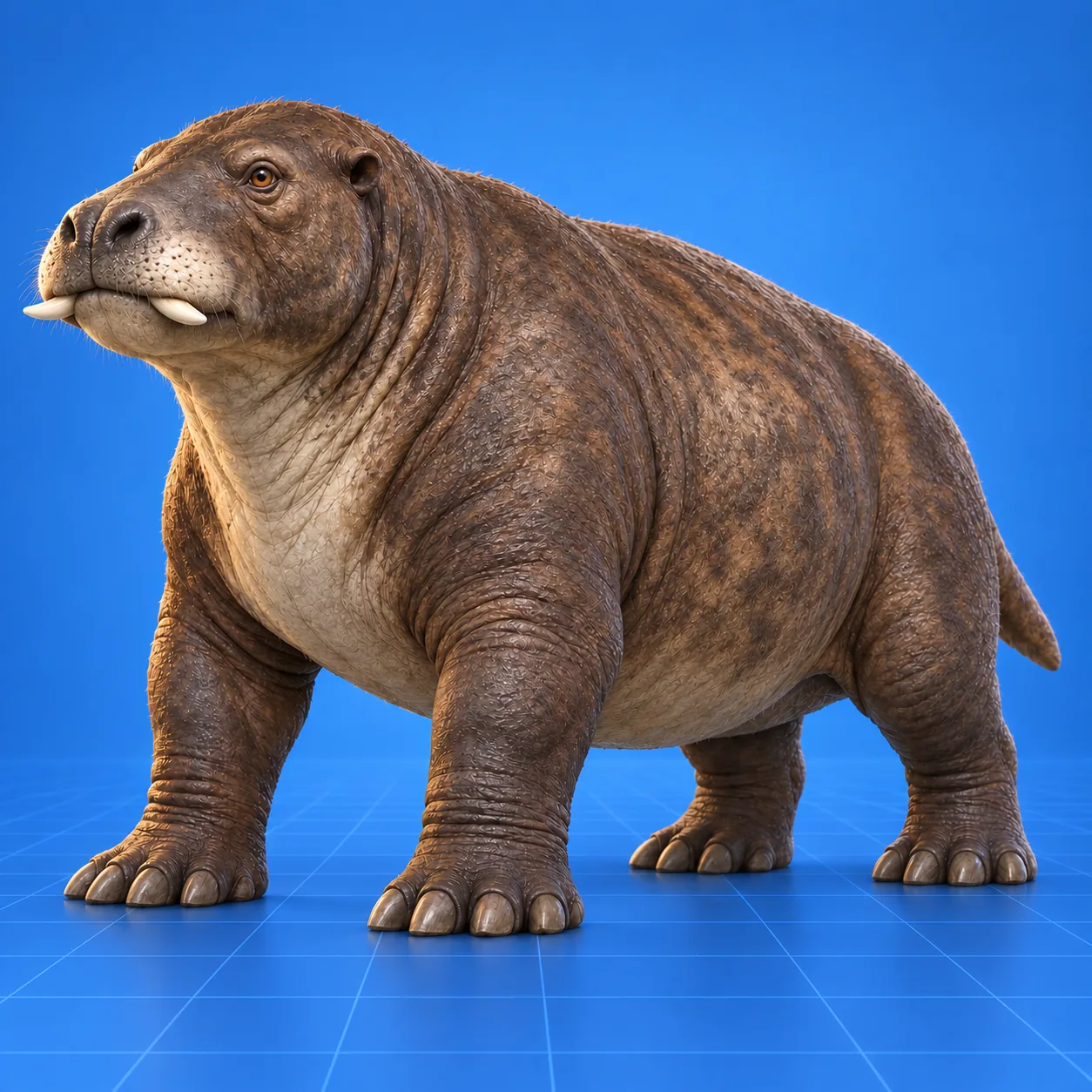 Mammal
Miocene
Desmostylus was an extinct mammal with remarkably column-like tooth cusps.
Meet Desmostylus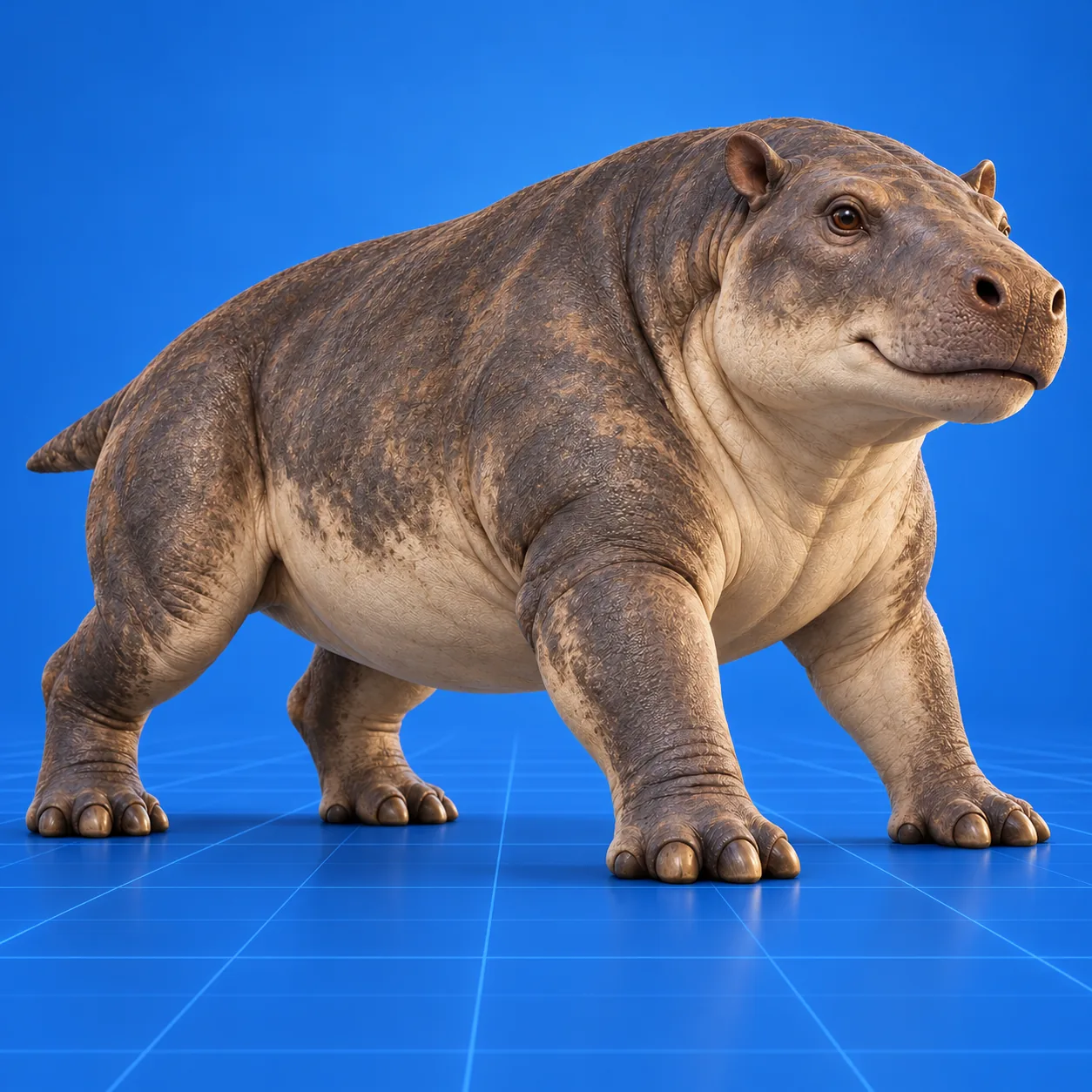 Mammal
Miocene
Paleoparadoxia was a desmostylian mammal with a heavy body and unusual skeletal proportions.
Meet Paleoparadoxia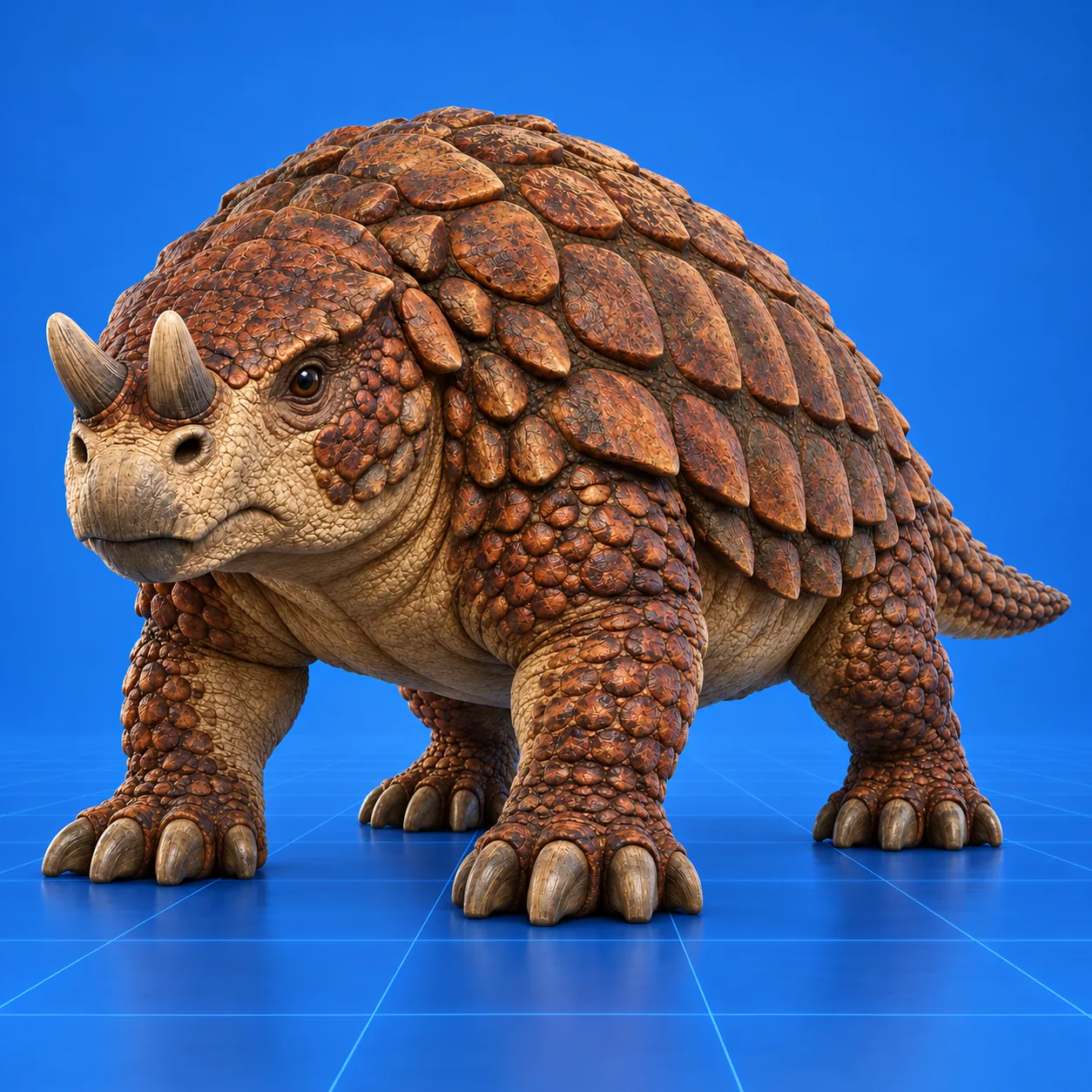 Mammal
Miocene
Peltephilus was an armored mammal with a distinctive pair of horn-like structures on its skull.
Meet Peltephilus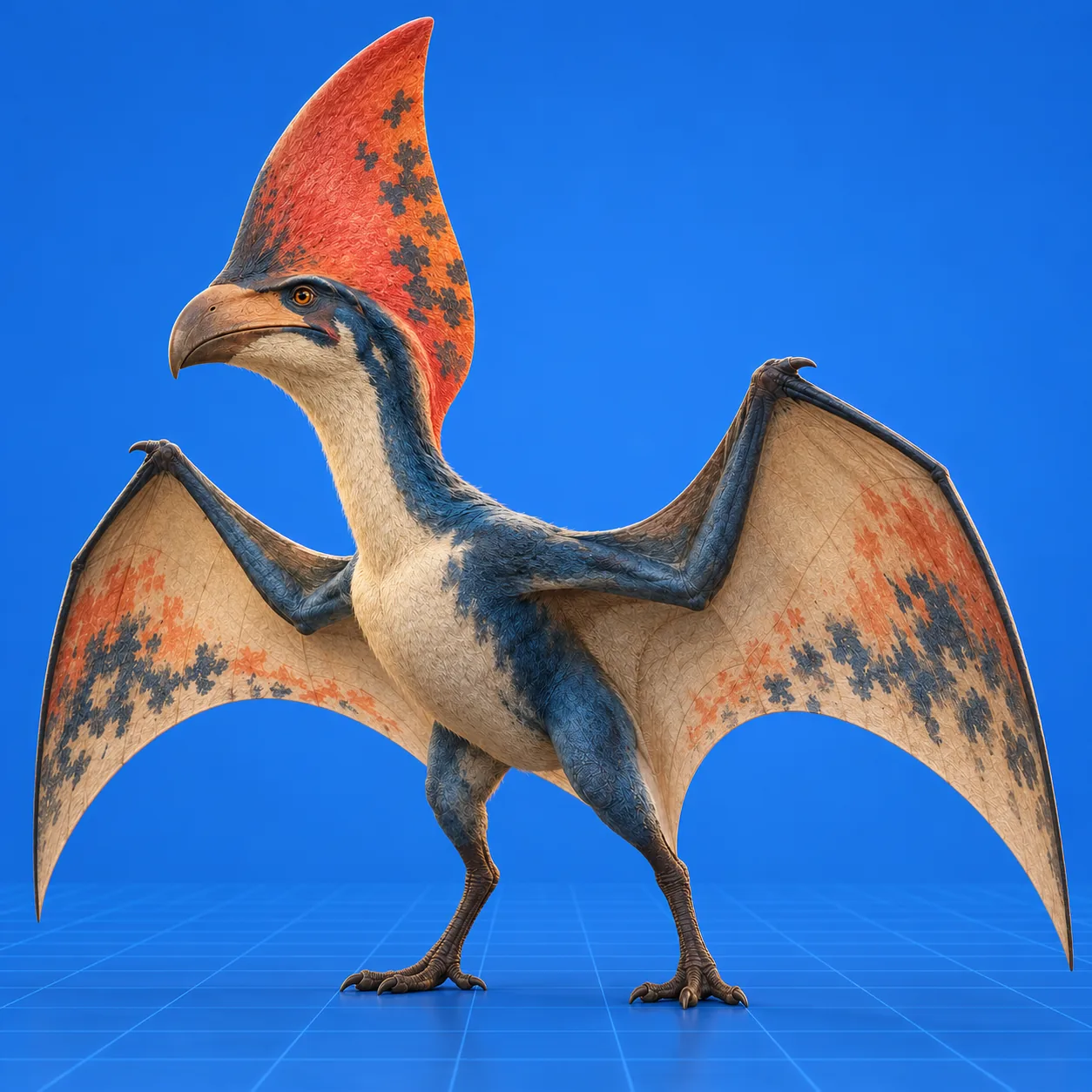 Pterosaur
Cretaceous
Caiuajara was a crested pterosaur with a conspicuous head ornament.
Meet Caiuajara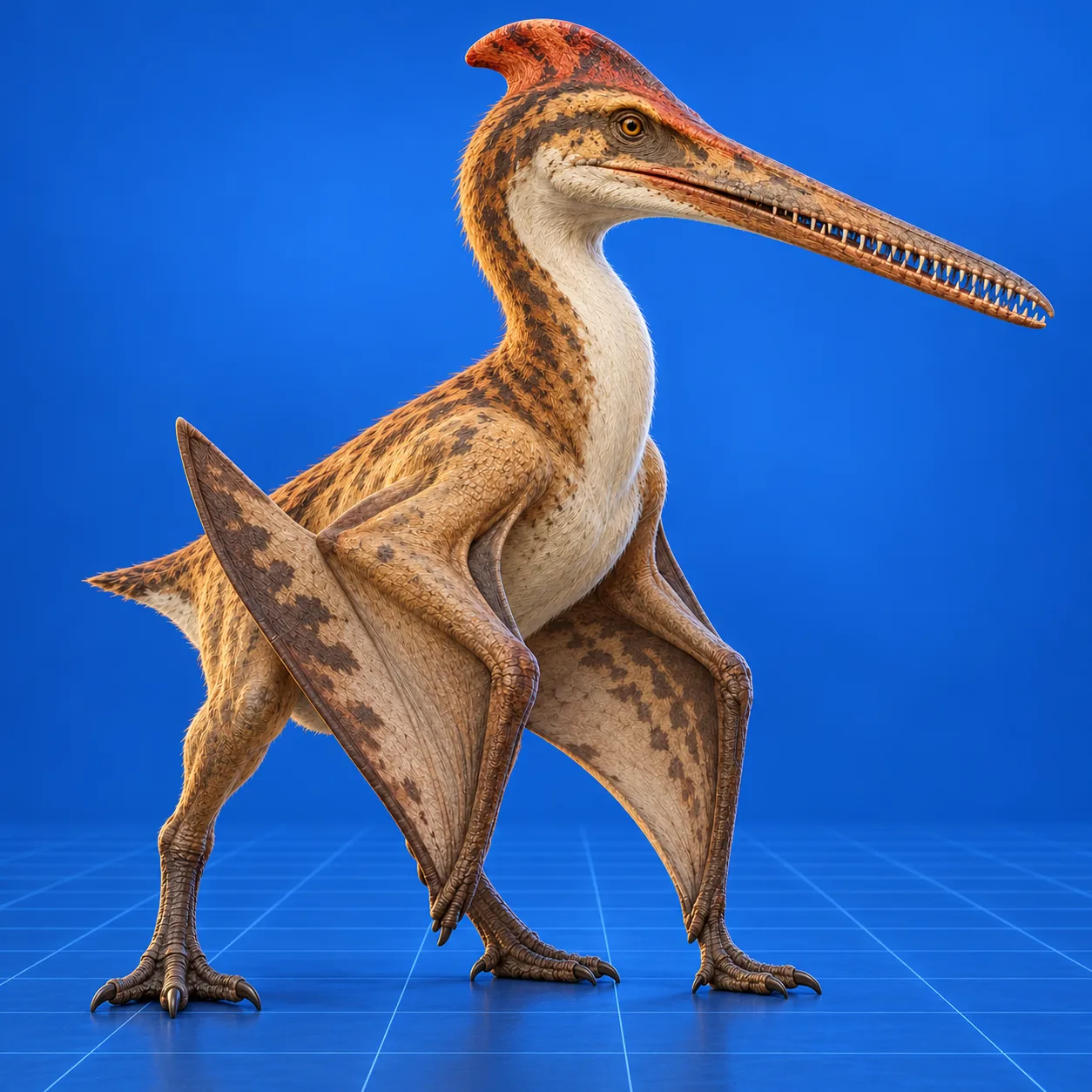 Pterosaur
Early Cretaceous
Hamipterus was a pterosaur with a long toothed snout and a cranial crest.
Meet Hamipterus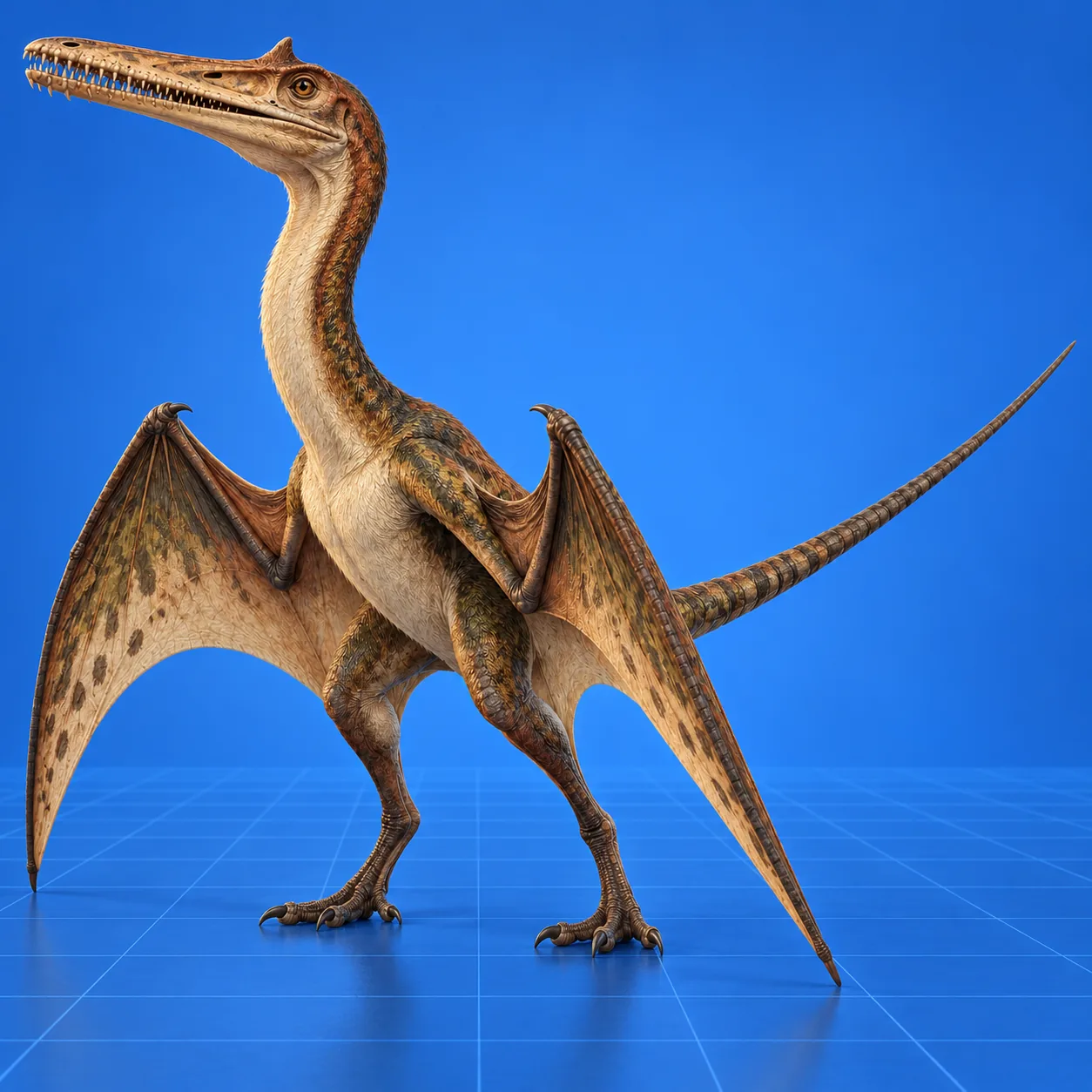 Pterosaur
Jurassic
Darwinopterus combined a comparatively advanced head and neck with a more primitive long-tailed body plan.
Meet Darwinopterus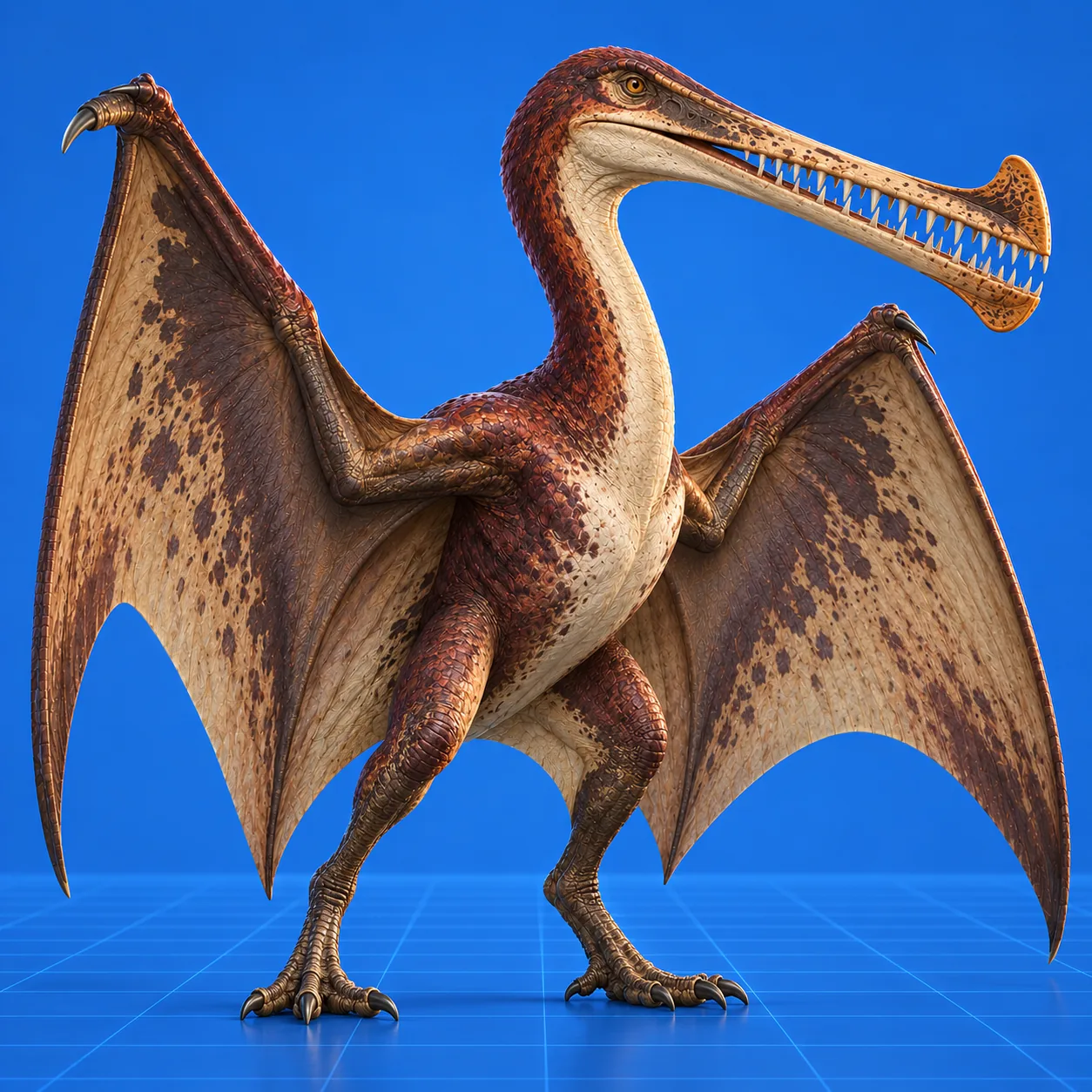 Pterosaur
Early Cretaceous
Tropeognathus was a large toothed pterosaur with prominent crests on the jaws.
Meet Tropeognathus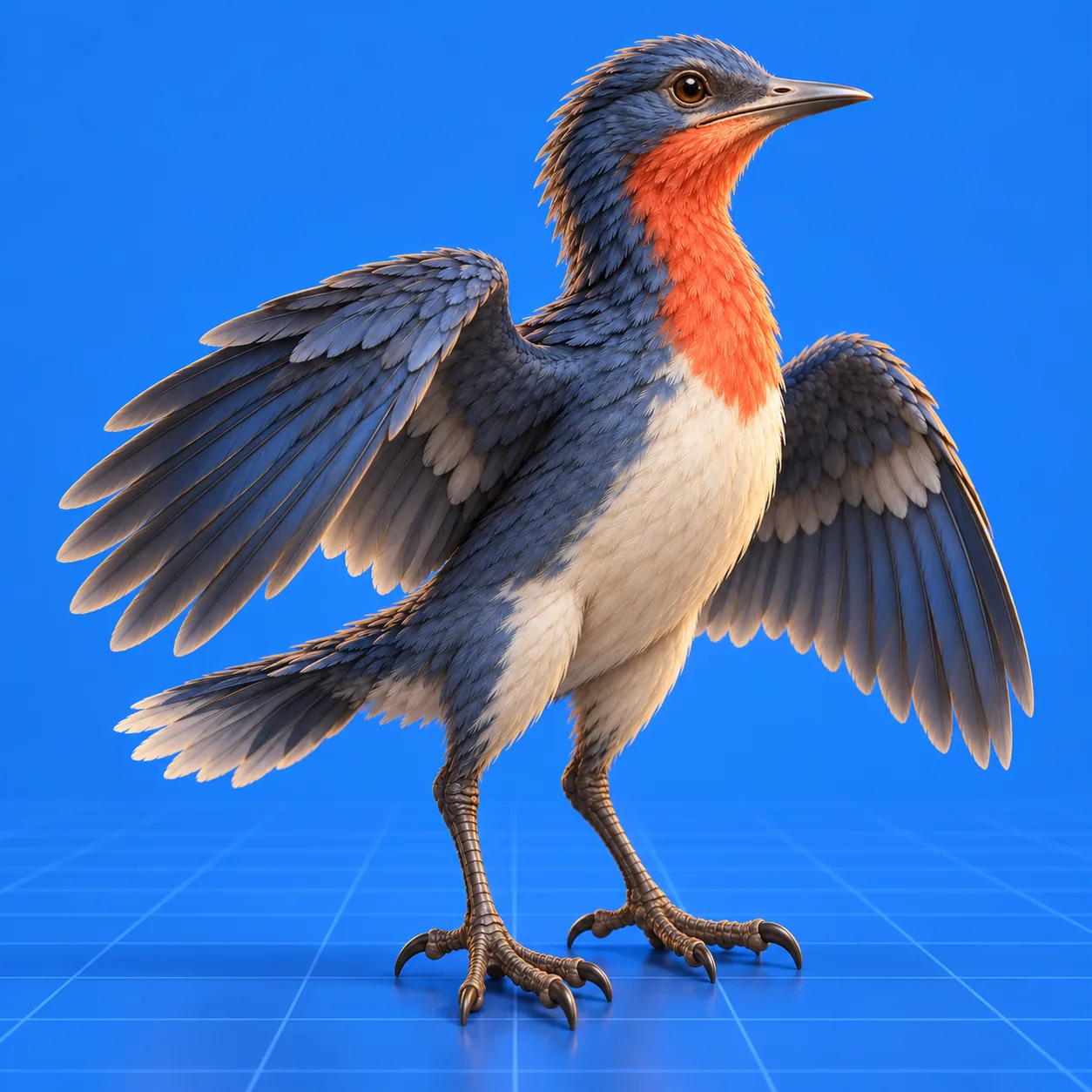 Bird
Early Cretaceous
Eoconfuciusornis was an early beaked bird with a body plan close to the beginning of the confuciusornithid record.
Meet Eoconfuciusornis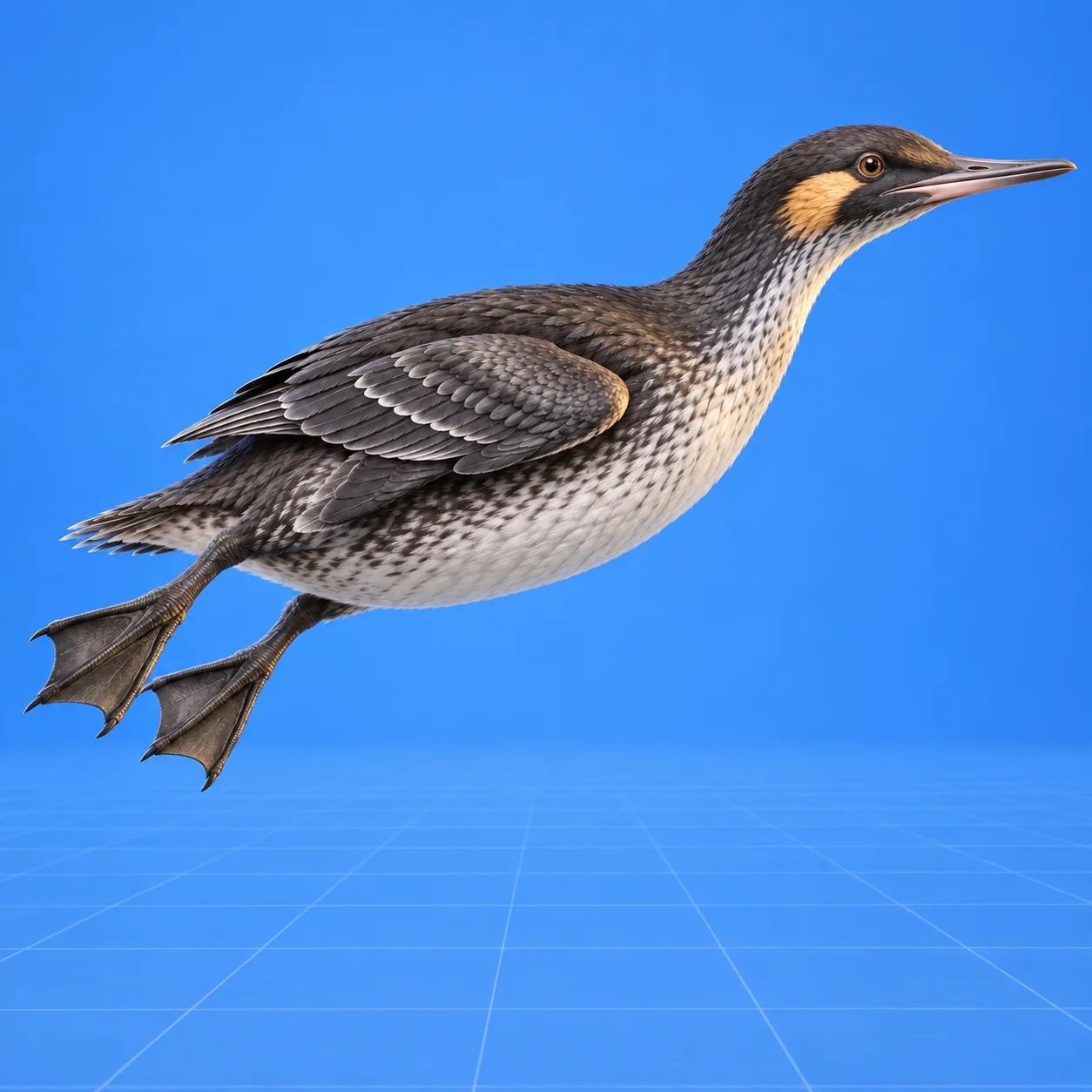 Bird
Late Cretaceous
Vegavis was an aquatic bird whose fossils are important for studying the early history of waterfowl-like lineages.
Meet VegavisEach card identifies its kind of creature. Fictional characters are labeled and have their own game stories. AI-generated, stylized game illustrations. These designs and growth stages are imaginative, not scientific reconstructions.