
Synapsid
Suminia
Suminia was a small synapsid with grasping adaptations in its limbs.
Suminia was a small synapsid with grasping adaptations in its limbs. Its skeleton has been discussed in connection with an early history of climbing in vertebrates.
Three stages. One companion.
Game artwork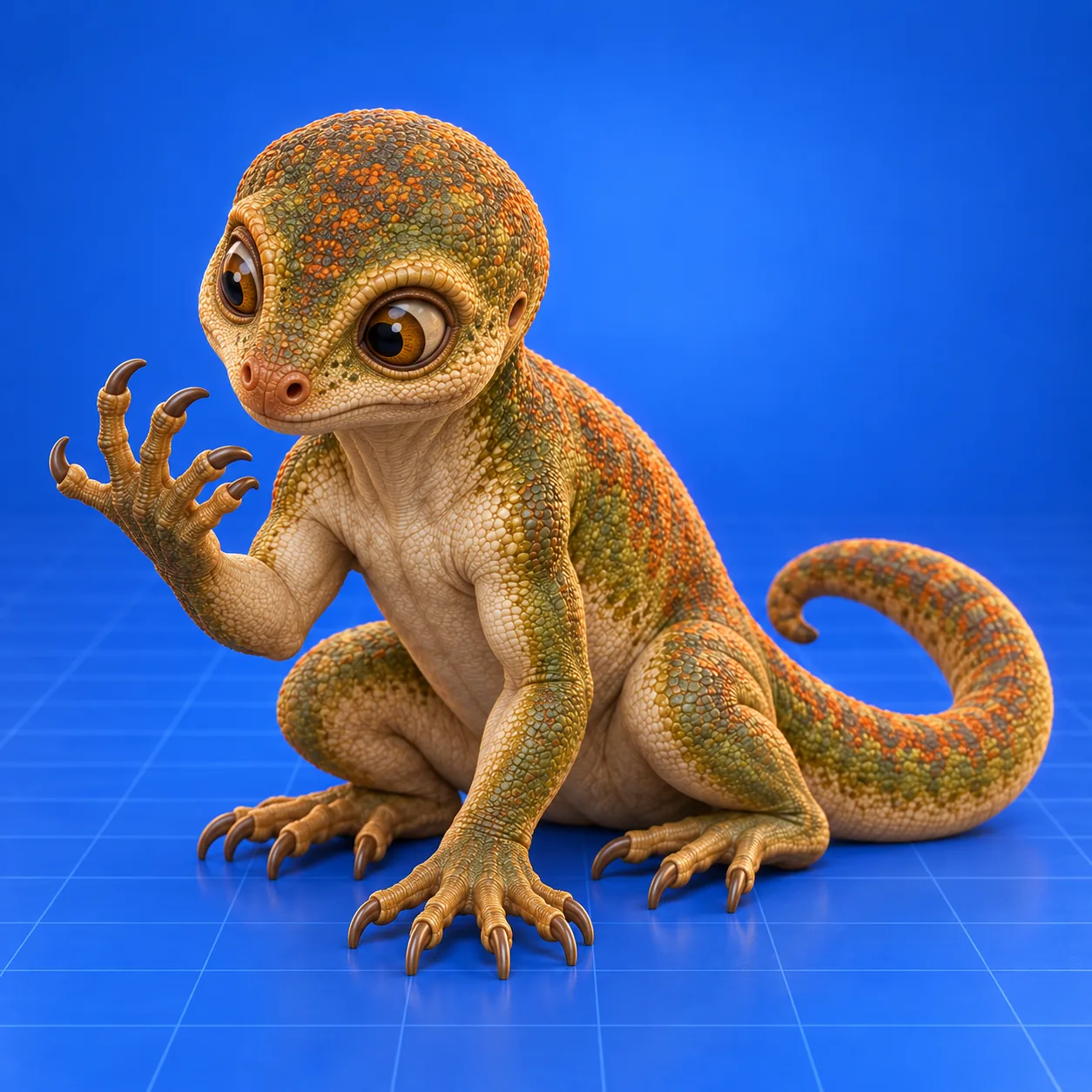
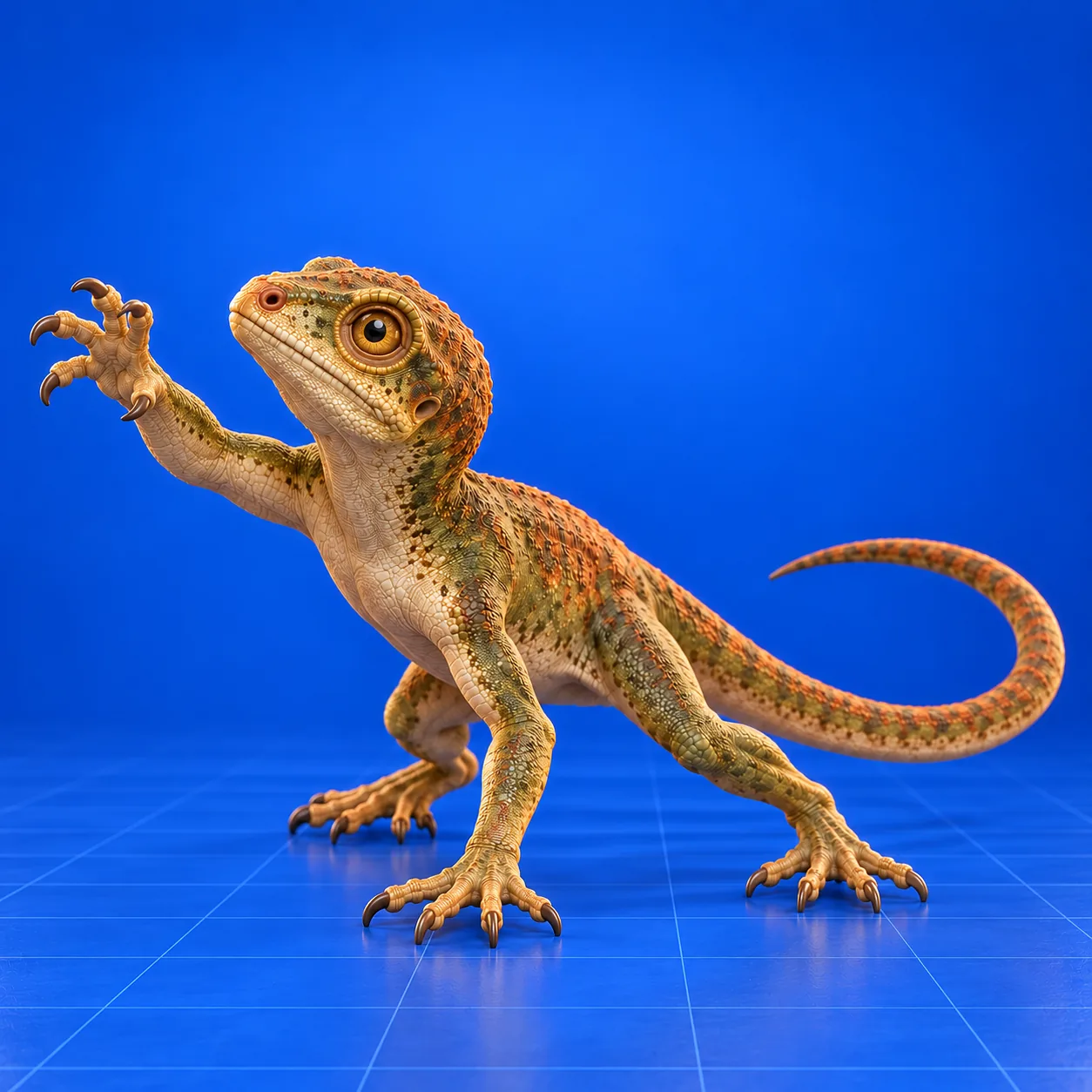
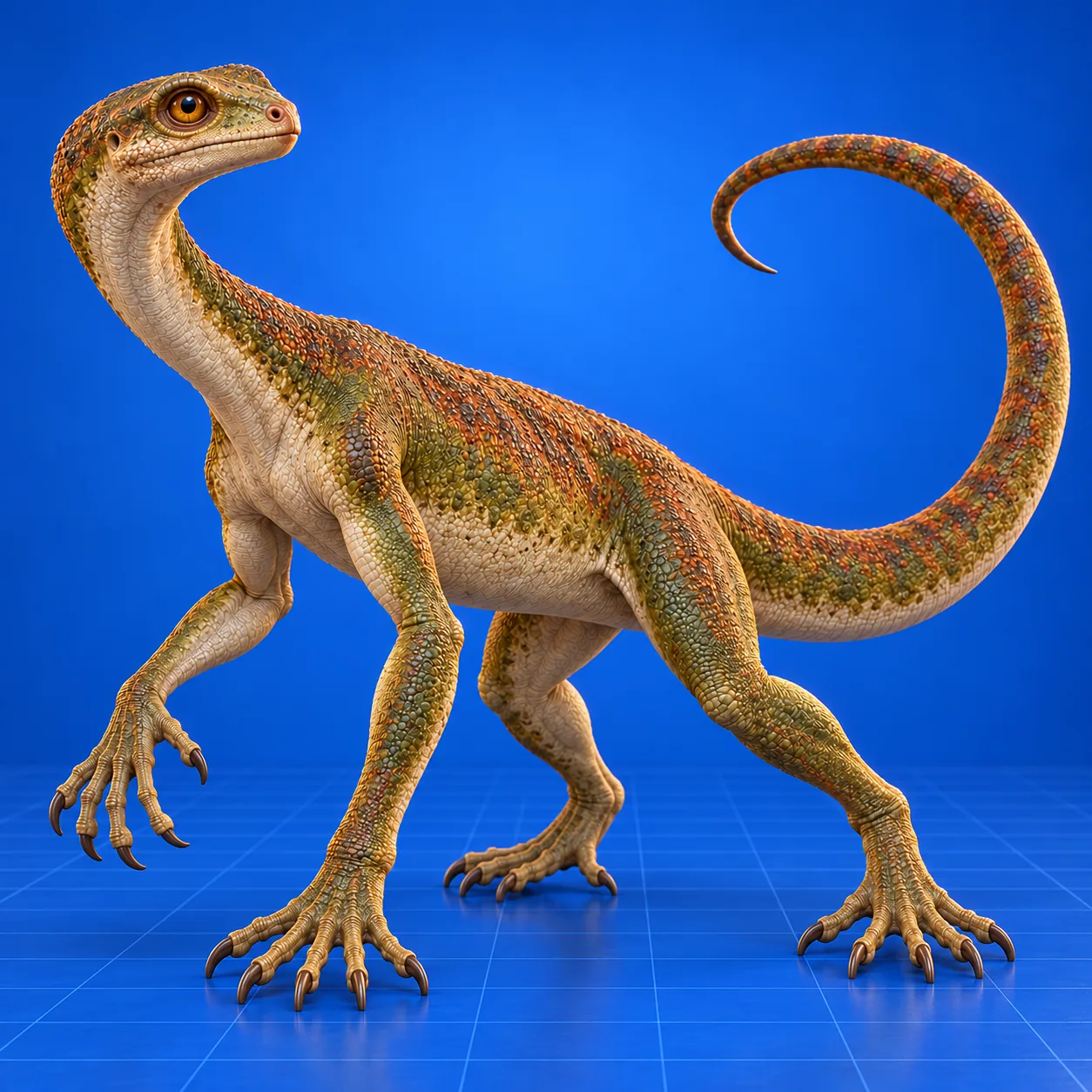
AI-generated, stylized game illustrations. These designs and growth stages are imaginative, not scientific reconstructions.
Suminia at a glance
- Diet
- Herbivore
- Its feeding anatomy is interpreted as adapted to plant food.
- When it lived
- Late Permian
- Group
- Synapsida
- Synapsida
Beyond the game
The real Suminia
Suminia was a small synapsid with grasping adaptations in its limbs. Its skeleton has been discussed in connection with an early history of climbing in vertebrates.
The hands, feet and limb proportions support interpretations of grasping and climbing. Those adaptations occurred in a synapsid with an evolutionary history separate from that of living climbing mammals.
Fossil discoveries
Selected fossil records · present-day map
Map references
Map: Natural Earth, public domain. Fossil records: Paleobiology Database and linked collections and publications.Sources & text credits
Explore the references behind this profile.
- The Late Permian herbivore Suminia and the early evolution of arboreality in terrestrial vertebrate ecosystems
- The postcranial anatomy of Suminia getmanovi
- Paleobiology Database: Suminia getmanovi (txn:203391)
Original English Dinosgacha summaries informed by the linked scientific and museum references; source publications retain their own rights.