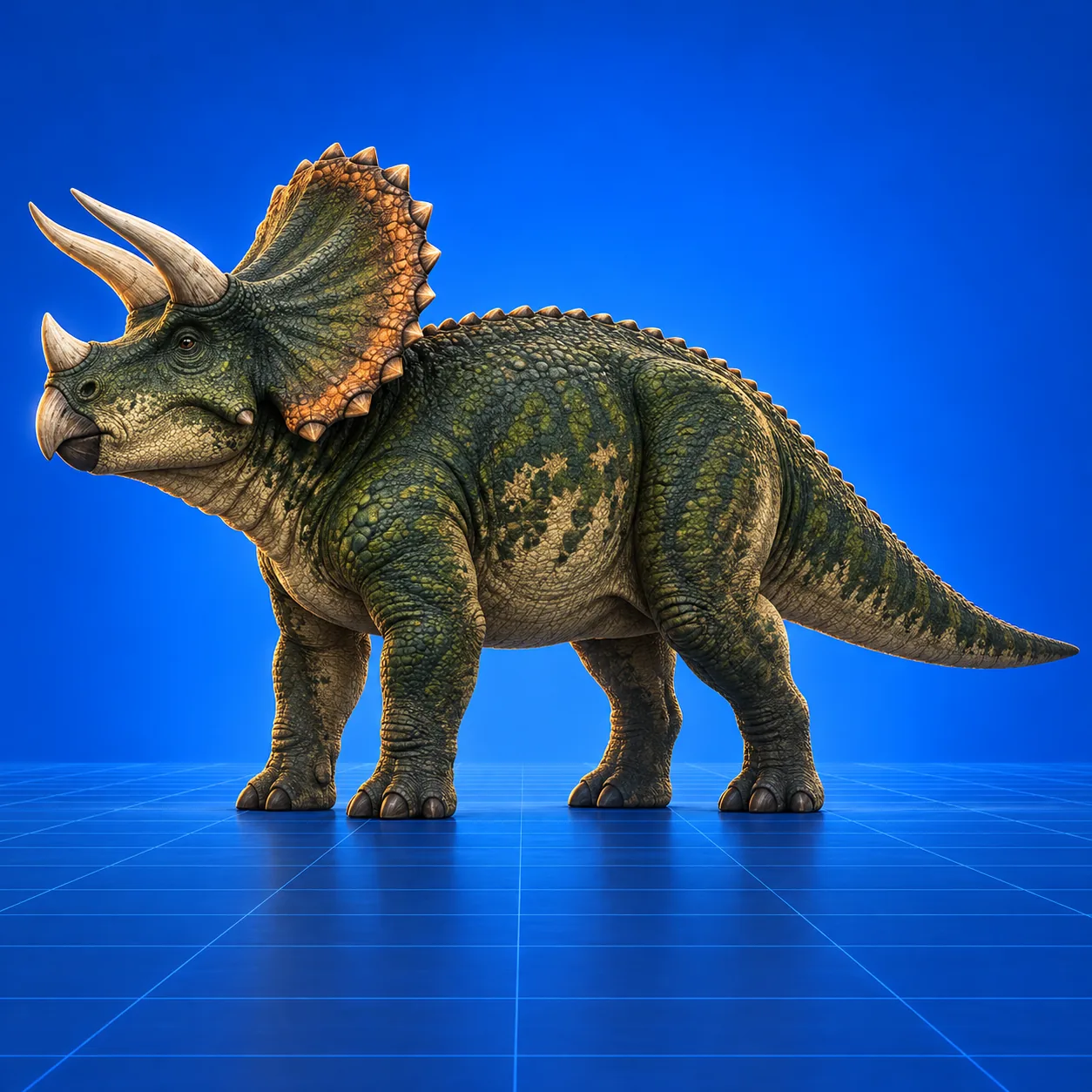
Late Cretaceous
Triceratops
Three horns and a remarkable bony frill
Explore the species Dinosgacha
Explore by topic
Beaks, grinding teeth and long necks. Meet dinosaurs that found their food among prehistoric plants.
Late Cretaceous
Three horns and a remarkable bony frill
Explore the species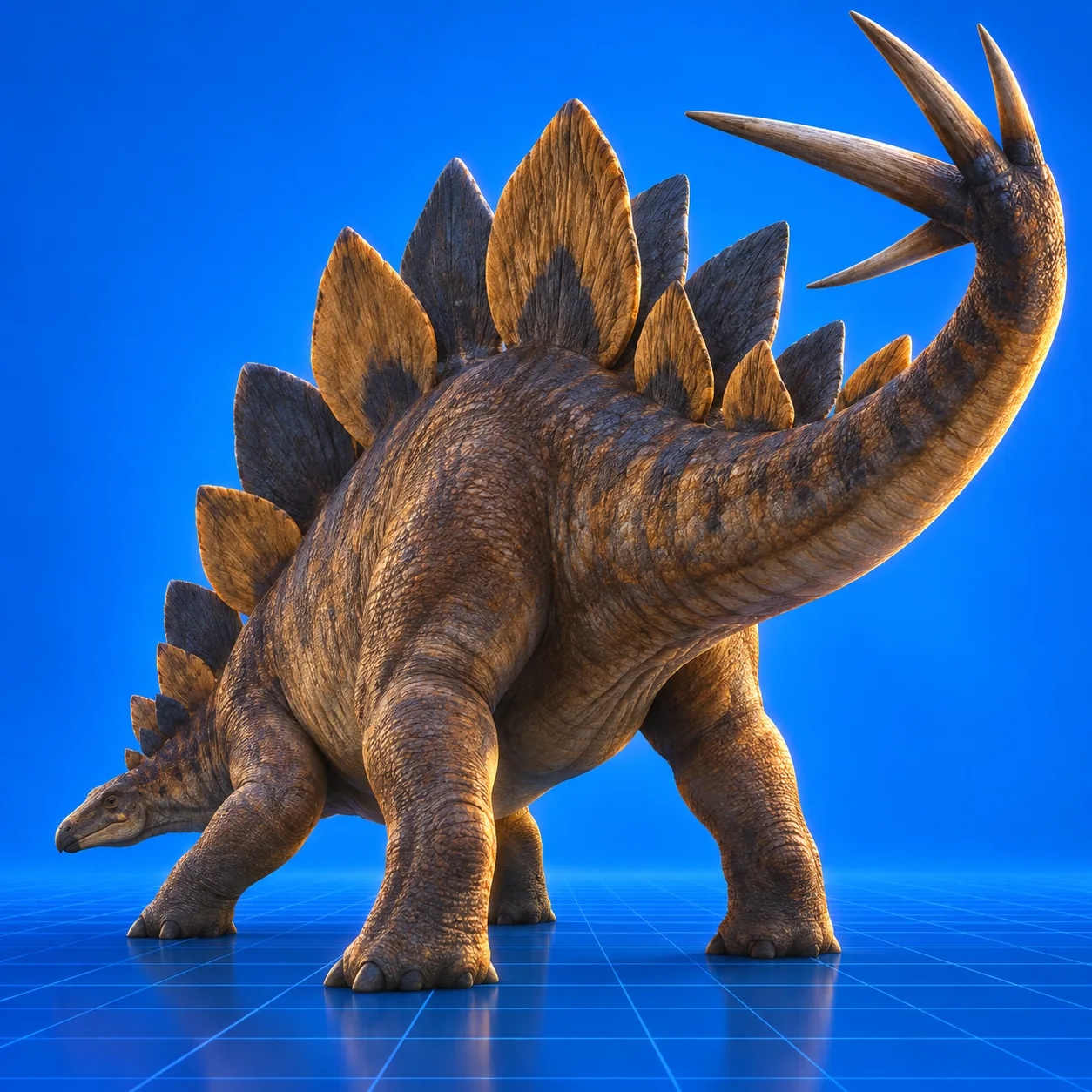
Late Jurassic
Plates above, spikes behind
Explore the species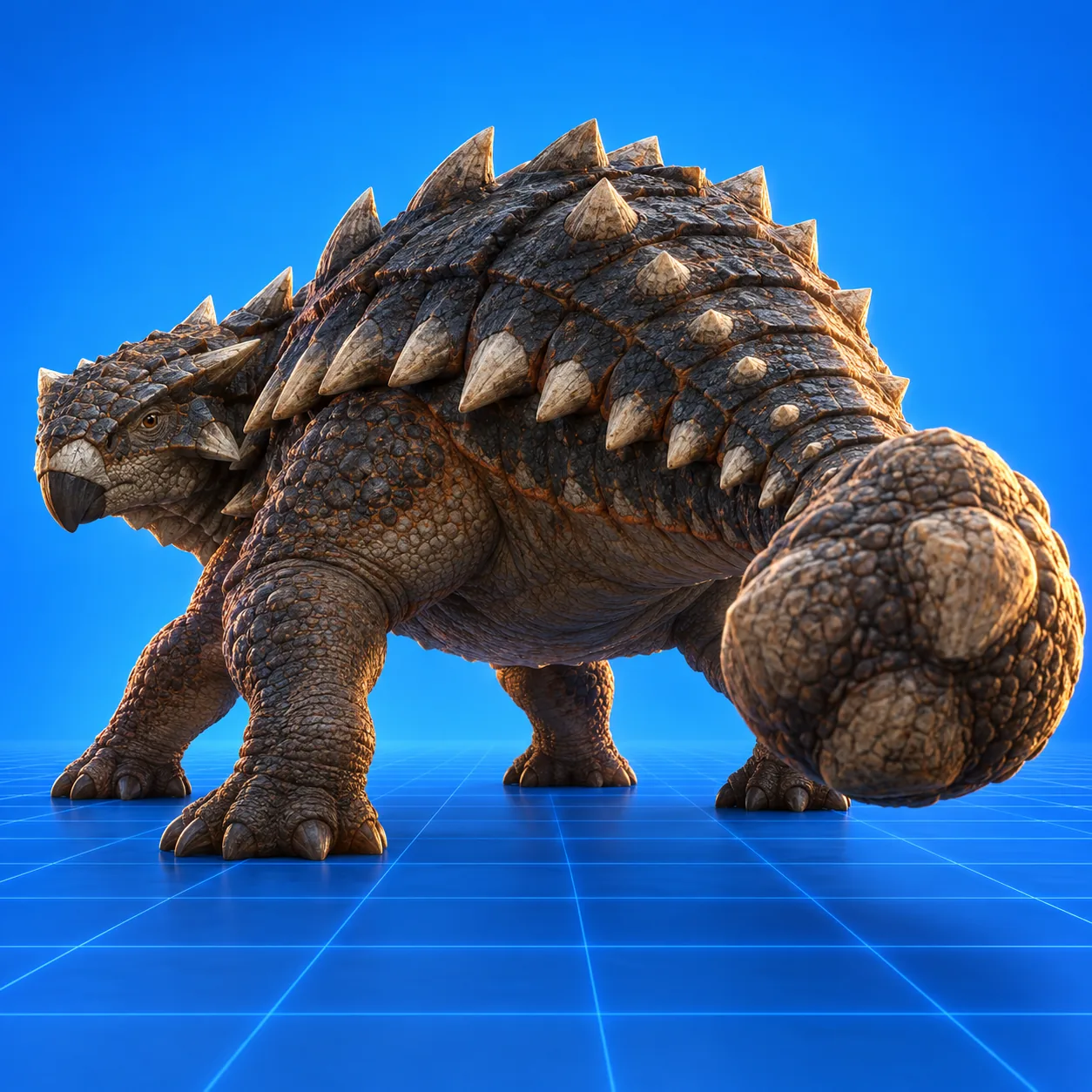
Late Cretaceous
Armor and a club at the end of the tail
Explore the species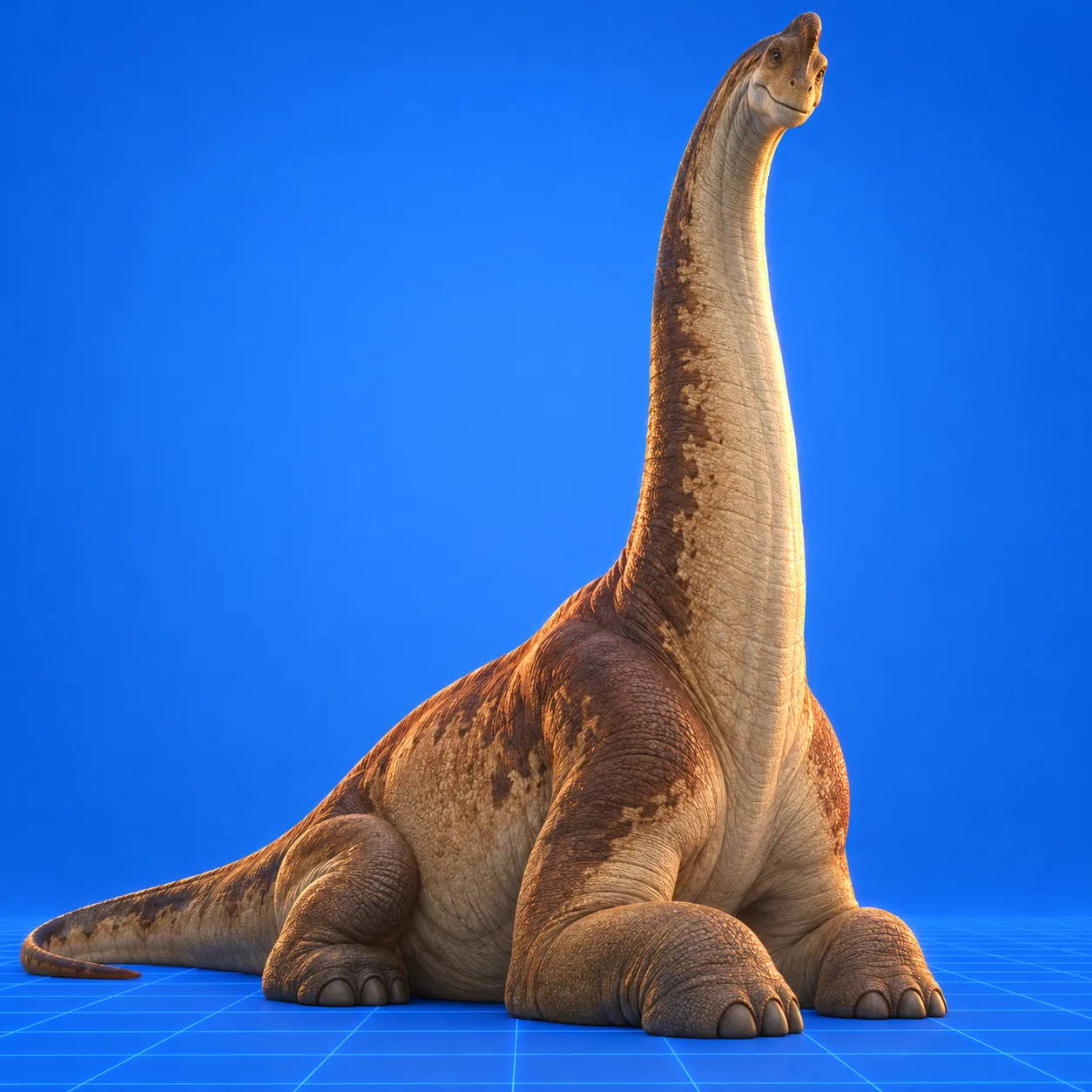
Late Jurassic
Long front legs shaped its towering profile
Explore the species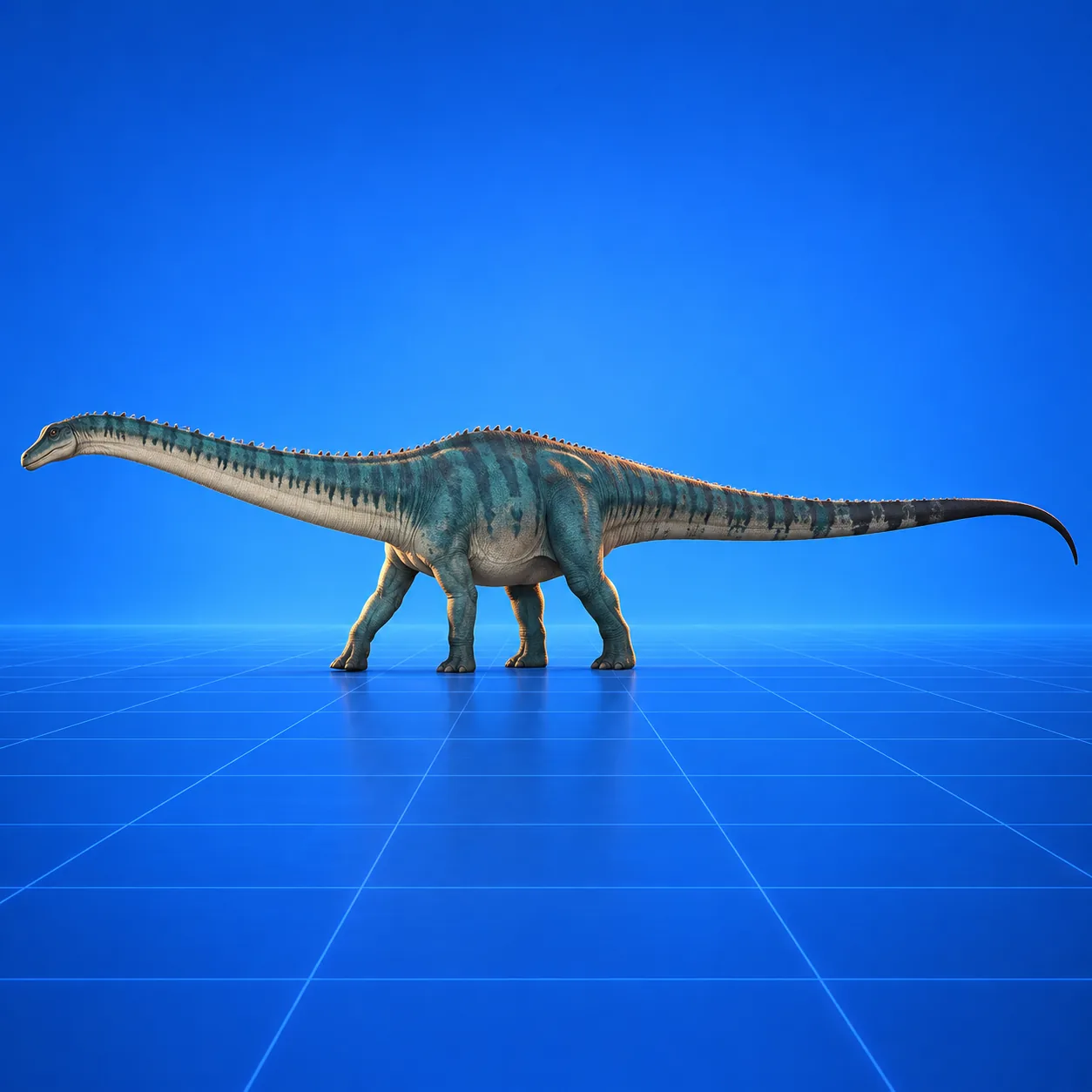
Late Jurassic
A long neck, a longer story in its tail bones
Explore the species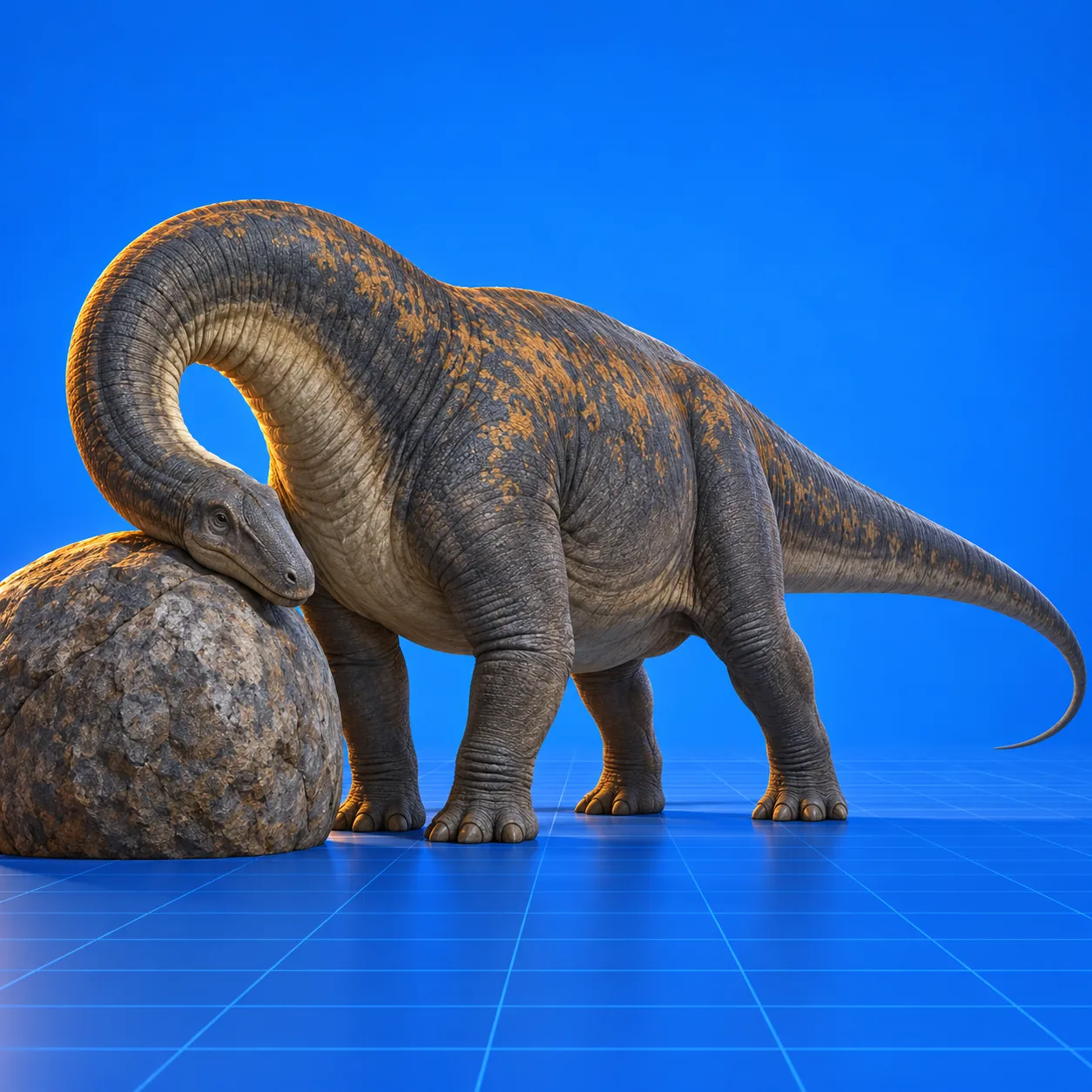
Late Jurassic
A robust giant of the Jurassic
Explore the species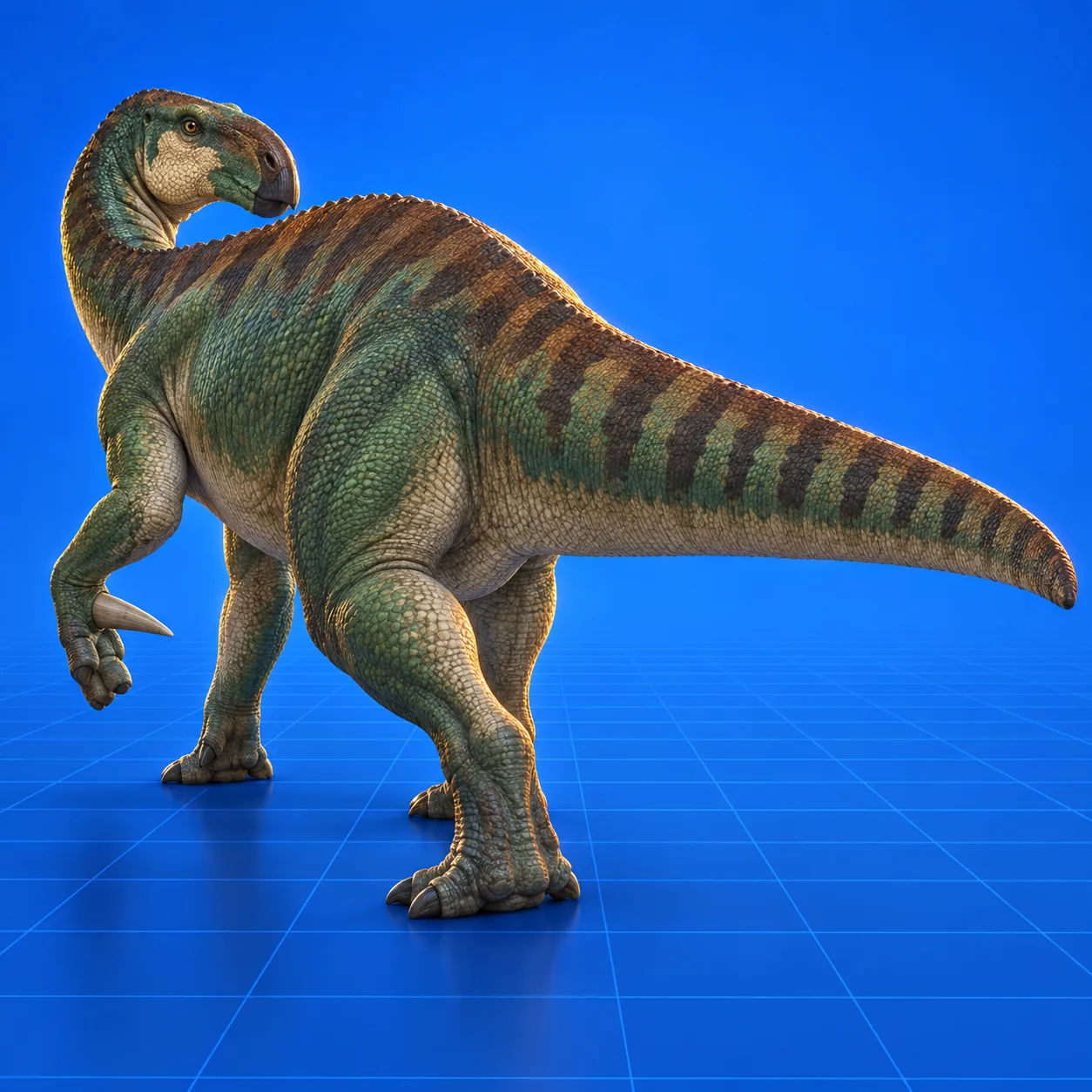
Early Cretaceous
A thumb spike and a flexible outer finger
Explore the species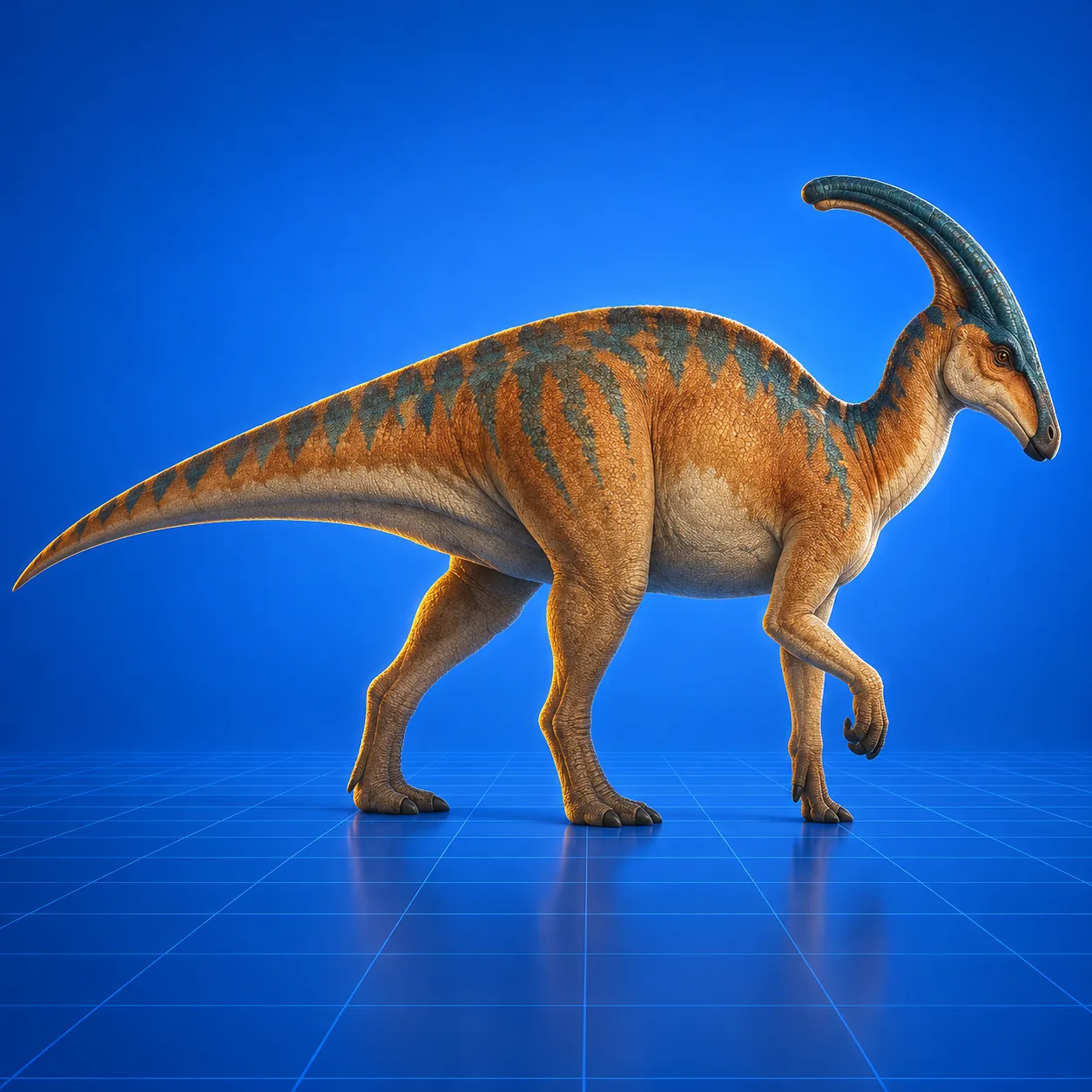
Late Cretaceous
A crest that curved behind the head
Explore the species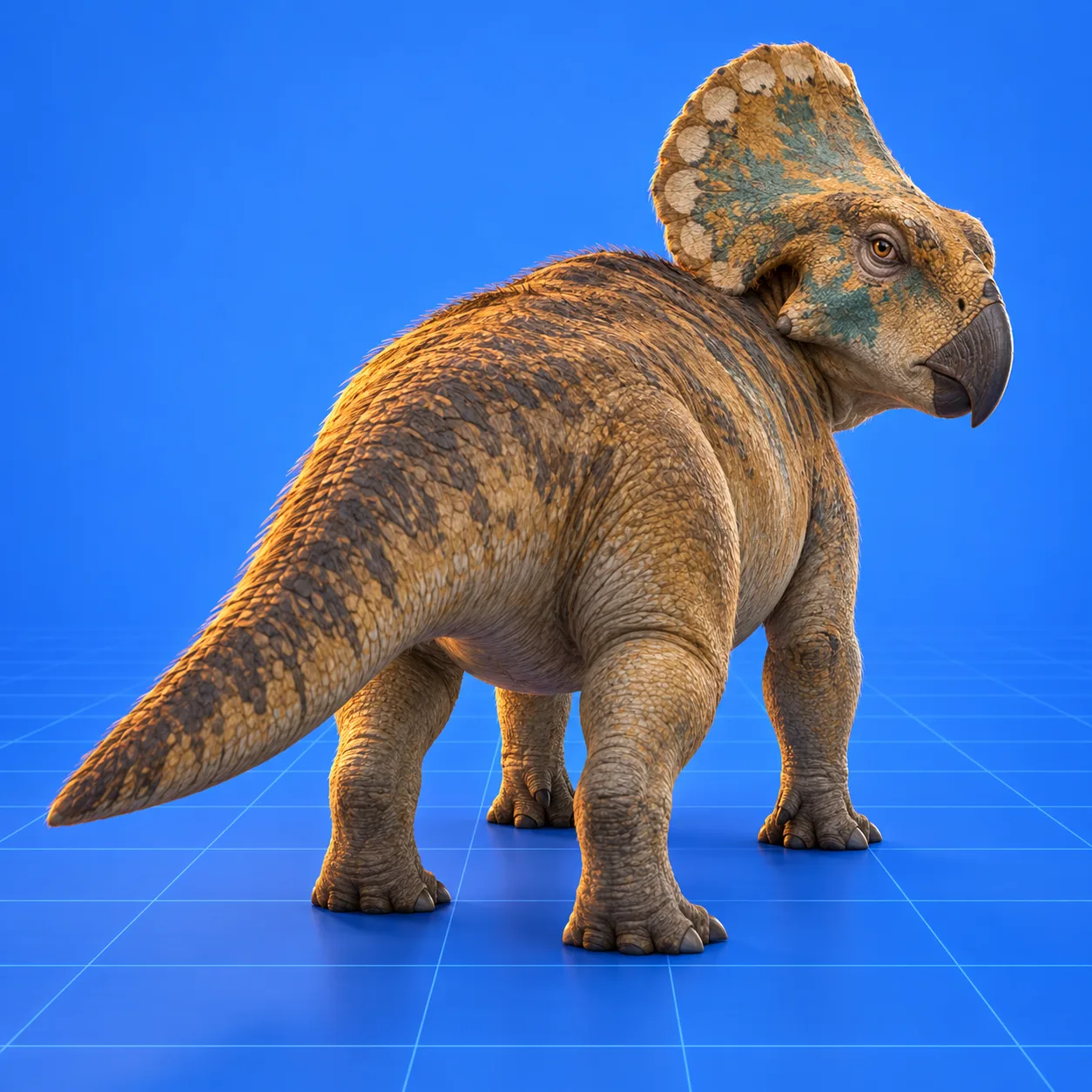
Late Cretaceous
A frilled head without giant horns
Explore the species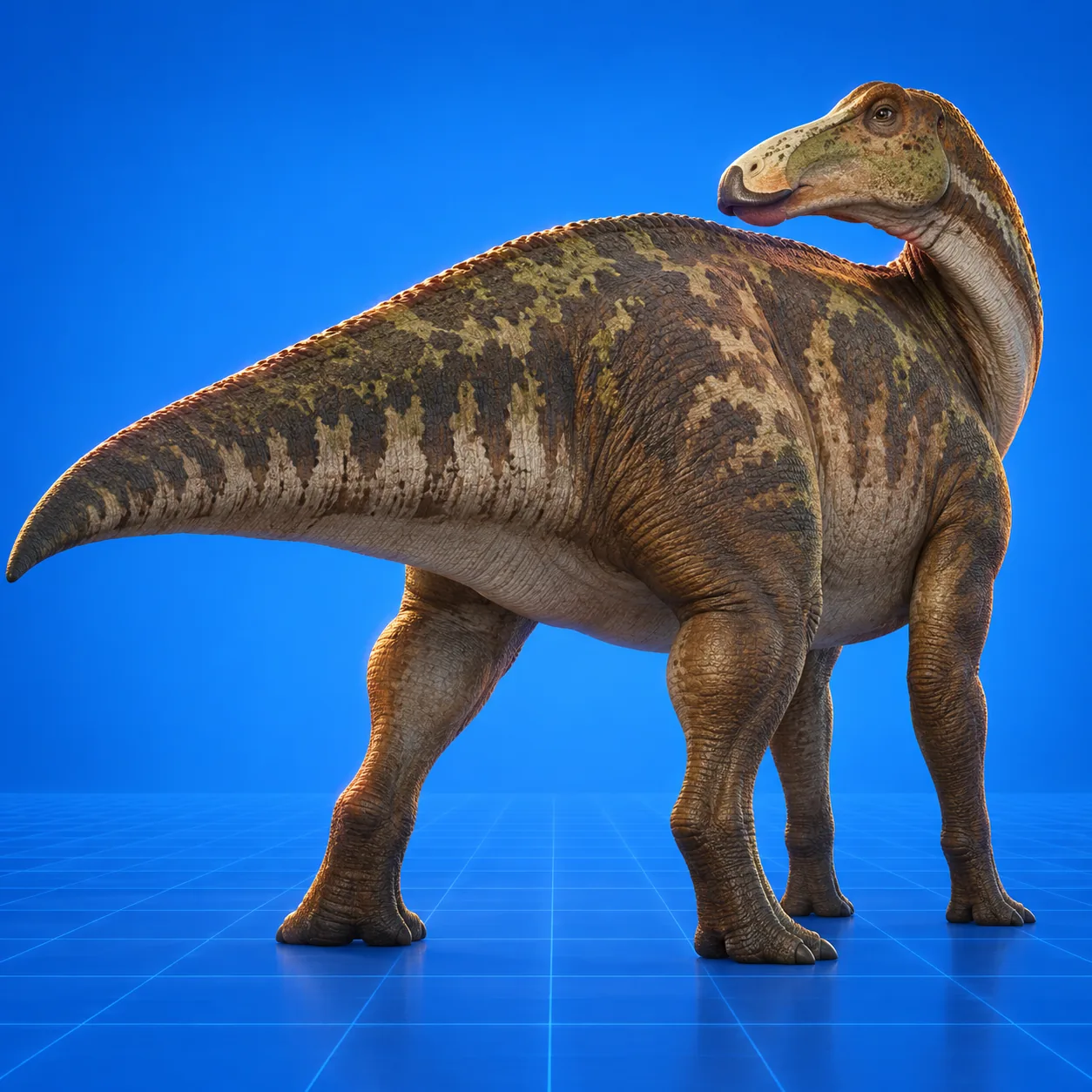
Cretaceous
Some fossils preserve large areas of skin impressions and possible remains of food from the gut.
Explore the speciesStylized, AI-generated Dinosgacha game artwork. Colours and growth stages are artistic interpretations, not scientific reconstructions.
A closer look
Plant-eating dinosaurs came in very different shapes. Triceratops clipped vegetation with a beak and processed it with rows of teeth. Iguanodon and hadrosaurs also had specialised feeding teeth. Long-necked sauropods gathered vegetation using a different combination of reach and teeth.
There was no single prehistoric menu. Plants and environments changed through time, and feeding height differed between dinosaurs. Horns, plates and armour describe other parts of their anatomy; they do not turn a plant-eater into a predator. Explore each profile before picturing two species in the same landscape.
No. Some used teeth to process vegetation, while sauropods such as Brachiosaurus swallowed plant material without chewing it in the same way. Different mouths solved different feeding problems.
The shape and arrangement of teeth and jaws provide important clues. Preserved food remains can strengthen an interpretation: plant material has been found associated with Edmontosaurus. A dinosaur’s overall size or appearance is not enough on its own.