Late Cretaceous
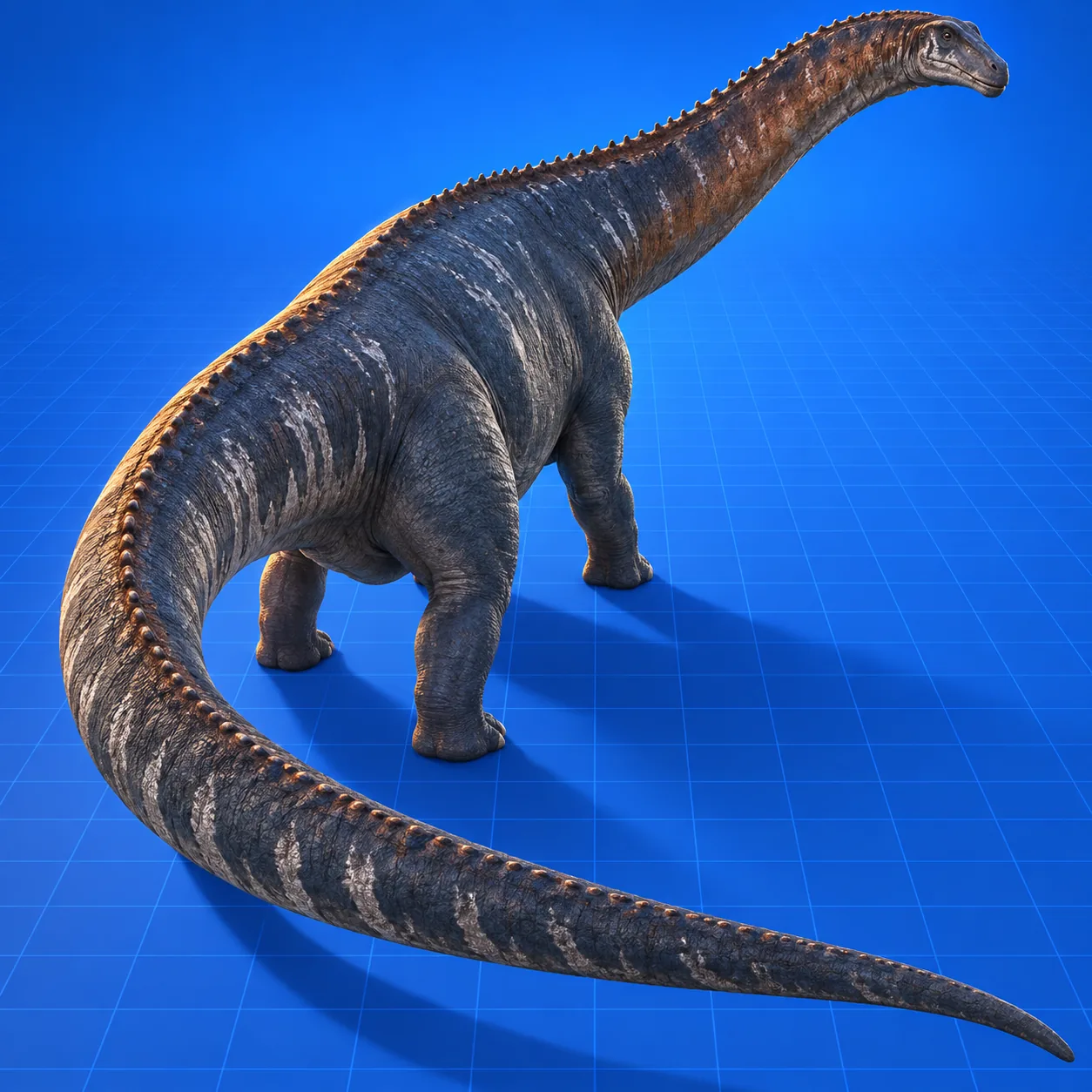
Argentinosaurus
An enormous animal from a few enormous bones
Explore the species Dinosgacha
Explore by topic
Meet some of prehistory’s giants. A longer neck, a heavier body and a more complete skeleton tell different stories.
Late Cretaceous
An enormous animal from a few enormous bones
Explore the species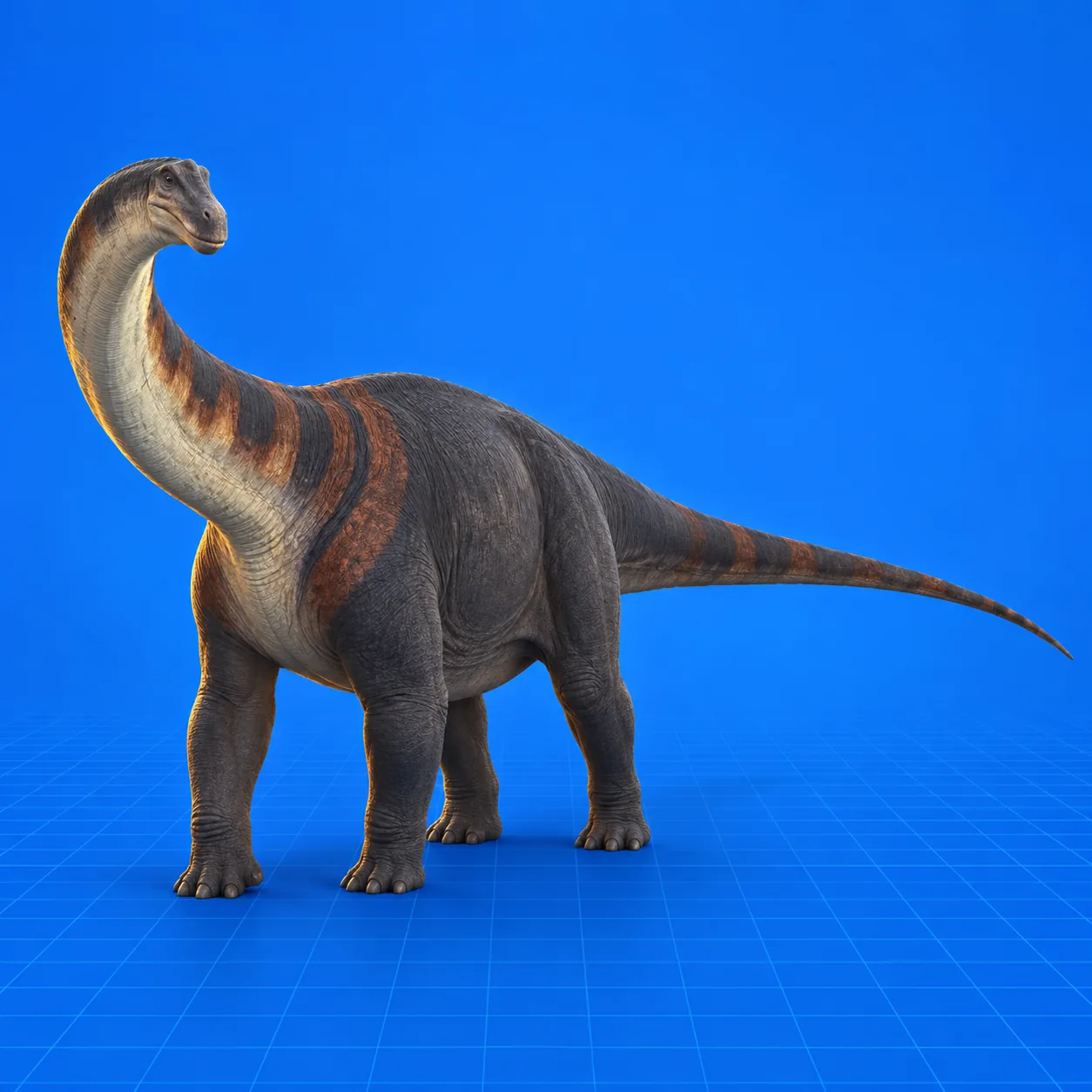
Cretaceous
Its fossils place it among the largest known land animals.
Explore the species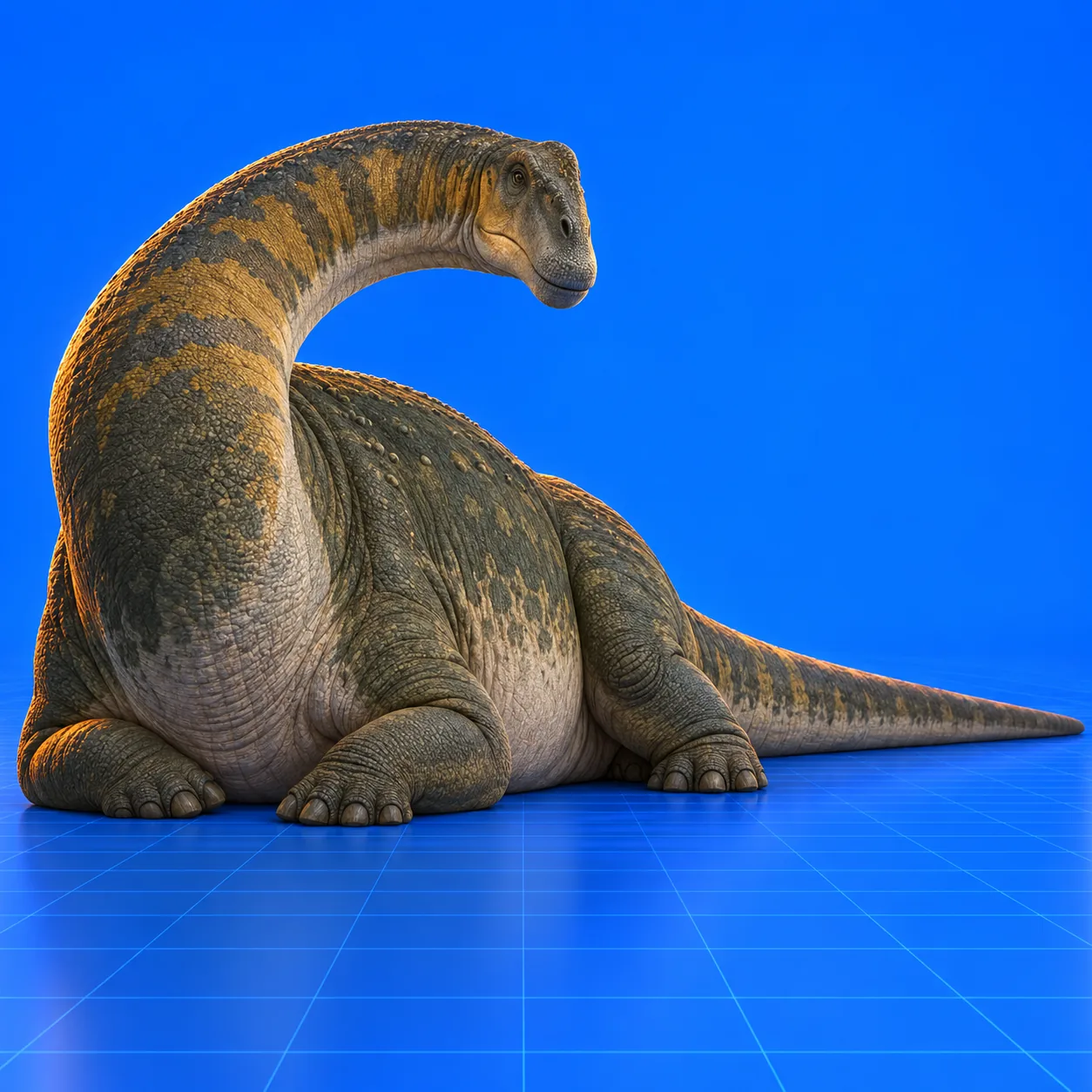
Cretaceous
It was described in 2014 from fossils found in Santa Cruz, Argentina.
Explore the species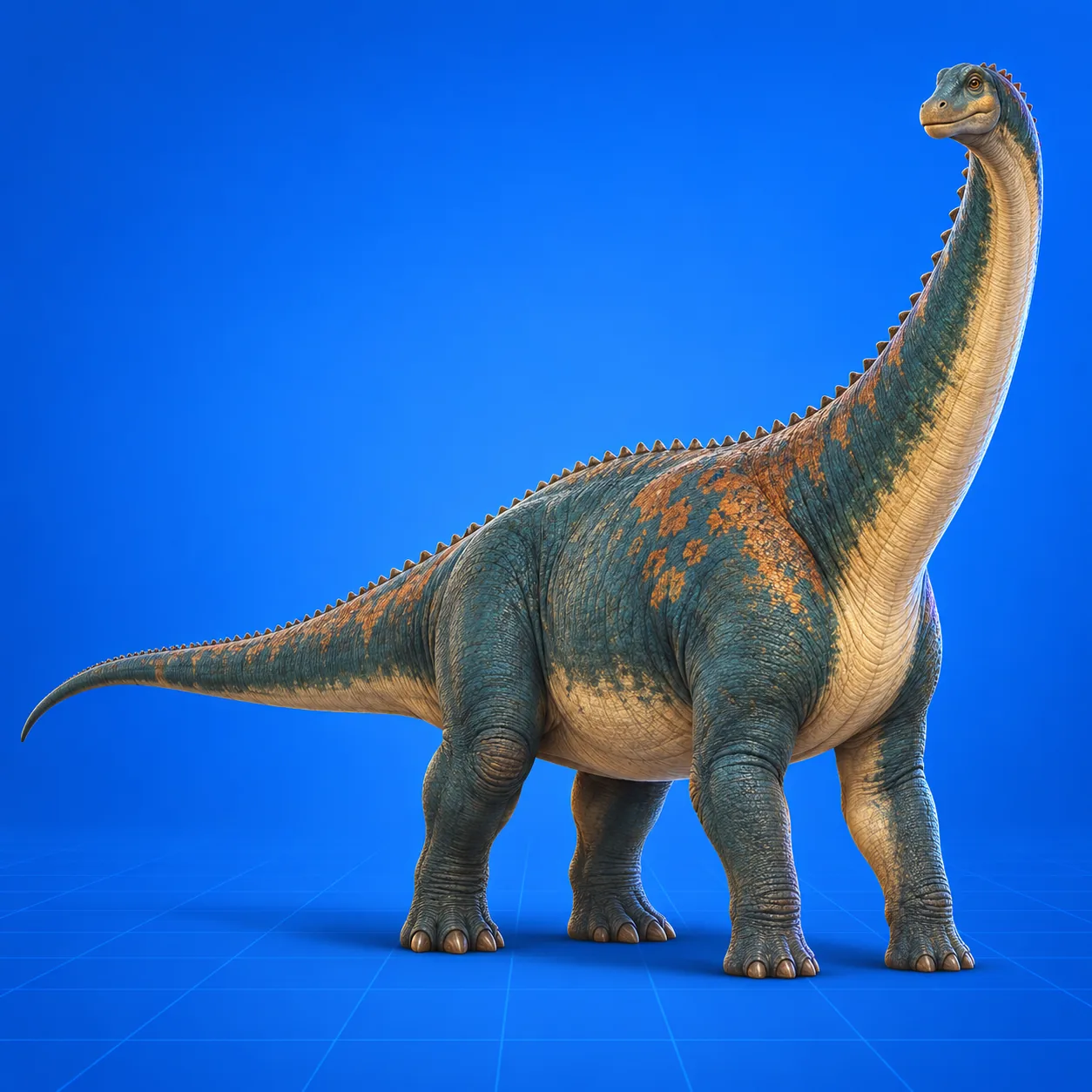
Jurassic
Teruel preserves evidence that Europe was also a land of giant sauropods.
Explore the species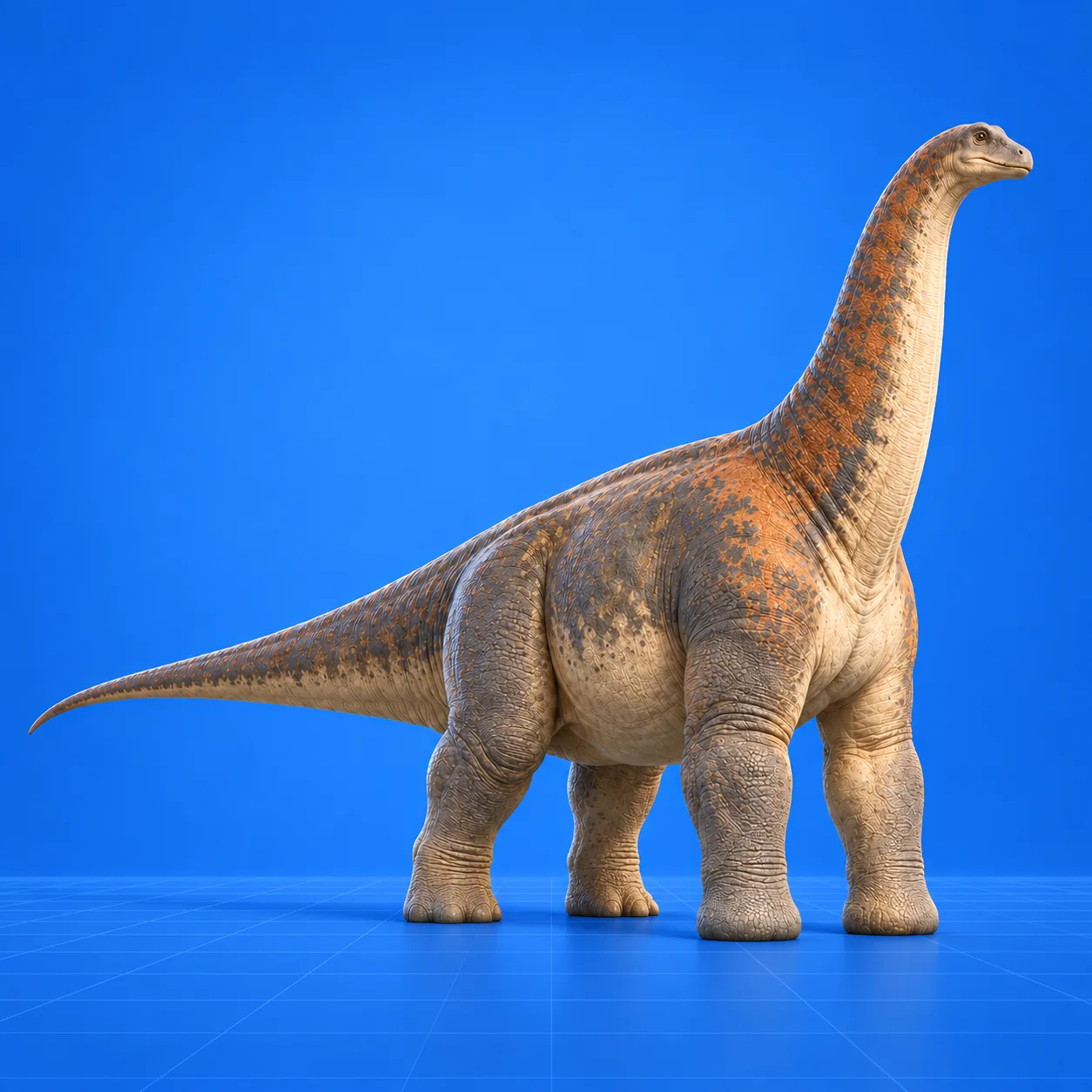
Late Cretaceous
Notocolossus was a giant titanosaur with unusually informative hindfoot material.
Explore the species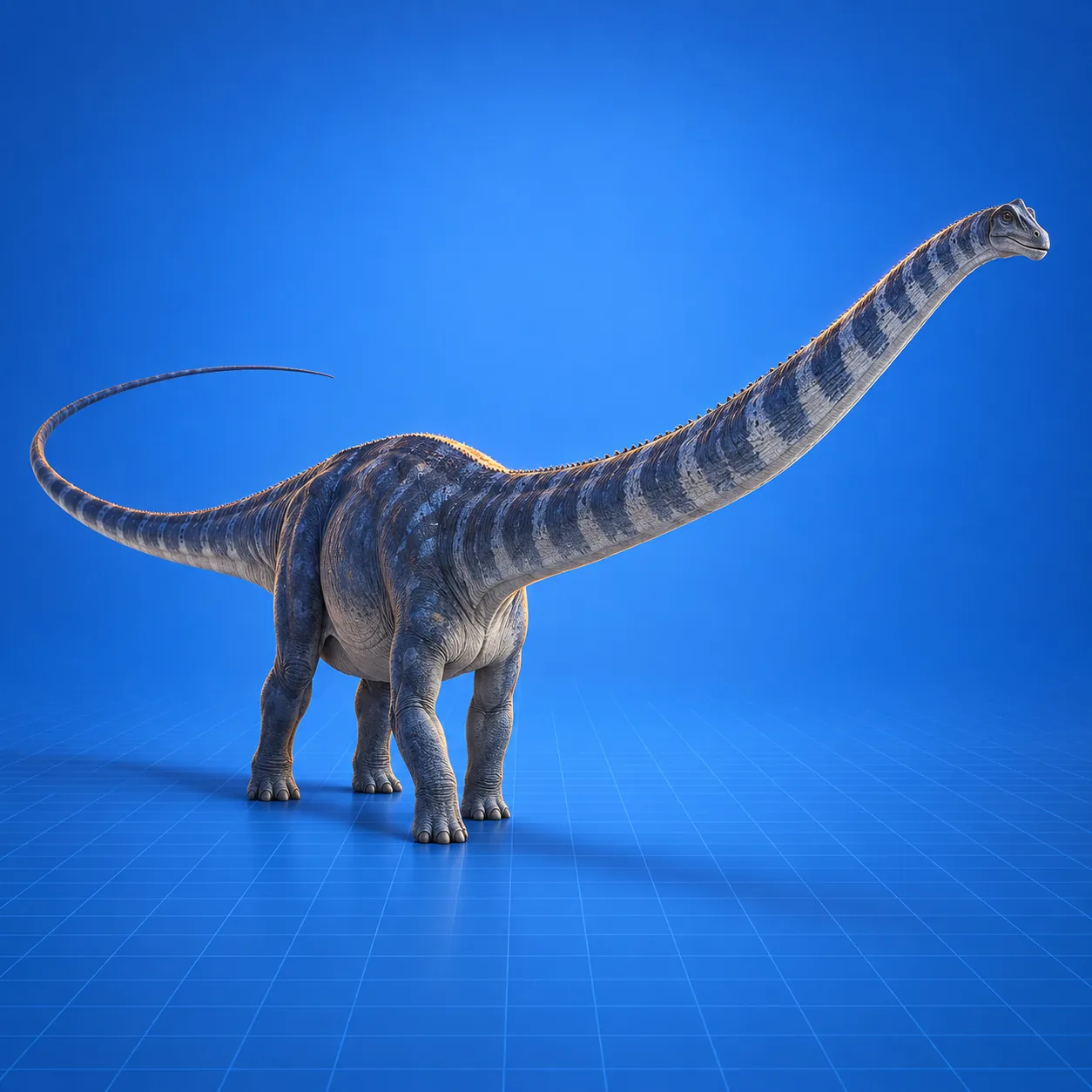
Jurassic
Its skull was tiny compared to its enormous body and long neck.
Explore the species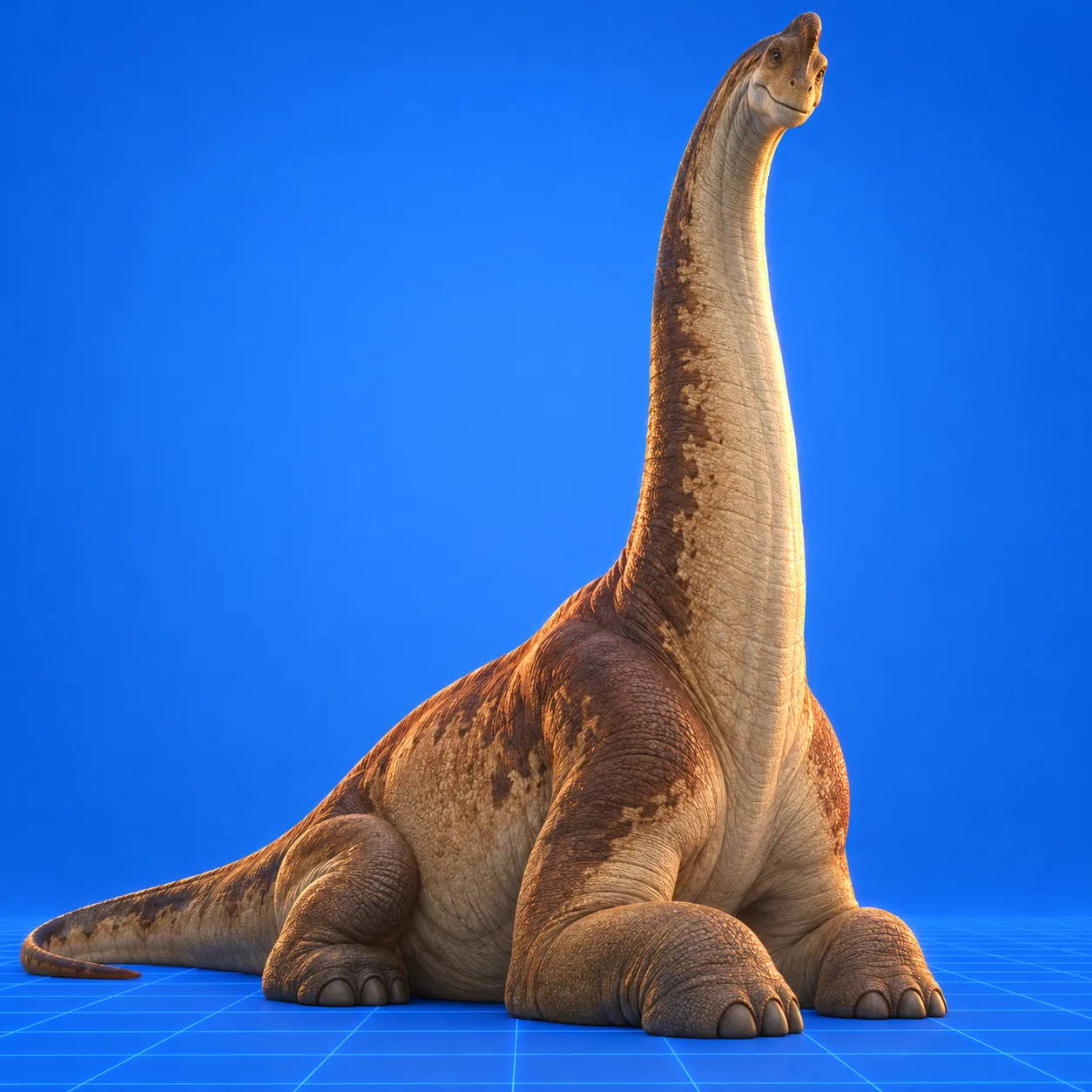
Late Jurassic
Long front legs shaped its towering profile
Explore the species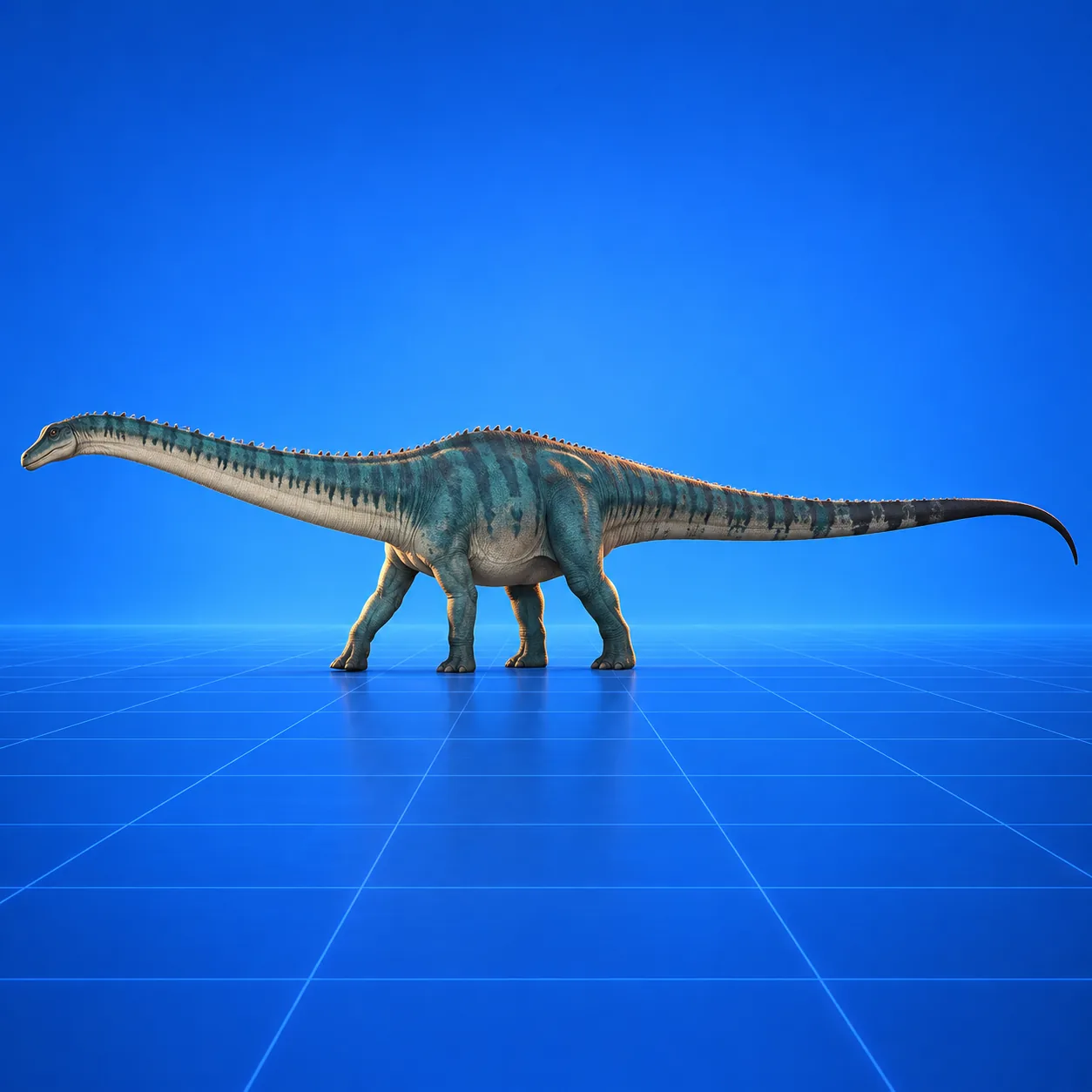
Late Jurassic
A long neck, a longer story in its tail bones
Explore the speciesStylized, AI-generated Dinosgacha game artwork. Colours and growth stages are artistic interpretations, not scientific reconstructions.
A closer look
The largest known land animals were sauropod dinosaurs. This selection brings together notable giants in the Dinosgacha collection, including titanosaurs such as Argentinosaurus, Patagotitan and Notocolossus. It is not an ordered ranking: a very long dinosaur need not have been the heaviest.
Fossil skeletons are often incomplete, so researchers estimate missing proportions by comparing related animals. Different reconstruction methods can produce different body-mass estimates. Patagotitan preserves substantial material, while Argentinosaurus is known from fewer bones. Even familiar size figures should be treated as estimates rather than exact measurements.
Argentinosaurus and Patagotitan are among the main contenders, but “biggest” needs a definition. Length, height and body mass measure different things, and incomplete remains prevent a simple, permanent winner.
An apparently small difference may be narrower than the uncertainty in the reconstruction. Dreadnoughtus, for example, has received substantially different mass estimates from different methods. Comparing the evidence is more useful than presenting every estimate as an exact score.