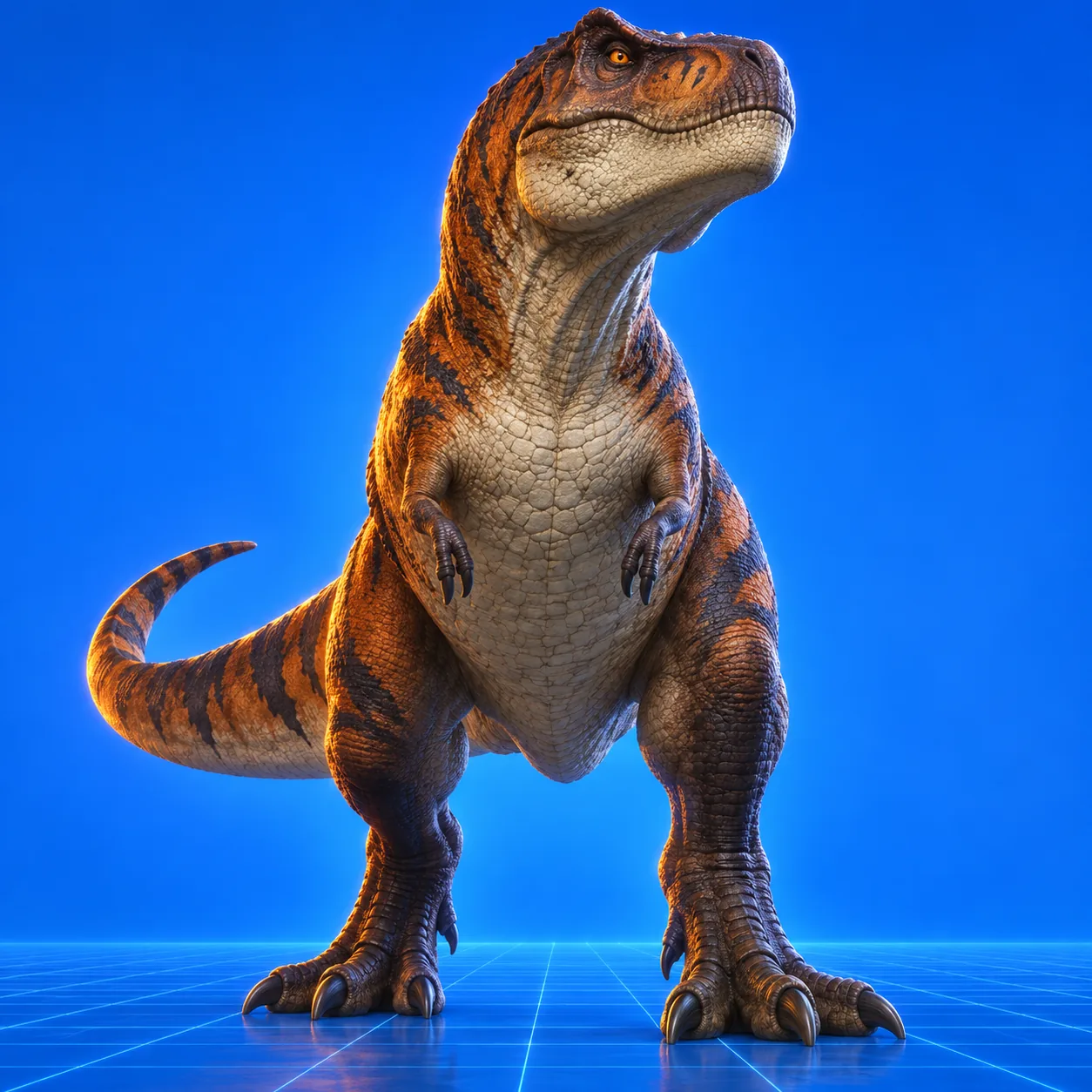
Late Cretaceous
Tyrannosaurus rex
A giant head, balanced by a powerful tail
Explore the species Dinosgacha
Explore by topic
Sharp teeth, different hunting tools. Discover meat-eating dinosaurs and the fossil clues to what they ate.
Late Cretaceous
A giant head, balanced by a powerful tail
Explore the species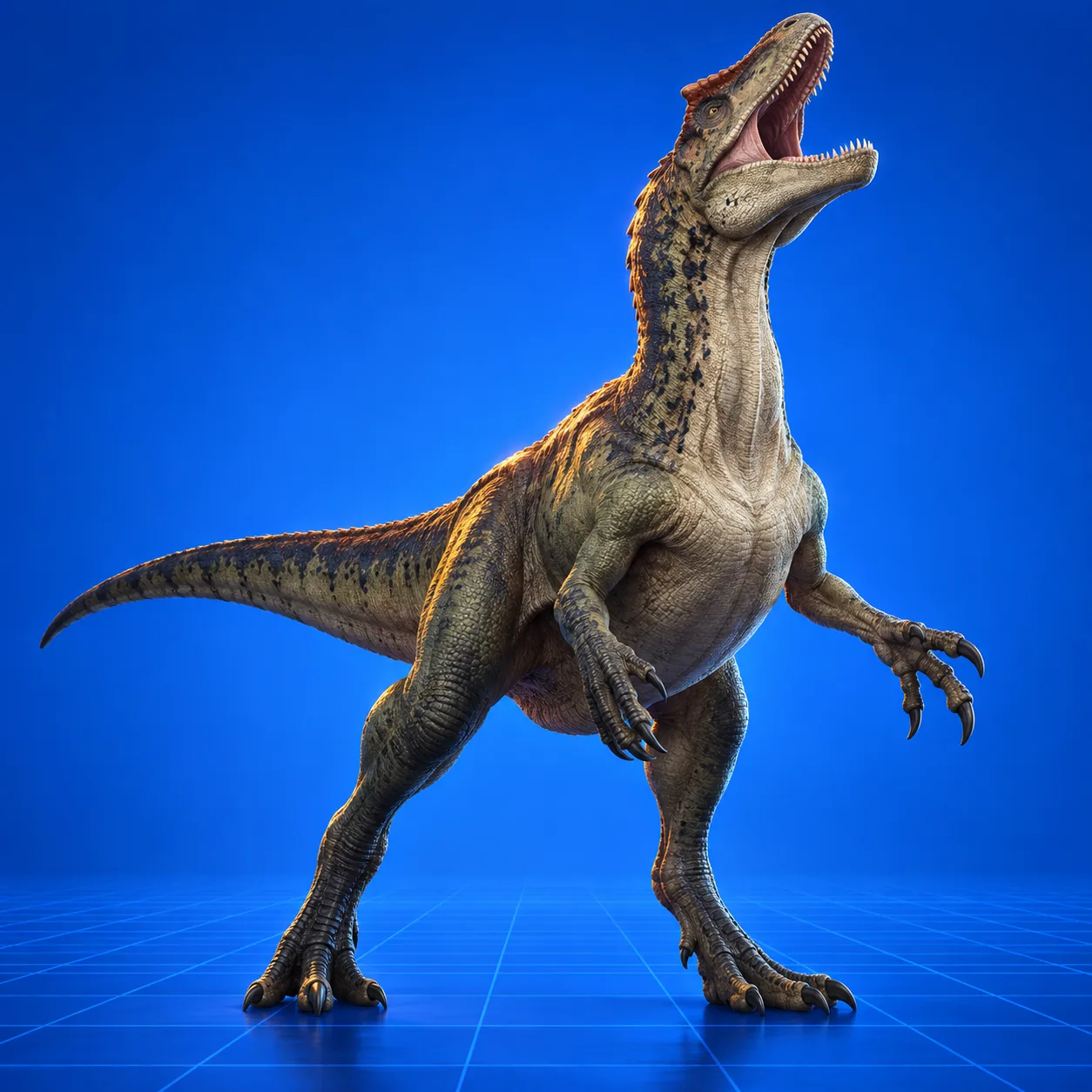
Late Jurassic
A large predator from the Jurassic world
Explore the species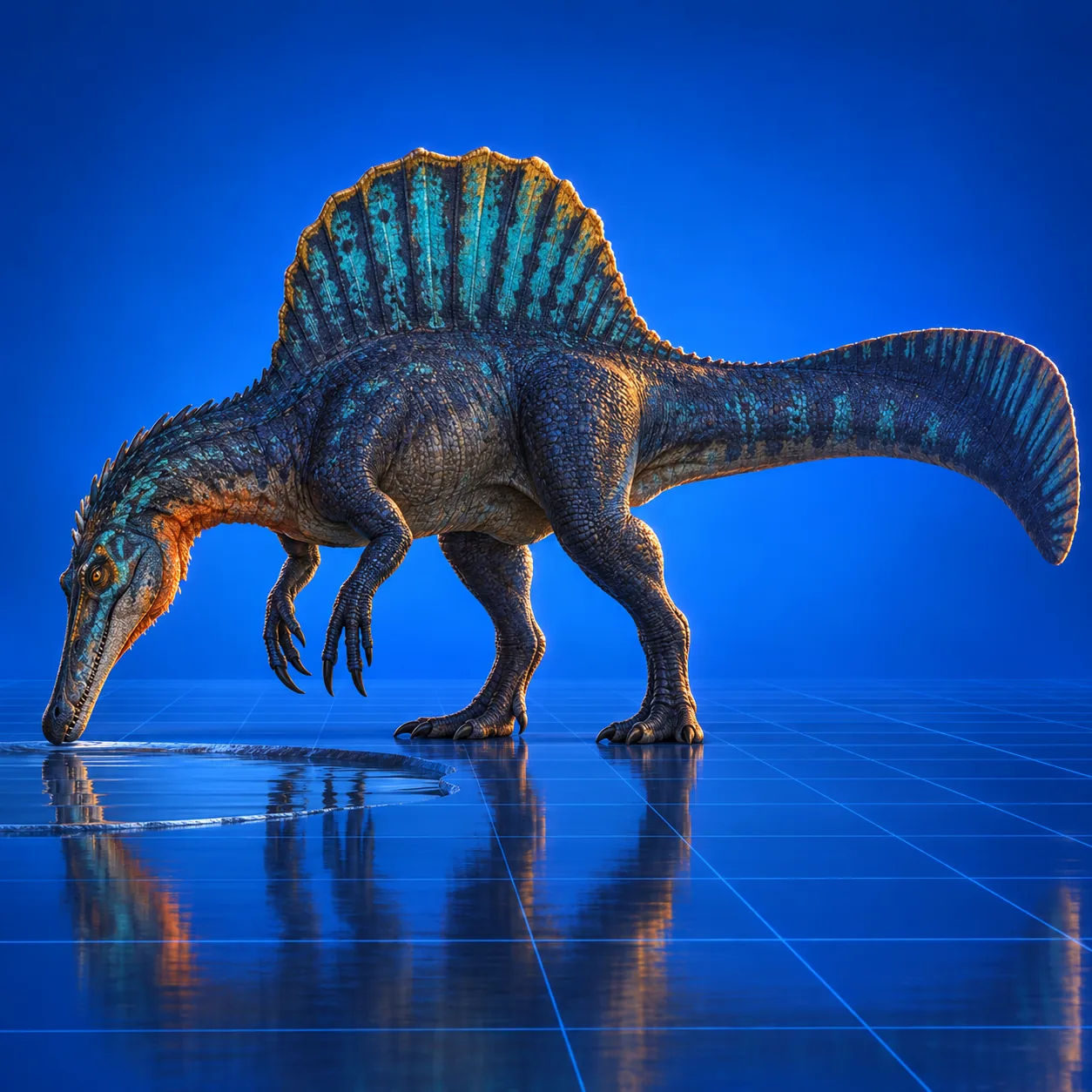
Late Cretaceous
A sail-backed dinosaur with an evolving story
Explore the species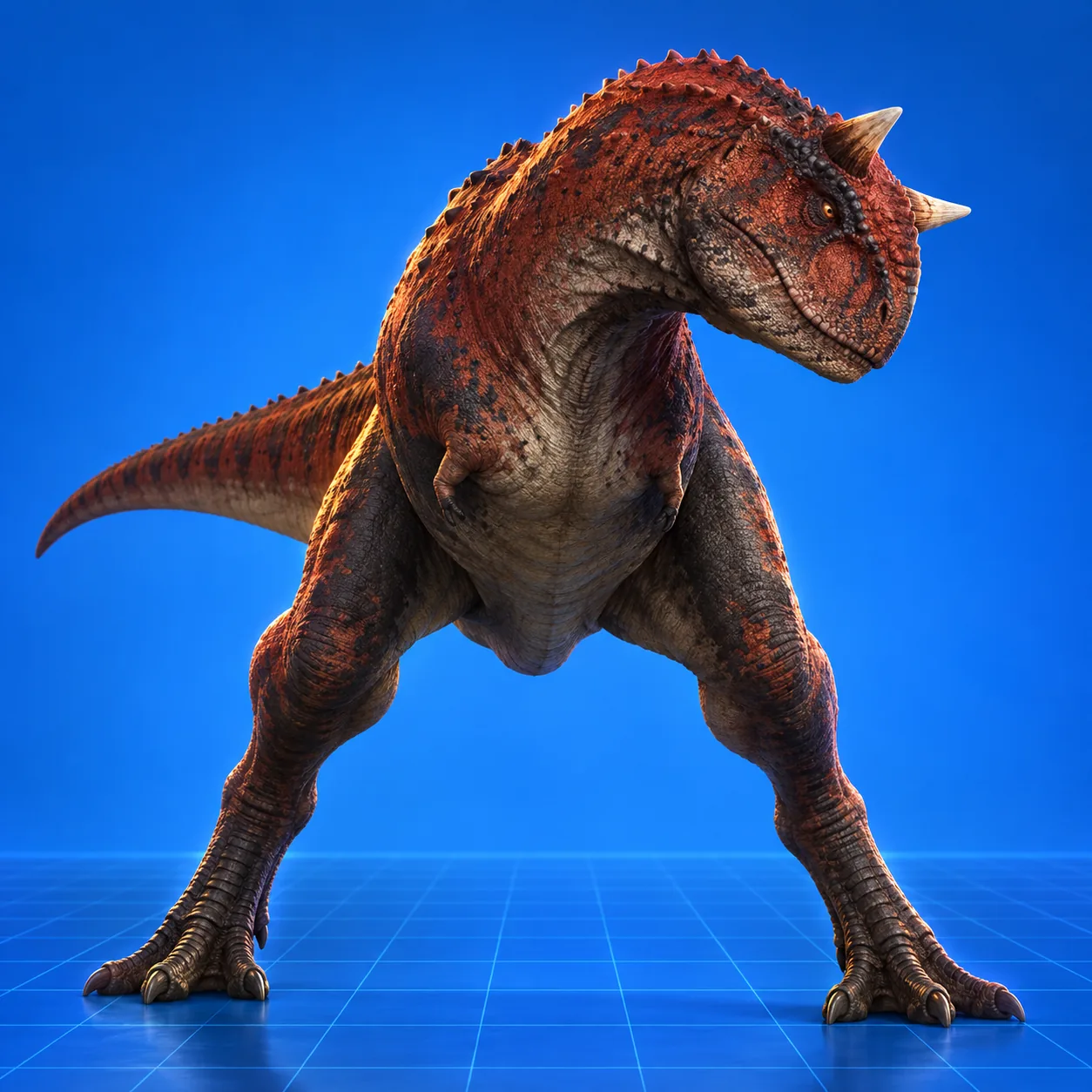
Late Cretaceous
Two horns above the eyes
Explore the species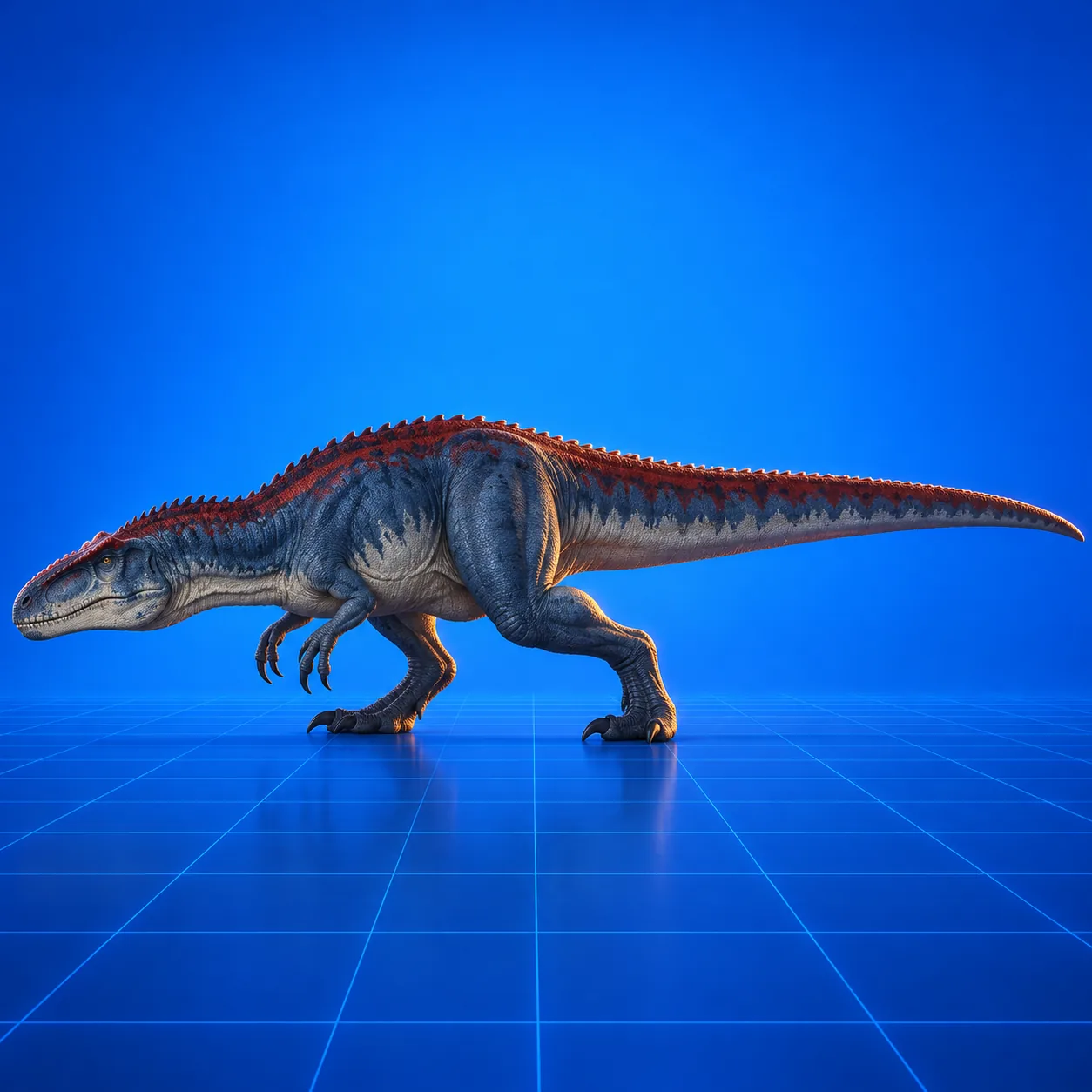
Late Cretaceous
A huge predator, known from an incomplete skeleton
Explore the species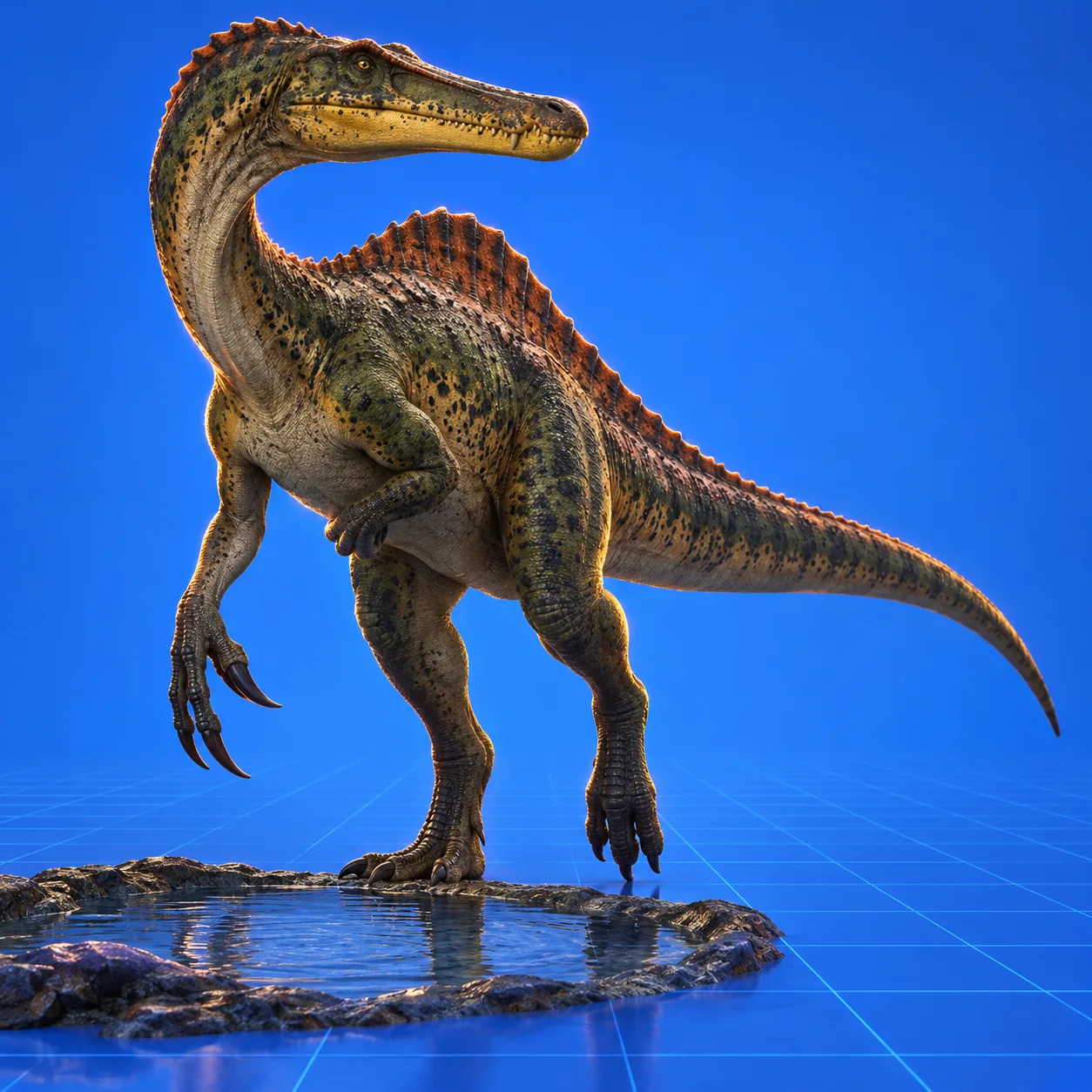
Early Cretaceous
A great hand claw and a long snout
Explore the species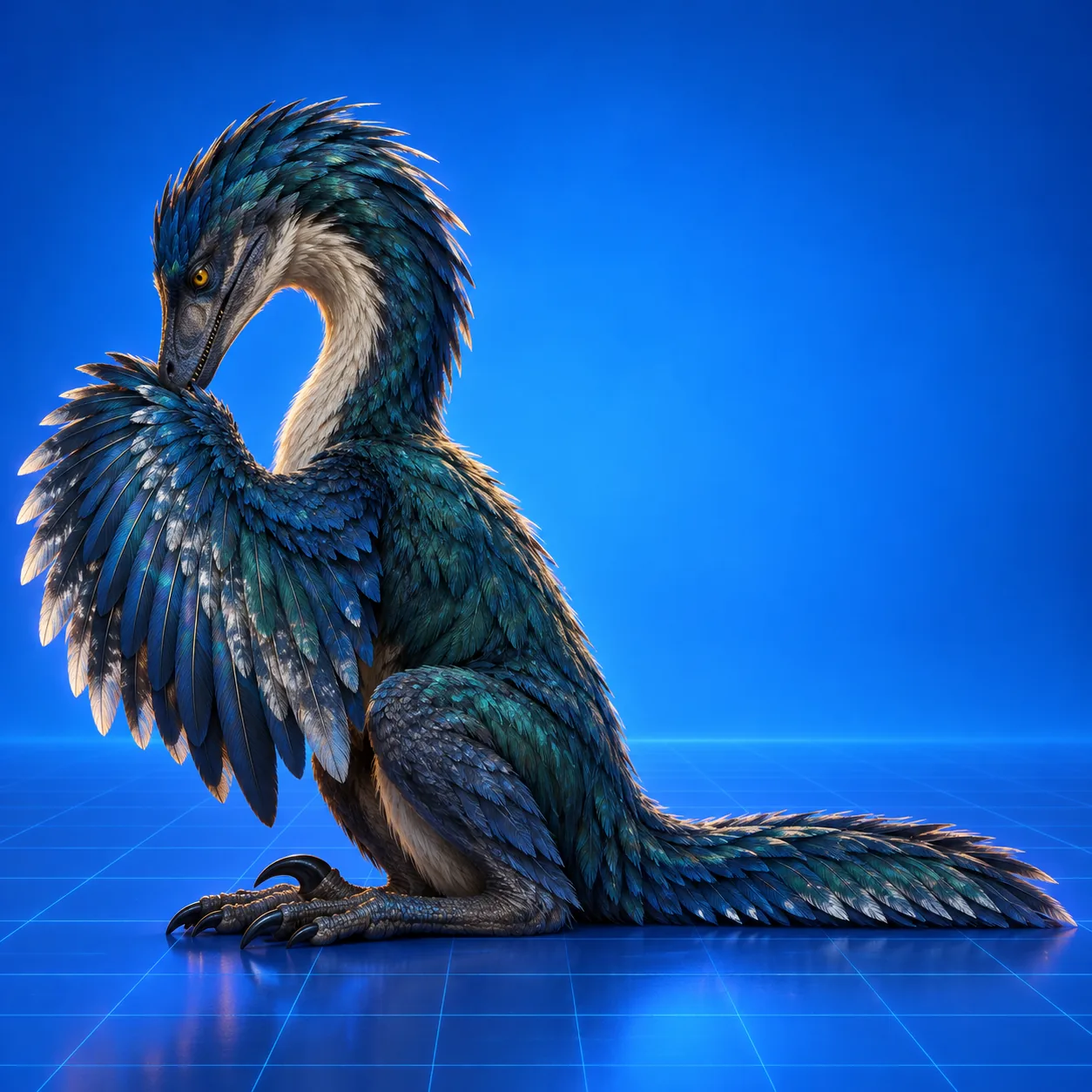
Late Cretaceous
Small, feathered and unmistakably a raptor
Explore the species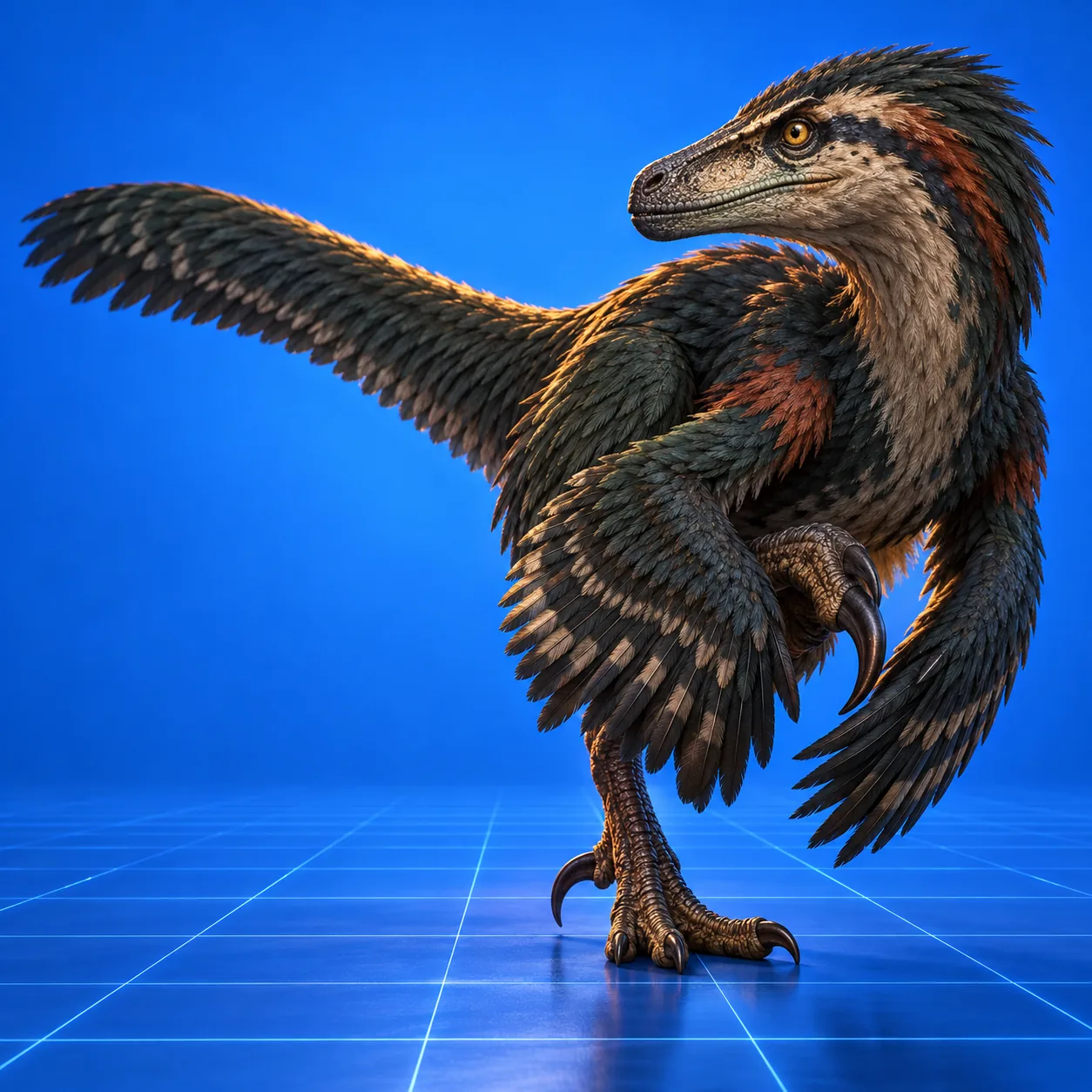
Cretaceous
Its fossils have been recovered in several states in the United States, including Montana, Utah, Wyoming and Oklahoma.
Explore the species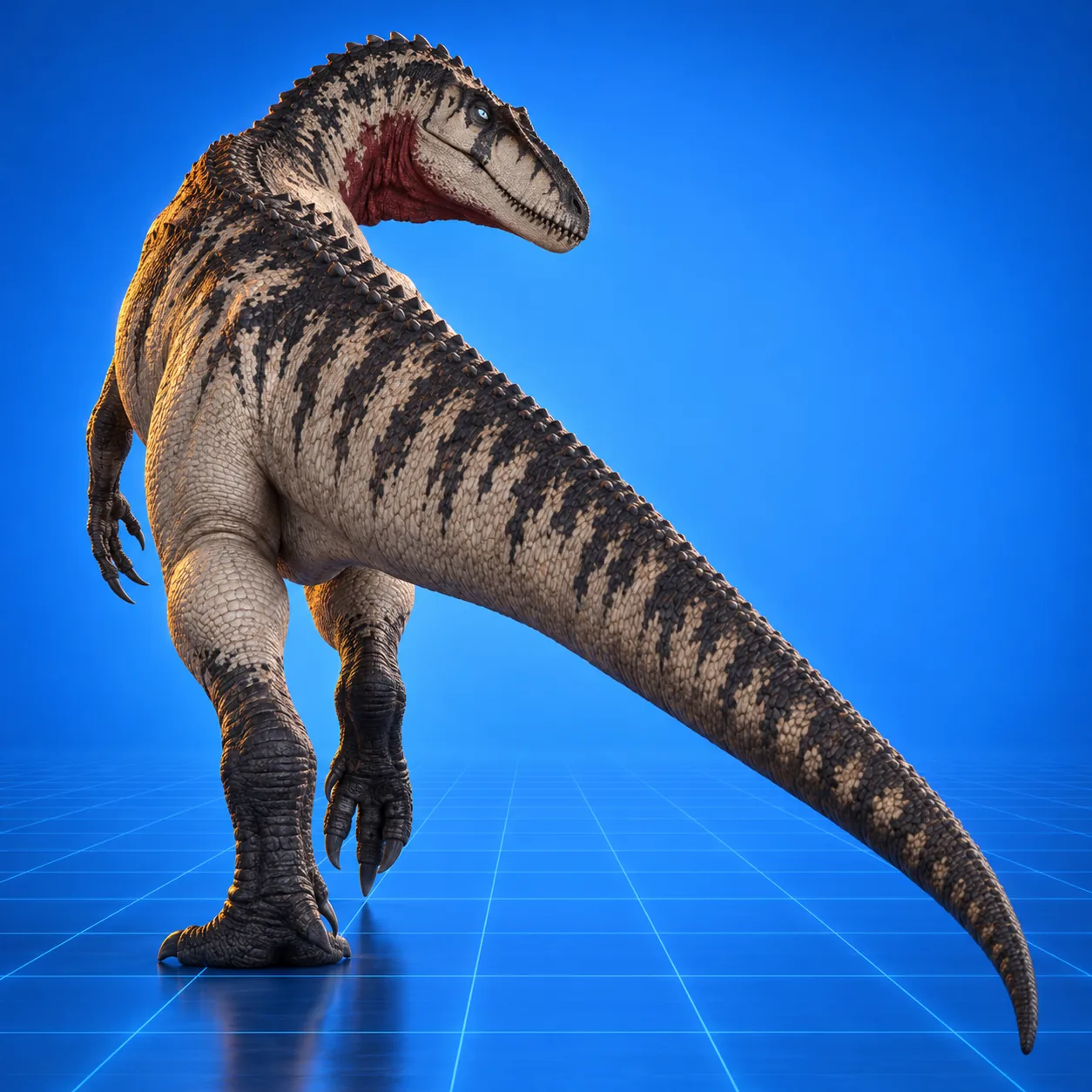
Cretaceous
Its name means "shark-toothed lizard."
Explore the species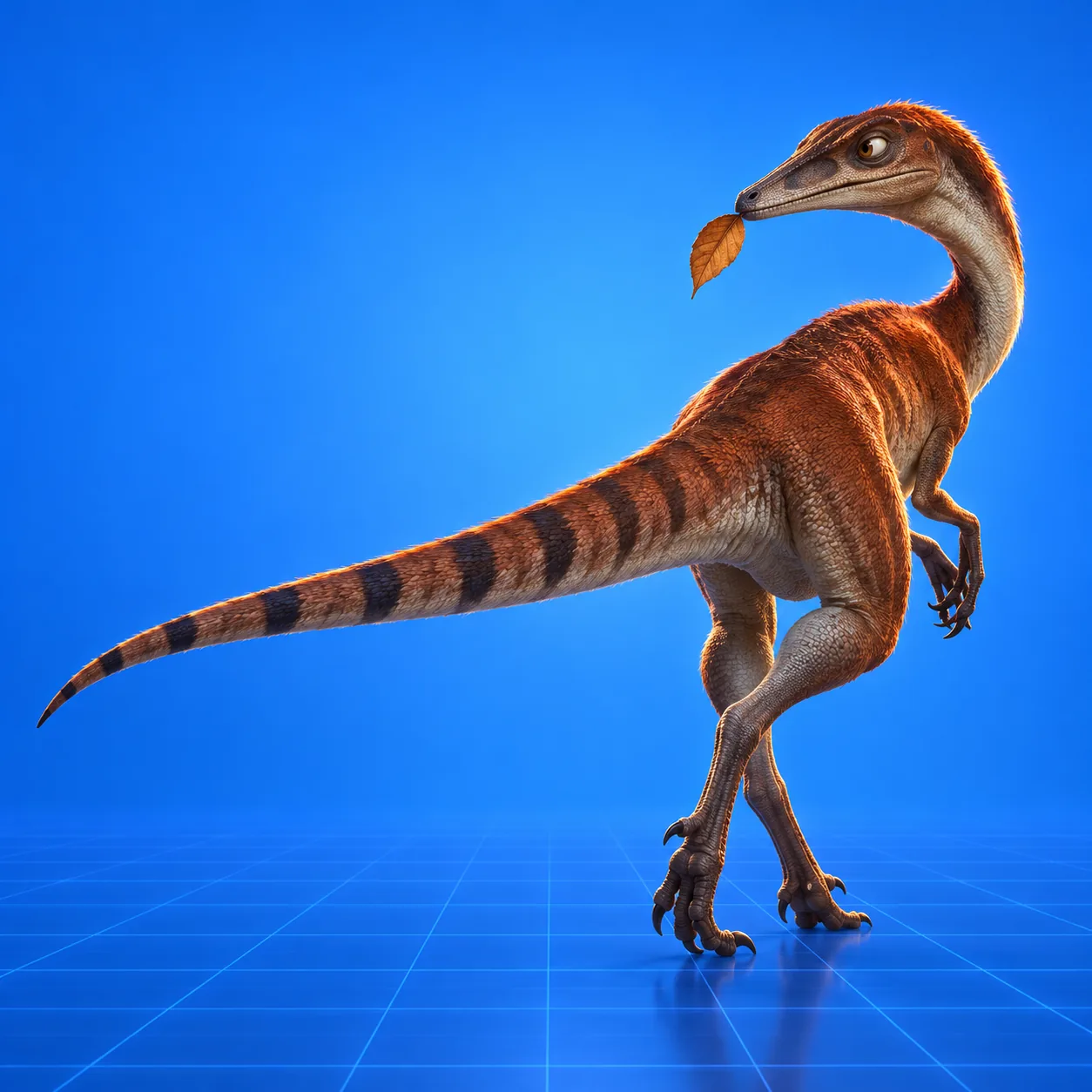
Triassic
The name Rioarribasaurus is considered a synonym of Coelophysis.
Explore the speciesStylized, AI-generated Dinosgacha game artwork. Colours and growth stages are artistic interpretations, not scientific reconstructions.
A closer look
Carnivorous dinosaurs ate other animals, but that did not give them all the same lifestyle. Tyrannosaurus had robust teeth and powerful jaws; Baryonyx and Spinosaurus had narrower snouts associated with catching fish. This selection includes large predators and much smaller theropods.
Teeth and jaws help researchers interpret diet. Stomach contents, fossil droppings and bite marks can add more direct evidence. A sharp claw alone does not prove how an animal hunted, and these dinosaurs did not all share a time or place. Open a profile for its own period, locations and references.
Not necessarily. Hunting and scavenging can both supply a meat-eater with food. Evidence supports both possibilities for Tyrannosaurus; fossils rarely reveal every feeding choice made by an individual animal.
No. Theropods included a wider range of diets. This page is a curated selection of meat-eaters, not a claim that every two-legged dinosaur or every animal with claws was carnivorous.