Dinosaur
Apatosaurus
A robust giant of the Jurassic
Thick neck vertebrae and sturdy limbs distinguish this huge sauropod from some of its more slender relatives.
Three stages. One companion.
Game artwork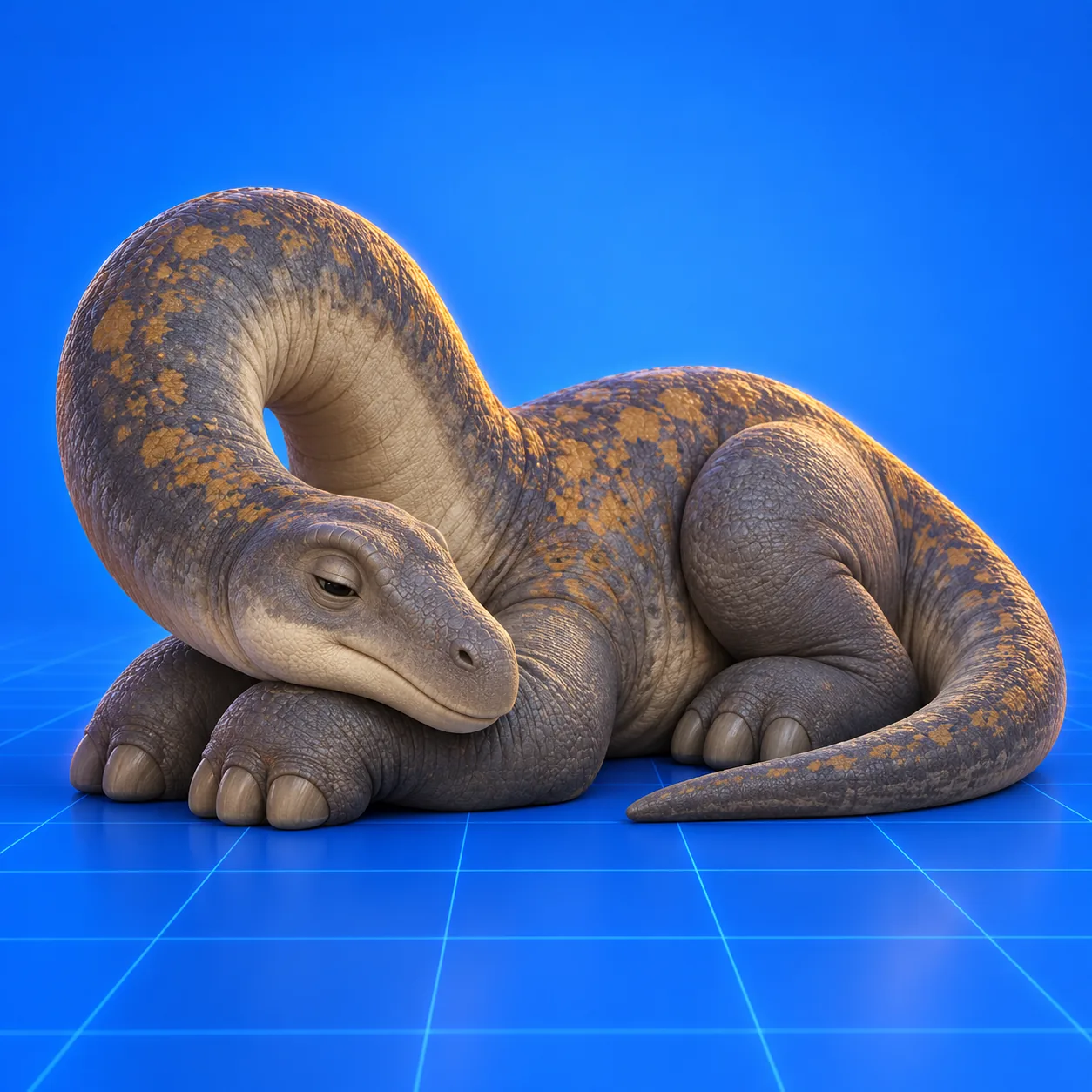
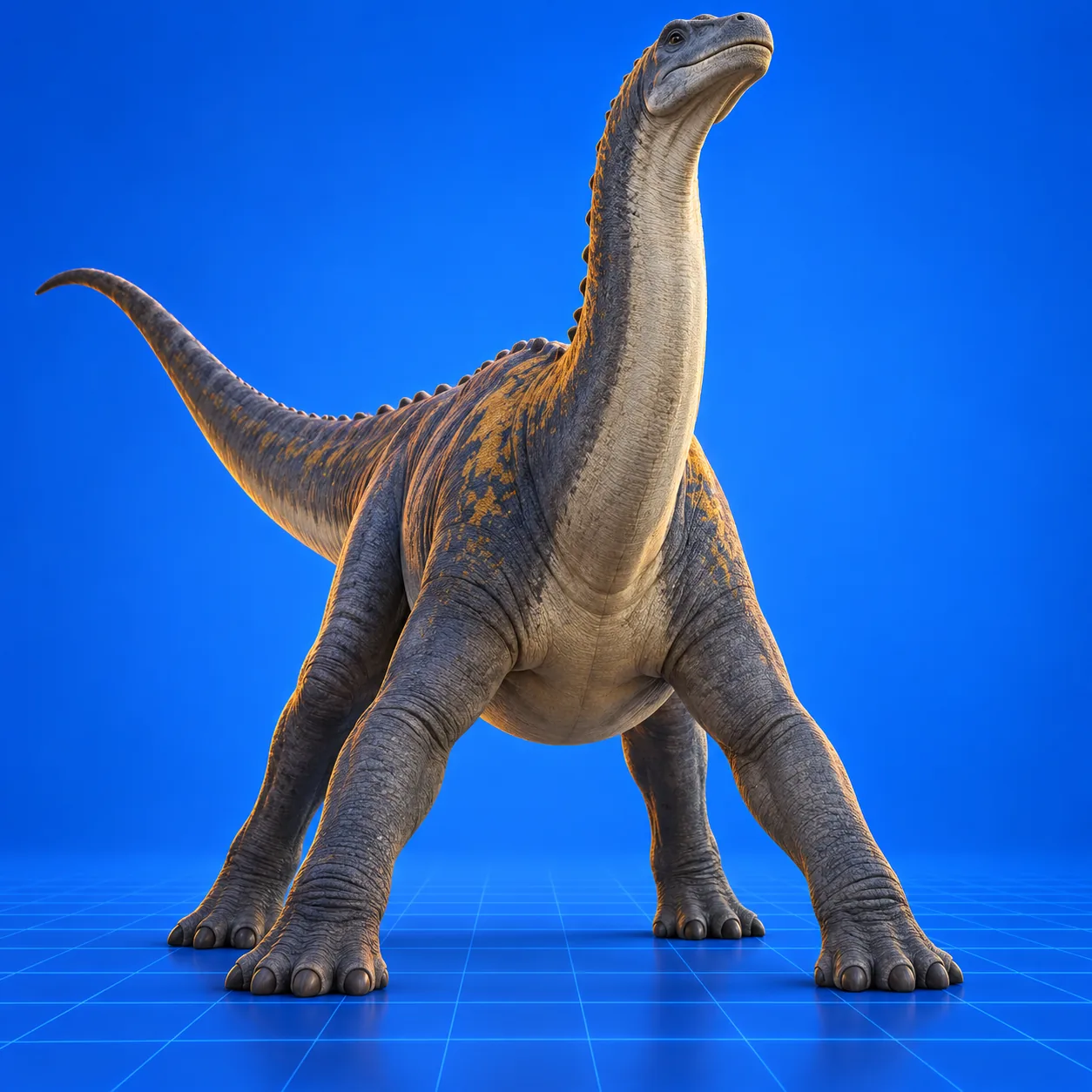
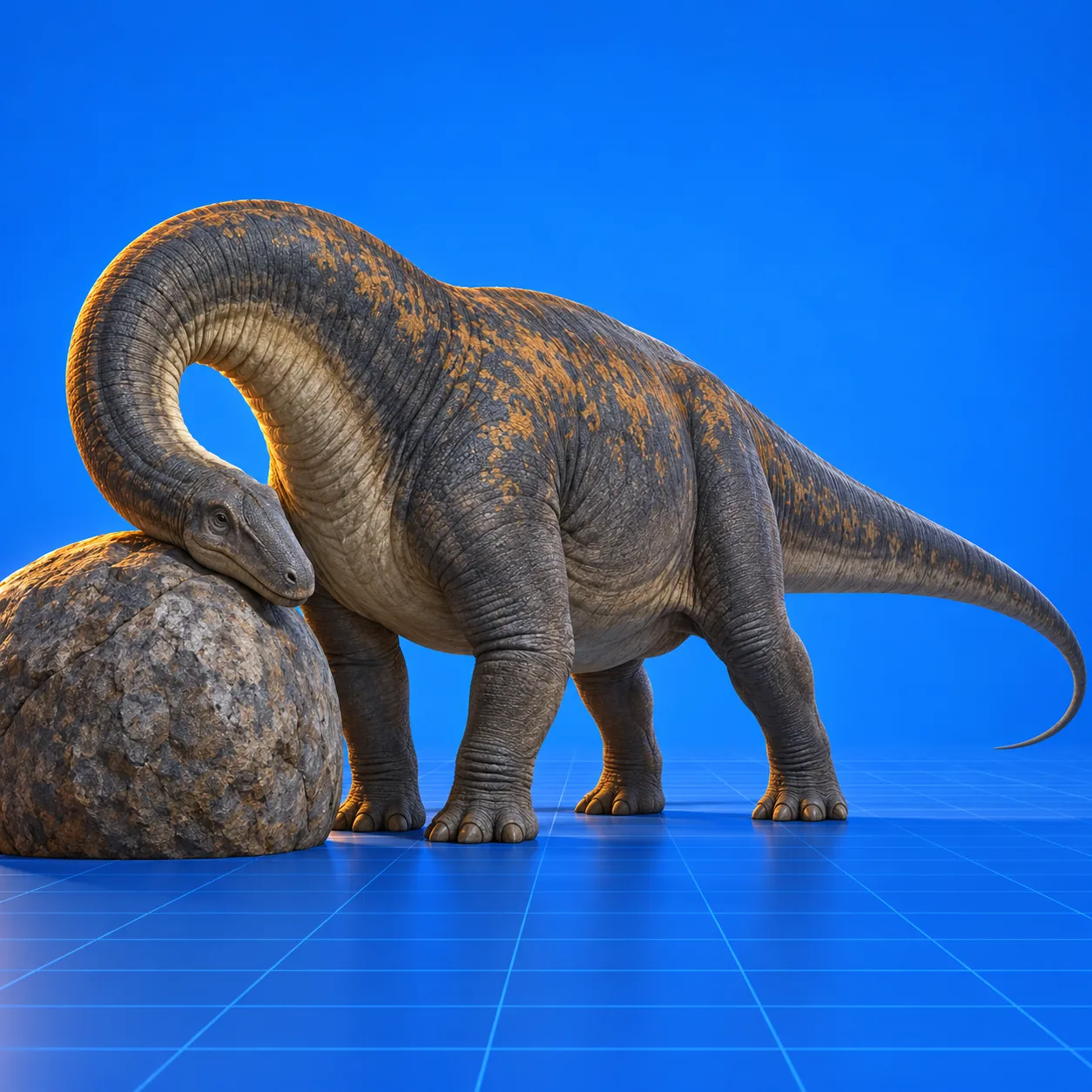
AI-generated, stylized game illustrations. These designs and growth stages are imaginative, not scientific reconstructions.
Apatosaurus at a glance
- Diet
- Plant eater
- A plant-based diet is inferred from anatomy and comparisons with related animals. Herbivores did not all eat the same plants.
- When it lived
- Late Jurassic
- Geological period represented by its fossil record. Dates and assignments can be refined through further study.
- Group
- Diplodocidae
- Diplodocids
- Fossil locations
- Utah, United States, Wyoming, United States, Colorado, United States
- Places where fossils have been found
Beyond the game
The real Apatosaurus
Apatosaurus was an enormous four-legged herbivore, often estimated at about twenty-one to twenty-three meters long. It had a long neck and tail, but its neck vertebrae and leg bones were more robust than those of Diplodocus. Related dinosaurs could have noticeably different builds.
Its fossils are known from the western United States, including Utah, Wyoming and Colorado. Comparing bones from different specimens helps researchers reconstruct the body rather than relying only on the general image of a long-necked giant.
Some older museum mounts mistakenly used a Camarasaurus skull. The correction is a useful reminder that every bone needs careful identification. A displayed skeleton can change when new comparisons reveal that one of its parts belonged to another animal.
An evolutionary family whose members share ancestors. This grouping does not imply that one named dinosaur directly became another.
Get to know Apatosaurus
Questions, answered.
Where did Apatosaurus live?
It inhabited Late Jurassic North America. Fossils from the Morrison Formation place it in a landscape with rivers, floodplains and seasonal changes, alongside other familiar dinosaurs including Diplodocus and Stegosaurus. [1]
What did Apatosaurus eat?
Apatosaurus was a plant-eating sauropod. Its long neck and large body belonged to a herbivore, rather than a predator; long-necked dinosaurs did not need sharp meat-cutting teeth to grow enormous. [1]
Why are some old reconstructions given the wrong head?
Skulls are rarely found securely associated with Apatosaurus skeletons. Early museum mounts sometimes used a Camarasaurus-like head. Later discoveries and study supported a different skull, and mounts were revised as the evidence improved. [2] [3]
Fossil discoveries
Selected fossil records · present-day map
Map references
Map: Natural Earth, public domain. Fossil records: linked collections and publications.A note on the science
Length is an estimate, and historical museum reconstructions are not always identical to current scientific interpretations.
Sources & text credits
Explore the references behind this profile.
- Apatosaurus
Wikipedia contributors · Spanish source
Adapted and translated from Apatosaurus by Wikipedia contributors. See the linked revision for the source text and contributor history.
- Apatosaurus
Wikipedia contributors · English source
Adapted and translated from Apatosaurus by Wikipedia contributors. See the linked revision for the source text and contributor history.
- Diplodocidae
Wikipedia contributors · English source
Group information adapted from Wikipedia contributors.
Educational text adapted in English from the existing Wikipedia-backed Dinosgacha catalogue and the linked Wikipedia articles by Wikipedia contributors.
Translated, shortened and edited for this encyclopedia; uncertain interpretations are identified. Selected museum and research references supplement verification.
The adapted educational text is available under CC BY-SA 4.0. This text license does not apply to the game illustrations.