
Human
Homo sapiens
Everyone alive today belongs to the same species, Homo sapiens.
Homo sapiens is not a visitor from the past: it is the species to which every living human belongs.
Three stages. One companion.
Game artwork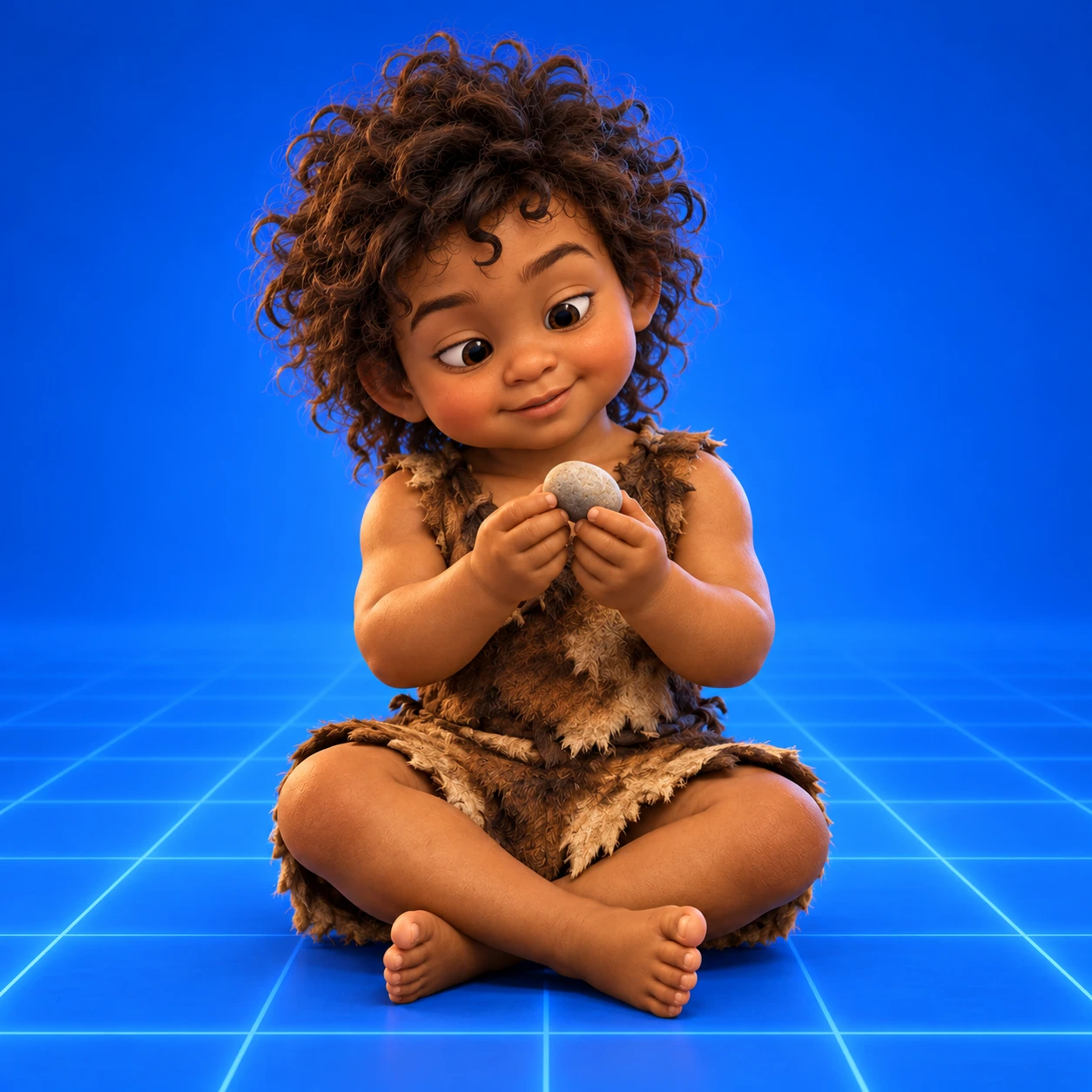
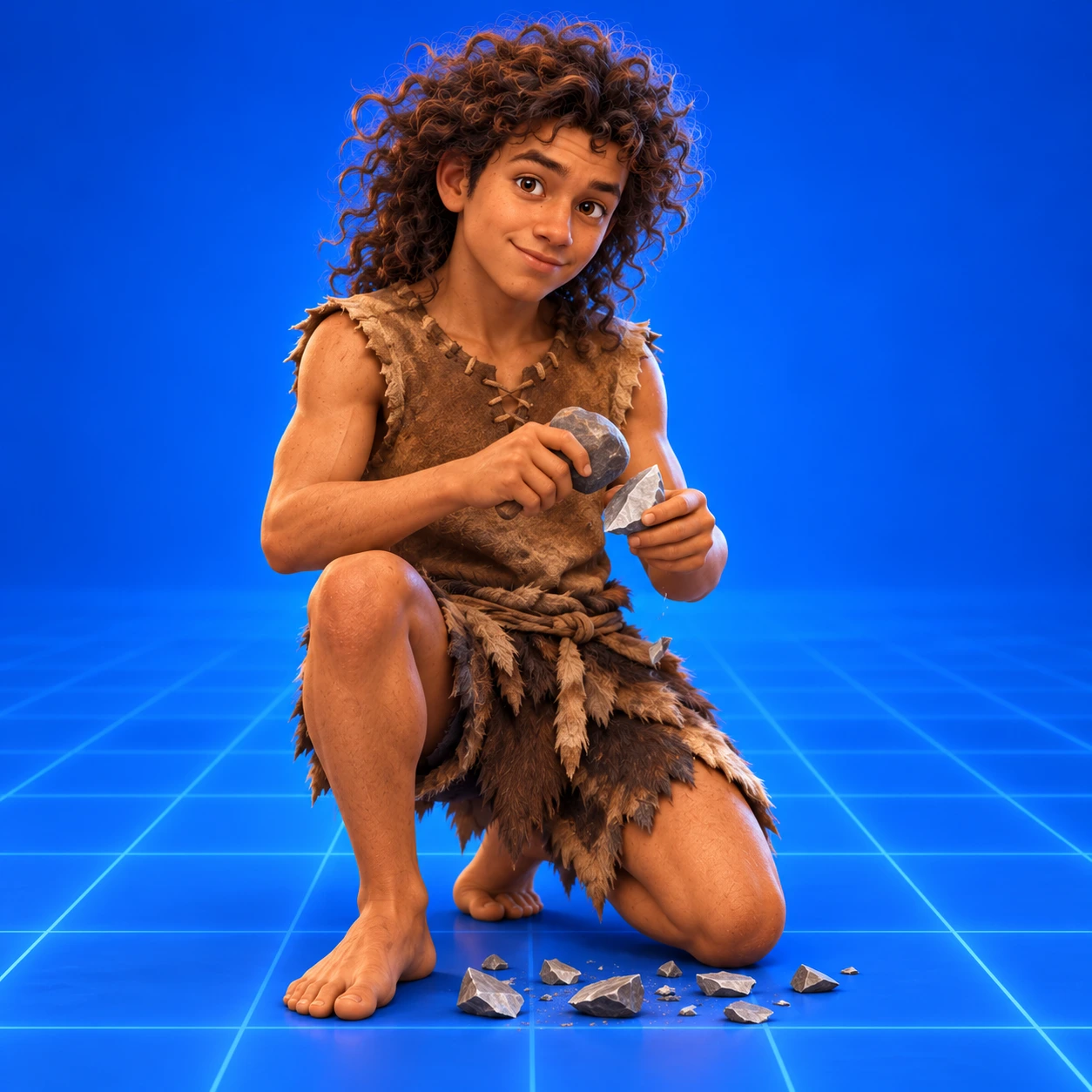
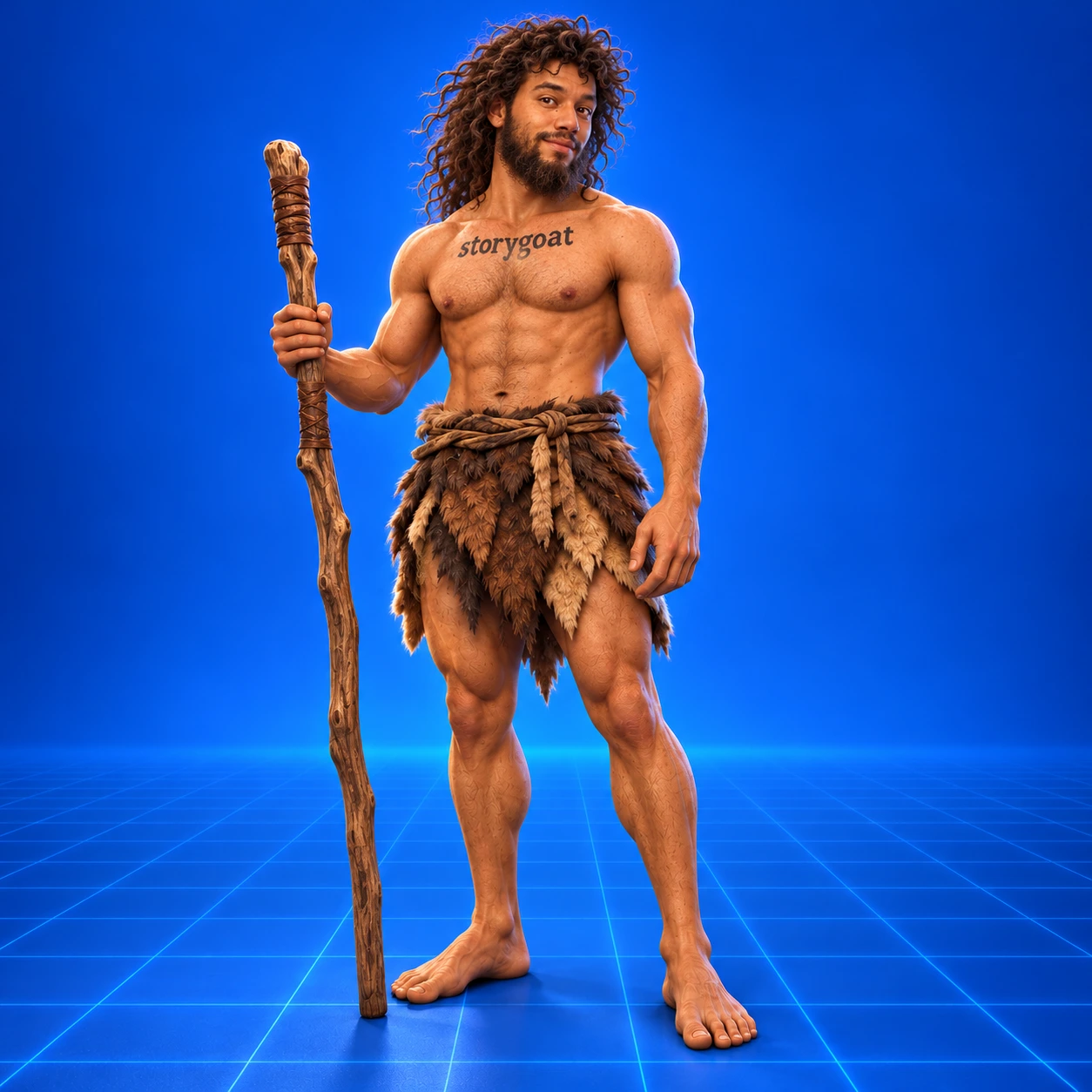
AI-generated, stylized game illustrations. These designs and growth stages are imaginative, not scientific reconstructions.
Homo sapiens at a glance
- Diet
- Omnivore
- We are omnivores: we can eat foods of plant and animal origin. The first populations obtained its food by hunting and gathering; The diet varied depending on the place.
- When it lived
- Quaternary
- Group
- Hominidae
- Hominids
- Fossil locations
- Jebel Irhoud · Morocco, Omo · Ethiopia
- Places where fossils have been found
Beyond the game
The real Homo sapiens
Our species arose in Africa about 300,000 years ago and is still here today. Remains from places such as Jebel Irhoud in Morocco and Omo in Ethiopia help trace its early history. Those sites are clues to our beginnings, not a map of everywhere humans lived.
The tools, cooperation and shared learning allowed us to adapt to very different environments. Sharing a solution makes it easier for other people to take advantage of and develop it. The first populations obtained food of plant and animal origin, with diets that changed depending on the place.
We belong to the great ape family. Chimpanzees and bonobos are our closest living relatives: we share ancestors with them, but did not descend from modern chimpanzees. Humans also never lived alongside the non-avian dinosaurs of the Mesozoic.
The great ape family includes humans, chimpanzees, bonobos, gorillas and orangutans. We share ancestors; We are not descended from the apes that live today.
Fossil discoveries
Selected fossil records · present-day map
Map references
Map: Natural Earth, public domain. Fossil records: linked collections and publications.Sources & text credits
Explore the references behind this profile.
- Human
Wikipedia contributors · English source
Educational text adapted and translated from this article by Wikipedia contributors. The revision link, when captured in the source catalogue, identifies the source version.
- Jebel Irhoud
Wikipedia contributors · English source
Educational text adapted and translated from this article by Wikipedia contributors. The revision link, when captured in the source catalogue, identifies the source version.
- Omo remains
Wikipedia contributors · English source
Educational text adapted and translated from this article by Wikipedia contributors. The revision link, when captured in the source catalogue, identifies the source version.
- Hominidae
Wikipedia contributors · English source
Educational text adapted and translated from this article by Wikipedia contributors. The revision link, when captured in the source catalogue, identifies the source version.
Educational text adapted in English from the existing Wikipedia-backed Dinosgacha catalogue and linked articles by Wikipedia contributors.
Existing English translations have been selected and arranged for this encyclopedia. Repeated period and diet text is omitted where those fields already carry it. Unknown facts remain unfilled; unreviewed geological age phrases are omitted and period labels replace numerical ages.
The adapted educational text is available under CC BY-SA 4.0. This text license does not apply to the game illustrations.