
Human
Homo neanderthalensis
Its name comes from the Neander Valley, where a specimen was found in 1856.
Neanderthals had their own human story, with tools, fire and care for some injured members of their communities.
Three stages. One companion.
Game artwork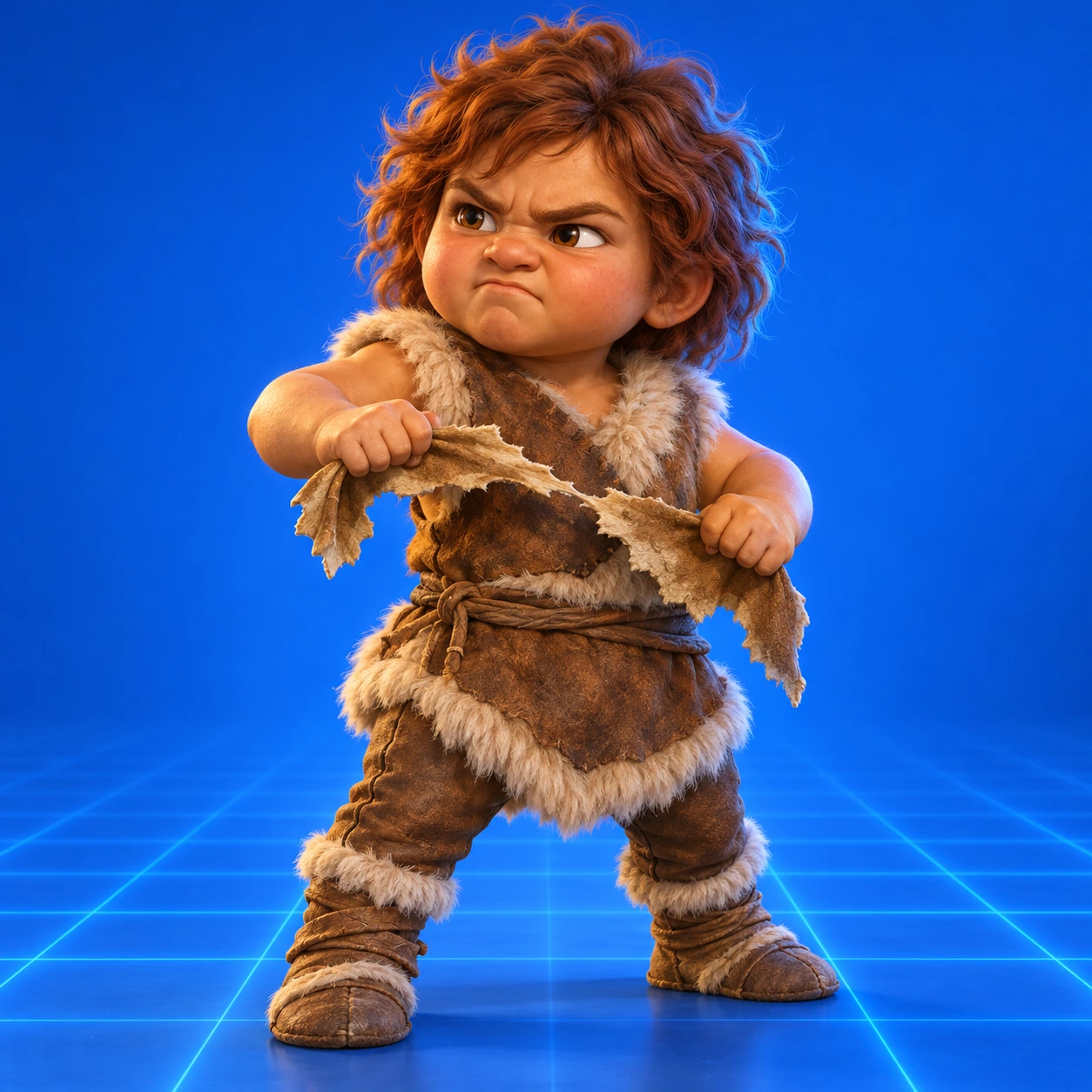
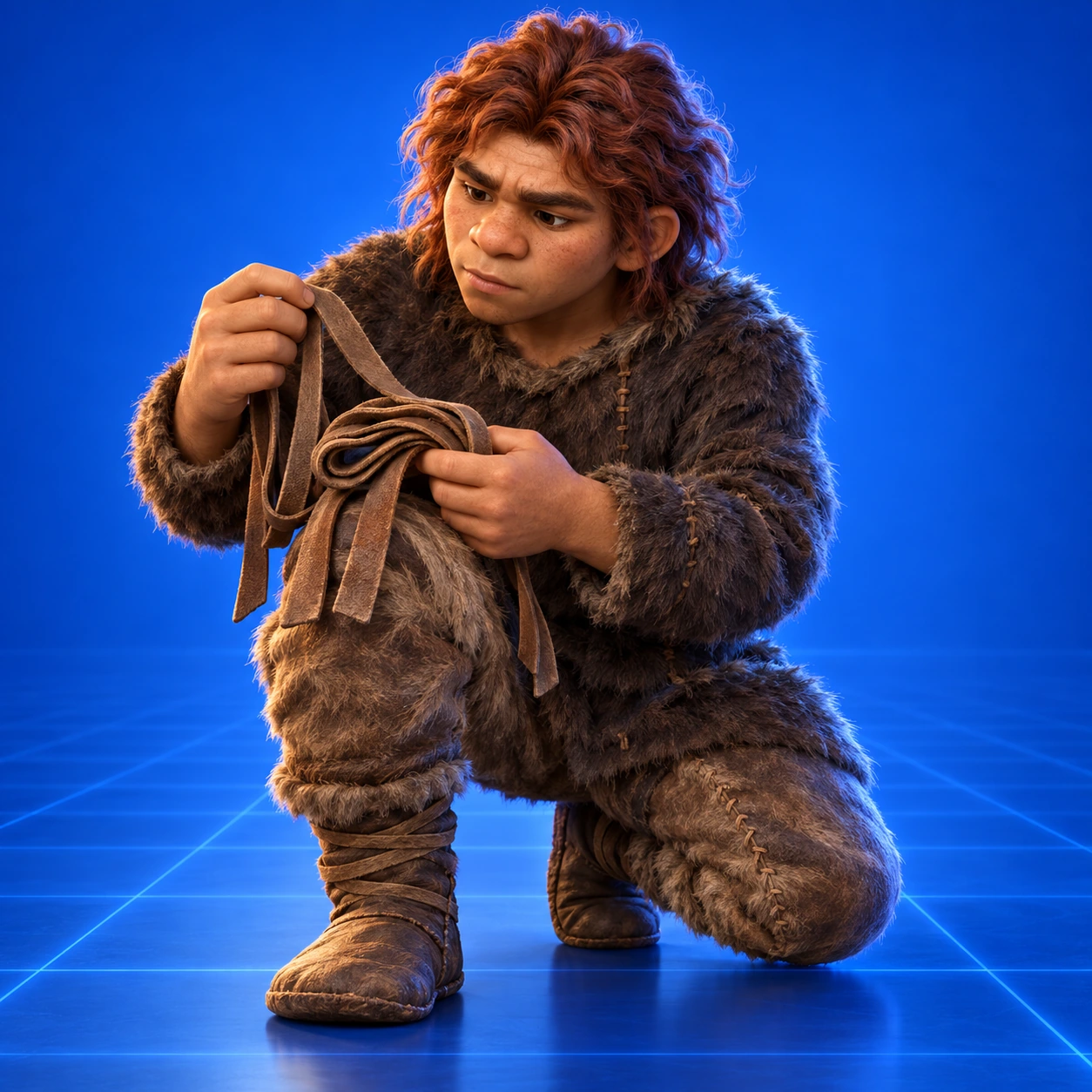
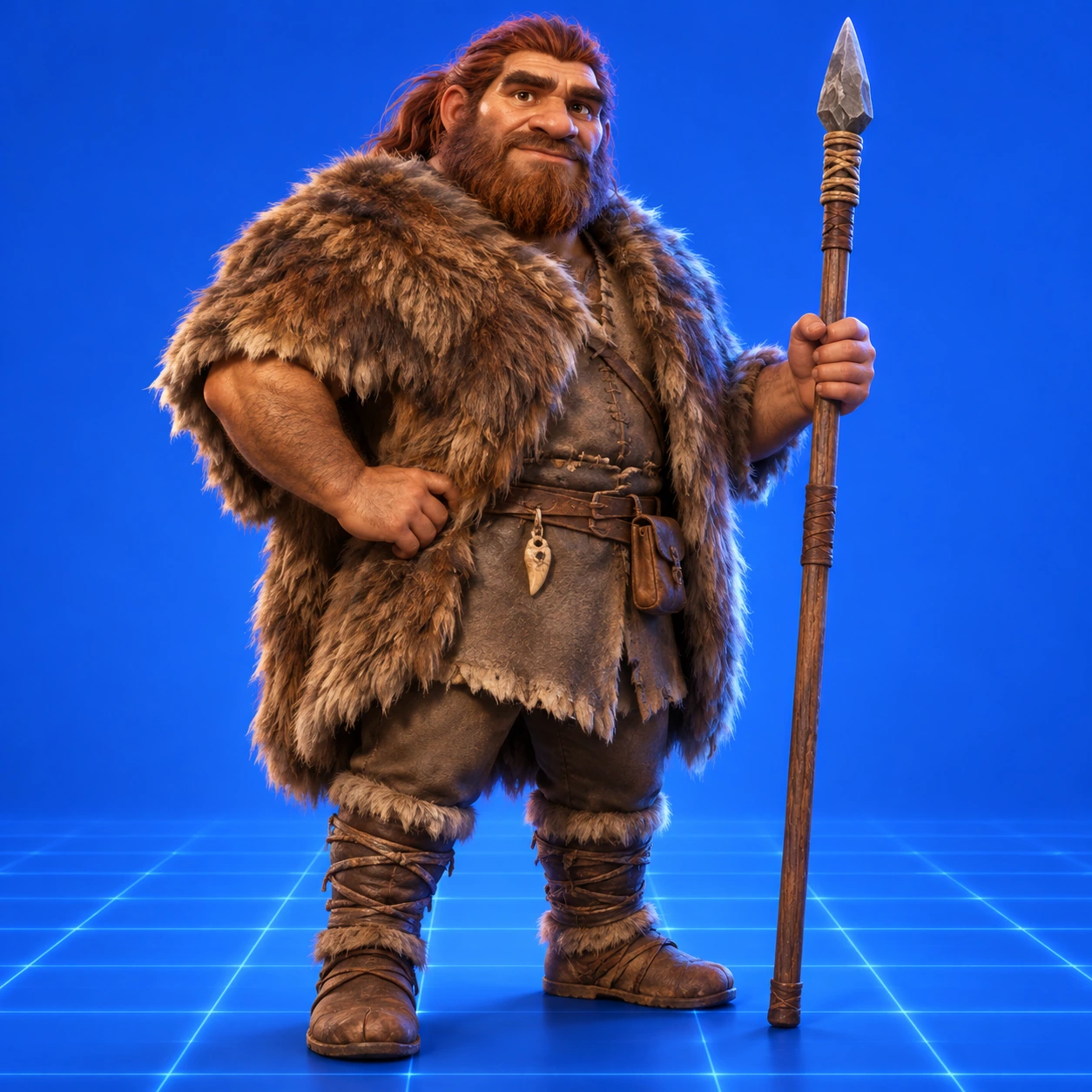
AI-generated, stylized game illustrations. These designs and growth stages are imaginative, not scientific reconstructions.
Homo neanderthalensis at a glance
- Diet
- Omnivore
- They consumed meat and also plant foods. Their menu changed between regions; some communities took advantage of fish and shellfish.
- When it lived
- Quaternary
- Group
- Hominidae
- Hominids
- Fossil locations
- Neander Valley · Germany, Shanidar · Iraq
- Places where fossils have been found
Beyond the game
The real Homo neanderthalensis
They lived in Europe and parts of Asia during the Pleistocene and disappeared about 40,000 years ago. Their name comes from the Neander Valley, where a specimen was found in 1856.
They made tools, used fire and ate both plant and animal foods. Evidence also indicates care for some injured members of their communities. These details connect their history with everyday needs, beyond comparisons of bone shape.
They were not poorly developed modern humans. They had their own evolutionary trajectory, and studying their remains allows us to understand that human diversity without converting it into a scale of better or worse people.
The great ape family includes humans, chimpanzees, bonobos, gorillas and orangutans. We share ancestors; We are not descended from the apes that live today.
Fossil discoveries
Selected fossil records · present-day map
Map references
Map: Natural Earth, public domain. Fossil records: linked collections and publications.Sources & text credits
Explore the references behind this profile.
- Neanderthal
Wikipedia contributors · English source
Educational text adapted and translated from this article by Wikipedia contributors. The revision link, when captured in the source catalogue, identifies the source version.
- Neandertal (valley)
Wikipedia contributors · English source
Educational text adapted and translated from this article by Wikipedia contributors. The revision link, when captured in the source catalogue, identifies the source version.
- Shanidar Cave
Wikipedia contributors · English source
Educational text adapted and translated from this article by Wikipedia contributors. The revision link, when captured in the source catalogue, identifies the source version.
- Hominidae
Wikipedia contributors · English source
Educational text adapted and translated from this article by Wikipedia contributors. The revision link, when captured in the source catalogue, identifies the source version.
Educational text adapted in English from the existing Wikipedia-backed Dinosgacha catalogue and linked articles by Wikipedia contributors.
Existing English translations have been selected and arranged for this encyclopedia. Repeated period and diet text is omitted where those fields already carry it. Unknown facts remain unfilled; unreviewed geological age phrases are omitted and period labels replace numerical ages.
The adapted educational text is available under CC BY-SA 4.0. This text license does not apply to the game illustrations.