
Fish
Stethacanthus
Stethacanthus is known for the unusual anvil-shaped structure associated with the dorsal region of males.
Stethacanthus is known for the unusual anvil-shaped structure associated with the dorsal region of males. It is one of the most immediately recognizable fossil shark-like fishes.
Three stages. One companion.
Game artwork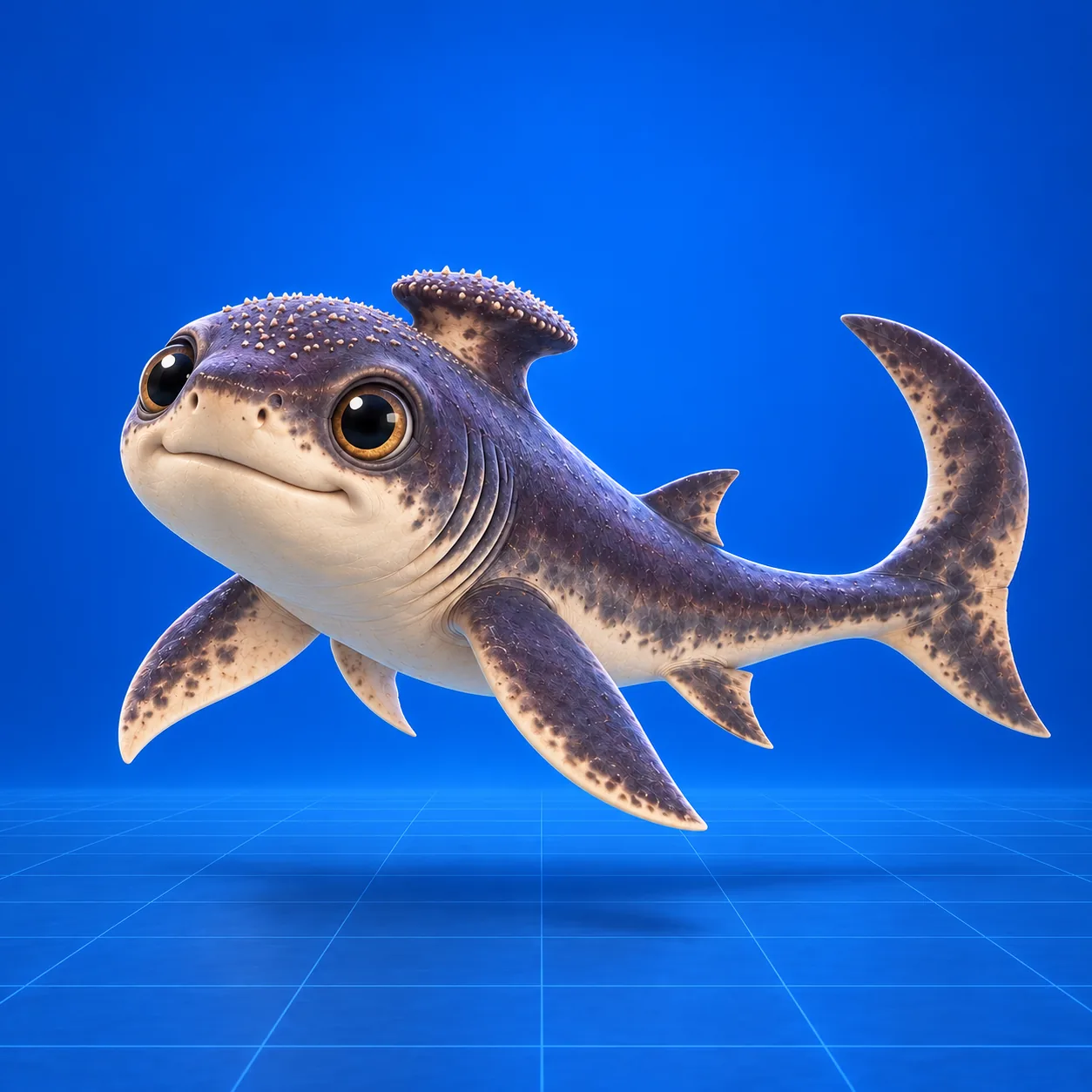
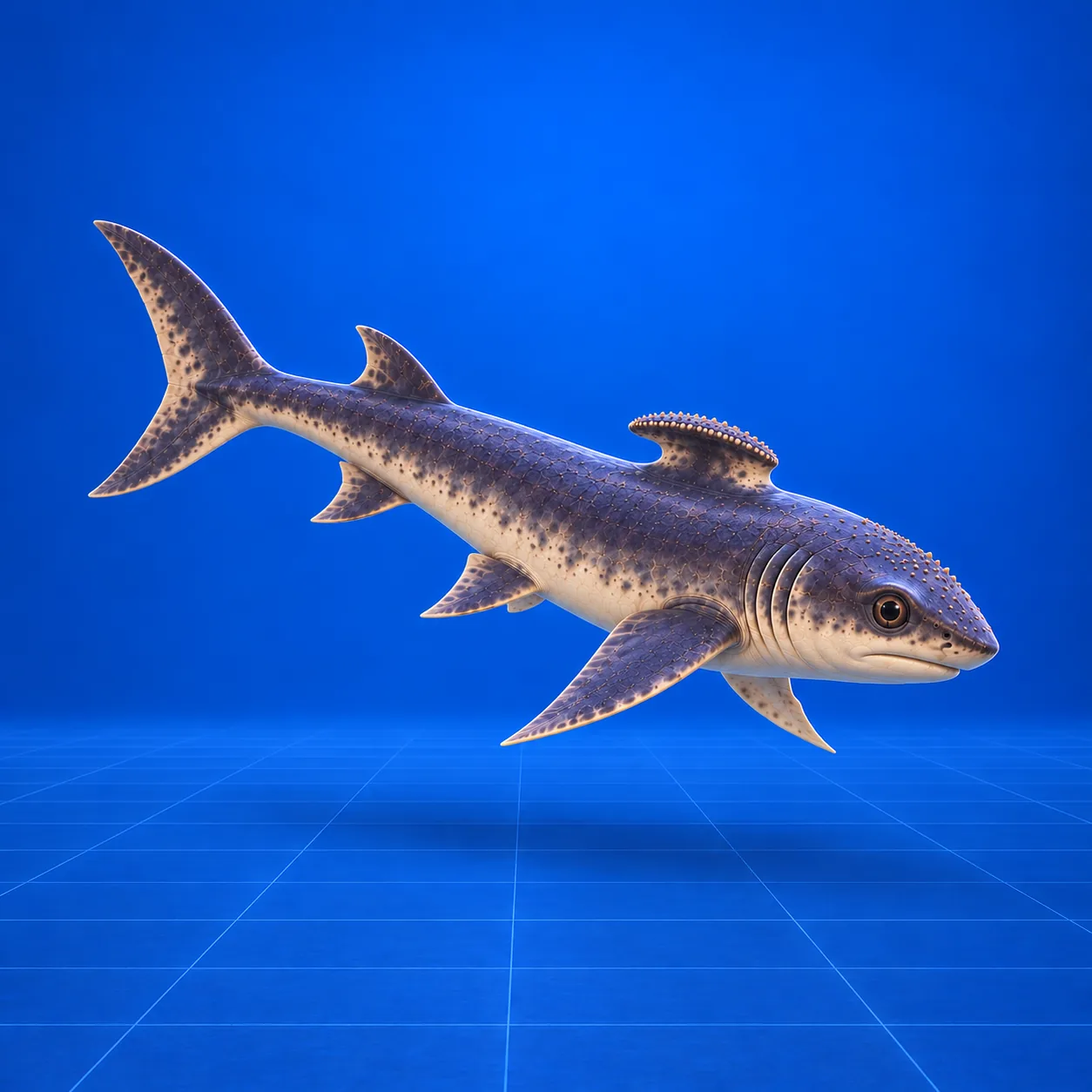
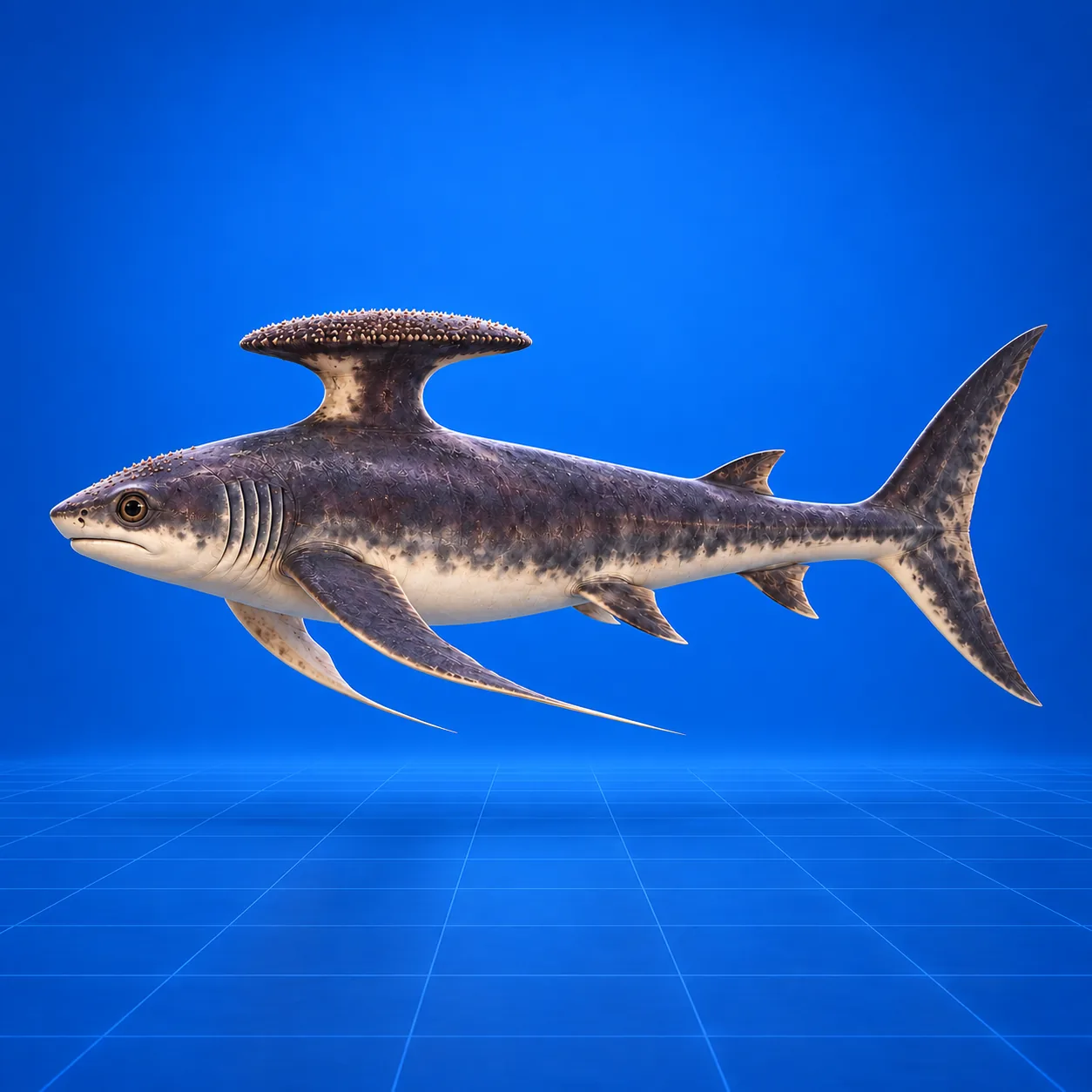
AI-generated, stylized game illustrations. These designs and growth stages are imaginative, not scientific reconstructions.
Stethacanthus at a glance
- Diet
- Carnivore
- Its feeding structures are interpreted as adapted to taking animal prey.
- When it lived
- Late Devonian and Carboniferous
- Group
- Symmoriidae
- Symmoriidae
Beyond the game
The real Stethacanthus
Stethacanthus is known for the unusual anvil-shaped structure associated with the dorsal region of males. It is one of the most immediately recognizable fossil shark-like fishes.
The unusual structure is associated with males rather than being a universal feature of all individuals. Its function and development remain more difficult to interpret than its preserved outline.
Fossil discoveries
Selected fossil records · present-day map
Map references
Map: Natural Earth, public domain. Fossil records: Paleobiology Database and linked collections and publications.Sources & text credits
Explore the references behind this profile.
- The morphology of Falcatus falcatus, a Mississippian stethacanthid chondrichthyan
- Paleobiology Database: Stethacanthus altonensis (txn:151627)
Original English Dinosgacha summaries informed by the linked scientific and museum references; source publications retain their own rights.